
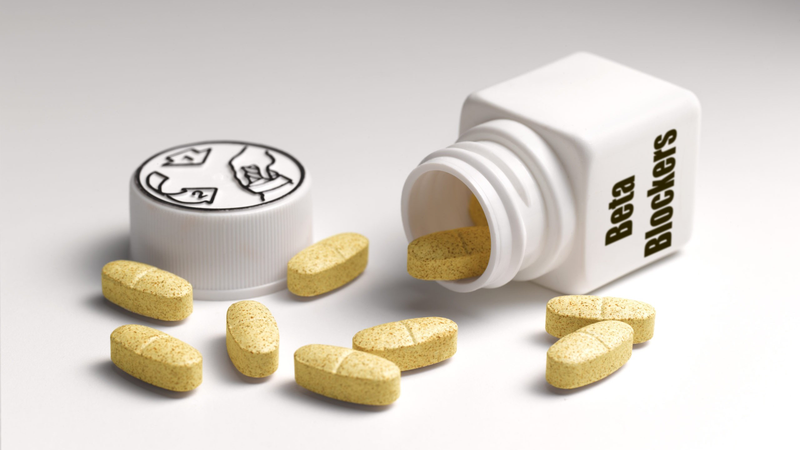
Beta-blockers are essential medications in the treatment of hypertension and cardiovascular diseases, but they can be associated with the side effect of erectile dysfunction in men. This condition occurs because these medications reduce blood flow to the penile arteries and affect the sympathetic nervous system. Patients must never arbitrarily discontinue their medication abruptly, as this can cause dangerous cardiovascular events; instead, they should proactively discuss with a physician to adjust the dosage or switch to a suitable alternative drug class.
1. What Are Beta Blockers and Why Are They Commonly Used?
Beta-blockers (beta-adrenergic receptor blocking agents) are prescription medications widely indicated for the treatment of cardiovascular diseases and hypertension. These drugs work by blocking the effects of the hormone adrenaline (epinephrine) on the beta receptors of the sympathetic nervous system.
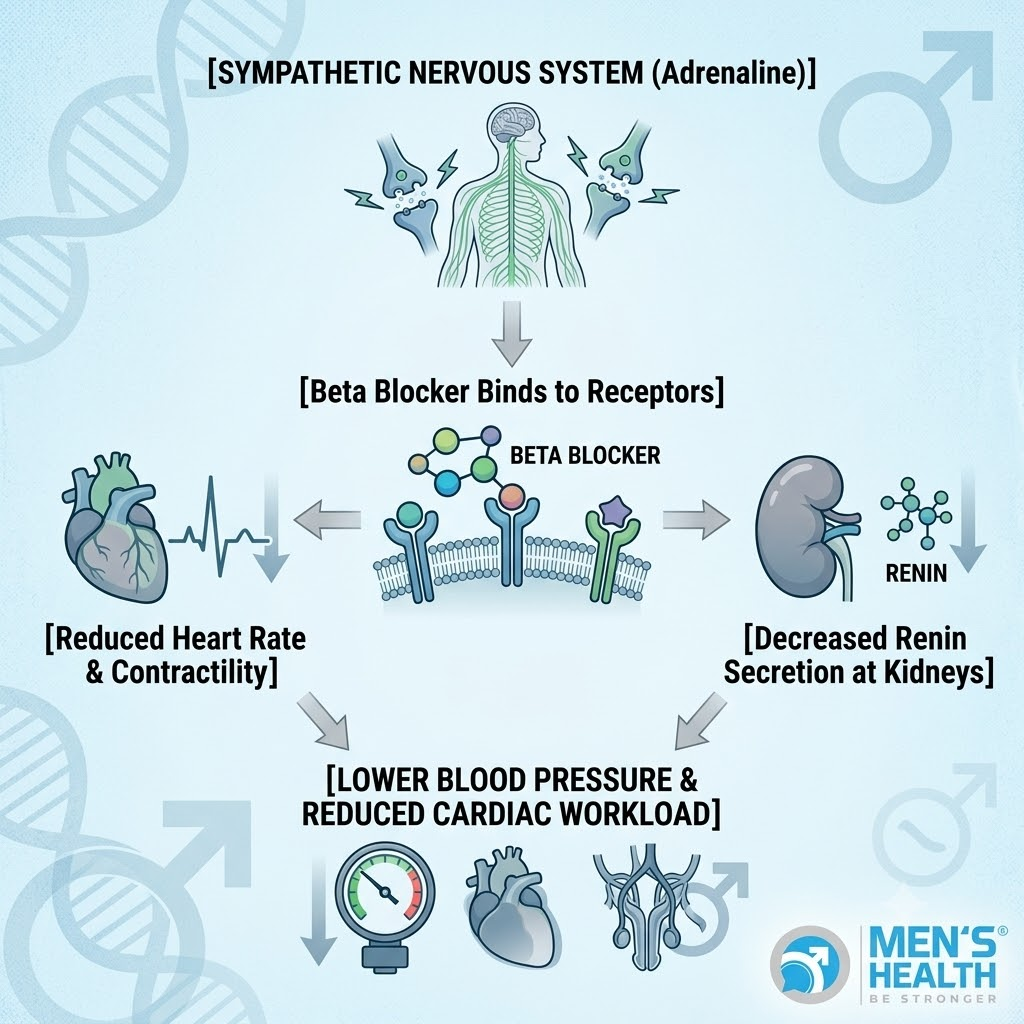
When beta receptors are blocked, the heart rate slows down, cardiac contractility decreases, and blood pressure within the vascular lumens is controlled. Beta-blockers are classified into main groups:
- Non-selective Beta Blockers: Block both β1 receptors (in the heart) and β2 receptors (in the bronchi and blood vessels). Representative examples include Propranolol, Nadolol, and Timolol.
- Cardioselective (β1) Beta Blockers: Act preferentially on the heart with minimal effects on the bronchi. Representative examples include Atenolol, Metoprolol, Bisoprolol, and Acebutolol.
- New-Generation Vasodilating Beta Blockers: Both block beta receptors and stimulate the release of Nitric Oxide (Nitric Oxide/NO) to induce vasodilation or additionally block alpha-1 receptors. Representative examples include Nebivolol and Carvedilol.
Common medical indications for this drug class include hypertension, angina pectoris, post-myocardial infarction, chronic heart failure, cardiac arrhythmias, and migraine prophylaxis.
2. Why Can Beta Blockers Cause Erectile Dysfunction in Men?
Erectile dysfunction (ED) is the inability of a man to achieve or maintain an erection sufficient for satisfactory sexual intercourse. Beta-blockers can affect erectile function through several complex physiological mechanisms:
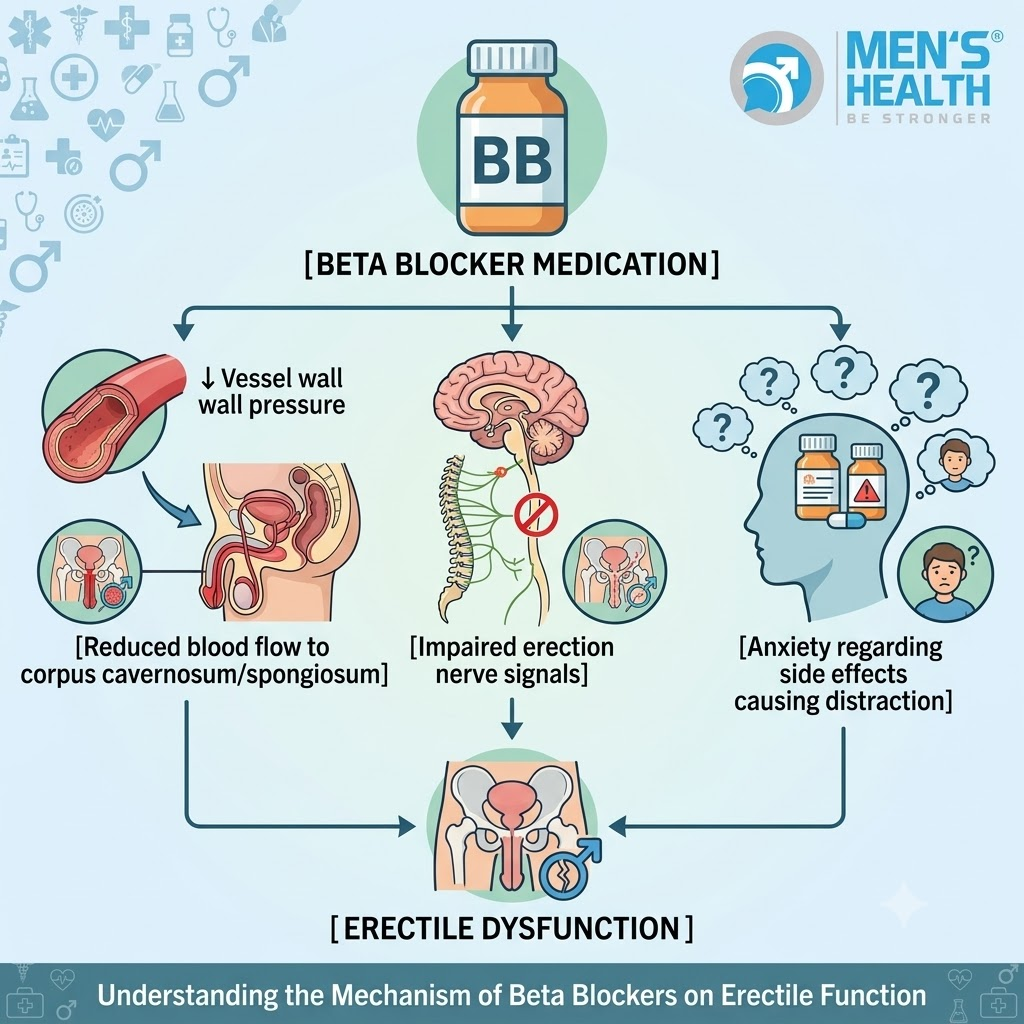
The primary mechanisms include:
- Reduction in Peripheral Perfusion Pressure: Systemic blood pressure lowering combined with vasoconstrictive effects (in non-selective lines) can reduce arterial blood flow into the corpus cavernosum tissues of the penis, which require adequate blood pressure to trigger an erection.
- Sympathetic Nervous System Inhibition: Although the erectile process is primarily governed by the parasympathetic nervous system via Nitric Oxide mediation, the sympathetic system still plays a role in maintaining vascular tone. Drug intervention can disrupt this neural-vascular signaling chain.
- Impact on Hormone Levels: Some studies note that older-generation beta-blockers may slightly lower free testosterone levels in the blood or increase anxiety responses, indirectly affecting sexual desire.
- Psychological Impact and Fatigue: Side effects such as fatigue, lethargy, and slowed heart rate caused by beta-blockers leave men with lower energy and diminished self-confidence during sexual activity.
3. Distinguishing Drug-Induced Erectile Dysfunction from Cardiovascular Disease
One of the greatest clinical challenges is determining whether erectile dysfunction stems from beta-blocker side effects or from underlying hypertension and atherosclerosis.
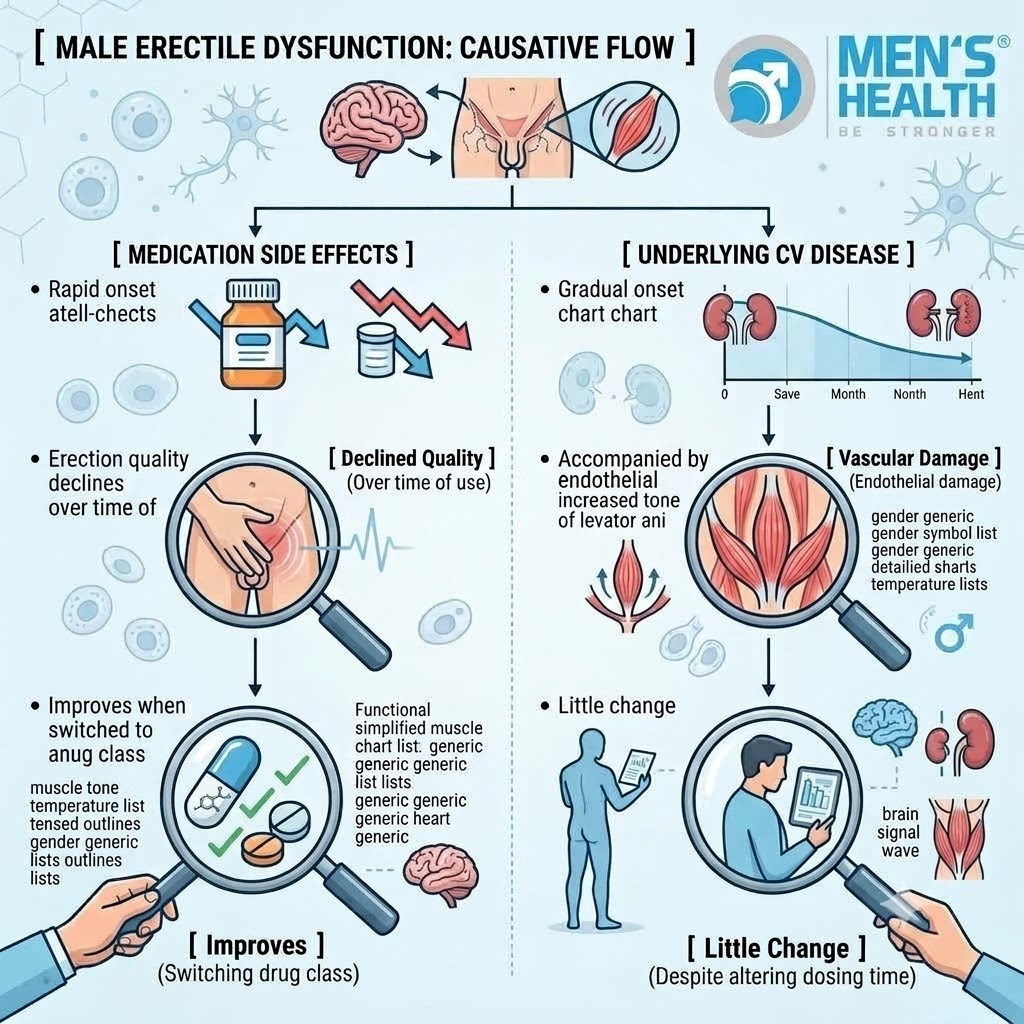
- Erectile Dysfunction Due to Cardiovascular Disease: Hypertension and atherosclerosis themselves damage the endothelial layer of blood vessels, impairing the natural production of Nitric Oxide. This causes small blood vessels in the penis to narrow and stiffen even before coronary artery manifestations appear.
- Erectile Dysfunction Due to Beta-Blockers: Typically shows a clear progressive onset within weeks to months after starting treatment or increasing the dose of beta-blockers. This condition tends to subside when the physician lowers the dose or switches to an alternative antihypertensive drug with less impact on sexual function.
4. Recognition Signs and When Men Should See a Doctor
Men should pay attention to bodily changes after starting a treatment regimen with beta-blockers.
Signs to Monitor
- Difficulty achieving maximum rigidity despite having sexual desire.
- Short duration of erection maintenance, easily losing rigidity midway through intercourse.
- Decreased libido or reduced frequency of sexual desire compared to before taking the medication.
- Accompanying chronic fatigue, dizziness, and cold fingers or toes.
When to Seek Immediate Medical Attention
Patients should schedule an appointment with an andrology or cardiology specialist when:
- Erectile dysfunction symptoms persist for over a month, severely affecting psychological well-being and partnership harmony.
- Unusual cardiovascular signs appear, such as chest pain, shortness of breath, excessively slow heart rate (below 50 beats per minute), or severe dizziness.
- Intending to stop taking antihypertensive medications due to concerns regarding sexual side effects.
5. Diagnostic Process for Erectile Dysfunction in Patients Taking Beta Blockers
Diagnosing erectile dysfunction in men using beta-blockers requires a comprehensive approach to properly evaluate the cause and ensure cardiovascular safety.
- Medical History & Medication History Evaluation:
- Assess the timing of beta-blocker use and the onset of ED.
- Evaluate the IIEF-5 (International Index of Erectile Function) score.
- Clinical Examination & Cardiovascular System Evaluation:
- Measure blood pressure, listen to heart sounds, check peripheral pulses.
- Examine external genitalia.
- Corresponding Subclinical Tests:
- Quantify total testosterone, prolactin, blood glucose, lipid profile.
- Penile color duplex ultrasound (when perfusion assessment is needed).
The physician will clarify the causal relationship between medication timing and impaired erectile function while screening for concurrent risk factors such as diabetes, dyslipidemia, or psychological stress.
6. Medical Management Solutions for Beta-Blocker-Induced Erectile Dysfunction
Men experiencing erectile dysfunction while taking beta-blockers must never self-manage. Any changes to the treatment regimen must be decided by a specialist physician.
- Switching to New-Generation Beta Blockers:
- Not all beta-blockers cause erectile dysfunction to the same extent. Third-generation beta-blockers with vasodilating properties—such as Nebivolol (which stimulates Nitric Oxide synthesis) or Carvedilol (which additionally blocks alpha-1 receptors)—record significantly lower rates of side effects on erectile function compared to classical lines like Propranolol or Atenolol.
- Switching to Alternative Antihypertensive Drug Classes:
- If cardiovascular conditions permit, physicians may consider switching patients to antihypertensive classes that have minimal impact or even support improved vascular function, such as:
- Angiotensin II Receptor Blockers (ARBs): Such as Losartan, Valsartan, Telmisartan (some studies suggest ARBs help improve sexual function).
- Angiotensin-Converting Enzyme Inhibitors (ACEis): Such as Lisinopril, Perindopril.
- Calcium Channel Blockers (CCBs): Such as Amlodipine, Felodipine.
- If cardiovascular conditions permit, physicians may consider switching patients to antihypertensive classes that have minimal impact or even support improved vascular function, such as:
- Using Erectile Dysfunction Treatment Medications (PDE5 Inhibitors):
- In many cases where patients must continue beta-blockers to protect the heart, physicians may prescribe a combination with PDE5 inhibitors (Sildenafil, Tadalafil, Vardenafil, Avanafil).
- Treatment goal: Enhance the action of Nitric Oxide, helping relax smooth muscles in the cavernous blood vessels and increase blood flow to the penis.
- Safety note: This combination requires careful evaluation by a cardiologist to avoid the risk of excessive hypotension. The use of PDE5 inhibitors is strictly contraindicated with Nitrate medications (Nitroglycerin, Isosorbide mononitrate) used for angina.
7. Safety Requirements in Medication Use and Important Side Effects
Treatment management requires strict adherence to medical principles to protect life and overall health.
| IMPORTANT MEDICAL WARNINGS |
| • STRICTLY DO NOT DISCONTINUE BETA BLOCKERS ABRUPTLY. |
| • Abrupt discontinuation can cause a rebound effect: paroxysmal hypertension, myocardial infarction, or life-threatening cardiac arrhythmias. |
| • All dosage adjustments or drug switches must be performed under the supervision and step-by-step guidance of a specialist physician. |
| • Erectile dysfunction medications (PDE5i) are STRICTLY PRESCRIPTION-ONLY; do not self-purchase and use them while having a cardiovascular condition. |
High-Caution Populations
- Patients with peripheral vascular disease: Exercise caution when using non-selective beta-blockers.
- Diabetic patients: Beta-blockers can mask warning signs of hypoglycemia (such as palpitations and rapid heart rate).
- Individuals with bradycardia or heart block: Require close electrocardiographic monitoring.
Important Drug Interactions
- Alcohol, beer, and alcoholic beverages: Increase the blood pressure-lowering effect of medications, worsening erectile dysfunction and dizziness.
- Other antiarrhythmic medications (such as Verapamil, Diltiazem): May increase the risk of severe bradycardia when used together with beta-blockers.
8. Lifestyle Modifications and Prevention Tips for Erectile Dysfunction
In addition to medication, lifestyle adjustments help enhance vascular health and improve the treatment efficacy of both cardiovascular disease and sexual function.
- Heart-Healthy Diet (DASH / Mediterranean): Increase vegetables, fruits, whole grains, and Omega-3 rich marine fish; minimize salt, animal fats, and processed foods.
- Enhanced Physical Activity: Engage in moderate aerobic exercise such as brisk walking, swimming, or cycling for 30 – 45 minutes daily to improve vascular endothelial function and enhance systemic blood circulation.
- Weight Control: Reducing belly fat helps improve natural testosterone levels and relieves the load on the circulatory system.
- Limiting Tobacco and Stimulants: Tobacco smoke severely damages small blood vessels in the penis and accelerates atherosclerosis.
- Stress Management: Practice meditation, yoga, or deep breathing exercises to soothe the sympathetic nervous system.
9. Common Pitfalls for Men Experiencing This Condition
- Arbitrarily stopping beta-blockers due to declining performance: This is the most dangerous mistake, potentially leading to stroke or acute myocardial infarction.
- Self-purchasing unverified “male enhancement” products online: Unverified herbal products are often illegally spiked with synthetic erectile dysfunction drugs in uncontrolled dosages, posing interaction risks that cause sudden blood pressure drops or poisoning.
- Hesitating to share with a physician: The psychology of hiding the condition causes patients to suffer in silence, worsening psychological anxiety and reducing quality of life.
- Mistaking erectile dysfunction for “kidney weakness”: Wasting time and money on word-of-mouth remedies without addressing the vascular root cause or medication side effects.
10. Healthcare Solutions at the Men’s Health Ecosystem
Managing erectile dysfunction in patients with cardiovascular disease requires close coordination between andrology, urology, and cardiology specialties to ensure harmony between life-saving safety goals and quality of life.
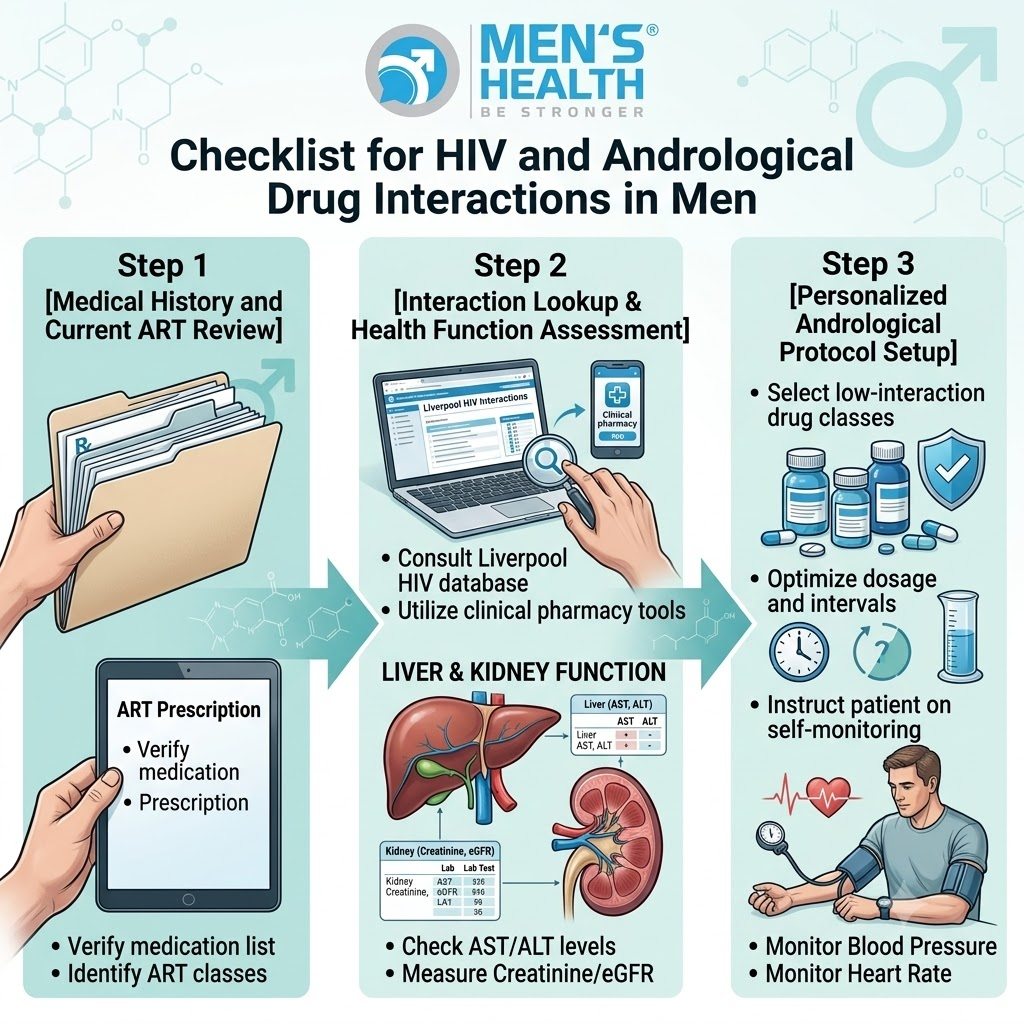
Men’s Health Andrology Pharmacy is a unit within the Men’s Health Center ecosystem founded by Assoc. Prof. Dr. Tra Anh Duy. Here, patients always receive guidance, explanations, and support from physicians and pharmacists in selecting appropriate healthcare solutions. Men’s Health emphasizes professionalism, safety, discretion, information privacy, and respect for individual privacy throughout examination, treatment, and follow-up.

Within the Men’s Health ecosystem, men are provided with a standardized examination process, helping identify the correct cause of erectile dysfunction, evaluating cardiovascular safety before prescribing, and developing the most optimal personalized protocol.
11. Comparison Table of Physiological Impacts Across Antihypertensive Medications
| Antihypertensive Drug Class | Representative Medication | Impact Level on Erectile Function | Important Medical Notes |
| Older-Generation Beta Blockers | Atenolol, Propranolol, Metoprolol | High | Can reduce cavernous perfusion and cause fatigue. |
| New-Generation Beta Blockers | Nebivolol, Carvedilol | Low to Moderate | Nebivolol features vasodilating properties due to stimulated NO release. |
| Angiotensin II Receptor Blockers (ARBs) | Losartan, Valsartan, Telmisartan | Very Low / Supportive | Sexual-function-friendly antihypertensive drug class. |
| Angiotensin-Converting Enzyme Inhibitors (ACEis) | Lisinopril, Perindopril | Low | Minimal negative impact on erectile function. |
| Calcium Channel Blockers (CCBs) | Amlodipine, Nifedipine | Low | Neutral toward male sexual function. |
| Thiazide Diuretics | Hydrochlorothiazide, Indapamide | Moderate to High | Prolonged use can reduce blood flow to the penis. |
Beta Blockers and Erectile Dysfunction in Men: Frequently Asked Questions (FAQs)
Do all men taking beta-blockers experience erectile dysfunction?
No. This side effect occurs in a specific percentage of patients, depending on individual constitution, age, dosage, the type of beta-blocker used, and the underlying vascular health status of each individual.
Can I independently halve my beta-blocker dose to improve bedroom performance?
Absolutely not. Self-reducing the dose can cause blood pressure to skyrocket unexpectedly or trigger angina attacks. You must consult a physician to safely adjust your dosage or switch medications.
Is Nebivolol better for sexual function than Atenolol?
Clinical studies show that Nebivolol—a new-generation beta-blocker with properties that stimulate Nitric Oxide release—causes significantly fewer side effects on erectile function compared to older-generation beta-blockers like Atenolol or Propranolol.
Can I take Cialis (Tadalafil) or Viagra (Sildenafil) while taking beta-blockers?
Yes, but it must be prescribed and examined by a physician. The physician needs to check your cardiovascular status to see if you are fit for sexual activity and ensure you are not concomitantly using Nitrate medications to avoid acute hypotension.
If the physician switches me to another antihypertensive drug, how long does it take for erectile function to recover?
When erectile dysfunction is primarily caused by beta-blocker side effects, erectile function typically improves gradually within $2 – 6$ weeks after switching to a suitable new antihypertensive drug class.
Do beta-blockers lower blood testosterone levels?
Some older-generation non-selective beta-blockers may slightly affect hormonal regulation, but this is not the primary mechanism. The main impact remains reduced peripheral perfusion pressure and sympathetic system effects.
Conclusion
Beta-blockers and erectile dysfunction in men represent a medical issue that must be properly recognized and carefully managed. Men must never stop their blood pressure medication out of concern for sexual side effects, as this endangers life due to cardiovascular events.
Currently, modern medicine offers many effective solutions such as dosage adjustment, switching to vasodilating new-generation beta-blocker classes (such as Nebivolol), or combining specialized prescription treatments. When experiencing signs of declining erectile function during medication use, visit the Men’s Health Center for a comprehensive evaluation by specialist physicians and receive the safest, most discreet, and personalized corrective solutions.