

Managing prostate cancer requires an in-depth understanding of complex systemic pharmacotherapies and their potential drug-drug interactions (DDIs). Whether navigating systemic androgen deprivation therapy (ADT), novel androgen receptor pathway inhibitors (ARPIs), taxane-based chemotherapies, or managing concomitant benign urological conditions like Benign Prostatic Hyperplasia (BPH), evaluating metabolic pathways and receptor dynamics is essential to prevent treatment toxicity, loss of oncological efficacy, or severe systemic complications.
1. Clinical Overview of Prostate Cancer and Therapeutic Principles
Prostate cancer is an invasive malignant neoplasm originating from the glandular epithelium of the prostate gland, predominantly presenting as adenocarcinoma within the peripheral zone. Tumor proliferation and disease progression rely heavily on androgen receptor (AR) signaling driven by circulating testosterone and dihydrotestosterone (DHT).
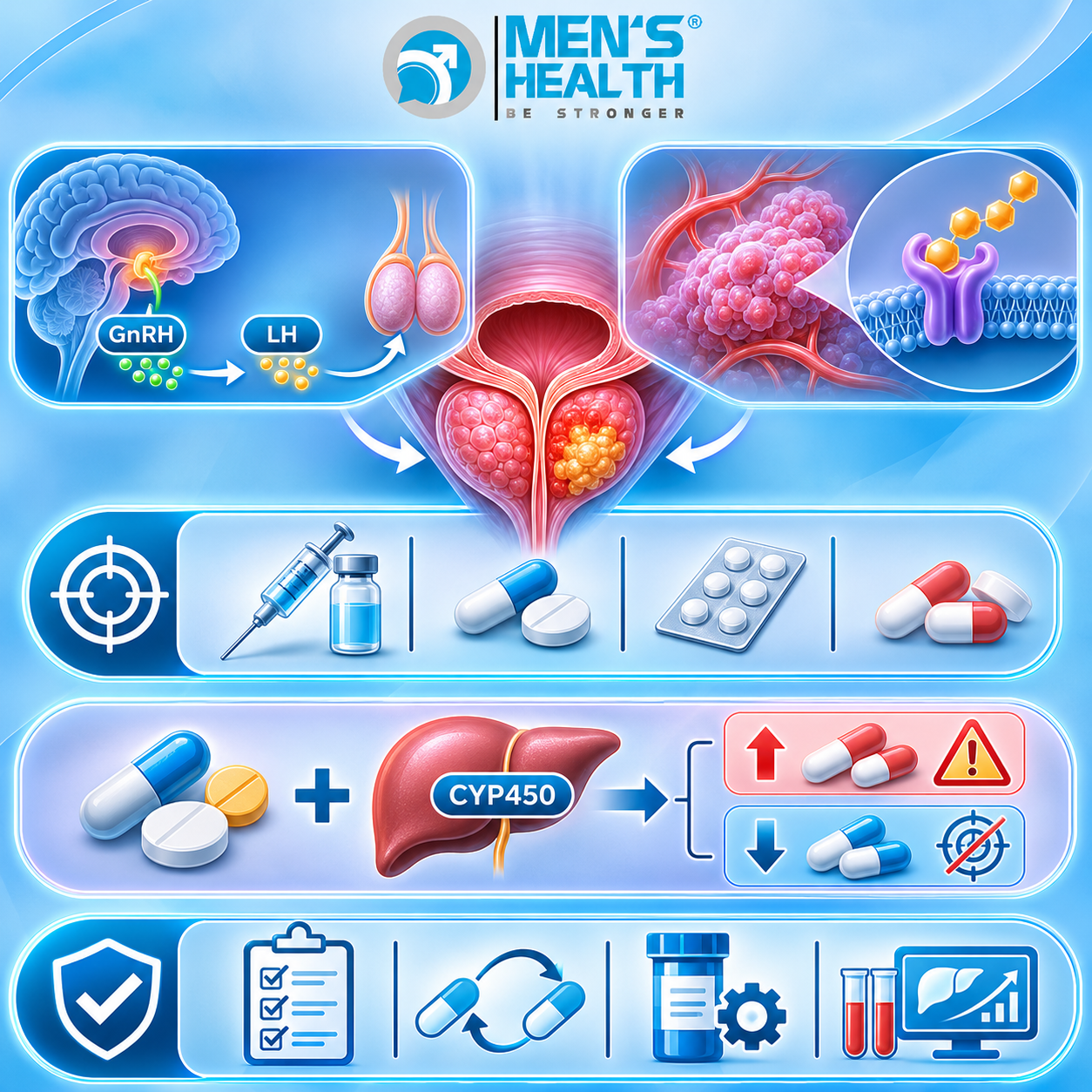
Pharmacotherapy forms the backbone of treatment for advanced, recurrent, or metastatic prostate cancer. However, because prostate adenocarcinoma primarily affects aging men who frequently present with cardiovascular, metabolic, and neurogenic comorbidities, multi-drug regimens are common, significantly increasing the risk of adverse drug interactions.
2. Major Drug Classes Used in Prostate Cancer Care
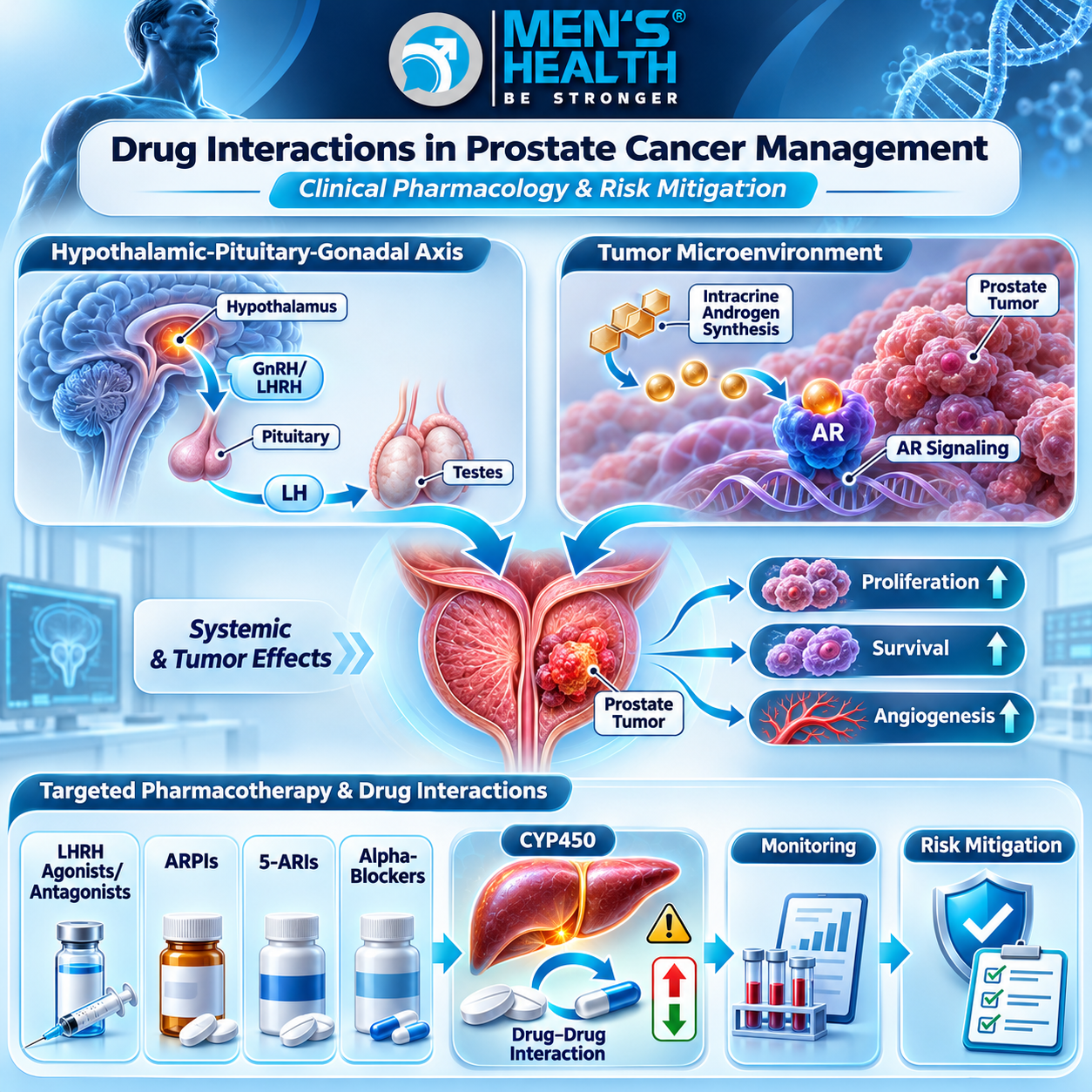
- Androgen Deprivation Therapy (ADT – GnRH/LHRH Agonists & Antagonists):
- Agents: Leuprolide, Goserelin, Triptorelin (Agonists); Degarelix, Relugolix (Antagonists).
- Mechanism: Suppresses pituitary release of luteinizing hormone (LH), reducing testicular testosterone production to castrate levels ().
- Novel Androgen Receptor Pathway Inhibitors (ARPIs):
- Agents: Abiraterone Acetate, Enzalutamide, Apalutamide, Darolutamide.
- Mechanism: Abiraterone selectively inhibits CYP17A1 (17α-hydroxylase/C17,20-lyase) to block testicular, adrenal, and intratumoral androgen synthesis. Enzalutamide, apalutamide, and darolutamide competitively inhibit androgen binding to AR, nuclear translocation, and DNA binding.
- Alpha-1 Adrenoceptor Antagonists (α1-Blockers):
- Agents: Tamsulosin, Silodosin, Alfuzosin, Doxazosin.
- Mechanism: Block -adrenoceptors in the prostate stroma and bladder neck to treat concomitant BPH-induced lower urinary tract symptoms (LUTS).
- 5-Alpha Reductase Inhibitors (5-ARIs):
- Agents: Finasteride, Dutasteride.
- Mechanism: Inhibit -reductase, blocking conversion of testosterone to DHT.
- Taxane-Based Chemotherapy:
- Agents: Docetaxel, Cabazitaxel.
- Mechanism: Promote microtubule assembly and inhibit disassembly, disrupting mitotic cell division.
3. High-Risk Drug Interactions in Prostate Cancer Pharmacotherapy
Evaluating metabolic pathways, hepatic isoenzyme induction/inhibition, transport proteins (P-glycoprotein), and cardiac electrophysiology is critical when prescribing medications for prostate cancer.
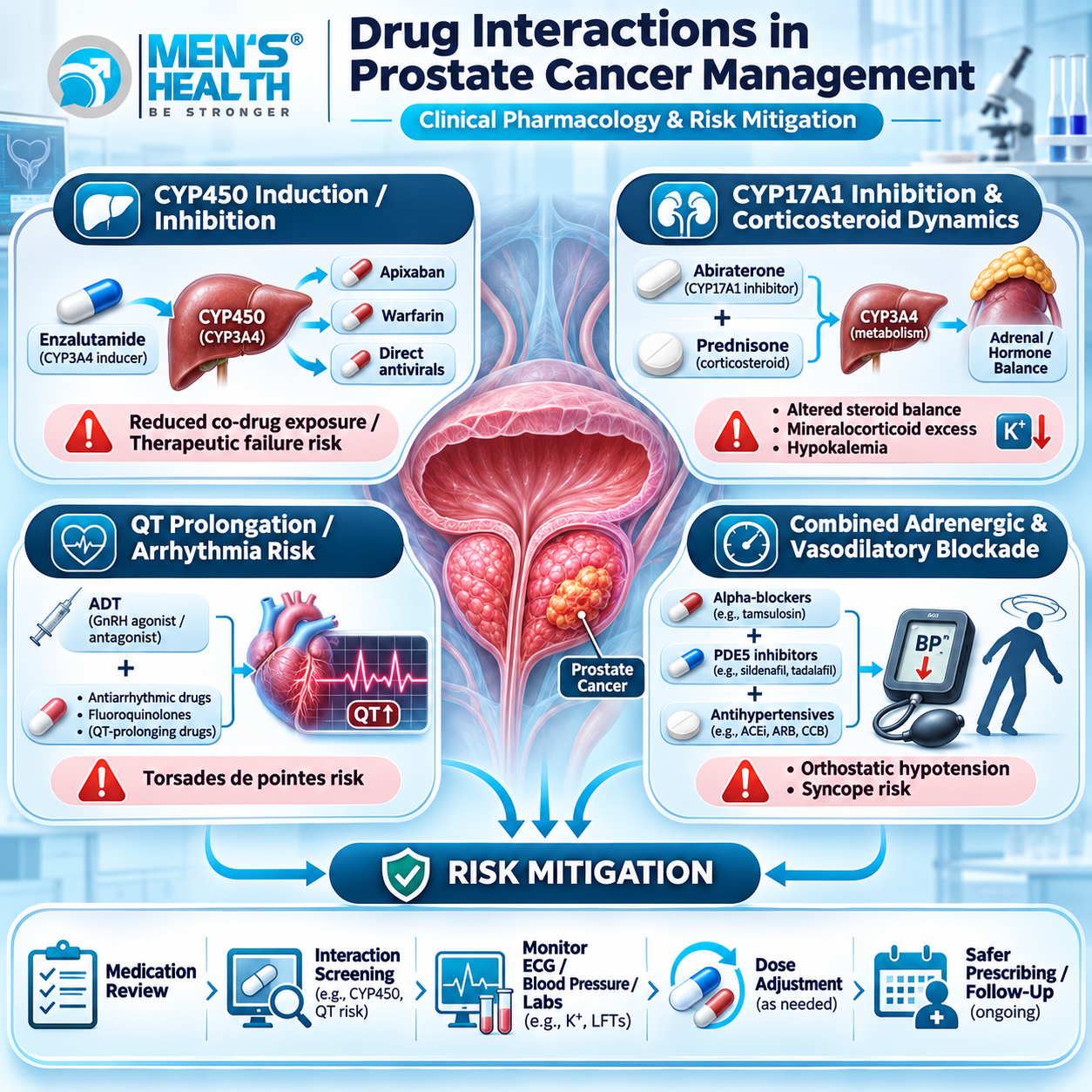
1. Enzalutamide and Apalutamide as Potent CYP450 Enzyme Inducers
- Mechanism: Enzalutamide and apalutamide are strong inducers of hepatic CYP3A4 and moderate inducers of CYP2C9 and CYP2C19. Co-administering these agents decreases plasma concentrations of drugs metabolized by these pathways.
- Clinical Consequences:
- Direct Oral Anticoagulants (DOACs – e.g., Apixaban, Rivaroxaban): Substantially reduced anticoagulant levels, increasing the risk of venous thromboembolism (VTE) or stroke.
- Warfarin: CYP2C9 induction accelerates warfarin clearance, destabilizing International Normalized Ratio (INR) control.
- Immunosuppressants & Anticonvulsants: Accelerated clearance leads to loss of therapeutic efficacy.
- Management: Switch to darolutamide (which exhibits significantly lower CYP induction potential) or utilize alternative non-CYP-dependent anticoagulants (e.g., low-molecular-weight heparin) when strong induction poses high clinical risk.
2. Abiraterone Acetate and CYP2D6 Inhibition / CYP3A4 Substrate Interactions
- Mechanism: Abiraterone acetate is a strong inhibitor of hepatic CYP2D6 and is primarily metabolized by CYP3A4.
- Clinical Consequences:
- CYP2D6 Substrates with Narrow Therapeutic Indices (e.g., Metoprolol, Flecainide, Desipramine): Co-administration with abiraterone increases plasma levels of these drugs, risking severe bradycardia, cardiac conduction blocks, or arrhythmias.
- Strong CYP3A4 Inducers (e.g., Rifampin, Phenytoin, St. John’s Wort): Significantly reduce abiraterone exposure, leading to reduced oncological efficacy.
- Management: Avoid co-administering strong CYP3A4 inducers with abiraterone. Reduce doses of narrow therapeutic index CYP2D6 substrates and monitor clinical endpoints (e.g., heart rate and blood pressure).
3. ADT-Induced QT Prolongation and Arrhythmogenic Risk
- Mechanism: Androgen deprivation therapy (both GnRH agonists and antagonists) causes hypogonadism, which prolongs cardiac repolarization (QTc interval).
- Clinical Consequences: Combining ADT with other QTc-prolonging drugs increases the risk of Torsades de Pointes and lethal ventricular arrhythmias.
- High-Risk Co-Medications: Class IA (e.g., Quinidine, Procainamide) and Class III (e.g., Amiodarone, Sotalol) antiarrhythmics, fluoroquinolones (e.g., Ciprofloxacin, Levofloxacin), macrolide antibiotics (e.g., Azithromycin), and antipsychotics (e.g., Haloperidol).
- Management: Obtain baseline and periodic electrocardiograms (ECGs) and monitor serum electrolytes (potassium, magnesium) in patients receiving ADT alongside QTc-prolonging drugs.
4. Interactions Involving Concomitant BPH Medications (α1-Blockers & 5-ARIs)
- α1-Blockers with Potent CYP3A4 Inhibitors: Tamsulosin and silodosin are extensively metabolized by CYP3A4. Co-administering strong CYP3A4 inhibitors (e.g., Ketoconazole, Clarithromycin) significantly increases plasma drug concentrations, causing severe orthostatic hypotension and syncope.
- α1-Blockers with Phosphodiesterase-5 (PDE5) Inhibitors: Combining tamsulosin or alfuzosin with PDE5 inhibitors (e.g., Tadalafil) for co-existing erectile dysfunction or LUTS can cause additive vascular smooth muscle relaxation and postural collapse. Ensure hemodynamic stability on -blockers before initiating PDE5 inhibitors at low starting doses.
4. Comprehensive Drug Interaction Matrix
| Prostate Cancer Class / Drug | Interacting Drug Class / Agent | Mechanism of Interaction | Potential Clinical Consequence | Management Strategy |
|---|---|---|---|---|
| Enzalutamide / Apalutamide | DOACs (Apixaban, Rivaroxaban) | Strong hepatic CYP3A4 induction | Marked reduction in DOAC levels; high risk of thromboembolism | Avoid combination; consider Darolutamide or LMWH |
| Abiraterone Acetate | CYP2D6 Substrates (Metoprolol, Flecainide) | Strong inhibition of CYP2D6 | Elevated plasma drug levels; risk of bradycardia and arrhythmias | Monitor ECG/heart rate; reduce dose of CYP2D6 substrate |
| Abiraterone Acetate | Strong CYP3A4 Inducers (Rifampin, Phenytoin) | Accelerated hepatic clearance of Abiraterone | Decreased Abiraterone exposure; risk of prostate cancer progression | Avoid strong CYP3A4 inducers; select alternative agents |
| GnRH Agonists / Antagonists | QTc-Prolonging Drugs (Amiodarone, Ciprofloxacin) | Additive prolongation of cardiac repolarization | Elevated risk of Torsades de Pointes and ventricular arrhythmias | Perform baseline/follow-up ECGs; maintain normal K+/Mg2+ |
| α1-Blockers (Tamsulosin) | Strong CYP3A4 Inhibitors (Ketoconazole) | Blockade of primary clearance pathway | Toxic accumulation of α1-blocker; severe hypotension/syncope | Co-administration contraindicated or requires major dose reduction |
| α1-Blockers (Tamsulosin) | PDE5 Inhibitors (Tadalafil, Sildenafil) | Additive vascular smooth muscle relaxation | Symptomatic orthostatic hypotension and dizziness | Ensure hemodynamic stability; initiate PDE5-I at low doses |
5. Comprehensive Clinical Diagnostic Protocols for Prostate Cancer
Accurate prostate cancer risk stratification and diagnostic evaluation are mandatory before initiating targeted systemic therapies.

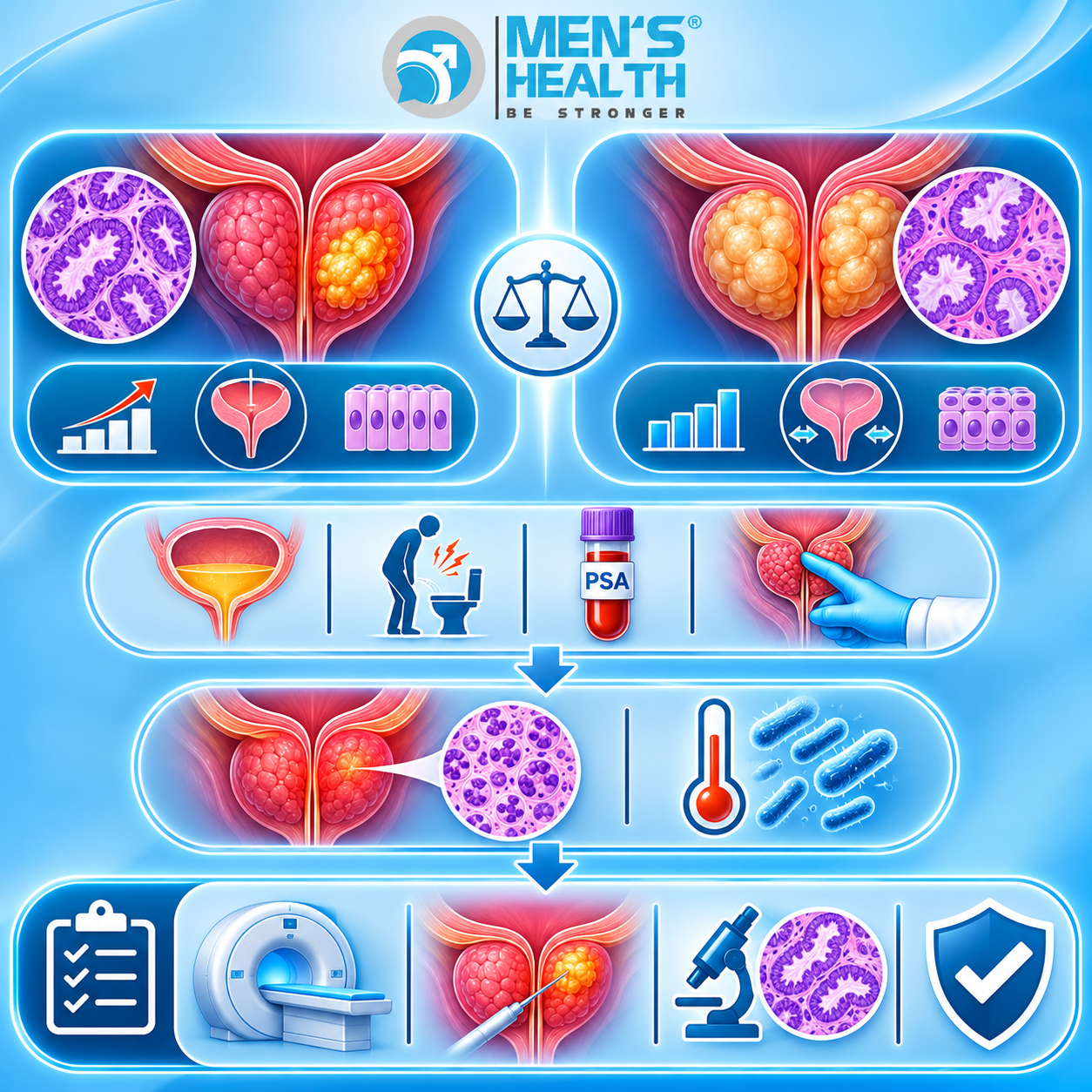
- Digital Rectal Examination (DRE): Evaluates prostate size, contour, symmetry, and detects suspicious indurated nodules in the peripheral zone.
- Serum Prostate-Specific Antigen (PSA) Assay: Measures total serum PSA, free-to-total PSA ratios (), and PSA density ().
- Multiparametric Pelvic MRI (mpMRI): Non-invasive gold standard combining -weighted, Diffusion-Weighted Imaging (DWI), and Dynamic Contrast Enhancement (DCE), interpreted using the PI-RADS system (PI-RADS 1 to 5).
- Targeted Core Needle Biopsy: Histopathological verification via transrectal or transperineal fusion biopsy, categorized by Gleason Scores and ISUP Grade Groups (Groups 1 through 5).
6. Differential Diagnosis Spectrum
Several benign urological conditions present with clinical signs, lower urinary tract symptoms, and biomarker elevations that mimic prostate adenocarcinoma:
Diagnostic Comparison Matrix
| Urological Pathology | Dominant Zone | Digital Rectal Exam (DRE) | PSA & Biomarker Profile | Diagnostic Modality of Choice |
|---|---|---|---|---|
| Prostate Adenocarcinoma | Peripheral Zone (70−75%) | Hard, asymmetric nodule, loss of sulcus | Persistent rise, PSAD ≥0.15, %Free PSA<15% | mpMRI (PI-RADS 4-5), Targeted Core Biopsy |
| Benign ProSTATIC Hyperplasia | Transition Zone | Symmetrically enlarged, smooth, elastic | Mild/moderate elevation, PSAD <0.15, %Free PSA>25% | TRUS volume assessment, mpMRI (PI-RADS 1-2) |
| Acute Bacterial Prostatitis | Diffuse / Global Gland | Exquisitely tender, hot, boggy gland | Marked transient rise (>20−50 ng/mL) | Urinalysis, culture; defer biopsy & repeat PSA post-antibiotics |
| Prostatic Abscess | Focal Parenchyma | Fluctuant, tender focal mass | Variable elevation during acute flare | Pelvic Ultrasound / MRI showing rim-enhancing cavity |
| Prostatic Calculi | Acinar Ducts | Hard, focal nodular sensation | Usually normal unless co-existing BPH | TRUS showing hyper-echoic foci with acoustic shadowing |
7. Professional Care at Men’s Health Center and Men’s Health Pharmacy
Managing prostate cancer, androgen deprivation therapy, and complex drug interaction profiles requires multidisciplinary medical expertise and specialized pharmaceutical oversight.
Men’s Health Pharmacy, an integral component of the Men’s Health Center ecosystem founded by Dr. Tra Anh Duy (MD, PhD, Spec. II), provides clinical pharmacy support for male urological health. At Men’s Health, patients consult with experienced urologists and clinical pharmacists to ensure that prescribed therapeutic regimens – including ADT agents, ARPIs, -blockers, and 5-ARIs – are screened for potential drug interactions, adjusted for hepatic/renal function, and monitored for safety. The facility emphasizes professional safety, patient privacy, absolute confidentiality, and evidence-based practice across all stages of care.

8. Lifestyle Modifications and Prevention Strategies
- Nutritional Optimization: Adopt a Mediterranean-style diet rich in whole grains, legumes, tomatoes (lycopene), and omega-3 fatty acids while limiting processed meats and saturated fats.
- Regular Physical Exercise: Engage in 150 minutes of moderate aerobic and resistance training weekly to maintain bone mineral density and counter metabolic side effects during androgen deprivation therapy.
- Weight Management: Maintain a healthy body mass index (BMI) to reduce systemic inflammation associated with aggressive tumor biology.
- Routine Urological Screening: Men aged 50 and older (or age 40–45 for those with a strong family history or BRCA mutations) should discuss baseline PSA testing and clinical risk evaluation with a urologist.
9. Common Clinical Pitfalls in Managing Drug Interactions
- Co-Prescribing Enzalutamide with DOACs Without Risk Assessment: Failing to recognize that enzalutamide significantly lowers DOAC plasma levels, exposing patients to unmanaged thromboembolic risk.
- Ignoring QTc Prolongation in Patients on ADT: Prescribing antiarrhythmics or fluoroquinolones to patients receiving GnRH agonists without baseline and follow-up ECG monitoring.
- Co-Prescribing Tamsulosin and Strong CYP3A4 Inhibitors: Combining α1-blockers with systemic antifungals or macrolides without adjusting doses, leading to severe orthostatic collapse.
- Forgetting to Adjust PSA for 5-ARI Use: Failing to double total serum PSA values in patients taking finasteride or dutasteride for over 6 months, leading to missed prostate cancer diagnoses.
10. Frequently Asked Questions
Why is Enzalutamide prone to severe drug interactions?
Enzalutamide is a potent inducer of hepatic CYP3A4, CYP2C9, and CYP2C19 enzymes. It accelerates the metabolism of co-administered drugs (such as anticoagulants, anticonvulsants, and immunosuppressants), significantly reducing their plasma concentrations and therapeutic efficacy.
How does Androgen Deprivation Therapy (ADT) affect cardiac rhythm?
ADT suppresses testosterone, which prolongs the QTc interval on electrocardiograms. When combined with other QTc-prolonging drugs (such as antiarrhythmics or certain antibiotics), it increases the risk of Torsades de Pointes and cardiac arrhythmias.
Is Darolutamide safer than Enzalutamide regarding drug interactions?
Yes. Darolutamide exhibits significantly lower blood-brain barrier penetration and minimal induction or inhibition of major CYP450 enzymes, making it a safer option for patients requiring complex multi-drug regimens, such as direct oral anticoagulants.
Can Tadalafil (for ED) be taken safely alongside Tamsulosin (for BPH/prostate symptoms)?
Caution is required. Both medications cause vascular smooth muscle relaxation, increasing the risk of orthostatic hypotension. Patients should achieve hemodynamic stability on tamsulosin before initiating low-dose tadalafil (2.5−5 mg daily).
Why must serum PSA values be adjusted in patients taking 5-alpha reductase inhibitors?
5-ARIs (like finasteride or dutasteride) shrink prostate volume and lower serum total PSA levels by approximately 50% after 6 months of continuous use. Clinicians must double the measured PSA value to maintain accurate screening thresholds.
Conclusion and Expert Clinical Advice
Managing prostate cancer requires careful evaluation of drug interactions to prevent therapeutic failure and systemic toxicity. Recognizing key metabolic pathways – such as CYP3A4 induction by enzalutamide, CYP2D6 inhibition by abiraterone, QTc prolongation from ADT, and vasodilatory additive risks with -blockers – enables clinicians to select safer therapeutic combinations.
Patients undergoing prostate cancer therapy or presenting with lower urinary tract symptoms should avoid self-diagnosis or unprescribed medications. Seeking clinical evaluation at a specialized center such as the Men’s Health Center guarantees comprehensive diagnostic accuracy, expert oncological guidance, and dedicated clinical pharmacy support for long-term urological health.