

Diagnosing prostate cancer involves clinical evaluations, serum biomarkers, imaging studies, and tissue biopsies. While the diagnosis itself provides vital diagnostic clarity, male patients frequently inquire whether the diagnostic procedures – such as transrectal ultrasound-guided (TRUS) or transperineal fusion biopsy – and subsequent oncological treatments impact male fertility, sperm parameters, and ejaculatory mechanics.
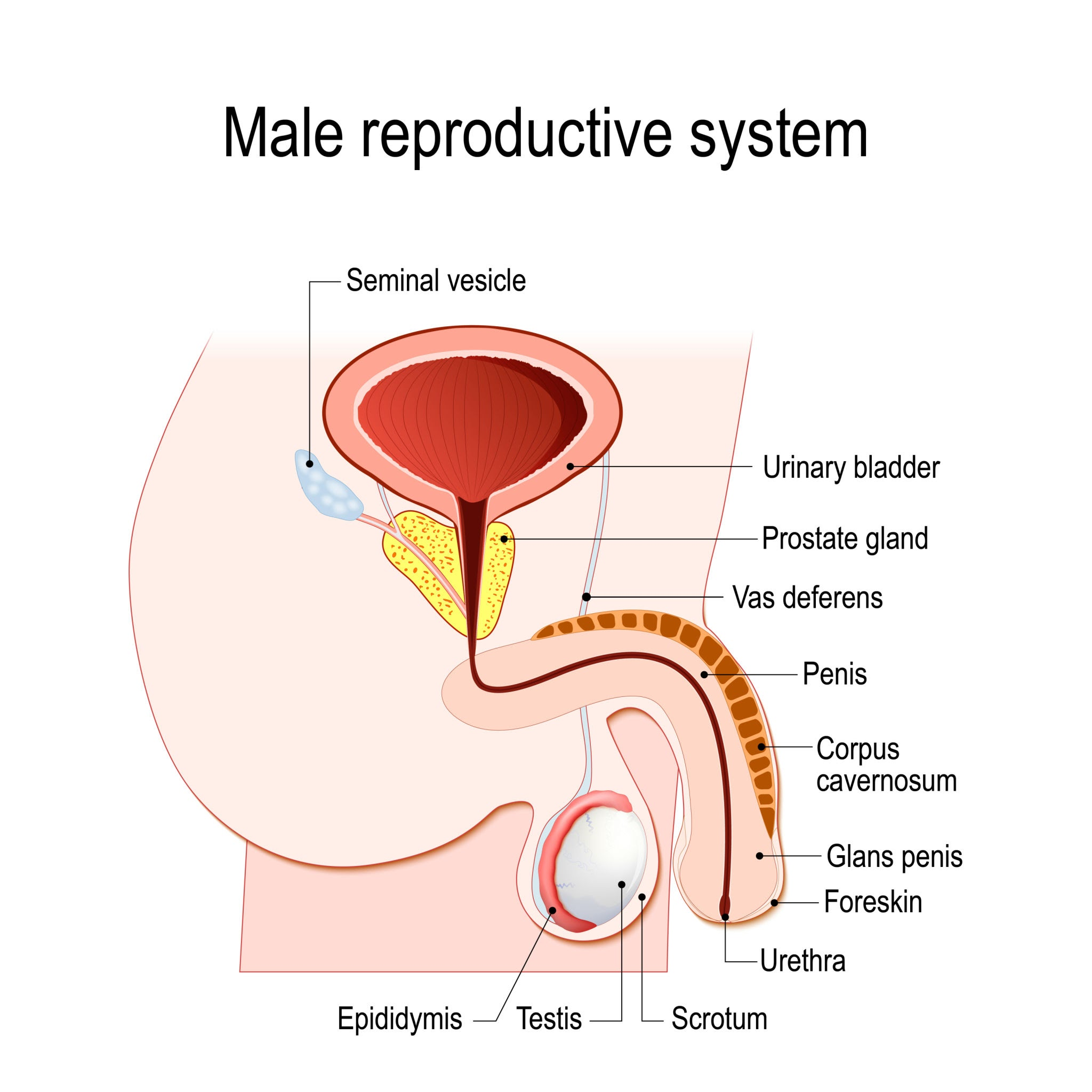
1. Anatomical and Physiological Coordination of the Male Reproductive System
Source:ttsz / Getty Images
Role of the Prostate Gland in Male Reproduction
The prostate gland contributes approximately of the total ejaculatory volume. Prostatic fluid contains essential biochemical components, including zinc, citric acid, acid phosphatase, and Prostate-Specific Antigen (PSA). PSA is a serine protease responsible for liquefying the seminal coagulum post-ejaculation, allowing spermatozoa to acquire progressive motility and navigate the female reproductive tract.
Mechanisms of Micturition and Ejaculation
During seminal emission and ejaculation, sympathetic innervation via -adrenoceptors induces contraction of the smooth muscle within the prostate, seminal vesicles, and vasa deferentia. Concurrently, sympathetic signals trigger tight closure of the internal urethral sphincter at the bladder neck, preventing retrograde flow of semen into the urinary bladder.
2. Does the Prostate Cancer Diagnostic Workup Affect Male Fertility?
The procedures involved in diagnosing prostate cancer have variable, typically transient effects on male fertility and ejaculatory parameters.
Impact of Non-Invasive Diagnostics (DRE, PSA, mpMRI)
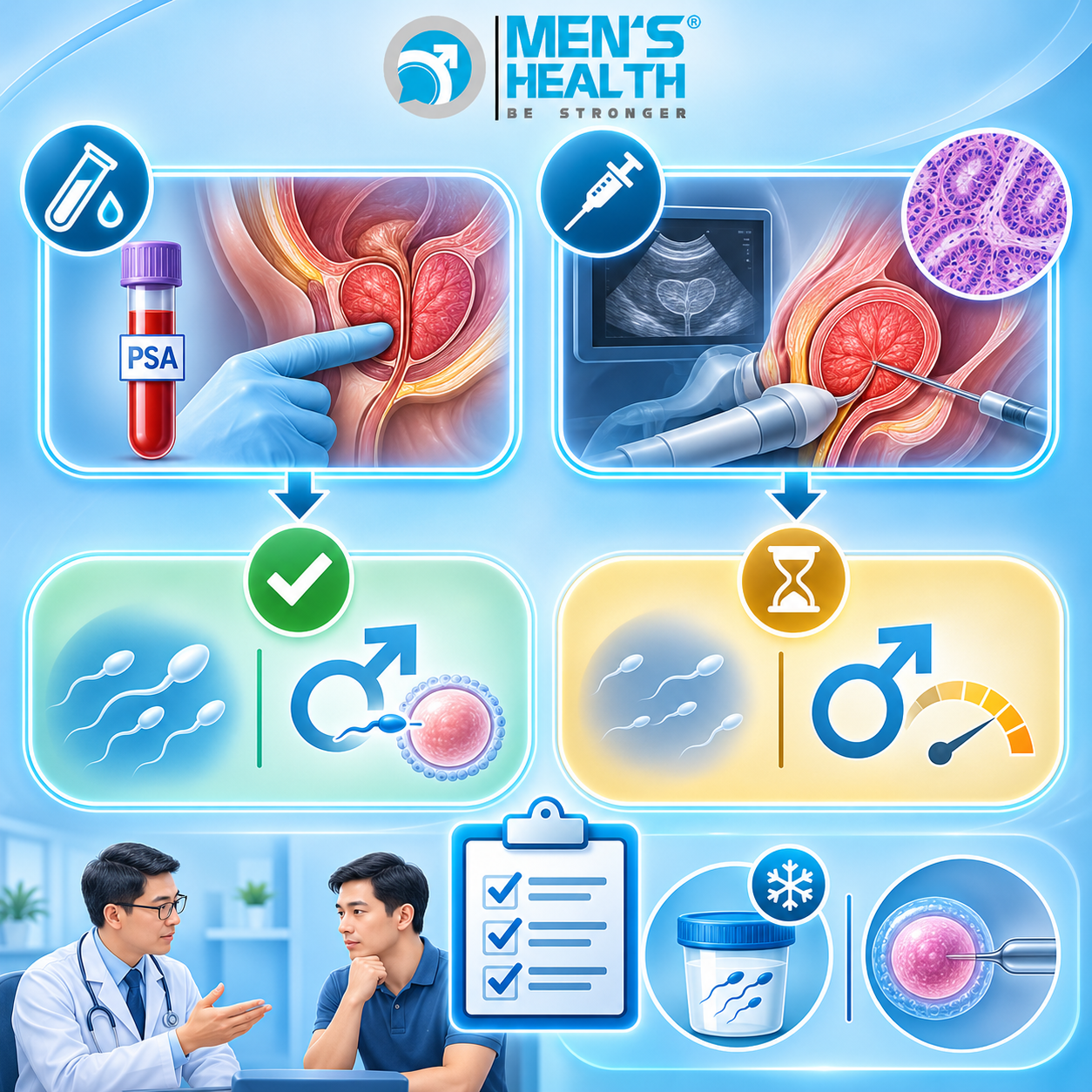
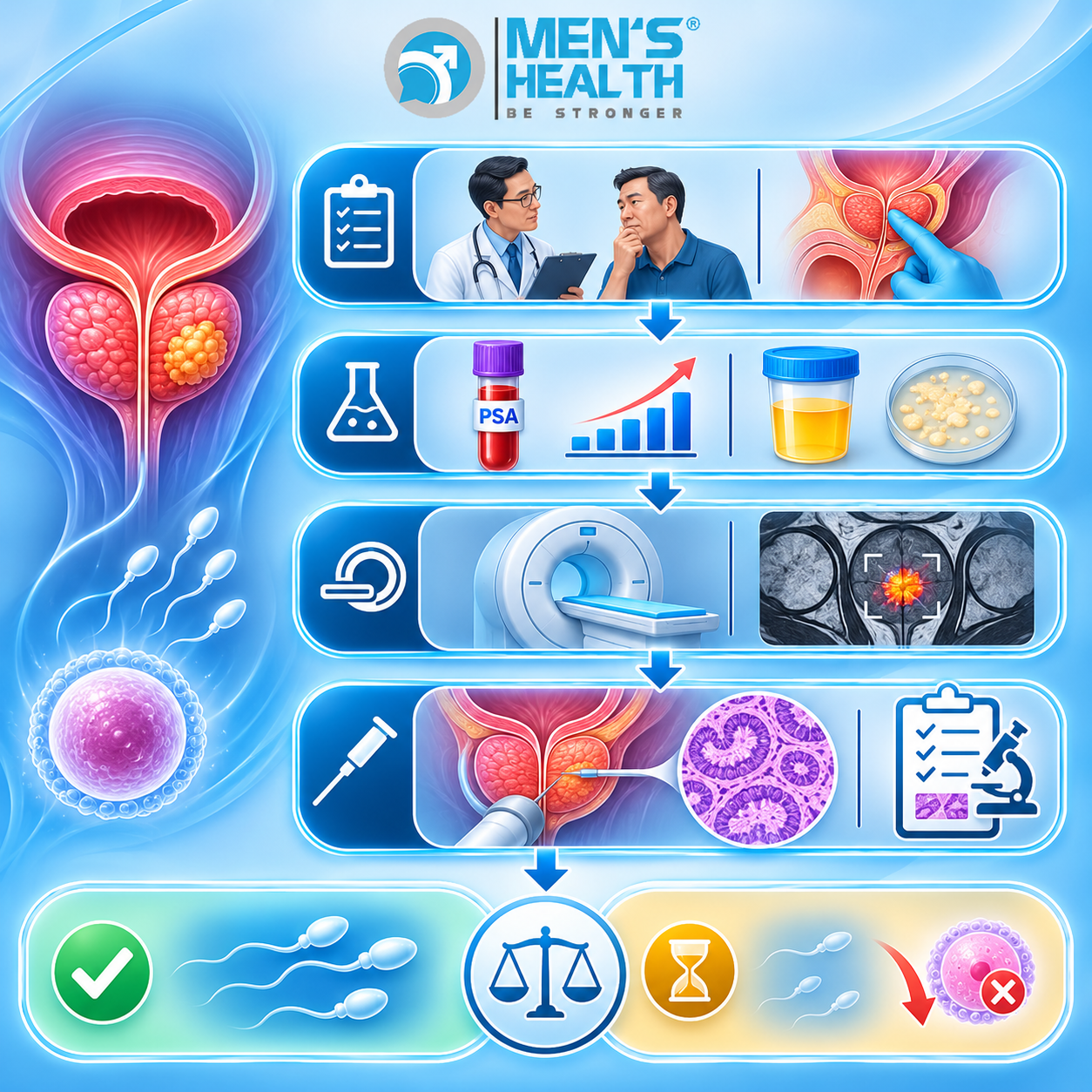
Non-invasive diagnostic modalities – including serum PSA testing, free-to-total PSA ratios, Digital Rectal Examination (DRE), and multiparametric pelvic Magnetic Resonance Imaging (mpMRI) – have zero negative impact on testicular spermatogenesis, sperm DNA integrity, or ejaculatory function.
Impact of Prostate Core Needle Biopsy
Transrectal ultrasound-guided (TRUS) or transperineal MRI-fusion core needle biopsy is required for definitive histopathological confirmation. The procedure affects reproductive parameters as follows:
- Transient Hematospermia (Blood in Semen): Occurs in up to of men post-biopsy due to micro-vascular disruption within the prostatic stroma and seminal vesicles. It typically resolves spontaneously over 3 to 6 weeks (or 4 to 8 ejaculations) without causing permanent sperm membrane or DNA damage.
- Transient Ejaculatory Discomfort: Localized tissue edema post-biopsy may cause mild, self-limiting discomfort during ejaculation.
- Risk of Ejaculatory Duct Trauma: In extremely rare instances, tissue sampling near the verumontanum or ejaculatory ducts can cause localized scarring, leading to partial ejaculatory duct obstruction (EDO), reduced semen volume, or hematospermia recurrence.
3. How Prostate Cancer Treatments Impact Reproductive Function
While diagnostic procedures cause primarily temporary effects, definitive treatments for prostate cancer have profound, often permanent impacts on male reproductive capacity.
| Therapeutic Modality | Primary Mechanism Affecting Fertility | Impact on Ejaculation | Sperm Production / Fertility Status |
|---|---|---|---|
| Prostate Biopsy | Mechanical micro-trauma | Transient hematospermia (3-6 wks) | Normal; temporary inflammatory ROS increase |
| Radical Prostatectomy | Surgical removal of prostate & seminal vesicles; vas deferens ligation | Absolute anejaculation (Dry orgasm) | Natural conception impossible; requires sperm retrieval prior to surgery |
| Radiation Therapy (EBRT / Brachytherapy) | Radiation-induced DNA damage to spermatozoa & glandular atrophy | Progressive volume reduction or anejaculation | High risk of permanent azoospermia / sperm DNA fragmentation |
| Androgen Deprivation Therapy (ADT) | Suppression of LH/FSH and circulating testosterone levels | Reduced ejaculatory volume & loss of libido | Reversible or irreversible suppression of spermatogenesis |
4. Comprehensive Diagnostic Pathways for Prostate Cancer
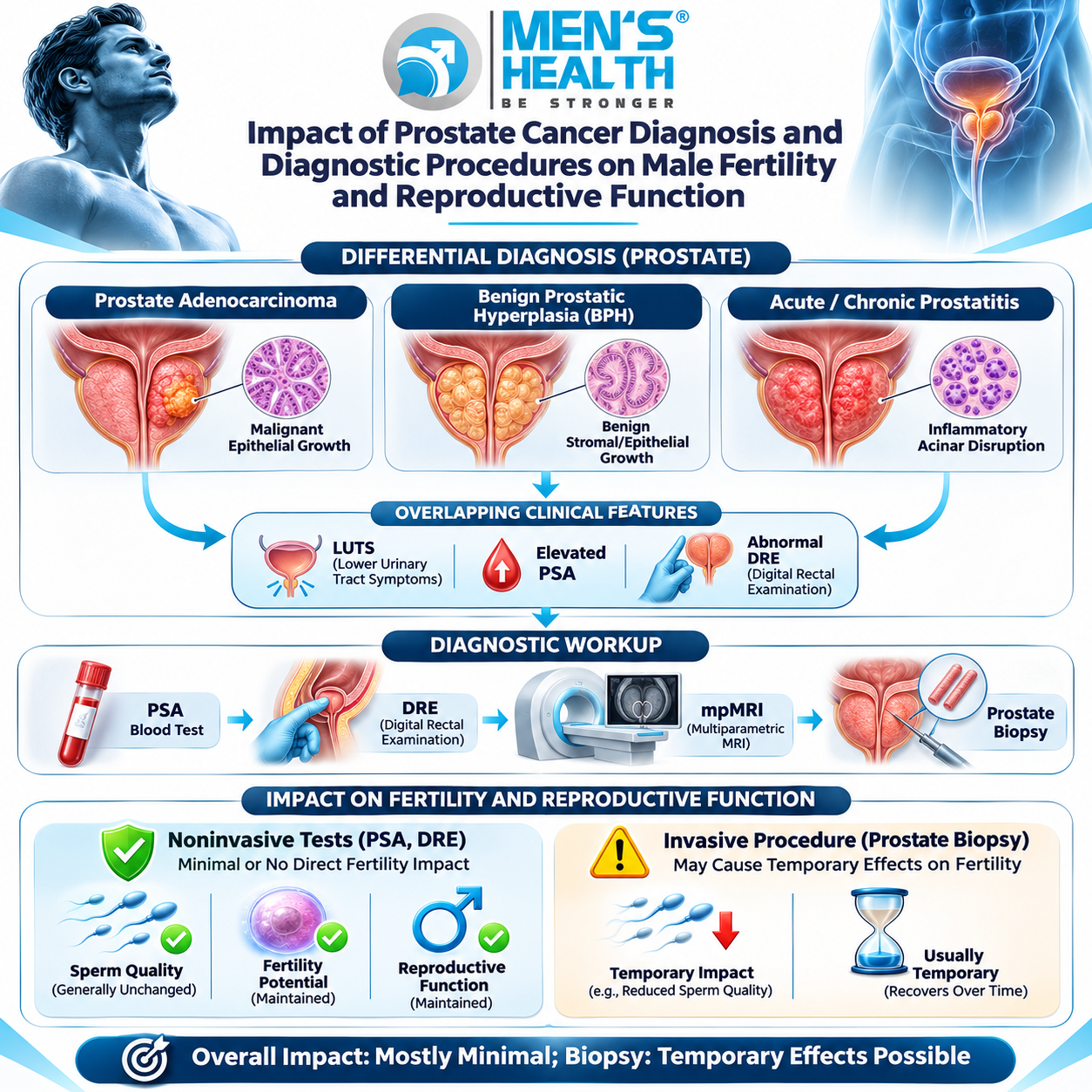
Clinicians follow a structured diagnostic algorithm when evaluating suspected prostate cancer.
- Digital Rectal Examination (DRE): Palpation of the posterior surface of the prostate gland to assess size, symmetry, induration, and peripheral zone nodules.
- Serum Prostate-Specific Antigen (PSA) Assay: Quantification of total serum PSA, free-to-total PSA ratios (), and PSA density ().
- Multiparametric Pelvic MRI (mpMRI): Combines -weighted, diffusion-weighted (DWI), and dynamic contrast-enhanced (DCE) sequences, interpreted using the PI-RADS system (PI-RADS 1 to 5).
- Targeted Core Needle Biopsy: Histopathological verification via transrectal or transperineal fusion biopsy, categorized by Gleason Scores and ISUP Grade Groups (Groups 1 through 5).
5. Differential Diagnosis Spectrum
Several benign urological conditions mimic the clinical signs and biomarker elevations seen in prostate cancer:
Diagnostic Comparison Matrix
| Urological Condition | Dominant Zone | DRE Palpation | PSA Profile | Key Distinguishing Test |
|---|---|---|---|---|
| Prostate Cancer | Peripheral Zone | Hard, asymmetric nodule | Persistent elevation, low %Free PSA | mpMRI (PI-RADS 4-5), Core Needle Biopsy |
| Benign Prostatic Hyperplasia | Transition Zone | Symmetrically enlarged, smooth | Mildly elevated, normal %Free PSA | mpMRI (PI-RADS 1-2), TRUS volume calculation |
| Acute Prostatitis | Diffuse / Global Gland | Exquisitely tender, boggy | Marked transient elevation (>20−50 ng/mL) | Urinalysis, culture, post-antibiotic PSA decline |
| Prostatic Abscess | Focal Parenchyma | Fluctuant, tender area | Variable, elevated during acute flare | Pelvic Ultrasound / MRI showing rim-enhancing cavity |
6. Pharmacological Management Strategies and Fertility Considerations
Pharmacotherapy plays an important role in managing both benign prostatic conditions and advanced prostate cancer.
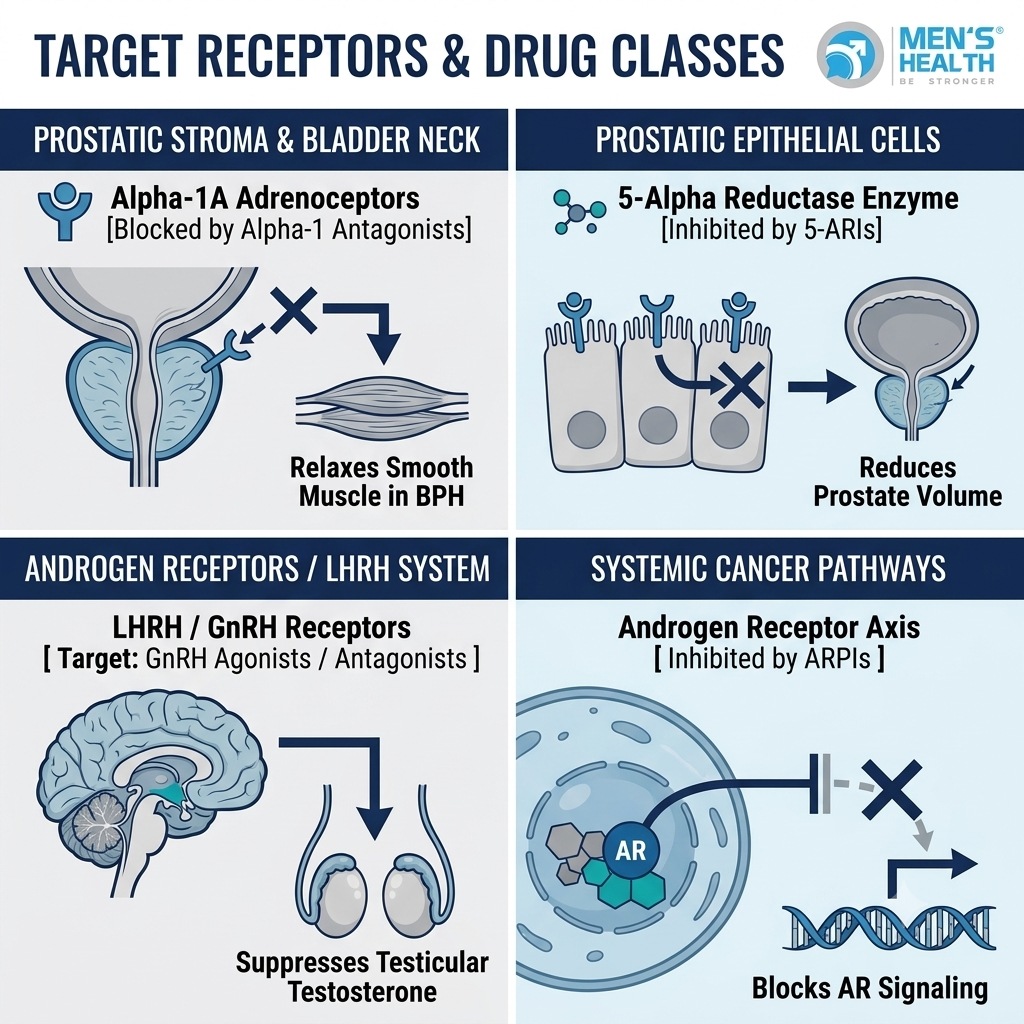
Core Pharmacological Classes
- Androgen Deprivation Therapy (ADT – GnRH Agonists/Antagonists): Suppresses testicular androgen production (e.g., Leuprolide, Degarelix). ADT induces severe hypogonadism, suppressing spermatogenesis and libido while causing anejaculation during active treatment.
- Novel Androgen Receptor Pathway Inhibitors (ARPIs): Agents such as Enzalutamide and Abiraterone block androgen signaling. They are used in advanced disease and temporarily compromise fertility.
- Alpha-1 Adrenoceptor Antagonists (e.g., Tamsulosin, Silodosin): Prescribed for urinary symptoms. These agents relax the bladder neck and can induce retrograde ejaculation, which alters natural conception but is reversible upon discontinuation.
- 5-Alpha Reductase Inhibitors (e.g., Finasteride, Dutasteride): Reduce prostate volume by blocking DHT synthesis. They lower baseline PSA by approximately and can cause mild, reversible decreases in sperm count and ejaculatory volume.
7. Reproductive Preservation Protocols (Fertility Preservation)
For men who wish to preserve their reproductive potential prior to undergoing prostate cancer treatments (such as radical prostatectomy, radiation therapy, or androgen deprivation therapy), early fertility preservation is essential.
Pre-Treatment Sperm Cryopreservation
- Standard Protocol: Men should undergo semen analysis and cryopreservation (sperm banking) before initiating radical surgery, pelvic radiotherapy, or systemic hormone therapy.
- Sperm Collection: Typically involves 2 to 3 ejaculated semen samples collected after 2 to 5 days of ejaculatory abstinence.
- Assisted Reproductive Technology (ART): Cryopreserved spermatozoa can subsequently be utilized in Intrauterine Insemination (IUI) or In Vitro Fertilization with Intracytoplasmic Sperm Injection (IVF-ICSI) to achieve pregnancy.
8. Professional Care at Men’s Health Center and Men’s Health Pharmacy
Diagnostic evaluation and management of prostate cancer, particularly when balancing oncological safety with fertility preservation, require specialized clinical and pharmaceutical care.

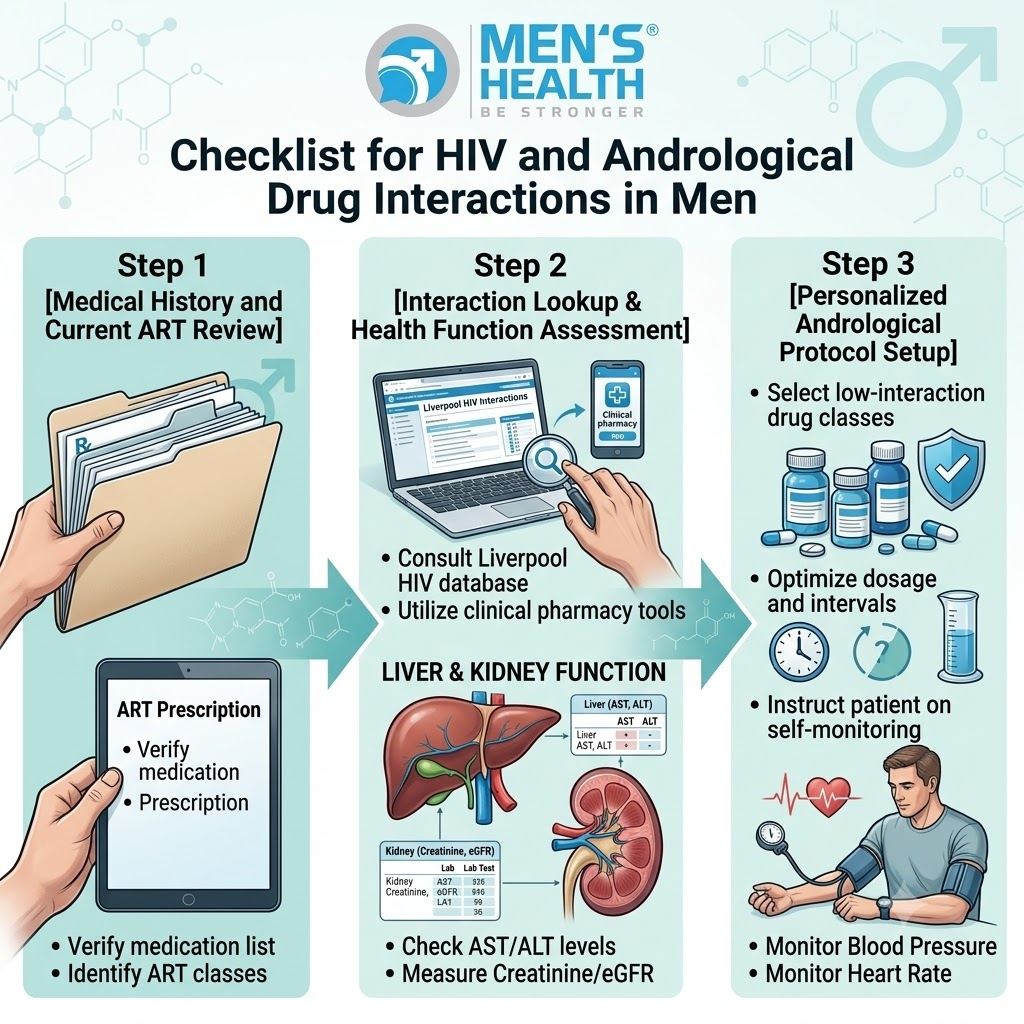
Men’s Health Pharmacy, an integral component of the Men’s Health Center ecosystem founded by Dr. Tra Anh Duy (MD, PhD, Spec. II), provides clinical pharmacy support for male urological and reproductive health. At Men’s Health, patients consult with experienced urologists and clinical pharmacists to ensure that therapeutic regimens – including ADT agents, -blockers, and 5-ARIs—are managed safely, screened for drug interactions, and coordinated with fertility preservation protocols. The facility maintains strict clinical safety standards, individual privacy, absolute confidentiality, and evidence-based practice across all phases of care.
9. Common Clinical Pitfalls in Management
- Failing to Discuss Fertility Preservation Prior to Surgery/Radiation: Omitting pre-treatment sperm cryopreservation in men desiring future biological children, leading to permanent, irreversible post-prostatectomy or post-radiation anejaculation/azoospermia.
- Confusing Post-Biopsy Hematospermia with Permanent Infertility: Mistaking transient blood in semen following a prostate biopsy for permanent reproductive damage, leading to unnecessary patient anxiety.
- Ignoring the PSA-Lowering Effect of 5-ARIs: Failing to double measured serum PSA levels in patients taking finasteride or dutasteride, risking delayed prostate cancer detection.
- Prescribing Antimuscarinics Without Measuring Baseline Post-Void Residual (PVR): Administering bladder suppressants to men with unrecognized outflow obstruction, precipitating acute urinary retention.
10. Frequently Asked Questions
Do diagnostic tests for prostate cancer (like PSA or mpMRI) affect sperm quality?
No. Non-invasive diagnostic tests, including blood PSA assays, digital rectal examinations, and multiparametric pelvic MRI, have no adverse impact on sperm count, motility, or genetic material.
Is blood in semen after a prostate biopsy dangerous for fertility?
Hematospermia post-biopsy is a common, transient side effect resulting from localized tissue sampling. It typically resolves within 3 to 6 weeks and does not cause permanent damage to sperm parameters.
Can a man father children naturally after a radical prostatectomy?
No. Radical prostatectomy involves complete surgical removal of the prostate gland and seminal vesicles, along with ligation of the vasa deferentia. This results in permanent anejaculation. Men wishing to father biological children must undergo sperm cryopreservation prior to surgery.
Does radiation therapy for prostate cancer cause permanent infertility?
Radiation therapy delivers high-energy radiation to the prostate, which damages testicular germ cells through scatter radiation and causes fibrotic changes in the seminal vesicles and ejaculatory ducts. This carries a high risk of permanent azoospermia and severe sperm DNA fragmentation.
Is fertility restored after stopping Androgen Deprivation Therapy (ADT)?
Suppression of spermatogenesis from ADT may be partially or fully reversible after treatment cessation, depending on patient age, baseline testicular function, and total duration of hormone therapy. However, recovery can take 12 to 24 months or longer.
Conclusion and Expert Clinical Advice
The diagnostic workup for prostate cancer – including PSA screening, multiparametric pelvic MRI, and targeted core needle biopsies – causes primarily temporary effects on male reproductive function, such as self-limiting post-biopsy hematospermia. However, definitive oncological treatments (radical prostatectomy, radiotherapy, and androgen deprivation therapy) cause significant and often permanent impacts on fertility, including anejaculation and azoospermia.
Men diagnosed with prostate cancer who desire future biological children should discuss fertility preservation options, such as pre-treatment sperm cryopreservation, with their urologist prior to initiating definitive therapy. Seeking clinical evaluation at a specialized center such as the Men’s Health Center guarantees comprehensive diagnostic accuracy, expert oncological guidance, and dedicated clinical pharmacy support for long-term health.