


Male infertility is a medical challenge, yet it is entirely improvable with proper intervention. Alongside specialized medical protocols, integrating a scientifically-backed diet and appropriate nutritional supplements plays a foundational role in optimizing male infertility treatments. Nutrition provides essential raw materials for spermatogenesis while minimizing oxidative stress—one of the leading causes of sperm DNA damage. However, micronutrient supplementation cannot be done arbitrarily; it requires thorough medical evaluation to avoid toxicity from excess intake or adverse drug interactions.
The Mechanism of Nutrition’s Impact on Sperm Quality
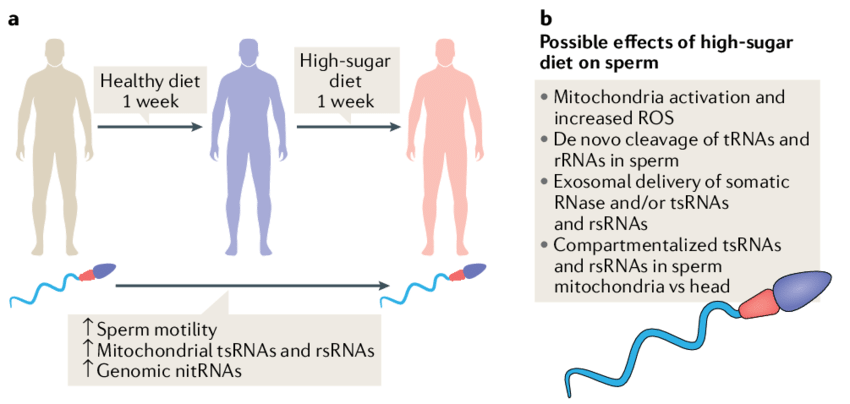
Spermatogenesis is a complex process that lasts approximately 72 to 90 days, requiring a continuous and stable supply of energy and micronutrients. Sperm cells are highly sensitive to reactive oxygen species (ROS). When the body experiences an imbalance, oxidative stress damages cell membranes, reduces sperm motility, and causes sperm DNA fragmentation.
A diet rich in antioxidants, combined with appropriate medical supplements, helps create a natural “protective barrier.” The core objectives of nutrition in treating male infertility include:
- Protecting sperm from free radical attacks.
- Providing the necessary materials for DNA and sperm cell membrane synthesis.
- Supporting male hormonal balance, specifically Testosterone.
Essential Food Groups Supporting Male Infertility Treatment

Adjusting your daily diet is the first and safest step before considering medicinal supplements.
1. Zinc and Selenium
Zinc is a mineral found in high concentrations in semen. It plays a crucial role in maintaining Testosterone levels and sperm integrity. Selenium works synergistically with zinc to strengthen the sperm tail, thereby enhancing motility.
- Food sources: Oysters, beef, pumpkin seeds, whole grains, and various shellfish.
2. Vitamin C, Vitamin E, and Folate
This is a powerful trio of antioxidants. Vitamin C prevents sperm agglutination (clumping), Vitamin E protects cell membranes from lipid peroxidation, and Folate (Vitamin B9) is essential for DNA synthesis, helping to reduce the rate of morphologically abnormal sperm.
- Food sources: Citrus fruits, bell peppers, spinach, asparagus, almonds, and avocados.
3. Omega-3 Fatty Acids
Omega-3 helps improve blood flow to the reproductive organs and plays a key role in the structural integrity of the sperm membrane, making sperm more flexible as they swim toward the egg.
- Food sources: Salmon, herring, sardines, walnuts, and chia seeds.
Combining Supplements: When and How?
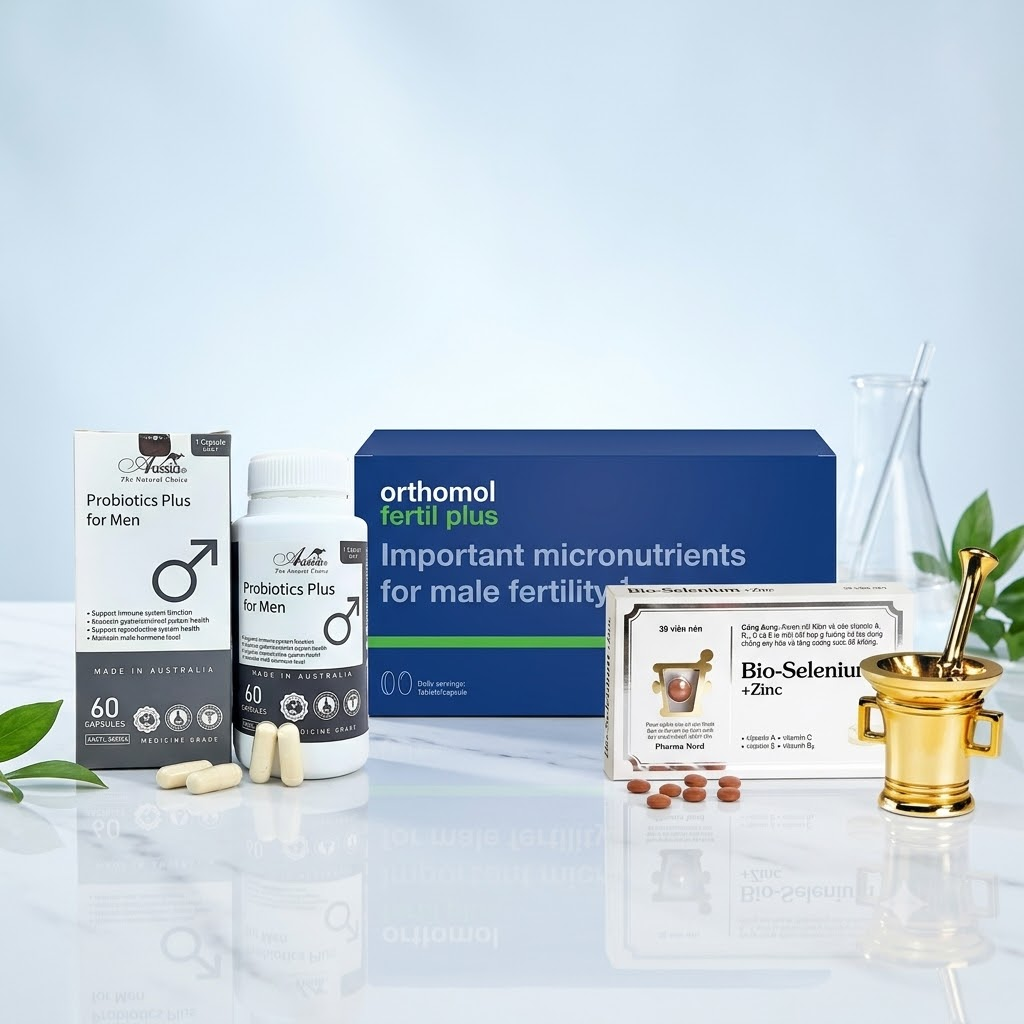
In many cases, a regular diet cannot provide the sufficient threshold of micronutrients required for therapeutic effects. In such instances, doctors will prescribe specific supplements (dietary supplements or over-the-counter/prescription medications, depending on the type). Below are the commonly utilized supplements in male infertility treatment:
L-Carnitine and Coenzyme Q10 (CoQ10)
- Treatment objective: To boost energy in the mitochondria located in the sperm midpiece, thereby improving forward motility (highly beneficial for men with weak or slow-moving sperm).
- Usage notes: These are typically over-the-counter products, but the dosage must be calculated based on the degree of sperm quality degradation. Prolonged use of high-dose CoQ10 may cause mild gastrointestinal disturbances or insomnia if taken late in the evening.
Zinc and Folic Acid Supplements
- Treatment objective: To increase sperm concentration and reduce the percentage of abnormal morphology.
- Usage notes: Overdosing on zinc (over 40mg/day for an extended period) can inhibit copper absorption, leading to anemia and immune system impairment. Always use these under the guidance or prescription of a healthcare professional.
Summary Table of Supplements and Their Applications in Male Infertility
| Supplement | Primary Effect on Sperm | Target Users | Notes / Potential Side Effects |
| Zinc | Increases concentration, improves morphology | Men with oligospermia, low Testosterone | May cause nausea or a bitter taste on an empty stomach; inhibits copper absorption. |
| L-Carnitine | Enhances progressive motility | Men with poor sperm motility (Asthenozoospermia) | May cause mild body odor or gastrointestinal upset. |
| Coenzyme Q10 | Antioxidant, boosts energy | Men with high oxidative stress, older age | May cause insomnia if taken late in the evening. |
| Vitamin E & C | Prevents sperm DNA fragmentation | Men exposed to toxic environments, smokers | Prolonged high doses of Vitamin E may increase the risk of bleeding. |
The Role of Doctors and Pharmacists: Companionship from Men’s Health Pharmacy

Supplementing medications to treat erectile dysfunction, premature ejaculation, hormonal imbalances, or infertility is not a solution that can be arbitrarily applied based on “word of mouth.” It is imperative to identify the root cause of infertility (e.g., varicocele, genetic abnormalities, or endocrine disorders) before deciding on a pharmacological treatment.
Men’s Health Pharmacy is a specialized unit within the Men’s Health Center ecosystem, founded by Dr. Tra Anh Duy, MD, PhD. Here, patients are always thoroughly consulted by doctors and pharmacists, who provide clear explanations and assist in selecting the most suitable healthcare solutions for their specific pathological conditions.
Men’s Health strongly emphasizes professionalism, safety, discretion, confidentiality, and respect for personal needs throughout the examination and treatment process. Patients will receive:
- Detailed guidance on medication use: When to take it and what the treatment goals are.
- Clear understanding of which drugs require a prescription, who is contraindicated, and vital drug interactions.
- Continuous progress monitoring to know when to stop the medication or adjust the dosage.
We emphasize that you should absolutely never purchase medications of unknown origin or reuse someone else’s prescription, as every man’s physiological and pathological condition is entirely unique.
Common Mistakes When Using Nutrition and Supplements
- Relying solely on supplements while ignoring root causes: Many men suffer from infertility due to blocked vas deferens or severe varicocele but only take vitamins at home. Supplements only support cells; they cannot resolve physical or structural abnormalities.
- Abusing and arbitrarily increasing doses: The “more is better” mindset is a dangerous misconception. For instance, excess Vitamin C increases the risk of kidney stones, while excess Vitamin A is toxic to the liver.
- Using products of unknown origin: The market is flooded with “kidney-tonifying, yang-boosting” pills labeled as herbal but secretly laced with incorrect doses of Western medicine, potentially causing adrenal insufficiency or liver damage.
Lifestyle Changes for Prevention and Treatment Support
Besides nutrition and oral supplements, lifestyle plays a decisive role in the efficacy of male infertility treatment protocols:
- Weight control: Overweight and obesity increase the conversion of Testosterone into Estrogen, leading to impaired testicular function.
- Say no to smoking and limit alcohol: Smoking is a direct cause of sperm DNA fragmentation. Alcohol significantly reduces Testosterone levels.
- Avoid high scrotal temperatures: Limit prolonged saunas, hot tub soaks, placing laptops on your lap, or wearing overly tight underwear. The testicles only function optimally at a temperature 1–2°C lower than core body temperature.
- Manage stress: Chronic stress elevates Cortisol levels, which directly suppresses the hypothalamic-pituitary-gonadal axis.
Male Infertility and Frequently Asked Questions (FAQs)
How long does it take for supplements to improve sperm quality?
The spermatogenesis cycle in men lasts about 72 to 90 days. Therefore, any intervention using nutrition or supplements requires at least 2 to 3 months to reflect results in a Semen Analysis. Strict adherence to the treatment protocol is crucial.
Should I buy daily zinc supplements on my own to treat infertility?
You should not self-medicate for prolonged periods. Although zinc is an over-the-counter mineral, taking high doses (exceeding 40mg/day) long-term without medical supervision can cause mineral imbalances, specifically reducing copper absorption, which leads to other health issues.
Does a vegetarian diet affect male infertility treatment?
A healthy vegetarian diet can provide adequate nutrients if well-designed. However, strict vegans/vegetarians are at a higher risk of Vitamin B12, Zinc, and Omega-3 (EPA/DHA, usually found in fish) deficiencies. In such cases, men should consult a doctor to supplement these micronutrients through organic or pharmaceutical alternatives.
Are there any side effects of taking too much Vitamin E?
Vitamin E is a fat-soluble vitamin. If overdosed, the body cannot excrete it through urine, causing it to accumulate in the liver. Abusing high doses of Vitamin E can cause nausea, fatigue, and an increased risk of bleeding, which is especially dangerous for individuals on anticoagulant medications.
When should I see a doctor instead of adjusting nutrition at home?
If you and your partner have been having regular unprotected sex for 1 year (or 6 months if the female partner is over 35) without conceiving, both should consult a specialist. Furthermore, if the male partner has a history of testicular pain/swelling, pelvic trauma, or previous groin/scrotal surgery, seek immediate medical attention rather than waiting for nutritional improvements.
Conclusion
A nutritional diet combined with appropriate supplements is an indispensable component in optimizing male infertility treatment. Providing adequate Zinc, Vitamins, Antioxidants, and Omega-3 helps improve sperm count, motility, and morphology. Nevertheless, nutrients cannot replace the treatment of underlying physical medical conditions.
It is vital to remember that patients must not self-diagnose or arbitrarily purchase medications and supplements for long-term use without expert evaluation. When noticing abnormal reproductive health signs or failing to conceive after a long period, men should visit reputable medical facilities. The Men’s Health Center ecosystem is always ready to accompany you, providing professional, safe, and strictly confidential examination, medication counseling, and health monitoring services. Timely medical intervention, coupled with a healthy lifestyle, is the key to unlocking the hope of fatherhood for millions of men.