
Painful urination in men (medical term: dysuria) is a burning, stinging, or sharp pain felt along the urethra before, during, or after urination. Rather than a simple temporary discomfort, it is often a warning sign of an underlying medical condition, such as a urinary tract infection (UTI), prostatitis, kidney stones, or a sexually transmitted infection (STI). Left untreated or incorrectly self-medicated with antibiotics, it can cause persistent complications, impaired sexual function, and fertility issues. Identifying the exact underlying cause through clinical evaluation is the critical first step to completely curing the symptom.

What is Painful Urination (Dysuria) and Its Mechanism?
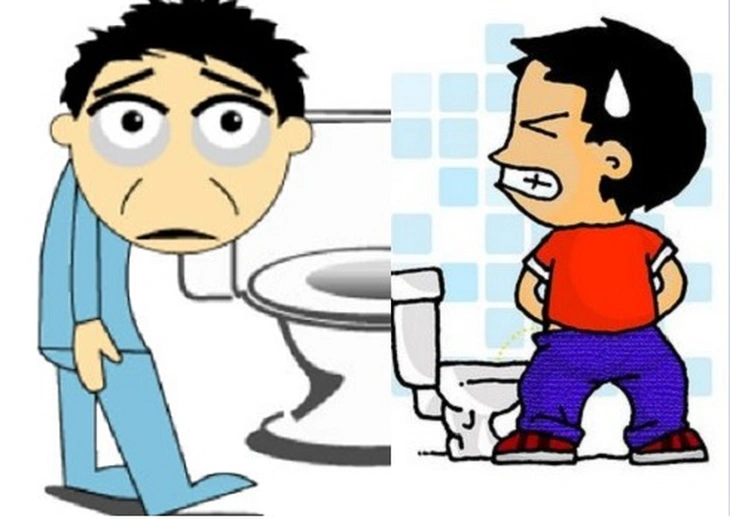
Painful urination (dysuria) describes any discomfort, pain, burning, or stinging sensation occurring immediately before, during, or after the act of urination.
Underlying Mechanism
The mucosal lining of the urinary tract (comprising the kidneys, ureters, bladder, and urethra) is richly innervated by sensory nerves. When bacteria, fungi, foreign bodies (such as stones), or irritating chemicals invade this lining, an inflammatory response is triggered. The mucosa becomes swollen, hyperemic, and hypersensitive. As acidic urine containing waste products passes over this damaged, inflamed tissue, it directly stimulates the exposed nerve endings, creating the characteristic burning and sharp pain.
Common Causes of Painful Urination in Men
To treat dysuria effectively, clinicians must accurately identify the location of the lesion and the causative agent. The most frequent causes include:
1. Urethritis and Urinary Tract Infections (UTIs)
A UTI occurs when bacteria (most commonly Escherichia coli from the gastrointestinal tract) enter retrograde through the urethral meatus into the urethra, bladder, and potentially the kidneys. The resulting inflammatory response in the urethral mucosa (urethritis) or bladder mucosa (cystitis) causes severe burning as urine passes through.
2. Sexually Transmitted Infections (STIs)
According to current clinical guidelines, pathogens transmitted through unprotected sexual contact are primary culprits of dysuria in sexually active men. Notable examples include:
- Gonorrhea (Neisseria gonorrhoeae): Causes intense burning pain accompanied by purulent penile discharge (typically yellow or green), which is particularly prominent in the morning.
- Chlamydia (Chlamydia trachomatis): Often presents with milder, more insidious symptoms than gonorrhea, but still causes urethral itching, burning, and clear mucoid discharge.
- Genital Herpes (Herpes Simplex Virus – HSV): Ulcerative lesions around the genitalia or inside the urethra cause sharp, needle-like pain upon contact with urine.

3. Prostatitis
The prostate gland is a male-specific organ surrounding the proximal urethra. When inflamed (either bacterial or non-bacterial), it swells and compresses the urethra. Patients experience dysuria alongside perineal pain (between the scrotum and anus), painful ejaculation, urinary frequency, and hesitancy.
4. Kidney and Urinary Tract Stones
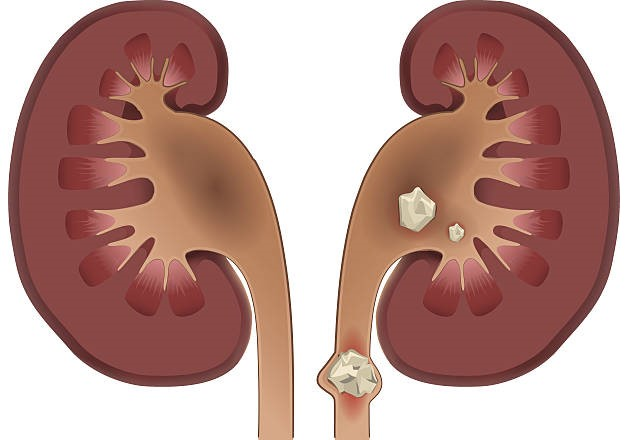
Mineral deposits can crystallize into stones within the kidneys. As these stones migrate down the ureter, bladder, or become lodged in the urethra, they scrape the mucosal lining, causing abrasions, hematuria, and excruciating pain that typically radiates from the flank down to the groin.
5. Other Risk Factors
- Chemical Irritation: Use of harsh soaps, body washes, or personal hygiene solutions irritating the urethral meatus.
- Anatomical Issues: Phimosis or poor personal hygiene leading to balanoposthitis (inflammation of the glans and foreskin).
- Medication Side Effects: Adverse effects from certain systemic medications or chemotherapy agents.
Associated Symptoms and When to Seek Immediate Medical Care
Dysuria rarely occurs in isolation. Pay close attention to accompanying signs to inform your physician during clinical consultation:
- Abnormal Urine Color/Odor: Cloudy, blood-tinged (hematuria), or foul-smelling urine.
- Altered Voiding Habits: Increased urinary frequency, urinary urgency, hesitancy, or a feeling of incomplete bladder emptying.
- Abnormal Discharge: Purulent or mucoid discharge from the urethral meatus.
- Systemic Symptoms: Pelvic pain, lower back/flank pain, fever, chills, or systemic fatigue.
Warning Signs Requiring Immediate Medical Attention
Do not delay medical evaluation if painful urination is accompanied by any of the following emergency signs:
- High fever and rigors/chills (indicating potential sepsis or acute pyelonephritis).
- Inability to urinate (acute urinary retention with bladder distension).
- Gross hematuria with visible blood clots.
- Severe, agonizing flank/renal colic pain accompanied by nausea or vomiting.
Diagnostic Approach for Dysuria
A clinician cannot establish an accurate treatment plan based solely on verbal symptom history. Clinical studies confirm that precise diagnosis relies on diagnostic laboratory and imaging modalities:
- Urinalysis (Routine Dipstick and Microscopy): Detects leukocytes (indicating inflammation/infection), erythrocytes (blood), or bacteria.
- Urine/Urethral Swab Culture and Antimicrobial Susceptibility Testing (AST): Identifies the specific causative microorganism and determines its sensitivity to targeted antibiotics.
- Pathogen Polymerase Chain Reaction (PCR) Testing: Highly sensitive molecular detection of Chlamydia trachomatis, Neisseria gonorrhoeae, Mycoplasma, and Ureaplasma DNA.
- Ultrasonography of the Urinary Tract and Prostate: Evaluates prostate volume, screens for nephrolithiasis or urolithiasis, and detects structural urinary tract anomalies.
Treatment of Dysuria and Pharmacological Classes
The ultimate principle in medicine is to treat the underlying cause rather than merely suppressing symptoms. Pharmacotherapy is the primary modality, but it must be administered systematically.
Common Pharmacological Classes Prescribed by Physicians
| Drug Class | Therapeutic Goal | Primary Target Population |
| Antibiotics | Eradicate causative bacterial pathogens at the source and prevent infection spread. | Bacterial urethritis, bacterial prostatitis, gonorrhea, chlamydia, and bacterial UTIs. |
| Antifungals / Antivirals | Inhibit and eradicate fungal growth or viral replication affecting the mucosa. | Genital candidiasis, Genital Herpes (HSV). |
| Analgesics & Anti-inflammatories | Reduce mucosal swelling and inflammation, providing rapid relief from severe burning. | Adjunctive therapy across most painful urinary tract conditions. |
| Alpha-blockers | Relax smooth muscle in the bladder neck and prostate, facilitating smooth urine flow. | Prostatitis, small urethral stones, benign prostatic hyperplasia (BPH). |
Safe Medication Practices and Important Medical Information
Managing male urological and lower urinary tract infections requires strict adherence to safety guidelines:
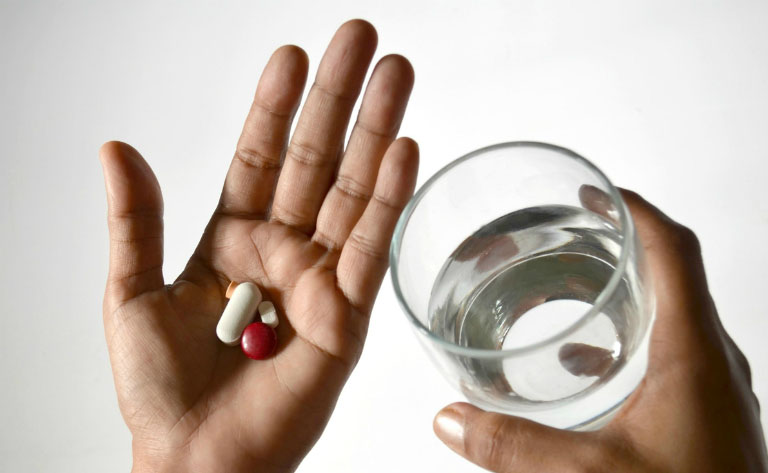
- Prescription-Only Usage: Antibiotics, antivirals, and alpha-blockers are strictly prescription-only medications. They require a definitive diagnosis, specific regimen, and dosage prescribed by a specialist following clinical assessment.
- Adverse Drug Reactions: Certain antibiotics may induce gastrointestinal distress, diarrhea, or cutaneous allergic reactions. Alpha-blockers may cause orthostatic hypotension or dizziness. Patients must contact their physician immediately if these adverse effects occur.
- Contraindications & Interactions: Patients with a history of hepatic impairment, renal insufficiency, or drug allergies (e.g., to penicillins or sulfonamides) must inform their physician. Avoid combining prescribed pharmaceuticals with unverified herbal concoctions to prevent acute hepatotoxicity or nephrotoxicity from drug interactions.
- Complete the Full Therapeutic Course: When taking antibiotics, dysuria symptoms may subside within 1–2 days. However, the bacterial load is not yet entirely eradicated. Prematurely discontinuing medication allows surviving bacteria to flare up and develop antimicrobial resistance, making future treatment cycles extremely difficult.
- Never Share Prescriptions: Every clinical presentation is caused by specific, distinct etiologies or pathogens. A prescription formulated for one individual may be completely ineffective or harmful to another.
Professional Multidisciplinary Support During Medication
To achieve optimal therapeutic efficacy and safety, close collaboration between clinicians and pharmacists is essential. The Men’s Health Andrology Pharmacy, an integral unit of the Men’s Health Center ecosystem founded by Dr. Tra Anh Duy (MD, Specialist Level 2), offers a trusted healthcare destination. Here, every prescription undergoes rigorous clinical cross-checking by physicians and clinical pharmacists. Pharmacists provide thorough counseling on drug efficacy, dosage, potential interactions, and lifestyle considerations. The Men’s Health system maintains the highest standards of professionalism, safety, discretion, patient confidentiality, and personalized care throughout examination, treatment, and follow-up.
Common Mistakes in Managing Dysuria
- Self-Diagnosis and Unprescribed Antibiotic Purchases: This is a primary driver of global antimicrobial resistance. Dysuria is not always caused by common bacteria; over-the-counter antibiotics will fail if the underlying cause is urolithiasis or gonococcal infection.
- Restricting Fluid Intake: Many men deliberately reduce fluid intake and hold their urine to avoid painful voiding. This concentrates urine, increases its acidity, worsens mucosal burning, and creates a stagnant environment for bacterial proliferation.
- Concealing the Condition from Sexual Partners: If dysuria stems from an STI, treating oneself in isolation leads to cross-reinfection (“ping-pong” effect) upon resuming sexual activity with an untreated partner.
Physician Advice: Lifestyle Modifications and Prevention
Alongside targeted pharmacotherapy, maintaining evidence-based lifestyle habits accelerates recovery and prevents recurrence:
- Maintain Adequate Hydration: Drink 2.0 to 2.5 liters of water daily. Dilute, clear urine helps naturally flush bacteria and metabolic debris out of the urethra.
- Avoid Urinary Retention: Void immediately when feeling the urge. Retaining urine distends the bladder and provides an ideal culture medium for bacterial growth.
- Practice Proper Hygiene: Wash the genital region daily. Men with uncircumcised foreskins should gently retract the foreskin to clean accumulated smegma from the balanopreputial sulcus daily.
- Practice Safe Sex: Consistently use condoms correctly during intercourse with new or unverified partners. Void and cleanse the genital area immediately post-coitus.
- Dietary Adjustments: Abstain from alcohol, caffeine, and excessively spicy foods during active urinary inflammation, as these act as potent bladder irritants.
Frequently Asked Questions (FAQs)
Will dysuria resolve on its own?
It is extremely rare for dysuria to resolve completely without medical intervention. If caused by bacteria, STIs, or urolithiasis, the condition will insidiously progress, potentially leading to ascending pyelonephritis or orchitis. Clinical evaluation is necessary to treat the root cause.
Does drinking lots of water relieve painful urination?
Yes. Increased water intake dilutes the urine, reducing its acid and solute concentrations, thereby lowering mucosal irritation in the urethra. Higher urine output also creates a natural mechanical force that flushes bacteria out of the urinary tract.
Should men abstain from sexual activity when experiencing dysuria?
Abstinence is strongly advised. During active inflammation or edema, mechanical friction during intercourse exacerbates tissue trauma and pain. Furthermore, if the underlying cause is a sexually transmitted pathogen, intercourse will transmit the infection to the partner. Abstain until a physician confirms complete cure.
Is painful urination a sign of cancer?
While less common, dysuria accompanied by gross hematuria in older men can occasionally be a warning sign of bladder, prostate, or urinary tract malignancies. However, infections and urolithiasis remain far more prevalent. Consulting a specialist for ultrasonography and screening is the best approach to rule out malignancy.
Where can men safely and discreetly purchase dysuria medications?
To avoid counterfeit medications or inappropriate regimens, men should only acquire medications from specialized facilities with licensed clinical pharmacists. The Men’s Health Andrology Pharmacy (located within the Men’s Health Center) is a reliable choice. Patient information is kept strictly confidential, and clinical pharmacists provide detailed instructions regarding prescribed regimens to ensure a discreet, safe recovery.
Conclusion
Painful urination in men is a direct clinical reflection of an abnormality within the urogenital system. Whether originating from routine infections, urolithiasis, or sexually transmitted diseases, it demands precise medical diagnosis and targeted therapy. Patients should never ignore symptoms, endure pain, or self-administer over-the-counter medications. Upon experiencing burning, voiding difficulty, or altered urine color, contacting a specialist for timely evaluation is essential. The Men’s Health Center, with its integrated ecosystem spanning clinical evaluation, laboratory diagnostics, and specialized pharmacy services at the Men’s Health Andrology Pharmacy, is dedicated to providing professional, safe, confidential, and personalized care.