
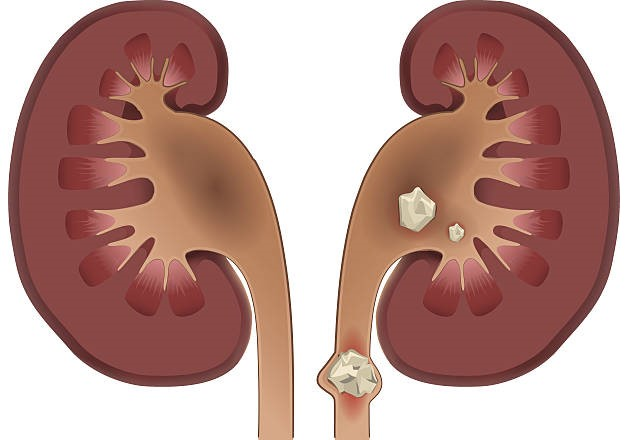
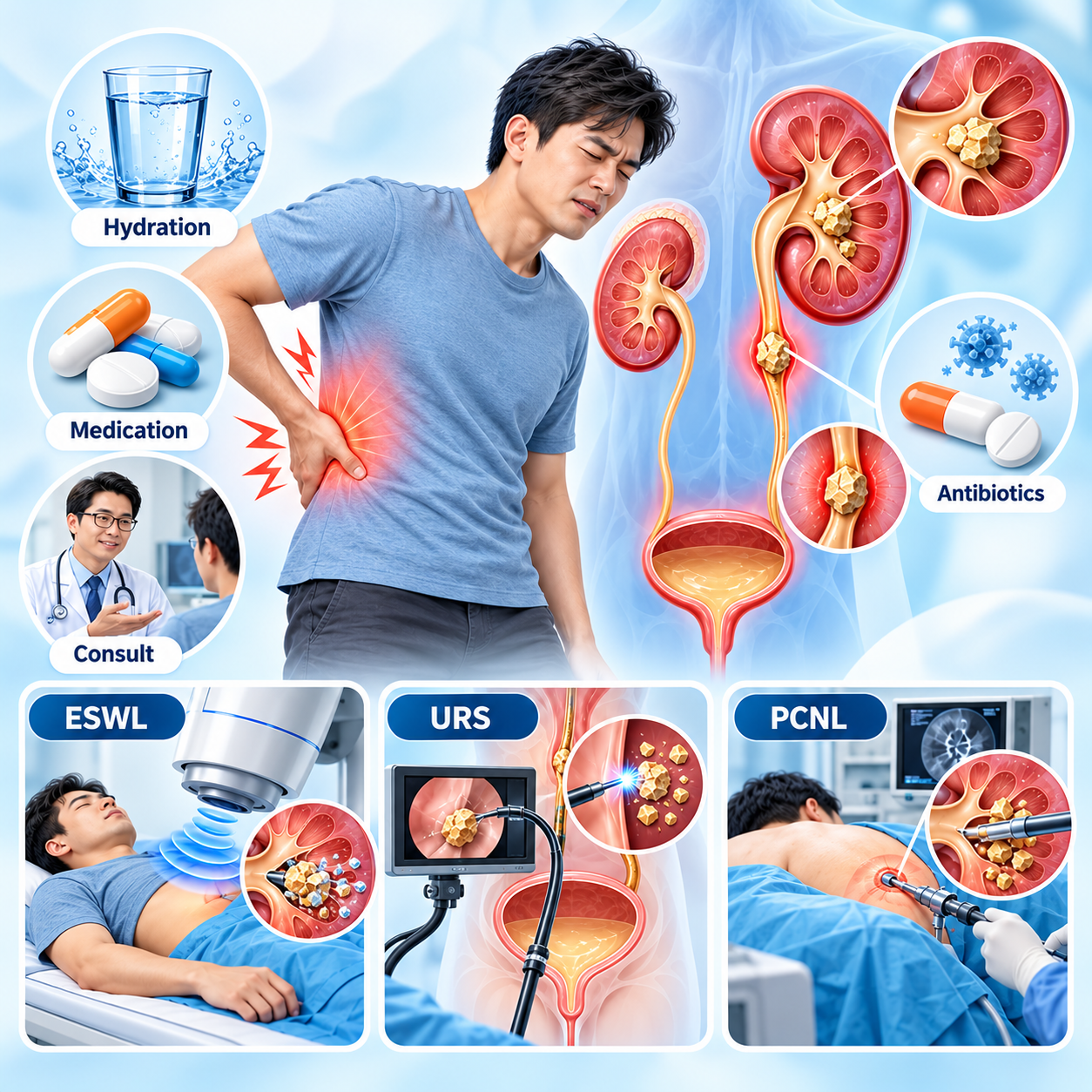
Kidney stones (renal calculi) are hard mineral and salt deposits that crystallize inside the kidneys due to concentrated urine. The most characteristic symptom is severe, agonizing flank or lower back pain (renal colic) that often radiates to the lower abdomen and groin. Small stones under 5 mm can often pass naturally through the urinary tract with increased fluid intake and conservative medical management (such as NSAIDs and alpha-blockers like Tamsulosin). Larger stones or those causing severe obstruction and infection require minimally invasive procedures such as Extracorporeal Shock Wave Lithotripsy (ESWL), Ureteroscopy (URS), or Percutaneous Nephrolithotomy (PCNL).
What Are Kidney Stones and How Do They Form?
The kidneys function to filter blood, removing metabolic waste products and excess fluid from the body in the form of urine. Kidney stones (Kidney Stones or Renal Calculi) form when the concentration of minerals and salts—such as calcium, oxalate, and uric acid—in the urine becomes excessively high.
Mechanism of Formation: When the body is dehydrated or undergoes metabolic disturbances, the urine becomes concentrated. At this point, dissolved minerals cannot remain soluble and begin to crystallize, adhering together to form small solid particles. Over time, if these crystals are not flushed out through the urinary tract, they grow into larger stones. The size of a stone can range from a microscopic grain of sand to a marble, or even expand to fill the entire renal pelvis and calyces (staghorn calculus).
According to current medical guidelines, kidney stones are classified into 4 major types based on their chemical composition:
- Calcium Stones: The most common type (accounting for approximately 80%), usually occurring as calcium oxalate or calcium phosphate.
- Uric Acid Stones: Frequently found in individuals who consume a high-animal-protein diet, suffer from gout, or experience chronic dehydration. Men have a higher risk of developing this type than women.
- Struvite Stones: Directly linked to recurrent urinary tract infections (UTIs). These stones can grow rapidly and become quite large.
- Cystine Stones: Extremely rare, caused by a hereditary genetic disorder that leads to excessive urinary excretion of the amino acid cystine.
Causes and Risk Factors for Kidney Stones
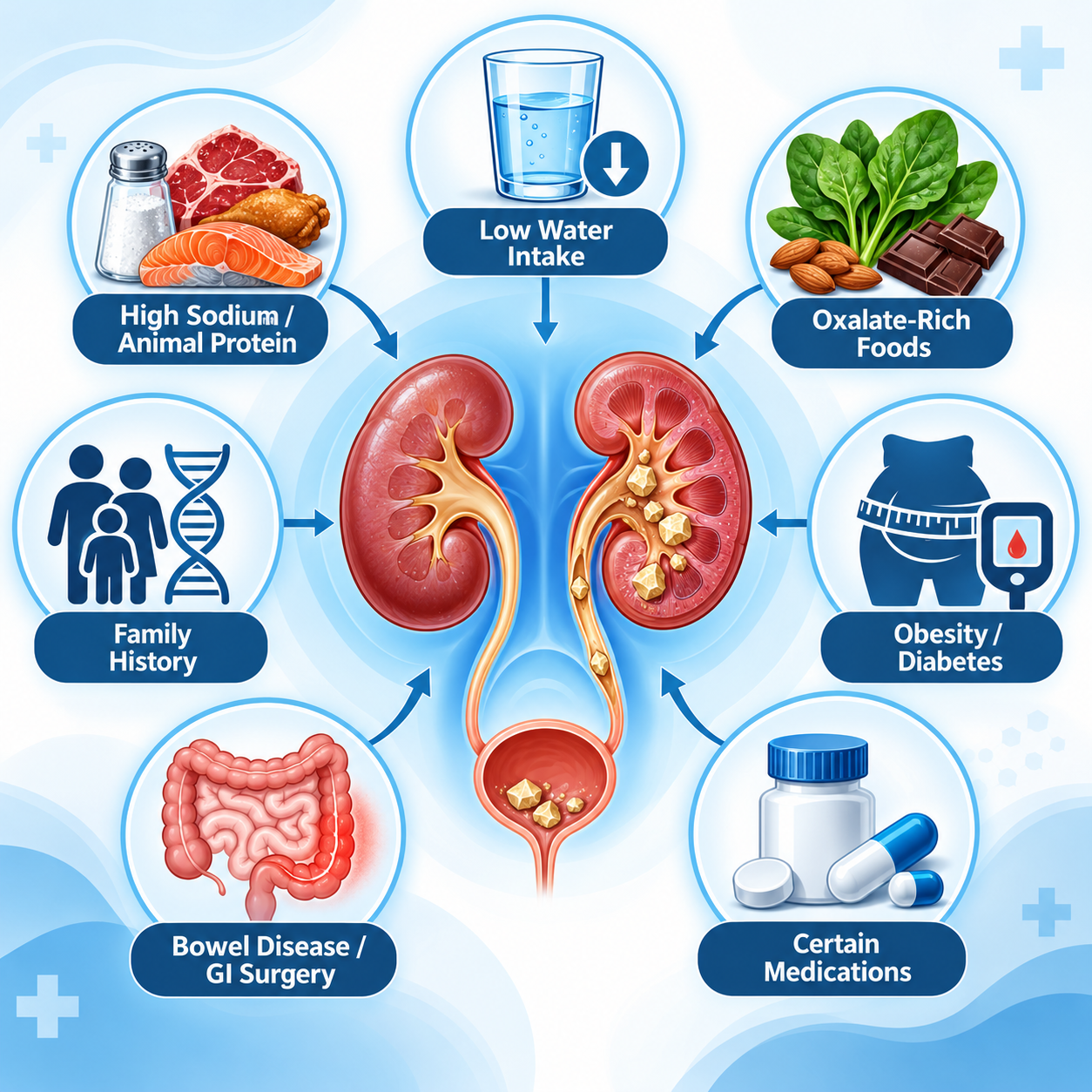
Kidney stone disease typically results not from a single cause, but from a combination of multiple risk factors. Identifying the exact underlying cause is essential for effective treatment and secondary prevention.
Major risk factors include:
- Inadequate Fluid Intake: This is the primary cause. Chronic dehydration leads to concentrated urine, creating an optimal environment for mineral precipitation and crystal aggregation.
- Unhealthy Dietary Habits:
- Excessive Sodium Intake: High sodium intake increases the amount of calcium the kidneys must filter, raising the risk of calcium stone formation.
- High Animal Protein Consumption: Consuming excess red meat and seafood elevates uric acid levels in both blood and urine.
- High Oxalate Intake: Consuming foods rich in oxalates (such as spinach, beets, chocolate, and nuts) in the setting of low fluid intake promotes calcium oxalate crystallization.
- Genetics and Family History: A positive family history of nephrolithiasis increases individual susceptibility due to inherited metabolic traits governing mineral excretion.
- Obesity and Metabolic Disorders: A high Body Mass Index (BMI), increased waist circumference, and type 2 diabetes alter urinary pH, favoring stone crystallization.
- Gastrointestinal Pathologies: Inflammatory Bowel Disease (Crohn’s disease), ulcerative colitis, or prior bariatric/intestinal surgery alter calcium and water absorption, thereby increasing the urinary concentration of stone-forming salts.
- Pharmacological Agents: Long-term overuse of high-dose Vitamin C, chronic use of laxatives, calcium-based antacids, or certain antidepressant medications.
Signs and Symptoms of Kidney Stones
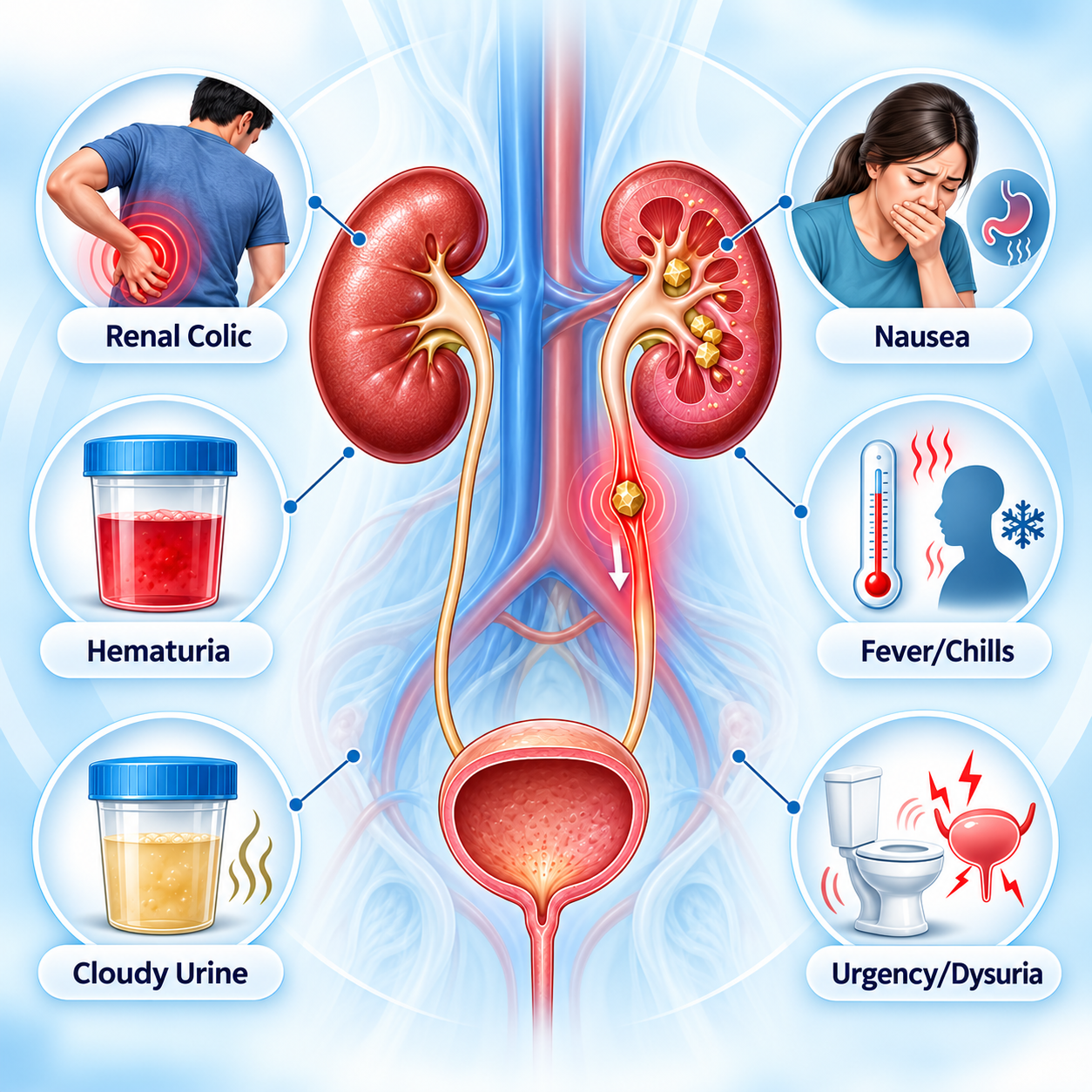
Small kidney stones may remain stationary within the renal parenchyma without causing symptoms. However, when a stone moves down into the ureter (the tube connecting the kidney to the bladder), it causes mucosal irritation, urinary obstruction, and severe smooth muscle spasms.
Typical clinical manifestations include:
- Renal Colic: The hallmark sign. Pain begins abruptly as a sharp, agonizing sensation in the flank and lumbar region, subsequently radiating anteriorly to the lower abdomen, groin, and ipsilateral genitalia. The pain typically comes in paroxysmal waves lasting 20 to 60 minutes.
- Urinary Abnormalities:
- Hematuria (Blood in Urine): Urine appears pink, red, or cola-colored due to mucosal trauma inflicted by the moving stone.
- Cloudy or Malodorous Urine: Indicates potential secondary urinary tract infection.
- Micturition Disturbances: Frequent urgency, dysuria (burning sensation during urination), and strangury (painful passage of small amounts of urine).
- Systemic Symptoms: Nausea and vomiting (mediated by shared autonomic innervation between the kidneys and gastrointestinal tract). If accompanied by an infection, patients may present with high fever and rigors.
When to Seek Immediate Medical Attention?
Untreated obstructive nephrolithiasis can lead to hydronephrosis (grades 1 to 3), pyelonephritis, sepsis, and irreversible renal parenchymal damage. Immediate medical evaluation is required if any of the following “red flag” signs appear:
- Severe lumbar pain that prevents sitting still or finding a comfortable position.
- Agonizing pain accompanied by persistent nausea and intractable vomiting.
- Abdominal or back pain accompanied by high fever and chills (indicative of obstructive urosepsis).
- Frank, visible hematuria.
- Anuria, acute urinary retention, or inability to pass urine.
Medical Diagnosis of Kidney Stones
To accurately localize the stone, measure its dimensions, count the stone burden, and assess overall renal function, urologists rely on clinical examination combined with specific diagnostic modalities:
- Blood Tests: Assess serum calcium, uric acid, renal function markers (Urea and Creatinine), and inflammatory parameters (White Blood Cell count).
- Urinalysis: Detects microscopic hematuria, pyuria (white blood cells indicating infection), and urinary crystals to help determine stone composition.
- Diagnostic Imaging:
- Abdominal Ultrasound: The initial, safe, radiation-free screening tool used to detect stones and evaluate hydronephrosis.
- Plain Abdominal Radiography (KUB): Detects radiopaque stones (such as calcium stones).
- Non-Contrast Computed Tomography (NCCT / CT Scan): The gold standard for diagnosing nephrolithiasis. CT imaging can detect radiolucent stones (uric acid stones) and tiny micro-calculi that plain X-rays miss.
Medical Treatment of Kidney Stones and the Role of Pharmacotherapy
Management depends entirely on stone size, chemical composition, anatomical location, and the presence of renal impairment or infection.
1. Conservative Medical Management (Pharmacotherapy for Small Stones)
For small stones (under 5 mm) without urinary tract obstruction or infection, conservative expulsory therapy is recommended. Patients should maintain high fluid intake (2–3 liters/day) to generate sufficient urinary flow to flush out the stone, alongside pharmacological support.
Commonly prescribed medication classes:
- Non-Steroidal Anti-Inflammatory Drugs (NSAIDs):
- Mechanism: Alleviate renal colic and decrease localized ureteral mucosal edema caused by stone friction.
- Agents: Ibuprofen or Diclofenac.
- Caution: Use with extreme care in patients with a history of peptic ulcer disease, advanced renal failure, or cardiovascular disease; long-term unmonitored use is contraindicated.
- Alpha-Blockers (Medical Expulsive Therapy – MET):
- Mechanism: Relax ureteral smooth muscle, facilitating stone passage into the bladder with reduced pain.
- Agents: Tamsulosin (prescription-only).
- Side Effects: Orthostatic hypotension, dizziness, and nasal congestion.
- Urine Alkalinizing Agents:
- Mechanism: Dissolve uric acid stones and prevent recurrent calcium oxalate stone precipitation by raising urinary pH.
- Agents: Potassium citrate (prescription-only).
- Antibiotics: Indicated urgently if a concurrent urinary tract infection is confirmed.
Critical Medical Safety Warnings Regarding Stone Medications:
- Medications affecting ureteral smooth muscle tone or urinary pH must be prescribed by a physician following proper diagnostic imaging and laboratory tests.
- Do NOT: Use unverified herbal remedies or traditional medicines claiming a “100% stone dissolution rate.” Uncontrolled botanical consumption can lead to hepatotoxicity, acute tubular necrosis, and irreversible renal failure.
- Do NOT: Use another person’s prescription. Different stone types require different treatments; taking improper medications can accelerate stone growth.
- Discontinuation: Stop the medication immediately and contact your physician if you experience allergic reactions (urticaria, dyspnea), severe dizziness/syncope from low blood pressure, or acute gastric pain.
2. Surgical Interventions (For Large or Obstructive Stones)
When stones are large (typically over 7 mm – 10 mm), cause severe hydronephrosis, induce infection, or cause refractory pain, minimally invasive urological interventions are indicated:
- Extracorporeal Shock Wave Lithotripsy (ESWL): Focuses acoustic shockwaves from outside the body to pulverize the stone into tiny fragments that pass through the urine.
- Retrograde Intrarenal Surgery / Ureteroscopy (RIRS / URS) with Laser Lithotripsy: A flexible or rigid endoscope is passed through the urethra and bladder into the ureter or kidney to fragment the stone using a laser fiber, leaving no external surgical incision.
- Percutaneous Nephrolithotomy (PCNL): A small keyhole tract (approx. 1 cm) is created in the back to insert a nephroscope directly into the renal pelvis to fragment and extract large or complex staghorn calculi.
Role of Specialists at the Men’s Health Ecosystem
Managing urological conditions like nephrolithiasis requires precise diagnostic imaging, comprehensive renal function monitoring, and safe pharmacological counseling. Without proper follow-up, stone disease carries a high recurrence rate.
Men’s Health Andrology Pharmacy is a specialized unit within the Men’s Health Center ecosystem, founded by Dr. Tra Anh Duy (MD, Specialist Level 2). Patients receive detailed consultations from experienced physicians and pharmacists to select appropriate clinical management plans. Men’s Health prioritizes clinical professionalism, safety, privacy, information confidentiality, and individual patient preferences throughout the diagnosis, treatment, and follow-up phases.
The multidisciplinary team collaborates closely to ensure patients fully understand their prescription regimens, manage potential drug interactions, and monitor clinical responses during medical expulsive therapy to preserve long-term renal function.
Lifestyle Modifications and Kidney Stone Prevention
Kidney stone disease has a recurrence rate of up to 50% within 5 years if lifestyle modifications are not implemented. Evidence-based preventative measures include:
- Maintain Optimal Hydration: Drink 2 to 3 liters of water daily (preferably plain water) to maintain pale, clear urine. Fresh lemonade or orange juice is beneficial as natural citrate inhibits stone crystal aggregation.
- Balance Dietary Calcium: Do not completely eliminate dietary calcium; calcium deficiency increases intestinal absorption of free oxalate, paradoxically increasing the risk of calcium oxalate stone formation. Consume moderate amounts of dietary calcium (milk, cheese, yogurt).
- Reduce Sodium Intake: High sodium levels increase renal calcium excretion into the urine. Limit fast food, processed canned items, and highly salted preserves.
- Limit Animal Protein: Reduce intake of red meat, organ meats, and shellfish to lower serum and urinary uric acid levels.
- Moderate High-Oxalate Foods: Individuals with a history of calcium oxalate stones should moderately consume spinach, beets, sweet potatoes, nuts, and concentrated tea. Complete dietary elimination is generally unnecessary.
Common Misconceptions in Kidney Stone Treatment
- Gulping Massive Amounts of Water During Acute Renal Colic: Drinking excessive water while a stone is acutely impacted in the ureter does not push the stone out; instead, it increases intrarenal pressure, worsening the pain and raising the risk of renal pelvic rupture. Fluids should be consumed steadily throughout the day.
- Blindly Eliminating Calcium: Many patients assume that “calcium stones require a calcium-free diet.” This is medically incorrect and increases the long-term risk of early osteoporosis.
- Stopping Treatment Once Pain Subsides: Pain reduction may simply mean the stone shifted into a wider segment of the urinary tract, not that it has passed. Discontinuing treatment without follow-up imaging allows the stone to grow silently, potentially causing asymptomatic renal failure.
Frequently Asked Questions (FAQs)
At what size does a kidney stone require surgery? There is no single threshold, as intervention depends on stone location and obstruction severity. Generally, stones under 5 mm pass spontaneously. Stones between 5 mm and 7 mm may require Medical Expulsive Therapy (MET). Stones exceeding 10 mm, or smaller stones causing severe hydronephrosis, intractable pain, or infection, require minimally invasive lithotripsy procedures (rather than open surgery).
Does having kidney stones affect male sexual health and performance? Kidney stone disease does not directly damage reproductive structures or alter testosterone levels. However, severe flank pain, dysuria, physical fatigue, and psychological stress caused by the condition can temporarily diminish libido and indirectly impact sexual quality of life.
Does drinking beer help flush out kidney stones? This is a myth. Although beer acts as a temporary diuretic, alcohol causes cellular dehydration, which concentrates the urine afterward. Furthermore, beer is high in purines, which elevates blood uric acid and increases the risk of uric acid stone formation.
Can kidney stones pass spontaneously in urine? Yes. Small stones (under 5 mm) with smooth surfaces can pass spontaneously through the ureter, bladder, and urethra, provided the patient maintains adequate hydration and light physical activity (such as walking).
Are kidney stones hereditary? Yes. Genetics plays a role in stone disease. A family history of nephrolithiasis increases individual risk due to shared genetic traits governing urinary tract anatomy, mineral absorption, and metabolic handling.
Conclusion
Kidney stone disease is a prevalent urological condition that causes significant pain and potential clinical complications. Stone formation primarily stems from inadequate hydration, dietary imbalances, and metabolic risk factors. Although modern urology provides highly effective, minimally invasive lithotripsy techniques, preventing recurrence remains the ultimate clinical goal.
Patients must refrain from self-diagnosis, overusing unprescribed analgesics, or relying on unverified traditional herbal remedies. Upon experiencing symptoms such as flank pain radiating to the lower abdomen, dysuria, or hematuria, prompt evaluation at a specialized healthcare facility is essential. With the support of professional, safe, and discreet healthcare ecosystems like Men’s Health, patients receive accurate diagnostic workups and tailored medical or surgical interventions to resolve stone disease and protect overall urinary health.