
Unlike the common anxiety of premature ejaculation, delayed ejaculation is a silent burden that leaves men exhausted after prolonged sexual encounters without being able to reach orgasm. According to experts, this condition severely affects psychological well-being and natural fertility. This article provides a clear, scientific overview of the causes, identification methods, and safe medical interventions to help men overcome this frustrating situation.
The Concept of Delayed Ejaculation
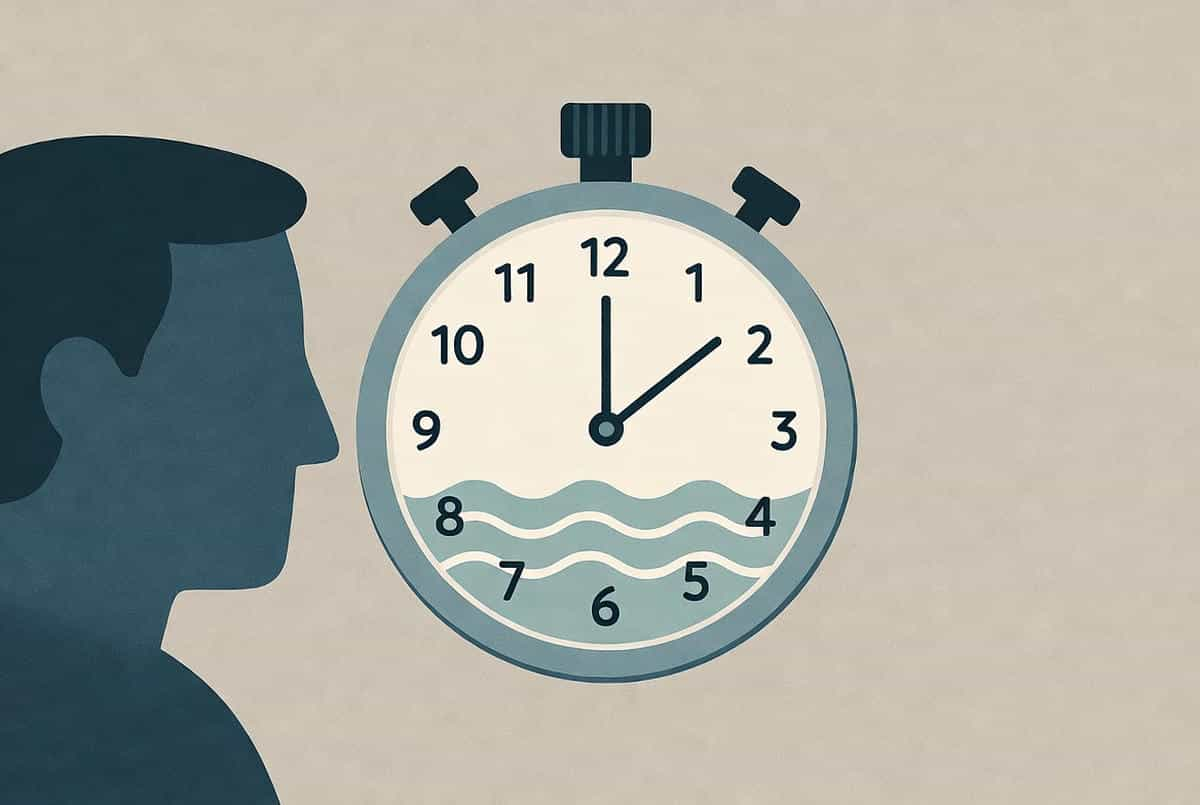
Delayed Ejaculation is a condition where a man requires an unusually prolonged period of sexual stimulation (typically over 30-45 minutes) or is completely unable to ejaculate, despite having a full erection and sexual desire. This condition can occur in all situations (including masturbation) or only when engaging in intercourse with a partner.
Causes of Difficulty Ejaculating

- Psychological causes: Play a major role. Work stress, relationship conflicts, the pressure to satisfy a partner, or becoming accustomed to an intense form of stimulation during masturbation can make the nervous system “insensitive” to natural stimulation.
- Physical causes: Pelvic nerve damage (due to diabetes, prostate surgery, spinal cord injury), or decreased testosterone levels.
- Side effects of medication: Especially antidepressants (SSRIs), blood pressure medications, or the abuse of alcohol and recreational drugs.
When to See a Doctor?
Men should seek medical evaluation if difficulty ejaculating:
- Causes exhaustion, soreness in the penis, or pain for the partner’s genitals due to prolonged friction.
- Occurs suddenly, despite previously normal ejaculatory function.
- Interferes with the intention to have children due to the inability to ejaculate into the vagina.
Diagnostic Methods
- Sexual history assessment: To distinguish between psychological delayed ejaculation (can still ejaculate during masturbation) and physical causes (unable to ejaculate under any circumstances).
- Endocrine measurement: Blood tests to check levels of Testosterone, Prolactin, and Thyroid Hormones.
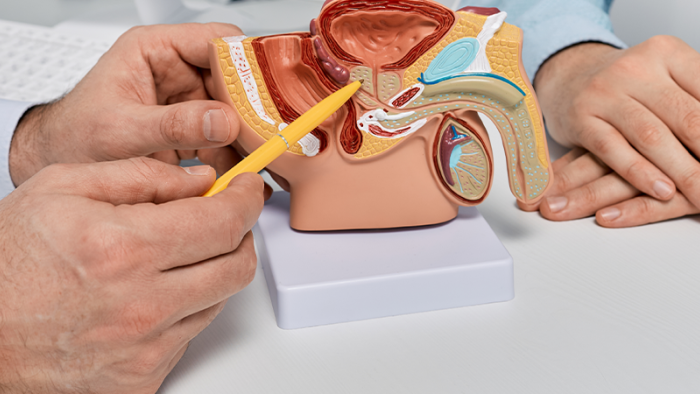
- Nerve reflex evaluation: Testing the sensitivity of penile nerve pathways.
Treatment and the Role of Medication
There is no single “magic pill” for delayed ejaculation; treatment must precisely target the underlying cause.
- Medication adjustment: If caused by antidepressant side effects, a psychiatrist may reduce the dosage or switch medication classes.
- Psychosexual therapy: Relieving stress and applying techniques to gradually increase stimulation.
- Medical treatment: Doctors may prescribe hormone replacement therapy (if hypogonadism is present) or sympathomimetic drugs (such as pseudoephedrine or amantadine) depending on the specific case.
Warning: Medications affecting the nervous system to stimulate ejaculation are strictly prescription-only and are contraindicated for individuals with high blood pressure or cardiovascular disease. Self-medicating with unverified enhancement drugs based on word-of-mouth will not be effective and can harm the liver and kidneys.
Accompanying Men’s Health Pharmacy

Treating delayed ejaculation requires patience and adherence to the medical regimen. At Men’s Health Pharmacy, part of the healthcare ecosystem founded by Dr. Tra Anh Duy, MD, PhD, the consultation and medication dispensing process takes place under the strict supervision of experts. Men’s Health pharmacists will thoroughly explain the goals of each hormonal or neurological medication, closely monitor for adverse effects, and remind patients of follow-up appointments. Clients can be completely assured of our professionalism, safety, and the strict confidentiality of their personal information.
Delayed Ejaculation and Frequently Asked Questions
Does delayed ejaculation affect erectile function?
Many cases of delayed ejaculation have completely normal erectile function. However, prolonging intercourse for too long can lead to fatigue, causing the penis to lose its erection before ejaculation can occur.
Can excessive masturbation cause delayed ejaculation?
Yes. Masturbating with a tight grip and fast speed (“death grip syndrome”) trains the nervous system to expect a high threshold of stimulation. During actual intercourse, the vagina may not provide enough pressure or friction to trigger the ejaculatory reflex.
Does delayed ejaculation cause infertility?
It causes “functional infertility”—meaning the sperm is healthy, but it cannot be deposited into the female body naturally. Doctors can intervene by assisting in sperm retrieval for artificial insemination if necessary.
Do aphrodisiacs make it easier to ejaculate?
No. Unregulated “aphrodisiacs” or stimulants do not resolve nerve conduction disorders or psychological issues, and they may even cause dangerous cardiovascular side effects.
How long does it take to cure delayed ejaculation?
It depends entirely on the cause. If psychological, cognitive-behavioral therapy may take several months. If due to endocrine decline, hormone replacement therapy typically shows improvement after 4-8 weeks.
Conclusion
Delayed ejaculation is not a display of “stamina” but rather a sexual dysfunction that needs to be taken seriously. Enduring it silently or misusing medications only exacerbates psychological pressure. When experiencing difficulties achieving orgasm, men should not hesitate to consult specialized doctors. The Men’s Health ecosystem offers comprehensive solutions ranging from psychological and physical evaluations to dispensing specialized medications, ensuring privacy and safety, helping you restore harmony in your sex life.