
Genital herpes is a common sexually transmitted infection (STI) caused by the Herpes Simplex Virus (HSV). It is characterized by painful blisters and ulcers in the genital or anal regions. Although there is currently no cure for genital herpes, early diagnosis and treatment with antiviral medications can effectively manage symptoms, reduce outbreak duration, and significantly lower the risk of transmission to sexual partners.
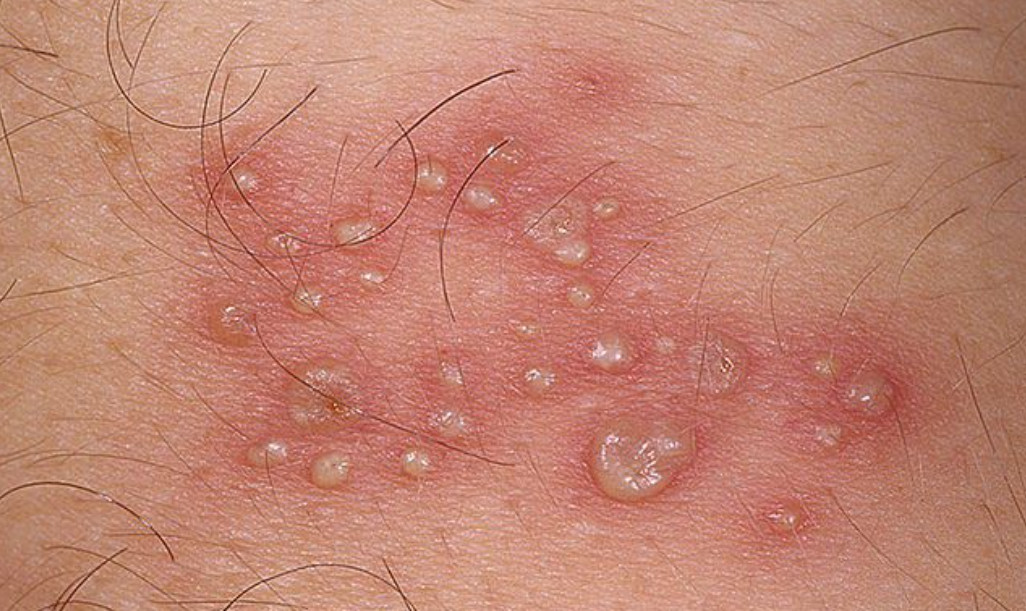
What Is Genital Herpes?
Genital herpes is a chronic infection caused by the Herpes Simplex Virus (HSV) in the genital, anal, or surrounding areas. According to current clinical guidelines, there are two primary strains of the virus:
- HSV-2 (Herpes Simplex Virus type 2): The leading and most common cause of genital herpes. It spreads primarily through sexual contact and is highly contagious.
- HSV-1 (Herpes Simplex Virus type 1): Typically associated with oral herpes (cold sores on the lips or mouth). However, genital herpes cases caused by HSV-1 have increased significantly in recent years, largely due to oral sex.
After entering the body, the virus travels along nerve pathways and remains latent (“dormant”) in the sacral nerve ganglia. When triggered, the virus reactivates, travels back along the nerves to the skin surface, and causes an outbreak.
Causes and Risk Factors
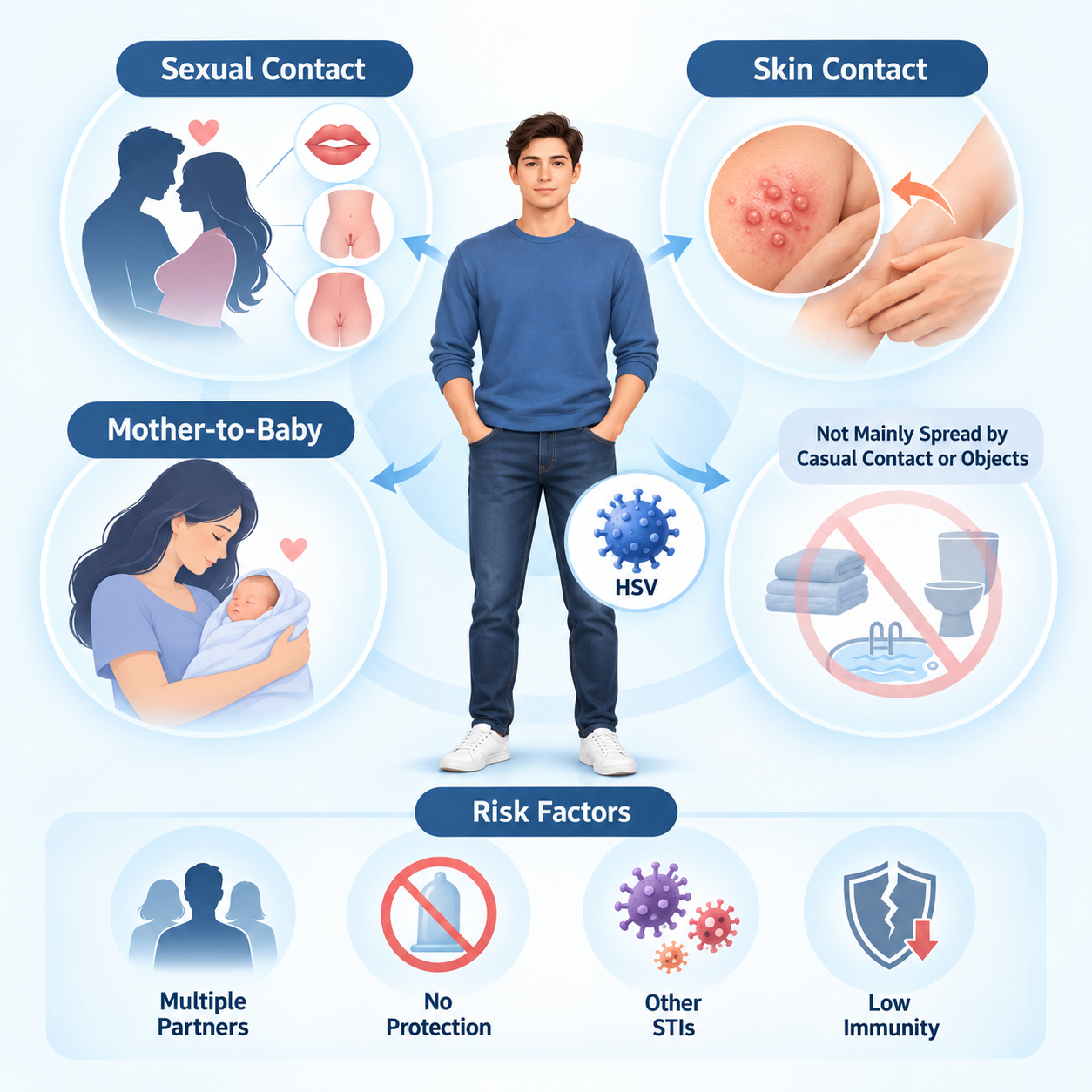
Primary Modes of Transmission
Genital herpes is not transmitted through toilet seats, swimming pools, or sharing casual objects because HSV degrades quickly outside the human body. Transmission occurs mainly through:
- Unprotected sexual contact (vaginal, anal, or oral) with an infected partner.
- Direct skin-to-skin contact with active lesions, blisters, or infected bodily fluids.
- Asymptomatic viral shedding: The virus can be transmitted even when the infected individual shows no visible symptoms or open sores.
- Vertical transmission from mother to child during vaginal delivery during an active herpes outbreak.
Who Is at Higher Risk?
Anyone who is sexually active can acquire HSV. However, clinical studies highlight several factors that increase risk:
- Having multiple sexual partners or engaging in unprotected sex.
- Being female: Women have a higher susceptibility to acquiring HSV from men due to the vulnerable anatomical structure of the female genital mucosa.
- Having an immunocompromised system (due to underlying medical conditions, chronic stress, or immunosuppressive therapy).
- Having other co-existing sexually transmitted infections (STIs).
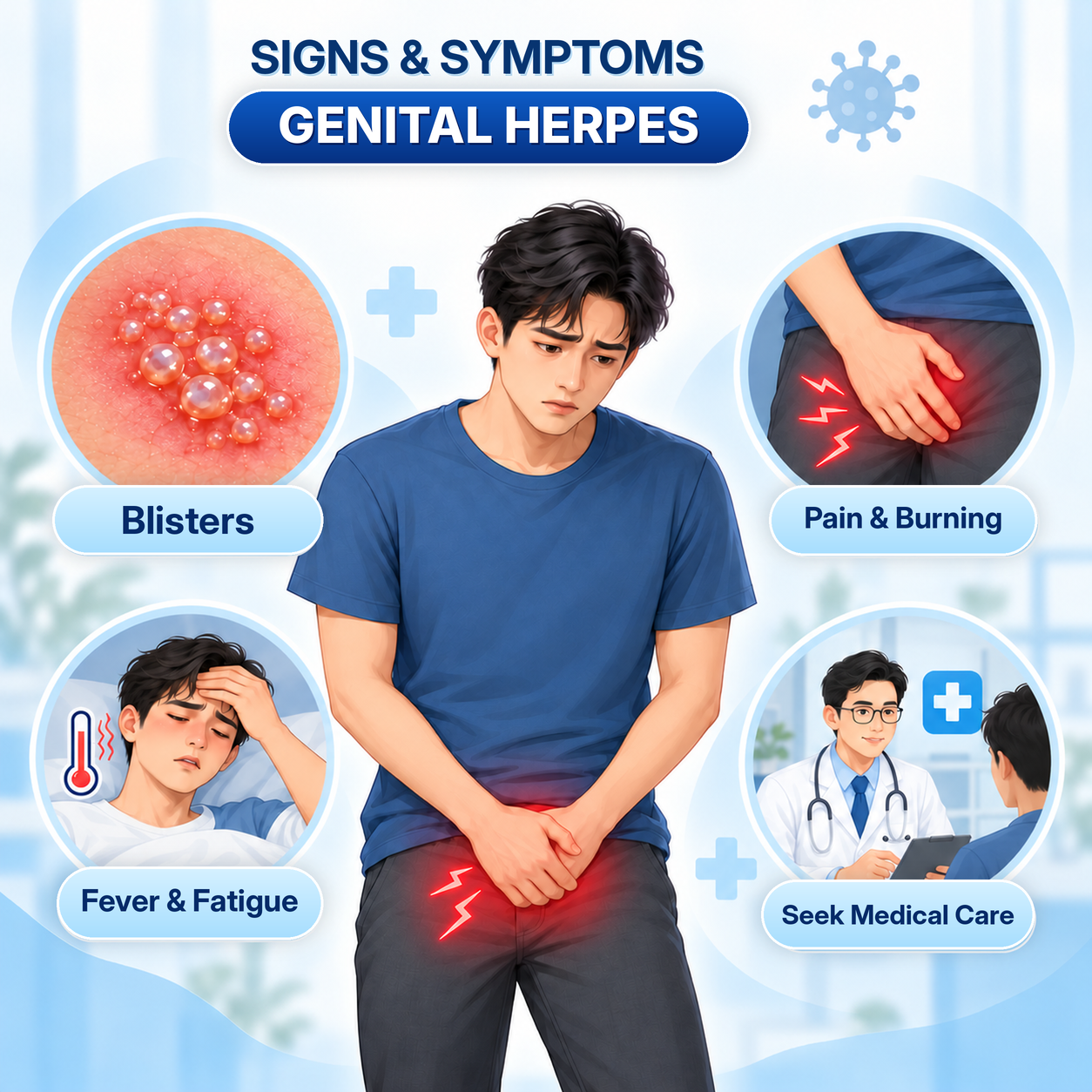
Signs and Symptoms of Genital Herpes
A significant percentage of infected individuals are unaware of their status because symptoms may be mild or absent. When symptoms do occur, the condition typically progresses through two distinct phases:
Primary Infection (First Outbreak)
This is usually the most severe outbreak, appearing 2 to 12 days after exposure. Symptoms include:
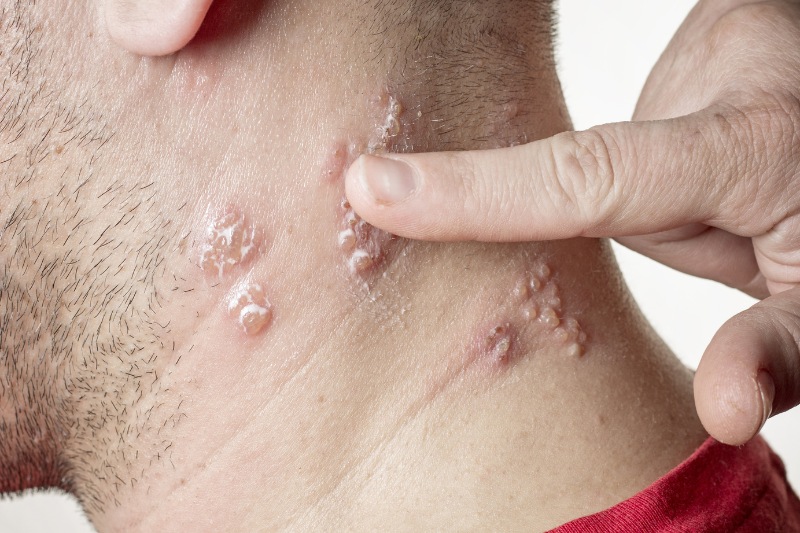
- Clusters of small, painful, red blisters on the penis, scrotum, vulva, vagina, anus, or inner thighs.
- Blisters that rapidly rupture into shallow, oozing, or bleeding ulcers that cause severe pain or burning, especially during urination.
- Lesions that crust over and heal within 2 to 4 weeks without scarring.
- Systemic flu-like symptoms, including fever, headache, muscle aches, and swollen inguinal lymph nodes (in the groin).
Recurrent Outbreaks
Following the primary infection, the virus retreats to the nerve roots and may periodically reactivate. Recurrences are generally milder and heal faster (within 3 to 7 days). Before visible lesions appear, individuals often experience prodromal symptoms:
- Tingling, itching, or burning sensations at the site where lesions will develop.
- Radiating pain extending to the buttocks, thighs, or knees.
Recurrence frequency varies per individual. Common triggers include physical stress, fatigue, illness, menstruation, or mechanical friction during intercourse.
When to See a Doctor Immediately?
Self-diagnosis based solely on skin appearance is discouraged. Seek immediate medical evaluation if you experience:
- Unexplained painful sores or blisters in the genital region.
- Severe dysuria (painful urination) leading to urinary retention.
- Pregnancy with suspected genital herpes exposure (urgent intervention is required to protect the fetus).
- Sores that fail to heal or show signs of secondary bacterial infection (pus, foul odor).
Medical Diagnostic Methods
To accurately diagnose genital herpes, a physician may utilize:
- Clinical Examination: Direct visual inspection of genital lesions.
- PCR (Polymerase Chain Reaction) Test: A swab sample taken from an active lesion. This is the gold standard for detecting HSV DNA and differentiating between HSV-1 and HSV-2.
- Serological (Blood) Test: Identifies HSV antibodies in the blood. This test determines past exposure, which is particularly useful when no active lesions are present during examination.
Medical Treatment and the Role of Antiviral Drugs
There is currently no cure to eradicate HSV completely. However, medical management is crucial for controlling the virus.
Goals of Medical Therapy
Antiviral therapy is the cornerstone of treatment, aiming to:
- Accelerate lesion healing during the initial outbreak.
- Reduce the severity and duration of recurrent episodes.
- Decrease the frequency of future recurrences.
- Minimize the risk of viral transmission to sexual partners.
Common oral antiviral medications include Acyclovir, Valacyclovir, and Famciclovir. Depending on recurrence patterns, clinicians may prescribe episodic therapy (taken at the onset of prodromal symptoms) or continuous suppressive therapy (taken daily).
Important Safety Guidelines for Antiviral Use
- Strict Prescription Requirement: Antivirals are prescription-only drugs. Do not self-medicate or use another person’s prescription. Dosages must be adjusted by a physician based on renal function and outbreak frequency.
- Not a Sexual Performance Enhancer: Antivirals suppress viral replication only and do not enhance male stamina or treat unrelated conditions.
- Potential Side Effects: Possible adverse effects include nausea, headache, and dizziness. In patients with renal impairment, improper dosing can lead to toxicity accumulation.
- Drug Interactions: Inform your physician about all concurrent medications, particularly those affecting renal function.
- When to Discontinue: Discontinue medication and seek emergency care immediately if severe allergic reactions occur (rash, facial swelling, dyspnea).
Professional Healthcare Ecosystem
Managing genital herpes requires comprehensive care, including clinical monitoring, psychological support, and lifestyle modification.
The Men’s Health Andrology Pharmacy is an integral unit within the Men’s Health Center ecosystem, founded by Dr. Tra Anh Duy (MD, Specialist Level 2). Here, patients receive expert consultations from experienced doctors and pharmacists to navigate appropriate treatment solutions. Men’s Health emphasizes professionalism, safety, discretion, confidentiality, and respect for individual privacy throughout the clinical journey. Pharmacists ensure accurate dispensation of prescribed antivirals, provide clear dosing instructions, and offer non-judgmental guidance to help patients confidently manage their condition.
Lifestyle Modifications and Transmission Prevention
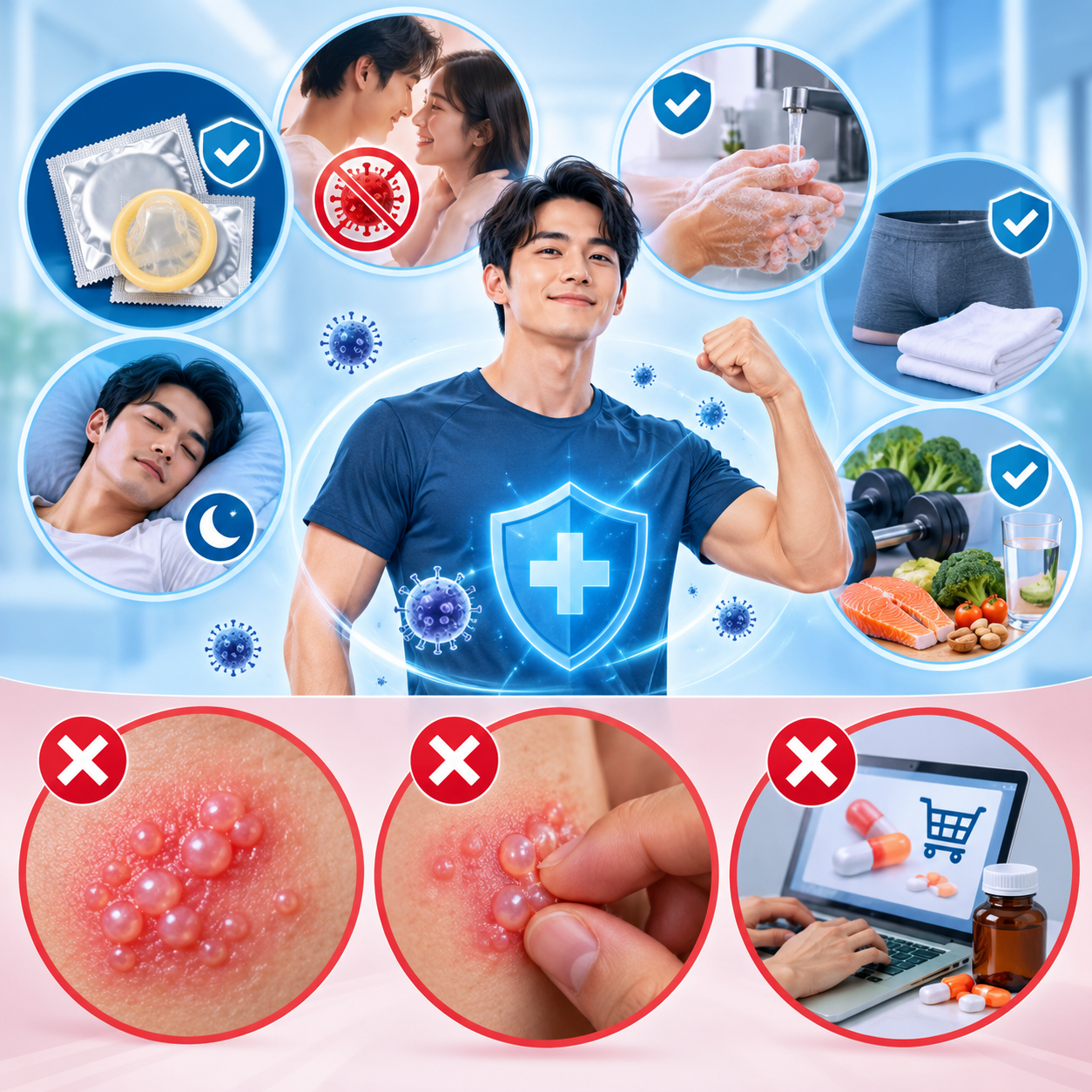
In addition to pharmacotherapy, patients should adopt preventive measures:
- Practice Safe Sex: Consistently use condoms or dental dams during sexual activity. While they do not offer 100% protection (as HSV can shed from uncovered skin areas), they significantly reduce transmission risk.
- Abstain During Outbreaks: Avoid all sexual contact (even with condoms) from the onset of prodromal symptoms until all lesions have completely scabbed over and new skin has formed.
- Open Partner Communication: Transparent communication with sexual partners is an essential responsibility for establishing safe intimate practices.
- Proper Personal Hygiene: Keep the genital area clean and dry. Wear loose cotton underwear to prevent friction on active sores. Wash hands thoroughly with soap after touching affected areas to prevent auto-inoculation to the eyes or other body parts.
- Strengthen Immunity: Ensure adequate sleep, manage stress, maintain balanced nutrition, and exercise regularly to support immune suppression of viral reactivation.
Common Misconceptions About Genital Herpes
- Myth 1: “No active sores means no risk of transmission.”Fact: HSV can undergo asymptomatic shedding through the skin, meaning transmission can occur silently without visible lesions.
- Myth 2: “Popping or draining blisters helps them heal faster.”Fact: Puncturing blisters or applying unverified topical remedies worsens inflammation, increases the risk of secondary bacterial infection, and causes severe scarring.
- Myth 3: “Hiding the condition is better than seeking help.”Fact: Fear of stigma leads many to purchase unverified online remedies. This practice risks adverse reactions, promotes resistance, and increases community transmission.
Frequently Asked Questions (FAQs)
Can genital herpes be cured completely?
Currently, there is no medical cure to eradicate HSV from the body; the virus remains latent for life. However, antiviral medications effectively control outbreaks, allowing individuals to maintain normal daily and sexual lives.
Can I have children if I have genital herpes?
Yes, individuals with HSV can have healthy children. Pregnant women must inform their obstetrician about their HSV status. Antiviral therapy may be prescribed in the third trimester to prevent outbreaks, or a C-section may be indicated if active lesions are present during labor to protect the newborn.
Do condoms provide 100% protection against genital herpes?
No. Condoms only cover the skin they shield (such as the penile shaft). HSV can shed from uncovered areas like the scrotum, vulva, inner thighs, or perianal region. However, condoms remain the most effective barrier method available for risk reduction.
Can genital herpes be transmitted through kissing?
Genital herpes caused by HSV-2 is rarely transmitted via kissing. However, if an individual has oral herpes (typically HSV-1), deep kissing or performing oral sex can transmit the virus to a partner’s genital region.
How long after exposure do initial symptoms appear?
The incubation period typically ranges from 2 to 12 days after exposure. However, HSV can remain asymptomatic for months or years before a primary outbreak occurs, making it difficult to pinpoint the exact source of exposure.
Is genital herpes the same as genital warts?
No, these are entirely distinct conditions. Genital herpes is caused by HSV and presents as painful, fluid-filled blisters that rupture into ulcers. Genital warts are caused by the Human Papillomavirus (HPV) and present as fleshy, cauliflower-like growths that are typically painless but prone to bleeding upon friction.
Conclusion
Genital herpes is a manageable chronic infection when approached with proper medical guidance. Understanding HSV transmission, recognizing early symptoms, and adhering to prescribed antiviral regimens alleviate discomfort and protect loved ones. Avoid self-diagnosis or unverified treatments.
If you notice unusual genital lesions or suspect exposure, consult a specialist promptly. The Men’s Health Center ecosystem is dedicated to offering professional, safe, discrete, and confidential care to help you regain health and confidence.