


Male infertility is a condition in which a man is unable to help his partner conceive after at least one year of regular, unprotected sexual intercourse. It is a common health concern and accounts for approximately 40–50% of infertility cases among couples. The condition is often related to reduced sperm quantity or quality, or abnormalities affecting the male reproductive system. Early detection and accurate identification of the underlying cause can provide more treatment opportunities, helping improve reproductive health and a man’s chances of becoming a father.
Understanding Male Infertility and Its Mechanisms
Male infertility occurs when there is a problem with sperm production, maturation, or transportation. In a healthy man, the testes continuously produce sperm. The sperm then travel through the reproductive ducts, mix with fluids produced by accessory glands to form semen, and are released during ejaculation.
The mechanisms of male infertility commonly involve:
- Impaired sperm production: Too few sperm are produced (oligospermia), or no sperm are present in the semen (azoospermia).
- Abnormal sperm morphology and motility: Sperm may have abnormal shapes, poor movement, or no movement, making it difficult for them to reach and fertilize the egg.
- Obstruction of the reproductive tract: Sperm may be produced normally but cannot be released due to a blockage in the sperm ducts.
Causes and Risk Factors of Male Infertility
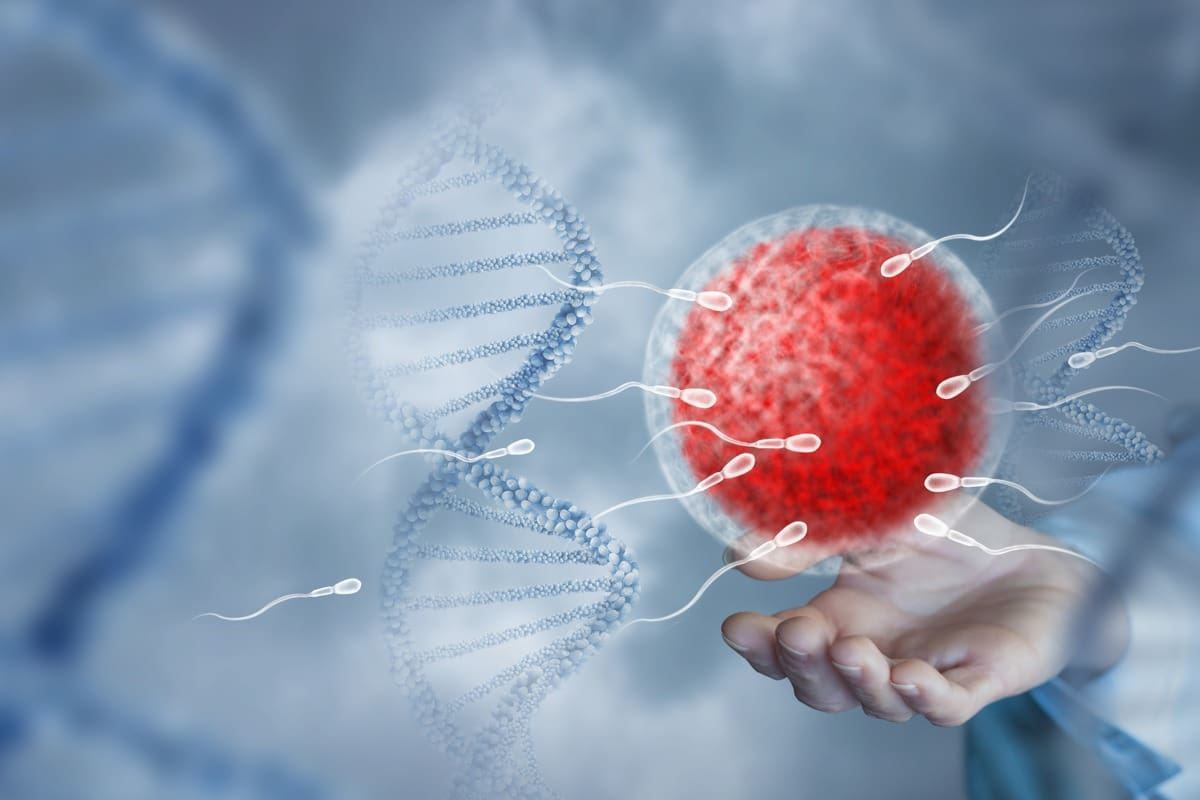
According to current medical guidelines, male infertility is not a single disease but rather the result of multiple possible causes.
Medical Causes
Varicocele:
This is the enlargement of veins that drain blood from the testes. It may increase the temperature of the scrotum and negatively affect sperm quantity and quality.
Infections:
Certain inflammatory or infectious conditions, such as epididymitis, orchitis (often associated with mumps), or sexually transmitted infections such as gonorrhea and chlamydia, may cause scarring and obstruct sperm transport.
Ejaculatory problems:
A typical example is retrograde ejaculation, in which semen flows backward into the bladder instead of exiting through the penis during orgasm.
Antisperm antibodies:
The immune system may mistakenly recognize sperm as foreign substances and attack or damage them.
Hormonal disorders (Hypogonadism):
Hormonal imbalances involving the pituitary gland, hypothalamus, or testes may impair sperm production.
Genetic factors:
Conditions such as Klinefelter syndrome, in which a person has two X chromosomes and one Y chromosome, or Y-chromosome microdeletions may affect male reproductive development and sperm production.
Environmental and Lifestyle Factors
Exposure to harmful chemicals:
Frequent exposure to pesticides, heavy metals, or organic solvents may negatively affect reproductive health.
High temperatures:
Frequent sauna use, regular hot baths, or wearing excessively tight underwear may increase scrotal temperature.
Unhealthy lifestyle habits:
Smoking, excessive alcohol consumption, substance use, chronic stress, overweight, and obesity may all contribute to reduced male fertility.
Signs and Symptoms of Male Infertility
The main and often only sign of male infertility is difficulty achieving pregnancy after an extended period of trying. However, when infertility is related to underlying conditions such as hormonal disorders, varicocele, or genetic abnormalities, men may experience symptoms such as:
- Pain, swelling, or a lump in the testicular area.
- Reduced sexual desire, erectile dysfunction, or difficulty maintaining an erection.
- Changes in body hair or facial hair growth, which may indicate hormonal imbalance.
- Lower-than-normal semen volume during ejaculation.
- Abnormal breast enlargement (gynecomastia).
When Should Men See a Doctor?
You should not attempt to diagnose infertility based solely on a few temporary symptoms. Medical evaluation is recommended if:
- You and your partner have been trying to conceive for more than one year without success, or for six months if the female partner is over 35 years old.
- You experience pain, discomfort, or swelling in the testicles.
- You have a history of testicular or prostate conditions or previous surgery involving the groin or scrotum.
- You experience persistent sexual function problems, such as erectile or ejaculatory disorders, that affect your quality of life.
Diagnostic Methods for Male Infertility
To accurately identify the underlying cause, a doctor will review your medical history, perform a physical examination, and may recommend several diagnostic tests, including:
Semen analysis:
This is the core test used to evaluate semen volume, sperm concentration, motility, and morphology.
Hormonal testing:
Blood tests may measure Testosterone, FSH, LH, and Prolactin levels to assess the hypothalamic-pituitary-testicular axis.
Scrotal and transrectal ultrasound:
These imaging tests may help detect varicocele, tumors, or obstruction of the ejaculatory ducts.
Genetic testing:
This may be recommended for men with very low sperm counts to identify chromosomal or genetic abnormalities.
Treatment for Male Infertility and the Role of Medication

The goal of treatment is to address the underlying cause, improve sperm quality, or retrieve sperm for assisted reproductive techniques. There is no single treatment plan suitable for every patient.
Medical Treatment
Medication may be used when infertility is related to hormonal disorders, infections, or certain sexual function problems.
Antibiotics:
These may be prescribed for infections of the reproductive tract or prostatitis. The goal is to eliminate the infection, although medication may not always restore sperm transport or production if permanent scarring or obstruction has already developed.
Hormonal therapy:
Hormone-regulating medications, such as Clomiphene citrate, hCG, or FSH, may be prescribed for men with certain forms of secondary hypogonadism.
Medication for sexual dysfunction:
Medications used to manage erectile dysfunction or premature ejaculation may help improve sexual function and support natural conception when clinically appropriate.
Important Considerations When Using Medication
Hormonal medications, antibiotics, and other medications used for male reproductive health should only be taken under the prescription and supervision of a qualified healthcare professional.
Some medications may cause side effects, such as mood changes, acne, or breast tenderness with certain hormonal treatments, or digestive problems with antibiotics. Do not purchase medications from unknown sources, use another person’s prescription, or take products marketed as sexual performance enhancers based solely on informal recommendations.
If you experience an allergic reaction or serious side effects, stop taking the medication and contact a healthcare professional immediately.
Men’s Health Pharmacy is part of the Men’s Health Men’s Health Center ecosystem, founded by Dr. Tra Anh Duy. Patients can receive guidance and support from doctors and pharmacists to help them choose appropriate healthcare solutions. Men’s Health places importance on professionalism, safety, privacy, confidentiality, and respect for individual needs throughout the consultation, treatment, and follow-up process. Following an appropriate treatment plan under close coordination between doctors and pharmacists can help make infertility management safer and more effective.
Surgical Treatment and Assisted Reproductive Technologies
Surgery:
Surgical treatment may be recommended for conditions such as varicocele or for vasectomy reversal in men who have previously undergone vasectomy.
Assisted Reproductive Technologies (ART):
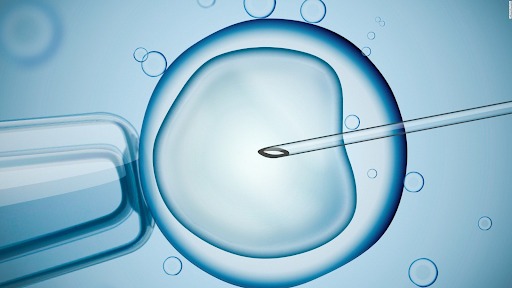
When medical or surgical treatment does not achieve the desired results, doctors may retrieve sperm directly from the epididymis or testes using techniques such as PESA or TESE. The retrieved sperm may then be used in assisted reproductive procedures such as intrauterine insemination (IUI) or intracytoplasmic sperm injection (ICSI).
Lifestyle Changes and Prevention
Clinical research suggests that lifestyle plays an important role in protecting male reproductive health. Helpful measures include:
- Maintaining a healthy body weight and exercising regularly while avoiding excessive activities that may increase scrotal temperature, such as prolonged high-intensity cycling.
- Managing stress and maintaining adequate, quality sleep.
- Limiting alcohol consumption and avoiding smoking and recreational substance use.
- Avoiding excessive heat exposure to the genital area, such as placing a laptop directly on the lap or taking frequent hot baths.
- Using appropriate protective equipment when working in environments involving potentially harmful chemicals.
Male Infertility: Frequently Asked Questions
Can Male Infertility Be Treated?
Many cases of male infertility can be improved or successfully treated when the underlying cause is correctly identified. Medical treatment, surgery, and modern assisted reproductive technologies may all provide effective options. Early medical evaluation is essential.
Should Men Avoid Sexual Intercourse During Infertility Treatment?
This depends on the individual’s treatment plan. Doctors will provide specific recommendations based on the underlying condition. In many cases, regular sexual intercourse may be recommended to support natural conception, unless there is an active infection, recent surgery, or another medical reason to abstain.
Does Alcohol Affect Male Infertility Treatment?
Yes. Excessive alcohol consumption may affect hormone levels, sexual function, and sperm quality. Limiting alcohol intake can help support overall reproductive health and prevent interference with medical treatment.
How Long Does It Take to Get Semen Analysis Results?
Results are often available relatively quickly, typically within one to two hours after the semen sample is collected, depending on the equipment and procedures of the healthcare facility.
Can Dietary Supplements Replace Infertility Medication?
No. Dietary supplements may provide nutrients such as zinc, vitamins, or antioxidants, but they cannot address underlying causes such as reproductive tract obstruction, varicocele, or infection. Appropriate treatment should be based on medical evaluation and a doctor’s recommendations.
Conclusion
Male infertility is a medical challenge that requires patience, understanding, and appropriate treatment. Early identification of the underlying cause through proper evaluation and specialized testing is essential for selecting the most suitable treatment approach. Management may involve lifestyle changes, medication, surgery, or assisted reproductive technologies.
Men should avoid self-diagnosis and should not use medications or products from unknown or unreliable sources without professional medical guidance.
If you or your partner are experiencing difficulty conceiving or notice any unusual changes in your reproductive or sexual health, seeking care from a qualified healthcare provider is an important first step. Men’s Health Men’s Health Center provides consultation, evaluation, and follow-up support in a professional, safe, private, and confidential environment, accompanying men throughout their journey toward fatherhood.
Nếu bạn muốn, tôi cũng có thể dịch lại bản này theo chuẩn SEO website tiếng Anh, với văn phong tự nhiên hơn cho khách hàng quốc tế và tối ưu các tiêu đề H1, H2, H3.