

Many men wonder whether exogenous testosterone supplementation stops the body from producing natural testosterone. The short answer is yes. Introducing external testosterone into the body triggers a “negative feedback” mechanism, signaling the brain that hormone levels are sufficient and instructing the testicles to halt natural production. This can lead to testicular atrophy and impaired fertility if abused or misused. The following article provides a detailed analysis of this mechanism, the associated risks, and safe medical practices to protect men’s health scientifically.
Concept and Mechanism of Testosterone in the Body
To understand why the body reacts to external testosterone, we must grasp how the endocrine system maintains male sex hormones.
The Hypothalamic-Pituitary-Gonadal (HPG) Axis
The production of endogenous (natural) testosterone is controlled by a tightly regulated system known as the HPG axis.
- The hypothalamus releases Gonadotropin-Releasing Hormone (GnRH).
- GnRH stimulates the pituitary gland to secrete two crucial hormones: Luteinizing Hormone (LH) and Follicle-Stimulating Hormone (FSH).
- LH stimulates the Leydig cells in the testicles to produce testosterone, while FSH supports spermatogenesis (sperm production).
The Negative Feedback Mechanism
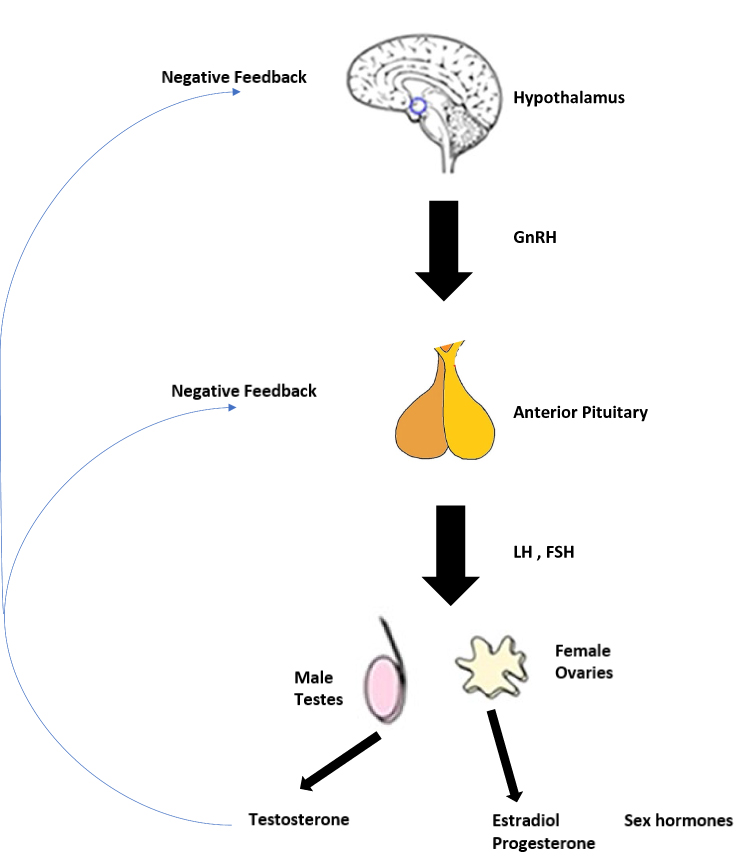
When testosterone levels in the blood reach an optimal point, the body sends signals back to the hypothalamus and pituitary to decrease the secretion of GnRH, LH, and FSH. This acts much like a thermostat: it shuts off when the room is warm enough and turns back on when the temperature drops.
What is Exogenous Testosterone Supplementation?
This involves introducing testosterone preparations (injections, gels, oral capsules) into the body. This method is typically prescribed in Testosterone Replacement Therapy (TRT) for patients with hypogonadism, clinically diagnosed with hormone deficiency via blood tests.
Does Exogenous Testosterone Stop Natural Production?
When you supplement with exogenous testosterone, your blood hormone levels rise rapidly. At this point, the negative feedback loop is strongly activated:
- The pituitary gland senses an abundance of testosterone and consequently stops releasing LH and FSH.
- Without LH: The testicles go “dormant” and completely cease their own internal testosterone production.
- Without FSH and local intratesticular testosterone: The process of sperm production halts.
Prolonged suppression leads to testicular atrophy (shrinkage) and a decline in reproductive function (infertility). Depending on the dosage and duration of use, recovering natural production after stopping the medication can take months, years, or sometimes result in permanent damage if recklessly abused.
Risk Factors and Side Effects of Unsupervised Use
Using exogenous testosterone without a medical indication (especially in bodybuilding or through word-of-mouth) carries severe risks:
- Reproductive system: Testicular atrophy, reduced semen volume, male infertility.
- Cardiovascular system: Thickening of the blood (polycythemia), hypertension, increased risk of blood clots, stroke, and heart attacks.
- Prostate: May worsen benign prostatic hyperplasia (BPH) or stimulate the rapid growth of hidden prostate cancer cells.
- Other endocrine disruptions: Excess testosterone can aromatize (convert) into estrogen, leading to gynecomastia (enlarged male breasts), severe acne, and hair loss.
Diagnosis and Principles of Safe Treatment
Not every man experiencing fatigue or low libido lacks testosterone. Any endocrine intervention requires a standard medical diagnostic protocol.
Diagnostic Methods
- Clinical examination: Doctors evaluate symptoms such as low libido, erectile dysfunction, fatigue, and muscle loss.
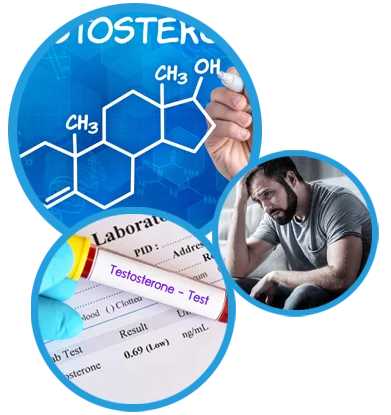
- Biochemical testing: Measuring total and free testosterone levels in the blood. Blood samples must be drawn in the morning (7 AM – 9 AM) when hormone levels peak. At least two tests on different days are required to confirm hypogonadism.
Medications and the Role of TRT
The goal of TRT is to restore testosterone levels to a normal physiological range, improving quality of life, sexual function, and preserving bone/muscle mass. Common prescription formats include:
- Injections (short or long-acting).
- Transdermal gels.
- Oral medications (require careful liver function monitoring).
Absolute contraindications: Prostate cancer, male breast cancer, severe polycythemia, or men actively trying to conceive.
During treatment, patients must have regular medical monitoring of hormone levels, liver/kidney function, prostate health, and complete blood counts. Adjusting doses or stopping medication must be decided by a doctor. Never use someone else’s prescription or buy unverified products.
Men’s Health Pharmacy, an integral part of the Men’s Health Center ecosystem founded by Dr. Tra Anh Duy (MD, PhD), prioritizes standard medical protocols in managing male endocrine issues. Here, the close collaboration between specialist doctors and pharmacists ensures patients are thoroughly counseled on prescription medications, ensuring they are used for the right indications and dosages. Men’s Health focuses on professionalism, safety, discretion, and strict confidentiality. We do not encourage self-medication without identifying the root cause.
Lifestyle Changes and Natural Support
Instead of seeking exogenous supplementation, men without a TRT indication can optimize natural testosterone through lifestyle:
- Lose fat, maintain a healthy weight: Excess fat contains the aromatase enzyme, which converts testosterone to estrogen.
- Get adequate sleep: The majority of daily testosterone is produced during deep sleep.
- Manage stress: High stress elevates cortisol, an antagonistic hormone that suppresses testosterone production.
- Proper nutrition: Ensure adequate Zinc, Vitamin D, and healthy fats in your diet.
Exogenous Testosterone Supplementation and Frequently Asked Questions (FAQ)
Does exogenous testosterone supplementation cause infertility?
Yes, it can. Due to the negative feedback mechanism, external hormones halt sperm production. Patients wishing to conceive are typically prescribed alternative protocols (such as HCG or Clomiphene) instead of traditional TRT.
Can I stop using exogenous testosterone abruptly?
No. Quitting “cold turkey” plunges the body into a severe testosterone deficit (since the testicles haven’t restarted production), causing extreme fatigue, depression, and loss of libido. A doctor-supervised post-cycle therapy (PCT) or tapering protocol is necessary.
Is testosterone gel safer than injections?
Each format has pros and cons. Gels provide a more stable daily hormone level but carry the risk of secondary transference (accidentally exposing women or children to the hormone via skin-to-skin contact). Both are prescription medications requiring medical supervision.
If my blood tests are normal but I feel fatigued, should I use testosterone?
No. If your testosterone levels are normal, your fatigue is likely caused by other factors (thyroid issues, depression, diabetes, etc.). Supplementing testosterone in this case offers no benefits and will cause harm.
Are “testosterone boosting” supplements the same as exogenous testosterone?
No. Supplements usually contain herbs aimed at supporting the body’s natural production; they are not synthetic exogenous hormones. However, their efficacy should be evaluated by a doctor and they cannot replace medical treatments.
Conclusion
Exogenous testosterone supplementation undeniably suppresses and halts the body’s natural testosterone production. It is a double-edged sword: providing immense benefits for those with true clinical deficiencies (hypogonadism), but posing a health disaster if abused or misused.
Do not self-diagnose based on a few symptoms of fatigue, and absolutely never self-medicate with long-term endocrine drugs. If you notice signs of declining male vitality, visit specialized medical facilities for accurate blood tests. The Men’s Health Center ecosystem is ready to support you with professional, safe, and entirely confidential consultations, medication counseling, and health monitoring.