
Many people assume that simply using a condom creates an impenetrable “shield” against all genital diseases. However, to directly answer the question: “Do condoms completely prevent STIs (Sexually Transmitted Infections)?” – the medical answer is no. Although condoms are the most effective and essential protective measure available today, they do not provide 100% absolute safety. The effectiveness of disease prevention depends heavily on the infection mechanism of each specific bacterium or virus, as well as actual usage practices. Understanding the limitations of this method helps men become more proactive in protecting their own reproductive and sexual health, as well as that of their partners.
What Are STIs and Their Transmission Mechanisms?
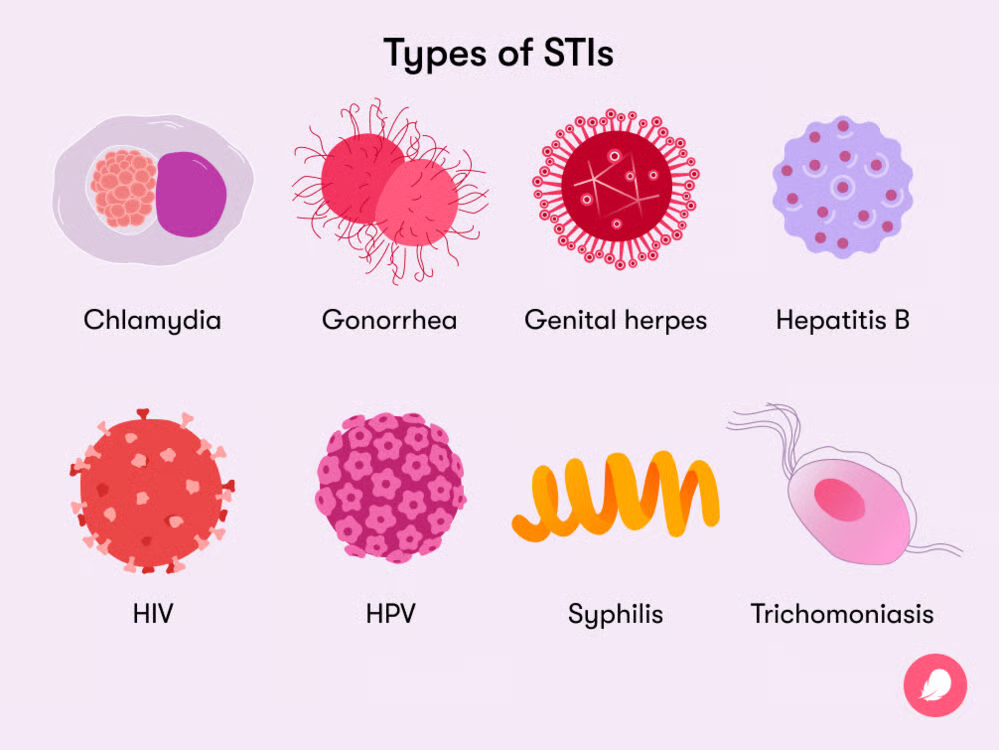
STIs (Sexually Transmitted Infections) is a medical term used to describe infections transmitted primarily through sexual contact (including vaginal, anal, and oral sex). According to current specialized guidelines, the pathogens include bacteria, viruses, parasites, and fungi.
The transmission mechanisms of STIs are divided into two main groups, and this is the key to understanding why condoms cannot offer complete protection:
- Transmission via bodily fluids: The pathogens reside in semen, vaginal fluids, pre-ejaculate (pre-cum), or blood.
- Transmission via skin-to-skin contact: The pathogens reside in sores, blisters, or warts on the skin’s surface or the mucous membranes surrounding the genitals. Direct friction between infected skin and healthy skin will lead to transmission, regardless of whether bodily fluids are exchanged.
The Truth: Do Condoms Completely Prevent STIs?
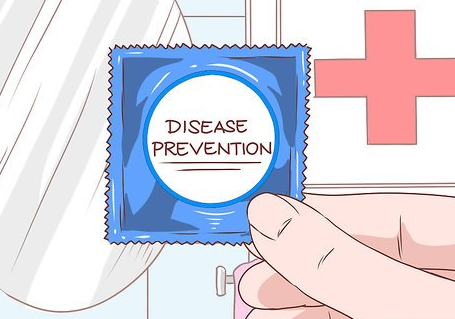
Condoms (especially those made from natural latex or polyurethane) act as an excellent physical barrier. However, by design, a condom only covers the shaft of the penis. Therefore, the ability to prevent STIs varies depending on the disease group.
1. Fluid-Transmitted STIs (Condoms provide excellent protection)
For diseases transmitted primarily through semen and vaginal fluids, condoms provide over 90% protection (if used correctly without tearing or slipping). This group includes:
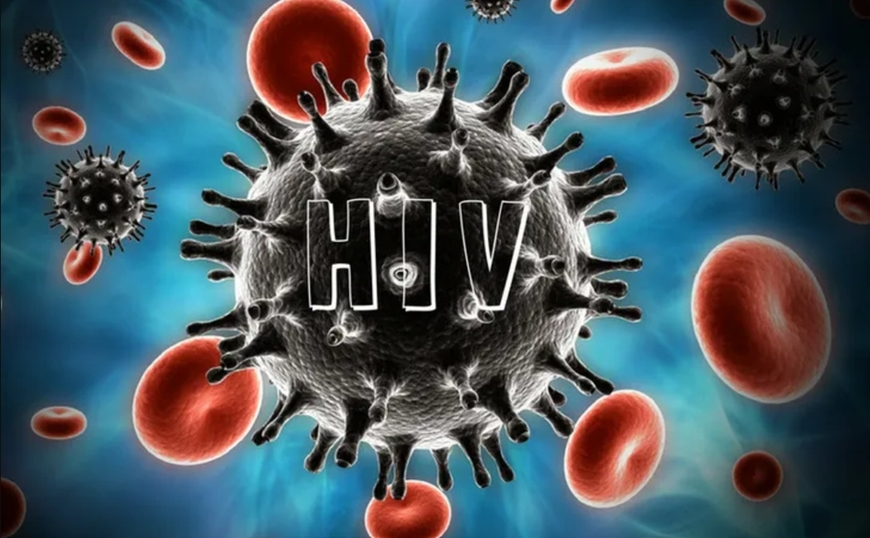
- HIV (Human Immunodeficiency Virus): Condoms prevent genital fluids containing the virus from entering the partner’s mucous membranes.
- Gonorrhea and Chlamydia: These bacteria typically reside in the male urethra or female cervix and are transmitted through purulent discharge or semen.
- Trichomonas: Transmitted through genital secretions.
- Hepatitis B and C: Transmitted through blood and genital fluids mixed with blood or semen.
2. Skin-to-Skin Transmitted STIs (Condoms DO NOT provide complete protection)
This is the “blind spot” of condoms. Because a condom cannot cover the base of the penis, the scrotum (testicles), the pubic area, the perineum, or the areas adjacent to the vulva and vagina. If the pathogen is located in these uncovered areas, friction during intercourse will still cause infection. This group includes:
- HPV (Human Papillomavirus – causing genital warts): Warts can grow at the base of the penis, the anus, or the pubic area. Contact with this skin is enough to transmit the virus.
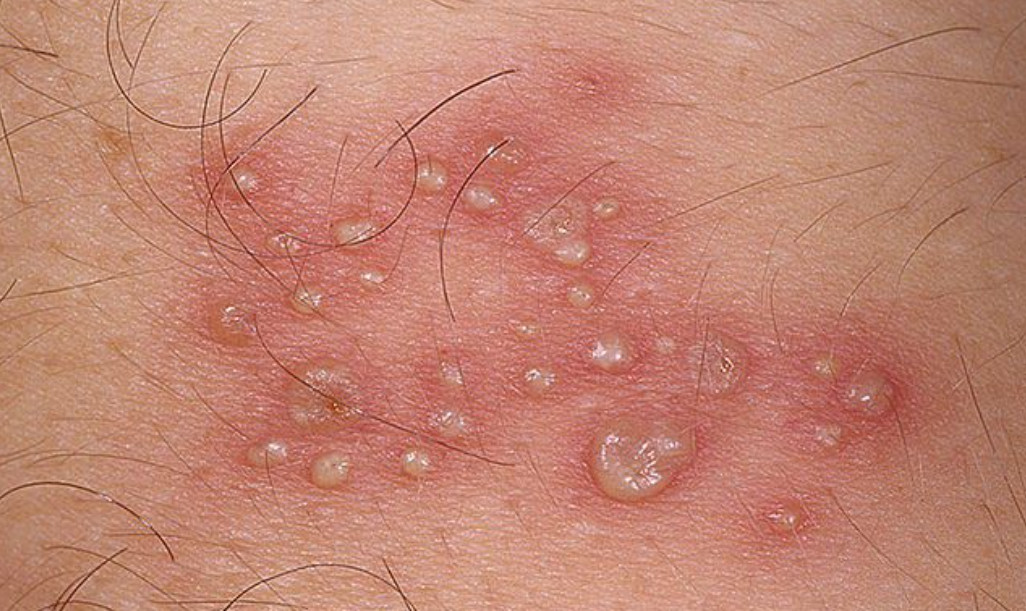
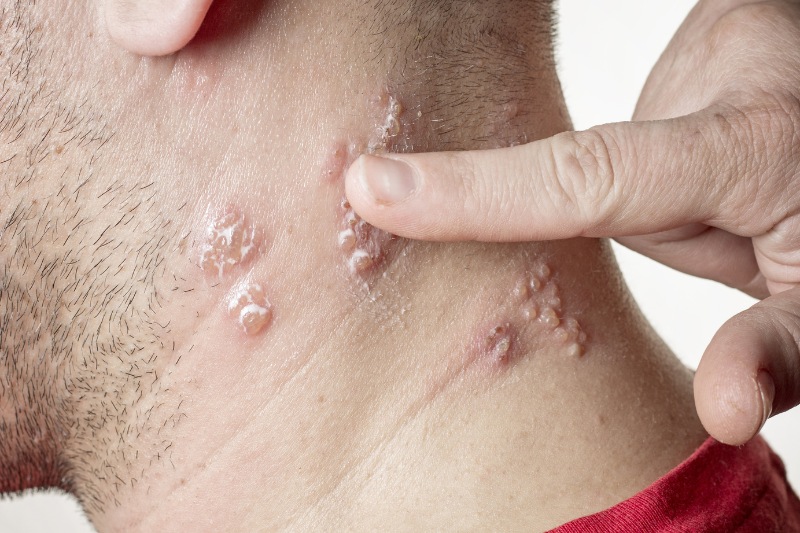
- HSV (Herpes Simplex Virus – causing genital herpes): Sores or blisters on the scrotum, groin, or around the anus will not be protected by a condom. The virus can even spread when there are no visible blisters (asymptomatic viral shedding phase).
- Syphilis: Characterized by painless sores (syphilitic chancres). If a chancre is located outside the condom’s coverage area, transmission can absolutely occur.
- Pubic Lice and Scabies: These parasites live in pubic hair and spread through intimate bodily contact. Condoms are completely ineffective against this group.
Risk Factors That Reduce Condom Effectiveness
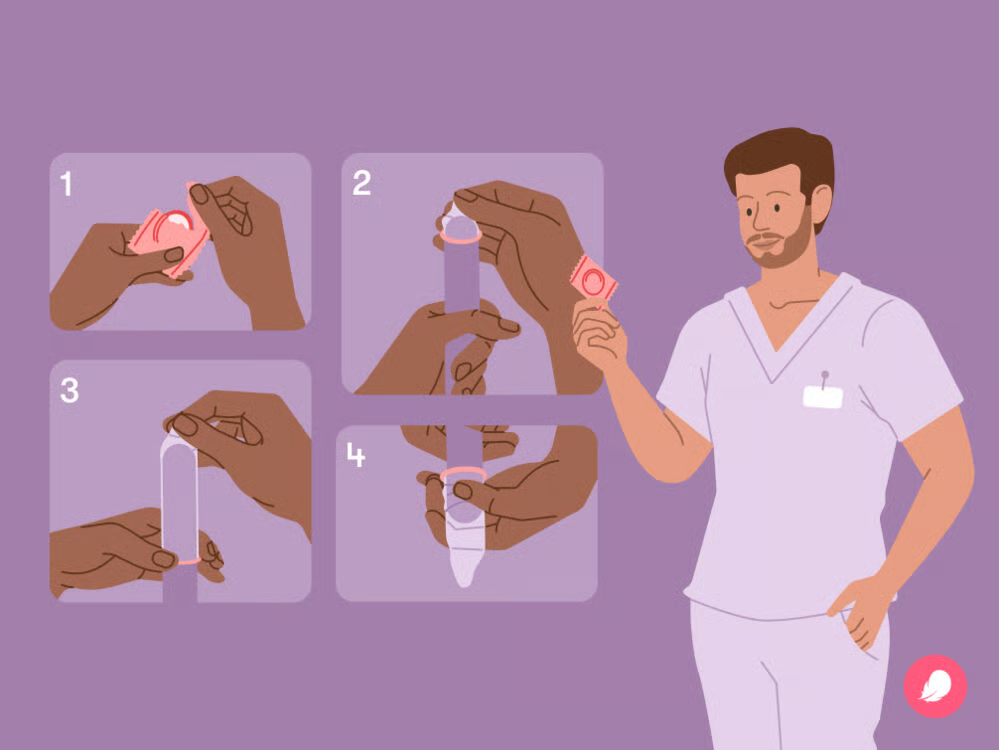
Besides the limitations in coverage area, the reasons condoms lose their preventive effectiveness often stem from mistakes during use:
- Putting the condom on too late: Many men have a habit of engaging in unprotected sex for a while and only putting on a condom right before ejaculation. The truth is that pre-ejaculate (pre-cum) already contains enough bacteria/viruses (like HIV, Gonorrhea, Chlamydia) to transmit a disease.
- Using the wrong lubricant: Latex condoms can easily degrade and tear within minutes if exposed to oil-based lubricants (such as Vaseline, coconut oil, or baby oil).
- Sizing and storage errors: Wearing a condom that is too tight can cause it to tear, while one that is too loose can easily slip off and remain inside the partner’s vagina or anus. Storing condoms in a wallet for a long time under high temperatures also degrades the latex’s elasticity.
- Unprotected oral sex: Many people skip condoms during oral sex, leading to a high risk of contracting pharyngeal gonorrhea, oral genital warts, or oral syphilis.
Signs of an STI Infection Even After Using a Condom
Because condoms do not offer absolute protection, you must listen to your body. Many STIs have prolonged incubation periods and progress silently. Pay attention to the following abnormal signs:
- Abnormal discharge from the urethra (white, yellow, green, or blood-tinged), usually seen early in the morning.
- A stinging, burning, or painful sensation along the urethra during urination.
- The appearance of fleshy growths, warts (resembling cauliflower), or easily ruptured blisters on the glans, coronal sulcus, penile shaft, scrotum, or anus.
- Red, round/oval sores with hard edges but no pain or itching (suspected signs of a syphilitic chancre).
- Swollen, painful lymph nodes in the groin area.
- Aching pain in the testicles or lower abdomen.
When Should You See an Andrologist?
Men should visit a specialized Andrology or Dermatology clinic immediately when:
- Noticing any of the abnormal signs mentioned above.
- Learning that a sexual partner has just been diagnosed with an STI.
- Having unprotected sex (condom breaking or slipping) with a high-risk partner.
- Needing routine screening (it is recommended to have a comprehensive STI test every 6–12 months for those with multiple partners, even if asymptomatic).
Note: Never self-diagnose through online images or arbitrarily buy topical or oral medications without knowing the exact pathogen.
Current STI Diagnostic Methods
To accurately identify the pathology, doctors do not rely solely on clinical observation but require specialized tests:
- Physical examination: Evaluating surface skin and mucosal lesions.
- Urethral/lesion swab testing: Taking fluid samples or swabbing sores for wet mount, staining, or culturing to find Gonorrhea, Chlamydia, fungi, or Trichomonas.
- PCR Testing: A highly sensitive molecular biology technique that amplifies the DNA/RNA of bacteria and viruses (like HPV, Chlamydia, Gonorrhea) from fluid samples or first-catch urine.
- Blood tests: Used to screen for systemic diseases like Syphilis, HIV, and Hepatitis B and C.
STI Treatment and the Role of Specialized Medications
STI treatment must adhere to the principles: correctly diagnose the pathogen, use the correct regimen, administer the full dose, and simultaneously treat the sexual partner to avoid reinfection (the ping-pong effect).
1. Common Treatment Medications
- Antibiotics (Oral or Injectable):
- Goal: To eradicate the bacteria causing Gonorrhea, Chlamydia, and Syphilis.
- Note: These are strictly prescription drugs. The rise of antibiotic-resistant gonorrhea strains is a global medical challenge. Patients must absolutely take the full dose according to the regimen and must not stop the medication when symptoms disappear (no more pus, no more pain) to prevent bacterial resistance and chronic progression (which can cause epididymitis and infertility).
- Antivirals (Oral or Topical):
- Goal: Used to inhibit the replication of the HSV virus (Genital Herpes).
- Note: Medications cannot completely eliminate the HSV virus from the body. The goal is to control outbreaks, heal sores faster, and reduce the frequency of recurrences.
- Surgical Intervention / Topical Treatments (For HPV):
- Genital warts caused by HPV often cannot be treated with oral medications alone. Doctors may prescribe specific topical medications (to cause tissue necrosis of the warts) or recommend surgical interventions such as electrocautery, cryotherapy, or laser therapy to destroy the lesions. Absolutely do not use home mole-removal acids to treat genital warts, as this easily causes severe burns and deep necrosis on the penile mucosa.
2. Side Effects, Contraindications, and Drug Interactions
- Side effects: Broad-spectrum antibiotics can cause gastrointestinal distress (diarrhea, nausea), fatigue, or skin allergies. If hives or shortness of breath occur after taking the medication, stop immediately and go to the emergency room (risk of anaphylactic shock).
- Contraindications/Interactions: Taking antibiotics alongside dairy or stomach antacids (containing Calcium, Magnesium, Aluminum) can reduce drug absorption. Always inform your doctor of any underlying medications you are taking.
3. Professional Companionship from Men’s Health Men’s Pharmacy

In the journey of treating sexually transmitted infections, adhering to the regimen and using safe, correct, and properly dosed medications are prerequisites. Men’s Health Men’s Pharmacy is a unit within the Men’s Health Men’s Health Center ecosystem, founded by Dr. Tra Anh Duy (MD, PhD). Here, patients are consistently advised, clearly guided, and supported by doctors and pharmacists in choosing appropriate healthcare solutions based on an accurate medical diagnosis.
STI pathologies often create psychological barriers of shame and embarrassment for men. Understanding this, Men’s Health emphasizes professionalism, safety, discretion, strict information security, and absolute respect for personal needs throughout the examination, treatment, and medication dispensing process. We absolutely do not encourage patients to self-medicate with antibiotics based on word of mouth, reuse old prescriptions, or borrow someone else’s prescription. The close coordination between clinical doctors and specialized pharmacists at Men’s Health ensures patients fully understand the usage, dosage, and specific notes for each prescription medication, preventing drug resistance and shortening recovery time.
Lifestyle Changes and Dual Prevention Strategies
To comprehensively protect sexual health, men should not rely solely on a single layer of a condom but must apply a “dual prevention” strategy:
- Vaccination: Highly effective vaccines are currently available to prevent Hepatitis B and HPV (preventing genital warts, as well as anal and penile cancer). Men within the eligible age group (especially 9–26 years old, and up to 45 years old) should proactively get vaccinated early.
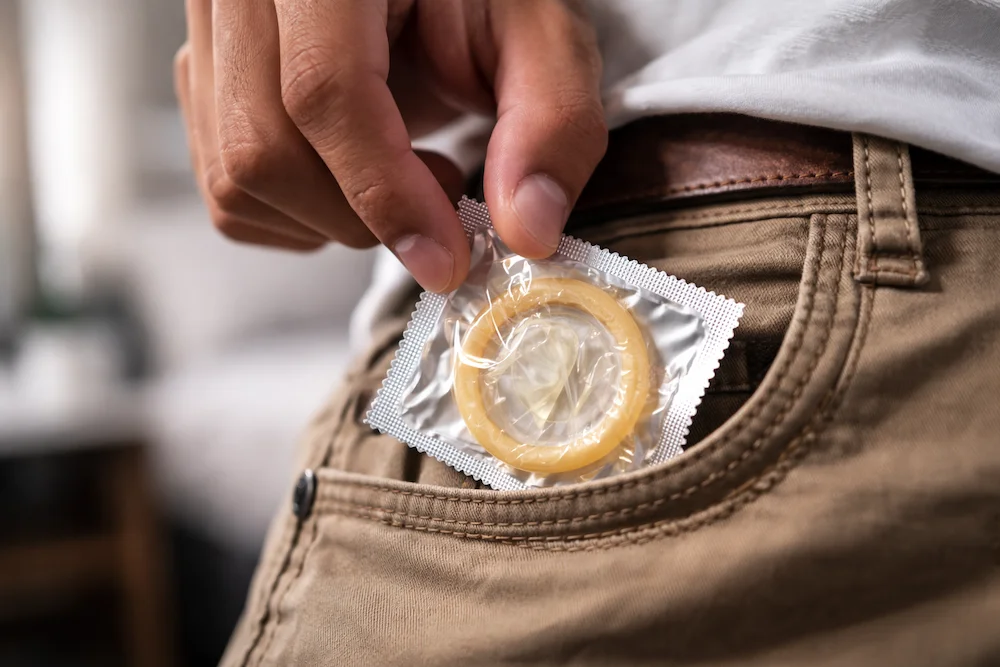
- Proper condom use: Wear a condom from the beginning until the end of all forms of intercourse (including oral sex). Choose the right size, check the expiration date, and only use water-based or silicone-based lubricants.
- Routine screening: Regular STI testing every 6 months is the best way to detect diseases early, especially if you have multiple partners or are starting a new relationship.
- Mutual monogamy: Engaging in a mutually monogamous relationship where both partners have tested negative for STIs is the safest preventive measure.
Condom Use and STI Prevention: Frequently Asked Questions
Does wearing two condoms at once double the STI protection?
Absolutely not. Wearing two condoms simultaneously creates high friction between the two latex surfaces during movement. This friction can easily tear one or both condoms, significantly increasing the risk of unintended pregnancy and STI transmission compared to correctly using a single condom.
Can oral sex transmit STIs, and is a condom necessary?
Yes. The mucous membranes of the mouth and throat are very delicate and easily scratched. Diseases like gonorrhea, chlamydia, syphilis, HPV, and herpes can easily spread from the penis to the throat/mouth or vice versa. Therefore, using a condom (or dental dam) during oral sex is a necessary safety measure.
Does washing the genitals with soap immediately after sex kill STI bacteria?
No. Urinating and gently washing the genital area with mild soap and warm water after sex can help wash away some surface fluids or bacteria, aiding in the prevention of common urinary tract infections. However, this action cannot destroy or wash away STI viruses/bacteria that have already entered the mucous membranes through micro-abrasions or traveled deep into the urethra. Douching deeply or using strong antiseptics increases the risk of skin damage, creating conditions for bacteria to enter more easily.
Does pre-ejaculate (pre-cum) contain infectious pathogens?
Yes. The lubricating fluid secreted before ejaculation can contain large amounts of bacteria causing gonorrhea, chlamydia, or the HIV virus (if the male is infected). Therefore, if there is direct (skin-to-skin) friction or penetration without a condom, even before ejaculation, you still carry a high risk of transmitting or receiving a pathogen.
Which condom material is best for preventing STIs?
Condoms made from Latex (natural rubber) or Polyurethane (a premium, thin synthetic resin with good heat transfer) have been medically proven to effectively block sperm, bacteria, and viruses. Absolutely avoid using lambskin condoms for STI prevention, as they have microscopic pores that block sperm (preventing pregnancy) but allow viruses like HIV, Hepatitis, or Herpes to pass through easily.
Conclusion
To answer the query “do condoms completely prevent STIs?”, it can be affirmed that condoms are an excellent defense against fluid-transmitted diseases (HIV, Gonorrhea) but have distinct limitations regarding diseases spread through skin-to-skin contact (HPV, Herpes, Syphilis). No single method provides 100% effectiveness.
The medical advice for you is to combine proper condom use with safe sexual practices, vaccinations (HPV, Hepatitis B), and routine health screenings. Do not be complacent, and absolutely never self-medicate with antibiotics without knowing the exact cause when abnormal signs appear. If you detect any symptoms suspected of an STI, promptly seek the expertise of a specialist. The Men’s Health Men’s Health Center ecosystem, along with the professional, secure, and private medical support from Men’s Health Men’s Pharmacy, is always ready to accompany you in accurately diagnosing the cause, providing timely and safe interventions, and comprehensively protecting the health of both you and your partner.