
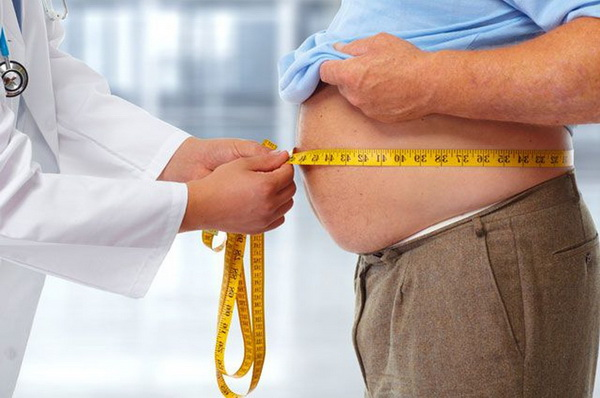
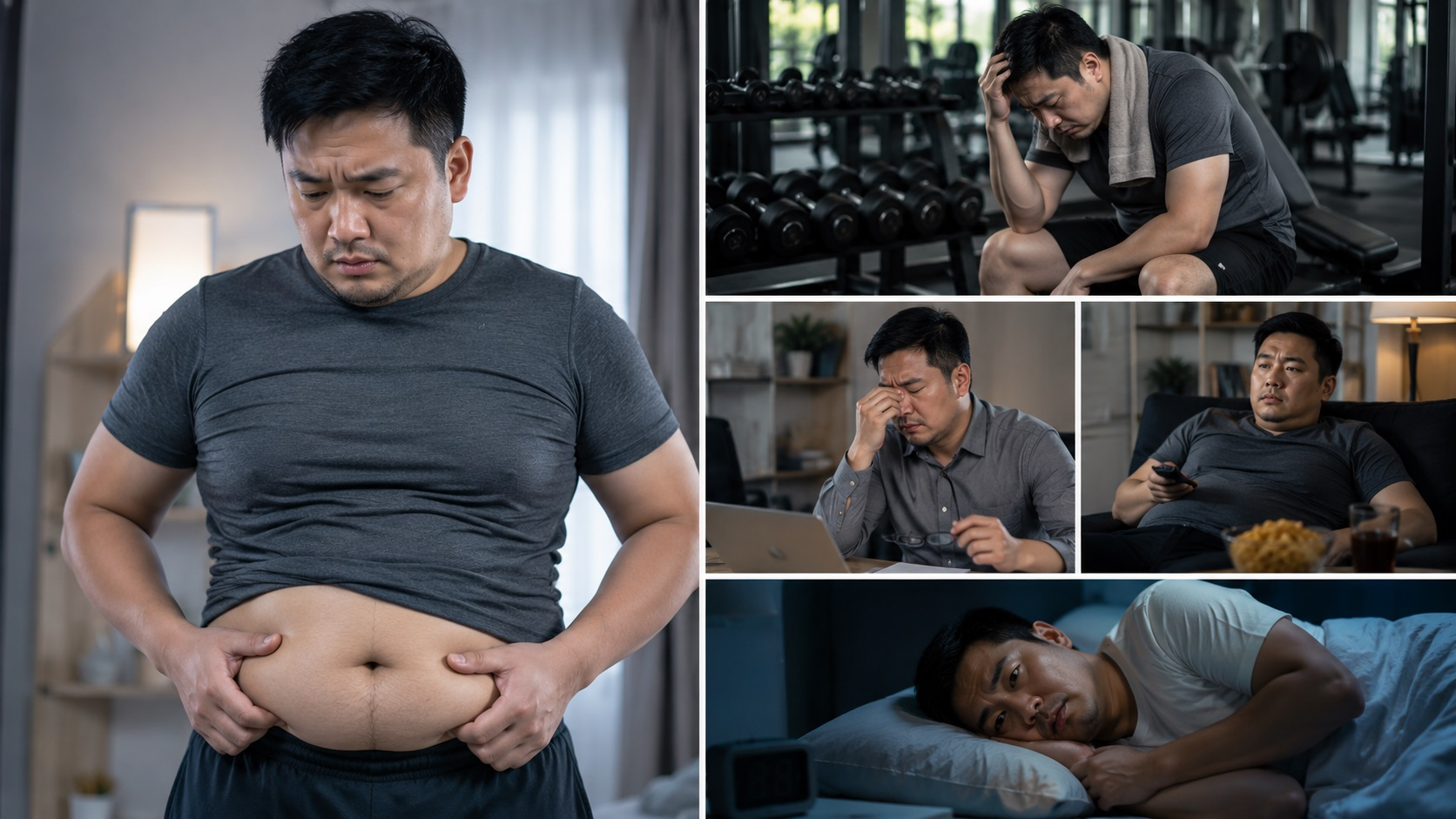
Yes, obesity—especially the accumulation of belly fat (visceral fat)—is one of the leading causes severely reducing natural testosterone levels in men. The larger the waistline, the greater the decline in male sex hormones. This condition not only affects sexual performance and causes erectile dysfunction but also increases the risk of metabolic diseases such as type 2 diabetes and cardiovascular issues. Early recognition of this link helps men receive timely medical intervention regimens, regain their vitality, and protect their comprehensive health.
Physiological Concepts and Mechanisms: Why Does Belly Fat “Devour” Testosterone?
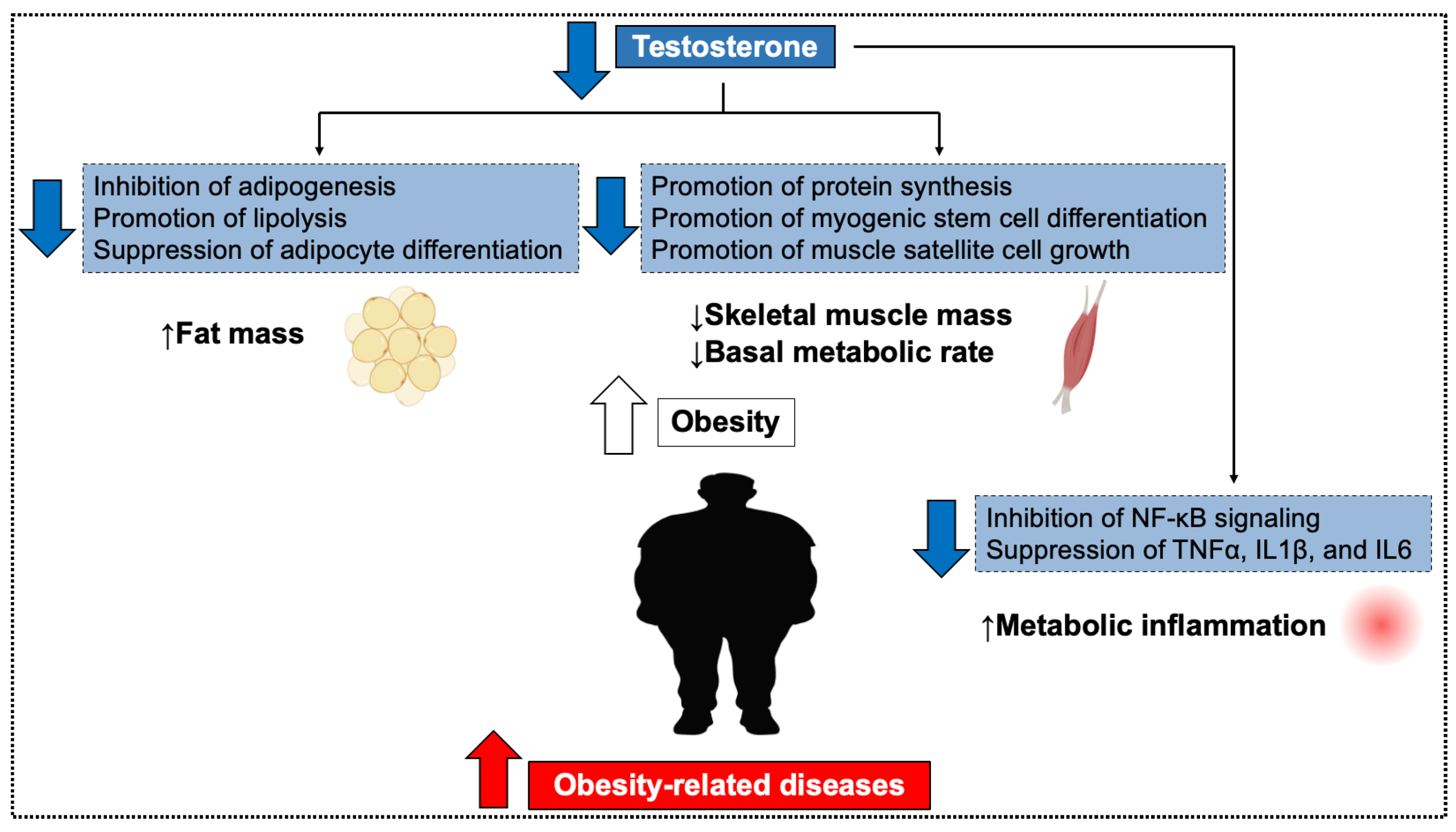
Many mistakenly believe excess fat is merely a passive subcutaneous energy reserve. In reality, according to current specialized guidelines, adipose tissue (especially visceral fat surrounding abdominal organs) acts as a complex endocrine gland. The mechanism reducing natural testosterone levels in obese men occurs via three main pathways:
- Increase in Aromatase Enzyme: Adipose tissue contains high levels of the aromatase enzyme. This enzyme directly converts testosterone (male hormone) into estrogen (female hormone). The more belly fat there is, the stronger this “feminization” process becomes, depleting the body’s testosterone reserves.
- Insulin Resistance and SHBG Decline: Obesity is often accompanied by insulin resistance. Prolonged high blood insulin levels inhibit the liver from producing Sex Hormone Binding Globulin (SHBG). When SHBG decreases, the total circulating testosterone in the blood also drops.
- Inhibition of the Hypothalamic-Pituitary-Testicular Axis: Elevated estrogen levels (due to the aromatase enzyme) send a negative feedback signal to the brain. The hypothalamus and pituitary gland “misunderstand” that the body has sufficient sex hormones, thereby stopping the release of signals (LH and FSH) that stimulate the testes to produce new testosterone.
Causes and Risk Factors Worsening Endocrine Decline
The decline in testosterone in overweight men does not happen overnight but is the result of a lifestyle accumulating multiple risk factors:
- Empty-calorie Surplus Diet: Consuming too much refined sugar, fast-absorbing carbohydrates, and saturated fats (fast food, fried foods) causes rapid visceral fat accumulation.
- Alcohol Abuse (Beer Belly): Alcohol not only contains a massive amount of calories but is also directly toxic, impairing Leydig cell function in the testes (where testosterone is produced). Additionally, hops contain phytoestrogens, contributing to male-female hormonal imbalance.
- Sedentary Lifestyle: A lack of physical activity reduces muscle mass. Less muscle means a lower basal metabolic rate (BMR), making the body more prone to storing fat.
- Obstructive Sleep Apnea (OSA): Obese men often have a thick layer of fat around the neck, compressing the airway during sleep. Apnea and loud snoring disrupt the deep sleep cycle (REM). Because the male body produces a large amount of testosterone at night, chronic insomnia will negate the hormone synthesis process.
Signs and Symptoms of Testosterone Decline Due to Obesity
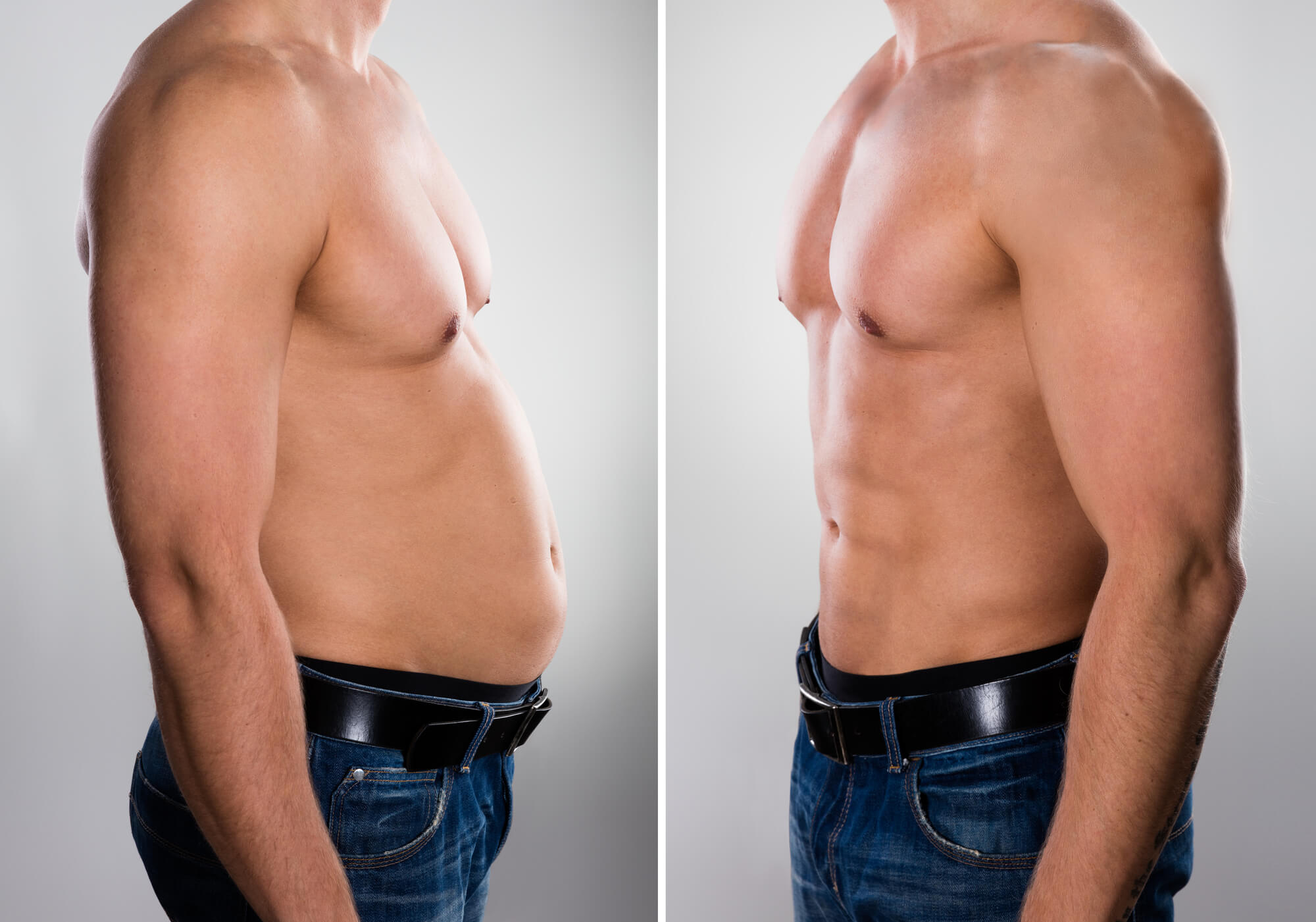
The decline in male hormones is not only manifested in appearance but also profoundly affects physiology and mental health. Men should note the following symptom groups:
Physiological and Sexual Symptoms
- Decline or complete loss of libido (sexual desire).
- Erectile dysfunction: Difficulty achieving or maintaining an erection firm enough for intercourse.
- Decreased semen volume and difficulty reaching orgasm.
Physical Symptoms
- Gynecomastia (enlarged male breasts): Breasts become abnormally large and saggy due to an imbalance between excessively high estrogen and excessively low testosterone.
- Chronic fatigue, exhaustion even without heavy labor.
- Loss of muscle mass and strength, flabby body.
- Excessive hair loss, thinning body hair (chest hair, limb hair).
Psychological and Neurological Symptoms
- Frequent irritability and erratic mood swings.
- Brain fog syndrome: Lack of concentration, short-term memory decline.
- Signs of mild to moderate depression.
When to Seek Medical Attention?
Physiological decline due to obesity often progresses silently. You should schedule an appointment with an Andrology or Endocrinology specialist immediately when:
- Erectile dysfunction and decreased libido persist for over 3 months without improvement.
- Body Mass Index (BMI) exceeds 25 (for Asians) or waist circumference is greater than 90 cm, accompanied by a frequent feeling of exhaustion.
- Signs of painful enlarged breasts or sleep apnea episodes, such as waking up startled in the middle of the night, appear.
In-depth Diagnostic Methods
Diagnosis cannot be based solely on observing appearance or self-perceived symptoms. Doctors will require rigorous paraclinical tests:
- Quantitative Hormone Blood Tests: This is the gold standard. Blood samples must be taken early in the morning (from 7 AM to 9 AM) when testosterone levels peak. Indicators to evaluate include Total Testosterone, Free Testosterone, Estrogen (E2), SHBG, LH, FSH, and Prolactin.
- Evaluation of Metabolic Diseases: Fasting blood sugar, HbA1c (diabetes screening), and lipid profile (Cholesterol, Triglycerides) to evaluate metabolic syndrome—a concomitant factor with obesity.
- Body Composition Measurement: Doctors will measure BMI, waist circumference, or use a body composition analyzer (InBody) to determine the visceral fat ratio.
Treatment, Endocrine Balance, and the Role of Medications
The core goal of the treatment process is to break the vicious cycle: Lose weight to increase testosterone, and increase testosterone to support weight loss. This process requires methodical medical intervention.
1. Medications Supporting Erectile Dysfunction Treatment
In the early stages when testosterone levels haven’t yet recovered, doctors may prescribe PDE5 inhibitors (like Sildenafil, Tadalafil) to help men maintain erectile function and improve psychological well-being.
Caution: Absolutely do not use this class of drugs if the patient is taking nitrate-based antihypertensive medications, due to the risk of interactions causing a sudden, life-threatening drop in blood pressure.
2. Testosterone Replacement Therapy (TRT)
If test results show severely depleted testosterone levels (below physiological limits) accompanied by clear hypogonadism symptoms, doctors may prescribe Testosterone Replacement Therapy (TRT). Medications can be in the form of intramuscular injections, topical gels, or oral administration.
- Goal: Restore hormone levels to normal, boost energy, protect muscle mass, and support more efficient fat burning.
- Absolute Contraindications: Do not apply TRT to men suspected of or currently having prostate cancer, male breast cancer, polycythemia, severe heart failure, or uncontrolled sleep apnea.
3. Aromatase Inhibitors
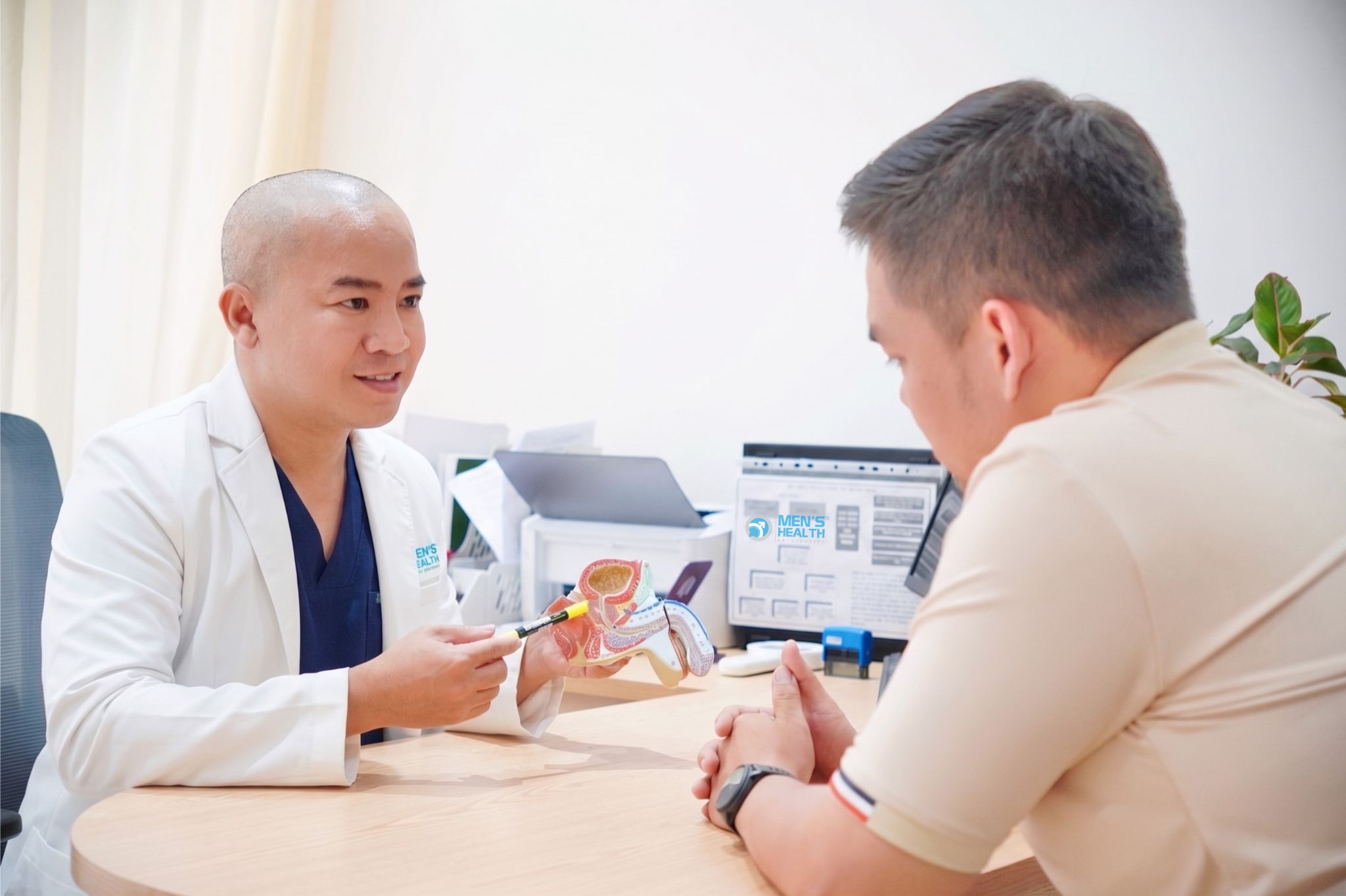
In some cases of severe obesity where estrogen levels are too high causing gynecomastia, doctors may use aromatase inhibitors (off-label) for a short period to prevent the conversion of testosterone into estrogen.
Men’s Health Andrology Pharmacy is a unit within the Men’s Health Center ecosystem founded by Dr. Tra Anh Duy (MD, PhD, Specialist Level II). Here, patients are always consulted, explained to, and assisted by doctors and pharmacists in choosing appropriate health care solutions, from endocrine medications to physiological dysfunction treatments. Using hormones or andrological drugs is a double-edged sword, requiring strict adherence. Men’s Health prioritizes professionalism, safety, discretion, information security, and respect for personal needs throughout the examination, treatment, and monitoring process. Professional pharmacists will coordinate with doctors to provide detailed dosage instructions and remind patients of follow-up appointments to re-test liver/kidney function and prostate-specific antigen (PSA) levels, ensuring absolute safety for users.
Patients must absolutely not self-purchase unverified testosterone injections, must not use someone else’s prescription, and must immediately stop the medication and contact a doctor if experiencing side effects such as limb edema, breast enlargement, difficulty urinating, or nocturnal shortness of breath.
Lifestyle Changes and Relapse Prevention
Medication is merely supportive; the foundation of natural endocrine recovery lies in disciplined lifestyle changes:
- Fat-loss, Muscle-building Nutrition: Prioritize a Mediterranean diet rich in lean protein (white meat, sea fish), green vegetables, and whole grains. Supplement vital micronutrients for testosterone synthesis like Zinc (abundant in oysters, pumpkin seeds), Vitamin D, and Omega-3. Strictly cut down on refined sugar and alcohol.
- Resistance Training Combined with Cardio: Full-body resistance exercises (Weightlifting, Squats, Deadlifts) stimulate the body to produce large amounts of testosterone. Simultaneously, incorporate moderate-intensity Cardio (running, cycling) to accelerate visceral fat burning.
- Sleep Hygiene: Ensure 7-8 hours of sleep per night in a dark and cool environment. Thoroughly treat snoring and sleep apnea.
- Stress Management: Chronic stress releases the hormone cortisol, which directly inhibits testosterone production and stimulates the body to store belly fat. Maintain balance through proper rest and relaxation.
Common Mistakes Worsening the Condition
- Believing in “quick-fix” erectile pills: Buying unverified supplements advertised as “rapid endocrine boosters” does not help reduce belly fat but risks containing banned substances, causing liver or kidney failure.
- Self-injecting Steroids/Testosterone for gym weight loss: Many men mistakenly use anabolic steroids to force rapid weight loss. Introducing large amounts of exogenous hormones into the body without medical supervision will inhibit the testes, causing testicular atrophy and permanent infertility.
- Fasting without exercising: Extreme fasting causes muscle loss. When muscle mass decreases, BMR drops, leading to more stubborn belly fat and further endocrine depletion.
Obesity and Belly Fat Reducing Testosterone and Frequently Asked Questions
Can testosterone decline due to obesity and belly fat be restored after weight loss?
Absolutely. Clinical studies show that when obese men scientifically lose 5% to 10% of their body weight (losing fat, retaining muscle), natural testosterone levels will begin to recover significantly, and erectile dysfunction symptoms will also subside.
Does doing daily crunches help increase natural testosterone?
Crunches only help tone the abdominal muscle group; they do not effectively burn visceral fat, nor are they intense enough to stimulate endocrine production. To naturally increase testosterone, you need compound exercises involving large muscle groups (like thighs, back, chest) combined with full-body cardio.
What should men with belly fat and gynecomastia (enlarged breasts) do?
Gynecomastia in obese individuals is caused by belly fat secreting the aromatase enzyme, which converts testosterone into estrogen. You need to see an endocrinologist to check hormone levels. The priority regimen is full-body fat loss. If the condition is severe due to fibrotic breast tissue, a doctor may advise breast reduction surgery combined with endocrine adjustment.
Should I use rapid weight loss pills to quickly recover physiological function?
Absolutely not. Rapid weight-loss pills floating on the market often cause dehydration, muscle destruction, and severe metabolic disorders. The consequence is a weakened body and a deeper drop in male hormone levels. Any medical intervention for weight loss must be prescribed by an Endocrinologist.
Why am I obese and experiencing sexual dysfunction, even though my testosterone test shows normal levels?
Your total testosterone may be normal, but in obese individuals, SHBG and estrogen levels are often disrupted, causing free testosterone (the biologically active hormone) to decline. Furthermore, sexual dysfunction in obese people is also due to microvascular damage (cardiovascular disease, hyperlipidemia) obstructing blood flow to the penis.
Conclusion
Obesity and the accumulation of visceral belly fat are not merely appearance issues but a direct “enemy” destroying natural testosterone levels, robbing men of their vitality and prowess. The flawed hormonal metabolism caused by adipose tissue creates a vicious cycle that is hard to escape: the more obese you are, the more you lack testosterone, and the more you lack male sex hormones, the easier it is to accumulate fat.
The most practical medical advice is: Do not be complacent and absolutely do not self-diagnose or use endocrine medications based on word-of-mouth. Scientific weight loss through exercise and nutrition is the most solid foundation. When noticing signs of physiological decline, prolonged fatigue, or a waistline growing out of control, men need to visit specialized medical facilities for endocrine blood tests. The Men’s Health Center ecosystem is always ready to accompany you, providing examination services and safe, discreet medication consultations, helping men regain a firm physique, balance their endocrine system, and sustainably restore their quality of life.