
Many men worry that using Non-Steroidal Anti-Inflammatory Drugs (NSAIDs) to relieve musculoskeletal pain or reduce fever might impair their sexual function. In reality, short-term use of NSAIDs at the correct dosage rarely has a direct impact on the ejaculation process or semen quality. However, if abused or taken in high doses over a long period, this group of medications carries the risk of interfering with the balance of the testosterone hormone, thereby indirectly affecting reproductive health. Understanding the mechanisms, medical indications, and necessary precautions will help men safely manage pain while fully protecting their performance and fertility.
What are Non-Steroidal Anti-Inflammatory Drugs (NSAIDs) and how do they work?
Concept and treatment goals
Non-Steroidal Anti-Inflammatory Drugs (NSAIDs) are among the most widely used medication groups worldwide. The primary treatment goal of NSAIDs is to reduce pain, fight inflammation, and lower fever in conditions ranging from acute (sports injuries, toothaches, sore throats) to chronic (rheumatoid arthritis, osteoarthritis, gout).
Mechanism of action
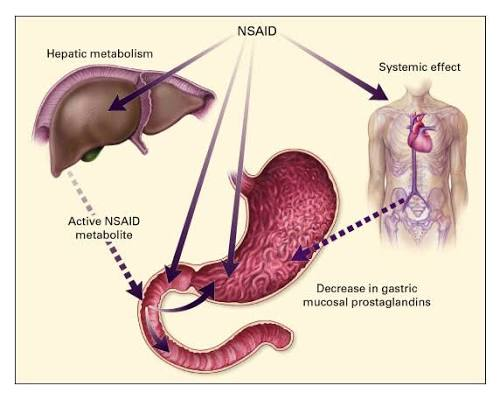
NSAIDs work by inhibiting the Cyclooxygenase enzymes (COX-1 and COX-2). These enzymes are responsible for synthesizing prostaglandins—chemical mediators that trigger inflammatory responses, pain sensations, and elevated body temperature. When prostaglandin levels drop, symptoms like swelling, heat, redness, and pain also significantly subside.
Common types of NSAIDs
On the market, NSAIDs are generally divided into two main categories based on their specificity for COX enzymes:
| NSAID Group | Typical Active Ingredients | Medical Characteristics |
| Non-selective NSAIDs | Ibuprofen, Diclofenac, Naproxen, Aspirin | Inhibits both COX-1 and COX-2. Provides highly effective pain relief but is prone to causing gastrointestinal side effects. |
| Selective COX-2 inhibitors | Celecoxib, Etoricoxib, Meloxicam | Primarily inhibits COX-2 only. Minimizes the risk of stomach ulcers but requires caution regarding the cardiovascular system. |
(Note: Low-dose Aspirin is typically used for antiplatelet purposes in cardiovascular diseases rather than for pain relief).
Do NSAIDs affect the ejaculation process?
To provide an accurate answer, it is necessary to clearly distinguish between “libido,” “erectile capacity,” and the “ejaculation process.”
NSAIDs and the ejaculation mechanism
The ejaculation process in men is controlled by the sympathetic nervous system (closing the bladder neck, contracting the seminal vesicles and vas deferens) and the central nervous system. Clinical studies show that NSAIDs do not directly affect the sympathetic nervous system or Alpha-adrenergic receptors.
Therefore, NSAIDs do not cause typical ejaculatory disorders such as:
- Delayed ejaculation.
- Anejaculation (inability to ejaculate).
- Retrograde ejaculation (semen flowing backward into the bladder).
This is entirely different from medications used to treat enlarged prostate (Alpha-blockers like Tamsulosin) or antidepressants (SSRIs), which are common culprits behind ejaculatory dysfunction.
Indirect impact from underlying diseases and pain
Although NSAIDs do not directly damage the ejaculation mechanism, the underlying reasons men take these medications (such as prostatitis, testicular pain, pelvic trauma, or severe joint pain) are the actual factors that reduce sexual desire and impair focus. This can lead to erectile dysfunction or premature ejaculation due to psychological stress and physical fatigue.
Impact of NSAIDs on semen quality and fertility
This aspect receives the most attention from medical professionals. While safe for short-term use, the abuse of NSAIDs paints a different picture regarding male reproductive health.
“Compensated Hypogonadism”
According to current specialized studies, the continuous use of Ibuprofen (a very common NSAID) at high doses (around 1,200 mg/day) for several weeks can cause a condition known as “compensated hypogonadism.”
- Mechanism: The drug suppresses the direct production of testosterone in the testicles. To compensate, the pituitary gland in the brain must increase the secretion of Luteinizing Hormone (LH) to force the testicles to work harder.
- Consequence: Even though testosterone levels in the blood might remain normal (due to compensation), the testicles are in a state of “overwork.” If this condition persists, it can lead to true hypogonadism, directly affecting spermatogenesis (sperm production).
Effect on semen parameters
Semen quality is evaluated based on volume, sperm concentration, motility, and morphology.
- Short-term use (under 7 days): Produces almost no significant changes in the semen analysis. Men who are trying to conceive can use these medications for a few days to treat a cold, fever, or toothache without excessive worry.
- Long-term use (several months): Excessive suppression of local inflammatory responses may interfere with sperm maturation in the epididymis. Some reports have noted a slight decrease in the percentage of progressive sperm motility in patients who chronically abuse NSAIDs.
Important notes when men use NSAIDs
The use of pain relievers and anti-inflammatory drugs must follow medical principles to avoid causing further health issues.
Common adverse effects
- Gastrointestinal: Peptic ulcers, gastrointestinal bleeding, nausea, heartburn.
- Cardiovascular: Hypertension, increased risk of blood clots (especially with high doses of selective COX-2 inhibitors).
- Renal: Water retention, edema, reduced kidney function due to decreased renal blood flow.
Contraindications and populations requiring caution
- Individuals with a history of active peptic ulcers or stomach bleeding.
- People with severe liver or kidney impairment.
- Patients with congestive heart failure or at risk for myocardial infarction.
- Individuals with an allergy to Aspirin or other NSAIDs (risk of triggering an asthma attack).
Drug interactions to watch out for
Do not arbitrarily combine NSAIDs with the following medications without a doctor’s prescription:
- Anticoagulants (Warfarin, Clopidogrel): Increases the risk of severe bleeding.
- Antihypertensives: NSAIDs can reduce the effectiveness of certain blood pressure medications.
- Corticosteroids (Dexamethasone, Prednisolone): Dramatically increases the risk of stomach perforation.
When to stop taking the drug and contact a doctor?
Patients should immediately stop using NSAIDs and visit a medical facility if they experience:
- Severe abdominal cramps, black, tarry stools, or vomiting blood.
- Swelling in the face/limbs or sudden, unexplained weight gain.
- Shortness of breath, chest tightness.
- Prolonged fatigue, severe loss of libido, or abnormal erectile dysfunction.
Safe solutions from Men’s Health Pharmacy
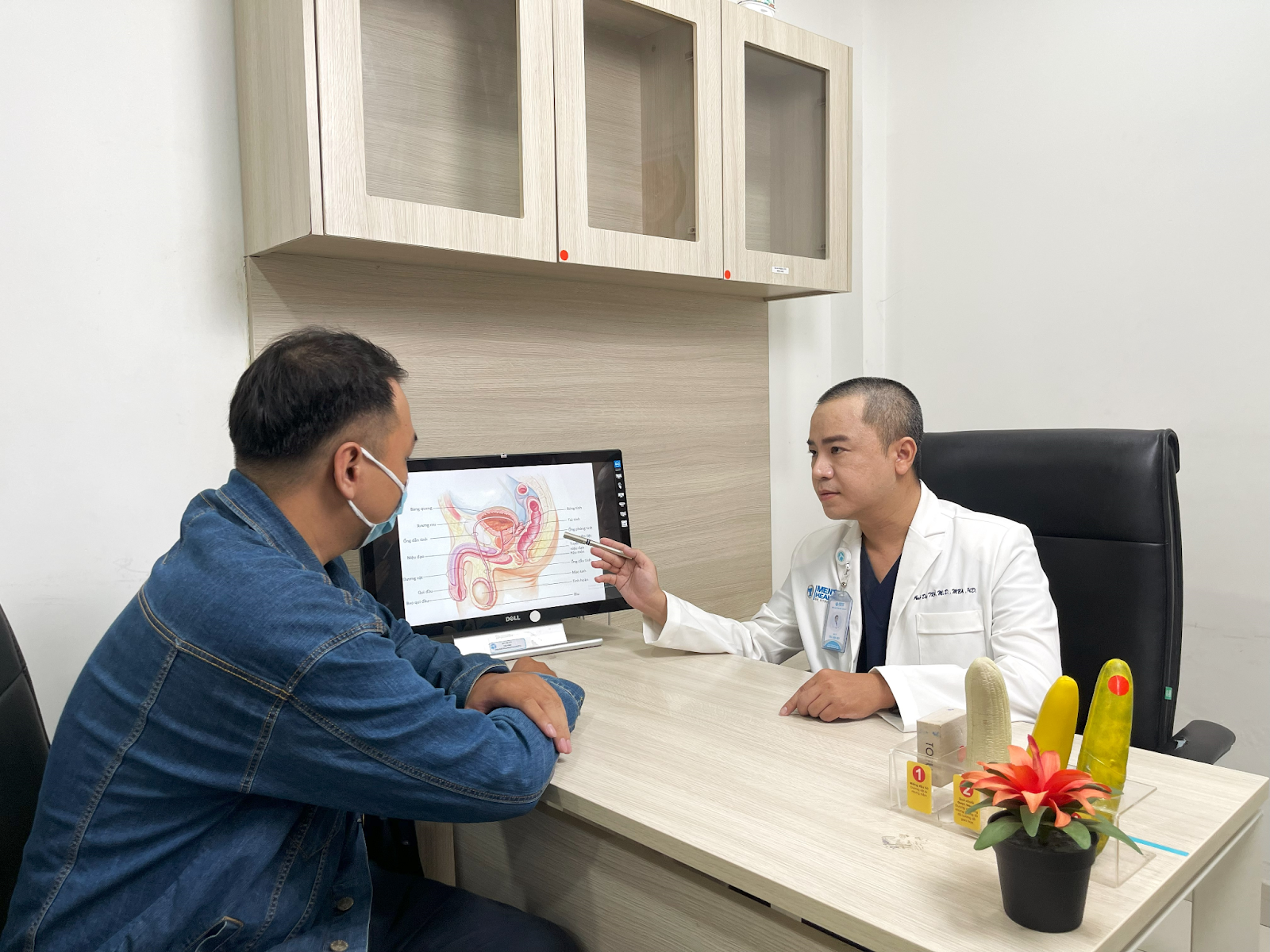
Caring for male physiological and reproductive health requires delicacy, personalization, and high medical expertise. Arbitrarily buying and abusing painkillers for sensitive issues like testicular pain or urethritis can mask the symptoms of serious diseases and leave severe consequences.
Men’s Health Pharmacy is a unit within the Men’s Health Center ecosystem founded by Dr. Tra Anh Duy, MD. Here, medical safety is always the top priority. Patients are constantly supported by a coordinated team of specialist doctors and clinical pharmacists who will evaluate their health status, thoroughly explain the uses and side effects of medications, and prescribe the most suitable options for their condition.
Men’s Health focuses on professionalism, safety, discretion, data security, and respect for individual needs throughout the entire process of examination, treatment, and follow-up. We always remind patients that all prescription medications require close monitoring from medical experts. One should not rely on word-of-mouth or use someone else’s prescription to avoid regrettable consequences for physiological capability and fertility.
NSAIDs and Frequently Asked Questions (FAQs)
Does taking NSAIDs for a few days to treat a cold or fever cause impotence?
Absolutely not. Using NSAIDs (like Ibuprofen, or Paracetamol combined with NSAIDs) for 3-5 days to reduce a fever or relieve acute pain does not provide enough time or concentration to cause endocrine disruption or affect a man’s erectile or ejaculatory capabilities.
Should men trying to conceive take Ibuprofen or Diclofenac?
If you only have mild pain and need 1-2 doses, it is quite safe. However, if you have a chronic condition requiring long-term medication, inform your doctor about your family planning. The doctor may consider switching to alternative pain relief classes that have less impact on the endocrine axis, or adjust to the minimum effective dose.
Can NSAIDs cure prostatitis?
NSAIDs only play a supportive role in treating the symptoms (reducing pelvic swelling and pain) of prostatitis. They cannot kill bacteria. To completely cure bacterial prostatitis, a doctor must diagnose it and prescribe a specific antibiotic regimen combined with NSAIDs.
Can I buy NSAIDs on my own to relieve testicular pain?
Absolutely not. Testicular pain can be a sign of dangerous conditions such as testicular torsion (which requires surgical emergency within the first 6 hours), epididymitis, or varicocele. Self-medicating with painkillers will mask the symptoms, causing you to miss the “golden window” to save your testicle. See an Andrology specialist immediately.
How can I protect my semen quality if I have to use NSAIDs long-term?
If you have conditions like rheumatoid arthritis and must use NSAIDs long-term, ensure you have regular check-ups to test your hormone levels (Testosterone, LH, FSH) and perform semen analyses. Simultaneously, maintain a healthy lifestyle: do not smoke, limit alcohol intake, get enough sleep, manage stress, and consume foods rich in zinc and vitamins C and E to protect spermatogenic cells.
Conclusion
Non-Steroidal Anti-Inflammatory Drugs (NSAIDs) are an effective medical tool for managing pain and inflammation. At standard dosages and short-term use, this medication group does not disrupt the ejaculation process and very rarely impairs semen quality.
However, arbitrarily taking high doses over an extended period can trigger compensated hypogonadism, directly threatening testosterone hormone balance and male reproductive function.
The medical advice for men is to absolutely avoid self-diagnosing or abusing painkillers long-term for any uncomfortable symptoms in the genital area. Whenever you notice abnormal signs regarding sexual function, testicular swelling/pain, or ejaculatory disorders, do not hesitate to seek help from a reputable Andrology clinic. The Men’s Health Center ecosystem is always ready to accompany you with professional, safe, and entirely confidential medical examinations, medication consultations, and health monitoring.