
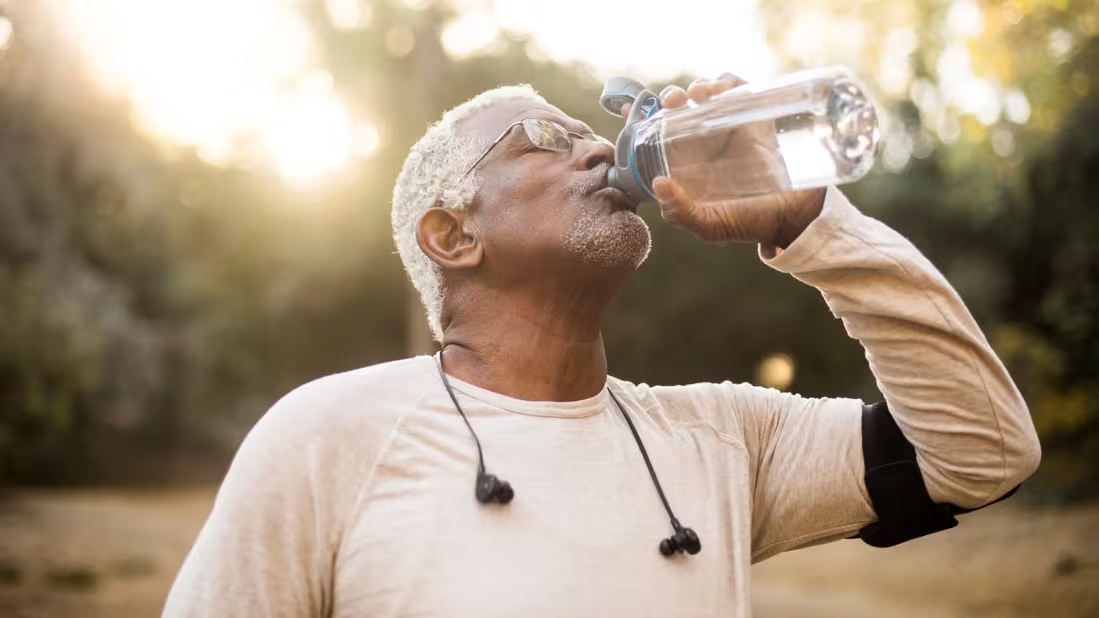
Whether drinking plenty of water helps kidney stones pass naturally is a core question for many patients facing stone-induced pain. Medical reality shows that drinking lots of water can help pass kidney stones naturally, but this is only true for small stones (under 5mm) with a smooth surface and in a favorable position. For large stones, staghorn calculi, or stones trapped in the ureter, simply drinking water cannot resolve the condition and requires specialized medical intervention. The article below will analyze in detail the mechanism of kidney stone elimination, treatment methods, and safe, scientific urinary health care guidelines.
What Are Kidney Stones and How Do They Form?
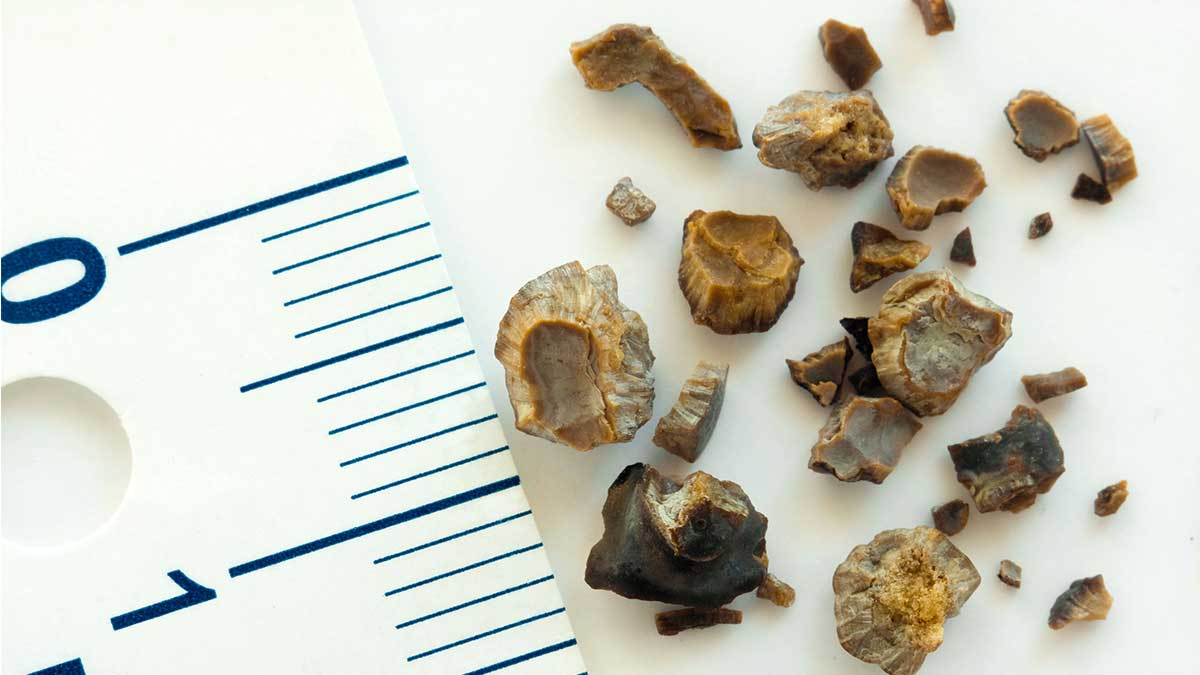
Kidney stones (Nephrolithiasis) are solid masses formed inside the kidneys from mineral and salt crystals present in the urine.
The formation process begins when urine becomes concentrated, allowing minerals like calcium, oxalate, uric acid, or phosphorus to crystallize. Initially, they are just tiny particles (referred to as kidney gravel or sludge). Over time, if the patient does not drink enough water to dissolve and flush these crystals out, they gradually stick together, accumulate, and grow into hard stones. There are several types of kidney stones, most commonly calcium stones (calcium oxalate or calcium phosphate), uric acid stones, struvite stones (caused by infection), and cystine stones (genetic).
The Truth: Can Drinking Lots of Water Help Pass Kidney Stones Naturally?
To accurately answer this, we need to classify stones based on their size, shape, and location in the urinary tract. Water acts as a mechanical driving force, creating a continuous flow to push the stone from the kidney down into the ureter, into the bladder, and out through the urethra.
When Can Kidney Stones Pass Naturally Through the Urinary Tract?
According to current urological guidelines, a stone’s ability to pass naturally depends heavily on its size:
- Small stones under 5mm: The rate of spontaneous passage (via drinking plenty of water and physical activity) is up to 70 – 80%.
- Stones from 5mm to 7mm: The spontaneous passage rate drops to about 20 – 40%, and this process usually takes longer and may be accompanied by significant pain.
- Favorable position: Stones located in the middle calyx, upper calyx, or those that have dropped to the lower end of the ureter (near the bladder) are more easily pushed out compared to stones stuck in the lower calyx (against gravity).
When Will Drinking Plenty of Water Fail to Pass Stones?
Drinking large amounts of water will not be effective and can even be dangerous in the following situations:
- Large stones (over 7mm – 10mm): The lumen of the ureter (the tube carrying urine from the kidney to the bladder) is very narrow, only about 3-4mm. Stones that are too large cannot pass through this narrow section no matter how great the urine pressure is.
- Staghorn calculi or rough-shaped stones: Stones with many edges and spikes will embed themselves tightly into the kidney or ureter lining and cannot move.
- Complete obstruction: If a stone is firmly stuck causing grade 2 or 3 hydronephrosis (water retention in the kidney), forcing yourself to drink too much water will worsen the fluid buildup, increase pressure on the renal parenchyma, and risk rupturing the renal pelvis.
Signs That a Kidney Stone is Moving and Passing Naturally
When a stone begins to move from the kidney down the ureter to be eliminated, it rubs against the urinary tract lining and causes characteristic symptoms:
- Renal colic: This is the most typical symptom. The pain often starts suddenly and severely in the flank and lower back area, then radiates down to the lower abdomen, groin, and genitals. Patients often toss and turn to find a pain-relieving position but to no avail.
- Hematuria (Blood in urine): The stone’s friction scratches the urinary tract lining, causing the urine to turn pink, red, or the color of meat-wash water.
- Urinary disorders: A constant urge to urinate, painful urination (dysuria), frequent urination, or cloudy urine due to the stone irritating the bladder region.
- The sensation of the stone passing: When the stone passes through the urethra, the patient may feel a slight pinch at the urethral opening, followed by a “click” sound if urinating into a potty or toilet, accompanied by immediate relief.
When Should a Kidney Stone Patient Seek Emergency Medical Care?
You should not wait for the stone to pass if any of the following warning signs of dangerous complications appear. Go to a medical facility immediately:
- Severe renal colic that is unbearable despite resting.
- High fever, chills (signs of a urinary tract infection or pyonephrosis).
- Continuous nausea and vomiting, inability to eat or drink.
- Complete urinary retention (anuria), unable to pass a single drop of urine for many hours.
- Passing blood clots or cloudy, foul-smelling urine.
Note: Do not self-diagnose and decide on a treatment method based merely on a few symptoms. These signs can also be confused with appendicitis, cholecystitis, or other medical emergencies.
Methods for Diagnosing Kidney Stone Size and Location
To accurately determine whether drinking lots of water will help a kidney stone pass for a specific patient, a doctor will order imaging and lab tests:
- Abdominal Ultrasound: A common, safe method to detect kidney stones, evaluate hydronephrosis, and measure relative stone size.
- Kidneys, Ureters, and Bladder (KUB) X-ray: Helps observe radiopaque stones (like calcium stones) across the entire urinary tract.
- Non-contrast Computed Tomography (CT Scan): The “gold standard” in diagnosing urinary stones. It precisely locates, measures the exact size, shape, and hardness of stones, and detects anatomical abnormalities in the urinary tract.
- Blood and Urine Tests: Evaluate kidney function (Urea, Creatinine), urinary tract infections, and mineral levels in the blood.
Kidney Stone Treatment: The Role of Medication and Medical Intervention
Treatment depends on the stone’s characteristics and overall health. Patients must absolutely not self-treat at home without an evaluation by a medical professional.
Medical Expulsive Therapy (MET)
For small stones likely to pass naturally, a doctor may prescribe medications to assist this process:
- Alpha-blockers: Such as Tamsulosin. They relax smooth muscles in the distal ureter (near the bladder), helping it naturally expand and reducing spasms, so the stone can slide out faster and with less pain.
- Pain relievers and anti-inflammatories: NSAIDs (like Diclofenac, Ibuprofen) or Paracetamol help control renal colic and reduce mucosal inflammation caused by stone friction.
- Biliary-urinary smooth muscle relaxants: Help reduce acute spasms.
- Urine alkalizers: Used for uric acid stones (like Potassium citrate) to help slowly dissolve the stones.
Side effects and precautions: Prescription drugs, especially alpha-blockers, can cause side effects like orthostatic hypotension (dizziness when standing up suddenly), nasal congestion, or retrograde ejaculation in men. Therefore, patients must strictly follow the dosage, never use someone else’s prescription, and have medical supervision. Stop the medication and contact a doctor if experiencing serious allergic reactions or severe dizziness.
The Role of Professional Consultation at Men’s Health Pharmacy
During medical treatment or post-lithotripsy care, using medication must be accurate and safe. Men’s Health Pharmacy is a unit within the Men’s Health Center ecosystem founded by Dr. Tra Anh Duy. Here, patients are always advised, explained, and supported by doctors and pharmacists to choose the right health care solutions, with detailed instructions on dosage and timing to optimize stone expulsion.
Medications for kidney stones, ureteral muscle relaxants, or accompanying andrological conditions are all prescription drugs provided only with a clear doctor’s order. Men’s Health focuses on professionalism, safety, discretion, data privacy, and respect for personal needs throughout the examination, treatment, and monitoring process. The close coordination between clinicians and pharmacists helps patients avoid unwanted drug interactions and protects long-term kidney function.
Surgical Interventions
If the stone is too large to pass naturally via water intake or medication, a doctor will recommend minimally invasive methods:
- Extracorporeal Shock Wave Lithotripsy (ESWL): Uses shock waves from outside the body to break the stone into tiny pieces for the patient to pass in their urine.
- Ureteroscopy with Laser Lithotripsy (URSL/RIRS): Passes a scope through the urethra into the ureter or directly into the kidney calyx, using laser energy to crush the stone into dust.
- Percutaneous Nephrolithotomy (PCNL): Creates a small tunnel in the back directly into the kidney to remove large or staghorn stones.
Lifestyle Changes and Proper Hydration to Prevent Kidney Stones
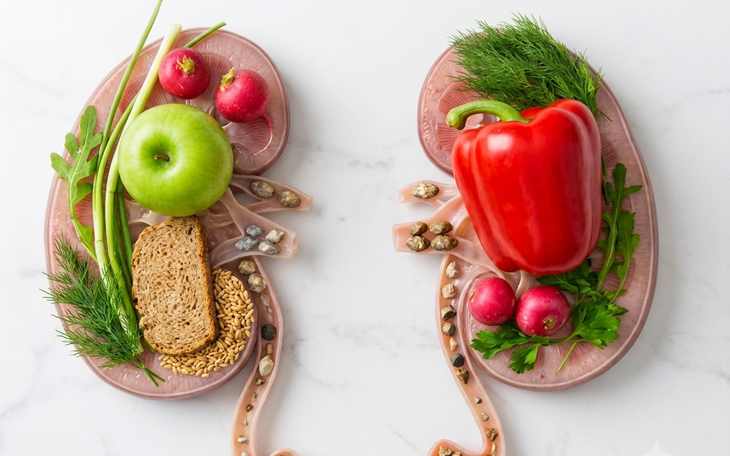
Drinking water not only helps expel small stones but is also the “golden key” to preventing stone recurrence. However, water must be consumed correctly:
- Ensure adequate fluid intake: Adult men should drink about 2.5 – 3 liters of water per day (including plain water, broth, and soup). This amount should be distributed evenly throughout the day; don’t wait until you’re thirsty to drink.
- Observe urine color: This is the best indicator. Urine should be pale straw-colored or clear. Dark yellow urine means the body is dehydrated.
- Supplement with natural citrate: Drinking diluted lemon, orange, or grapefruit juice (without adding much sugar) provides natural citrate, a substance that helps prevent calcium from binding with oxalate to form stones.
Dietary adjustments:
- Do not completely avoid calcium: A lack of calcium actually increases oxalate absorption in the gut, causing kidney stones. Consume adequate calcium through food (milk, yogurt).
- Reduce salt (Sodium): A high-salt diet causes the kidneys to excrete more calcium into the urine, increasing the risk of stone formation.
- Limit high-oxalate foods: Black tea, chocolate, spinach, and beets should be consumed in moderation.
- Limit excess animal protein: Eating too much red meat increases blood and urine uric acid, promoting stone formation.
Common Mistakes When Trying to Force Kidney Stones Out
In an attempt to remove kidney stones at home, many patients make serious mistakes that can damage kidney function:
- Chugging huge amounts of water at once: Gulping down 2-3 liters of water in a very short time does not make the stone pass faster but can cause water intoxication (hyponatremia) or brain swelling, which is highly dangerous.
- Arbitrarily using unverified folk remedies or leaves: Brewing unknown roots or leaves with the hope of “eroding stones” can cause liver toxicity or acute kidney failure. Unverified traditional medicines are not recommended as a replacement for Western medicine.
- Reckless jumping rope or strenuous exercise: Gentle exercise (walking) supports stone expulsion, but high-intensity jump roping when a stone is stuck in the ureter or the kidney is experiencing hydronephrosis can cause severe friction, leading to massive bleeding and an increased risk of complications.
FAQs: Does Drinking Lots of Water Help Pass Kidney Stones?
- What size stone can pass naturally by drinking water?According to clinical studies, kidney stones under 5mm have the highest chance of spontaneous passage (about 70-80%) through adequate hydration combined with medical expulsive therapies prescribed by a doctor.
- Does drinking beer help push kidney stones out faster?Many people spread the rumor that drinking lots of beer helps kidney stones pass naturally due to its diuretic effect. This is a misconception. Beer may temporarily increase urine output but causes cellular dehydration and contains purines that increase the risk of uric acid stones. You should only drink plain water or diluted fruit juice.
- Should I keep drinking a lot of water while experiencing renal colic?During an acute renal colic attack, drinking too much water can increase pressure on the obstructed renal pelvis, making the pain more severe. At this time, patients should take small sips of water and immediately go to a medical facility for pain relief or muscle relaxant injections/infusions.
- Can traditional herbal medicine dissolve kidney stones?Currently, there is no solid medical evidence proving that unverified leaves or traditional remedies can completely dissolve hard stones (like calcium oxalate stones). Abusing remedies of unknown origins carries a very high risk of liver and kidney failure.
- Do I need a follow-up check after a kidney stone passes naturally?Yes. Even if you have seen the stone pass and the pain is gone, you still need a follow-up ultrasound so the doctor can check if any fragments remain, if the ureter is damaged, or if there is lingering hydronephrosis. The doctor will also advise on a prevention plan.
Conclusion
The medical answer to whether drinking a lot of water helps pass kidney stones naturally is YES, but this only safely and effectively applies to small stones (under 5mm) that do not cause obstructions or complications. Water is a crucial factor in keeping the urinary stream clear, aiding in stone expulsion, and preventing new crystal formations. However, for large stones, trying to force them out with water is not only useless but can also worsen fluid retention in the kidneys.
Patients should absolutely not self-diagnose or abuse word-of-mouth remedies for prolonged self-treatment. At the first sign of flank pain, hematuria, or dysuria, the priority is to seek medical examination for accurate imaging diagnosis. With the companionship of the Men’s Health Center and Pharmacy ecosystem, patients will have access to professional, safe, and confidential examination, consultation, and urological-andrological health monitoring services, helping to protect kidney function comprehensively and scientifically.