

Priapism is a medical condition characterized by a prolonged and often painful erection lasting more than 4 hours, which is completely unrelated to sexual stimulation or persists long after ejaculation. Contrary to common misconceptions, this is not a sign of heightened virility but rather a severe urological emergency. Without prompt and appropriate medical intervention, priapism can cause irreversible tissue damage, leading to permanent erectile dysfunction. This article provides a comprehensive overview of the mechanisms, causes, warning signs, and critical emergency protocols for managing this condition.
What is Priapism?
Under normal circumstances, an erection occurs in response to sexual stimulation: blood is pumped into and trapped within the spongy tissues of the penis (corpora cavernosa). Following climax or the cessation of arousal, the veins dilate, allowing the trapped blood to drain back into the circulatory system, returning the penis to a flaccid state.
In cases of priapism, this mechanism of blood inflow and outflow is disrupted. Either the blood is unable to exit the penis, or there is an excessive, unregulated arterial flow into the spongy tissues. As a result, the penis remains fully engorged, tense, and frequently accompanied by excruciating pain that can last for hours. This condition can affect males of all ages, including children, but it is most prevalent in men between the ages of 20 and 50.
Types of Prolonged Erection
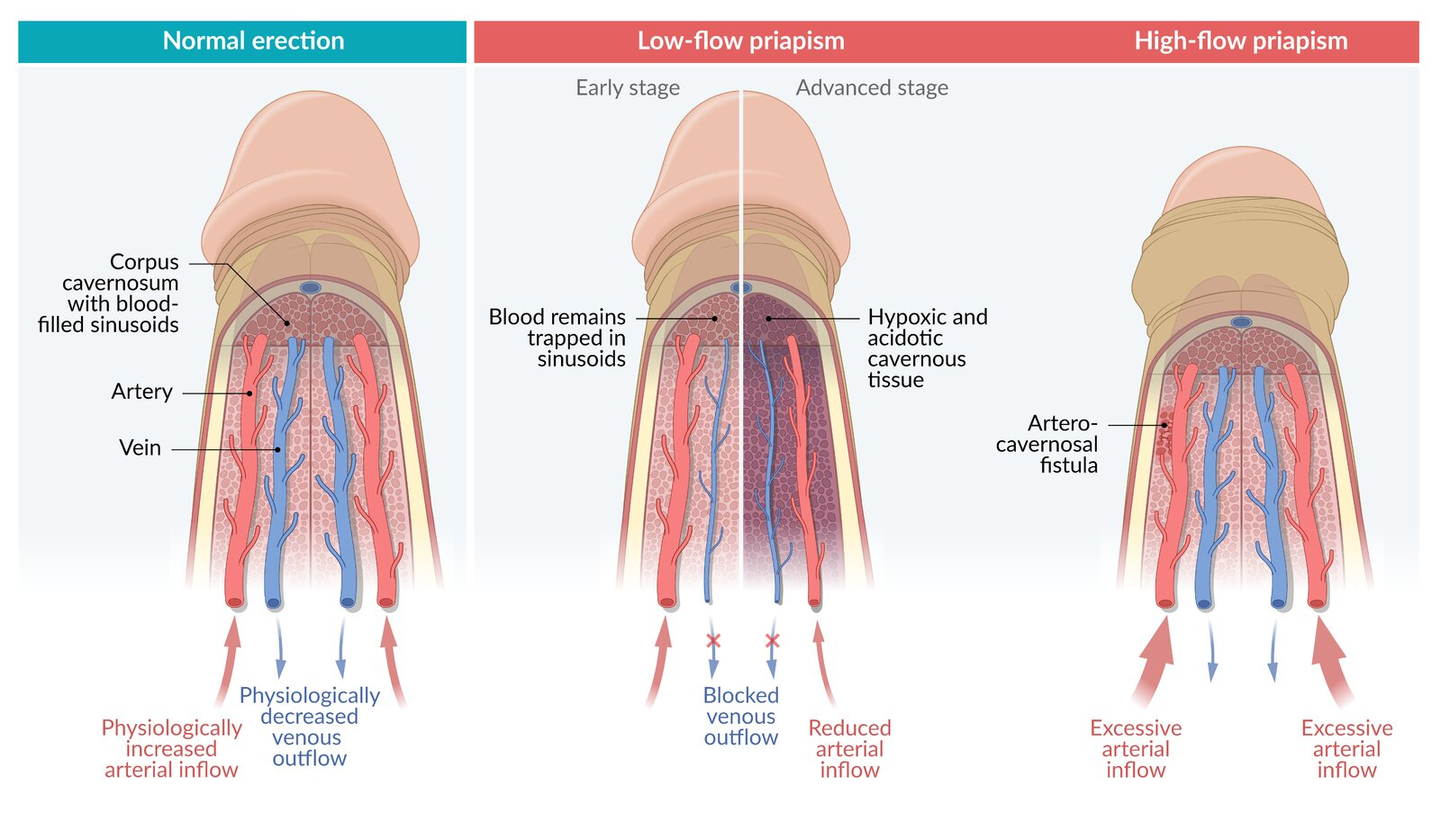
Clinically, priapism is categorized into three main types based on the hemodynamics within the penis. Differentiating between these types is crucial, as it determines the appropriate treatment protocol.
Ischemic Priapism (Low-flow)
This is the most common form of priapism and is an absolute medical emergency. It occurs when venous blood is unable to drain from the corpora cavernosa, becoming trapped.
- Characteristics: The penile shaft becomes extremely rigid, while the glans (head of the penis) often remains soft. Patients typically experience severe, worsening pain.
- Risks: Prolonged stagnation of blood leads to oxygen deprivation (hypoxia) and increased acidity, which quickly becomes toxic and causes necrosis (death) of the erectile tissues.
Non-ischemic Priapism (High-flow)
This type is much rarer and is generally painless. It is primarily caused by unregulated arterial blood flow into the penis that exceeds the venous drainage capacity, most often resulting from blunt trauma to the perineum (the area between the scrotum and anus) or the spinal cord.
- Characteristics: The penis is erect but usually not completely rigid. It is rarely painful and may only cause a sensation of fullness.
- Risks: Because the trapped blood is well-oxygenated, the risk of severe tissue damage is much lower than in ischemic priapism. However, medical evaluation is still necessary.
Stuttering Priapism (Recurrent)
This is a specific variant of ischemic priapism characterized by repetitive, temporary, and painful episodes of prolonged erections. It is most frequently observed in individuals with underlying congenital hematological disorders, particularly sickle cell disease.
Causes and Risk Factors
Priapism rarely occurs spontaneously without an underlying trigger. The majority of cases stem from medication interactions, preexisting medical conditions, or physical trauma.
Medication Side Effects and Misuse
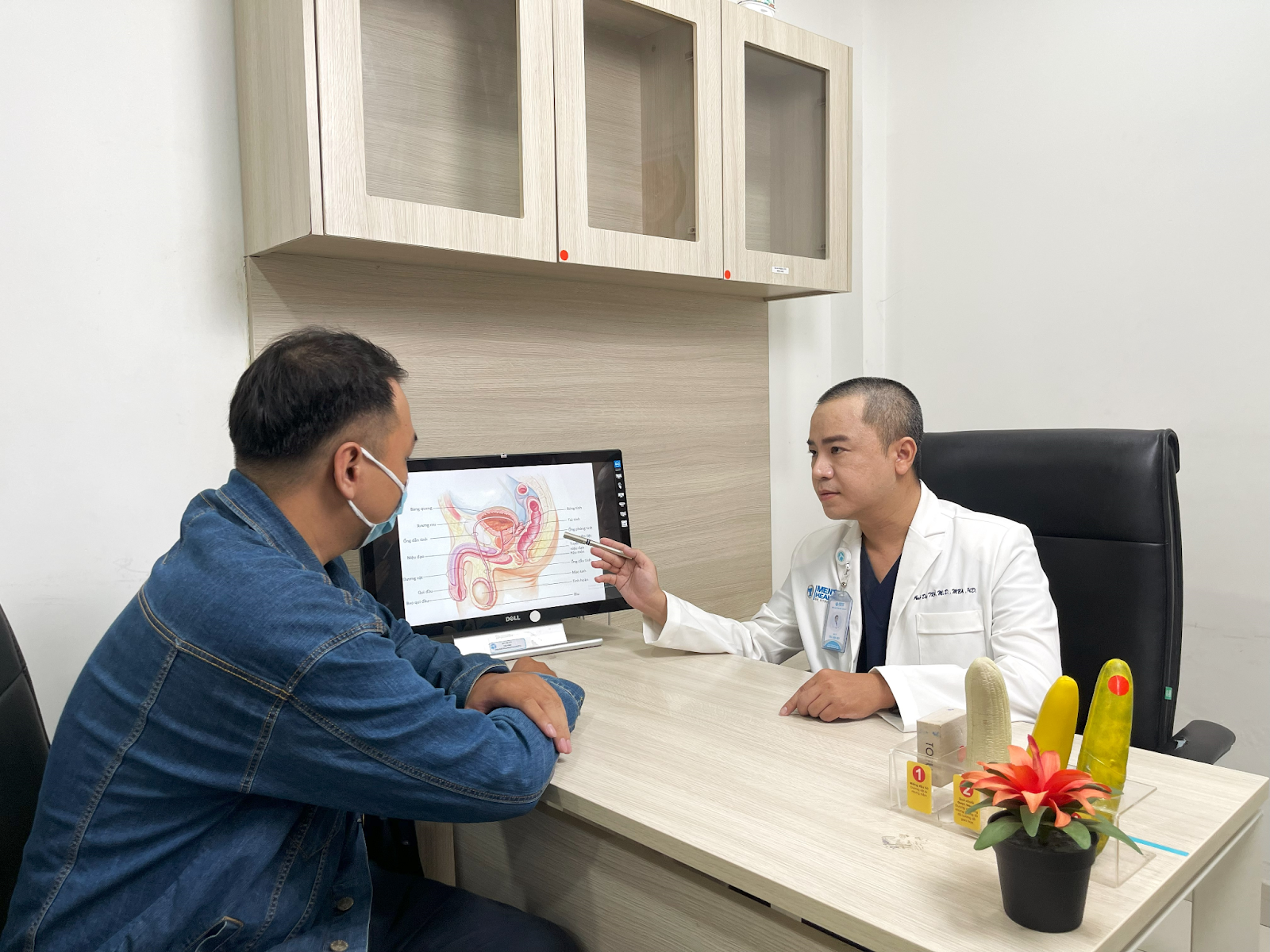
Medication-induced priapism is the leading cause among adult men. Drugs that can trigger this condition include:
- Erectile Dysfunction (ED) Medications: The misuse, overdose, or unprescribed use of PDE5 inhibitors (such as sildenafil, tadalafil, vardenafil) or intracavernosal injections (like papaverine or alprostadil).
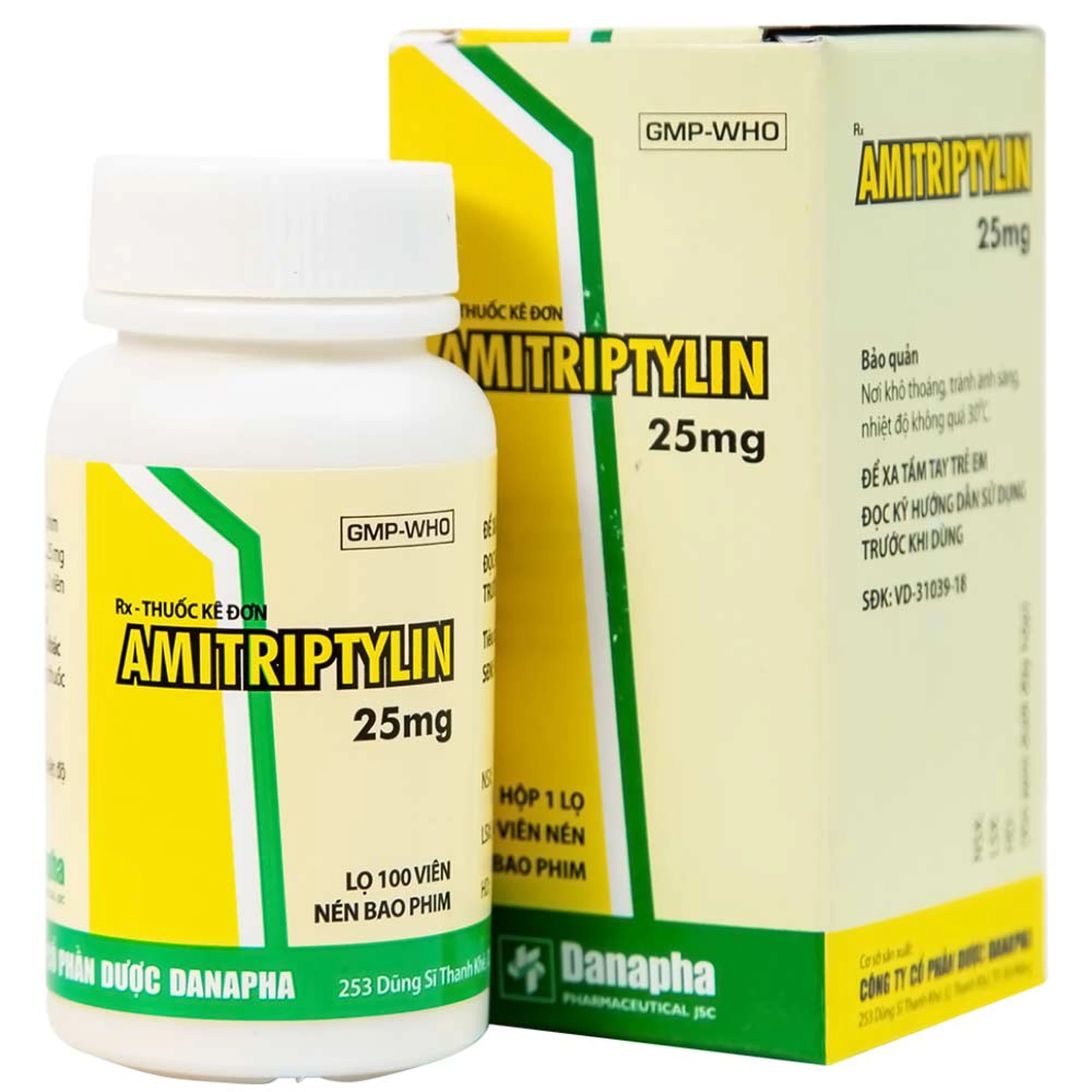
- Antidepressants and Antipsychotics: Certain psychiatric medications can affect the autonomic nervous system, which controls the erection mechanism.
- Blood Thinners: The use of anticoagulants like warfarin or heparin can occasionally disrupt blood flow regulation.
To ensure safety when using medications related to men’s health, Men’s Health Men’s Pharmacy (part of the Men’s Health Center ecosystem founded by Dr. Tra Anh Duy) strictly adheres to rigorous pharmaceutical standards. Here, patients always receive thorough consultations from doctors and pharmacists. Detailed explanations regarding indications, dosages, and potential drug interactions are provided to help patients choose safe, personalized healthcare solutions. The facility prioritizes professionalism, discretion, and confidentiality, strongly advising against the unprescribed purchase or use of ED medications based on hearsay.
Hematological Disorders
Blood disorders that alter the shape of red blood cells or increase blood viscosity can obstruct the microscopic blood vessels in the penis:
- Sickle Cell Disease: Abnormally shaped (sickled) red blood cells can easily clump together, blocking the veins that drain blood from the penis.
- Leukemia: An extreme overproliferation of white blood cells can impair normal blood circulation.
Substance Abuse
The excessive consumption of alcohol or the use of illicit recreational drugs, such as cocaine and marijuana, can disrupt the neurovascular pathways, leading to uncontrollable erections.
Physical Trauma
Blunt force injuries to the pelvis, perineum, or spinal cord can rupture arteries, creating an arteriovenous fistula (an abnormal connection between an artery and a vein) that leads to non-ischemic priapism.
Signs and Symptoms Requiring Immediate Medical Attention
It is vital to distinguish between a healthy erection and priapism to take timely action. You must proceed to an emergency room or a specialized urology clinic immediately if you experience the following:
- An erection lasting more than 4 hours consistently.
- An erection that does not subside despite ejaculation, taking a cold shower, or changing positions.
- A penile shaft that is abnormally rigid, coupled with a soft glans.
- Progressive, throbbing, or agonizing pain in the penis.
Crucial Note: Do not let embarrassment or hesitation delay medical care. “Time is tissue” when it comes to saving the erectile function of the penis.
Specialized Diagnostic Methods
Upon receiving a patient, the physician’s immediate priority is to differentiate between ischemic and non-ischemic priapism to determine the correct intervention. Diagnostic procedures include:
- Medical History: The doctor will ask about the duration of the erection, pain levels, current medications, underlying conditions, and any recent trauma.
- Cavernosal Blood Gas Analysis: A fine needle is used to extract a small amount of blood from the corpora cavernosa. Dark, deoxygenated blood with high carbon dioxide levels indicates ischemic priapism. Bright red, well-oxygenated blood points to non-ischemic priapism.
- Color Doppler Ultrasound: This imaging test evaluates the blood flow velocity and patterns within the penile vessels, helping to locate blockages or traumatic fistulas.
- Comprehensive Blood Tests: To check for underlying hematological conditions like sickle cell anemia or leukemia.
Dangerous Complications of Delayed Treatment
The spongy erectile tissues are highly sensitive to oxygen deprivation. Clinical studies demonstrate that after approximately 12 hours of ischemia, smooth muscle cells begin to suffer damage. After 24 to 48 hours, irreversible fibrosis (scarring) occurs.
The most devastating complication of ischemic priapism is permanent erectile dysfunction. The penis may lose its ability to achieve natural erections or may become physically deformed and curved due to scar tissue contraction. Treating ED caused by priapism is highly complex and often requires the surgical implantation of a penile prosthesis.
Priapism and Frequently Asked Questions
1. How long should an erection last before it is considered priapism and requires emergency care?
According to current urological guidelines, a continuous erection lasting more than 4 hours without sexual stimulation, or failing to subside after climax, is classified as priapism. You must seek emergency medical attention immediately, especially if it is accompanied by pain.
2. Can self-medicating with erectile dysfunction pills increase the risk of priapism?
Yes. Incorrect dosing, abuse, or mixing ED medications (particularly unverified oral pills or penile injections) with other drugs without a doctor’s prescription is a leading cause of prolonged, painful erections in adult men.
3. Can I just apply ice at home to make the erection go away?
Applying ice to the perineum can cause mild vasoconstriction, but it cannot cure an ongoing ischemic priapism episode. It should only be viewed as a temporary pain relief measure while on the way to the emergency room. Never attempt to fully treat this condition at home, as you risk losing the “golden window” for treatment.
4. Why does sickle cell disease cause this condition?
Sickle cell disease alters the normal structure of red blood cells, causing them to become rigid and crescent-shaped. When these malformed cells enter the microscopic blood vessels of the corpora cavernosa, they can easily clump together and create blockages, preventing blood from draining out and causing a painful, prolonged erection.
5. Can I have a normal sex life after successful priapism treatment?
The recovery of erectile function depends almost entirely on how quickly you receive emergency care. If treated early (typically within the first 12 hours), the chances of full recovery are very high. If intervention is delayed beyond 24-48 hours, the risk of permanent impotence is extremely high due to irreversible tissue fibrosis.
Conclusion
Priapism is a critical medical emergency that demands swift intervention. The “4-hour mark” is the crucial window to decompress the blood and preserve the structural integrity and functionality of the penis. Do not let hesitation or embarrassment delay treatment, and never rely on home remedies, as they increase the risk of permanent damage. As a preventive measure, men must strictly avoid self-prescribing or abusing erectile dysfunction medications based on unverified advice.
If you are experiencing physiological issues that require medication, seek guidance from a reputable specialized clinic. The Men’s Health Center ecosystem is dedicated to providing professional, safe, and highly confidential medical consultations, medication management, and health monitoring, helping men address the root causes of their health concerns effectively.