


Prostate cancer is one of the most prevalent malignancies in aging men, characterized by the uncontrolled proliferation of prostatic epithelial cells. Understanding the underlying etiologies, risk factors, clinical signs, and rigorous diagnostic protocols is essential for early detection, accurate risk stratification, and effective long-term management.
1. Understanding Prostate Cancer: Definition and Mechanisms
What is Prostate Cancer?
Prostate cancer is a malignant tumor originating in the glandular tissue of the prostate gland, most commonly occurring within the peripheral zone as adenocarcinoma. It develops when normal prostatic epithelial cells undergo genetic and molecular alterations that disrupt normal cell cycle regulation, leading to unchecked cellular proliferation, tissue invasion, and potential metastatic spread.
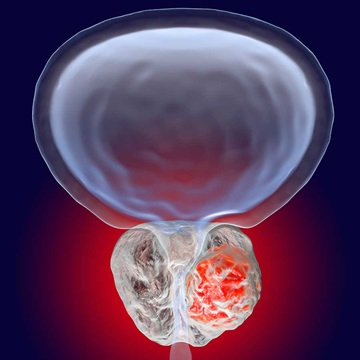
Pathophysiological Mechanisms
The development and progression of prostate cancer involve complex cellular and molecular pathways:
- Androgen Receptor Signaling: Androgens (testosterone and dihydrotestosterone – DHT) bind to androgen receptors (AR) within prostatic epithelial cells, driving transcriptional activation of genes associated with cell growth and survival.
- Genetic and Epigenetic Alterations: Somatic mutations, chromosomal rearrangements (e.g., TMPRSS2-ERG gene fusions), and epigenetic silencing of tumor suppressor genes disrupt normal apoptotic pathways.
- Microenvironmental Changes: Interactions between malignant epithelial cells, stromal fibroblasts, and infiltrating immune cells create a supportive tumor microenvironment that promotes angiogenesis and local invasion.
2. Etiology and Common Risk Factors for Prostate Cancer
While the exact initiator of prostate cancer remains multifactorial, several established etiological factors and risk characteristics significantly elevate susceptibility.
Primary Risk Factors
- Advanced Age: Incidence increases exponentially after 50 years of age, with the majority of cases diagnosed in men over 65.
- Genetic Predisposition and Family History: A positive family history in a first-degree relative (father or brother) significantly increases risk, particularly when associated with mutations in high-penetrance genes such as BRCA1, BRCA2, or HOXB13.
- Ancestry and Race: Epidemiological studies indicate a higher incidence and more aggressive disease progression among African-American men compared to Caucasian or Asian populations.
- Hormonal Influences: High circulating levels of androgens and growth factors promote prostatic cellular proliferation over time.
3. Clinical Manifestations and Red Flag Symptoms
Early-Stage vs. Advanced-Stage Presentation
In its early, localized stages, prostate cancer is characteristically asymptomatic. As the tumor grows or causes local obstruction near the prostatic urethra, lower urinary tract symptoms (LUTS) may emerge.
Core Symptoms of Advanced Disease
- Urinary hesitancy, weak urinary stream, and intermittency.
- Urinary frequency, urgency, and nocturia.
- Terminal hematuria or hematospermia (blood in semen).
- Bone pain, pathological fractures, or spinal cord compression resulting from skeletal metastases.
- Unexplained weight loss, fatigue, and systemic cachexia in advanced metastatic stages.
Red Flag Symptoms Requiring Urgent Medical Evaluation
- Sudden, severe lower back pain accompanied by lower extremity weakness or paresthesia (indicating spinal cord compression).
- Gross hematuria or visible blood clots causing urinary retention.
- Progressive, unrelenting pelvic or bone pain unresponsive to standard analgesics.
4. Comprehensive Diagnostic Protocols for Prostate Cancer
Accurately diagnosing prostate cancer requires a systematic, multi-modal clinical workup.

- Digital Rectal Examination (DRE): Clinical palpation of the posterior surface of the prostate gland to detect asymmetry, induration, palpable nodules, or loss of normal sulci.
- Serum Prostate-Specific Antigen (PSA) Testing: Measurement of tissue kallikrein-like protease produced by prostatic epithelial cells. Elevated total PSA levels ($>4.0\text{ ng/mL}$) or rapid PSA velocity warrant further evaluation.
- Multiparametric Pelvic MRI (mpMRI): High-resolution imaging modality providing detailed anatomical and functional assessment, utilizing PI-RADS (Prostate Imaging Reporting and Data System) scoring to identify clinically significant suspicious lesions.
- Prostate Biopsy: Histopathological confirmation via transrectal ultrasound (TRUS)-guided or transperineal fusion biopsy. Samples are graded using the Gleason scoring system and International Society of Urological Pathology (ISUP) grade groups.
5. When to Seek Immediate Medical Evaluation
Patients should promptly consult a qualified urologist or specialist when experiencing persistent or progressive lower urinary tract symptoms, macroscopic hematuria, unexplained hematospermia, or new-onset bone pain, particularly men aged 50 and older or those with a family history of prostate malignancy.
6. Treatment Framework and the Role of Medical Therapy
Management strategies for prostate cancer vary depending on tumor stage, Gleason grade, patient age, and overall health status.
Therapeutic Modalities
- Active Surveillance: Regular monitoring via serial PSA testing, DRE, and repeat biopsies for low-risk, localized prostate cancer.
- Radical Prostatectomy: Surgical removal of the entire prostate gland and seminal vesicles for localized disease.
- Radiation Therapy: External beam radiation therapy (EBRT) or brachytherapy to target and destroy malignant cells.
- Androgen Deprivation Therapy (ADT): Medical or surgical castration to suppress circulating testosterone levels and inhibit tumor growth in advanced or metastatic disease.

The Role of Prescription Pharmacotherapy
Pharmacological agents in prostate cancer management – including GnRH agonists/antagonists, antiandrogens, and novel androgen receptor pathway inhibitors – are strictly prescription-only medications (POM) requiring specialist oncology or urology oversight. Patients must never self-medicate or utilize unverified hormonal agents.
7. Side Effects, Contraindications, and Drug Interactions in Prostate Cancer Management
- Adverse Effects: ADT is frequently associated with hot flashes, fatigue, decreased libido, erectile dysfunction, metabolic changes (weight gain, insulin resistance), and decreased bone mineral density (osteoporosis).
- Drug Interactions: Systemic oncological therapies can interact with cardiovascular medications, anticoagulants, and metabolic regulators. Comprehensive medication reconciliation by clinical pharmacists is essential.
- Monitoring: Regular laboratory monitoring of serum testosterone, liver function tests, lipid profiles, and bone density is mandatory during systemic therapy.
8. Lifestyle Modifications, Prevention, and Long-Term Management
- Dietary Adjustments: Emphasize a diet rich in fruits, vegetables, whole grains, and omega-3 fatty acids while limiting processed meats and excessive saturated fats.
- Physical Activity: Maintain regular aerobic and resistance exercise to support cardiovascular health and metabolic regulation.
- Weight Management: Prevent central obesity, which correlates with aggressive tumor biology and treatment complications.
- Routine Follow-Up: Adhere strictly to scheduled follow-up visits, PSA monitoring, and imaging schedules recommended by the attending physician.
9. Common Misconceptions Regarding Prostate Cancer
- Misconception 1: Elevated PSA always means prostate cancer. Fact: PSA is prostate-specific, not cancer-specific; benign prostatic hyperplasia (BPH), prostatitis, and urinary tract infections can also elevate serum PSA levels.
- Misconception 2: Prostate cancer always requires immediate surgery. Fact: Low-risk, localized prostate cancer is frequently managed safely through active surveillance without immediate surgical intervention.
- Misconception 3: Younger men cannot develop prostate cancer. Fact: While incidence increases with age, younger men with strong genetic predispositions (BRCA mutations) can develop hereditary prostate cancer.
10. Comprehensive Care at Men’s Health Andrology Pharmacy
In navigating complex urological conditions such as prostate cancer, comprehensive care relies on precision diagnostics, expert medical consultation, and collaborative pharmaceutical support.
The Men’s Health Pharmacy operates as an integral unit within the specialized healthcare ecosystem of the Men’s Health Center, founded by Dr. Tra Anh Duy (MD, PhD, Spec. II). At Men’s Health, patients receive dedicated consultations from experienced physicians and clinical pharmacists who provide clear explanations and support in selecting appropriate health care solutions. The facility maintains a strong commitment to professionalism, safety, discretion, absolute information security, and personalized care throughout every stage of diagnostic evaluation, treatment, and long-term follow-up. Prescription medications are dispensed strictly under direct medical supervision, emphasizing the essential collaborative role of both physicians and clinical pharmacists in ensuring optimal patient safety and therapeutic efficacy.

Prostate Cancer: Frequently Asked Questions
What are the earliest warning signs of prostate cancer?
In its early stages, prostate cancer is typically asymptomatic. As the tumor progresses, patients may experience urinary urgency, frequency, weak urinary stream, or nocturia, though these symptoms frequently overlap with benign prostatic hyperplasia.
Can benign prostatic hyperplasia (BPH) turn into prostate cancer?
No. BPH and prostate cancer are distinct pathological conditions. BPH involves non-cancerous glandular enlargement of the transition zone, whereas prostate cancer originates predominantly in the peripheral zone. However, both conditions can coexist in aging men.
How is prostate cancer diagnosed definitively?
Definitive diagnosis requires histopathological confirmation via a prostate biopsy (guided by TRUS or transperineal fusion biopsy) performed following elevated serum PSA findings or suspicious digital rectal examination results.
What is active surveillance for prostate cancer?
Active surveillance is a management strategy for low-risk, localized prostate cancer involving regular monitoring through scheduled PSA tests, digital rectal examinations, and periodic repeat biopsies to intervene only if disease progression is detected.
Why is family history important in prostate cancer risk?
A family history of prostate cancer in a first-degree relative significantly increases an individual’s lifetime risk due to shared genetic predispositions and inherited susceptibility genes such as BRCA1 and BRCA2.
How do 5-alpha reductase inhibitors affect prostate cancer risk?
5-alpha reductase inhibitors (like finasteride or dutasteride) reduce overall prostate volume and lower the incidence of benign prostatic hyperplasia, while being evaluated carefully in clinical protocols regarding high-grade prostate cancer risk.
When should men begin regular prostate cancer screening?
Men should discuss prostate cancer screening with their physician starting around age 50, or earlier (age 40–45) if they have significant risk factors such as a strong family history or African-American ancestry.
Conclusion and Expert Medical Advice
Prostate cancer is a complex malignancy requiring careful diagnostic evaluation, accurate risk stratification, and individualized therapeutic management. Understanding the underlying etiologies, risk factors, and diagnostic modalities enables early detection and improves clinical outcomes.
Patients experiencing persistent lower urinary tract symptoms, hematuria, or hematospermia must avoid self-diagnosis, unverified herbal remedies, or delayed medical consultation. Timely evaluation at a specialized urological center such as the Men’s Health Center ensures comprehensive diagnostic accuracy, expert physician guidance, and professional pharmaceutical support within a safe, confidential, and professional environment.