


Testosterone decline (also known as male menopause or andropause) usually begins silently around the age of 30, when male hormones start to decrease by an average of 1-2% per year. However, the signs of male menopause are most pronounced when men enter their 40s and 50s. Typical symptoms include decreased libido, erectile dysfunction, chronic fatigue, muscle loss, abdominal fat accumulation, and sleep disorders. Understanding at what age testosterone decline begins and what its signs are will help men proactively seek medical attention and timely interventions to regain vitality, maintain performance, and protect their long-term quality of life.
Concept and Mechanism: What is Testosterone Decline (Male Menopause)?
The Role of Testosterone in the Male Body
Testosterone is the most important male sex hormone, produced primarily by Leydig cells in the testes (accounting for 95%) and a small amount in the adrenal glands (5%). This hormone not only defines male sexual characteristics (deep voice, development of the penis, body and facial hair) but also strongly governs sexual desire, erectile function, muscle and bone mass, blood production, and even cognitive brain functions.
The Difference Between Male and Female Menopause
According to current specialized guidelines, the decline of testosterone in older men is called Late-Onset Hypogonadism (LOH), or popularly known as male menopause. Unlike female menopause—where hormone production drops suddenly and stops completely at a certain age—the decline of testosterone in men happens gradually, spanning over several decades. The testes continue to produce testosterone but in smaller quantities, and the receptors’ sensitivity to this hormone also gradually decreases over time.
At What Age Does Testosterone Decline Begin?
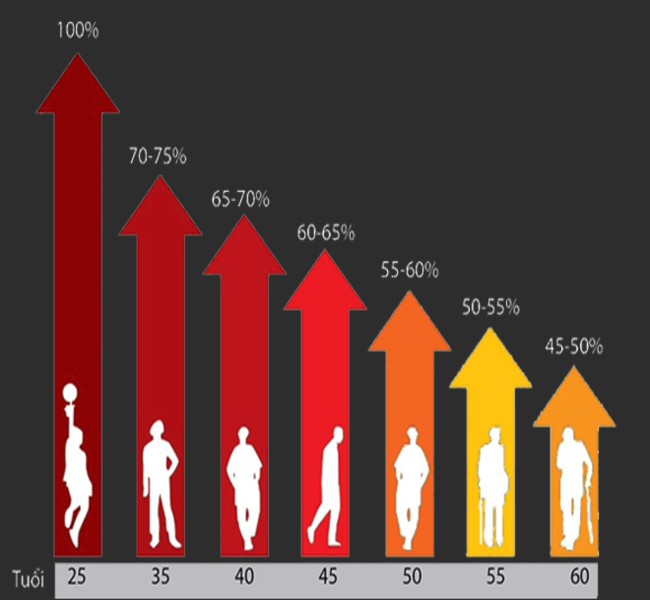
Answering directly the concern “at what age does testosterone decline begin,” clinical studies show that there is no fixed, universal timeline for everyone. However, this process follows a general physiological pattern:
- After age 30: This milestone marks the beginning of endocrine aging. Total testosterone levels in the male body start to decrease steadily by 1% to 2% each year. At this stage, most men do not notice clear changes because the hormone levels remain within the normal physiological range.
- From 40 to 50 years old: The decline accelerates, and hormone reserves begin to deplete. This is the “peak” age where signs of male menopause manifest outwardly, directly affecting sexual life and work performance.
- Men over 60: More than 20% of men in this age group have testosterone levels below the standard physiological threshold, accompanied by various cardiovascular and musculoskeletal complications.
Testosterone Decline in Young Men (Early Male Menopause)
Currently, there is a rejuvenating trend in male hormone decline. Many men just in their 20s or 30s have to face menopausal symptoms. The main causes stem from a highly stressful modern lifestyle, obesity, alcohol abuse, and unhealthy living habits.
Causes and Risk Factors Accelerating Male Menopause
Physiological decline is not solely due to aging. Medicine divides the causes of testosterone decline into the following main groups:
- Natural Aging Process (Primary Cause): As age increases, the function of Leydig cells in the testes deteriorates. Concurrently, Sex Hormone-Binding Globulin (SHBG) levels in the blood rise. SHBG binds tightly to testosterone, reducing free testosterone (the hormone form that actually has a biological effect on the body).
- Underlying Medical Conditions and Risk Factors (Secondary Causes):
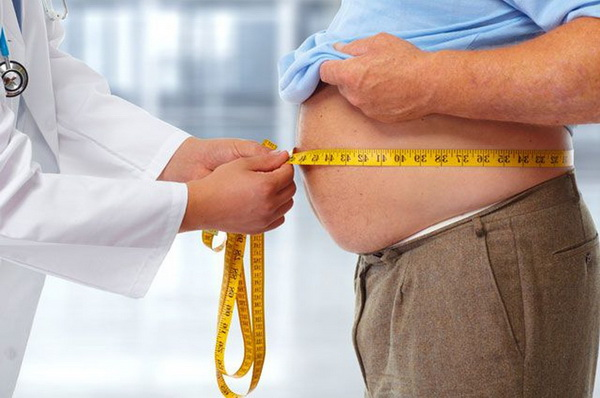
- Obesity and visceral fat: Fat cells produce the Aromatase enzyme, which converts testosterone into estrogen (a female hormone). The more abdominal fat a man has, the lower his male hormone levels.
- Type 2 diabetes and metabolic syndrome: These conditions damage the microvascular and nervous systems while inhibiting the hypothalamus-pituitary gland from sending signals that stimulate testicular activity.
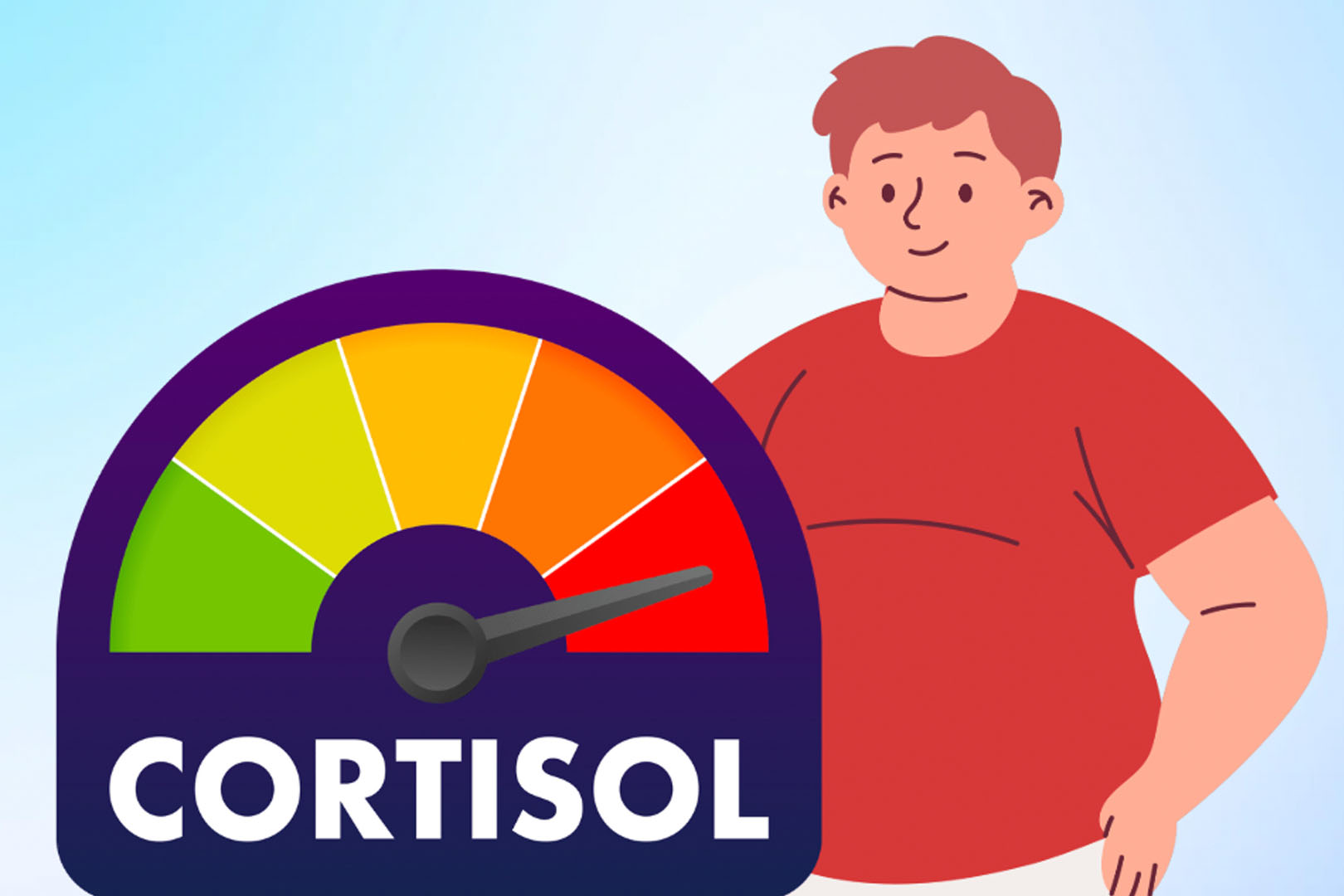
- Chronic stress: Stress increases the hormone cortisol. When cortisol is constantly high, the body prioritizes resources to cope with stress, “neglecting” the production of sex hormones.
- Sleep apnea syndrome: Testosterone is produced mostly during deep sleep stages. Obese people, heavy snorers, and those with sleep apnea will experience disrupted circadian rhythms, leading to a severe drop in hormone levels.
- Trauma or medical treatment: Men who have suffered testicular trauma, mumps complicated by orchitis, or are undergoing chemotherapy and radiotherapy for cancer.
Signs and Symptoms of Testosterone Decline
Symptoms of male menopause are diverse and comprehensively impact three systems: sexual, physical, and psychological/neurological.
1. Decline in Sexual Function and Libido
This is often the symptom that causes the most anxiety and prompts men to visit the doctor:
- Decreased or complete loss of libido: No longer feeling interested in sex, thinking about sex less frequently.
- Erectile dysfunction (ED): Difficulty achieving the necessary hardness or the penis becoming flaccid during intercourse. The frequency of natural morning erections decreases significantly or disappears.
- Ejaculatory and semen disorders: Decreased semen volume, watery semen, and difficulty achieving orgasm upon ejaculation.
2. Abnormal Physical Changes
- Chronic fatigue: Always feeling exhausted and lethargic even after getting enough sleep; reduced capacity for physical work.
- Body composition changes: Muscle mass and strength shrink. Instead, excess fat accumulates rapidly, especially around the abdomen and chest. Gynecomastia (enlarged, sagging breasts) is a fairly common manifestation.
- Hair loss and thinning body hair: Hair follicles shrink, causing heavy hair loss and baldness. Body hair (on the chest, arms, legs) grows slower and thins out.
- Decreased bone density: Bones become brittle, porous, and prone to fractures due to osteoporosis.
3. Psychological and Neurological Disorders
- Frequent irritability, unpredictable mood swings for no clear reason.
- Difficulty falling asleep, not sleeping deeply, frequently waking up during the night.
- “Brain fog” syndrome: Lack of concentration, short-term memory decline.
- Falling into a state of mild depression, losing motivation in life.
When Should Men See a Doctor?
You should not self-diagnose a condition based solely on a few fleeting symptoms. However, if signs of decreased libido, fatigue, and erectile dysfunction recur continuously for over 3 months, seriously affecting family happiness and work quality, you need to visit a specialized Andrology or Endocrinology facility for a timely examination. Absolutely do not let embarrassment hinder early detection and treatment.
Specialized Diagnostic Methods for Male Menopause
To confirm “male menopause,” a doctor needs to combine a clinical examination (assessing physical condition, BMI, testicular size) with strict biochemical tests:
- Quantitative endocrine blood tests: The gold standard for diagnosis. The blood sample must be taken early in the morning (between 7 AM and 10 AM) when hormone levels peak during the day.
- Indicators to check: Total testosterone, free testosterone, SHBG, LH, FSH, Prolactin, and Estradiol.
- According to recommendations, diagnosing low testosterone should be based on at least two blood tests taken on two different mornings.
- Screening for comorbidities: Fasting blood sugar, HbA1c, blood lipids (Cholesterol, Triglycerides), kidney/liver functions, and prostate evaluation (PSA index) to rule out contraindications before treatment.
Treatment, Hormonal Balance, and the Role of Medical Drugs
After identifying the cause and the extent of endocrine decline, the doctor will personalize a treatment regimen to restore balance.
1. Testosterone Replacement Therapy (TRT)
The goal of TRT is to supplement external testosterone to bring blood hormone levels back to the normal physiological range. The medication can be administered via intramuscular injections, topical gels, patches, or oral pills.
- Efficacy: Quickly improves libido, boosts energy, helps firm up muscles, and improves bone density.
- Absolute contraindications: Not to be used for men with prostate cancer, male breast cancer, benign prostatic hyperplasia with severe urinary retention, congestive heart failure, or untreated sleep apnea. This therapy is also not applicable for young men planning to have children, as exogenous hormones will suppress the testes’ spermatogenesis process.
- Medical note: This is strictly a prescription drug. Throughout its usage, the patient must be periodically monitored by a doctor for complete blood count, liver function, and PSA (prostate) levels.
2. Supportive Symptomatic Treatment Medications
In cases where testosterone levels haven’t dropped severely or the patient has contraindications to TRT, the doctor might use other drug groups to address the symptoms:
- Medications for erectile dysfunction: PDE5 inhibitors (such as Sildenafil, Tadalafil) help increase blood flow to the penis. Extreme caution is needed, and they must not be used in individuals taking angina medications (Nitrates) due to the risk of a severe drop in blood pressure.
- Medications for underlying diseases: Well-controlled blood sugar, blood lipids, and blood pressure to restore the microvascular system.
3. Introduction to Men’s Health Andrology Pharmacy

Using endocrine or male physiological treatment medications is a “double-edged sword” if not professionally supervised. Men’s Health Andrology Pharmacy is a unit within the Men’s Health Men’s Health Center ecosystem, founded by Dr. Tra Anh Duy, MD, PhD. Here, patients are always advised, explained to, and supported by doctors and pharmacists to choose the appropriate health care solutions. Men’s Health focuses on professionalism, safety, discretion, information security, and respecting personal needs throughout the examination, treatment, and monitoring process.
Pharmacists at the pharmacy will coordinate closely with doctors to instruct patients on how to use medications safely, monitor unwanted side effects, and remind them of follow-up appointments. Patients should absolutely not buy unverified erectile dysfunction drugs of unknown origin, do not use others’ prescriptions, and must immediately stop the medication and contact a doctor if they experience any side effects such as swelling, shortness of breath, or severe headaches.
Lifestyle Changes to Slow Down Testosterone Decline
Medication only plays a supporting role; the core foundation for maintaining long-term performance lies in lifestyle changes:
- Scientific nutrition: Supplement foods rich in Zinc (oysters, pumpkin seeds), Vitamin D, and Omega-3 (salmon). Strictly limit refined sugar, fast food, and animal fats to control weight. Absolutely quit smoking and limit alcohol.
- Physical exercise: Prioritize resistance exercises (weightlifting, squats) combined with cardio. Muscular movement is the strongest natural stimulus for the testes to increase hormone production.
- Sleep and stress management: Ensure 7-8 hours of sleep per night and find ways to relieve work pressure to lower cortisol levels in the blood.
Testosterone Decline (Male Menopause) and Frequently Asked Questions
Is testosterone decline at age 30 dangerous?
Yes. Early testosterone decline (early male menopause) at age 30 not only ruins sexual life and causes infertility but also serves as a warning sign that the body is suffering from serious metabolic diseases (diabetes, obesity, cardiovascular disease). You need to see an endocrinologist immediately.
Does everyone experience male menopause when getting older?
Yes. Aging is an unavoidable natural law. After the age of 30, all men begin the hormone decline process. However, the extent of the decline and when severe or mild symptoms manifest will vary for each person, largely depending on lifestyle and foundational health.
Does testosterone decline (male menopause) cause infertility?
Age-related male menopause reduces the quality, quantity, and motility of sperm, thereby reducing the chances of conception. However, it does not equate to absolute infertility. Many men in their 50s and 60s are still capable of fathering children. If you experience physiological decline but still want to have children, the doctor will prescribe a regimen to stimulate spermatogenesis instead of using exogenous testosterone replacement therapy.
What to eat to increase testosterone naturally and effectively?
No single food can “cure” male menopause. However, a diet rich in micronutrients will create the best conditions for the body to synthesize hormones. You should eat plenty of fatty fish (salmon, mackerel) rich in Omega-3, sea oysters rich in Zinc, eggs, nuts (almonds, walnuts), and cruciferous vegetables (cauliflower, broccoli).
Is an afternoon testosterone level test accurate?
Inaccurate. In men, testosterone levels follow a circadian rhythm: peaking between 7 AM and 10 AM and gradually decreasing towards the afternoon and evening. Therefore, taking a blood test in the afternoon can yield falsely low results, leading to diagnostic errors.
Conclusion
Testosterone decline or male menopause is a natural aging process starting at age 30 and showing clear signs at ages 40-50. However, you can completely slow down this process and maintain enduring vitality with a healthy, scientific lifestyle. Do not let symptoms of fatigue, erectile dysfunction, or decreased libido steal your confidence and happiness. Absolutely do not self-diagnose online, and do not arbitrarily buy and use word-of-mouth “erectile dysfunction” drugs without a medical prescription. When you notice persistent abnormal physiological or physical signs, proactively seek medical help.
The professional healthcare support ecosystem Men’s Health is always ready to accompany you, providing examination services, accurate diagnosis, safe medication consultation, and long-term health monitoring in a discreet and respectful manner. Let modern medicine help you master your performance and maintain male bravery at any age.