
Testosterone Replacement Therapy (TRT) is a specialized medical treatment designed to restore physiological hormone levels in men diagnosed with clinical hypogonadism (low testosterone). Indicated primarily when persistent clinical symptoms—such as decreased libido, erectile dysfunction, chronic fatigue, loss of muscle mass, and mood changes—coincide with repeatedly confirmed low morning serum testosterone levels, TRT helps optimize male sexual, physical, and metabolic health. It is a strictly prescription-only medical intervention requiring comprehensive diagnostic testing and ongoing specialist supervision to ensure clinical safety and long-term therapeutic effectiveness.

Understanding Testosterone Replacement Therapy (TRT) and Its Biological Mechanism
Testosterone Replacement Therapy (TRT) works by delivering exogenous testosterone into the bloodstream to compensate for insufficient endogenous hormone production by the male testes. The primary objective of TRT is to restore circulating total testosterone concentrations into the normal physiological reference range (typically between 300 ng/dL and 1000 ng/dL) to alleviate clinical deficiency symptoms.
The Biological Role of Testosterone in the Male Body
Testosterone is the primary androgenic hormone in men, produced predominantly by the Leydig cells of the testes under the regulation of the hypothalamic-pituitary-gonadal (HPG) axis. The brain releases gonadotropin-releasing hormone (GnRH) from the hypothalamus, which stimulates the anterior pituitary gland to release luteinizing hormone (LH) and follicle-stimulating hormone (FSH). LH directly signals the testes to synthesize testosterone.
Testosterone plays an essential role throughout a man’s lifespan, regulating key biological functions including:
- Sexual Function: Maintains libido, erectile capacity, and spontaneous nocturnal erections.
- Musculoskeletal Health: Stimulates muscle protein synthesis to maintain lean body mass, physical strength, and bone mineral density.
- Metabolic and Hematologic Control: Influences lipid metabolism, glucose regulation, insulin sensitivity, and erythropoiesis (red blood cell production in bone marrow).
- Psychological Well-being: Supports cognitive clarity, motivation, emotional stability, and overall vitality.
When hormone synthesis drops significantly below normal physiological thresholds, multi-organ clinical dysfunction occurs, leading to the clinical condition known as hypogonadism.
Causes of Low Testosterone and Clinical Risk Factors
Low testosterone occurs either when the testes fail to produce sufficient hormone levels or when the brain fails to send the necessary hormonal signals to stimulate the testes. Identifying the underlying etiology is crucial before initiating any endocrine therapy.
Primary versus Secondary Hypogonadism
Medical professionals classify low testosterone into two main clinical categories:
- Primary Hypogonadism (Testicular Failure): Originates within the testes themselves, where damaged Leydig cells cannot produce adequate testosterone despite elevated signaling hormones (high LH and FSH) from the brain. Causes include congenital conditions (such as Klinefelter syndrome), undescended testes (cryptorchidism), testicular trauma, bilateral mumps orchitis, testicular torsion, or history of chemotherapy and pelvic radiation therapy.
- Secondary Hypogonadism (Hypothalamic-Pituitary Dysfunction): Occurs when the hypothalamus or pituitary gland fails to release adequate GnRH or LH, leading to reduced testicular stimulation despite healthy testes. Causes include pituitary adenomas, hypothalamic disorders, hyperprolactinemia, severe visceral obesity, type 2 diabetes, chronic opioid or corticosteroid use, high-dose anabolic steroid abuse, and systemic inflammatory diseases.
- Mixed Hypogonadism: Involves defects in both testicular function and pituitary signaling, frequently observed in aging men or individuals with multi-factorial chronic illnesses.
Age-Related Decline vs. Pathological Hypogonadism
Serum testosterone levels naturally decline by approximately 1% per year starting around age 30 to 35. This physiological process is sometimes referred to as late-onset hypogonadism or age-related testosterone decline. However, natural aging alone does not automatically justify medical hormone replacement. Clinical treatment is indicated only when age-related decline crosses diagnostic deficiency thresholds and causes measurable, distressing clinical symptoms that impair health and quality of life.
Recognizing Symptoms: When Does Low Testosterone Require Evaluation?
Symptoms of low testosterone present across sexual, physical, and cognitive domains, often developing gradually over months or years. A thorough clinical assessment distinguishes genuine hormone deficiency from general stress, poor lifestyle, or aging.
Sexual and Physical Manifestations
- Reduced Libido: A marked, persistent drop in sexual desire and sexual thoughts.
- Erectile Dysfunction: Difficulty achieving or maintaining erections firm enough for sexual intercourse, along with a reduction in spontaneous morning erections.
- Loss of Lean Muscle Mass: Progressive decline in muscular volume and physical strength despite consistent resistance training.
- Increased Body Fat: Accrual of central visceral adiposity and abdominal fat accumulation.
- Decreased Bone Mineral Density: Osteopenia or osteoporosis, leading to heightened bone fragility and fracture risk.
- Gynecomastia: Development of enlarged or tender male breast tissue due to an altered androgen-to-estrogen ratio.
Cognitive, Emotional, and Metabolic Symptoms
- Chronic Fatigue: Persistent low energy, reduced stamina, and daytime somnolence that do not resolve with adequate rest.
- Mood Disturbances: Irritability, depressive symptoms, loss of enthusiasm, and reduced self-confidence.
- Cognitive Decline: Difficulties with concentration, executive function, spatial orientation, and short-term memory.
- Metabolic Alterations: Impaired glucose tolerance, reduced insulin sensitivity, and unfavorable changes in lipid profiles.
Warning Signs Requiring Prompt Medical Consultation
Men experiencing a sudden onset of severe erectile failure, loss of secondary sexual characteristics, unexplained bone fractures from low-impact trauma, or marked testicular atrophy should consult a male health specialist or endocrinologist promptly. These signs may indicate an underlying pituitary mass, severe gonadal failure, or metabolic disease requiring comprehensive clinical investigation.

Comprehensive Diagnostic Protocols Prior to Initiating TRT
Diagnosing hypogonadism requires both consistent clinical symptoms and laboratory confirmation of low serum testosterone on at least two separate morning blood samples. TRT should never be initiated based on symptoms alone or a single blood test.
Laboratory Testing Guidelines
- Morning Total Testosterone: Blood draws must be performed between 7:00 AM and 10:00 AM, as testosterone levels fluctuate diurnally and peak in the early morning hours. A total testosterone level consistently below 300 ng/dL (10.4 nmol/L) generally indicates hormone deficiency.
- Free and Bioavailable Testosterone: Calculated or measured via equilibrium dialysis when total testosterone falls into borderline ranges (300–400 ng/dL) or when conditions altering sex hormone-binding globulin (SHBG) are present (such as obesity, liver dysfunction, or thyroid disorders).
- Luteinizing Hormone (LH) and Follicle-Stimulating Hormone (FSH): Evaluated to differentiate primary testicular failure (high LH/FSH) from secondary pituitary/hypothalamic dysfunction (low or inappropriately normal LH/FSH).
- Serum Prolactin and Thyroid Panel: Checked to exclude hyperprolactinemia (pituitary prolactinoma) or thyroid dysregulation as root causes of secondary hypogonadism.
Baseline Safety and Health Screenings
Before prescribing TRT, doctors perform baseline screenings to verify patient eligibility and establish safety parameters:
- Prostate-Specific Antigen (PSA) and Digital Rectal Exam (DRE): Evaluates baseline prostate health and rules out undetected prostate carcinoma.
- Complete Blood Count (CBC) / Hematocrit: Assesses red blood cell volume. Baseline hematocrit must be below 50–52% prior to starting therapy.
- Cardiovascular and Metabolic Assessment: Blood pressure measurement, lipid panel, glycated hemoglobin (HbA1c), and liver enzyme tests to assess baseline cardiovascular and hepatic risk.
Clinical Indications: Who Is an Appropriate Candidate for TRT?
Testosterone Replacement Therapy is strictly indicated for men with confirmed organic or symptomatic hypogonadism where restoring hormone levels offers documented clinical benefits.
Clear Approved Medical Indications
- Confirmed primary hypogonadism due to testicular injury, orchitis, Klinefelter syndrome, or oncologic treatments.
- Confirmed secondary hypogonadism resulting from pituitary lesions, hypothalamic disorders, or severe hypopituitarism.
- Symptomatic late-onset hypogonadism in older men with repeatedly verified low morning serum testosterone levels and clear clinical symptoms.
- Hypogonadal men with confirmed osteopenia or osteoporosis to improve bone density and decrease fracture risk.
Non-Indications and Inappropriate Uses
- Normal Age-Related Decline Without Symptoms: TRT is not indicated for asymptomatic men with borderline levels.
- Athletic and Cosmetic Performance Enhancement: TRT is not a legal or safe substitute for anabolic steroids used to gain competitive physical advantages.
- Unconfirmed Low Testosterone: Prescribing hormone replacement solely for vague fatigue or stress without laboratory confirmation is medically inappropriate.
- Primary Treatment for Isolated Erectile Dysfunction: If testosterone levels are within healthy reference ranges, TRT will not resolve erectile dysfunction caused by vascular or neurological diseases.
TRT Treatment Modalities, Administration Methods, and Timelines
Testosterone Replacement Therapy is delivered through several pharmacological formulations. The choice of administration depends on clinical considerations, patient preference, pharmacokinetic profiles, and cost.
Available Formulations
- Intramuscular or Subcutaneous Injections: Involves administering testosterone esters such as Testosterone Cypionate, Testosterone Enanthate (injected every 1–2 weeks), or long-acting Testosterone Undecanoate (administered every 10–14 weeks). Injections are cost-effective and reliable but can cause fluctuations in hormone levels (peaks and troughs) with shorter-acting esters.
- Transdermal Gels and Solutions: Applied daily to clean, dry skin on the shoulders, upper arms, or abdomen. Transdermal gels provide stable, steady daily hormone concentrations that closely mimic physiological rhythms. Users must take strict precautions to avoid skin-to-skin contact with women and children to prevent accidental secondary transfer.
- Subdermal Implants (Pellets): Small testosterone pellets surgically implanted under the skin (typically in the buttocks) every 3 to 6 months. They offer long-term continuous release but require a minor office procedure for insertion and carry small risks of infection or pellet extrusion.
- Oral Formulations: Modern oral testosterone undecanoate formulations bypass traditional hepatic toxicity by being absorbed through the lymphatic system when taken with fatty meals. They require consistent daily compliance.
Expected Timeline for Symptomatic Improvement
Therapeutic responses to TRT occur progressively over varying timeframes:
- 3 to 6 Weeks: Improvements in sexual desire, libido, morning erections, quality of life, and emotional mood stability become noticeable.
- 4 to 12 Weeks: Enhancements in energy levels, motivation, and reductions in systemic inflammatory markers.
- 3 to 6 Months: Noticeable increases in lean muscle mass, physical strength, glycemic control, and reductions in body fat.
- 6 to 12 Months and Beyond: Significant improvements in bone mineral density, requiring long-term treatment and periodic bone density monitoring.
Potential Side Effects, Contraindications, and Safety Monitoring
While TRT is highly effective for indicated patients, exogenous hormone administration carries potential adverse effects that mandate vigilant medical oversight.
Potential Side Effects
- Erythrocytosis (Polycythemia): Exogenous testosterone stimulates red blood cell production, increasing hematocrit levels. Elevated hematocrit above 54% increases blood viscosity and thromboembolic risks.
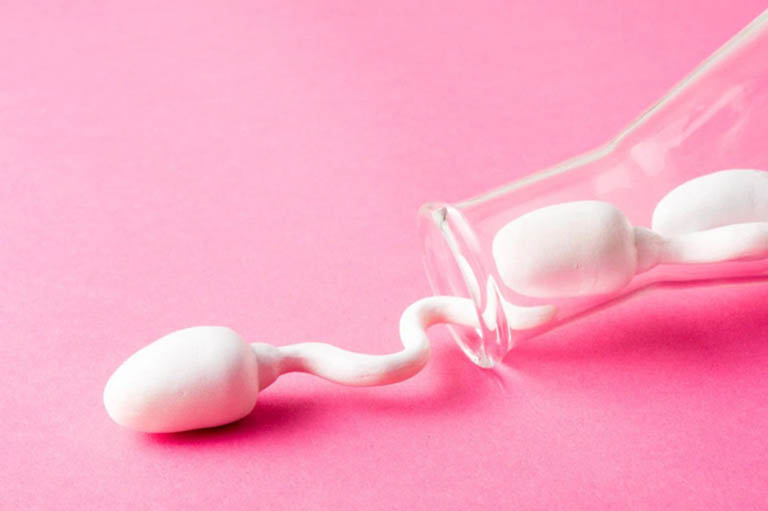
- Suppression of Spermatogenesis: Exogenous testosterone exerts negative feedback on the pituitary gland, suppressing LH and FSH release. This leads to reduced testicular sperm production, testicular volume reduction, and potential temporary or long-term infertility.
- Dermatological Effects: Oily skin, acne breakouts, and potential acceleration of male pattern baldness in genetically predisposed individuals.
- Fluid Retention and Gynecomastia: Excess testosterone can be converted into estradiol by the aromatase enzyme, causing fluid retention and breast tissue enlargement or sensitivity.
- Exacerbation of Sleep Apnea: TRT may worsen pre-existing untreated obstructive sleep apnea (OSA).

Absolute and Relative Contraindications
TRT should NOT be initiated in men presenting with any of the following absolute contraindications:
- Active or suspected prostate cancer or male breast carcinoma.
- Unevaluated prostate nodule or unexplained elevated baseline PSA.
- Severe untreated erythrocytosis (hematocrit > 52–54%).
- Uncontrolled severe congestive heart failure.
- Men actively planning biological fatherhood in the near future.
- Severe untreated obstructive sleep apnea.
Mandatory Safety Monitoring Schedule
Regular follow-up appointments are essential during TRT:
- First Year: Medical evaluation, total testosterone measurement, hematocrit, and PSA testing at 3 months, 6 months, and 12 months post-initiation.
- Long-Term Oversight: Annual clinical reviews including digital rectal examination, lipid panel, liver function, hematocrit, and serum hormone levels.
Common Misconceptions and Dangerous Pitfalls in TRT
Misunderstandings regarding testosterone therapy often cause individuals to seek unsafe treatments or misuse hormonal medications.
TRT vs. Anabolic Steroid Abuse
It is essential to distinguish medically supervised TRT from anabolic steroid abuse. TRT aims solely to restore testosterone to physiological levels (300–1000 ng/dL) under strict clinical monitoring. In contrast, anabolic steroid abuse involves taking non-prescribed supraphysiological doses (often 5 to 20 times above physiological limits) without medical screening, leading to severe cardiovascular damage, liver toxicity, psychological aggression, and endocrine collapse.
The Risks of Self-Medication and Online Black-Market Products
Purchasing unverified testosterone injections or supplements online without a prescription carries grave health risks. Counterfeit hormone preparations frequently contain incorrect dosages, harmful contaminants, or unlisted toxic compounds. Self-administering testosterone without lab tests risks undetected polycythemia, organ damage, irreversible fertility loss, and severe hormonal imbalances.
Integrated Male Health Care: The Role of Men’s Health Pharmacy
Managing male hormonal health requires an integrated approach that connects clinical evaluation with professional pharmaceutical guidance.
Within the Men’s Health Center ecosystem—founded by Dr. Tra Anh Duy (TS.BS.CK2 Trà Anh Duy)—patients receive comprehensive, specialized care tailored to male reproductive, endocrine, and sexual wellness. Men’s Health Pharmacy operates as a core component within this healthcare ecosystem, ensuring that all prescribed hormone therapies are handled with strict clinical compliance, absolute authenticity, and complete patient confidentiality.
Working in close synergy with specialized male health physicians, experienced pharmacists at Men’s Health Pharmacy provide personalized consultation. They guide patients on correct gel application, proper injection techniques, potential drug interactions, and safety storage. By prioritizing clinical professionalism, safety, privacy, and individualized treatment, the pharmacy supports men through every stage of their hormone management plan without promoting unverified claims or improper medication use.
Lifestyle Modifications to Support Natural Hormone Balance
Medical therapy should always be complemented by healthy lifestyle choices that promote endogenous endocrine health and cardiovascular wellness.
Nutrition and Body Weight Optimization
- Maintain Healthy Body Fat Levels: Excess visceral fat increases aromatase activity, converting free testosterone into estrogen. Achieving a healthy body mass index (BMI) helps stabilize natural hormone balance.
- Balanced Micronutrient Intake: Ensure adequate dietary intake of zinc, vitamin D, magnesium, and healthy saturated and monounsaturated fats, which serve as essential building blocks for steroid hormone synthesis.
- Limit Alcohol and Processed Foods: Chronic excessive alcohol consumption directly damages Leydig cells and impairs liver metabolism of hormones.
Sleep, Exercise, and Stress Management
- Prioritize Sleep Hygiene: The majority of daily testosterone release occurs during deep REM sleep. Chronic sleep deprivation (fewer than 6 hours per night) significantly suppresses morning testosterone levels.
- Engage in Resistance Training: Regular weightlifting and compound resistance exercises stimulate transient spikes in testosterone release and improve peripheral insulin sensitivity.
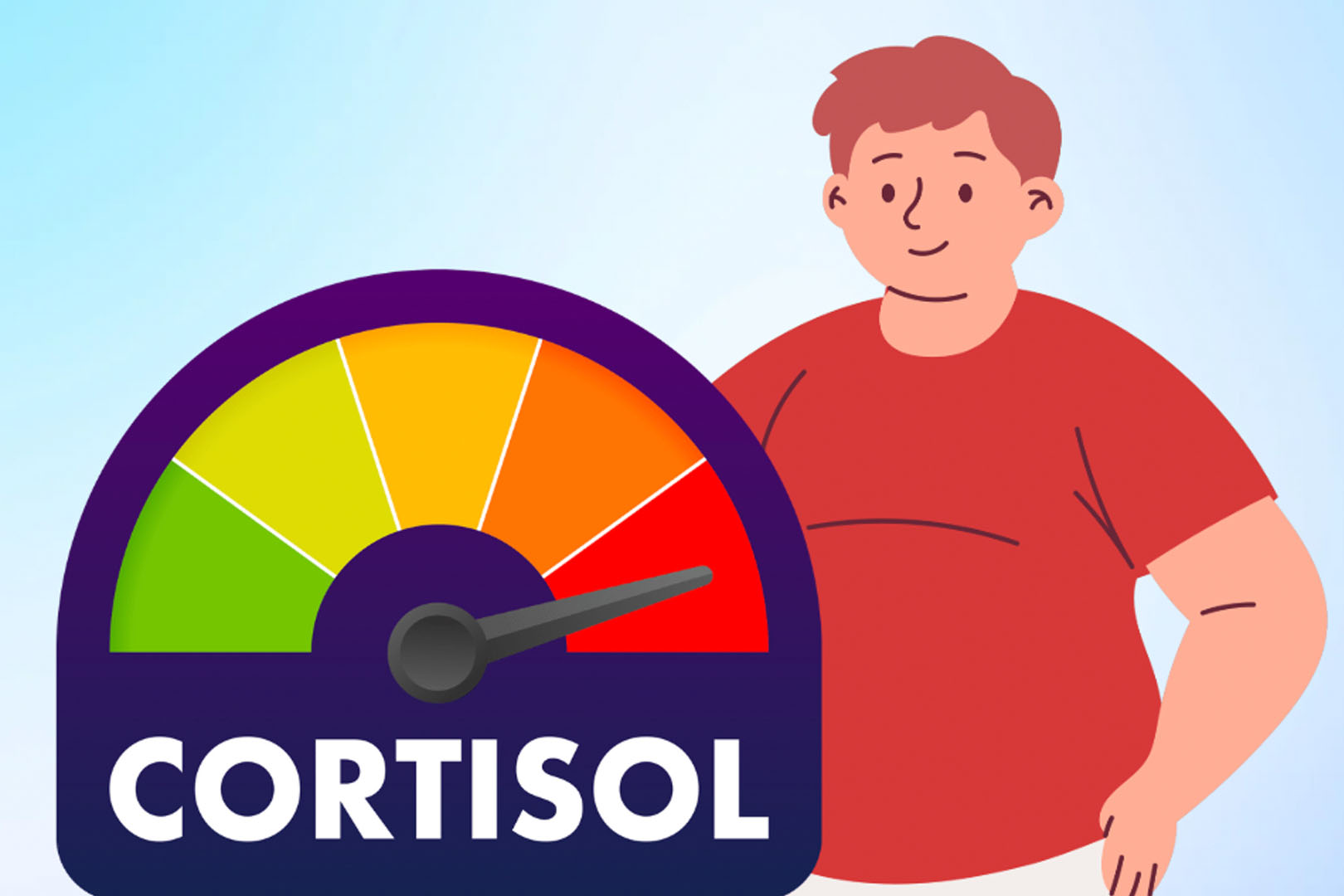
- Manage Chronic Stress: Prolonged psychological stress elevates cortisol levels. Elevated cortisol acts antagonistically against testosterone synthesis in the HPG axis.
Testosterone Replacement Therapy (TRT) and Frequently Asked Questions
Is Testosterone Replacement Therapy (TRT) a lifelong treatment?
For most men with organic primary or secondary hypogonadism, TRT is a long-term or lifelong treatment. Because the therapy replaces a hormone the body can no longer produce naturally in sufficient amounts, discontinuing TRT usually results in testosterone levels returning to their baseline low levels along with the recurrence of clinical symptoms.
Does TRT cause permanent male infertility?
TRT significantly suppresses pituitary secretion of LH and FSH, which halts natural sperm production (spermatogenesis) and typically causes temporary infertility. While sperm production often recovers after stopping TRT, recovery can take several months or years and is not guaranteed for every individual. Men who desire future fertility should discuss alternative options—such as human chorionic gonadotropin (hCG) or selective estrogen receptor modulators (SERMs)—with their specialist before starting therapy.
Will starting TRT cause prostate cancer?
Current high-quality clinical research demonstrates that TRT does not cause prostate cancer in men without pre-existing disease. However, exogenous testosterone can stimulate the growth of pre-existing, untreated prostate carcinoma. For this reason, rigorous baseline prostate screening (PSA blood test and digital rectal exam) is mandatory before initiating therapy and during ongoing treatment.
How quickly will I notice results after beginning TRT?
Initial improvements in sexual desire, morning erections, and energy levels typically appear within 3 to 6 weeks of starting treatment. Changes in body composition—such as increased muscle strength, reduced fat mass, and enhanced bone mineral density—require longer, developing progressively over 3 to 12 months of consistent, monitored therapy.
Can TRT completely cure erectile dysfunction?
TRT significantly improves erectile function in men whose dysfunction is directly caused by hypogonadism. However, if erectile dysfunction stems primarily from vascular disease, nerve damage, or psychological factors, restoring hormone levels alone may not fully resolve the issue. In such cases, specialists may combine TRT with targeted therapies such as PDE5 inhibitors.
Are topical testosterone gels safer than testosterone injections?
Neither formulation is inherently safer; both effectively restore testosterone when used appropriately. Gels provide steady daily hormone levels that mimic natural biological rhythms, but require caution to avoid transferring gel onto skin contact partners. Injections require less frequent administration but can create fluctuations in energy and mood between doses. A physician helps select the optimal method based on individual clinical needs.
Can healthy young men take TRT for energy or bodybuilding?
No. TRT is a medical treatment reserved exclusively for individuals with clinically diagnosed hypogonadism verified by laboratory testing. Taking testosterone for cosmetic body enhancement or athletic performance shuts down natural hormone production, damages long-term fertility, and exposes healthy individuals to severe cardiovascular, hepatic, and psychological risks.
Conclusion and Medical Guidance
Testosterone Replacement Therapy (TRT) is a scientifically validated medical treatment that restores vitality, sexual health, physical strength, and metabolic function in men suffering from confirmed hypogonadism. However, TRT is not a anti-aging shortcut, a cosmetic muscle builder, or a quick solution for general stress and fatigue.
Initiating hormone replacement requires careful diagnostic evaluation, including repeated morning blood tests and baseline health checks, followed by expert physician and pharmacist supervision. Self-diagnosis, purchasing unregulated products online, or skipping routine safety monitoring introduces serious health risks to the cardiovascular, reproductive, and prostate systems.
If you suspect you are experiencing symptoms of low testosterone, seek professional evaluation from a qualified male health specialist. Within integrated healthcare environments like the Men’s Health Center and Men’s Health Pharmacy ecosystem, expert medical professionals work together to provide thorough diagnostic evaluations, authentic prescription therapies, and comprehensive follow-up care—ensuring your treatment journey remains safe, professional, confidential, and tailored to your health needs.