

Overactive bladder (OAB) in men is a common lower urinary tract syndrome characterized by a sudden, compelling desire to urinate that is difficult to defer. This symptom complex significantly impairs daily activities, sleep quality, and psychosocial well-being. Understanding the underlying pathophysiology, recognizing early clinical manifestations, and undergoing accurate medical evaluation are essential steps to achieve effective symptom control and prevent long-term complications.
What Is Overactive Bladder (OAB) in Men and Its Pathophysiology?
Overactive bladder (OAB) in men is a clinical diagnosis defined by the International Continence Society (ICS) as urinary urgency, usually accompanied by frequency and nocturia, with or without urgency urinary incontinence, in the absence of a urinary tract infection or other obvious pathology. It is primarily a neuromuscular dysregulation of the detrusor muscle within the bladder wall.
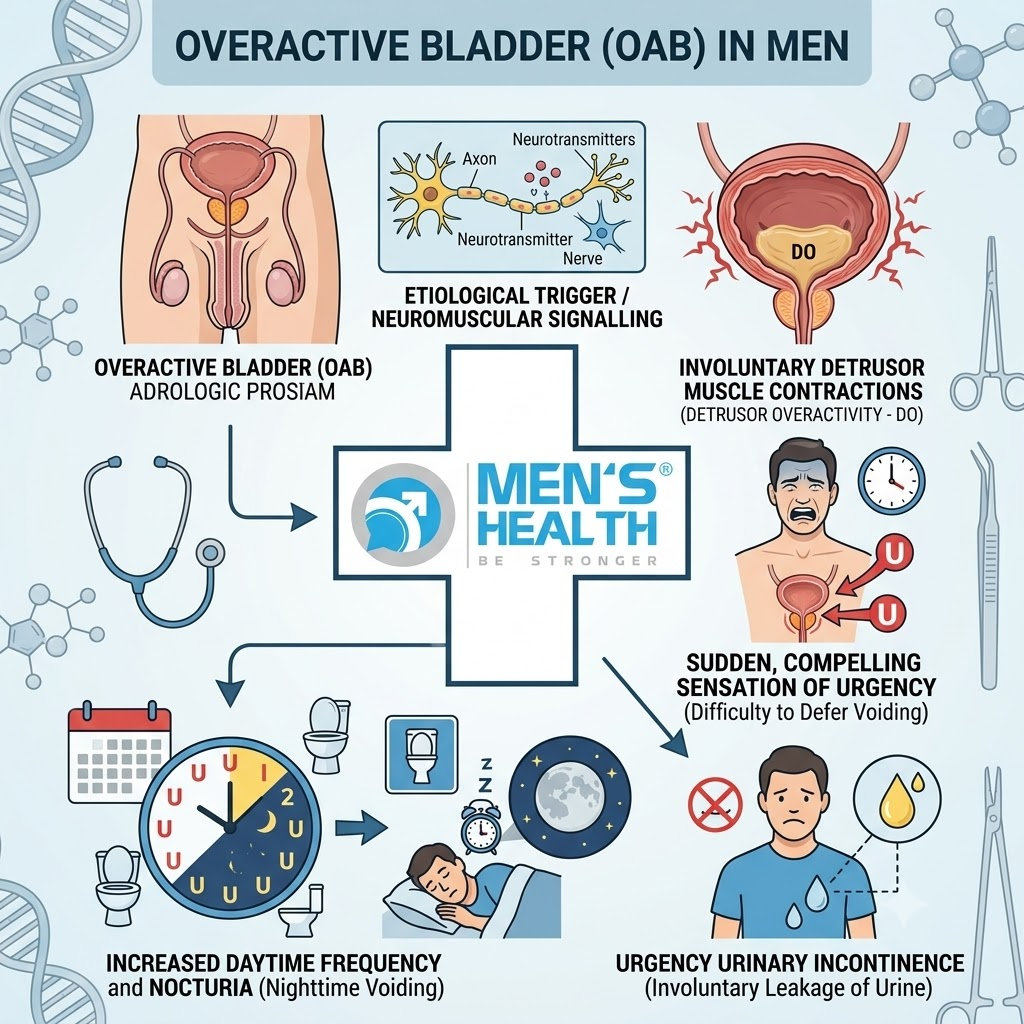
The underlying pathophysiological mechanisms of OAB involve complex neuro-urological signaling pathways:
- Detrusor Overactivity (DO): Involuntary contractions of the detrusor muscle during the storage phase of micturition, mediated by muscarinic receptor activation ( and subtypes) by acetylcholine.
- Afferent Nerve Hypersensitivity: Increased sensitivity of unmyelinated C-fibers and suburothelial sensory receptors, leading to premature signals of bladder fullness transmitted to the central nervous system.
- Structural and Ischemic Alterations: Urothelial dysfunction and microvascular ischemia in the bladder wall, often Secondary to bladder outlet obstruction (BOO), impair detrusor compliance and stability.
Causes and Risk Factors of Overactive Bladder in Men
Overactive bladder in men frequently presents as a multifactorial condition involving anatomical, neurological, and lifestyle factors.
Primary Etiologies
- Bladder Outlet Obstruction (BOO): Most commonly caused by Benign Prostatic Hyperplasia (BPH). Chronic urethral resistance alters detrusor architecture, leading to compensatory detrusor hypertrophy and secondary overactivity.
- Neurological Disorders: Conditions disrupting central inhibitory pathways—such as Parkinson’s disease, cerebrovascular accidents (stroke), multiple sclerosis, or spinal cord injuries—result in neurogenic detrusor overactivity.
- Age-Related Changes: Age-associated degeneration of bladder smooth muscle, altered collagen ratios, and reduced central nervous system inhibition increase OAB prevalence in older men.
- Idiopathic Detrusor Overactivity: Cases where no clear structural or neurological cause can be identified despite thorough urological workup.
Contributory Risk Factors
- Dietary and Chemical Irritants: High intake of caffeine, alcohol, artificial sweeteners, carbonated beverages, and spicy foods stimulates urothelial receptors and exacerbates urgency.
- Metabolic Syndrome and Obesity: Systemic inflammation, increased intra-abdominal pressure, and vascular compromise associated with diabetes mellitus and hyperlipidemia contribute to lower urinary tract symptoms.
- Chronic Pelvic Pain Syndrome (CPPS) and Anxiety: Psychological stress and pelvic floor muscle hypertonicity heighten visceral sensitivity and voiding perception.
Key Signs and Symptoms of Overactive Bladder in Men
The clinical diagnosis of OAB relies on a specific constellation of storage lower urinary tract symptoms (LUTS).
| Symptom (Term) | Clinical Description | Pathophysiological Context |
|---|---|---|
| Urgency (Urgency) | Sudden, compelling desire to pass urine that is difficult to delay. | The hallmark symptom of OAB; caused by abrupt detrusor contraction or sensory hypersensitivity. |
| Daytime Frequency (Increased Daytime Frequency) | Needing to urinate ≥8 times during waking hours. | Reduced functional bladder capacity due to premature urge sensations. |
| Nocturia (Nocturia) | Waking up ≥2 times per night to void, preceded and followed by sleep. | Circadian disruptions, nocturnal polyuria, or reduced nocturnal bladder capacity. |
| Urgency Urinary Incontinence (UUI) (Urgency Incontinence) | Involuntary leakage of urine accompanied or immediately preceded by urgency. | Detrusor pressure exceeding urethral closure pressure during an uninhibited contraction. |
When to Seek Immediate Medical Evaluation
While OAB is primarily a functional storage disorder, lower urinary tract symptoms can overlap with serious underlying urological conditions. Men experiencing urinary symptoms should be evaluated by a healthcare professional.
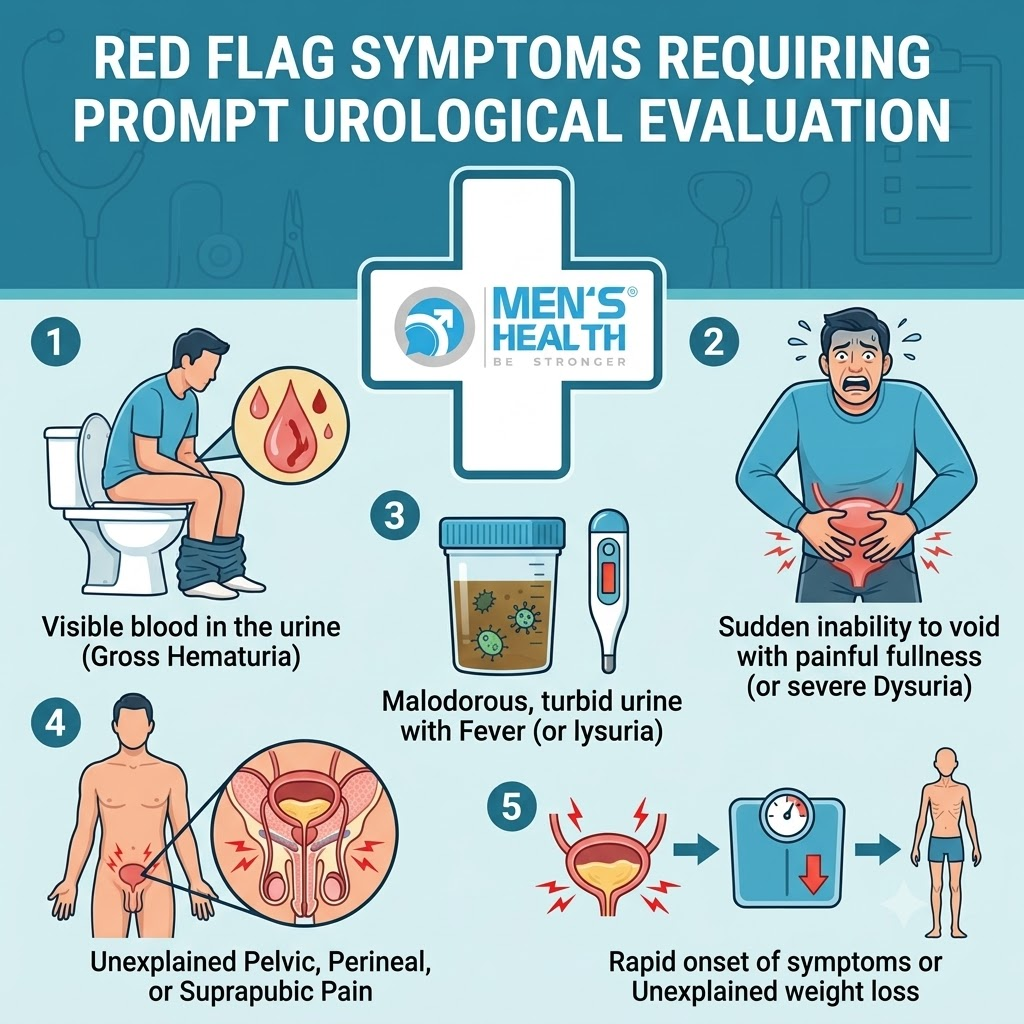
Clinical Alert: The sudden emergence of urinary urgency accompanied by hematuria or pain requires immediate clinical investigation to rule out urolithiasis, urinary tract infection, or urothelial carcinoma (bladder cancer).
Diagnostic Approach to Overactive Bladder in Men
Accurate diagnosis requires differentiating OAB from overflow incontinence, urinary tract infection, prostate pathology, and bladder malignancy.
Diagnostic Workup Procedures
- Detailed History and Validated Questionnaires: Utilization of standardized tools such as the International Prostate Symptom Score (IPSS) and the OAB Symptom Score (OABSS) to quantify symptom severity and quality-of-life impact.
- Bladder Diary (Voiding Diary): A 3-day record of fluid intake, voided volumes, urgency episodes, and leakage events to establish baseline storage dynamics.
- Physical Examination: Focused digital rectal examination (DRE) to evaluate prostate size, contour, and nodularity, alongside a focused neurological exam of lower extremities and perineal sensation.
- Urinalysis and Urine Culture: Dipstick and microscopic evaluation to exclude microscopic hematuria, glucosuria, proteinuria, and urinary tract infection.
- Post-Void Residual (PVR) Urine Measurement: Transabdominal ultrasound measurement to assess bladder emptying completeness and rule out urinary retention secondary to prostate obstruction.
- Urodynamic Testing (Urodynamics): Reserved for complex cases, failed initial therapy, or prior to surgical intervention to measure detrusor pressure, uroflowmetry, and confirm detrusor overactivity.
Pharmacological and Non-Pharmacological Management
Effective management of OAB in men utilizes a stepped-care approach combining lifestyle modifications, behavioral therapy, and targeted pharmacological agents.
First-Line Behavioral and Conservative Therapies
- Bladder Training: Scheduled voiding intervals gradually lengthened over time to restore cortical control over the voiding reflex.
- Pelvic Floor Muscle Training (PFMT): Kegel exercises to strengthen the levator ani muscle group, providing active neuromuscular inhibition of detrusor contractions during urgency spikes.
- Fluid Management: Regulating total fluid intake (1.5−2.0 L/day), limiting evening fluid ingestion, and eliminating bladder irritants (caffeine, alcohol).
Second-Line Pharmacological Interventions
Pharmacotherapy aims to reduce detrusor muscle tone during the storage phase. Treatment selection depends on patient comorbidities, age, and baseline cardiac status.
- Antimuscarinic / Anticholinergic Agents (e.g., Solifenacin, Darifenacin, Oxybutynin, Tolterodine):
- Mechanism: Competitive inhibition of post-synaptic muscarinic receptors on detrusor smooth muscle cells, reducing uninhibited contractions.
- Prescription Status: Prescription-Only Medicine. Must be prescribed following medical assessment.
- Clinical Considerations: Requires cautious dosing in elderly patients due to potential central nervous system effects.
- Beta-3 Adrenoceptor Agonists (e.g., Mirabegron, Vibegron):
- Mechanism: Selective activation of -adrenergic receptors on the detrusor, inducing smooth muscle relaxation during the storage phase without inhibiting voiding contractions.
- Prescription Status: Prescription-Only Medicine.
- Clinical Considerations: Preferred in patients with anticholinergic side-effect concerns; requires blood pressure monitoring in severe hypertension.
Adverse Effects, Contraindications, and Pharmacological Safety
Pharmacological therapies for OAB carry distinct safety profiles that necessitate professional oversight by physicians and clinical pharmacists.
| Drug Class | Pharmacological Objective | Notable Adverse Effects | Key Contraindications & Cautions |
|---|---|---|---|
| Antimuscarinics (Solifenacin, Oxybutynin) | Inhibit detrusor M3 contractions during storage phase | Dry mouth, constipation, blurred vision, urinary retention, cognitive decline | Uncontrolled narrow-angle glaucoma, severe urinary retention, gastric retention, myasthenia gravis |
| Beta-3 Agonists (Mirabegron) | Stimulate β3 receptors to enhance bladder storage volume | Nasopharyngitis, elevated blood pressure, headache, tachycardia | Severe uncontrolled hypertension (≥180/110 mmHg), end-stage renal disease |
Essential Medication Safety Rules
- Individualized Evaluation: Pharmacotherapy must be tailored after assessing post-void residual volume to prevent triggering acute urinary retention, especially in men with concurrent BPH.
- Adherence and Follow-Up: Patients should not alter dosages or abruptly discontinue medication without consulting their clinician. Adverse effects like dry mouth or constipation can often be managed through dose adjustments or formulations.
- Strict Avoidance of Self-Medication: Over-the-counter herbal remedies or unverified supplements claiming “instant bladder control” lack clinical efficacy data and may interact dangerously with prescription drugs.
Lifestyle Modifications and Preventive Strategies
Integrating structured health habits aids in mitigating symptoms and maximizing treatment outcomes:
- Dietary Calibration: Identify and reduce dietary triggers using an elimination diet approach. Replace caffeinated beverages with water or non-citrus herbal teas.
- Weight Management: Reducing intra-abdominal pressure through weight loss significantly decreases stress and urgency loads on the pelvic floor.
- Bowel Management: Preventing chronic constipation is critical, as a distended rectum mechanically compresses the bladder base and exacerbates detrusor instability.
- Smoking Cessation: Nicotine directly irritates the urothelium, and chronic coughing increases intra-abdominal strain on lower urinary tract structures.
Common Misconceptions Regarding OAB in Men
Misunderstandings often delay proper medical care among male patients:
- Misconception 1: “OAB is just a normal part of aging that must be tolerated.”
- Fact: While prevalence increases with age, OAB is a treatable medical condition. Modern conservative and pharmacological strategies offer significant symptom relief.
- Misconception 2: “All male urinary symptoms are caused by the prostate.”
- Fact: Although BPH and OAB frequently coexist, OAB is a primary storage problem of the bladder muscle itself. Treating the prostate alone without addressing detrusor overactivity may leave urgency symptoms unresolved.
- Misconception 3: “Drinking almost no water will stop urinary urgency.”
- Fact: Severe fluid restriction causes highly concentrated, hyperosmolar urine that irritates the urothelium, paradoxically worsening urgency and increasing urinary tract infection risk.
Comprehensive Men’s Health Ecosystem: Men’s Health Center & Pharmacy
Managing complex lower urinary tract conditions such as overactive bladder requires a coordinated, multidisciplinary medical approach that integrates clinical diagnostics with safe, patient-centered pharmaceutical care.
The Men’s Health Andrology Pharmacy is part of the Men’s Health Center ecosystem, founded by Dr. Tra Anh Duy, MD, PhD, Specialist Level II. Here, patients receive guidance, explanations, and support from doctors and pharmacists to help them choose the most appropriate healthcare solutions. Men’s Health prioritizes professionalism, safety, discretion, strict confidentiality, and respect for individual needs throughout the entire process of consultation, treatment, and follow-up care.
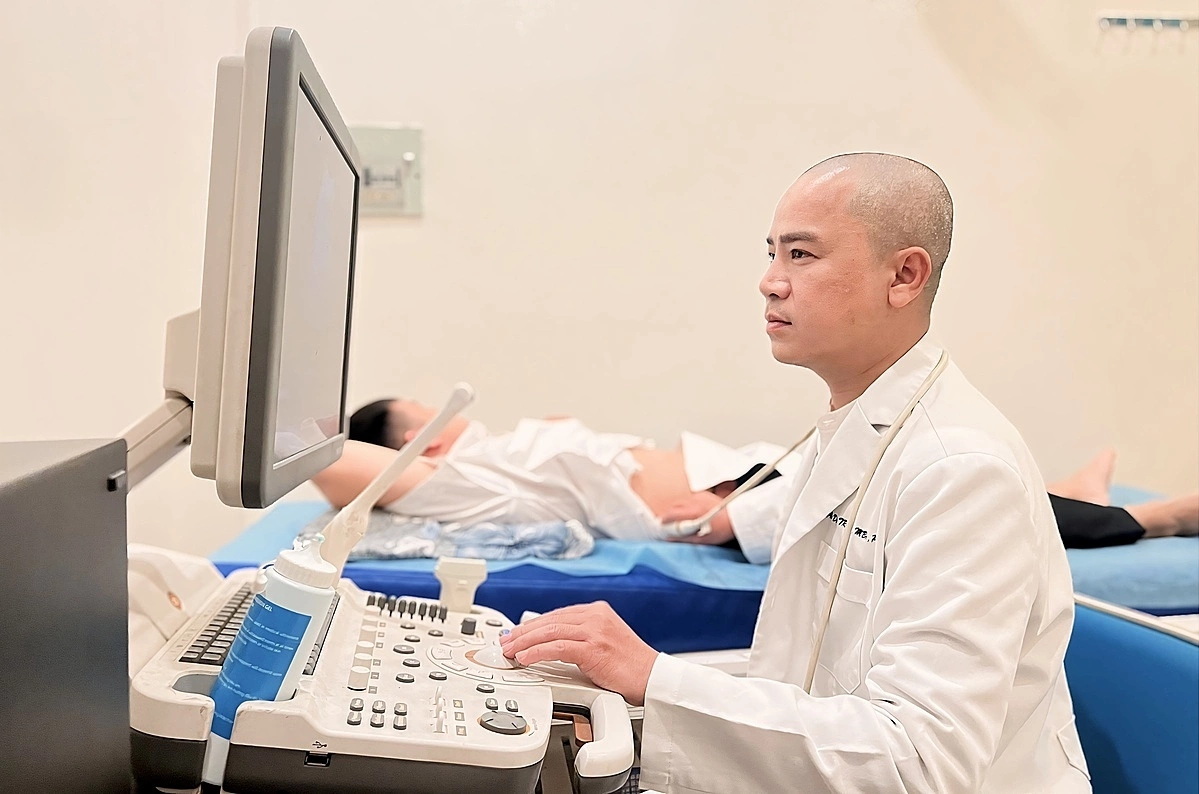
In the management of male storage symptoms, the collaborative evaluation between urologists and clinical pharmacists at Men’s Health ensures that prescription therapies—such as antimuscarinics or beta-3 agonists—are selected based on precise post-void residual screening, cardiovascular risk profiles, and potential drug interactions. This structured oversight guarantees that medication regimens remain safe, evidence-based, and tailored to the individual patient’s long-term health goals.
Overactive Bladder in Men: Frequently Asked Questions
1/ What is the primary difference between OAB and Benign Prostatic Hyperplasia (BPH)?
OAB is a bladder storage dysfunction characterized by urgency and frequency due to detrusor overactivity. BPH is an anatomical enlargement of the prostate gland causing bladder outlet obstruction, which typically presents with voiding symptoms such as weak stream, hesitancy, and straining. However, BPH can secondarily cause OAB symptoms.
2/ Can overactive bladder in men be completely cured?
OAB is generally managed rather than permanently “cured.” With a combination of behavioral modifications, pelvic floor exercises, and targeted prescription medications, the vast majority of men achieve significant symptom reduction and regain normal daily functioning.
3/ Are over-the-counter medications available for male OAB?
Effective pharmacological agents for OAB, including antimuscarinics and beta-3 agonists, are prescription-only medications. They require medical evaluation, post-void residual measurement, and cardiovascular assessment prior to initiation.
4/ Does drinking coffee make OAB symptoms significantly worse?
Yes. Caffeine is a known urothelial irritant and a mild diuretic. It directly stimulates detrusor muscle contraction and increases urine output, markedly escalating urgency and frequency.
5/ How long does it take for OAB medications to show clinical improvement?
Beta-3 agonists and antimuscarinics usually begin demonstrating noticeable efficacy within 1 to 2 weeks of continuous use, with maximum therapeutic benefits typically observed between 4 to 8 weeks.
6/ Can pelvic floor exercises (Kegels) benefit men with OAB?
Yes. Performing pelvic floor muscle contractions triggers the reflex inhibition of the detrusor muscle (the guard reflex), helping men suppress sudden urgency waves and improve bladder storage control.
Clinical Summary and Expert Guidance
Overactive bladder in men is a manageable medical condition defined by urinary urgency, frequency, and nocturia that should not be dismissed as an inevitable consequence of aging. Relying on unverified dietary supplements, self-medication, or extreme fluid restriction can exacerbate symptoms or delay the identification of underlying urological conditions.
Men experiencing persistent urinary urgency or disruption of daily routines should seek professional evaluation at a qualified medical facility. Through accurate clinical assessment, tailored lifestyle interventions, and evidence-based pharmacotherapy supervised by experienced physicians and clinical pharmacists, effective symptom control and restored quality of life are fully attainable.