
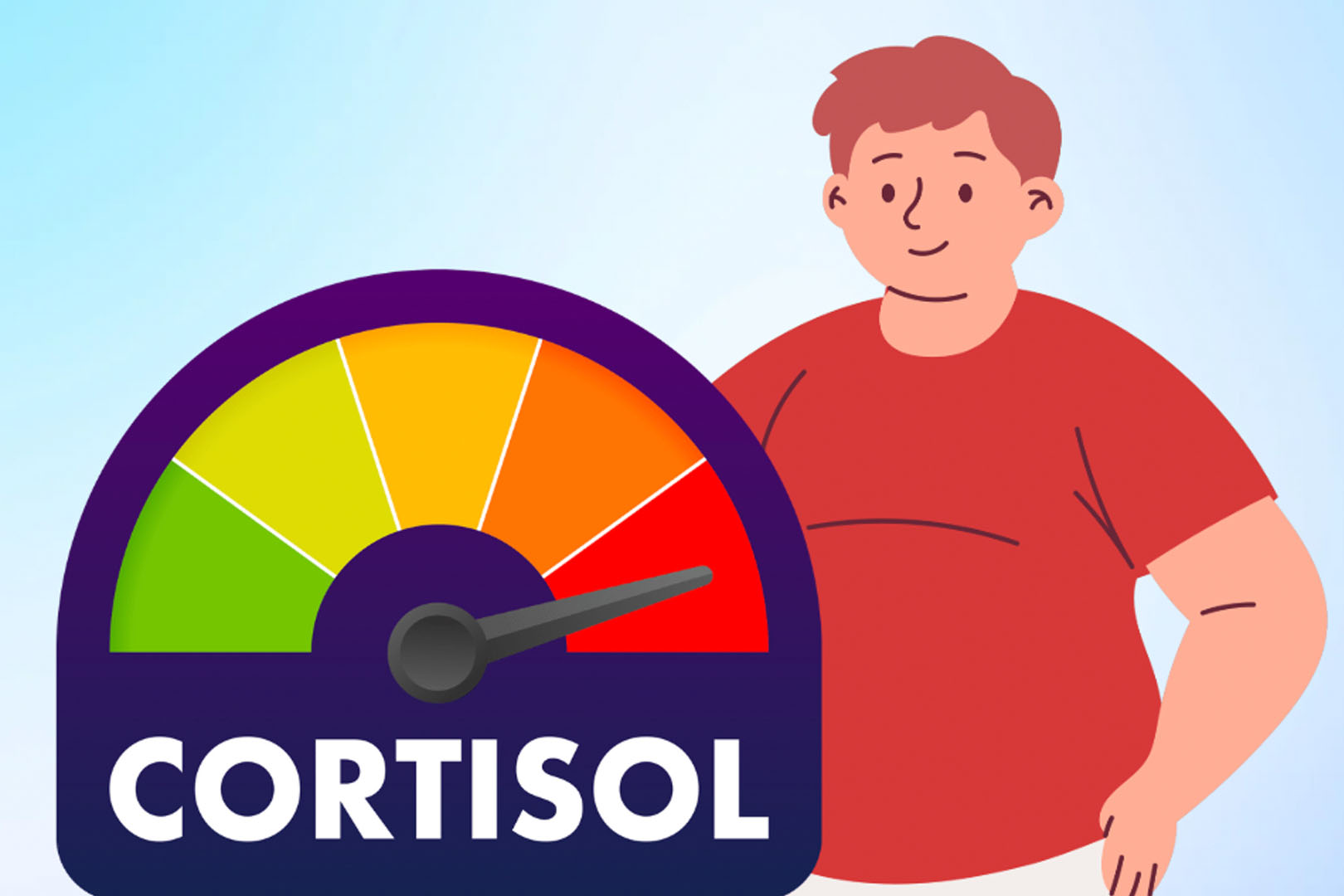
Abnormalities in cortisol levels within the body can cause severe metabolic, hemodynamic, and energy-regulation disorders, requiring timely evaluation by an endocrinologist. Cortisol—commonly known as the “stress hormone”—plays a vital role in regulating blood pressure, controlling blood glucose, mediating anti-inflammatory responses, and maintaining cardiovascular function. When this hormone remains abnormally elevated or depleted over an extended period without diagnosis, both men and women face the risk of paroxysmal cardiovascular events, acute adrenal crisis, or profound physiological dysfunction.
1. What Is Cortisol? Physiological Role of Cortisol in the Body
Cortisol is an essential glucocorticoid hormone produced and secreted by the adrenal cortex under the governance of the Hypothalamic-Pituitary-Adrenal (HPA) axis.
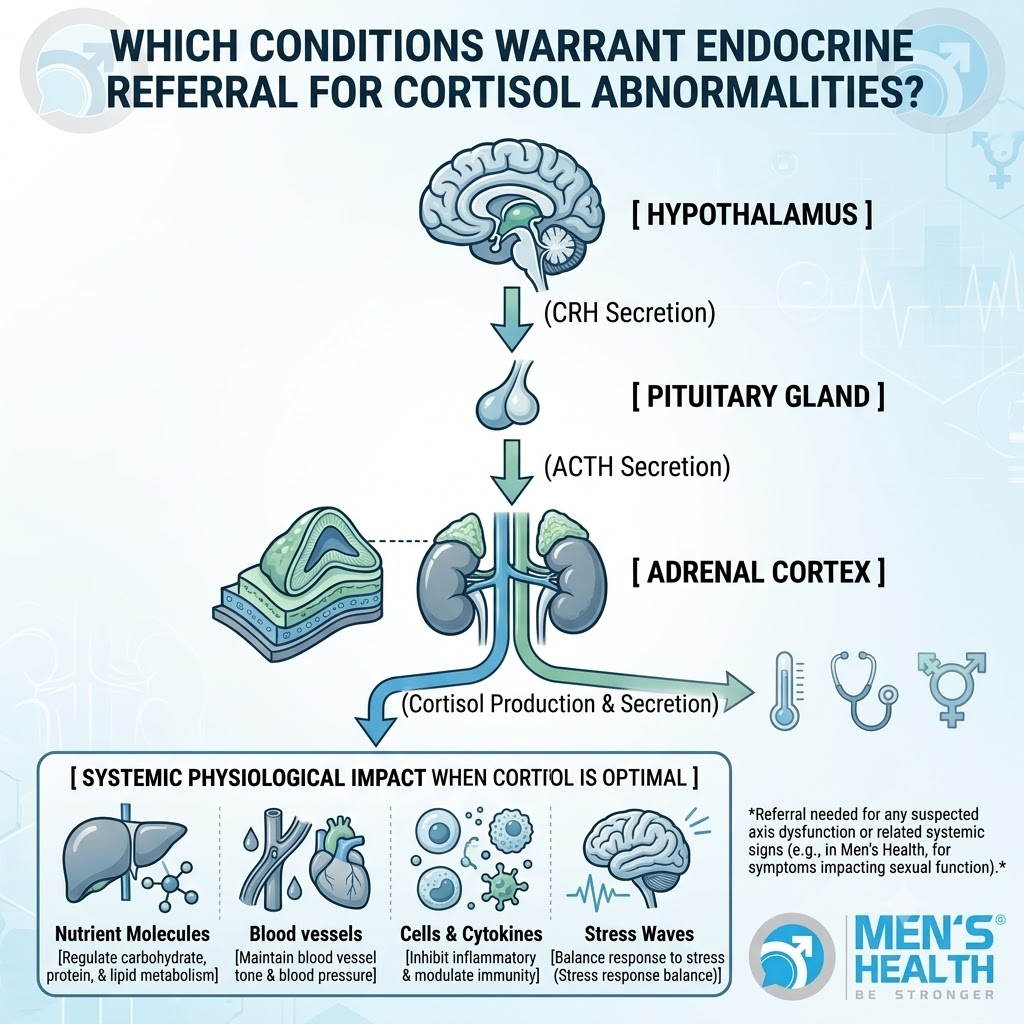
According to current clinical endocrinology guidelines, cortisol is secreted in a distinct diurnal circadian rhythm: peaking between 6:00 AM and 8:00 AM (promoting alertness and energy mobilization) and declining to its nadir around midnight. Any prolonged desynchronization or pathologically altered baseline (hypercortisolism or hypocortisolism) indicates underlying pathology within the adrenal glands, pituitary gland, or exogenously induced drug side effects.
2. Recognizing Manifestations of Chronic Cortisol Dysregulation
Cortisol disorders present clinically as two contrasting entities: Cushing’s syndrome (hypercortisolism) and adrenal insufficiency (hypocortisolism).
Manifestations of Hypercortisolism (Cushing’s Syndrome / Glucocorticoid Excess)
Chronic cortisol excess exerts detrimental effects across all metabolic systems and connective tissues:
- Central Obesity: Pathognomonic centripetal fat redistribution resulting in facial fullness (“moon facies”), dorsocervical fat pad accumulation (“buffalo hump”), and truncal obesity, contrasted by peripheral muscle wasting and thin extremities.
- Dermatological Alterations: Cutaneous atrophy, increased capillary fragility leading to easy bruising under minimal trauma, and wide (>1cm), violaceous abdominal, thigh, and striae rubrae.
- Metabolic Derangements: Refractory systemic hypertension, impaired glucose tolerance or secondary diabetes mellitus, and dyslipidemia.
- Male Sexual Dysfunction: Decreased libido, erectile dysfunction, and mild testicular atrophy due to hypercortisolism-induced suppression of the Hypothalamic-Pituitary-Gonadal (HPG) axis, leading to hypogonadotropic hypogonadism.
Manifestations of Hypocortisolism (Addison’s Disease / Adrenal Insufficiency)
Inadequate cortisol synthesis impairs the body’s capacity to maintain vascular tone and adapt to physiological stress:
- Chronic Asthenia and Fatigue: Debilitating, unexplained exhaustion and generalized proximal muscle weakness.
- Orthostatic Hypotension: Postural dizziness, lightheadedness, presyncope, or syncope upon standing.
- Pathological Hyperpigmentation (Primary Addison’s Disease): Cutaneous and mucosal hyperpigmentation, particularly prominent along palmar creases, extensor surfaces (elbows), and buccal mucosa, driven by elevated ACTH levels stimulating melanocytes.
- Gastrointestinal Distress & Weight Loss: Anorexia, nausea, vomiting, persistent diarrhea, and rapid involuntary weight loss.
- Fasting Hypoglycemia: Episodes of diaphoresis, tremors, tachycardia, and anxiety during fasting states.
3. When Should You Consult an Endocrinologist for Cortisol Abnormalities?
Early recognition of the threshold for endocrinological intervention is critical to prevent life-threatening complications. Patients should seek immediate medical evaluation under the following clinical circumstances:
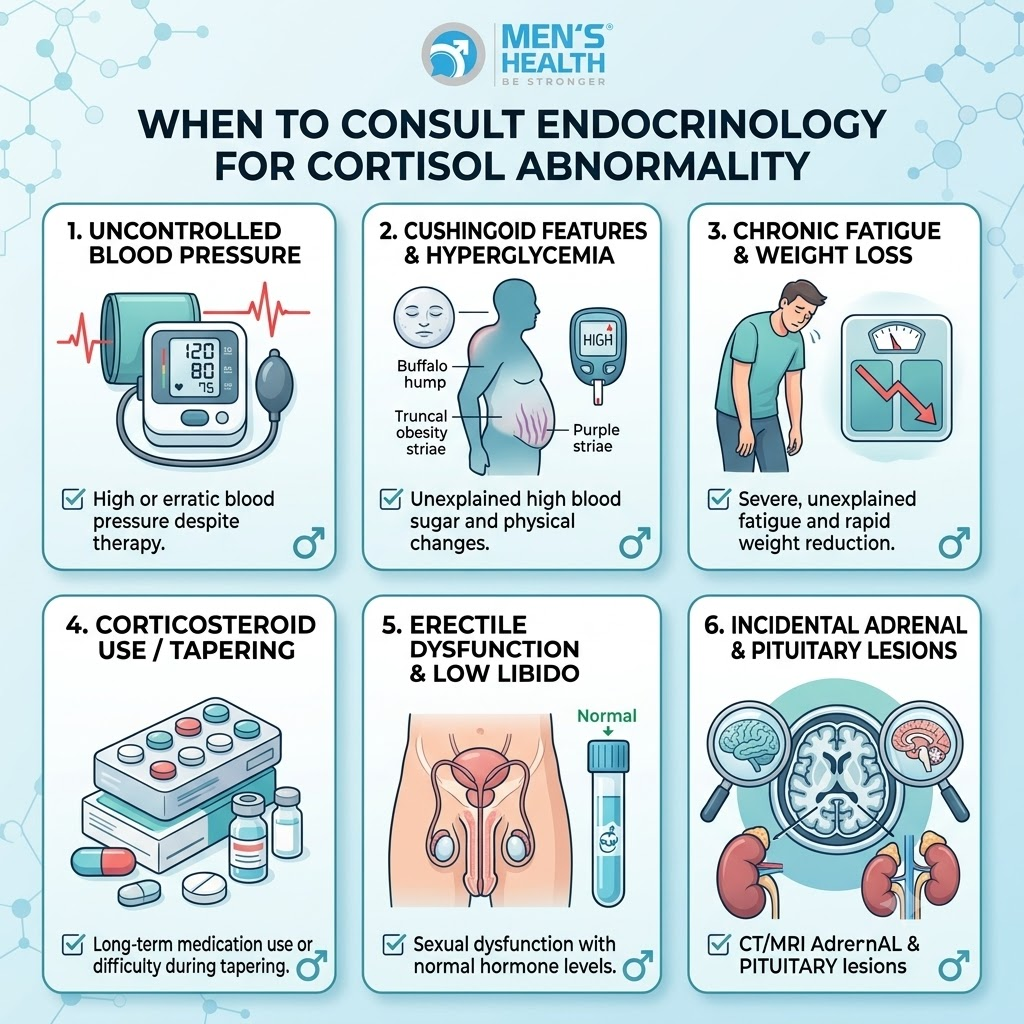
CRITICAL WARNING: Acute Adrenal Crisis (Addisonian Crisis)
An acute adrenal crisis is a life-threatening endocrinological emergency caused by a sudden, severe deficit in circulating cortisol. Immediate transfer to the nearest Emergency Department is required if the patient exhibits:
- Profound hypotension (refractory shock or unmeasurable blood pressure) with weak, thready tachycardia.
- Severe acute abdominal pain, intractable vomiting, and profuse diarrhea leading to hypovolemic dehydration.
- High fever, delirium, somnolence, altered mental status, or coma.
4. Etiology and Risk Factors of Cortisol Abnormalities
Cortisol dysregulation stems from endogenous metabolic pathologies or exogenous suppressive factors.
Etiology of Hypercortisolism (Cushing’s Syndrome / Cushing’s Disease)
- Exogenous Corticoid Misuse: The most prevalent etiology globally. Unsupervised, long-term administration of systemic corticosteroids (e.g., Dexamethasone, Prednisolone, Betamethasone) or undisclosed adulterated remedies for joint pain, allergies, or asthma.
- ACTH-Secreting Pituitary Adenoma (Cushing’s Disease): Autonomous pituitary secretion of ACTH inducing bilateral adrenal cortical hyperplasia and hypercortisolemia.
- Adrenal Neoplasms: Autonomous cortisol production by benign adrenal adenomas or adrenocortical carcinomas independent of ACTH regulation.
- Ectopic ACTH Syndrome: Non-pituitary neuroendocrine tumors (e.g., small cell lung carcinoma) secreting ectopic ACTH.
Etiology of Hypocortisolism (Adrenal Insufficiency)
- Secondary Adrenal Insufficiency via Abrupt Corticoid Withdrawal: Prolonged exogenous corticosteroid administration induces complete HPA-axis suppression. Sudden withdrawal leads to acute deficiency because the atrophied adrenal cortex cannot immediately resume steroidogenesis.
- Addison’s Disease (Primary Adrenal Insufficiency): Autoimmune destruction of the adrenal cortex, infectious etiologies (e.g., adrenal tuberculosis), or bilateral adrenal hemorrhage.
- Hypothalamic-Pituitary Lesions: Secondary/tertiary failure caused by pituitary adenomas, transsphenoidal surgery, cranial radiotherapy, or traumatic brain injury.
5. Diagnostic Workflow for Cortisol Abnormalities in Endocrinology
Evaluating adrenocortical function requires rigorous diagnostic protocols adhering to strict chronobiological timing and patient preparation.
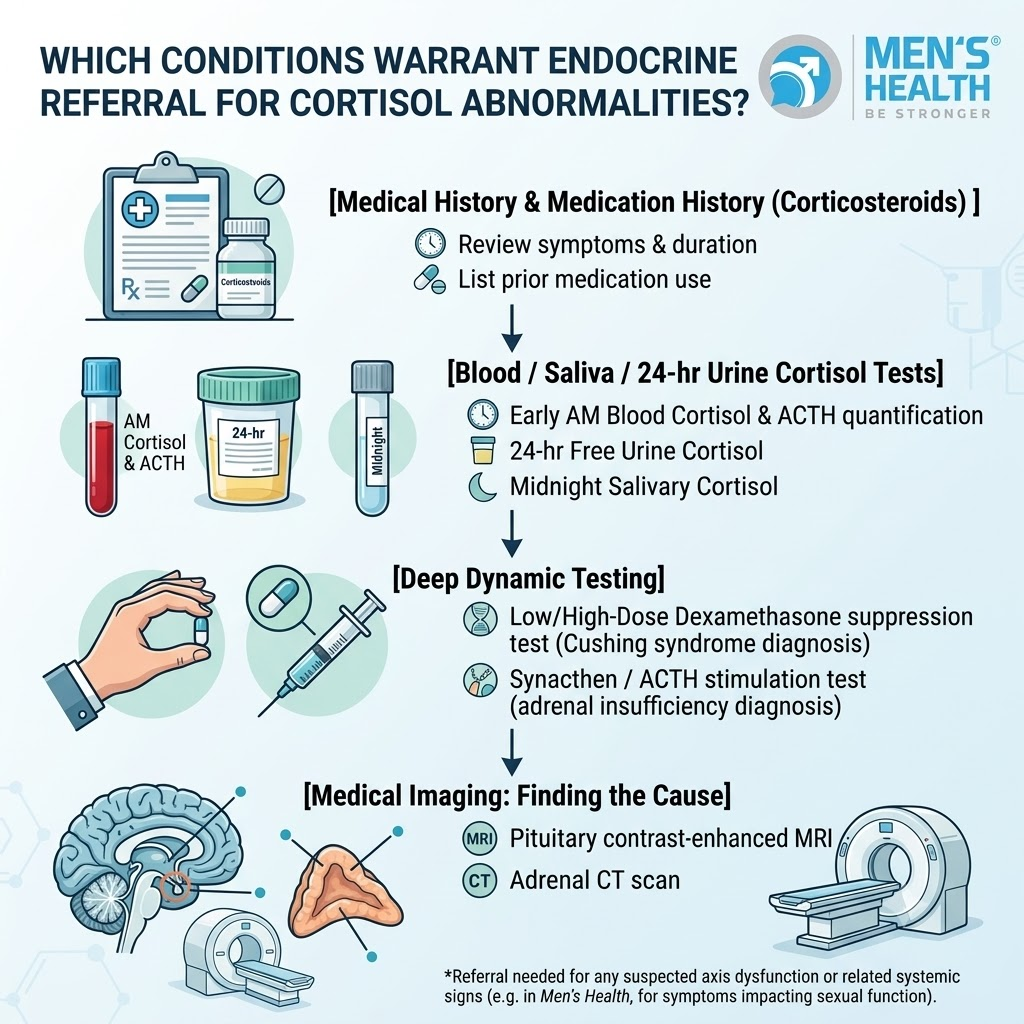
Static hormone measurements paired with dynamic functional testing allow endocrinologists to localize the pathology to the adrenal cortex, anterior pituitary, or hypothalamus.
6. Therapeutic Modalities and Pharmacological Interventions
Management strategies depend strictly on the underlying etiology and subtype of cortisol dysregulation.
Treatment of Hypercortisolism (Cushing’s Syndrome)
- Surgical Intervention: Transsphenoidal resection for ACTH-secreting pituitary adenomas or laparoscopic adrenalectomy for unilateral adrenal tumors serves as the primary definitive therapy.
- Medical Therapy: Adrenostatic agents that inhibit steroidogenesis (e.g., Ketoconazole, Metyrapone) are used as bridge therapy prior to surgery or when surgical intervention is contraindicated/failed.
- Iatrogenic Cushing’s: Managed via a structured, slow steroid taper (tapering protocol) supervised by an endocrinologist to allow gradually recovery of endogenous HPA axis function without precipitating adrenal insufficiency.
Treatment of Hypocortisolism (Adrenal Insufficiency)
- Glucocorticoid Replacement Therapy (GRT): Lifelong hormone replacement using synthetic glucocorticoids (Hydrocortisone or Prednisolone), prescribed in divided doses to mimic the physiological diurnal cortisol curve (higher dose upon awakening, lower dose in the late afternoon).
- Stress-Dosing Protocols: During physiological stress, infection, febrile illness, trauma, or surgical procedures, glucocorticoid dosages must be doubled or tripled (“stress dosing”) under medical guidance to avert an acute Addisonian crisis.
7. How Does Cortisol Dysregulation Affect Male Reproductive and Sexual Health?
Both chronic hypercortisolism and hypocortisolism disrupt male endocrine physiology, sexual performance, and spermatogenesis:
- Hypercortisolism (Cushing’s) & Sexual Dysfunction: Elevated systemic cortisol disrupts gonadotropin-releasing hormone (GnRH) pulsatility in the hypothalamus, decreasing luteinizing hormone (LH) and follicle-stimulating hormone (FSH) secretion. This secondary hypogonadism reduces Leydig cell testosterone production, causing diminished libido, erectile dysfunction, testicular atrophy, and impaired spermatogenesis.
- Adrenal Insufficiency & Stamina: Cortisol deficits manifest as severe orthostatic hypotension, systemic asthenia, and profound fatigue, eliminating physical capacity and sexual desire.
- Therapeutic Considerations: Prescribing phosphodiesterase type 5 (PDE5) inhibitors in men with underlying adrenal/cortisol disorders demands close cardiovascular monitoring due to baseline hemodynamic instability.
8. Clinical Recommendations: Lifestyle Modifications and Prevention
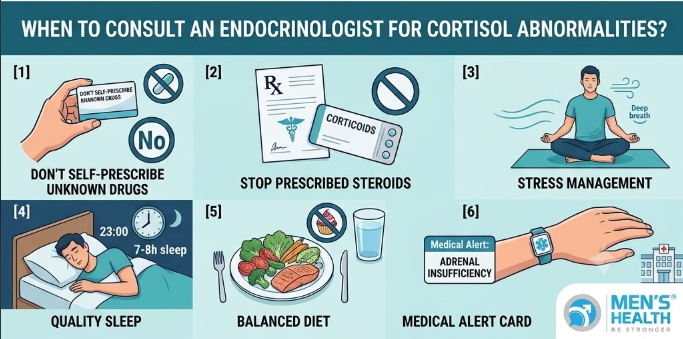
Alongside endocrinological pharmacotherapy, structured lifestyle adaptations support HPA-axis stability:
9. Common Diagnostic and Management Pitfalls
- Ordering Random Isolated Serum Cortisol Tests: Cortisol fluctuates significantly throughout the day. A single serum cortisol level drawn at 3:00 PM offers limited diagnostic value unless interpreted alongside morning baselines or evaluated within dynamic suppression/stimulation protocols.
- Abrupt Cessation of Steroids Following Symptom Relief: Stopping prescribed corticosteroids immediately after joint pain resolves triggers acute adrenal crisis, severe shock, and potential mortality.
- Dismissing Facial Fullness and Truncal Fat as Age-Related Weight Gain: Misattributing pathognomonic signs of Cushing’s syndrome (moon facies, dorsocervical pad) to metabolic slowing leads to delayed diagnosis.
- Confusing Adrenal Fatigue/Insufficiency with General Neurasthenia: Attempting to self-treat chronic asthenia with unproven supplements delays critical endocrinological evaluation and life-saving hormone replacement.
10. Healthcare Solutions at the Men’s Health Ecosystem
Evaluating complex endocrinological disorders and cortisol dysregulation requires precise laboratory diagnostics, thorough clinical evaluation, and specialized management protocols.
The Men’s Health Pharmacy is an integral component of the Men’s Health Center ecosystem, founded by Dr. Tra Anh Duy (MD, PhD, Spec. II). Here, patients receive evidence-based consultations, detailed clinical evaluations, and tailored therapeutic options delivered by experienced medical specialists and clinical pharmacists. Men’s Health emphasizes professional rigour, clinical safety, strict confidentiality, and personalized care throughout diagnostic evaluation, treatment, and ongoing clinical follow-up.

Within the Men’s Health ecosystem, male patients presenting with sexual dysfunction, chronic fatigue, or suspected endocrinopathic conditions undergo comprehensive evaluation. This includes precise hormone profiling, rigorous medication safety audits, and customized, safe therapeutic strategies.
11. Comparative Analysis: Hypercortisolism vs. Hypocortisolism
| Clinical Parameter | Hypercortisolism (Cushing’s Syndrome) | Hypocortisolism (Adrenal Insufficiency) |
| Circulating Cortisol | Markedly elevated; loss of diurnal rhythm | Depressed below physiological thresholds |
| Body Weight Variations | Central weight gain (truncal, facial, cervical) | Rapid involuntary weight loss, emaciation |
| Hemodynamic Status | Refractory systemic hypertension | Orthostatic hypotension; tendency to collapse |
| Dermatological Findings | Thin skin, ecchymoses, purple striae (>1 cm) | Hyperpigmentation of palmar creases and mucosa |
| Glycemic Control | Hyperglycemia / Secondary Diabetes Mellitus | Fasting hypoglycemia |
| Male Reproductive Impact | Hypogonadotropic hypogonadism, erectile dysfunction | Debilitating fatigue, total loss of libido |
Frequently Asked Questions Regarding Cortisol Abnormalities
What is the most accurate time of day to perform a serum cortisol test?
Venous serum cortisol testing is most accurate between 7:00 AM and 8:00 AM, following an overnight fast and adequate rest. To establish a definitive diagnosis, endocrinologists may also order a 24-hour urinary free cortisol (UFC) collection or a late-night salivary cortisol test (11:00 PM–12:00 AM).
What are the risks of taking traditional herbal joint remedies adulterated with Dexamethasone?
Dexamethasone is a potent synthetic glucocorticoid. Prolonged ingestion suppresses pituitary ACTH secretion, resulting in profound adrenal cortical atrophy and loss of endogenous cortisol production. Sudden cessation removes exogenous support while the adrenal glands remain unresponsive, precipitating a life-threatening acute adrenal crisis.
Can cortisol dysregulation be completely cured?
Curability depends entirely on the underlying pathology. If caused by a benign adrenal or pituitary adenoma, surgical resection often yields a complete cure. If caused by exogenous corticosteroid overuse, adrenal recovery can take several months to years under a structured tapering protocol. In autoimmune Addison’s disease, lifelong hormone replacement therapy is required.
Can cortisol abnormalities cause premature ejaculation or male infertility?
Yes. Chronic elevations or severe deficits in cortisol disrupt the Hypothalamic-Pituitary-Gonadal axis, altering gonadotropin secretion, impairing Leydig cell function, and disrupting spermatogenesis, which leads to male subfertility/infertility. Additionally, associated erectile dysfunction and systemic asthenia can secondary trigger ejaculatory disorders.
How should a patient prepare before an endocrinological evaluation for suspected cortisol abnormalities?
Patients should bring a complete list or physical samples of all medications, supplements, nasal sprays, topical creams, and traditional remedies used over the preceding 6–12 months. Fasting from midnight prior to an 8:00 AM morning blood draw is typically required.
How do you distinguish Cushingoid central obesity from common metabolic weight gain?
Cushingoid central obesity presents with characteristic peripheral muscle wasting (thin extremities), facial rounding (“moon facies”), a dorsocervical fat pad (“buffalo hump”), fragile skin prone to ecchymosis, and distinct violaceous striae measuring greater than 1 cm in width. Common metabolic obesity features a more proportional adipose distribution without cutis laxa or purple striae.
Conclusion
Abnormalities in cortisol levels represent serious endocrinological conditions with profound impacts on systemic metabolism, hemodynamic stability, physical endurance, and reproductive health. Early clinical recognition of warning signs—such as rapid dysmorphic fat redistribution, refractory blood pressure fluctuations, chronic asthenia, or unexplained weight loss—and prompt consultation with an endocrinologist are critical steps to prevent life-threatening complications.
Patients must strictly avoid self-medicating with unverified corticosteroid preparations, abruptly discontinuing prescribed steroid regimens, or relying on uncertified remedies. Individuals experiencing symptoms indicative of endocrine dysregulation or sexual dysfunction should seek formal medical evaluation at specialized centers such as the Men’s Health Center for accurate diagnostic profiling, clinical risk stratifications, and personalized evidence-based care.