
Increasing sperm quality is a crucial goal for men planning to have children or wanting to protect their long-term reproductive health. Healthy sperm depend not only on quantity but also on morphology and motility. To improve this condition, men need to combine lifestyle adjustments, a scientific diet, and appropriate medical interventions when necessary.

What Factors Are Used to Evaluate Sperm Quality?
According to current specialized guidelines from the World Health Organization (WHO), a healthy semen sample needs not only an adequate number of sperm but also guaranteed quality for each individual sperm cell. Specifically, sperm quality is evaluated through three core factors:
- Quantity (Concentration/Density): A normal sperm concentration should be at least 15 million sperm per milliliter of semen. A low sperm count (Oligozoospermia) reduces the probability of the sperm reaching the egg.
- Motility: To achieve natural conception, sperm must be able to swim through the cervix, uterus, and fallopian tubes. A standard semen sample requires at least 40% motile sperm, with at least 32% exhibiting progressive motility (swimming forward).
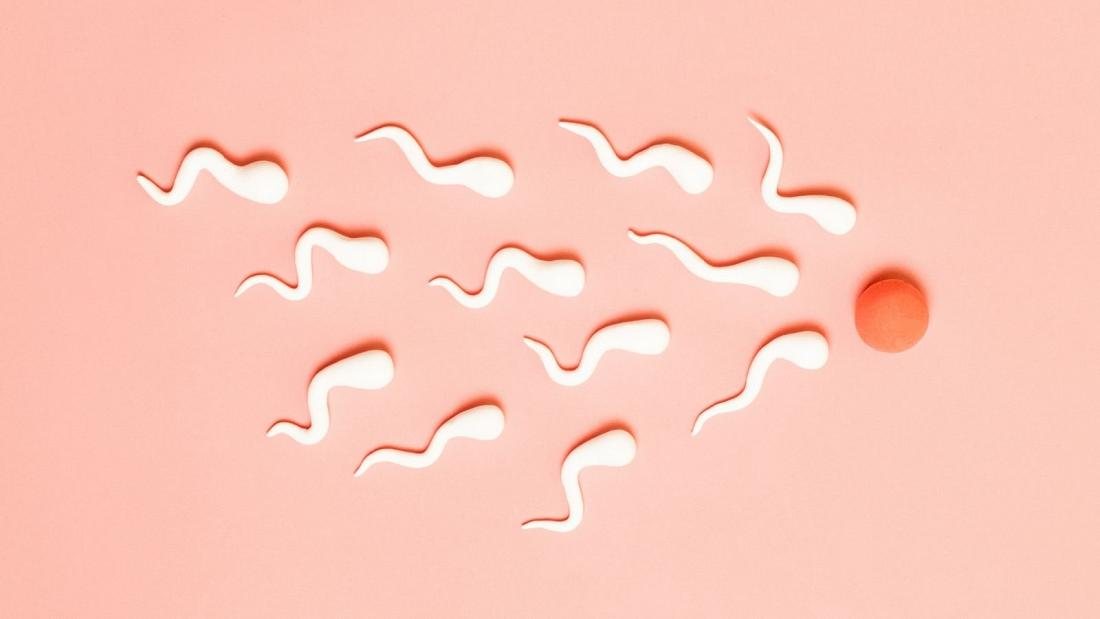
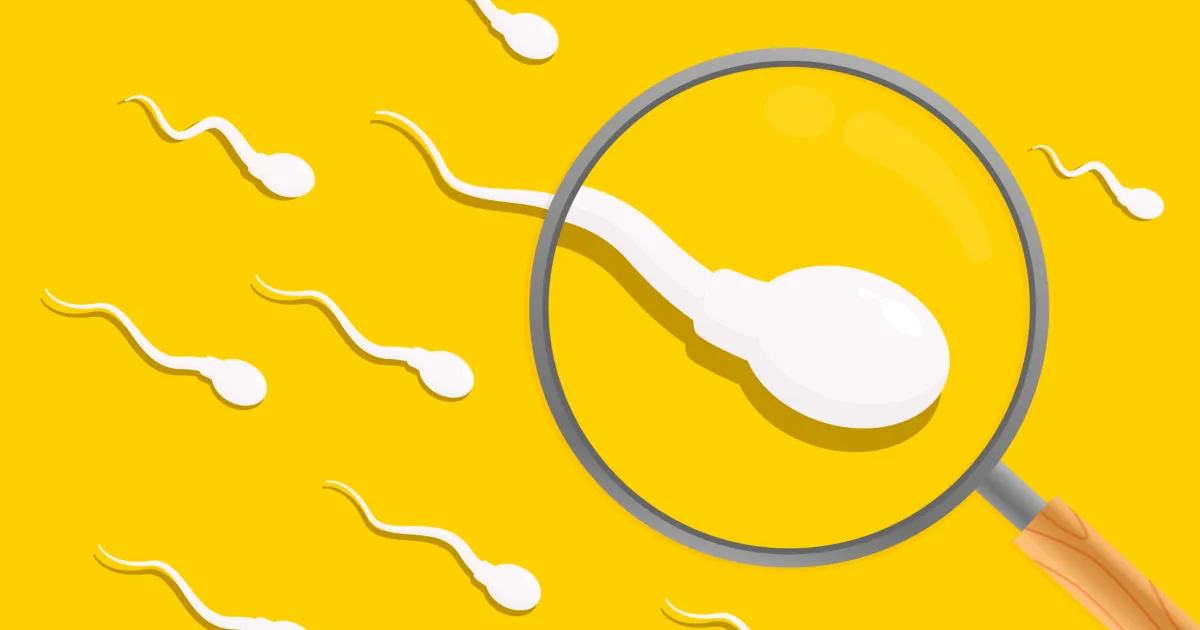
- Morphology: Normal sperm have an oval head and a long tail to propel them forward. If the percentage of sperm with normal morphology is below 4% (Teratozoospermia), fertilization capabilities will be severely affected.
Causes and Risk Factors for Declining Sperm Quality
A decline in sperm quality is often the result of a combination of lifestyle, environmental factors, and underlying medical conditions.
Medical Factors:
- Varicocele: The most common cause of male infertility, which increases the temperature in the testicles and impairs the sperm production process.
- Infections: Sexually transmitted infections (such as gonorrhea, chlamydia) or prostatitis and orchitis can cause scarring, blockages in the vas deferens, or impair sperm health.
- Endocrine Disorders: Hormonal imbalances from the pituitary gland, hypothalamus, or the testicles themselves (e.g., hypogonadism) disrupt the sperm production cycle.
- Ejaculatory Issues: Retrograde ejaculation (where semen flows backward into the bladder instead of out the penis) due to diabetes, spinal cord injuries, or surgical complications.
Lifestyle and Environmental Factors:
- Lifestyle Habits: Smoking, alcohol abuse, and the use of recreational drugs reduce both sperm count and motility.
- Temperature: Frequent use of hot tubs, saunas, wearing tight underwear, or resting laptops on the lap increases scrotal temperature, inhibiting spermatogenesis.
- Stress: Chronic stress disrupts male reproductive hormones, negatively affecting sperm quality.
- Toxic Chemical Exposure: Exposure to heavy metals, pesticides, or radiation in the workplace.
Warning Signs and When Should Men See a Doctor?
Most cases of declining sperm quality show no clear symptoms until men experience difficulty conceiving. However, you should pay attention to the following warning signs:
- Semen Abnormalities: Semen that is too watery, low in volume, unusual in color (yellow-green, blood-tinged), or has a foul odor.
- Genital Symptoms: Pain, swelling, or lumps in the testicular area; a feeling of heaviness or aching in the scrotum.
- Signs of Endocrine Disorders: Decreased libido, erectile dysfunction, hair loss, or gynecomastia (enlarged male breasts).
When to see a doctor?
Men should consult an andrologist if a couple has engaged in regular, unprotected intercourse for 1 year (or 6 months if the female partner is over 35) without conceiving, or whenever any of the abnormal genital symptoms mentioned above appear.
Medical Diagnostic Methods
To develop a regimen to increase sperm quality, doctors must accurately identify the root cause through clinical and subclinical diagnostic steps:
- Medical History and Physical Examination: The doctor will explore medical history, lifestyle habits, and examine the reproductive organs (especially checking for signs of varicocele).
- Semen Analysis: This is the gold standard. Men need to abstain from ejaculation for 2-7 days prior to sample collection to accurately assess sperm density, motility, and morphology.
- Scrotal Ultrasound: Helps detect varicocele, testicular tumors, or other structural issues.
- Hormone Testing: Measures the levels of hormones such as FSH, LH, Testosterone, and Prolactin in the blood to evaluate the function of the hypothalamic-pituitary-gonadal axis.
Safe and Effective Solutions to Increase Sperm Quality
Treatment must be personalized based on the specific cause. However, a combination of medical intervention and lifestyle modifications always yields the most optimal results.
1. Lifestyle and Dietary Changes
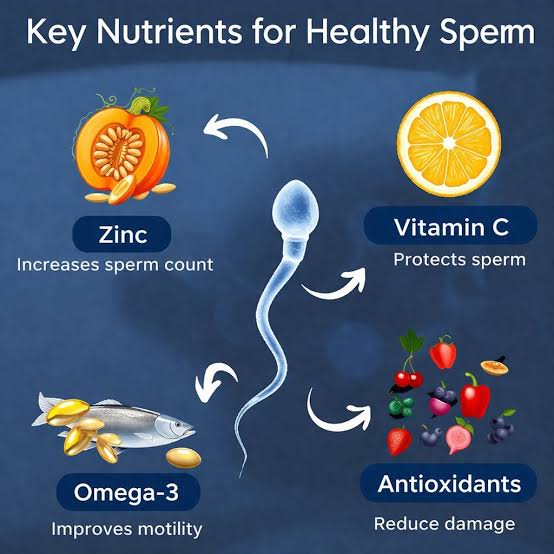
Nutrition plays a foundational role in spermatogenesis. A diet rich in antioxidants helps protect sperm from destruction by free radicals.
| Nutrient Group | Role in Sperm Health | Typical Food Sources |
| Zinc | Increases density, improves motility, and protects sperm DNA. | Oysters, beef, pumpkin seeds, whole grains. |
| Vitamin C & E | Potent antioxidants, prevent sperm agglutination, improve morphology. | Citrus fruits, strawberries, bell peppers, almonds, avocados. |
| Folate (Vitamin B9) | Crucial in cell division, reduces the rate of morphologically abnormal sperm. | Spinach, asparagus, broccoli, legumes. |
| Omega-3 | Improves blood flow to the genitals, increases sperm membrane flexibility. | Salmon, herring, flaxseeds, walnuts. |
Besides nutrition, men should maintain a healthy weight (standard BMI), exercise regularly (avoiding sports that put pressure on the perineum like high-intensity cycling), sleep 7-8 hours a night, and manage stress. Strictly limit keeping mobile phones in trouser pockets or taking excessively hot baths.
2. Medical Intervention and the Role of Medications
Clinical studies show that when the underlying pathological cause is identified, medical or surgical treatment significantly improves sperm quality.
The Role of Medications in Treatment:
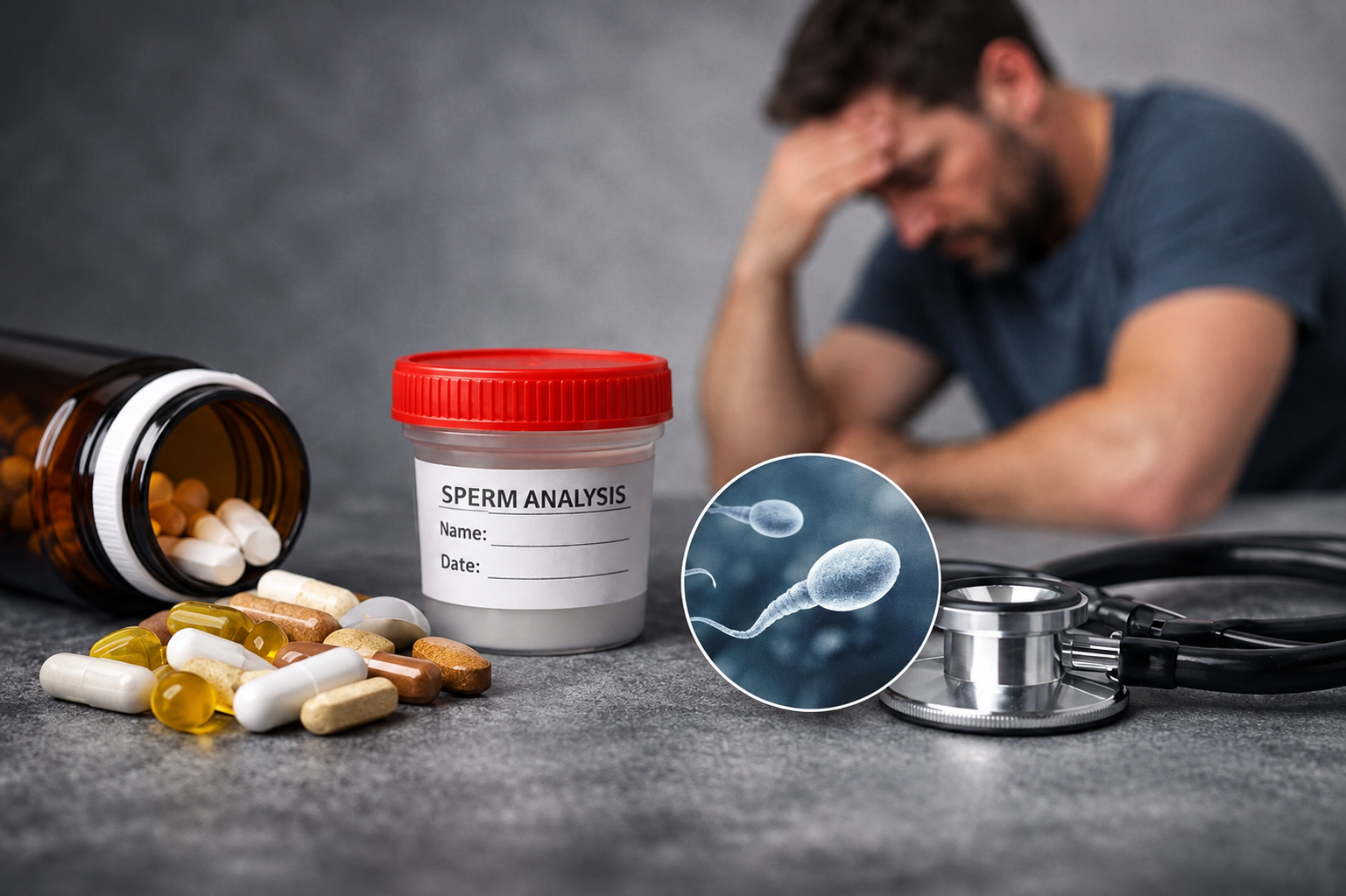
- Treatment Goals: Medications are used to balance hormones, thoroughly treat infections, or provide targeted antioxidants to create the most favorable environment for the testicles to produce sperm.
- Commonly Used Medication Groups (Prescription required):
- Antibiotics: For cases of sperm decline due to prostatitis or urogenital tract infections.
- Hormone Regulators (e.g., Clomiphene citrate, hCG, rFSH): Help stimulate the pituitary gland to secrete hormones, thereby prompting the testicles to produce endogenous sperm.
- Who Needs Caution: Individuals with a history of liver or kidney disease, or pituitary endocrine-related tumors, must absolutely not self-medicate with hormonal drugs.
- Side Effects and Contraindications: Hormonal medications can cause mood swings, acne, or breast tenderness. Antibiotics can cause gastrointestinal upset. Patients should notify their doctor immediately if they experience these signs. Do not take medication if you have a history of allergies to any ingredients.
- Important Note: Patients must not buy medications on their own, share prescriptions, or abruptly stop medication without a doctor’s advice. Incorrect dosing can cause negative feedback inhibition, making the testicles cease sperm production entirely.
Surgical Intervention:
In cases of severe varicocele or vas deferens blockages, the doctor may recommend microsurgery to ligate dilated veins or bypass the blockage, helping restore semen quality.
Men’s Health Andrology Pharmacy: Accompanying Men’s Reproductive Health

During treatment to increase sperm quality, selecting the right medication and adhering strictly to the regimen is the deciding factor. Men’s Health Andrology Pharmacy is a unit within the Men’s Health Center ecosystem founded by Dr. Tra Anh Duy, MD, PhD. Here, patients are continuously consulted, thoroughly educated, and supported by doctors and pharmacists to choose the healthcare solutions best suited to their individual conditions.
Men’s Health places special emphasis on professionalism, safety, privacy, confidentiality, and respect for individual needs throughout the consultation, treatment, and follow-up process. Prescription drugs for endocrine disorders, infections, or male fertility support here are strictly controlled, ensuring clear origins. We emphasize that smooth coordination between clinical doctors and specialized pharmacists is key to optimizing treatment regimens, avoiding unwanted drug interactions, and comprehensively protecting male reproductive health.
Common Mistakes When Trying to Increase Sperm Quality
- Self-Supplementing Testosterone: This is the most dangerous mistake. Many believe a low sperm count equates to a lack of “manhood” and arbitrarily inject or take Testosterone. In reality, exogenous Testosterone suppresses the pituitary gland, making the testicles “fall asleep” and stop producing sperm, leading to permanent infertility if abused.
- Trusting Unverified Folk Remedies: Using roots or infused liquors labeled as “kidney-tonifying and yang-boosting” without scientific validation not only fails to increase sperm quality but also risks causing liver or kidney failure.
- Impatience, Expecting Immediate Results: The male spermatogenesis cycle lasts approximately 72 to 74 days. Therefore, any intervention (medication, lifestyle changes) requires at least 2.5 to 3 months to clearly reflect on a semen analysis result.
Increasing Sperm Quality and Frequently Asked Questions
How long does it take for sperm quality treatments to show results?
Because the cycle of sperm production and maturation takes about 72–74 days, treatments, medications, or lifestyle changes usually require at least 3 months to show a noticeable improvement through a semen analysis test.
Does drinking alcohol decrease sperm quality?
Yes. The alcohol in beer and liquor lowers endogenous testosterone levels, causes erectile dysfunction, and directly reduces both the sperm count and the percentage of sperm with progressive motility.
Do oysters really make sperm healthier?
Oysters are rich in zinc, an essential mineral for sperm production and protecting the DNA structure of sperm cells. However, oysters are not a “miracle cure”; men need to ensure they are fully cooked and combined with a diverse diet to achieve the best results.
Does staying up late affect sperm?
Staying up late and lacking sleep increase the stress hormone cortisol while simultaneously decreasing testosterone production, thereby negatively affecting sperm quality and density.
Should I wear tight underwear when trying to conceive?
No. Tight underwear or unbreathable materials increase the temperature of the scrotal area. The testicles require an environment 1-2 degrees Celsius cooler than body temperature for optimal sperm production, so men should prioritize loose, breathable clothing.
Conclusion
Increasing sperm quality is a process that requires patience, a scientific approach, and high discipline. By building a healthy lifestyle, supplementing proper nutrition, and avoiding harmful agents, men can proactively protect their reproductive health. Most importantly, strictly avoid self-diagnosing or abusing erectile or hormonal drugs of unknown origin.
If you are experiencing difficulties conceiving or have abnormal physiological signs, visit specialized medical facilities for timely examination. The Men’s Health Center ecosystem is always ready to support you with professional, safe, and entirely confidential consultations, medication counseling, and health monitoring. Timely medical intervention from experts will help you achieve your goal of fatherhood and maintain long-term vitality.