
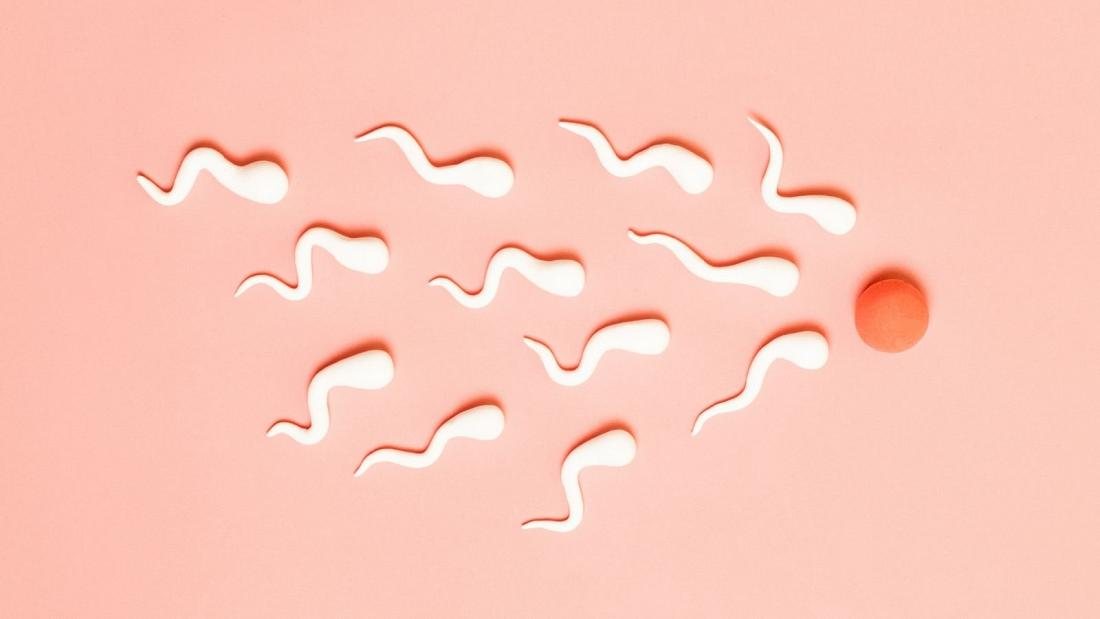
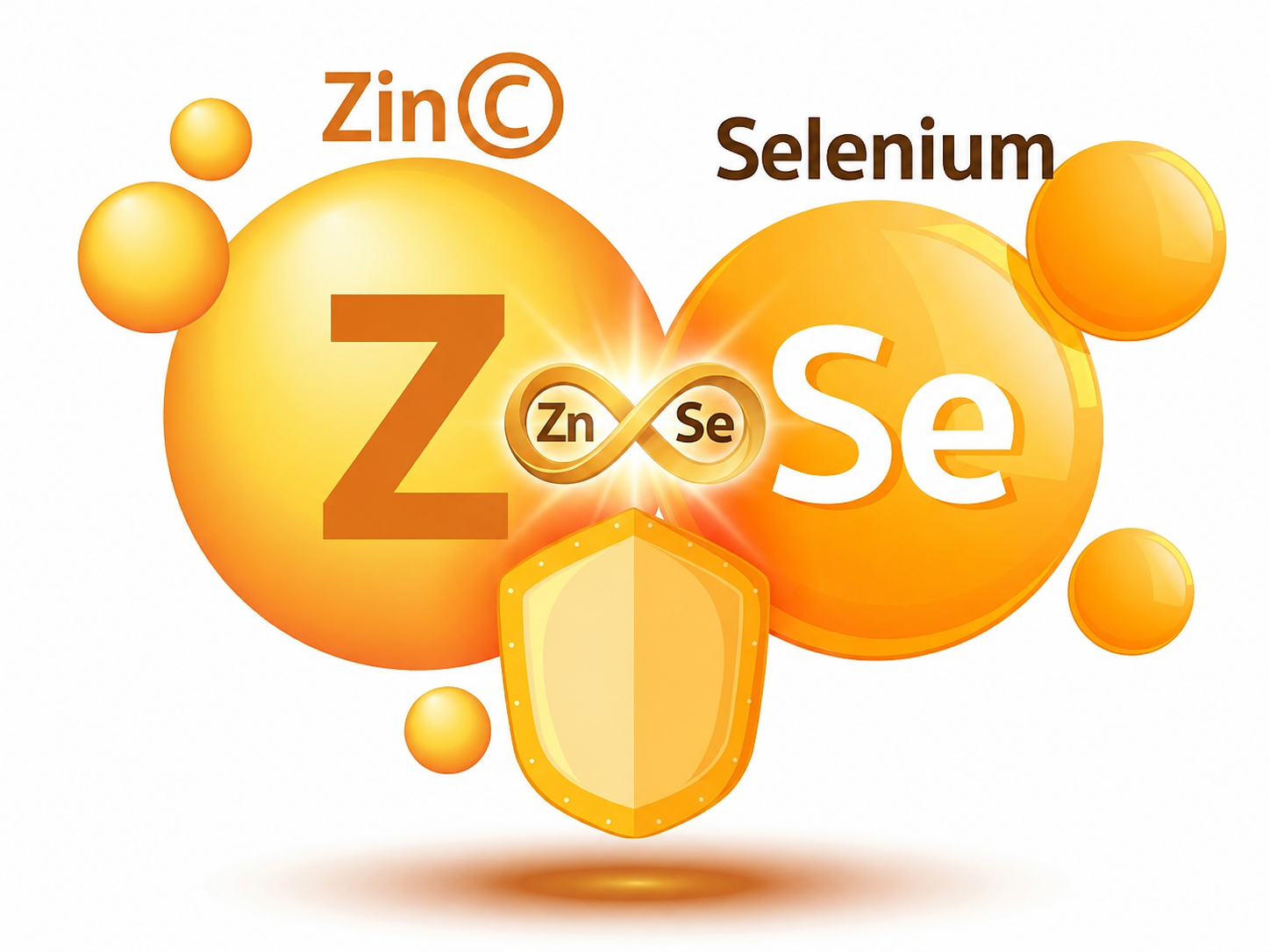
Zinc and Selenium are two essential micronutrients closely involved in sperm production, maturation, and function. Zinc participates in DNA synthesis, protein synthesis, cell division, and protection of the seminal environment. Selenium is incorporated into selenoproteins, particularly GPX4, which plays an important role in sperm structure and motility. However, “essential” does not mean that all men should take more supplements. Deficiency may negatively affect reproductive health, while excessive intake can also cause adverse effects.
Why Are Zinc and Selenium Important for Spermatogenesis?
Zinc and Selenium are important because spermatogenesis requires rapid cell division, extensive DNA remodeling, stable mitochondrial activity, and an effective antioxidant system. These are precisely the biological processes in which these two micronutrients are directly or indirectly involved.
Spermatogenesis is not simply the process by which the testes “produce sperm.” It is a complex sequence of biological changes that begins with germ cells and proceeds through multiple stages of division and differentiation before mature sperm cells are formed.
During this process, cells must:
- Synthesize and replicate DNA
- Synthesize large amounts of protein
- Divide and differentiate continuously
- Condense genetic material within the sperm head
- Form the tail and mitochondrial system in the midpiece
- Control oxidative molecules
- Maintain a cell membrane that is sufficiently stable while still being capable of changing as the sperm approaches fertilization
Zinc and Selenium appear at multiple points in this biological system. Therefore, prolonged deficiency may affect sperm quality. From a medical perspective, however, they should be described as two essential micronutrients for male reproductive physiology rather than being understood as “two supplements that every man must take when trying to conceive.”
How Does Zinc Participate in Sperm Production?
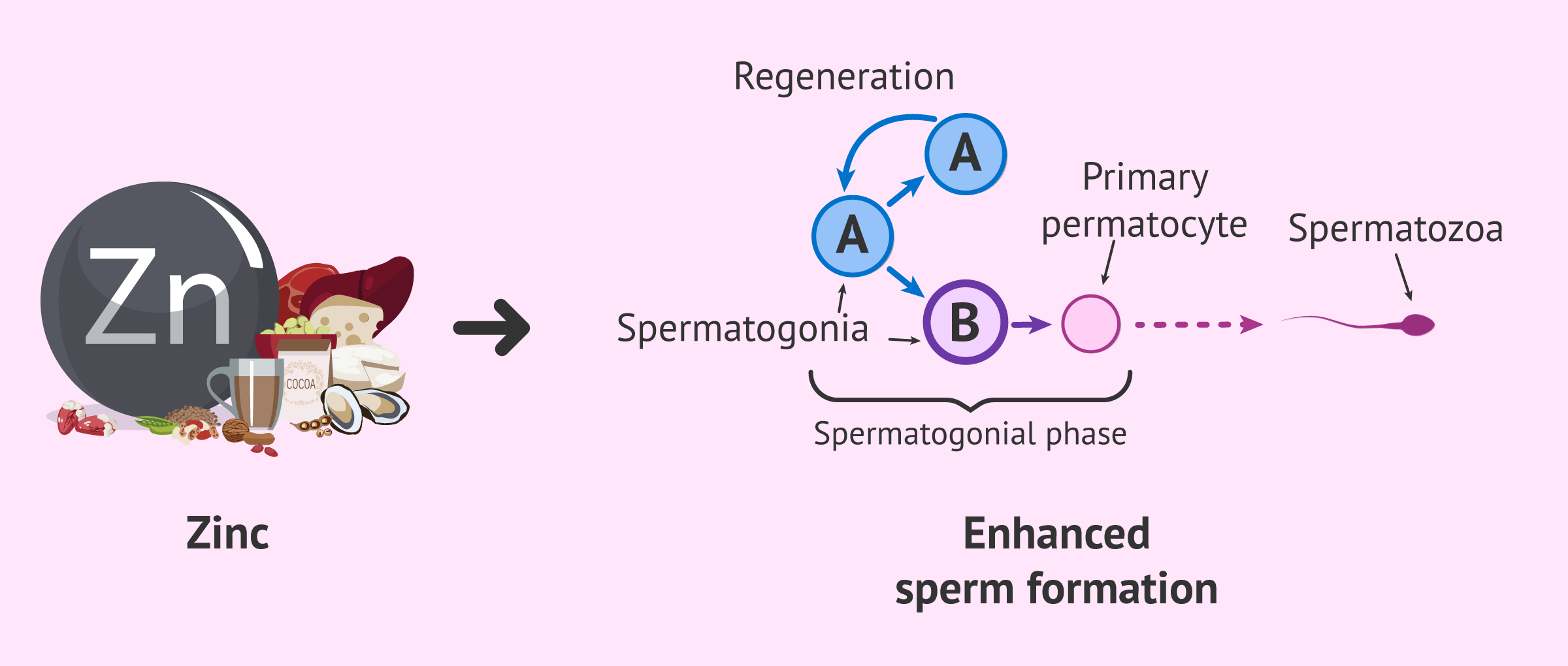
Zinc is an essential mineral involved in the activity of hundreds of enzymes and contributes to DNA synthesis, protein synthesis, cellular signaling, and cell division. These functions are particularly important in the testes, where germ cells undergo continuous proliferation and differentiation.
Zinc Supports DNA Synthesis and Germ Cell Division
For a spermatogonial cell to develop into a mature sperm cell, it must undergo multiple stages of mitosis, meiosis, and differentiation.
Zinc participates in the function of numerous proteins and enzymes required for:
- DNA synthesis
- Gene transcription and expression
- Protein synthesis
- Cell cycle regulation
- Cellular damage repair
Therefore, when significant zinc deficiency occurs, tissues with a high rate of cell division may be affected. This is one of the biological explanations for why inadequate zinc status is relevant to male reproductive health.
Zinc Is Present at Significant Concentrations in Semen
One notable characteristic of zinc is that its concentration in semen is much higher than in many other biological fluids in the body. A large proportion of seminal zinc is associated with secretions from the prostate gland.
This does not mean that the higher the zinc concentration, the healthier the sperm. Instead, the body needs to maintain zinc within an appropriate physiological range.
Studies in men have reported associations between zinc concentrations in seminal plasma and several semen parameters, including:
- Sperm concentration
- Total sperm count
- Sperm motility
- Sperm morphology
However, these findings mainly represent biological and clinical associations. They should not be interpreted to mean that taking additional zinc will necessarily improve semen parameters.
Zinc Contributes to the Control of Oxidative Stress
Sperm cells are particularly vulnerable to oxidative stress.
A physiological amount of reactive oxygen species, or ROS, is necessary for certain sperm functions. However, when ROS production exceeds the capacity of antioxidant defenses, several forms of damage may occur, including:
- Lipid peroxidation of the sperm membrane
- Reduced sperm motility
- Protein damage
- Increased sperm DNA damage
- Reduced ability to complete processes required for fertilization
Zinc participates in the body’s antioxidant defense network and contributes to the stability of many proteins and cellular membranes. Therefore, zinc deficiency may create a less favorable antioxidant environment.
Importantly, oxidative stress cannot simply be treated by taking very large amounts of antioxidants. Excessive antioxidant intake may also disrupt the redox balance required for normal sperm function.
Zinc Also Helps Regulate Sperm Function After Ejaculation
The role of zinc does not end with sperm production in the testes.
After ejaculation, sperm must undergo a series of biochemical changes before they become capable of fertilization. Changes in ion concentrations, including Zn²⁺, are part of the mechanisms that regulate sperm function.
Interestingly, under certain experimental conditions, high extracellular zinc concentrations may inhibit sperm motility, activation, or the acrosome reaction.
This once again highlights an important principle of micronutrient biology:
The appropriate level is optimal. More does not necessarily mean better.
What Makes Selenium Particularly Important for Sperm?
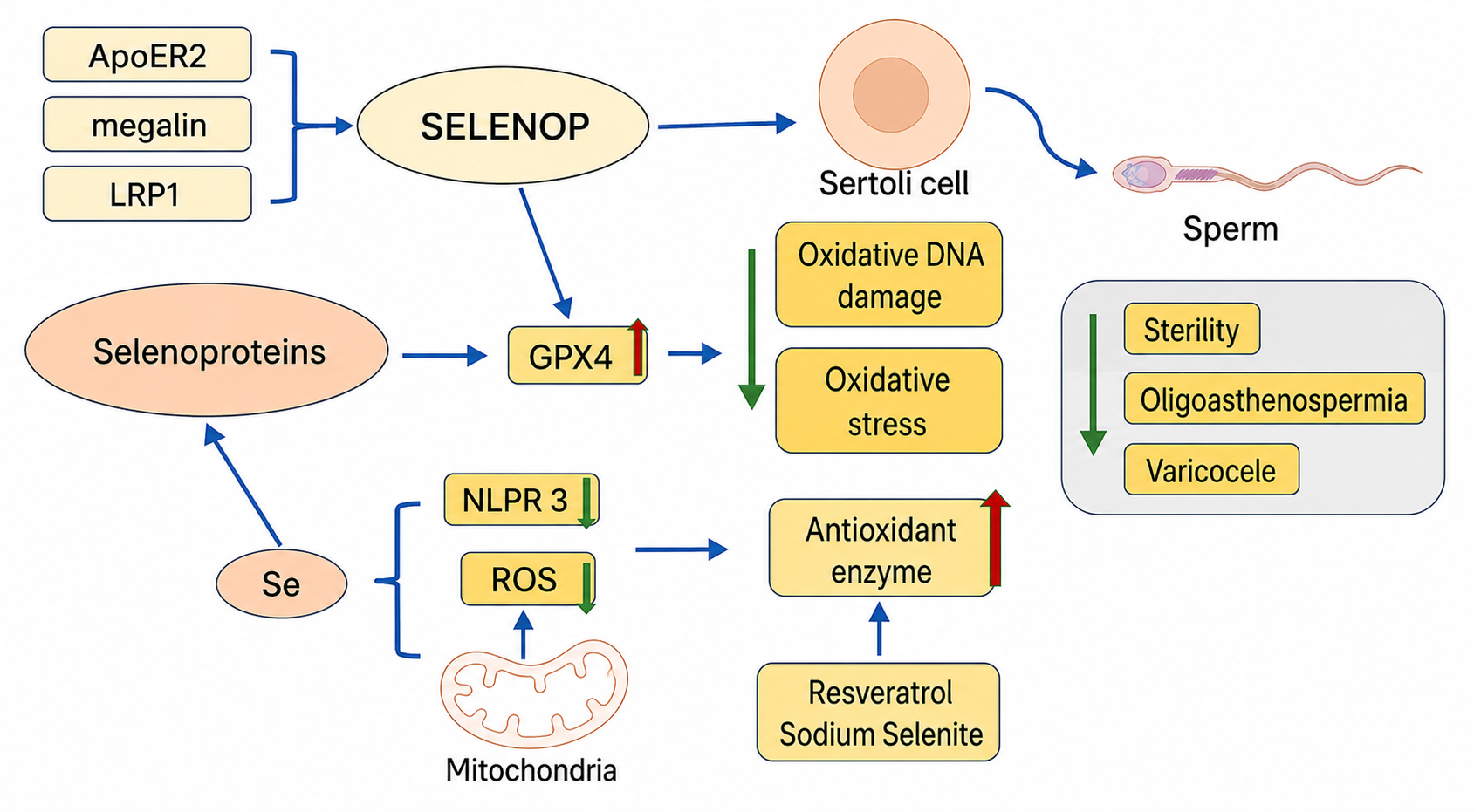
Selenium is particularly important because it is incorporated into selenoproteins, among which GPX4 plays a major role in both antioxidant defense and sperm structure. This is one of the clearest biological mechanisms linking a nutritional micronutrient with male reproductive physiology.
GPX4: A Key Link Between Selenium and Sperm
Glutathione peroxidase 4, or GPX4, previously known as phospholipid hydroperoxide glutathione peroxidase, is a particularly important selenoprotein.
During the early stages of sperm development, GPX4 functions as an antioxidant enzyme that helps control lipid peroxides.
As sperm continue to mature, GPX4 takes on another highly specialized role. The protein becomes part of the structural framework of the mitochondrial sheath in the sperm midpiece.
The midpiece contains the mitochondrial system that supplies energy for sperm activity. Therefore, the integrity of this region is closely associated with:
- Sperm structure
- Sperm viability
- Mitochondrial function
- Progressive motility
Human studies have reported lower sperm GPX4 levels in some groups of infertile men, with associations involving reduced motility, reduced viability, and abnormal morphology.
Selenium Helps Protect the Sperm Membrane From Lipid Peroxidation
The sperm membrane contains a high proportion of polyunsaturated fatty acids. This characteristic gives the membrane the flexibility required for reproductive function, but it also makes the membrane particularly vulnerable to oxidation.
When membrane lipids undergo excessive peroxidation:
- Membrane integrity may deteriorate
- Sperm movement may be impaired
- Mitochondrial function may decline
- The ability of sperm to interact with the oocyte may be negatively affected
Through the selenoprotein system, particularly GPX4, Selenium helps control this process.
Selenoprotein P Helps Deliver Selenium to the Testes
Another important protein is Selenoprotein P, or SELENOP.
Selenoprotein P participates in the transport and distribution of Selenium throughout the body, including the delivery of Selenium to testicular tissue.
Biological models and experimental studies suggest that the Selenium–Selenoprotein P–GPX4 axis plays an important role in male reproductive function.
In other words, Selenium is not merely an “antioxidant.” The body incorporates it into proteins that perform highly specific functions in male reproductive cells.
How Do Zinc and Selenium Affect Sperm Differently?
These two micronutrients share several functions, but they are not interchangeable.
| Micronutrient | Major Role | Significance for Sperm |
|---|---|---|
| Zinc | Enzyme activity, DNA and protein synthesis, cell division, structural stability, and redox balance | Supports spermatogenesis, the seminal environment, and sperm function |
| Selenium | Component of selenoproteins, especially GPX4 | Related to membrane protection, midpiece structure, mitochondria, and motility |
| Shared Function | Contribute to maintaining redox balance | Help limit cellular damage when nutritional status is appropriate |
| When Intake Is Too Low | Multiple biological processes may be affected | Sperm quality may be negatively affected |
| When Intake Is Too High | Toxicity or disruption of physiological balance may occur | Reproductive function does not improve in direct proportion to the dose |
Therefore, combining zinc and Selenium in certain male reproductive health supplements has a biological rationale. However, a biological rationale does not mean that every person who takes these supplements will improve their chances of conception.
Can Zinc or Selenium Deficiency Reduce Sperm Quality?
Significant deficiency may negatively affect reproductive physiology, but zinc or Selenium deficiency cannot be diagnosed solely from an abnormal semen analysis.
Poor semen parameters can result from many causes, including:
- Varicocele
- Hormonal disorders
- Testicular disease
- Genital tract infection or inflammation
- Genetic abnormalities
- Smoking
- Obesity and metabolic disorders
- Prolonged exposure of the scrotum to heat
- Certain medications and chemicals
- Age
- Oxidative stress
- Inadequate nutrition
- Unexplained causes
Therefore, finding a low sperm count, poor motility, or abnormal morphology does not automatically mean that the individual has zinc or Selenium deficiency.
In men with an unbalanced diet, malabsorption disorders, particular nutritional conditions, or relevant risk factors, physicians may consider a more detailed nutritional assessment.
Do All Men With Infertility Need to Take Zinc and Selenium?
No. Current evidence does not support considering zinc and Selenium supplements mandatory treatment for all men with infertility.
This is one of the most common misunderstandings surrounding reproductive micronutrients.
Zinc and Selenium are physiologically essential micronutrients, meaning the body needs them to function normally. However, this does not mean that someone who already has adequate levels will continue to improve sperm quality by taking increasingly higher doses.
Some intervention studies have reported improvements in selected semen parameters in certain groups of men. Other studies have not found clear benefits.
Notably, a large clinical trial evaluating folic acid combined with zinc in couples undergoing infertility treatment did not demonstrate a clear improvement in semen quality or live birth rates.
For Selenium, clinical evidence is also inconsistent. Some trials suggest that sperm motility may improve in men with low Selenium status, but the evidence is not sufficient to recommend routine supplementation for all men.
The practical message is therefore:
The goal is to ensure adequate micronutrient status and treat the actual cause of abnormal sperm parameters, rather than simply taking as many micronutrients as possible.
How Much Zinc and Selenium Is Enough?
For healthy adults, nutritional requirements should preferably be met through a varied diet.
According to widely used dietary reference values:
- Adult men require approximately 11 mg of zinc per day
- Adults require approximately 55 micrograms of Selenium per day
These are dietary reference intakes, not infertility treatment doses, and they should not be used to create a personal supplementation regimen without professional guidance.
Dietary sources of zinc include oysters and other seafood, meat, eggs, dairy products, legumes, seeds, nuts, and grains.
Selenium is found in fish, seafood, meat, eggs, some nuts, and grains. The Selenium content of plant foods can vary substantially depending on the amount of Selenium in the soil where they are grown.
Why Should High-Dose Zinc and Selenium Not Be Taken Without Guidance?
Both zinc and Selenium can cause adverse effects if consumed in excessive amounts or used inappropriately over a prolonged period.
Too Much Zinc Can Cause Copper Deficiency
High doses of zinc may cause:
- Nausea
- Abdominal discomfort
- Vomiting
- Headache
- Reduced appetite
More importantly, prolonged use of high-dose zinc can interfere with copper absorption, potentially leading to copper deficiency and, in severe cases, hematological or neurological abnormalities.
For healthy adults, the commonly referenced tolerable upper intake level is 40 mg of zinc per day from all sources. This is not an “absolute toxic dose,” but rather a threshold used to assess potential risk with long-term intake in healthy individuals.
Zinc Can Interact With Medications
Zinc may reduce the absorption of certain medications, particularly:
- Tetracycline antibiotics
- Quinolone antibiotics
- Penicillamine
Therefore, people taking medications for medical conditions should not add high-dose zinc supplements without checking for possible interactions.
Selenium Also Has an “Optimal Range” Rather Than a “More Is Better” Effect
Selenium is a classic example of a micronutrient with a relatively narrow margin between adequate and excessive intake.
Prolonged excessive Selenium exposure may cause selenosis, with symptoms such as:
- Characteristic breath odor
- Metallic taste
- Gastrointestinal disturbances
- Hair and nail abnormalities
- Skin rash
- Fatigue
- Neurological abnormalities in severe cases
Importantly, male reproductive studies also suggest that high Selenium intake does not necessarily benefit sperm. This reinforces the principle that the objective is to achieve appropriate Selenium status, not the highest possible concentration.
Who Should Consider Nutritional Assessment When Sperm Quality Is Poor?
Men with abnormal semen analysis results should undergo a comprehensive evaluation before focusing on a single micronutrient.
Assessment of diet and possible micronutrient deficiency may be particularly relevant in men with:
- Long-term restrictive diets
- Vegetarian or vegan diets that have not been appropriately balanced
- Malnutrition or substantial weight loss
- Gastrointestinal disease associated with malabsorption
- A history of gastrointestinal surgery
- Long-term excessive alcohol consumption
- Use of multiple supplements without monitoring total intake
- Persistent unexplained infertility
A physician may combine the medical history, physical examination, semen analysis, hormone testing, and other investigations to identify possible causes.
Not every patient requires blood testing for individual micronutrients. In particular, serum zinc levels can be affected by multiple factors and may not always fully reflect total-body zinc status.
When Should Men See a Doctor Instead of Only Taking Micronutrients?
If a couple has regular unprotected intercourse but has not conceived within an appropriate period, or if the man has signs of reproductive abnormalities, a male reproductive health evaluation is more appropriate than simply taking supplements.
Men should also seek medical evaluation if they have:
- Small testes or changes in testicular size
- Scrotal pain, heaviness, or a new lump
- Suspected varicocele
- Erectile or ejaculatory disorders
- A marked reduction in libido
- A history of undescended testes
- A history of groin or scrotal trauma or surgery
- A history of chemotherapy or radiotherapy
- Abnormal semen analysis results
- Current use of testosterone or anabolic steroids
- Persistent difficulty conceiving
One particularly important point is that exogenous testosterone can suppress spermatogenesis. Therefore, men who are trying to conceive should not self-administer testosterone for “performance enhancement” or “testosterone boosting” without specialist assessment.
How Should Men Optimize Zinc and Selenium for Sperm Health?
The first priority should be a balanced diet and healthy lifestyle rather than focusing on a single supplement.
Men who are preparing for conception should consider the following:
- Eat adequate protein and maintain a varied diet
- Include appropriate amounts of fish, seafood, eggs, meat, legumes, nuts, and seeds
- Avoid smoking
- Limit alcohol intake
- Maintain a healthy body weight
- Get adequate sleep and exercise regularly
- Avoid testosterone or anabolic steroids while trying to conceive unless specifically prescribed by a specialist
- Avoid prolonged excessive heat exposure to the scrotal area
- Seek a male reproductive health evaluation if semen analysis is abnormal or conception is delayed
If the diet does not meet nutritional needs or a physician identifies a risk of deficiency, supplementation with zinc, Selenium, or other micronutrients may be considered on an individual basis.
Common Mistakes When Using Zinc and Selenium to “Improve Sperm”
Taking More Will Make Sperm Healthier Faster
This is incorrect. Micronutrients function within an optimal physiological range. Exceeding the body’s requirements does not increase spermatogenesis proportionally and may cause adverse effects.
Taking Fertility Supplements Immediately After an Abnormal Semen Analysis
An abnormal semen analysis describes selected characteristics of a semen sample at a particular point in time. It does not identify the underlying cause.
If the actual cause is varicocele, hormonal dysfunction, testicular disease, a genetic condition, or medication use, relying only on micronutrients may delay appropriate diagnosis.
Using Someone Else’s Prescription or Supplement Regimen
Two men with the same low sperm count may have completely different underlying causes.
Nutritional status, medical conditions, current medications, and treatment needs can differ considerably. Therefore, men should not use another person’s prescription or combine multiple products containing the same zinc and Selenium ingredients without professional review.
Looking Only at the Amount Listed on the Front of the Product
Many multivitamins, mineral supplements, and male fertility products contain overlapping ingredients. Taking several products at the same time can unintentionally push total zinc or Selenium intake far above the intended amount.
A pharmacist can review all ingredients and help identify potential duplication or medication interactions.
The Role of Doctors and Pharmacists in Micronutrient Supplementation for Male Reproductive Health

Appropriate micronutrient supplementation should answer three questions: Does the patient truly need supplementation, what is the treatment goal, and is there a risk of interaction or excessive intake?
Within the Men’s Health Center ecosystem, founded by Dr. Tra Anh Duy, PhD, Specialist Level II, male reproductive health care is guided by evaluation of the underlying cause rather than focusing solely on a supplement product.
At the Men’s Health Andrology Pharmacy, doctors and pharmacists can work together to provide guidance on medications, micronutrients, and supportive products appropriate to each individual’s condition. They can also review the risk of duplicate ingredients or interactions with current medications.
Men’s Health emphasizes professionalism, safety, discretion, and confidentiality throughout the process of medical consultation, medication counseling, and follow-up. Prescription medications should only be used under a physician’s direction. Patients should not purchase medicines from unclear sources or use another person’s prescription.
Zinc and Selenium: Frequently Asked Questions
Can Zinc and Selenium Increase Sperm Count?
Zinc and Selenium are necessary for normal reproductive physiology, but supplementation does not guarantee an increase in sperm count. The effect depends on nutritional status and the underlying cause of abnormal semen parameters.
Can Zinc and Selenium Improve Sperm Motility?
Some studies have reported associations or improvements in sperm motility in selected groups of men, particularly when micronutrient status is suboptimal. However, the evidence is not sufficiently consistent to apply this conclusion to every patient.
What Is the Specific Role of Selenium in Sperm?
Selenium is incorporated into selenoproteins, particularly GPX4. This protein contributes to the control of lipid peroxidation and becomes an important structural component of the sperm midpiece.
Is Zinc Related to Sperm DNA?
There is a biological basis for this relationship because zinc participates in DNA synthesis, protein synthesis, and cellular protection systems. However, sperm DNA damage has many possible causes and cannot be attributed entirely to zinc deficiency.
Should Men Trying to Conceive Take Zinc and Selenium Every Day?
Not everyone needs supplements. The first priority should be an adequate and varied diet. Men with infertility, restrictive diets, or risk factors for micronutrient deficiency may benefit from individualized assessment by a physician or pharmacist.
Can Zinc and Selenium Be Taken Together?
These two micronutrients are commonly included together in many products. However, the total amount from all supplements should be reviewed to avoid excessive intake.
How Long Does It Take for Zinc and Selenium to Improve Sperm?
There is no single timeframe that applies to everyone. Spermatogenesis takes place over many weeks, and sperm quality is also influenced by medical conditions, hormonal status, lifestyle, and many other factors. Supplementation should not be continued indefinitely simply because results are not seen immediately.
Can Zinc and Selenium Treat Male Infertility?
These micronutrients should not be considered treatments for every cause of male infertility. They may form part of a nutritional or supportive strategy in selected cases, but the underlying cause of infertility still needs to be identified and treated appropriately.
Is Testing for Zinc and Selenium Necessary Before Supplementation?
Not everyone needs laboratory testing. A physician may decide based on diet, medical history, risk of deficiency, and clinical condition. A single laboratory result may also not always fully represent total micronutrient status in the body.
Conclusion
Zinc and Selenium are important micronutrients for spermatogenesis, but they are not “mandatory supplements” that every man trying to conceive must take. Zinc plays a major role in DNA synthesis, protein synthesis, cell division, and redox balance. Selenium is particularly important through selenoproteins such as GPX4, which are involved in membrane protection, sperm midpiece structure, and motility.
The true objective is to maintain appropriate micronutrient status, not to consume the highest possible doses. Deficiency can be harmful, but excessive intake can also cause toxicity and potentially disrupt normal sperm physiology.
Men with abnormal semen parameters, delayed conception, or concurrent use of multiple medications and supplements should not diagnose themselves with zinc or Selenium deficiency and continue supplementation indefinitely. A male reproductive health evaluation can help identify the underlying cause and guide a more appropriate treatment, nutritional, or supplementation strategy.
When reproductive health assessment, medication counseling, or review of current micronutrient use is needed, the Men’s Health Center ecosystem and Men’s Health Andrology Pharmacy can provide coordinated support from doctors and pharmacists, with an emphasis on professionalism, safety, discretion, confidentiality, and individualized care.