

Many men worry and wonder if low libido means infertility when they notice their sexual desire cooling down. To answer this directly: Low libido does not equal infertility. A man might have no interest in sex, yet his sperm quality remains perfectly normal, and vice versa. However, if a decrease in sex drive persists, it can be a warning sign of endocrine disorders (typically a decline in Testosterone) or other systemic diseases, thereby indirectly impairing fertility.
This article will analyze the mechanisms, causes, diagnostic methods, and safe treatment directions for this condition based on current medical guidelines.

Understanding Low Libido and Male Infertility
To fully resolve these concerns, we must first clearly distinguish between these two medical concepts.
What is Low Libido?
Low libido is the decrease or loss of interest and desire for sexual activities, including sexual thoughts, nocturnal emissions, or the actual need for intercourse. This is not a life-threatening condition, but it severely affects the quality of life and relationship happiness. This condition can be temporary (due to stress or fatigue) or chronic (due to underlying medical or endocrine issues).
What is Male Infertility?
According to current professional guidelines, male infertility is defined as the inability of a couple to conceive after at least one year (or six months if the female partner is over 35) of regular, unprotected sexual intercourse, where the cause originates from the male partner. The core issue of male infertility lies in the quantity, quality, morphology of the sperm, or the ability to transport sperm outwards (due to blockages).
Comparison Table: Low Libido vs. Male Infertility
| Characteristics | Low Libido | Male Infertility |
| Nature | A psychological and sexual desire issue. | A biological reproductive capability issue. |
| Manifestation | Little to no interest in sex; indifference toward the partner. | Inability to impregnate a partner despite regular intercourse; often lacks clear physical symptoms. |
| Cross-impact | Can reduce intercourse frequency, delaying natural conception. | Does not affect libido at all (an infertile man can still have a strong sex drive). |
| Target Organs | Central nervous system and endocrine system (Testosterone). | Testicles (sperm production) and vas deferens. |
The Connection: Does Low Libido Mean Infertility?
Although they are two independent issues, low libido and male infertility often go hand in hand because they share several risk factors or root causes.

Low libido indirectly hinders reproduction:
Natural conception heavily relies on intercourse frequency during the “fertile window” (the woman’s ovulation period). When a man experiences low libido, the frequency of intercourse decreases, significantly reducing the probability of sperm meeting the egg, leading to delayed conception or infertility.
Shared root causes (Hypogonadism):
Testosterone is the “conductor” hormone that dictates both sexual desire and stimulates sperm production (Spermatogenesis). When the body does not produce enough Testosterone, men not only lose their sexual desire, but their testicles also reduce or stop producing sperm. In this case, low libido is an early warning sign of infertility.
Common Causes of Low Libido
Identifying the cause is the most crucial step before applying any medical intervention.
1. Endocrine Decline (Low Testosterone)
Testosterone peaks between the ages of 20 and 30 and naturally declines by about 1-2% per year after age 30. However, pathological hypogonadism can occur at any age due to abnormalities in the pituitary gland, hypothalamus, or the testicles themselves (due to trauma, post-mumps orchitis, or testicular atrophy).
2. Psychological Factors and Lifestyle
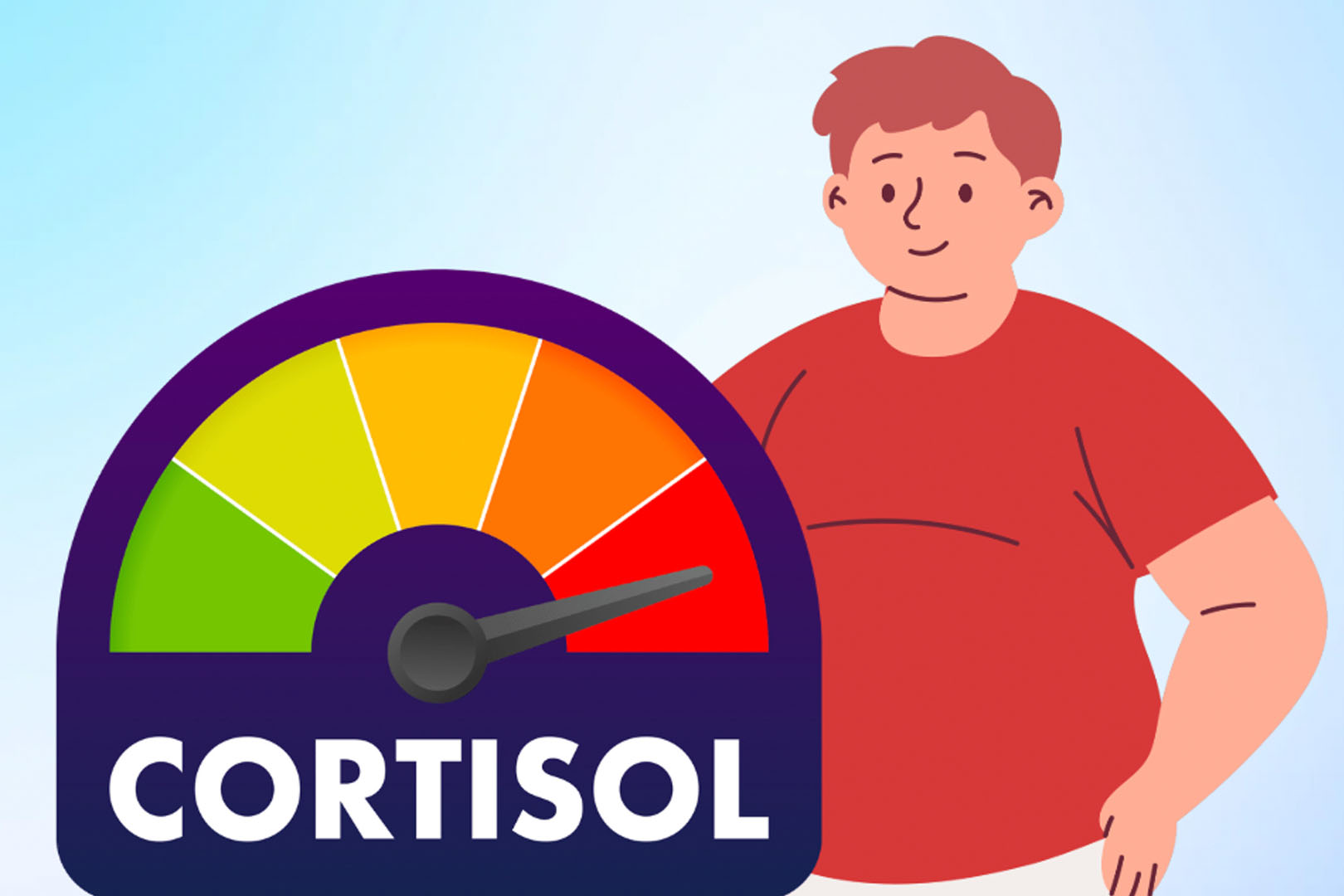
Chronic stress stimulates the body to produce excess Cortisol—a hormone capable of directly inhibiting Testosterone production. Additionally, depression, anxiety, relationship conflicts, sleep deprivation, alcohol abuse, and smoking all constrict blood vessels, compromise overall health, and stifle sexual desire.
3. Chronic Diseases
- Diabetes and Cardiovascular Diseases: Cause vascular and nerve damage, reducing blood flow to the genital organs, which not only lowers libido but also causes erectile dysfunction.
- Thyroid Disorders: Both hypothyroidism and hyperthyroidism disrupt systemic metabolism, directly affecting sex hormones.
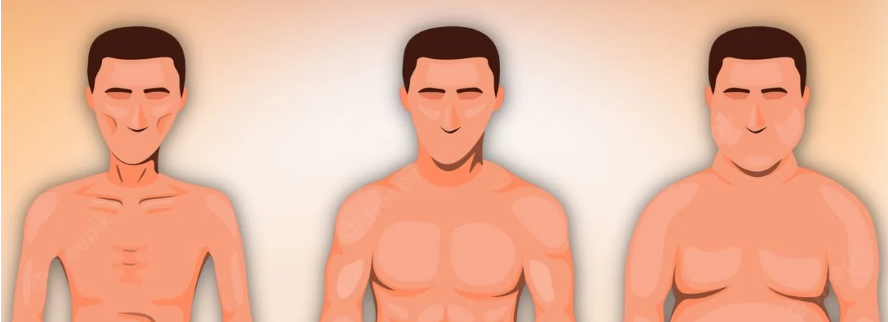
- Obesity: Excess adipose (fat) tissue contains the Aromatase enzyme, which converts Testosterone into Estrogen (the female hormone). High Estrogen levels in men exert negative feedback on the hypothalamic-pituitary axis, shutting down both libido and sperm production.
4. Medication Side Effects
Certain medications used to treat systemic diseases can have side effects that lower libido, including:
- Antidepressants (especially SSRIs).
- High blood pressure medications (such as beta-blockers).
- Drugs for enlarged prostate or hair loss (5-alpha reductase inhibitors).
- Opioid painkillers.
When to See a Doctor?
Men should never ignore abnormal symptoms. Please visit an andrologist or an endocrinologist immediately if the low libido persists for more than two months and is accompanied by the following signs:
- Erectile dysfunction (difficulty achieving or maintaining an erection).
- Pain, swelling, or lumps in the testicles.
- Loss of muscle mass, increased abdominal fat, or abnormally enlarged breasts (Gynecomastia).
- Loss of body or facial hair.
- Prolonged feelings of exhaustion, depression, or lack of focus.
- Couples who have been trying to conceive for over a year without success.
Medical Diagnostic Methods
A diagnosis cannot be made based solely on a few subjective symptoms. To accurately determine the cause, doctors will order clinical tests:
- Endocrine Blood Tests: Measuring total Testosterone, free Testosterone, FSH, LH, Prolactin, Estradiol, and thyroid hormones. This is usually done in the morning (7 AM – 9 AM) when Testosterone levels peak.
- Semen Analysis: The “gold standard” for evaluating fertility. It analyzes sperm concentration, motility, and morphology.
- Testicular Ultrasound: Assesses testicular size, and detects tumors, hydroceles, or varicoceles.
- Psychological Evaluation: Screening for depression and anxiety using standard medical questionnaires.
Treating Low Libido and Infertility: The Role of Medication and Pharmacists
Treatment must adhere to the principle of personalization: Target the specific underlying cause.

Commonly Used Medications and Safety Requirements
1. Testosterone Replacement Therapy (TRT)
- Indications: Used for men diagnosed with hypogonadism with low blood Testosterone levels (accompanied by symptoms) who do not currently wish to have children.
- Objective: Restore physiological Testosterone levels, and improve libido, mood, and muscle health.
- Special Warning: This is a strictly prescribed medication. Using exogenous TRT will suppress the pituitary gland’s secretion of FSH and LH, causing the testicles to stop producing sperm (leading to temporary or permanent infertility if abused). Absolutely do not self-medicate to “boost performance.”
- Side Effects: Polycythemia (thickening of the blood), prostate enlargement, acne.
- Contraindications: Patients with prostate cancer, male breast cancer, or severe heart failure.
2. Spermatogenesis and Endocrine Restoration Medications (Clomiphene Citrate, hCG, hMG)
- Indications: Used for men with low Testosterone who want to have children.
- Objective: Stimulate the hypothalamic-pituitary axis to produce natural hormones, thereby prompting the testicles to synthesize Testosterone and produce sperm naturally.
- Recommendation: Must be closely monitored via regular blood tests and semen analyses to adjust the dosage.
3. Erectile Dysfunction Medications (PDE5 Inhibitors)
- Indications: Used when low libido is accompanied by erectile difficulties, helping the patient regain confidence to improve psychological desire.
- Objective: Increase blood flow to the corpus cavernosum of the penis.
- Contraindications: Absolutely do not use concurrently with Nitrate drugs (used for angina) due to the risk of a fatal drop in blood pressure.
The Role of Men’s Health Andrology Pharmacy

In the journey of treating intimate health issues, medication adherence is paramount. Men’s Health Andrology Pharmacy is a unit within the Men’s Health Men’s Healthcare Center ecosystem, founded by Dr. Tra Anh Duy, MD, PhD. Here, patients are always counseled and supported by doctors and pharmacists to choose the most suitable healthcare solutions.
Men’s Health emphasizes professionalism, safety, discretion, confidentiality, and respect for individual needs throughout the examination, treatment, and monitoring process. The pharmacists at the pharmacy play a crucial role in:
- Explaining in detail how to use, dosage, and timing of endocrine/andrology medications.
- Highlighting side effects to monitor and when to stop the medication to contact the doctor.
- Ensuring that specialty drugs (prescription drugs) are only dispensed with a valid prescription from a specialist, strictly discouraging patients from buying drugs based on hearsay.
- Screening for drug interactions if the patient is taking medications for diabetes, heart disease, or blood pressure.
Lifestyle Changes: The Unignorable Natural “Medicine”
Alongside medical intervention, lifestyle modifications have been proven to deliver sustainable results:
- Weight Loss and Ideal BMI Maintenance: Reducing belly fat decreases the conversion of Testosterone into Estrogen.
- Resistance Training: Weightlifting, gym workouts, or HIIT strongly stimulate natural Testosterone production.
- Sufficient Sleep (7-8 hours/night): Most Testosterone is produced during deep sleep (especially during the REM stage).
- Scientific Diet: Supplement with Zinc-rich foods (oysters, red meat, pumpkin seeds), Vitamin D (sunlight, fatty fish), Omega-3, and avoid processed and high-sugar foods.
- Stress Management: Communicate openly with your partner, and practice meditation or yoga to control Cortisol levels.
Common Mistakes When Dealing With Low Libido
- Self-medicating with unverified “kidney-tonifying” supplements: Using unproven, word-of-mouth products can cause liver or kidney failure, or contain banned aphrodisiacs that lead to cardiovascular collapse.
- Assuming low libido is always due to “weak kidneys”: According to modern medicine, the system controlling male physiology is the Hypothalamic-Pituitary-Testicular axis, not the kidneys (which handle excretion). This misconception leads to incorrect treatments.
- Abusing exogenous Testosterone when trying to conceive: As mentioned, pumping Testosterone into the body from the outside will shut down the natural sperm production factory.
- Using someone else’s prescription: Every individual’s physical condition, root causes, and underlying diseases are unique. A medication that works wonders for one person can be poison to another.
Does Low Libido Mean Infertility and Frequently Asked Questions
1. Can low libido resolve on its own?
If the cause is temporary stress or physical fatigue from work, the condition may improve on its own when you rest and adjust your lifestyle. However, if the cause is an endocrine decline (low Testosterone) or an underlying disease, you will need specialized medical intervention.
2. Are antidepressants a cause of low libido?
Yes. Many antidepressants (like SSRIs) have side effects that diminish libido, cause delayed ejaculation, or erectile dysfunction. Do not stop taking the medication on your own; instead, consult your psychiatrist to adjust the dose or switch to a drug class with fewer sexual side effects.
3. Does excessive masturbation cause low libido and infertility?
Masturbating at a reasonable frequency is a normal sexual activity. However, overindulgence can lead to fatigue and boredom with actual intercourse (psychological low libido). Regarding fertility, excessive masturbation can temporarily reduce sperm concentration but is not the root cause of infertility.
4. What should I do if I want to have a child but suffer from low libido?
In this case, absolutely do not self-medicate with exogenous Testosterone replacement therapies, as they inhibit sperm production. You need to visit a reputable andrology clinic so the doctor can evaluate your semen analysis and potentially prescribe medications that stimulate the pituitary gland to produce natural hormones (like Clomiphene, hCG) to improve libido while protecting your sperm.
5. How should I prepare for a low libido and infertility check-up?
You should abstain from ejaculation (both intercourse and masturbation) for 2-7 days prior to the examination for the most accurate semen analysis results. Additionally, bring old test results and current prescriptions (blood pressure, diabetes medications, etc.), and visit in the morning for highly accurate hormone quantification.
Conclusion
To answer the question does low libido mean infertility: These are two independent issues that frequently influence each other. Low libido can be an early warning sign of a decline in male sex hormones, weakening overall health and indirectly threatening fatherhood.
Patients should not self-diagnose, abuse unverified online medications, or share prescriptions. When you notice a prolonged cooling of sexual desire, or experience delayed conception after a year of trying, seeking legitimate medical consultation is the wisest step. The Men’s Health Men’s Healthcare Center ecosystem, alongside a team of experienced doctors and pharmacists, is always ready to support you with professional, safe, discreet, and personalized examination, diagnosis, medication counseling, and health monitoring. Taking care of men’s health early not only helps restore male vitality but also fully protects family happiness.