

Urinary incontinence in men requires careful pharmacological management, particularly regarding potential drug-drug interactions (DDIs). Prescribing therapeutic agents for male urinary incontinence (UI) – such as antimuscarinics, β3-adrenoceptor agonists, α1-adrenoceptor antagonists, and 5-α reductase inhibitors – demands precise evaluation of metabolic pathways, receptor binding profiles, and potential additive side effects to prevent severe adverse outcomes like acute urinary retention, dangerous hypotension, or cognitive decline.
1. Clinical Overview of Male Urinary Incontinence
Pathophysiology of Urinary Storage and Evacuation
Male urinary incontinence is defined by the International Continence Society (ICS) as any involuntary loss of urine. Continence relies on complex autonomic and somatic neural integration:
- Storage Phase: Sympathetic activation via β3-adrenoceptors relaxes detrusor smooth muscle, while α1A-adrenoceptors contract the bladder neck and prostate stroma. Parasympathetic input is simultaneously suppressed.
- Voiding Phase: Parasympathetic activation of muscarinic M2 and M3 receptors causes detrusor contraction, accompanied by voluntary somatic relaxation of the external urethral sphincter.
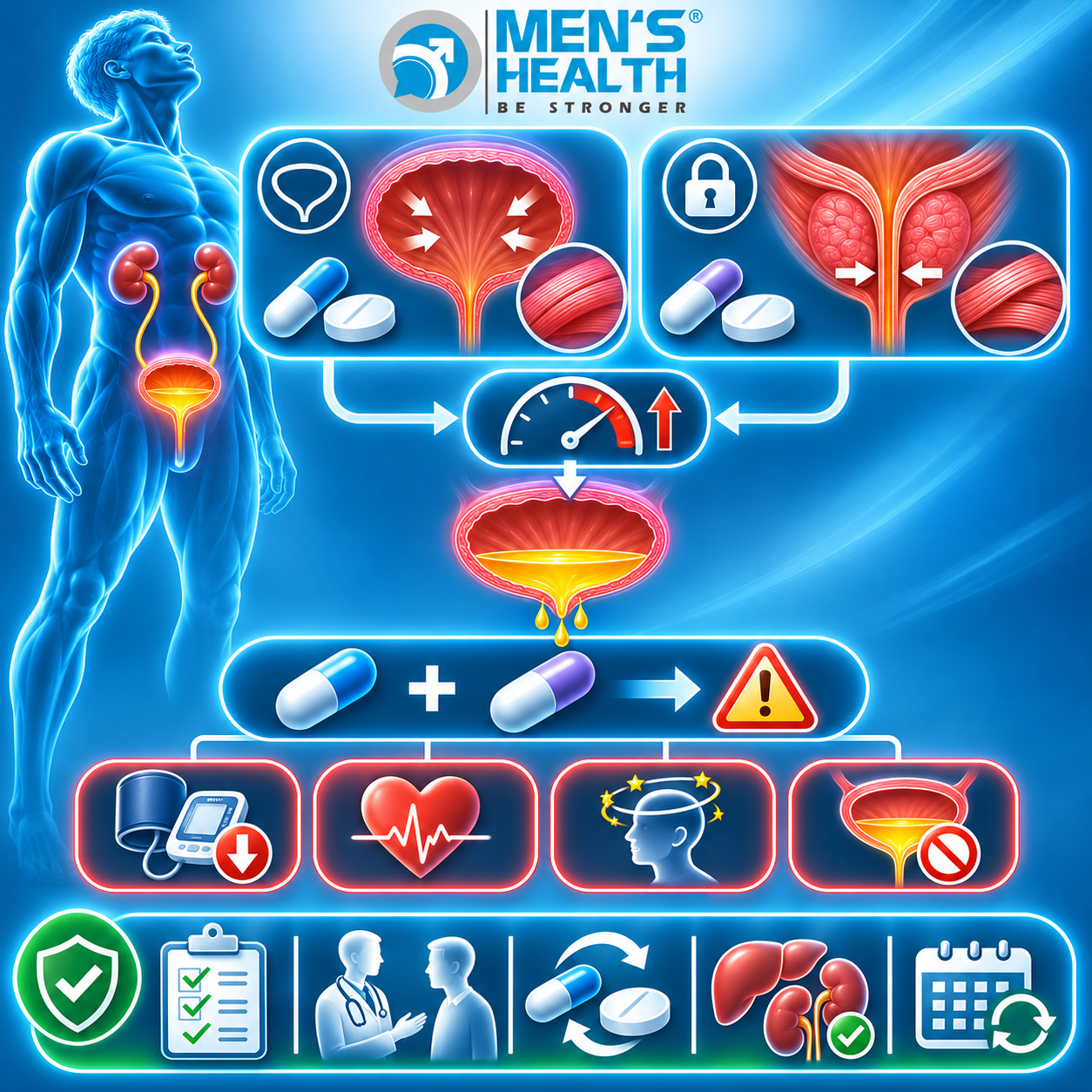
Involuntary leakage results primarily from:
- Uninhibited Storage Pressures: Detrusor overactivity (DO) or poor bladder compliance overriding sphincter closure.
- Outflow Resistance or Sphincter Failure: Impaired mechanical closure leading to stress leakage (post-prostatectomy) or chronic retention causing overflow incontinence.
2. Major Drug Classes Used in Male Urinary Incontinence
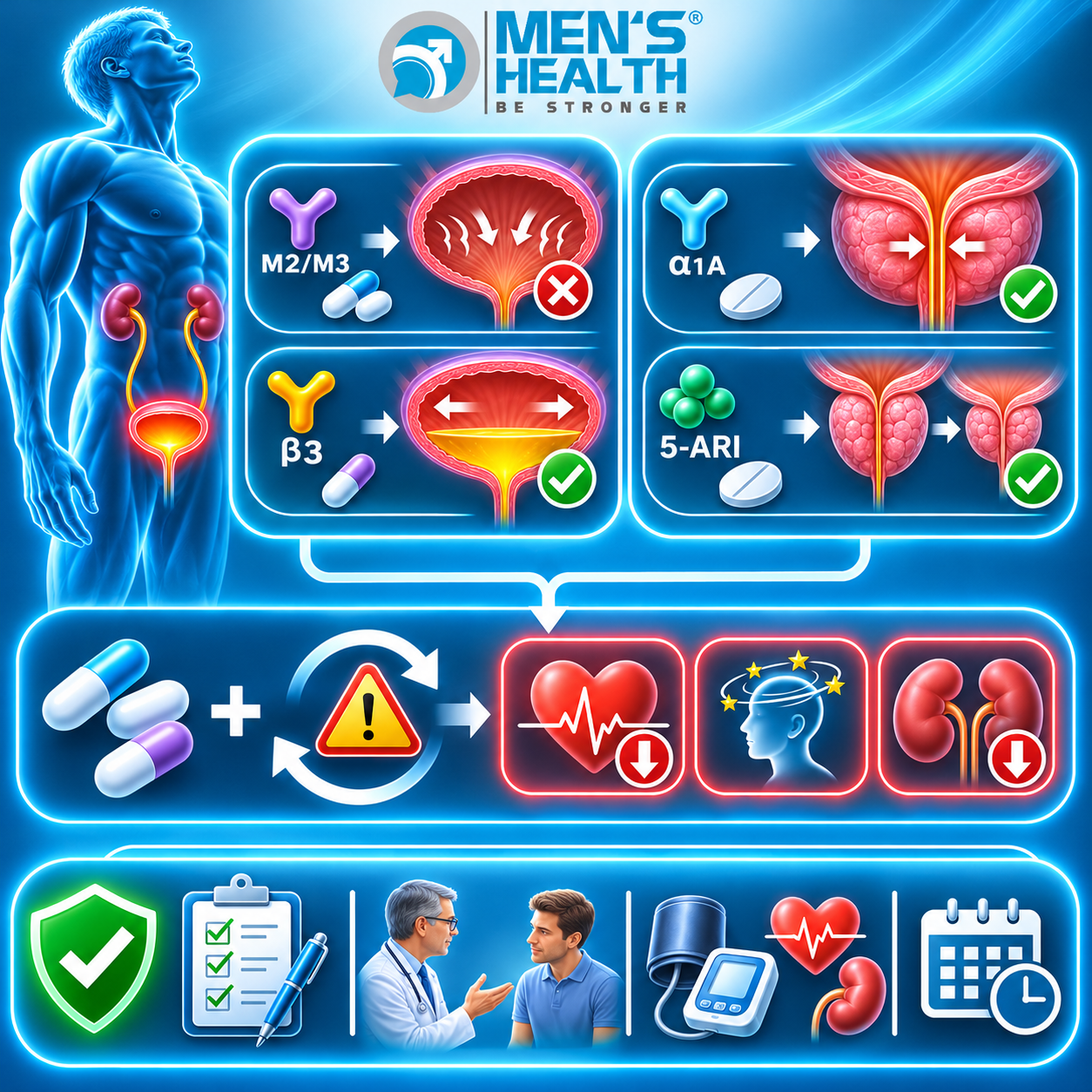
- Antimuscarinic (Anticholinergic) Agents (e.g., Solifenacin, Tolterodine, Fesoterodine, Oxybutynin): Competitively block M2/M3 receptors on detrusor smooth muscle, reducing involuntary voiding contractions during storage.
- β3-Adrenoceptor Agonists (e.g., Mirabegron, Vibegron): Stimulate β3-receptors on the detrusor, increasing intracellular cAMP levels and promoting storage relaxation.
- α1-Adrenoceptor Antagonists (e.g., Tamsulosin, Silodosin, Alfuzosin): Block α1A-adrenoceptors in the prostate stroma and bladder neck, reducing outflow resistance and secondary overflow leakage.
- 5-α Reductase Inhibitors (5-ARIs) (e.g., Finasteride, Dutasteride): Inhibit conversion of testosterone to dihydrotestosterone (DHT), decreasing prostate volume over 3–6 months.
- Phosphodiesterase-5 (PDE5) Inhibitors (e.g., Tadalafil): Enhance intracellular cGMP levels, promoting smooth muscle relaxation across pelvic vessels, prostate stroma, and bladder neck.
3. High-Risk Drug Interactions in Male Urinary Incontinence
When treating male UI, combining medications with other therapeutic agents can alter drug clearance, potentiate adverse effects, or cause severe organ toxicities.
CYP450 Enzyme-Mediated Metabolic Interactions
Strong CYP3A4 Inhibitors with Antimuscarinics (Solifenacin, Tolterodine, Fesoterodine)
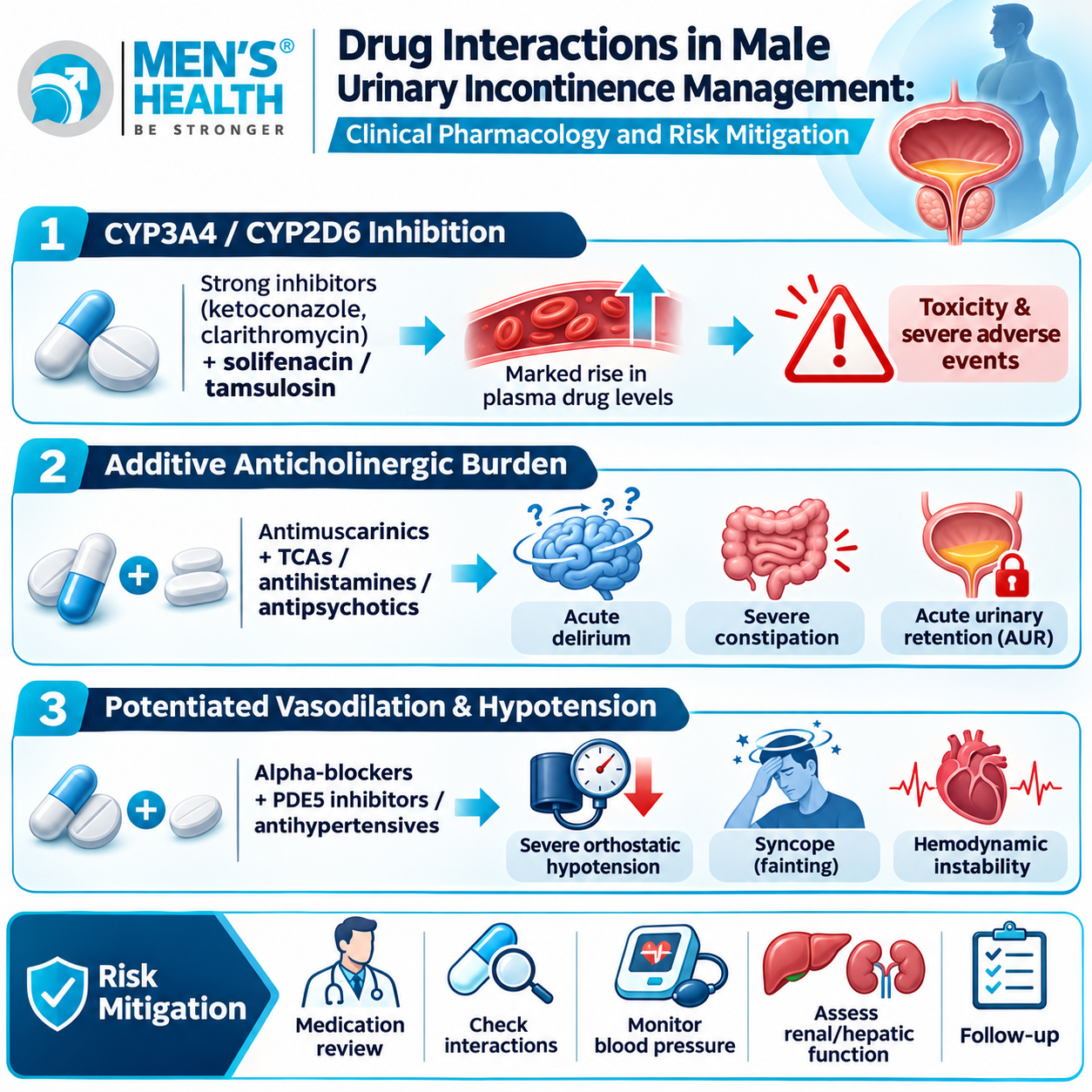
- Mechanism: Solifenacin and tolterodine undergo heavy hepatic metabolism via the cytochrome P450 3A4 enzyme pathway. Concurrent administration of potent CYP3A4 inhibitors (e.g., ketoconazole, itraconazole, clarithromycin, ritonavir) significantly decreases drug clearance, leading to markedly elevated plasma concentrations and prolonged area under the curve (AUC).
- Clinical Consequence: Severe dry mouth, constipation, urinary retention, cardiac QT-interval prolongation, and heightened central nervous system toxicity.
- Dosing Adjustment: Solifenacin dosage must not exceed 5 mg daily when co-administered with strong CYP3A4 inhibitors.
CYP3A4 and CYP2D6 Inhibitors with α1-Blockers (Tamsulosin, Silodosin)
- Mechanism: Tamsulosin and silodosin are extensively metabolized by CYP3A4 and CYP2D6 enzymes. Strong CYP3A4 inhibitors (e.g., ketoconazole) or dual CYP2D6/CYP3A4 inhibitors dramatically increase maximum plasma concentration (Cmax) and AUC.
- Clinical Consequence: Severe orthostatic hypotension, reflex tachycardia, dizziness, syncope, and increased risk of falls.
- Contraindication: Co-administration of silodosin or tamsulosin with strong CYP3A4 inhibitors is strictly contraindicated or requires major dose reduction.
β3-Agonists (Mirabegron) as CYP2D6 Inhibitors
- Mechanism: Mirabegron acts as a moderate inhibitor of the CYP2D6 isoenzyme. Administering mirabegron alongside drugs with a narrow therapeutic index metabolized by CYP2D6 (e.g., metoprolol, desipramine, flecainide, propafenone) increases their plasma concentrations.
- Clinical Consequence: Potentiated beta-blocker effects (bradycardia, hypotension) or antiarrhythmic toxicity.
- Monitoring: Dose reduction of concomitant CYP2D6 substrates may be required.
Pharmacodynamic and Cumulative Systemic Interactions
Cumulative Anticholinergic Burden
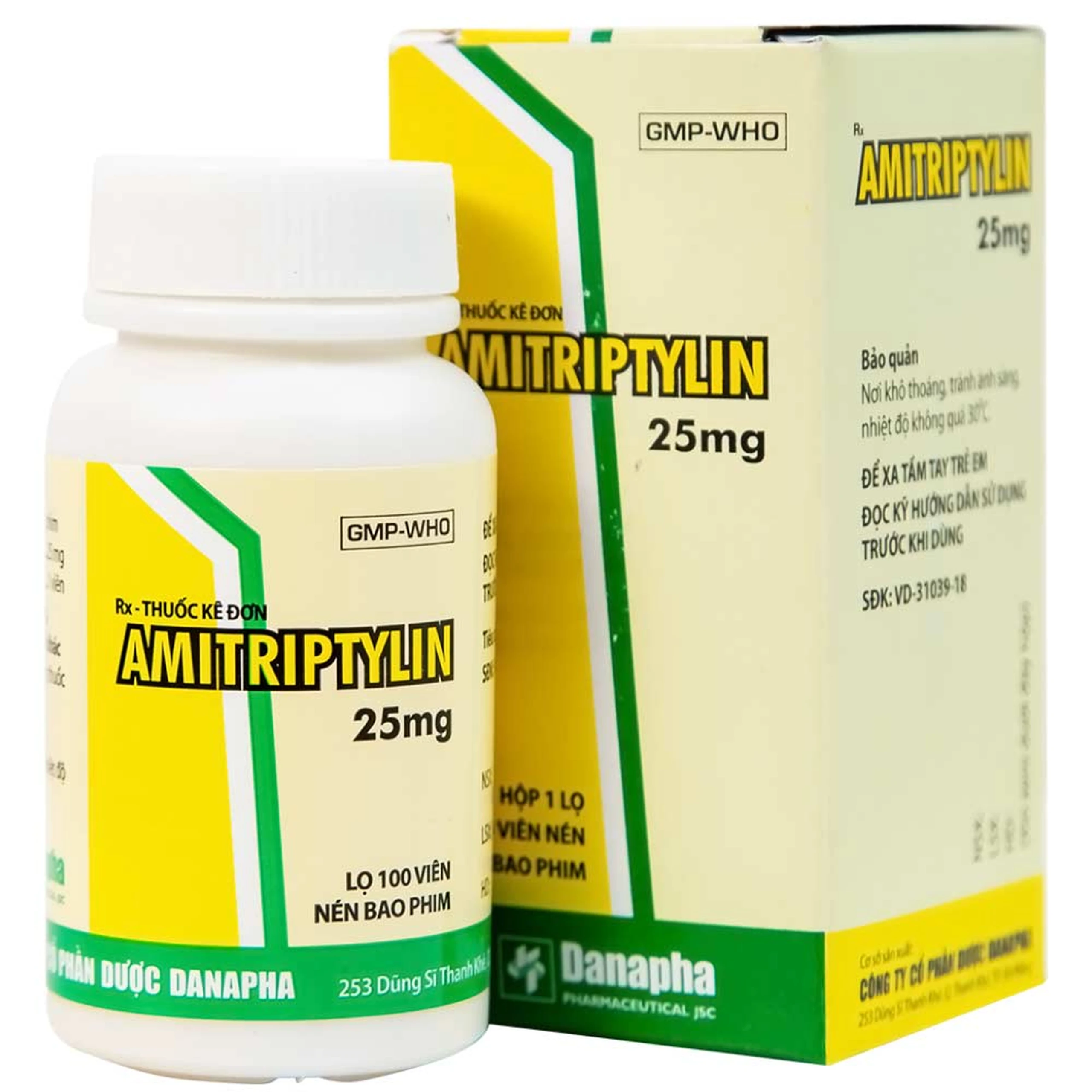
- Mechanism: Co-administering bladder antimuscarinics with other drugs possessing secondary anticholinergic properties (e.g., tricyclic antidepressants like amitriptyline, first-generation H1-antihistamines like diphenhydramine, or atypical antipsychotics like clozapine).
- Clinical Consequence: Synergistic inhibition of muscarinic signaling, leading to central anticholinergic syndrome, acute cognitive impairment, confusion, delirium (especially in elderly males), severe paralytic ileus, and acute urinary retention (AUR).
Vasodilatory Interactions: α1-Blockers and PDE5 Inhibitors (Tadalafil)
- Mechanism: Both α1-blockers and PDE5 inhibitors induce vascular smooth muscle relaxation (via α1-adrenergic receptor blockade and cGMP elevation, respectively).
- Clinical Consequence: Additive systemic vasodilation causing marked orthostatic hypotension, dizziness, and syncopal episodes.
- Clinical Guidance: Patients must be hemodynamically stable on α1-blocker therapy before initiating a PDE5 inhibitor, typically starting at the lowest therapeutic dose (e.g., Tadalafil 2.5-5 mg daily).
4. Comprehensive Drug Interaction Matrix
| Male UI Drug Class | Interacting Drug Class / Agent | Mechanism of Interaction | Potential Adverse Clinical Effect | Clinical Management Strategy |
| Antimuscarinics (Solifenacin, Tolterodine) | Strong CYP3A4 Inhibitors (Ketoconazole, Clarithromycin) | Inhibition of hepatic drug clearance | Toxic plasma drug accumulation, QT prolongation, severe dry mouth/constipation | Cap Solifenacin dose at 5 mg daily; avoid high-dose tolterodine |
| Antimuscarinics (Solifenacin, Oxybutynin) | Anticholinergics (TCAs, 1st-Gen Antihistamines) | Synergistic competitive M2/M3 blockade | Cognitive impairment, delirium, acute urinary retention (AUR) | Avoid combination; calculate systemic anticholinergic risk score |
| β3-Agonists (Mirabegron) | CYP2D6 Substrates (Metoprolol, Flecainide) | Inhibition of CYP2D6 metabolism | Elevated plasma levels of cardiac drugs, bradycardia, arrhythmias | Monitor ECG and blood pressure; consider dose reduction of substrate |
| α1-Blockers (Tamsulosin, Silodosin) | Strong CYP3A4 / CYP2D6 Inhibitors | Blockade of primary elimination pathways | Severe hypotension, collapse, marked Cmax increase | Contraindicated with strong CYP3A4 inhibitors |
| α1-Blockers (Tamsulosin, Alfuzosin) | PDE5 Inhibitors (Tadalafil, Sildenafil) | Additive vascular smooth muscle relaxation | Profound orthostatic hypotension, dizziness, syncope | Ensure stable α1-blocker dose prior to adding low-dose PDE5-I |
| α1-Blockers (Tamsulosin) | Antihypertensives (ACEi, ARBs, CCBs) | Cumulative blood pressure reduction | First-dose hypotension, postural instability | Administer α1-blocker at bedtime; monitor standing blood pressure |
5. Clinical Protocols Before Prescribing Male UI Medications
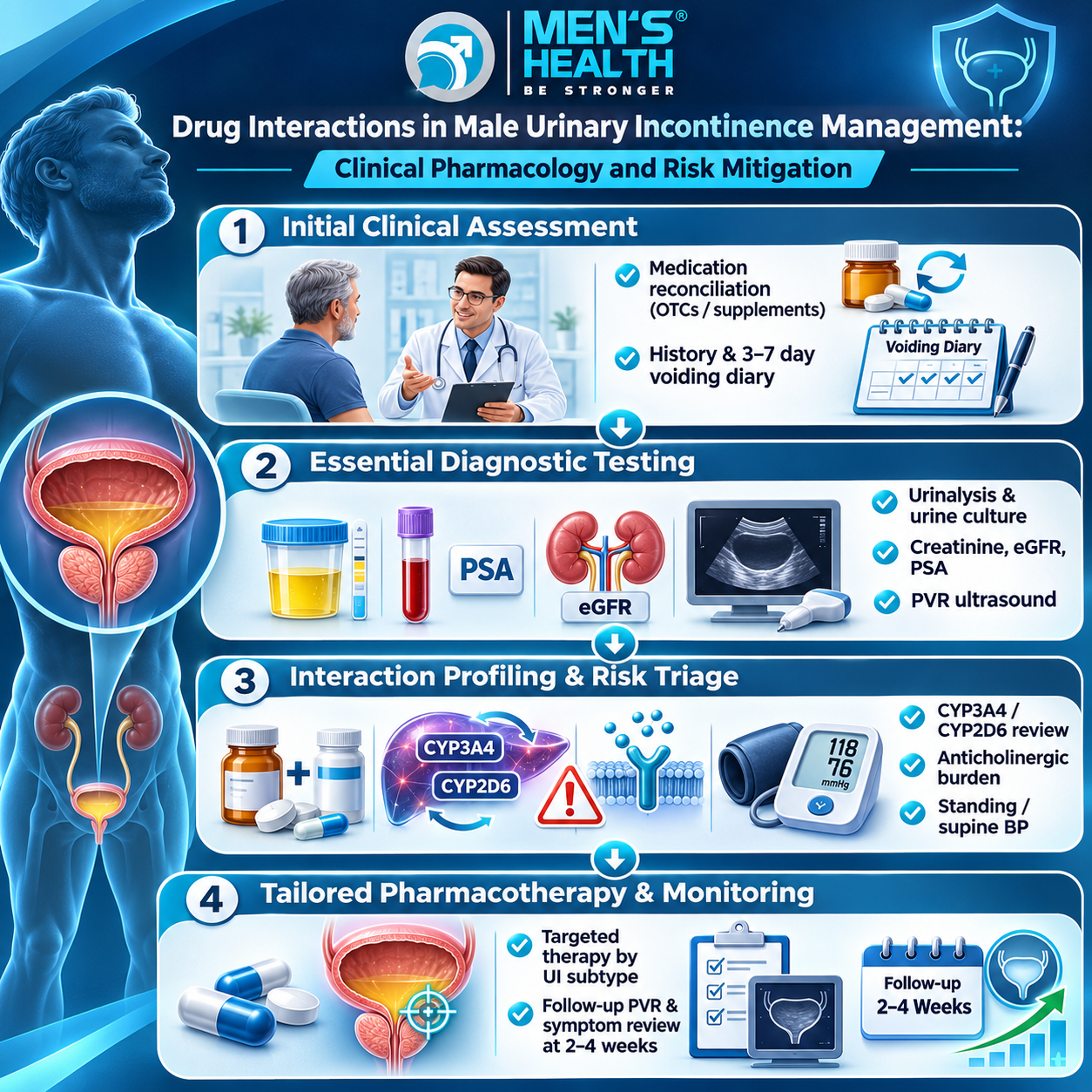
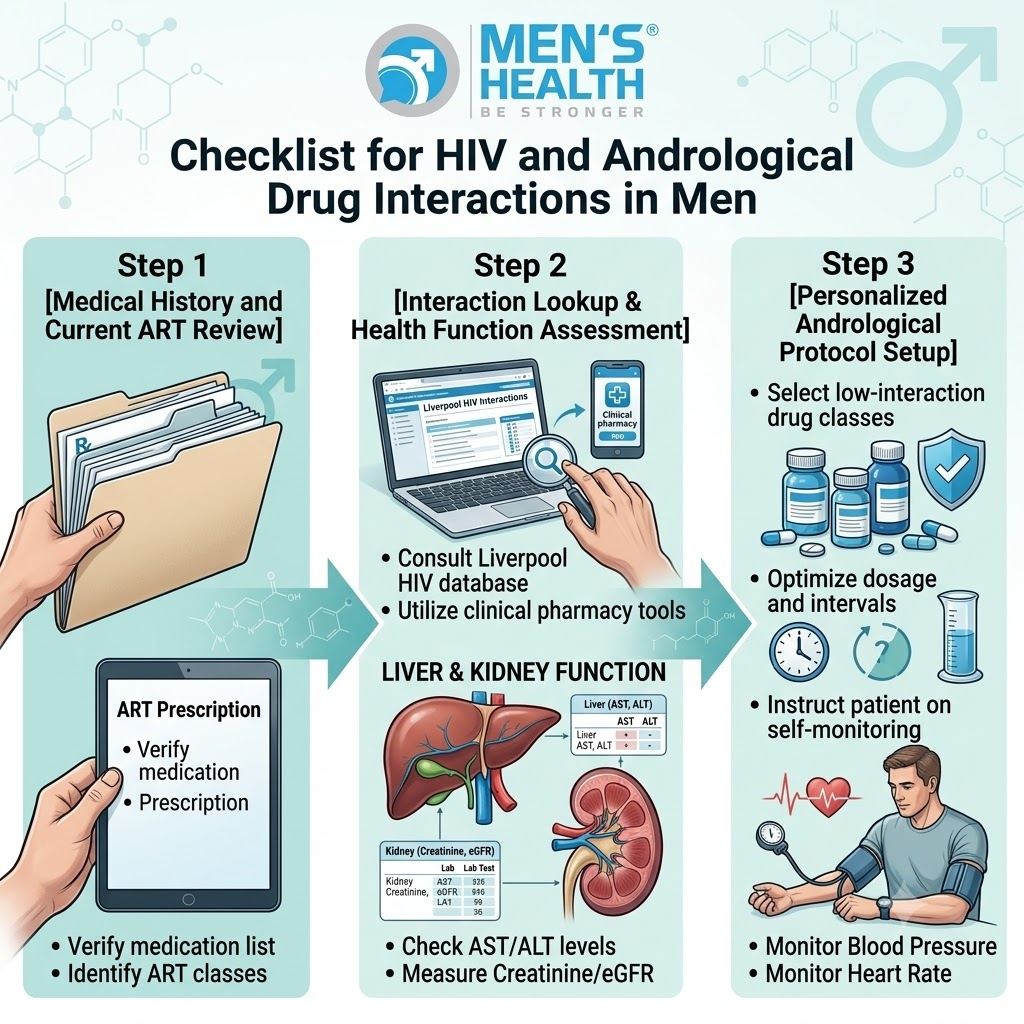
- Comprehensive Medication Reconciliation: Review all prescription medications, over-the-counter drugs, and herbal supplements to screen for CYP450 inhibitors/inducers and anticholinergic loads.
- Post-Void Residual (PVR) Ultrasound Scan: Mandatory baseline assessment. Prescribing antimuscarinics to a patient with an elevated PVR (>150-200 mL) can induce acute urinary retention.
- Cardiovascular Assessment: Baseline blood pressure evaluation (supine and standing) prior to initiating α1-blockers or β3-agonists (e.g., Mirabegron).
- Cognitive Screening: Evaluate baseline cognitive status in elderly patients before initiating non-selective antimuscarinics.
6. Procedural and Surgical Interventions for Refractory Cases
When pharmacotherapy is contraindicated due to severe drug interactions or produces inadequate clinical response, procedural options are considered:
- Artificial Urinary Sphincter (AUS): Surgical gold-standard for moderate-to-severe stress urinary incontinence following prostate surgery.
- Male Urethral Slings: Retropubic or transobturator mesh placement for mild-to-moderate post-prostatectomy stress incontinence.
- Sacral Neuromodulation (SNM): Implantation of an S3 sacral nerve root lead to manage refractory urgency incontinence without systemic drug interactions.
7. Professional Support at Men’s Health Center and Men’s Health Pharmacy
Managing male urinary incontinence requires thorough diagnostic evaluation, careful drug interaction screening, and individualized clinical pharmacy support.
Men’s Health Pharmacy, a specialized unit within the Men’s Health Center ecosystem founded by Dr. Tra Anh Duy (MD, PhD, Spec. II), provides clinical pharmacy services for male urological health. At Men’s Health, patients receive consultations from experienced urologists and clinical pharmacists to ensure that prescribed regimens – including antimuscarinics, β3-agonists, α1-blockers, 5-ARIs, or PDE5 inhibitors – are carefully screened for potential drug interactions and aligned with specific urodynamic profiles. The facility maintains strict clinical safety, patient privacy, absolute confidentiality, and evidence-based practice across all phases of care.

8. Lifestyle Interventions and Self-Management Guidelines
- Fluid Optimization: Maintain balanced fluid intake (1.5 – 2.0 L/day); avoid extreme fluid restriction which can concentrate urine and irritate the urothelium.
- Dietary Adjustments: Eliminate bladder irritants, including caffeine, alcohol, carbonated beverages, and artificial sweeteners.
- Pelvic Floor Muscle Training (PFMT): Perform structured Kegel exercises guided by biofeedback to reinforce external urethral sphincter control.
- Timed Voiding: Practice scheduled micturition every 2 to 3 hours to prevent bladder overdistension.
9. Common Clinical Pitfalls in Managing Male UI Drug Interactions
- Combining Antimuscarinics with Central Anticholinergics: Co-prescribing bladder antimuscarinics with tricyclic antidepressants or antihistamines without calculating systemic anticholinergic burden, precipitating delirium or acute retention.
- Co-Prescribing α1-Blockers and Potent CYP3A4 Inhibitors: Ignoring metabolic interactions between tamsulosin/silodosin and systemic antifungals/macrolides, leading to severe orthostatic collapse.
- Initiating Antimuscarinics Without Baseline PVR: Failing to measure post-void residual urine volume before starting bladder-relaxing agents, converting chronic overflow leakage into painful acute urinary retention.
- Unsupervised Self-Medication: Patients self-administering over-the-counter decongestants (sympathomimetics) alongside α1-blockers, neutralizing therapeutic efficacy.
10. Frequently Asked Questions
Why can combining over-the-counter cold medicines with UI drugs be dangerous?
Many OTC cold medicines contain sympathomimetics (e.g., pseudoephedrine) or first-generation antihistamines. Sympathomimetics tighten the bladder neck, while antihistamines weaken detrusor contractions. Combining them with UI drugs can precipitate acute urinary retention.
Is it safe to take Tadalafil (for ED) alongside Tamsulosin (for UI/BPH)?
Yes, but caution is required. Both drugs cause vascular smooth muscle relaxation, increasing the risk of orthostatic hypotension. Patients should be on a stable dose of tamsulosin before starting low-dose tadalafil (2.5-5 mg daily).
How do strong CYP3A4 inhibitors affect solifenacin or tamsulosin?
Strong CYP3A4 inhibitors (e.g., ketoconazole, clarithromycin) block the liver enzymes responsible for clearing solifenacin and tamsulosin. This leads to drug accumulation, increasing the risk of severe toxicity, hypotension, or cardiac QT prolongation.
Why are β3-agonists like Mirabegron preferred over antimuscarinics in elderly patients taking multiple drugs?
Mirabegron does not block muscarinic receptors in the central nervous system, avoiding cognitive decline, severe dry mouth, and constipation. It also avoids additive anticholinergic interactions with other routine medications.
What should I do if I experience dizziness or severe dry mouth after starting UI medication?
Dizziness may indicate orthostatic hypotension (common with α1-blockers), while severe dry mouth indicates strong anticholinergic activity. You should contact your physician or clinical pharmacist immediately to review your regimen for potential drug interactions.
Conclusion and Expert Clinical Advice
Pharmacological management of male urinary incontinence requires careful evaluation of drug interactions to prevent adverse clinical outcomes. Understanding metabolic pathways (such as CYP3A4 and CYP2D6 inhibition), additive anticholinergic risks, and cumulative vasodilatory effects enables clinicians to select safer therapeutic combinations.
Patients experiencing urinary leakage should avoid self-diagnosis or unprescribed medications. Seeking clinical evaluation at a specialized facility such as the Men’s Health Center ensures precise diagnostic assessment, specialist physician management, and dedicated clinical pharmacy support for long-term urological health.