
Medication and specialized sperm-boosting supplements can significantly support and accelerate the recovery of sperm quality, but they cannot “cure” the condition if you do not eliminate the root cause—excessive heat exposure. Treating sperm reduction caused by high temperatures requires a strict combination of targeted lifestyle modifications and an accurate medical protocol, rather than relying solely on a single drug.
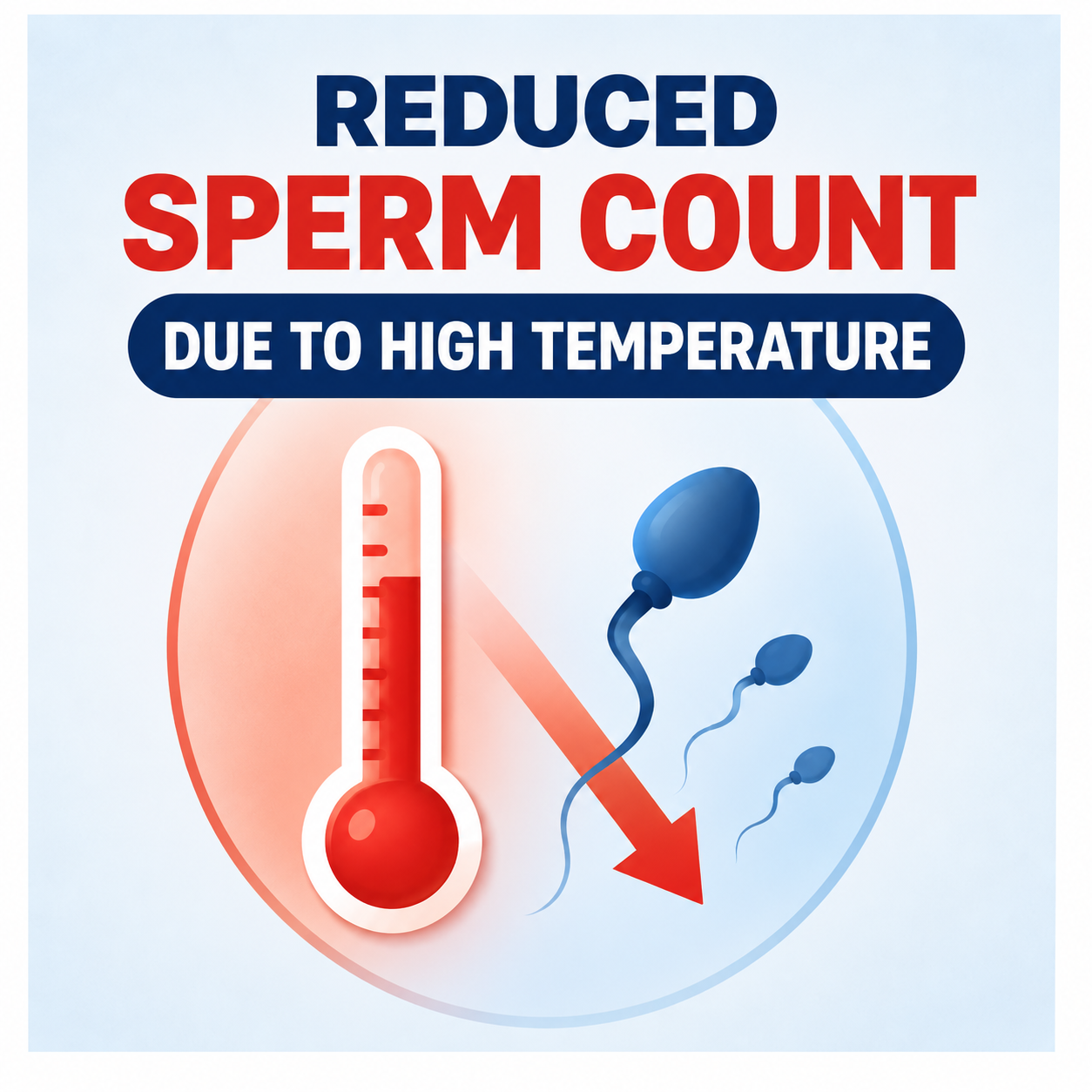
Mechanisms of High Temperatures on Sperm Decline
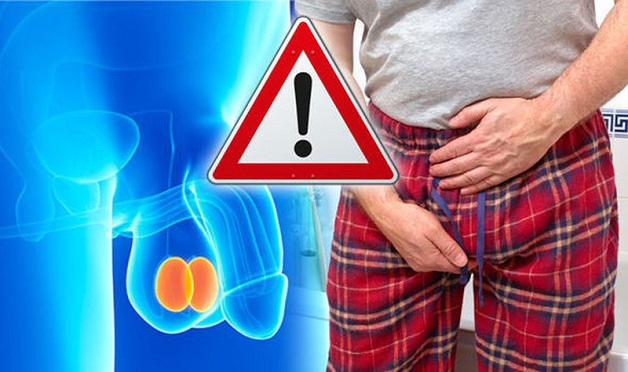
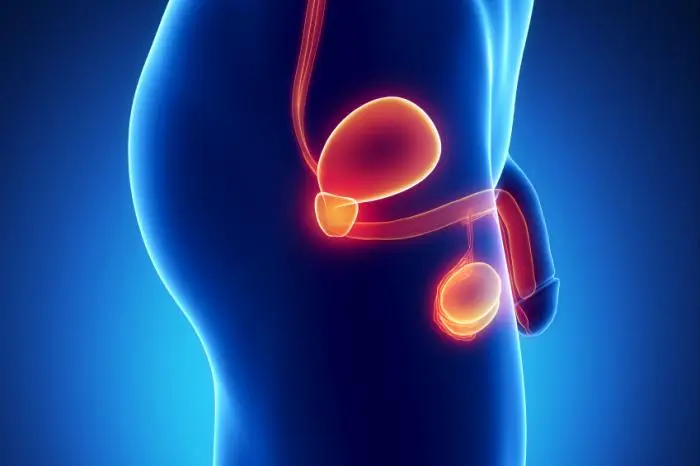
To understand why medication alone is not a standalone cure, it is essential to understand the biological mechanism of the testes. The testes are the “factory” for sperm production, located outside the main body cavity within the scrotum for a specific evolutionary reason: spermatogenesis functions optimally at a temperature 1 to 2°C lower than core body temperature (ranging between 34°C and 35°C).
When the scrotum is continuously overheated by external factors, a series of adverse biological reactions occurs:
- Increased Free Radicals (Oxidative Stress): High temperatures increase the production of reactive oxygen species (ROS) in the testes. These unstable molecules directly attack the sperm cell membrane, impairing motility (swimming capability).
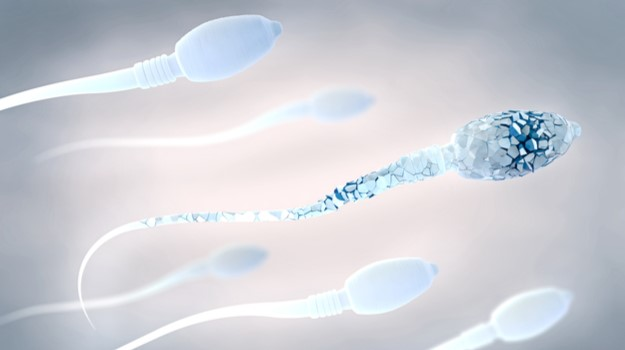
- Sperm DNA Fragmentation: Clinical studies show that elevated temperatures increase the rate of genetic material (DNA) fragmentation within the sperm nucleus. This not only reduces successful conception rates but also elevates the risks of early miscarriage or congenital fetal abnormalities.
- Programmed Cell Death (Apoptosis): High heat triggers the self-destruction of germ cells, leading to a severe drop in total sperm count.
Common Habits and Risk Factors
- Frequent use of saunas and hot tubs/baths.
- Wearing tight underwear or pants made of synthetic, non-breathable materials (e.g., nylon).
- Habitually placing laptop computers directly on the lap while working.
- Occupations requiring prolonged sitting (e.g., drivers, office workers) or working in high-temperature environments (e.g., chefs, welders, furnace workers).
Signs of Sperm Decline and When to See a Doctor
Sperm reduction due to high temperatures usually occurs silently without obvious external physical symptoms. You cannot evaluate sperm quality based solely on the color or consistency of semen. Indirect warning signs may include:
- A persistent feeling of heat or excessive sweating in the scrotal region.
- A mild feeling of heaviness or discomfort in the testes after exposure to heat sources (such as prolonged sauna sessions).
When Should You Seek Medical Evaluation?
If you practice any of the above lifestyle habits and have been having regular, unprotected sexual intercourse for 6 months to 1 year without achieving pregnancy, you should visit a specialized Andrology or Reproductive Endocrinology clinic. Do not wait until infertility becomes severe to seek medical assistance.
Standard Medical Diagnostic Methods
Doctors will not prescribe medication to treat sperm quality without concrete medical evidence. To assess the degree of damage, the physician will order:
- Semen Analysis: The core diagnostic test to measure semen volume, sperm concentration, progressive motility, and normal morphology percentage.
- Sperm DNA Fragmentation Assay (Halosperm / TUNEL): Particularly useful for evaluating DNA damage caused by heat-induced oxidative stress.
- Scrotal Ultrasound: Helps rule out physical conditions that elevate scrotal temperature, notably varicoceles.
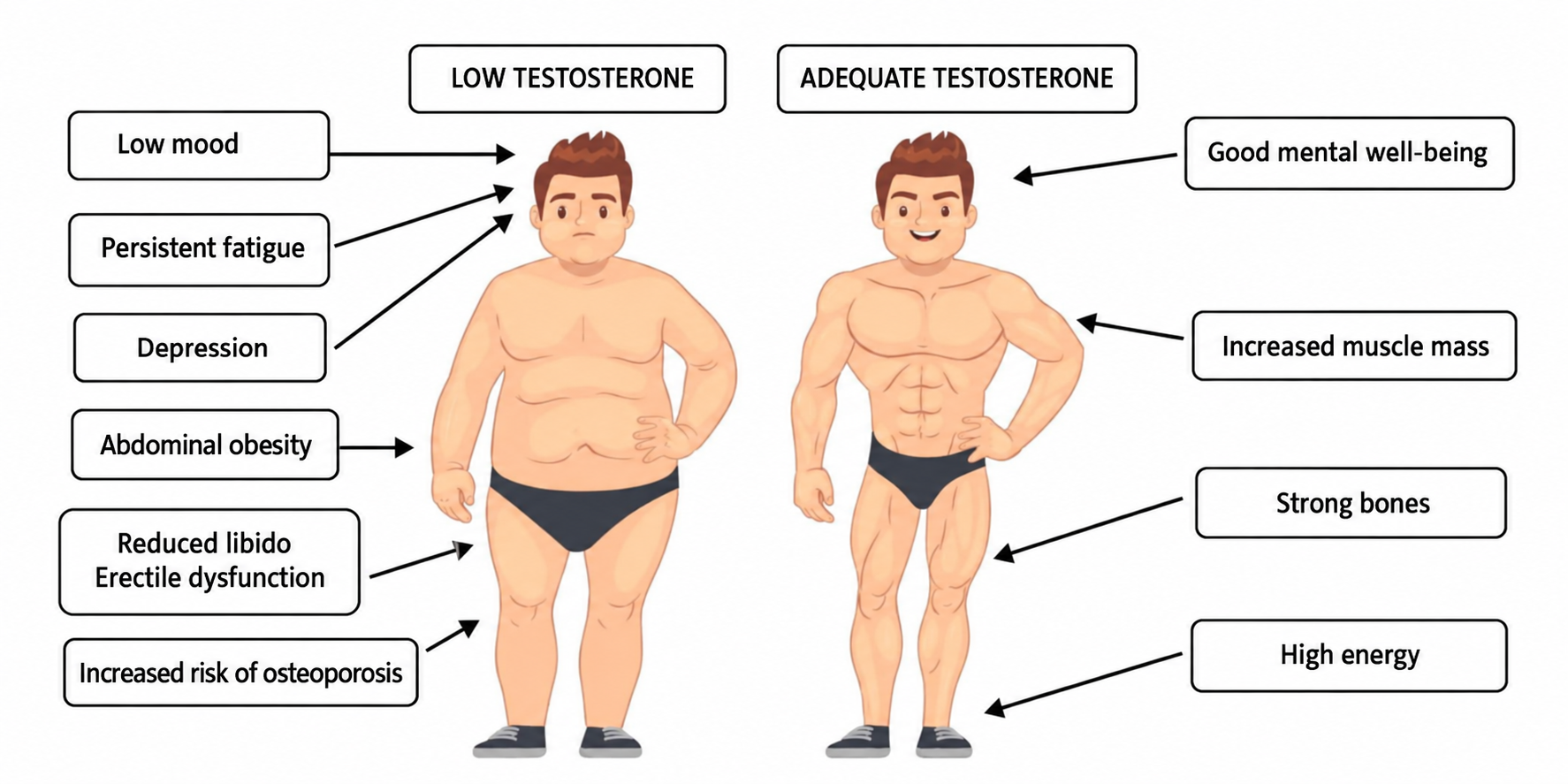
- Reproductive Hormone Panel: Measures serum Testosterone, FSH, and LH to comprehensively evaluate the hypothalamic-pituitary-testicular axis.
Medical Treatment: Can Medication Cure It and What Is Its Role?
As established, medication plays a vital role in accelerating recovery, provided the patient immediately stops habits that increase scrotal temperature.
Supportive Medication Classes and Mechanisms
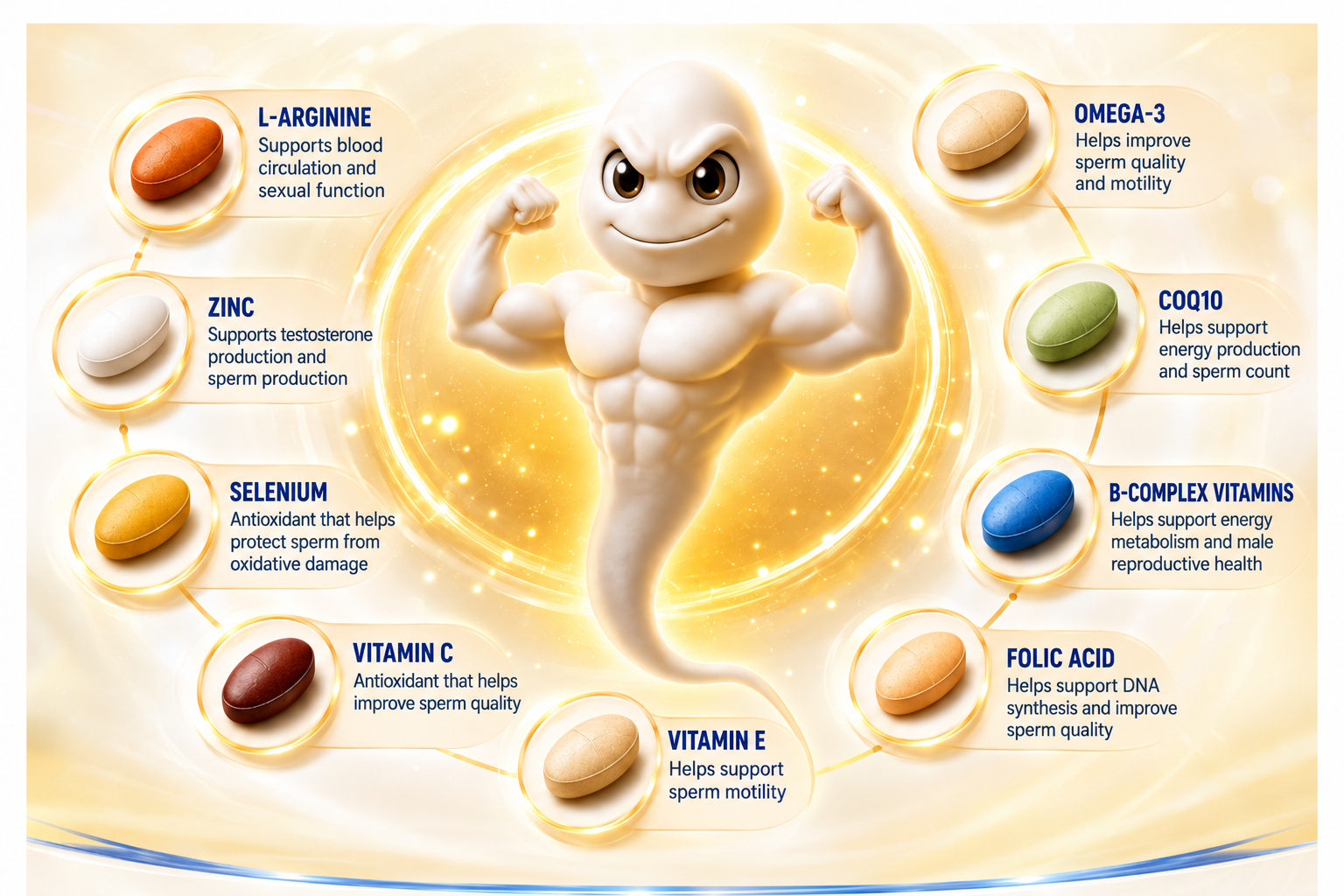
Medical protocols for recovering sperm quality from thermal damage focus primarily on neutralizing free radicals. Supportive oral formulations (prescription medications or dietary supplements) typically contain:
- Potent Antioxidants: Coenzyme Q10, Zinc, Selenium, Lycopene, L-Carnitine, Vitamin C, and Vitamin E. The therapeutic goal of these agents is to protect the sperm cell membrane from ROS attack, thereby improving motility and morphology.
- Folic Acid and Zinc: Support DNA synthesis and reduce the rate of structural abnormalities.
- Hormonal Regulators (When Necessary): In rare cases where severe damage impairs Leydig cell function, physicians may consider specialized hormonal therapy.
Principles for Safe Medication Use
Taking sperm-boosting supplements follows the principle that “more is not always better”:
- Onset of Action: The human spermatogenic cycle takes approximately 72 to 74 days. Therefore, any pharmacological regimen must be maintained continuously for at least 3 to 6 months to observe measurable changes on a repeat semen analysis. Do not arbitrarily increase dosages expecting faster results.
- Adverse Effects: Overusing micronutrients (such as high-dose Zinc or Vitamin E) can cause gastrointestinal distress, nausea, acute diarrhea, or paradoxically trigger reductive stress (harming the sperm’s fertilizing capability).
- Contraindications and Precautions: Patients with underlying liver or kidney disease, or those taking cardiovascular medications, require careful evaluation for potential drug interactions.
- When to Discontinue: Discontinue use and notify your doctor immediately if you experience allergic reactions, skin rashes, or severe stomach pain. Never share prescriptions, as individual health status and micronutrient deficiency levels vary significantly.
Professional Consultation at Men’s Health
Navigating the vast array of sperm supplements requires selecting the correct formulation, proper dosage, and verified product origin to ensure treatment success.
Men’s Health Andrology Pharmacy is an established unit within the Men’s Health Center ecosystem, founded by Dr. Tra Anh Duy (MD, Specialist Level 2). Here, patients receive expert consultations, thorough explanations, and guidance from experienced physicians and clinical pharmacists to choose the most appropriate healthcare solutions. Men’s Health prioritizes professionalism, safety, discretion, confidentiality, and respect for individual patient needs throughout examination, treatment, and follow-up.
Close collaboration between clinical physicians (who diagnose via semen analysis) and clinical pharmacists (who guide medication usage) helps prevent drug interactions and micronutrient toxicity, ensuring a scientific and optimal sperm recovery regimen.
Lifestyle Modifications: The Indispensable Foundational Therapy
Taking expensive sperm supplements while continuing to use saunas daily renders the medication completely ineffective. According to current clinical guidelines, lifestyle modification is the primary, mandatory step of treatment.

Frequently Asked Questions (FAQs)
How many times a week can I use a sauna without harming sperm quality?
Medical guidelines advise men actively trying to conceive to minimize sauna use as much as possible. If needed for relaxation, limit use to 1–2 times per month, for no more than 10–15 minutes per session, followed by a cool shower to rapidly lower scrotal temperature.
Can sperm reduction caused by tight underwear fully recover?
Yes. Testes continuously produce new sperm. If the sole cause is elevated temperature from tight clothing, switching to loose, breathable underwear combined with a healthy lifestyle can allow sperm quality to recover after 3 to 6 months (equivalent to 1–2 spermatogenic cycles).
What happens if I visit a hot spring while taking sperm supplements?
A single hot spring visit may not permanently destroy the entire treatment process, but a sudden high-temperature exposure will kill a significant population of developing sperm, diminishing the therapeutic progress achieved during that cycle. If undergoing fertility treatment, strictly avoid hot baths and hot springs.
Can Traditional Chinese Medicine (TCM) cure heat-induced sperm reduction?
Certain traditional herbal remedies aimed at clearing heat and nourishing the body may offer supportive benefits. However, avoid purchasing unverified remedies based on word-of-mouth. Any treatment (TCM or Western medicine) should follow a formal clinical evaluation, semen analysis diagnosis, and guidance from a medical specialist.
How do I know if the sperm supportive medication is working?
You cannot gauge sperm improvement through visual observation or subjective feelings. The only definitive method to evaluate medication efficacy and heat avoidance is to perform a repeat semen analysis after 3 months of treatment, allowing the physician to compare parameters regarding concentration, motility, and morphology against baseline values.
Conclusion
Sperm reduction caused by high temperatures (from saunas, tight underwear, or occupational hazards) is a common but fully treatable cause of male factor subfertility. Medication—particularly targeted antioxidants—provides significant therapeutic value in supporting testicular recovery and regenerating healthy sperm populations. However, drugs cannot resolve the issue if men do not actively eliminate external heat hazards.
The golden key to restoring reproductive health is patience: implement immediate lifestyle modifications and adhere strictly to your physician’s medical protocol for at least 3 to 6 months. Never self-diagnose or purchase unverified sperm supplements from the market to avoid wasting money and risking your health. If you are concerned about your sperm quality, proactively visit a specialized clinic for a semen analysis. The team of experienced physicians and pharmacists at Men’s Health Center is ready to provide you with a professional, safe, and discreet consultation and treatment path to protect your reproductive health scientifically and sustainably.