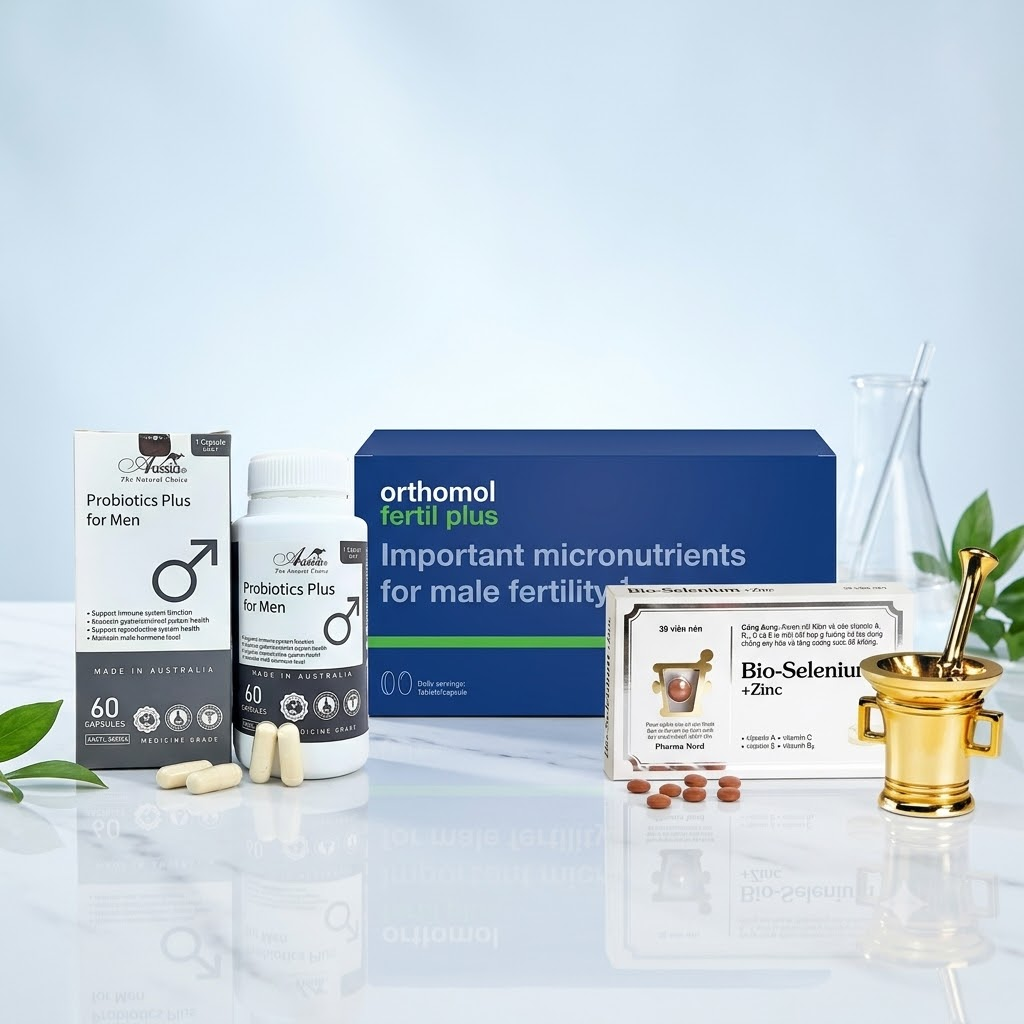

You should not self-combine multiple sperm supplement pills simultaneously. Many products contain overlapping ingredients such as zinc, selenium, folic acid, vitamin C, vitamin E, CoQ10, or L-carnitine; taking multiple products stacked together can result in higher-than-expected total dosages, increasing the risk of adverse effects or drug interactions. More importantly, current andrology guidelines indicate that the clinical benefits of vitamins and antioxidants in treating male infertility remain uncertain. Men with abnormal semen analyses should identify the underlying cause before choosing any supplementation products.
What Are Sperm Supplement Pills?
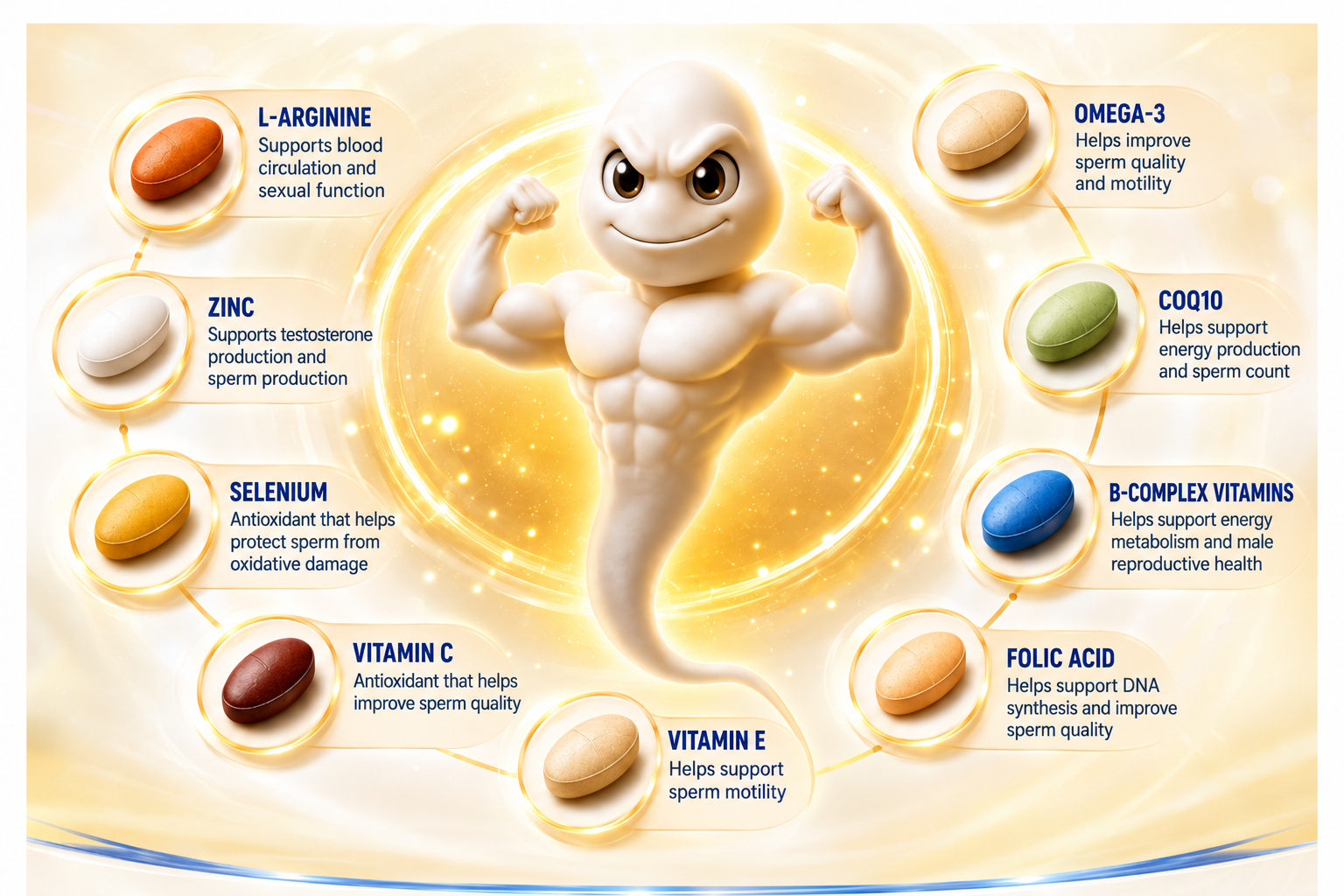
Sperm supplement pills are a common term for products containing vitamins, minerals, amino acids, antioxidants, or nutritional components expected to support male reproductive health. They are not synonymous with infertility treatment drugs and cannot replace the diagnosis of underlying causes.
Common ingredients found in many male reproductive support formulas include zinc, selenium, vitamin C, vitamin E, folic acid, coenzyme Q10 (CoQ10), L-carnitine, and several other micronutrients.
Antioxidants are studied in male infertility because oxidative stress can affect sperm cell membranes and genetic material. However, bridging the gap from biological mechanisms to proving that a product can increase pregnancy rates or live birth rates remains a significant challenge.
The AUA/ASRM guidelines on male infertility, updated in 2024, recommend that physicians explain to patients that the benefits of supplements such as antioxidants and vitamins for male infertility remain unclear, and current data are insufficient to recommend a specific active ingredient.
Should You Take Multiple Sperm Supplement Pills Simultaneously?
You should not self-combine multiple products simply under the assumption that taking more will make sperm healthier. Combining products is only rational when a physician or pharmacist has reviewed the ingredients, total active dosages, and the user’s specific clinical status.
The biggest issue is not the number of pills, but the actual total dosage of each active ingredient introduced into the body.
For example, a single product might already contain zinc, selenium, and vitamin E. If a user adds a multivitamin, a CoQ10 formula combined with micronutrients, and another “male fertility” pill, they could inadvertently receive zinc or selenium from three to four sources daily.
When looking at individual bottles separately, dosages may seem reasonable. However, when summing up the totals from all products, fortified foods, and dietary intake, micronutrient levels can far exceed expectations.
The U.S. Food and Drug Administration (FDA) also notes that problems can arise when using too many supplements, combining multiple types, or taking them concurrently with prescription and over-the-counter medications. Certain ingredients can cause adverse effects, drug interactions, or interfere with laboratory tests.
Why Is Taking More Sperm Supplements Not Necessarily More Effective?
Male fertility does not depend on administering as many antioxidants as possible. Abnormal sperm parameters stem from numerous causes, and each cause requires a tailored approach.
Poor semen parameters can be associated with:
- Varicocele
- Endocrine disorders
- Testicular pathologies
- Infections in certain cases
- Genetic abnormalities
- Genital tract obstructions
- Medications
- Exogenous testosterone or anabolic steroids
- Obesity
- Smoking or other lifestyle factors
If the underlying cause is a varicocele with an indication for intervention, simply taking vitamins for months will not resolve the core problem. Similarly, if a man is self-administering testosterone for muscle building, taking zinc, selenium, or CoQ10 will not eliminate the suppressive effects of exogenous testosterone on spermatogenesis. Therefore, identifying the cause is far more critical than stacking supplement products.
Do Antioxidants Actually Improve Sperm?
Some studies show that antioxidants can improve certain semen parameters or reproductive outcomes, but the quality and consistency of the evidence remain limited.
A Cochrane review (2022) found that antioxidant supplementation in infertile men may be associated with improved live birth rates in some analyses. However, the evidence was assessed as low or very low certainty, with high heterogeneity across studies regarding antioxidant types, dosages, and patient populations.
Conversely, the randomized MOXI trial, which evaluated a multi-antioxidant formulation in men with male factor infertility, showed no significant improvement in semen quality or live birth rates compared to placebo.
Another large randomized trial evaluating the combination of folic acid and zinc also recorded no meaningful improvement in semen quality or live birth rates.
These data explain why current guidelines cannot confirm that any specific vitamin or antioxidant formula is universally effective for all infertile men.
Is Taking More Antioxidants Better for Sperm?
Antioxidation does not mean unlimited usage is safe. Antioxidants and antioxidant defense systems within the body exist in a complex biological equilibrium. Therefore, the goal is not to pump as much antioxidant content into the body as possible.
Furthermore, many substances promoted for sperm health are vitamins or minerals possessing established Tolerable Upper Intake Levels (UL). Exceeding these thresholds over prolonged periods can cause harm instead of conferring additional benefits. Notably, users rarely experience overdose from a single product; rather, toxicity accumulates by combining multiple products with identical ingredients.
Which Active Ingredients Are Most Prone to Overlap When Combining Products?
Ingredients that frequently appear concurrently in male fertility support formulas include zinc, selenium, vitamin E, vitamin C, folic acid, and B-complex vitamins. CoQ10 and L-carnitine are also regularly included in combination formulas.
The following thresholds illustrate why active ingredients must be calculated cumulatively rather than judging products by pill count alone:
| Active Ingredient | Tolerable Upper Limit (UL) for Adults (NIH Reference) | Risks of Excessive Intake |
| Zinc | UL: 40 mg/day | Nausea, gastrointestinal distress; prolonged high intake can cause copper deficiency. |
| Selenium | UL: 400 mcg/day | Hair loss, brittle nails, nausea, metallic taste, neurological disorders when excessive. |
| Folic Acid | UL: 1,000 mcg/day from supplements/fortified foods | May cause complications when high doses are used long-term in certain populations. |
| Vitamin E (Supplement form) | UL: 1,000 mg/day | High doses can increase bleeding risk. |
Note: The values above represent adult tolerable upper limits according to NIH references in the United States, not recommended therapeutic doses for treating male infertility. An individual does not need to strive to reach these thresholds.
Specifically regarding zinc, the NIH notes that consuming from approximately 50 mg/day or higher for multiple weeks can hinder copper absorption, deplete body copper stores, and trigger other adverse effects. This can happen quite easily if a person simultaneously takes a “sperm supplement” pill, a multivitamin, and an additional standalone zinc tablet.
What Are the Effects of Excess Selenium?
Selenium is essential for the body, but excessive, prolonged consumption can cause selenium toxicity (selenosis). Symptoms recorded by the NIH include:
- Hair loss or changes in hair texture.
- Brittle nails or nail damage.
- Garlic-scented breath or a metallic taste.
- Nausea and diarrhea.
- Fatigue and irritability.
- Neurological disorders in severe cases.
Because selenium is typically measured in micrograms, users easily underestimate small label numbers. However, if three products simultaneously contain selenium, total intake must be aggregated.
Does Excess Zinc Make Sperm Healthier?
There is no basis to suggest that escalating zinc dosages improves sperm quality. Zinc is an essential micronutrient, but excessive intake can be harmful. Adult men require approximately 11 mg of zinc daily per U.S. dietary recommendations, while the adult UL is 40 mg/day from all sources combined. Prolonged high zinc intake causes nausea, abdominal pain, and specifically blocks copper absorption, which impairs blood and nervous system function over time. Hence, “zinc is good for reproduction” does not equate to “more zinc is always better.”
Should Vitamin E in Sperm Supplements Be Handled with Caution?
Vitamin E possesses antioxidant properties, but high supplemental doses can increase bleeding risks. This warrants particular caution in individuals taking anticoagulants or preparing for surgical procedures. The NIH notes that high-dose supplemental vitamin E can impair blood clotting and elevate hemorrhagic risks. If a user consumes multiple products containing vitamin E, total dosage must be audited instead of reading a single pill’s content.
Do Sperm Supplements Interact with Medications?
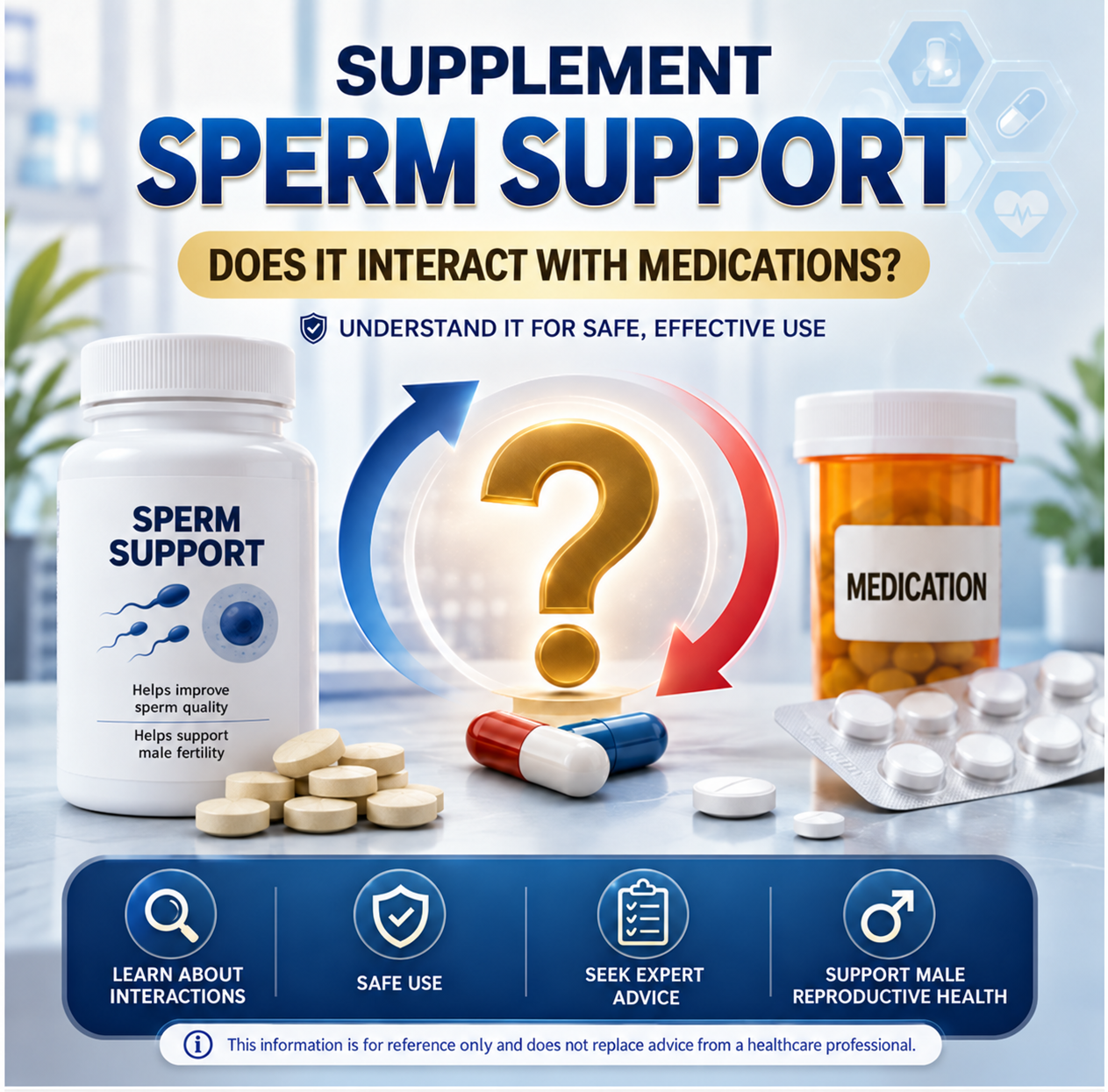
Yes. Dietary supplements, herbal components, and micronutrients retain the capacity to interact with prescription and over-the-counter drugs. The FDA warns that certain supplements can alter drug absorption, metabolism, or excretion, modifying drug concentrations and efficacy outside of predictable parameters.
Individuals managing cardiovascular diseases, bleeding disorders, hypertension, diabetes, epilepsy, liver disease, kidney disease, or preparing for surgery must exercise extreme caution and disclose all active regimens to their physician or pharmacist. Never assume a product labeled as “natural,” “herbal,” or “vitamin” is inherently free of interactions.
Who Should Avoid Self-Combining Multiple Sperm Supplements?
Men undergoing active medical treatment, long-term drug therapies, or fertility evaluations should not self-construct a “sperm supplement combo” from multiple products.
Professional review by a physician or pharmacist is specifically warranted for those presenting with:
- Markedly abnormal semen analyses
- Azoospermia (zero sperm)
- Very low sperm density
- A history of testicular disorders
- Varicocele
- Endocrine disorders
- Hepatic or renal diseases
- Current use of exogenous testosterone, anabolic steroids, or other prescription drugs
Special Warning for Men Using Testosterone: Men trying to conceive while using testosterone must recognize that exogenous testosterone suppresses spermatogenesis; this cannot be counteracted by consuming extra vitamins or antioxidants.
How to Identify Overlapping Ingredients Across Products?
The simplest method relies on comparing ingredient tables rather than brand names. When utilizing two or more products, create a spreadsheet listing the active ingredient, dosage per daily serving, and cumulative total acquired across all items.
Example: If Product A contains 15 mg of zinc, Product B contains 20 mg, and a daily multivitamin contributes an extra 10 mg, the supplement intake alone totals 45 mg/day, excluding dietary intake. This level surpasses the adult UL of 40 mg/day established by the NIH. Similar tracking protocols should be applied to selenium, vitamin E, folic acid, and any active ingredients replicated across multiple regimens.
What Steps Should Precede Taking Dietary Supplements for Sperm Quality?
If facing reproductive challenges, the priority lies in diagnosing the underlying etiology rather than sequentially testing multiple supplement brands over months.
A semen analysis serves as a foundational diagnostic test but does not constitute a complete male infertility evaluation. Depending on the case, a physician may assess reproductive history, duration of unassisted conception, physical examinations of the genitalia, testes, and spermatic cord, alongside targeted hormonal panels, ultrasounds, or genetic testing. This proves particularly vital when semen analyses demonstrate profound oligozoospermia or azoospermia.
Daily lifestyle optimization remains paramount: maintain optimal body weight, exercise regularly, prioritize adequate sleep, avoid smoking, refrain from anabolic steroids, and mitigate general health stressors. Dietary supplements, if genuinely required, should operate strictly as supportive adjuncts following target identification.
How Long Before Re-Evaluating Sperm Supplement Efficacy?
Supplements should not be consumed indefinitely without periodic review of efficacy and necessity. Spermatogenesis and sperm maturation span multiple weeks; consequently, reproductive health shifts cannot be gauged merely after a few days of product use.
In clinical practice, timelines for repeat semen analyses or strategy adjustments depend on the etiology, baseline outcomes, and the couple’s reproductive timeline. Establishing clear monitoring goals outweighs questioning “how many months to drink.” If products are consumed long-term without tracking targeted metrics, lacking pre- and post-supplement semen analyses, and omitting etiology assessments, purchasing successive products becomes clinically irrational.
When to Discontinue Supplements and Contact a Physician?
Users should discontinue suspect products and seek medical guidance upon experiencing pronounced adverse reactions, such as:
- Skin rashes or allergic manifestations
- Persistent nausea, vomiting, or prolonged diarrhea
- Significant abdominal pain
- Abnormal bleeding events
- Emergence of novel neurological symptoms or other unusual discomforts following product initiation
Isolating a culprit trigger proves exceedingly difficult when starting three or four products simultaneously—reinforcing why initiating multiple items concurrently should be avoided. The FDA emphasizes monitoring dietary supplement adverse events and discussing issues with healthcare professionals.
The Roles of Physicians and Pharmacists in Selecting Sperm Supplements
Physicians diagnose root causes and establish treatment goals; pharmacists specialize in auditing formulations, dosages, ingredient duplication, and interaction risks.
Within the Men’s Health Center ecosystem, founded by Dr. Tra Anh Duy (MD, Specialist Level 2), men experiencing semen abnormalities, infertility, or reproductive health concerns receive individualized evaluations tailored to their specific clinical picture rather than relying on supplement advertising.
The Men’s Health Andrology Pharmacy functions within this ecosystem, where physicians and pharmacists collaborate to advise on appropriate medications and supportive products. For individuals consuming multiple vitamins, minerals, or reproductive aids, auditing the entire active regimen uncovers duplicate ingredients and prevents superfluous usage. Prescription therapies strictly necessitate medical indications; patients must never utilize peer prescriptions or independently purchase hormones, testosterone, or endocrine-modulating drugs to “boost sperm.” Appropriate pathways prioritize professional, safe, discreet, confidential, and personalized care.

Frequently Asked Questions (FAQs)
1. Should I take 2–3 different sperm supplement pills at once?
Do not self-combine. Two or three products frequently house identical active components, elevating cumulative zinc, selenium, vitamin E, or folic acid totals above safe parameters. Always consult a physician or pharmacist to audit ingredient profiles before mixing products.
2. Does taking more vitamins yield healthier sperm?
No. Vitamins and minerals are only required in adequate amounts. Excessive ingestion is unproven to improve sperm health, and certain micronutrients trigger adverse events when surpassing tolerance thresholds.
3. Can zinc and selenium be taken together for sperm support?
These two elements frequently co-exist in specialized formulas, but whether to consume them—and at what dosage—requires summing contributions from all external sources. Both selenium and zinc possess strict tolerance limits when overconsumed.
4. Can CoQ10, L-carnitine, zinc, and selenium be taken together?
While research and commercial formulations occasionally bundle these ingredients, this does not imply every infertile man requires that precise cocktail. Current AUA/ASRM guidelines cannot endorse any single antioxidant or specific formula universally for all male infertility patients.
5. Can sperm supplements replace varicocele treatment?
No. If semen abnormalities link to a treatable structural cause like a clinically significant varicocele, nutritional supplementation cannot substitute for proper diagnosis and medical/surgical intervention.
6. Do poor sperm parameters always respond to antioxidants?
No. “Poor sperm” encompasses diverse abnormalities affecting concentration, motility, or morphology. Interpreting semen analyses and tracking etiologies must precede supplement selection.
7. Do sperm supplements guarantee a successful pregnancy?
No. No dietary supplement guarantees pregnancy achievement. Evidence linking antioxidants to pregnancy rates and live birth outcomes remains inconclusive.
8. Is a semen analysis necessary when taking sperm supplements?
Yes. In cases of infertility or suspected sperm quality deficits, a semen analysis is a cornerstone of initial assessment. Blindly consuming products without understanding baseline semen parameters delays identifying root causes.
9. If I take a daily multivitamin, do I need an extra sperm supplement?
Not automatically. Multivitamins often already incorporate zinc, selenium, folic acid, vitamin C, E, and B-complex vitamins. Cross-referencing ingredient tables is mandatory before introducing secondary products.
10. How should I select a sperm supplement?
Base selections on real nutritional needs, transparent ingredient profiles, clear dosages, and professional medical guidance rather than choosing products containing the highest volume of active ingredients. For infertility, diagnosing root causes remains more vital than brand selection.
Conclusion
You should not self-administer multiple sperm supplement pills simultaneously under the assumption that greater nutrient volume equates to enhanced reproductive capability. Products frequently house overlapping components, placing users at risk of accidentally overdosing on zinc, selenium, vitamin E, folic acid, or other micronutrients.
Crucially, current evidence regarding antioxidants in male infertility lacks sufficient certainty to establish universal benefit across all men. AUA/ASRM guidelines highlight that the clinical utility of these supplements remains unclear.
When facing abnormal semen analyses, conception delays, or prolonged supplement use lacking clear tracking goals, men should seek andrological and reproductive evaluations to identify root causes. Avoid self-combining products, avoid utilizing other people’s prescriptions, and never self-administer testosterone or endocrine drugs for “sperm enhancement.” Supplement selection, when genuinely indicated, must rely on individualized assessments coordinated by physicians and pharmacists to secure safety, prevent ingredient duplication, and avoid sustaining therapies that fail to resolve underlying mechanisms.