
Increasing testosterone naturally is a sustainable solution that helps men restore vitality, improve muscle mass, and enhance the quality of their sexual life without abusing endocrine medications. Decline in testosterone is not only an inevitable consequence of the aging process but also stems from lifestyle factors, stress, and underlying medical conditions. The following article provides proven scientific methods to help stimulate the body to produce hormones naturally and safely, while pointing out common mistakes to avoid in order to protect comprehensive male health.

What is Testosterone and Why is It Important?
Testosterone is the primary sex hormone in men, produced mainly in the testicles (under stimulation from the pituitary gland) and a small portion in the adrenal glands. It acts as the “conductor” directing many vital functions in the male body, including:
- Sexual characteristics: Development of reproductive organs, facial hair growth, and a deeper voice.
- Physiological function: Maintaining sexual desire, supporting sperm production, and assisting erectile function.
- Physique and strength: Promoting protein synthesis to help develop muscle mass, maintain strong bone density, and regulate body fat distribution.
- Mental health and cognition: Regulating mood, energy levels, focus, and self-confidence.
According to current specialized guidelines, blood testosterone levels in a healthy adult male usually range between 300 – 1,000 ng/dL. When this index falls below normal levels, the body immediately issues warning signals.
Causes and Signs of Testosterone Decline
The decline of male hormones can occur silently or suddenly, depending on the root cause.
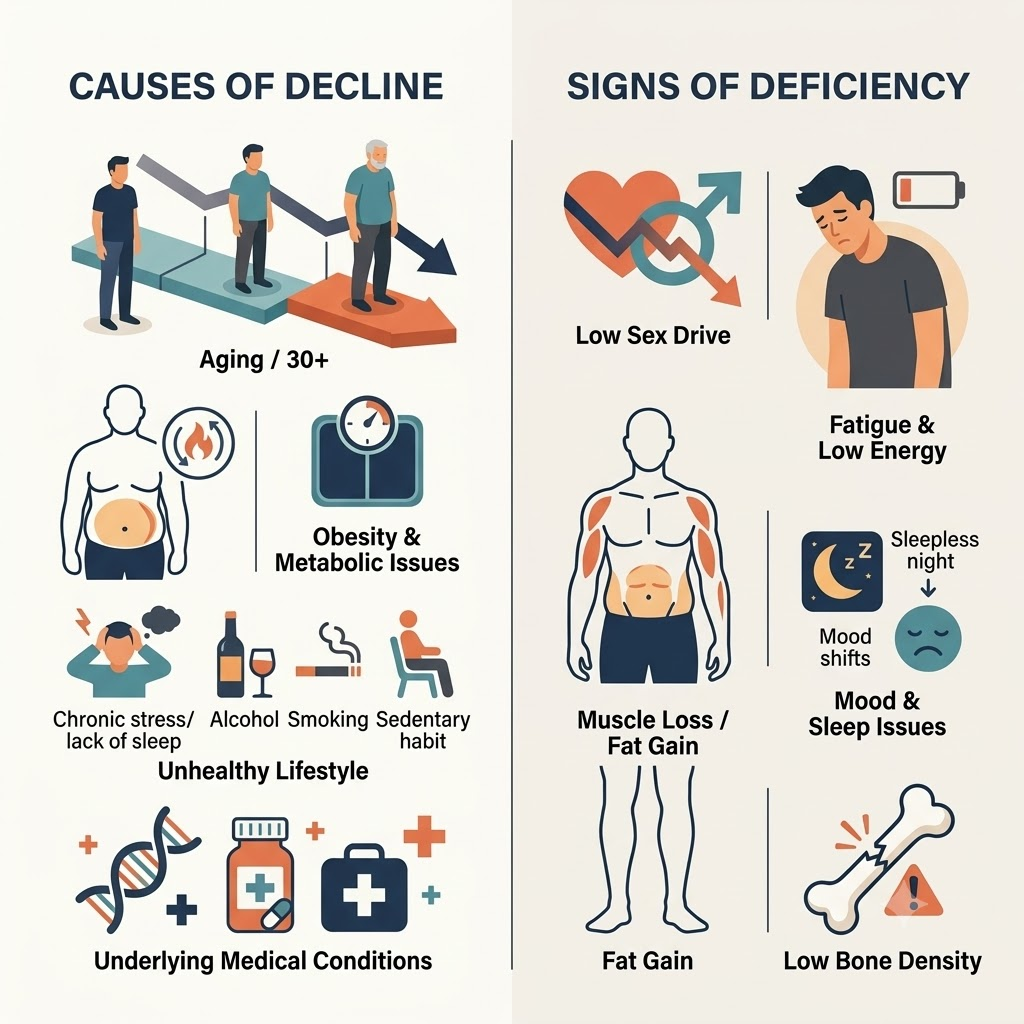
Common Causes of Hormone Decline
- Age (Andropause): Natural testosterone levels begin to decrease by approximately 1% per year after the age of 30.
- Obesity and Metabolic Syndrome: Excess fat cells contain the enzyme aromatase, which can convert testosterone into estrogen (female hormone), causing a severe reduction in male hormones.
- Unhealthy Lifestyle: Chronic sleep deprivation, prolonged stress, alcohol abuse, smoking, and physical inactivity.
- Underlying Medical Conditions: Type 2 diabetes, thyroid diseases, liver or kidney disease, or testicular damage due to mumps or injury.
Warning Signs of Testosterone Deficiency
You should consider endocrine decline if your body frequently presents the following symptoms:
- A noticeable drop in sex drive, erectile dysfunction, or reduced frequency of morning erections.
- Persistent fatigue and lack of energy despite adequate rest.
- Muscle atrophy, alongside increased fat accumulation around the abdomen and chest.
- Sleep disturbances, mood swings, irritability, or signs of depression.
- Decreased bone density, making one prone to injuries or fractures.
Evidence-Based Natural Methods to Increase Testosterone
Instead of rushing to endocrine medications, men can adopt lifestyle modifications to stimulate the body’s hormone production. This is the first and most vital intervention step in medicine.
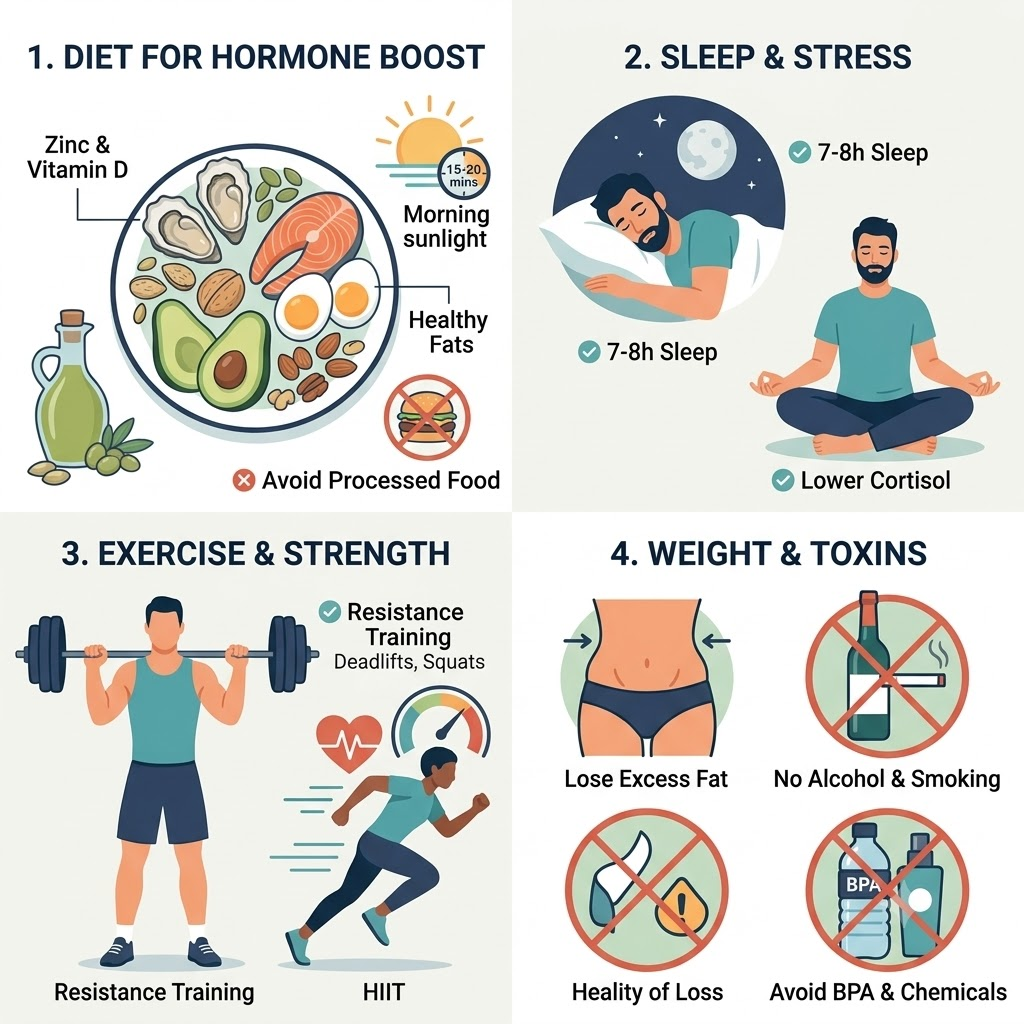
1. Build an Endocrine-Optimized Diet
The food you consume daily directly impacts your endocrine system. To boost testosterone naturally, focus on the following essential nutrients:
- Zinc: An essential mineral for sperm production and testosterone synthesis. Zinc is abundant in oysters, beef, pumpkin seeds, and various beans.
- Vitamin D: Functions like a steroid hormone in the body. Vitamin D deficiency is closely linked to low testosterone levels. Get early morning sunlight (15–20 minutes) or supplement through salmon, egg yolks, and vitamin D-fortified milk.
- Healthy Fats: Steroid hormones are synthesized from cholesterol. A completely fat-free diet will eliminate the raw materials needed for testosterone production. Prioritize Omega-3s and unsaturated fats from olive oil, avocados, nuts, and fatty sea fish.
Medical Note: Avoid processed foods, refined sugars, and trans fats, as they cause inflammation, increase visceral fat, and lead to insulin resistance—all of which are “enemies” that deplete testosterone levels.
2. Manage Sleep and Control Stress
- Sleep: A major portion of testosterone is released at night, particularly during deep sleep cycles (REM). Clinical studies show that sleeping less than 5 hours per night for just 1 week can decrease testosterone levels by 10% to 15%. Ensure you get 7–8 hours of quality sleep per night and maintain a consistent sleep schedule.
- Stress Management (Cortisol): Cortisol is a hormone secreted by the adrenal glands during stress. Prolonged high levels of cortisol directly inhibit the hypothalamic-pituitary-gonadal axis, halting signals for testosterone production. Practicing meditation, yoga, or deep breathing exercises are effective natural therapies to lower cortisol levels.
3. Physical Exercise and Strength Training
Exercise is one of the fastest ways to stimulate male hormone production.
- Resistance Training (Weight Lifting): Exercises involving large muscle groups (such as Deadlifts, Squats, Bench Press) have been proven to trigger significant releases of testosterone during and after workouts.
- HIIT (High-Intensity Interval Training): Helps burn excess fat effectively, improves insulin sensitivity, and boosts male hormones better than prolonged low-intensity cardio workouts.
4. Weight Management and Toxins Limitation
- Reduce Excess Fat: Weight loss in obese individuals can help natural testosterone levels recover to normal by reducing the conversion of male hormones into female hormones.
- Limit Alcohol and Tobacco: Alcohol suppresses Leydig cells in the testes (where hormones are produced). Smoking damages blood vessels and impairs sexual function.
- Avoid Endocrine-Disrupting Chemicals: Limit exposure to BPA (in poor-quality plastic containers and bottles), Phthalates, and Paraben derivatives in cosmetics, as they mimic estrogen structure and disrupt the male endocrine axis.
Medical Treatment: When Are Natural Methods Not Enough?
Natural testosterone-boosting methods are very effective for those with mild endocrine decline due to lifestyle factors. However, if you suffer from Male Hypogonadism—meaning the testicles are unable to produce enough hormone due to physical damage or pituitary disease—specialized medical treatment is required.
Groups of Medications for Hypogonadism
When medically indicated, physicians may use the following therapies:
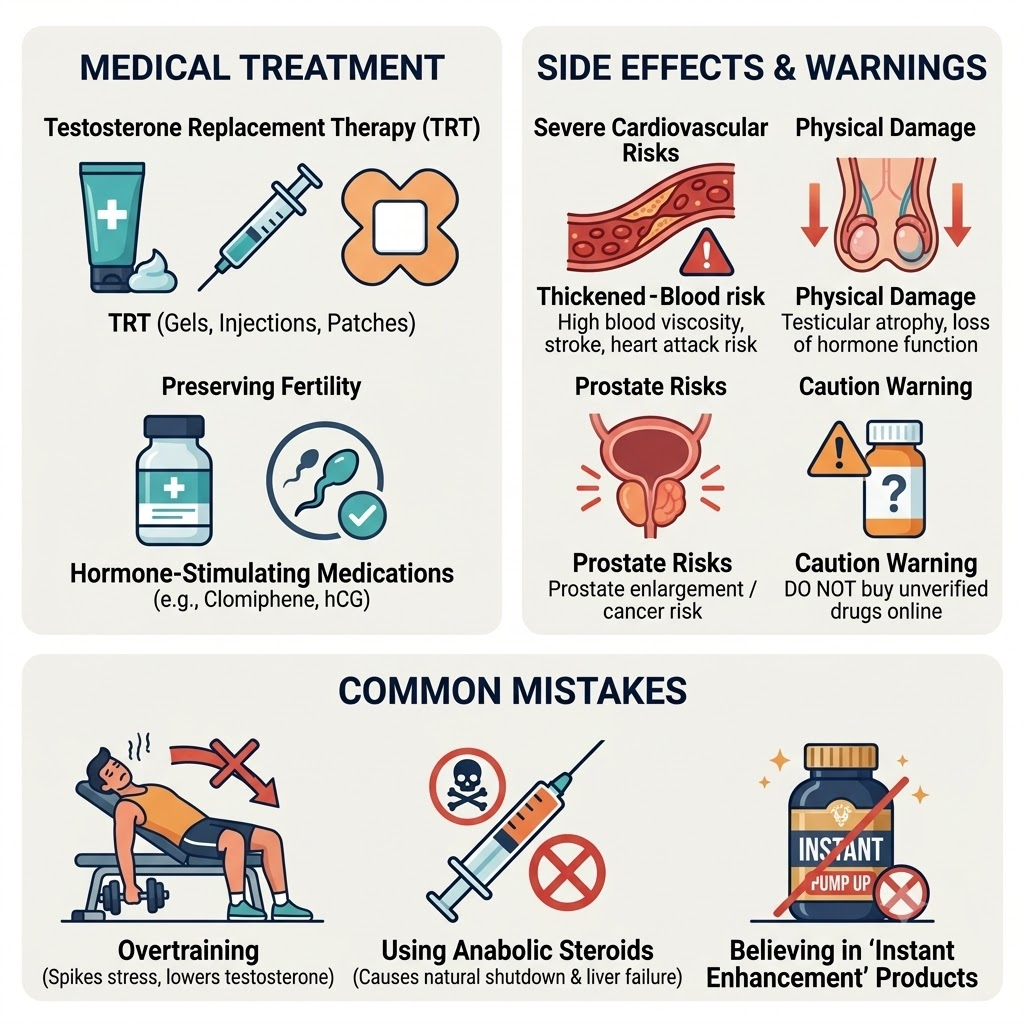
- Testosterone Replacement Therapy (TRT): Available as topical gels, intramuscular injections, or patches. The goal is to restore hormone levels to the normal physiological range to resolve symptoms of fatigue, erectile dysfunction, and osteoporosis.
- Hormone-Stimulating Medications (Clomiphene, hCG): Intended for men with endocrine decline who still wish to preserve their fertility (since TRT can suppress spermatogenesis, leading to temporary infertility).
Side Effects and Medical Cautions
Endocrine medications are strictly prescription drugs. Self-purchasing and using testosterone injections/oral supplements carries severe risks:
- Increases blood viscosity (elevates hematocrit levels), leading to risks of thrombosis, stroke, and myocardial infarction.
- Testicular atrophy and permanent loss of the body’s natural hormone production capacity.
- Prostate enlargement or stimulating the rapid growth of pre-existing prostate cancer cells.
Warning: Never use another person’s prescription or purchase unverified endocrine drugs online.
Common Mistakes When Trying to Increase Testosterone Naturally
- Overtraining: Believing that the more you train, the higher your hormones will rise is a mistake. Exhausting workouts without rest days spike the stress hormone Cortisol, leading to a severe drop in testosterone.
- Using Anabolic Steroids: Many young gym-goers seeking rapid muscle growth illegally inject Steroids (a form of synthetic testosterone). This triggers negative feedback, causing the body to stop producing natural testosterone, resulting in impotence, testicular atrophy, and liver failure.
- Believing in “Instant Enhancement” Products: Herbal products advertised to immediately “pump up” testosterone often lack a scientific foundation or are adulterated with harmful cardiovascular stimulants.
Endocrine Healthcare Solutions at Men’s Health
Endocrine disorders are complex issues requiring thorough screening via specialized blood tests (measuring Total Testosterone, Free Testosterone, LH, FSH, Prolactin, etc.) before deciding on an intervention protocol.
Men’s Health Andrology Pharmacy is a unit within the Men’s Health Center ecosystem founded by Dr. Tra Anh Duy (MD, Specialist Level 2). Here, patients are always consulted, advised, and supported by doctors and pharmacists to choose suitable healthcare solutions tailored to their individual constitutions. Men’s Health emphasizes professionalism, safety, discretion, information confidentiality, and respect for personal needs throughout examination, treatment, and follow-up.
We always emphasize that endocrine medications strictly require a doctor’s prescription after a thorough evaluation. Close coordination between clinicians and pharmacists helps men manage risks, avoid drug misuse, and protect their physiological foundation scientifically.
Frequently Asked Questions (FAQs)
1. Which foods are most effective for naturally increasing testosterone?
There is no single “miracle” food. However, oysters, lean red meat, chicken eggs, nuts (almonds, pumpkin seeds), and salmon are rich in Zinc, Omega-3, and Vitamin D—core nutrients that help the body optimize male hormone synthesis.
2. Does gym training really help naturally increase testosterone?
Yes. Strength training (like weightlifting) is the best natural stimulus for testosterone. However, this increase is often temporary post-workout. To maintain consistently high levels, combine regular exercise with proper rest and recovery.
3. How does sleep deprivation affect male hormone levels?
Sleep is the golden period for endocrine regeneration. Sleep deprivation elevates the stress hormone Cortisol, inhibiting the pituitary gland and suppressing testosterone release. Sleeping less than 5 hours a day can reduce a young man’s endocrine profile to that of someone 10 years older.
4. Do young men need to find ways to naturally boost testosterone?
Yes, if they lead a sedentary lifestyle, are overweight, obese, or experience chronic stress and late nights. Even in your 20s or 30s, you can suffer from severe endocrine decline if you maintain an unhealthy lifestyle.
5. Should herbal supplements be used to boost testosterone naturally?
Certain herbs (such as Eurycoma Longifolia/Tongkat Ali, Ashwagandha) have been shown to support endocrine balance and reduce stress. However, they only serve a supportive role and cannot replace specialized treatment medications. Consult a doctor or pharmacist before use to avoid interactions with current medications.
Conclusion
Increasing testosterone naturally through lifestyle changes, dietary adjustments, sleep management, and scientific exercise is the sustainable key for men to maintain vitality, health, and stamina. Male hormones not only determine sexual performance but also reflect overall health.
Practical medical advice: Do not self-diagnose or misuse supplements and exogenous hormones without knowing the true root cause of physiological decline. Upon noticing persistent abnormal signs such as fatigue, low libido, or changes in body composition, proactively consult an andrology specialist for screening. With a comprehensive medical ecosystem, Men’s Health is always ready to provide professional, safe, and discreet consultations, examinations, and health monitoring to help men confidently master their health.