
Direct Answer: OAT syndrome (Oligoasthenoteratozoospermia) is a major cause of male infertility characterized by a simultaneous decrease in sperm count ($<15 \text{ million/mL}$), motility ($<32\%$ progressive motility), and normal morphology ($<4\%$ normal forms). Treatment requires accurate medical diagnosis to resolve the underlying cause rather than relying on unverified remedies. Depending on the specific etiology, standardized medical treatments include hormone therapy (such as SERMs or gonadotropins), antibiotics/anti-inflammatories (for urogenital infections), and antioxidant supplements (such as L-Carnitine, Zinc, CoQ10, and vitamins) to counteract oxidative stress.
What Is OAT Syndrome (Weak, Low, Abnormal Sperm)?
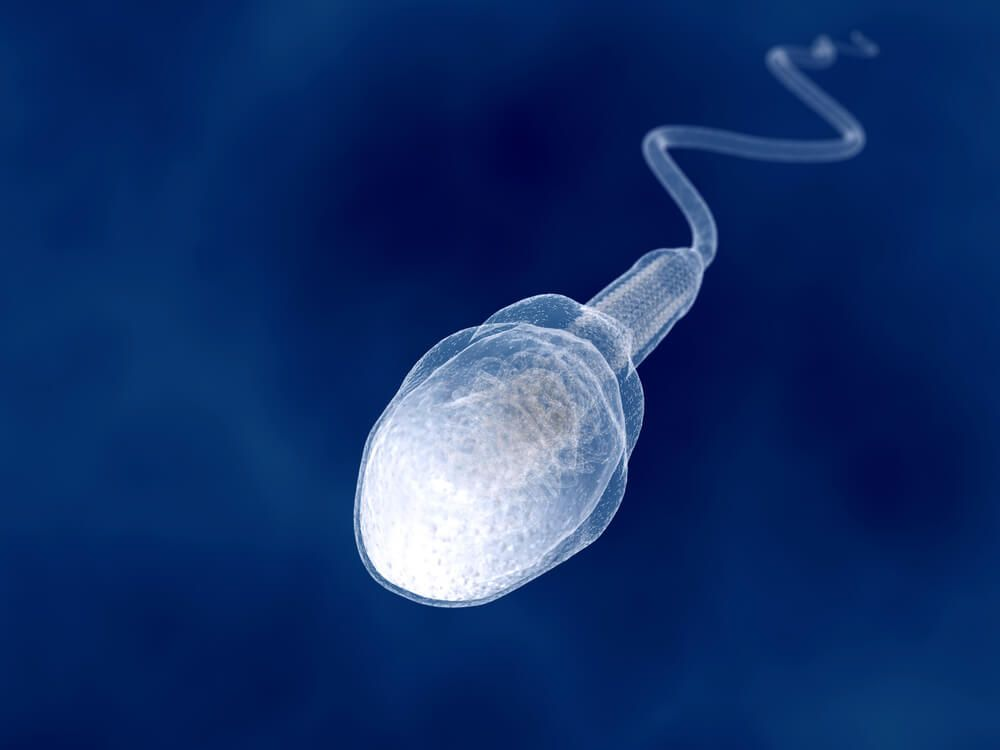
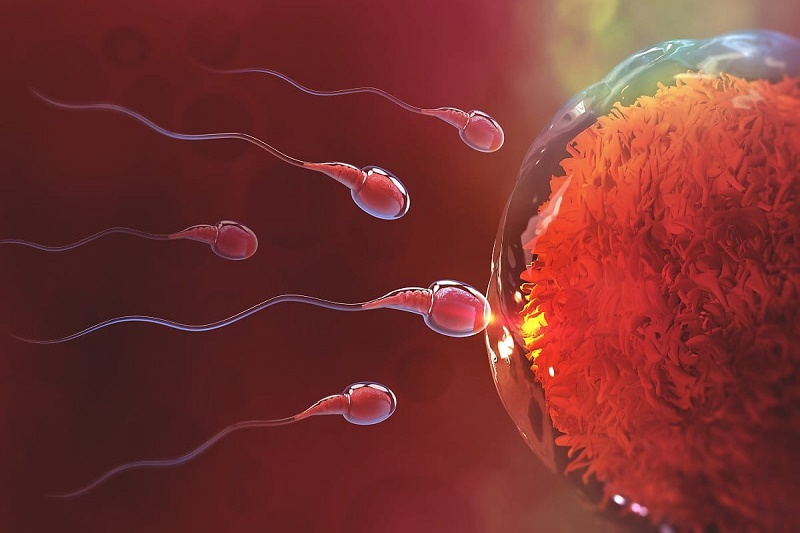
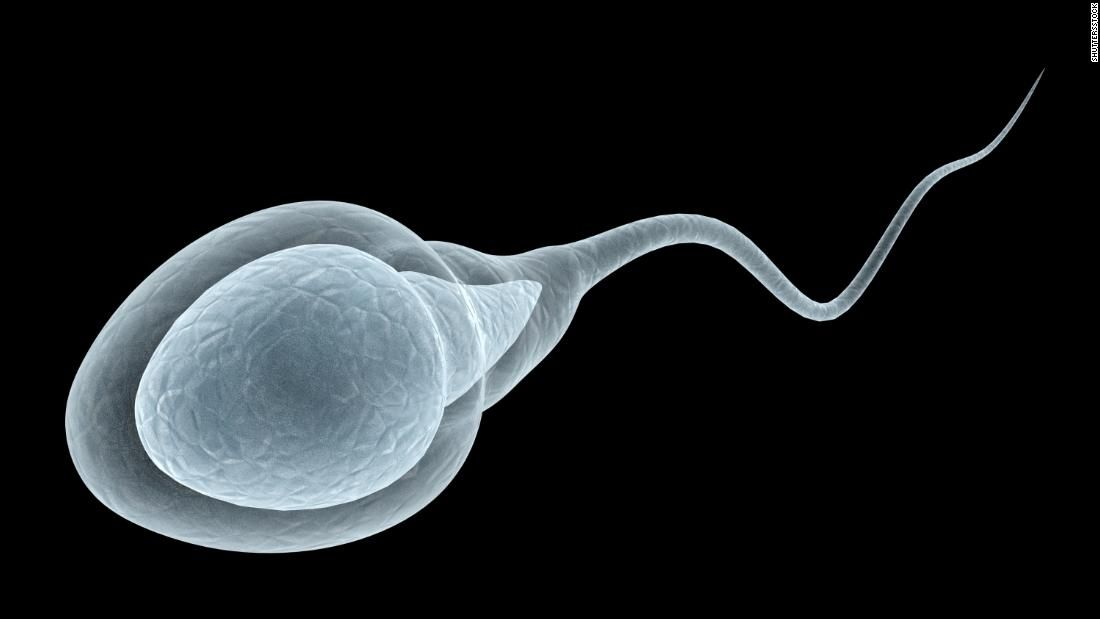
OAT syndrome (Oligo-Astheno-Teratozoospermia) is not a single disease but a constellation of three major abnormalities found in semen analysis. According to standard guidelines from the World Health Organization (WHO), natural conception requires semen parameters to meet specific thresholds. In patients with OAT syndrome, all three key indices fall below standard values:
- Oligozoospermia (Low Sperm Count): Sperm density is below $15 \text{ million sperm/mL}$ of semen, or the total sperm count per ejaculate is under $39 \text{ million}$.
- Asthenozoospermia (Weak/Poor Sperm Motility): The percentage of progressively motile sperm (swimming straight forward) is below $32\%$, or the total motility (progressive and non-progressive) is under $40\%$. Sperm that only swim in place or remain immobile cannot navigate the uterus to reach the egg.
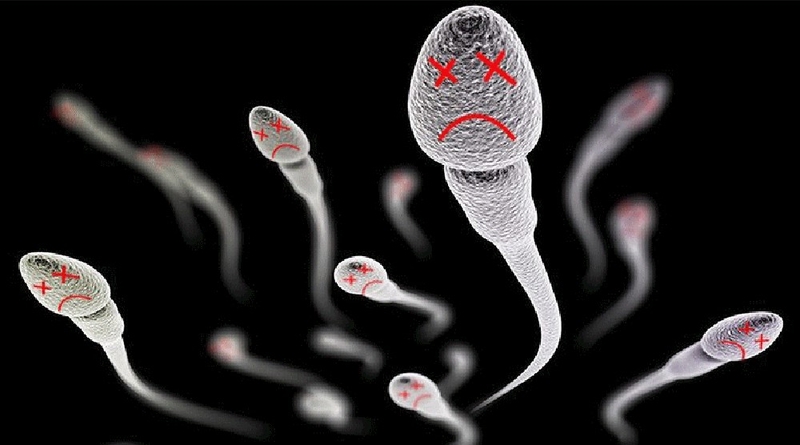
- Teratozoospermia (Abnormal Sperm Morphology): The proportion of sperm with normal morphology is under $4\%$. Abnormalities can occur in the head (large head, small head, missing acrosome), neck, or tail (short tail, coiled tail, multiple tails), rendering the sperm unable to swim properly or penetrate the protective shell of the egg.
The combination of these three factors significantly reduces the probability of natural conception, necessitating timely and appropriate medical intervention.
Causes and Risk Factors of OAT Syndrome
Weak, low, and abnormal sperm does not occur without reason. Clinical studies demonstrate that this syndrome is typically the consequence of reproductive system damage, systemic imbalances, or negative environmental impacts.
Medical Causes
- Varicocele: The most common cause of male infertility. Dilation of the pampiniform plexus veins in the scrotum increases testicular temperature and leads to the accumulation of oxygen-depleted blood, impairing spermatogenesis and increasing sperm abnormality rates.
- Genitourinary Infections: Conditions such as orchitis, epididymitis, prostatitis, or sexually transmitted infections (gonorrhea, chlamydia) can cause scarring that blocks the vas deferens or triggers leukocyte production, generating free radicals that destroy sperm.
- Hormonal Disorders: The hypothalamic-pituitary-testicular (HPT) axis regulates sex hormone production. Any endocrine impairment (e.g., hypogonadism, low Testosterone, elevated Prolactin) stalls sperm production.
- Genetic and Congenital Abnormalities: Chromosomal mutations (such as Klinefelter syndrome), Y-chromosome microdeletions, or cryptorchidism (undescended testicles) severely compromise sperm quality.
Lifestyle and Environmental Factors
- Substance Abuse: Cigarette smoking, heavy alcohol consumption, and recreational drug use (especially cannabis) reduce testosterone levels, cause sperm DNA fragmentation, and increase morphologically abnormal sperm rates.
- High-Temperature Exposure: Habits such as frequent hot baths, saunas, wearing tight underwear, or working in high-temperature environments (chefs, welders) impair testicular function.
- Toxic Chemicals and Radiation: Prolonged exposure to pesticides, industrial solvents, heavy metals, or X-rays can cause toxicity to germ cells.
- Stress and Obesity: Chronic stress disrupts reproductive hormones. Obesity not only lowers testosterone but also increases the peripheral aromatization of testosterone into estrogen, suppressing sperm production.
Symptoms and When to See a Doctor
OAT syndrome typically develops silently with virtually no outward symptoms. Most men only discover the condition when experiencing difficulty conceiving. However, patients may notice warning signs related to underlying medical conditions:
- Pain, swelling, or a palpable lump in the testicles or scrotum.
- Sexual dysfunction, such as reduced libido, erectile dysfunction, or ejaculatory difficulties.
- Hormonal imbalances manifested by hair loss, reduced body hair, or abnormal breast tissue enlargement (gynecomastia).
When to Seek Medical Evaluation?
Medical specialists recommend that men seek evaluation at a specialized center if a couple has engaged in regular, unprotected sexual intercourse (2–3 times/week) for $1\text{ year}$ (or $6\text{ months}$ if the female partner is over 35 years old) without conceiving. Additionally, if any genital abnormalities are detected, medical consultation should be sought as early as possible.
Diagnostic Methods for OAT Syndrome
OAT syndrome cannot be diagnosed based on subjective feelings or visual inspection of semen. Medical diagnostic methods include:
- Semen Analysis (Tinh dịch đồ): The core test. The patient abstains from ejaculation for 2–7 days before providing a semen sample for microscopic evaluation of volume, density, motility, and morphology. At least two tests performed a few weeks apart are usually required for an accurate baseline.
- Hormone Blood Tests: Measurement of Testosterone, FSH, LH, Prolactin, and Estradiol levels to assess endocrine system function.
- Scrotal and Transrectal Ultrasound: Helps detect varicoceles, tumors, testicular lesions, or ejaculatory duct obstructions.
- Genetic Testing and Sperm DNA Fragmentation Index (DFI): Indicated in cases of severe OAT or recurrent unexplained pregnancy loss.
Which Drug Classes Are Used to Treat OAT Syndrome?
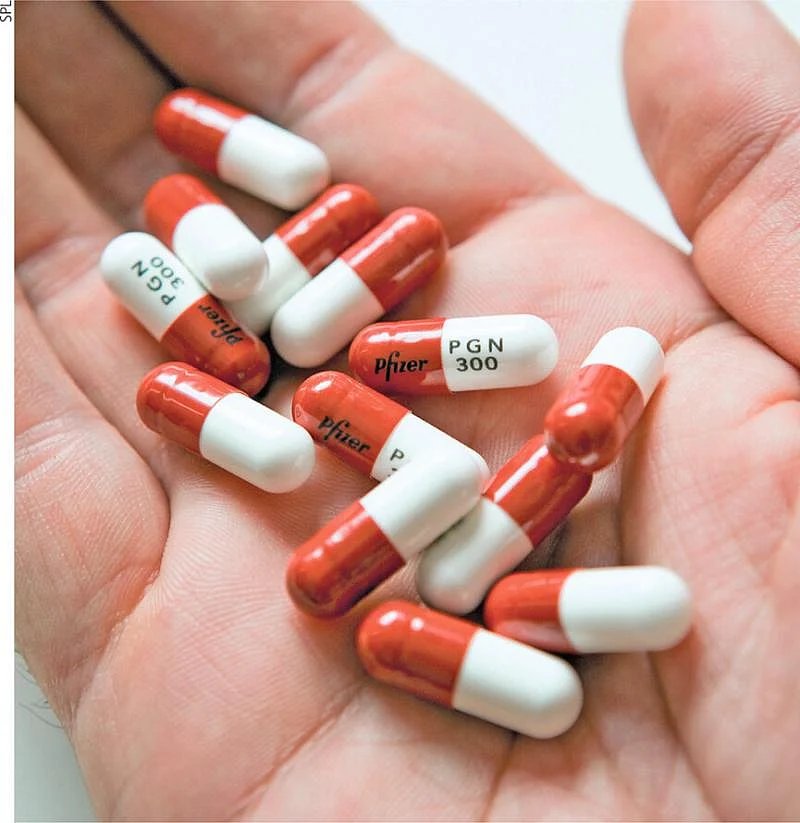
Pharmacotherapy for OAT syndrome must target the specific etiology diagnosed by a physician. There is no single universal “miracle drug” that cures this condition for everyone. Below are the primary drug classes commonly prescribed:
1. Hormone Therapy
Used when weak, low sperm is caused by endocrine disorders (secondary hypogonadism). These medications work by stimulating the testicles to produce testosterone and sperm.
- Selective Estrogen Receptor Modulators (SERMs – Clomiphene citrate, Tamoxifen): Although originally female fertility drugs, they are frequently used off-label in male reproduction. They block estrogen feedback on the brain, stimulating the pituitary gland to secrete more FSH and LH to promote spermatogenesis. These are strictly prescription oral medications.
- Gonadotropins (hCG, hMG, recombinant FSH): Administered via injection when the pituitary gland fails to produce sufficient gonadotropins. Human chorionic gonadotropin (hCG) stimulates endogenous testosterone production, while hMG/FSH directly stimulates germ cells to initiate spermatogenesis.
2. Antibiotics and Anti-inflammatory Agents
If semen analysis reveals high leukocyte counts (leukocytospermia) or diagnostic tests confirm a urogenital bacterial infection (prostatitis, Chlamydia, Mycoplasma), antibiotics are prescribed.
- Objective: Eradicate bacteria and reduce inflammation, preventing the destruction of sperm caused by inflammatory reactive oxygen species (ROS).
- Notes: Antibiotics are prescription medications. Treatment typically lasts 2 to 4 weeks depending on the pathogen and severity. Simultaneous treatment of the sexual partner is necessary to prevent reinfection.
3. Antioxidants and Micronutrient Supplements
Oxidative stress (excessive accumulation of ROS) is a major contributor to damaged sperm DNA, cell membrane degradation, and tail abnormalities, resulting in poor motility and morphology. Antioxidant supplements help neutralize free radicals and support cellular metabolism:
- L-Carnitine and Acetyl-L-Carnitine: Play a crucial role in mitochondrial energy metabolism, enhancing progressive sperm motility.
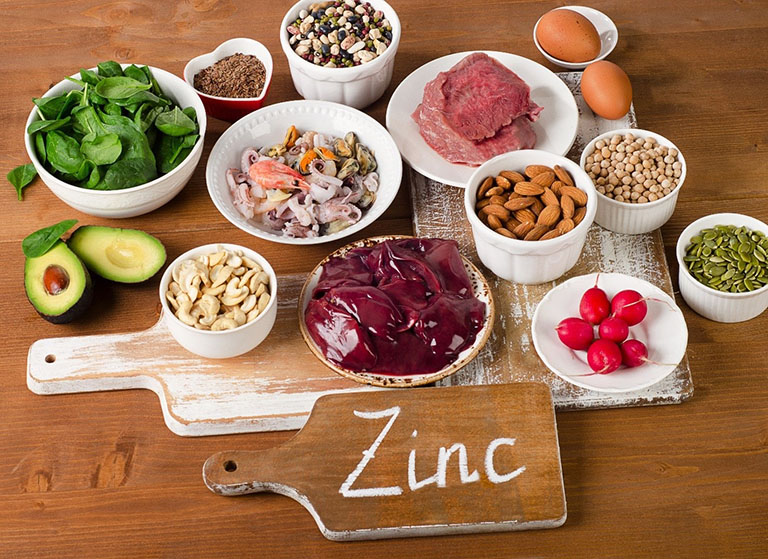
- Zinc and Folic Acid: Essential for DNA synthesis. Zinc increases sperm count, improves quality, and stabilizes morphology.
- Coenzyme Q10 (CoQ10): A potent antioxidant concentrated in the sperm midpiece, providing energy for motility.
- Vitamins C, E, and Selenium: Protect the sperm cell membrane from free radical attack.
Note: While these supplements may be over-the-counter (OTC) or dietary supplements, medical or pharmaceutical guidance on dosage is still required to prevent toxicity to the liver and kidneys.
Medication Safety, Side Effects, and Drug Interactions
Any medication introduced into the body carries potential risks. Patients must never self-medicate or use someone else’s prescription.
- Adverse Effects: Hormone medications (like Clomiphene) can cause mood swings, acne, breast tenderness, weight gain, or liver enzyme elevations. Antibiotics may cause gastrointestinal upset, diarrhea, or allergic reactions.
- Contraindications and Precautions: Hormone therapies are contraindicated in men with pituitary tumors, prostate cancer, or severe hepatic/renal impairment.
- Do Not Confuse with Erectile Dysfunction Drugs: Phosphodiesterase-5 (PDE5) inhibitors for erectile dysfunction or desensitizing sprays for premature ejaculation do not improve sperm count or morphology. They should not be described or used arbitrarily as fertility treatments.
- When to Seek Immediate Medical Attention: Discontinue medication and visit a hospital immediately if severe allergic reactions (generalized rash, facial swelling, dyspnea), severe headaches, or visual disturbances occur. Avoid unverified herbal concoctions or traditional medicaments due to the risk of adulteration with corticosteroids or heavy metals, which can cause permanent infertility.
Comparison of Medical Interventions for OAT Syndrome
| Drug Class / Treatment | Target Indication | Primary Mechanism of Action | Common Examples |
| Hormone Therapy (SERMs / Gonadotropins) | Secondary hypogonadism, low gonadotropin levels | Stimulates HPT axis to boost endogenous FSH/LH and intratesticular testosterone | Clomiphene citrate, Tamoxifen, hCG, recombinant FSH |
| Antibiotics & Anti-inflammatories | Leukocytospermia, genitourinary infections (Chlamydia, Prostatitis) | Eradicates bacterial pathogens and reduces inflammatory ROS damage | Target-specific antibiotics (2–4 week courses) |
| Antioxidants & Micronutrients | High oxidative stress, high DFI, poor motility/morphology | Neutralizes ROS, protects sperm cell membrane, supports mitochondrial energy | L-Carnitine, CoQ10, Zinc, Folic Acid, Vitamin E, Selenium |
Role of Doctors and Pharmacists at Men’s Health Andrology Pharmacy
Diagnosing the underlying root cause and establishing a personalized treatment protocol for OAT syndrome requires specialized expertise in sexual medicine and endocrinology.
Men’s Health Andrology Pharmacy is a specialized unit within the Men’s Health Center ecosystem founded by Dr. Tra Anh Duy (MD, Specialist Level 2). Here, patients receive direct consultation, clinical explanations, and support from experienced physicians and pharmacists to choose appropriate healthcare solutions. Men’s Health prioritizes professionalism, clinical safety, discretion, strict data privacy, and respect for personal health needs throughout evaluation, treatment, and follow-up.
Pharmacists at Men’s Health Andrology Pharmacy collaborate closely with clinical physicians to instruct patients on proper dosing schedules, treatment durations, and potential drug interactions. We emphasize that prescription drugs designed to improve sperm parameters require a formal physician’s order following clinical and diagnostic investigations; self-purchase and unmonitored home administration are strictly discouraged.
Lifestyle Modifications: Prevention and Support
Medical therapy cannot achieve optimal efficacy if a patient maintains an unhealthy lifestyle. To optimize spermatogenesis, men should:
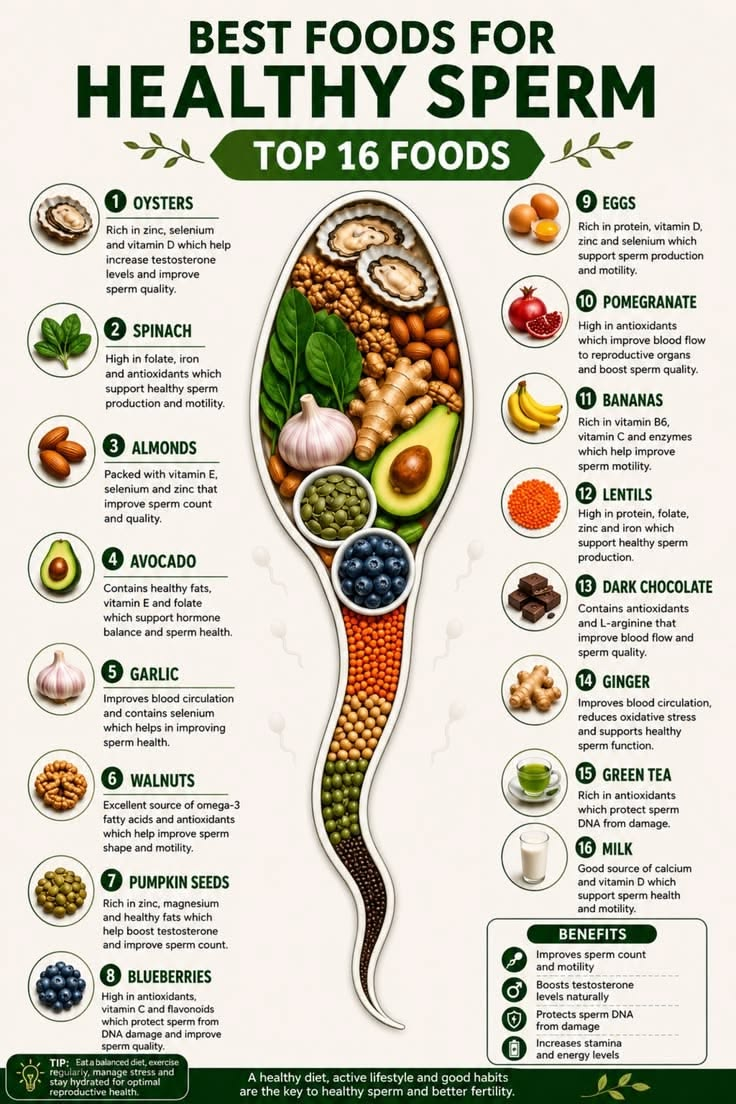
- Manage Body Weight: Maintain a healthy BMI through a diet rich in green vegetables, fruits, nuts, and lean protein.
- Avoid Excessive Heat: Limit saunas, hot baths, avoid placing laptops directly on the lap, and wear loose-fitting, breathable cotton underwear.
- Eliminate Harmful Substances: Stop smoking, minimize alcohol intake, and avoid recreational drugs.
- Manage Stress and Sleep: Ensure 7–8 hours of quality sleep per night and engage in moderate physical exercise (running, swimming, yoga) to regulate natural reproductive hormones.
Frequently Asked Questions (FAQs) About OAT Syndrome
1. Can a man with OAT syndrome conceive naturally?
Natural conception is still possible if the impairment is mild. However, the probability is significantly reduced, and the time to pregnancy is often prolonged. If OAT syndrome is severe, medical intervention or assisted reproductive technology (ART, such as IUI or IVF/ICSI) is generally required.
2. How long does medical treatment for OAT syndrome take?
The full cycle of human spermatogenesis—from germ cell development to mature sperm—takes approximately 72 to 74 days (over 2 months). Consequently, pharmacological treatment regimens typically require at least 3 to 6 months before significant improvements can be evaluated on a follow-up semen analysis.
3. Should I buy over-the-counter “male enhancement” pills to treat OAT syndrome?
Absolutely not. Commercial “male enhancement” products primarily address erectile performance or stamina and have no therapeutic effect on germ cell spermatogenesis. Using improper products wastes time and money while missing the critical “golden window” for medical fertility treatment.
4. Can medications cure weak sperm caused by varicocele?
If a clinical-grade varicocele is identified as the primary cause, the gold-standard treatment is microscopic varicocelectomy. Pharmacotherapy (particularly antioxidants) serves only as a supportive measure to assist sperm recovery post-surgery; medication alone cannot shrink dilated veins.
5. Does alcohol consumption reduce the effectiveness of OAT treatment drugs?
Yes. Alcohol generates high levels of reactive oxygen species (ROS) and impairs liver function, directly interfering with drug metabolism. Furthermore, ethanol toxicity directly suppresses spermatogenesis, negating the therapeutic benefits provided by medications.
Conclusion
Oligoasthenoteratozoospermia (OAT syndrome) presents a major obstacle on the journey to fatherhood, but it is entirely manageable when accurately diagnosed and treated with evidence-based medical protocols. Depending on whether the underlying driver is hormonal dysfunction, genitourinary infection, or oxidative stress damage, physicians will prescribe target-specific hormone agents, antibiotics, or antioxidants.
Remember that no medication can guarantee a 100% cure for infertility, and self-diagnosis or prolonged unmonitored drug use carries severe risks to reproductive health. If you or your partner are experiencing difficulty conceiving or suspect underlying male reproductive issues, seek timely evaluation at a specialized facility. The Men’s Health Center ecosystem stands ready to support you with professional, safe, and confidential medical examination, pharmaceutical consultation, and long-term health monitoring.