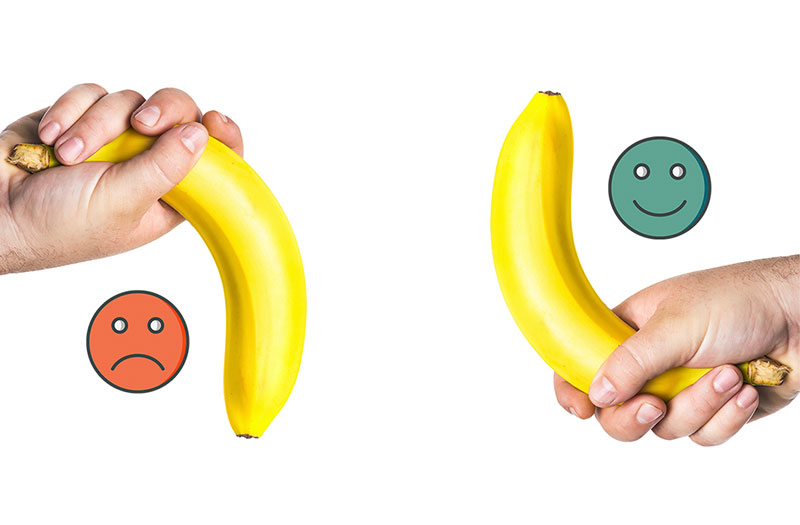

Testosterone deficiency (clinically known as male hypogonadism) occurs when the male body fails to produce sufficient levels of the primary male sex hormone required to maintain normal physiological functions. This condition not only diminishes libido and causes erectile dysfunction, but also leads to chronic fatigue, muscle atrophy, obesity, and depression. Decreased hormone levels can stem from natural aging or underlying pathologies within the testes or brain. Identifying the root cause and initiating treatment must be based on comprehensive medical testing. Men must strictly avoid self-administering hormone supplements to prevent severe cardiovascular and prostate complications.

What is Testosterone and What is Its Role in Men?
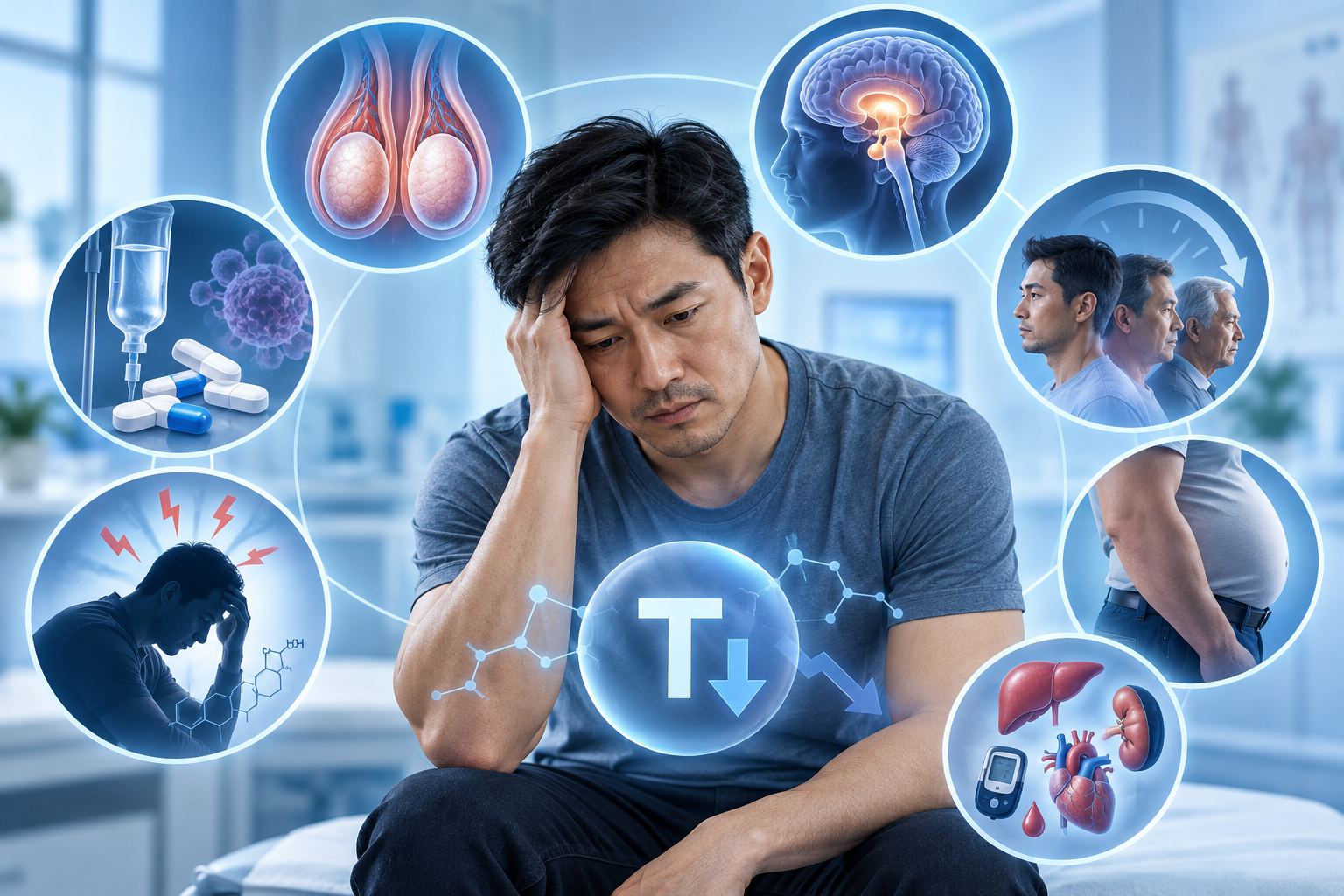
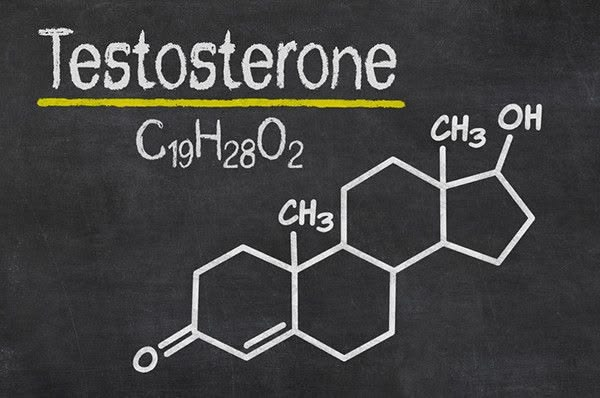
Testosterone is the most vital male sex hormone, primarily produced by the Leydig cells in the testes (approximately 95%) and in small amounts by the adrenal glands. Its synthesis is tightly regulated by the hypothalamic-pituitary-testicular (HPT) axis in the brain.
At normal physiological levels, testosterone shapes and maintains male biological characteristics. It governs the development of male reproductive organs, sustains libido, and enables erectile capacity. Beyond sexual health, testosterone directly stimulates erythropoiesis (red blood cell production), maintains bone mineral density, builds muscle mass, and regulates mood. Consequently, when the body lacks testosterone, a man’s overall health is severely compromised.

What Causes Testosterone Deficiency and What Are the Risk Factors?
Male hypogonadism is categorized into three primary causes: primary hypogonadism, secondary hypogonadism, and age-related decline (late-onset hypogonadism).
Primary Hypogonadism (Testicular Dysfunction)
This occurs when the testes are damaged or defective, rendering them unable to produce testosterone despite receiving chemical signals from the brain. Common causes include:
- Trauma or Infection: Orchitis caused by mumps, testicular trauma, or scrotal/inguinal surgery.
- Genetic Abnormalities: Klinefelter syndrome (where males carry an extra X chromosome, XXY instead of XY).
- Cancer Treatments: Chemotherapy or pelvic radiation therapy, which can permanently damage Leydig cells.
Secondary Hypogonadism (Hypothalamic or Pituitary Dysfunction)
In this scenario, the testes are normal, but the hypothalamus or pituitary gland fails to secrete sufficient gonadotropins (Luteinizing Hormone [LH] and Follicle-Stimulating Hormone [FSH]) to signal testosterone production.
- Pituitary tumors or brain injuries.
- Kallmann syndrome (abnormal development of the hypothalamus).
- Prolonged use of certain medications, such as chronic opioids or corticosteroids.
Late-Onset Hypogonadism (Male Menopause) and Lifestyle Factors
Starting around age 30, serum free testosterone levels naturally decline by approximately 1% per year. Alongside aging, negative lifestyle choices accelerate this depletion:
- Obesity: Adipose (fat) cells contain the aromatase enzyme, which converts testosterone into estrogen (female sex hormone), drastically lowering active male hormones.
- Chronic Stress: Elevates cortisol levels, which directly inhibit hormone synthesis.
- Metabolic Diseases: Type 2 diabetes, hypertension, chronic kidney disease, and liver disease.
What Are the Warning Signs and Symptoms of Low Testosterone?
Symptoms of testosterone deficiency manifest across multiple biological systems and often develop insidiously:
Sexual and Reproductive Symptoms
- Reduced or complete loss of libido (sex drive).
- Erectile dysfunction (ED), particularly the loss of spontaneous morning erections.
- Reduced ejaculate volume and impaired sperm quality, potentially leading to infertility.
Physical Changes
- Chronic fatigue and lack of energy despite adequate rest.
- Loss of muscle mass, decreased physical strength, and muscle weakness.
- Increased body fat accumulation, especially abdominal obesity or gynecomastia (male breast enlargement).
- Thinning body hair, reduced beard growth, and hair loss.
- Decreased bone mineral density, leading to osteopenia, osteoporosis, and increased fracture risk.
Psychological and Cognitive Disruptions
- Irritability, emotional lability, or clinical depression.
- Memory impairment, difficulty concentrating, and cognitive fatigue (“brain fog”).
When Should a Man See a Doctor?
A diagnosis of low testosterone cannot be made based on temporary fatigue or occasional low libido alone. However, if symptoms—especially sexual dysfunction and chronic fatigue—persist continuously for more than 3 months and impair quality of life or relationships, you should consult an Andrologist or Endocrinologist. Early evaluation helps rule out other medical conditions sharing similar symptoms, such as clinical depression, thyroid disorders, or cardiovascular disease.
How Is Testosterone Deficiency Diagnosed?
To establish an accurate diagnosis, specialists combine clinical evaluations with specialized laboratory investigations:
- Medical History: Assessing clinical symptoms, past medical conditions, and current medications.
- Physical Examination: Evaluating hair distribution, muscle development, testicular volume/consistency, and screening the prostate.
- Serum Testosterone Testing: Considered the gold standard for diagnosis. Blood samples must be drawn in the early morning (between 8:00 AM and 10:00 AM) when serum levels peak. Clinical guidelines define hypogonadism as a Total Testosterone level below 300 ng/dL confirmed on at least two separate morning blood samples.
- Supplementary Diagnostics: Testing LH, FSH, Prolactin, and Estradiol levels to differentiate between primary (testicular) and secondary (pituitary/hypothalamic) causes.
How Is Low Testosterone Treated? (The Role of TRT)
The goal of treatment extends beyond correcting lab numbers; it aims to alleviate clinical symptoms, restore vitality, and improve overall quality of life. The core medical intervention is Testosterone Replacement Therapy (TRT).
When Is Testosterone Replacement Therapy (TRT) Indicated?
TRT is a strictly regulated prescription therapy indicated only when a patient exhibits clear clinical symptoms alongside laboratory-confirmed low serum testosterone.
Common Formulations of TRT
- Intramuscular Injections: Most widely used due to cost-effectiveness and reliable efficacy. Administration intervals range from every 2 to 12 weeks depending on the specific ester (Testosterone Enanthate, Cypionate, or Undecanoate).
- Topical Gels: Applied daily to the shoulders, upper arms, or abdomen. Gels provide stable blood hormone levels but require strict precautions to prevent transdermal transfer to women and children via skin-to-skin contact.
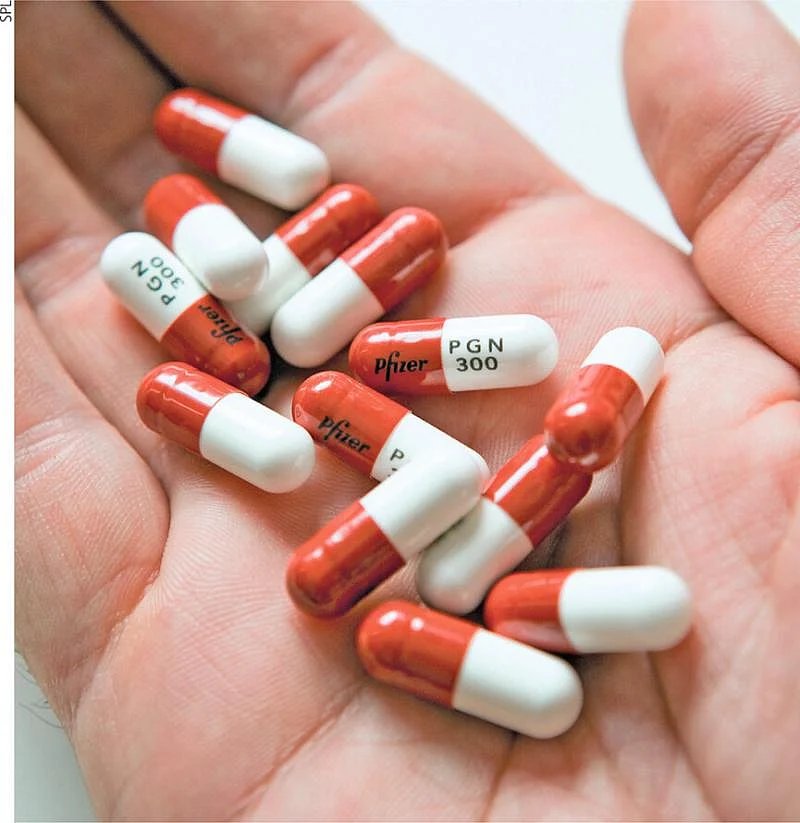
- Oral Capsules: Less commonly utilized due to historical hepatotoxicity concerns; newer oral formulations are safer for the liver but carry higher financial costs.
Potential Side Effects and Adverse Risks
TRT carries potential medical risks that necessitate close physician oversight:
- Polycythemia (Erythrocytosis): Excess red blood cell production thickens the blood, elevating the risk of deep vein thrombosis, pulmonary embolism, myocardial infarction, or stroke.
- Prostatic Effects: May aggravate benign prostatic hyperplasia (BPH), exacerbating lower urinary tract symptoms.
- Fluid Retention: Can worsen congestive heart failure or obstructive sleep apnea.
- Dermatological Issues: Severe acne and oily skin.
- Suppression of Spermatogenesis: Exogenous testosterone exerts negative feedback on the brain, signaling the testes to stop natural hormone production and sperm synthesis, resulting in testicular atrophy and temporary or permanent infertility.
Contraindications
- Absolute Contraindications: Known or suspected prostate cancer or male breast cancer; uncontrolled severe heart failure; baseline hematocrit > 54%.
- Relative Precautions: Young men who desire future fertility. In such cases, TRT is avoided; instead, specialists prescribe gonadotropins or selective estrogen receptor modulators (hCG or Clomiphene citrate) to stimulate endogenous testicular production and preserve fertility.
What Are Common Dangerous Mistakes in Self-Treatment?
- Using Black-Market Anabolic Steroids: Young men frequently purchase illicit testosterone derivatives at gyms for rapid muscle building. Unmonitored supra-physiological doses severely damage liver and kidney function while inducing permanent hypogonadism.
- Confusing Erectile Dysfunction Drugs with Hormones: PDE5 inhibitors (such as Sildenafil or Tadalafil) merely facilitate temporary vasodilation for erections; they do not address underlying hormone deficiencies, chronic fatigue, or lost libido.
- Sharing Prescriptions: Hormonal needs, comorbidities, and baseline health vary by individual. Using someone else’s TRT protocol can inadvertently stimulate latent prostate malignancies.
Safe Endocrine Care at Men’s Health Andrology Pharmacy
Hormone replacement therapy is a double-edged sword. Maximizing therapeutic benefits while minimizing adverse risks requires continuous medical monitoring, including routine complete blood counts (hematocrit), liver function panels, and prostate cancer screenings (PSA testing).
Men’s Health Andrology Pharmacy is an integral unit within the Men’s Health Center ecosystem, founded by Dr. Tra Anh Duy (MD, Specialist Level 2). Here, patients receive expert consultations from experienced doctors and specialized pharmacists to select the safest health solutions tailored to their physiological profile.
At Men’s Health, we prioritize professionalism, safety, discretion, confidentiality, and respect for individual patient needs. We strictly discourage purchasing unverified, over-the-counter “instant male enhancement” products. Prescription hormone therapies are dispensed only upon presentation of a valid prescription backed by transparent clinical lab results. This multidisciplinary collaboration ensures patients fully understand their treatment regimen, proper administration techniques, and exact follow-up schedules for safe dosage adjustments.
What Lifestyle Modifications Naturally Support Testosterone?
Alongside medical management, foundational lifestyle modifications enhance natural hormone recovery:
- Weight Management: Reducing visceral fat inhibits the aromatase enzyme, preventing the conversion of testosterone into estrogen.
- Targeted Exercise: Resistance training (weightlifting) combined with High-Intensity Interval Training (HIIT) stimulates endogenous testosterone production. Avoid extreme overtraining, which can induce stress-induced hypogonadism.
- Nutritional Optimization: Consume foods rich in Zinc (oysters, red meat, seeds), Vitamin D, and healthy fats (extra virgin olive oil, avocados, wild salmon). Eliminate alcohol, fast food, and excessive refined sugars.
- Sleep and Stress Management: Endogenous testosterone is predominantly synthesized during deep sleep. Ensure 7–8 hours of restful sleep nightly and manage chronic psychological stress effectively.
Frequently Asked Questions (FAQs)
Does testosterone deficiency cause infertility?
Yes. Severe deficiency reduces or halts spermatogenesis. However, if you are actively trying to conceive, you must never use Testosterone Replacement Therapy (TRT), as exogenous testosterone suppresses testicular function, causes testicular atrophy, and induces infertility. Alternative testicular-stimulating protocols (like hCG or Clomiphene) must be prescribed instead.
Can young men suffer from low testosterone?
Yes. While age-related decline affects older demographics, young men can develop primary or secondary hypogonadism due to testicular trauma, pituitary disorders, mumps orchitis, or severe lifestyle factors.
Can eating oysters cure testosterone deficiency?
Oysters are rich in Zinc and micronutrients that support sperm production and baseline hormone synthesis. However, food acts merely as nutritional support. Once a clinical, pathological deficiency is diagnosed, eating oysters alone cannot restore hormone levels to the physiological range.
Does TRT increase the risk of prostate cancer?
Clinical studies demonstrate that TRT does not directly cause prostate cancer cells to form. However, if subclinical or latent cancer cells are already present, supplemental testosterone can accelerate tumor growth. Therefore, baseline and ongoing PSA screening is mandatory.
How long does it take to see results from TRT?
Improvements occur progressively. Libido and mood changes usually improve within 3 to 6 weeks. Erectile function may take several months to improve. Changes in muscle mass, fat distribution, and bone density typically require 6 months to 1 year of consistent therapy to become evident.
Conclusion and Medical Advice
Testosterone deficiency is a genuine medical condition with broad impacts on physical, mental, and reproductive health. While age-related decline is natural, men do not have to suffer silently from fatigue or lost vitality. Testosterone Replacement Therapy (TRT) provides highly positive clinical outcomes when properly prescribed and monitored by medical experts.
Men must avoid self-diagnosing based on vague symptoms, abusing black-market anabolic steroids, or taking unprescribed hormone supplements. These practices carry severe risks for the cardiovascular and reproductive systems.
If you experience signs of low testosterone, chronic fatigue, or erectile dysfunction, seek comprehensive diagnostic evaluation at a specialized medical facility. You can place your trust in the Men’s Health Center ecosystem—providing in-depth examinations, evidence-based treatment plans, and safe, confidential pharmaceutical care to help you restore your health and quality of life.