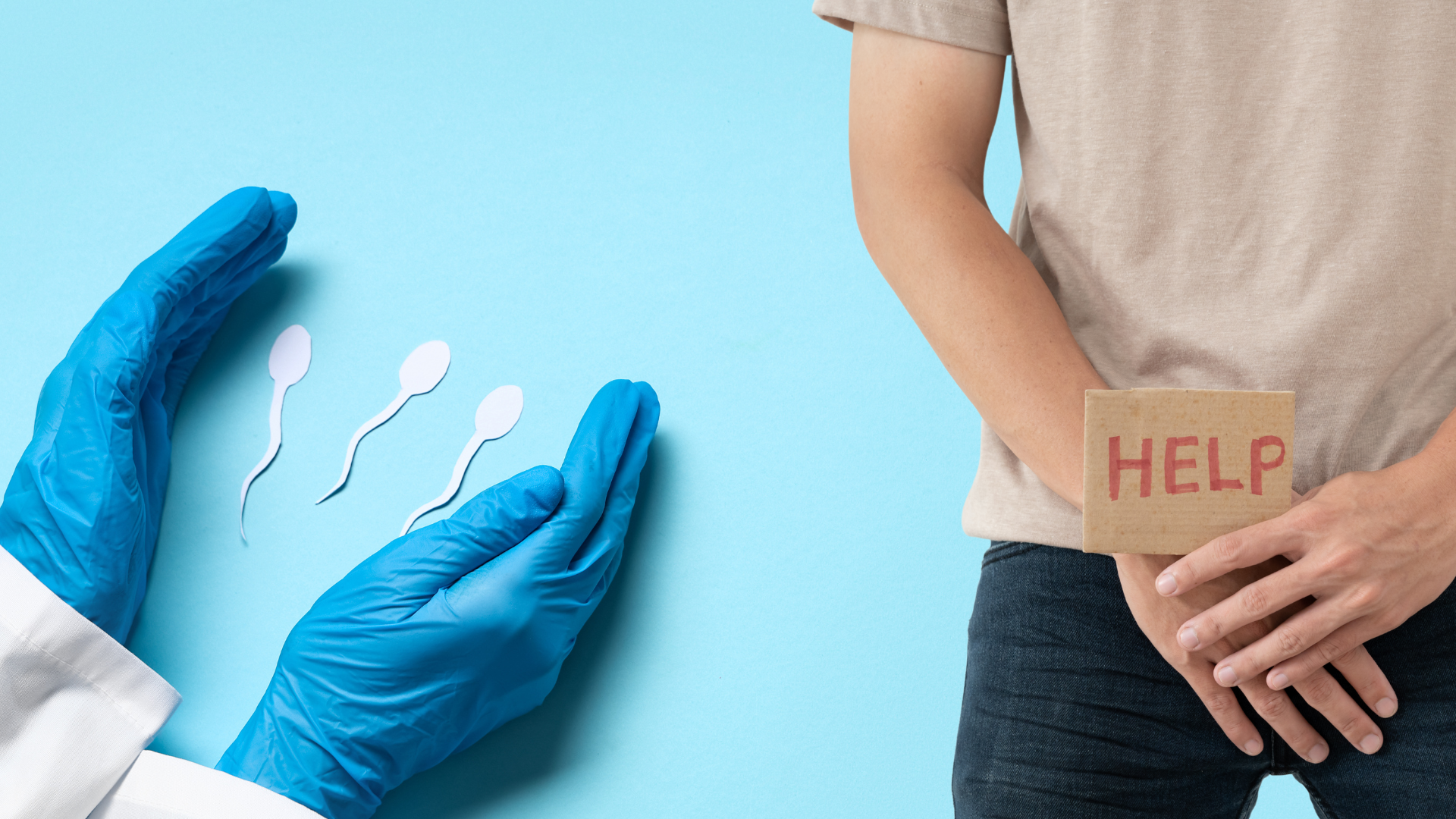


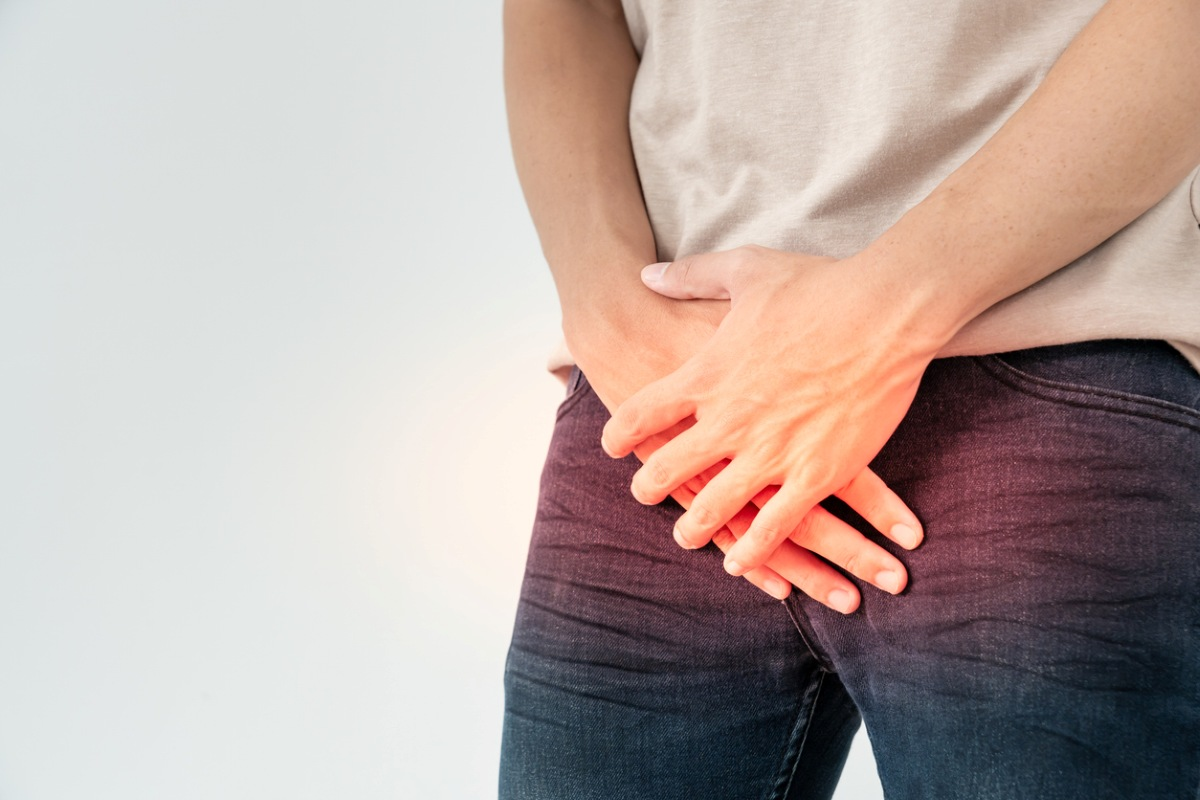
Experiencing scrotal trauma is a relatively common accident among men, often occurring during sports, manual labor, or daily activities. Most minor injuries only cause temporary pain and resolve on their own, but severe impacts can lead to serious complications such as testicular rupture, hematoma, or testicular torsion. So, after a scrotal trauma, when should you seek medical attention? If the pain does not subside after about an hour, or if the scrotum becomes severely swollen, bruised, or accompanied by nausea, immediate specialized medical evaluation is required. Delaying treatment can directly affect physiological function and future fertility.
Overview of the Scrotum and Mechanisms of Injury
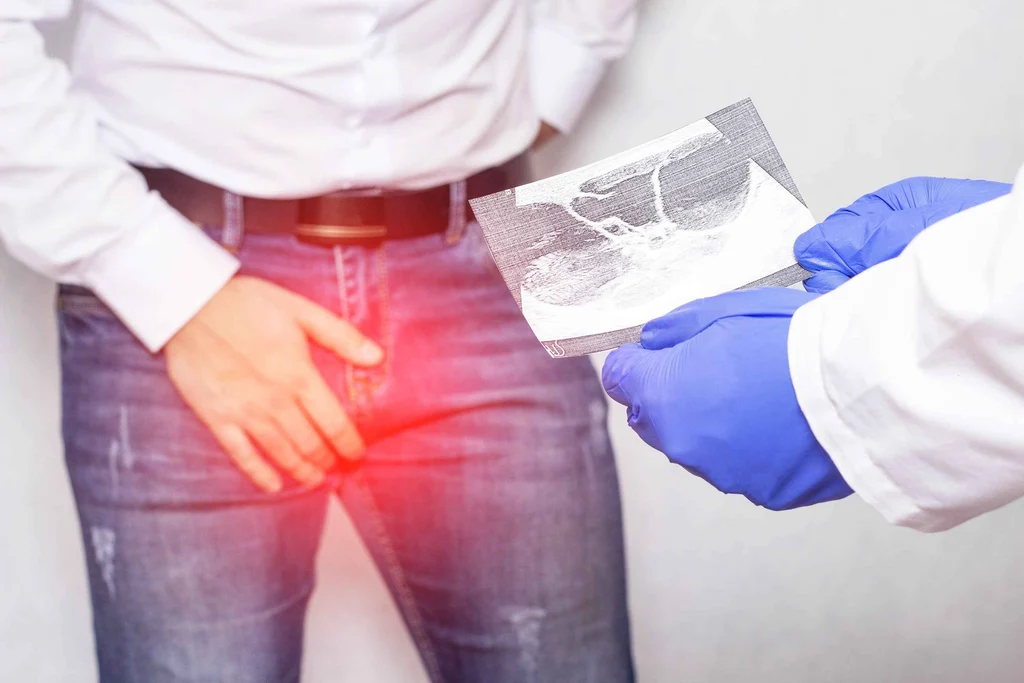
Structure and Protective Function of the Scrotum
The scrotum is a thin, elastic sac of skin located outside the abdominal cavity that houses the two testicles, the epididymis, and a portion of the spermatic cord. The primary function of the scrotum is to protect the testicles and maintain an optimal temperature (about 1 to 2 degrees Celsius lower than body temperature) to ensure the normal production of sperm and testosterone.
Because it is “suspended” externally, the scrotum and testicles are highly vulnerable targets for mechanical forces. Although it features a layer of smooth muscle (the dartos muscle) that helps the scrotum retract to minimize injury during danger reflexes, this structure remains quite fragile against strong, blunt impacts.
Degrees of Scrotal Trauma
According to current specialized medical guidelines, scrotal trauma is classified by severity from mild to severe, including:
- Soft Tissue Injury (Minor Contusion): Causes only mild pain and swelling in the scrotal skin layer, without affecting the internal structures.
- Hematoma: Small blood vessels rupture, causing blood to pool in the scrotal wall or inside the tunica albuginea of the testicle.
- Testicular Dislocation: The impact force pushes the testicle out of its normal position in the scrotum up into the inguinal canal or abdominal cavity.
- Testicular Rupture: The tunica albuginea (the tough protective covering of the testicular parenchyma) is torn, allowing the seminiferous tubules inside to extrude. This is a surgical emergency.
- Traumatic Testicular Torsion: The impact causes the spermatic cord to twist, cutting off the blood supply to the testicle.
Causes and Risk Factors for Scrotal Trauma
There are numerous causes of genital trauma in men, the most common being:
Sports-Related Injuries
Contact sports or sports involving high-speed balls are the leading causes. Football, basketball, martial arts, baseball, or off-road cycling carry a high risk of blunt scrotal trauma caused by an opponent’s knee, elbow, or the sports equipment itself.
Traffic and Daily Life Accidents
Scrotal impacts frequently occur when men are involved in motorcycle accidents (the groin hitting the gas tank or handlebars). Additionally, daily accidents such as falling down the stairs, climbing trees, horseplay, or accidentally sitting on hard, sharp objects are also common culprits.
Signs and Symptoms Following Scrotal Trauma
To determine the severity of the injury, patients must closely monitor their body’s reactions immediately after the incident occurs.
Mild Signs (Can be monitored briefly at home)
- A sharp, immediate pain at the time of impact, radiating slightly to the lower abdomen.
- The pain gradually decreases after 15 to 30 minutes of rest.
- The scrotum may be slightly flushed or sensitive to the touch, but does not significantly change in size.
Dangerous Warning Signs (Requires medical intervention)
If you experience the following signs, internal damage may have occurred:
- Severe and persistent pain: The pain does not subside or increasingly worsens after 1 hour.
- Swelling and discoloration: The scrotum swells rapidly, and the skin turns dark red or purplish-black due to pooled blood (hematoma).
- Nausea and vomiting: The body’s natural reflex when the testicle is severely injured or twisted.
- Hematuria or urethral bleeding: A sign that the trauma may have extended to the urethra or bladder.
- Abnormal palpation: Feeling a hard mass, unclear testicular boundaries, or finding that the testicle is pulled high up and lies horizontally instead of its normal vertical position.
When to Seek Medical Attention After Scrotal Trauma?

Many men miss the “golden window” for treatment due to embarrassment, subjective assumptions, or the hope that “it will heal on its own.” Answering directly the question of when to get checked, andrologists recommend that you must go to the hospital immediately if:
- The pain is unbearable or lasts more than 60 minutes after resting.
- The scrotum is abnormally swollen, with a distinct asymmetry between the two sides.
- Large bruises appear under the scrotal skin.
- Systemic symptoms occur, such as sweating, dizziness, nausea, or fever.
- You experience difficulty urinating, painful urination, or blood in the urine.
Particularly in cases of suspected testicular torsion or testicular rupture, the “golden time” for conservative emergency treatment is under 6 hours from the onset of symptoms. If this timeframe is exceeded, the testicular tissue can suffer irreversible necrosis, leading to surgical removal.
Diagnostic Methods at Medical Facilities
At a clinic or hospital, the doctor will not solely rely on the patient’s account but will also perform specialized examinations to accurately assess the extent of the damage:
- Clinical Examination: The doctor will directly examine the scrotum to assess the degree of swelling, bruising, and the boundaries of the testicles and epididymis. This examination is performed gently to minimize the patient’s pain.
- Color Doppler Scrotal Ultrasound: This is the “gold standard” in emergency andrological diagnostics. Ultrasound allows doctors to clearly see if the tunica albuginea is torn, assess the volume of the hematoma, and most importantly, examine the blood flow to the testicle to confirm or rule out spermatic cord torsion.
- Urinalysis: Helps check for the presence of red blood cells in the urine to evaluate any accompanying urinary tract injuries.
Treatment and the Role of Medications Following Scrotal Trauma
Based on the diagnostic results, the doctor will prescribe the most appropriate treatment regimen, ranging from conservative care to emergency surgery.
First Aid and Conservative Treatment (For mild trauma)
If the ultrasound shows that the tunica albuginea is intact and blood circulation is normal, the doctor will guide medical treatment and observation:
- The R.I.C.E Protocol:Rest, Ice (use a cloth-wrapped ice pack, never apply ice directly to the skin), Compression (wear a scrotal support or supportive underwear), and Elevation (keep the pelvic area elevated when lying down).
- Restrict Physical Activity: Absolutely no sports, heavy lifting, or sexual intercourse until the injury is completely healed.
Medication Therapy and Important Considerations
Medications play a vital role in reducing symptoms and preventing complications, but they must strictly be prescribed by a doctor.
- Pain Relievers and Anti-inflammatories (NSAIDs, Paracetamol): Used to control pain and reduce the inflammatory response.
- Note: Non-steroidal anti-inflammatory drugs (NSAIDs) can affect the stomach and should be used with caution in individuals with a history of peptic ulcers. Do not arbitrarily increase the dose if the pain does not subside.
- Anti-edema Drugs (Anti-inflammatory enzymes): Help dissolve bruises and reduce soft tissue swelling more quickly.
- Antibiotics (Strictly Indicated): Only prescribed if there are open wounds, scrotal skin lacerations with a high risk of infection, or to prevent secondary epididymo-orchitis.
- Warning: Patients must not buy oral antibiotics on their own; they must strictly adhere to the regimen, dosage, and duration to avoid antibiotic resistance.
Principles for Safe Medication Use:
- Do not use someone else’s prescription or buy unverified medicines based on word-of-mouth.
- Do not treat painkillers as a “quick fix” to immediately return to playing sports.
- If side effects such as allergies, rashes, or severe stomach pain occur during medication use, stop the drug immediately and contact the treating physician.
Surgical Intervention
The doctor will recommend emergency surgery in the following scenarios:
- Testicular Rupture: Surgery to remove necrotic tissue, clean out the hematoma, and suture the tunica albuginea. Early suturing helps maximally preserve the healthy portion of the testicle, maintaining its ability to produce hormones and sperm.
- Testicular Torsion: Surgery to untwist the spermatic cord, restore blood supply, and fixate the testicle (usually both sides) to prevent recurrence.
- Massive Hematoma: If the blood clot in the scrotum is too large, causing severe compression and agonizing pain, surgery is required to incise, drain the hematoma, and stop the bleeding.
The Role of Men’s Health Pharmacy in the Recovery Process
Using the right medication and being closely monitored after a genital accident is the deciding factor in the patient’s recovery speed. Men’s Health Men’s Pharmacy is a unit within the Men’s Health Center ecosystem, founded by Dr. Tra Anh Duy (MD, PhD, Specialist Level II). Here, a team of doctors and pharmacists always works closely together to advise and clearly explain the uses, dosages, and precautions when using medications for trauma and andrological infections.
Men’s Health prioritizes professionalism, safety, discretion, and absolute privacy. Patients will be supported in choosing a personalized healthcare solution, ensuring they clearly understand the goals of their medication. This helps avoid the risks of drug abuse or misuse, contributing to the comprehensive protection of physiological and reproductive health.
Quick Differentiation: Mild Trauma Pain vs. Dangerous Warning Pain
| Criteria | Mild Pain (Soft Tissue Injury) | Dangerous Warning (Rupture/Torsion) |
| Pain Level | Initial sharp pain, fading after 15-30 minutes. | Agonizing pain, unyielding, may radiate to the lower abdomen. |
| Swelling | No swelling or very mild swelling. | Scrotum swells rapidly, skin becomes tight and shiny. |
| Scrotal Skin Color | Normal or slightly red. | Bruised, dark red, or obvious hematoma. |
| Accompanying Symptoms | None. | Nausea, vomiting, sweating, blood in the urine. |
| Action Plan | Rest, apply cold compress, monitor at home. | Go to a clinic/hospital for an emergency immediately. |
Common Mistakes in Managing Scrotal Trauma
- Applying Hot Compresses or Medicated Oils: Many people have the habit of applying medicated oils, heating rubs, or warm compresses to injured areas. This is extremely dangerous for scrotal trauma. Heat causes blood vessels to dilate, increasing bleeding and making the hematoma and swelling much more severe.
- Massaging to “Dissolve the Bruise”: Squeezing or massaging the injured testicle can further tear the tunica albuginea, accelerate tissue necrosis, or worsen the severity of the trauma.
- Embarrassment and Delaying Check-ups: The genital area is sensitive, and many young men choose to endure the pain rather than share it with family or seek medical care. This delay can lead to the loss of a testicle over an injury that could have been easily managed with early intervention.
Preventive Advice and Groin Protection for Men
While accidental injuries cannot be entirely avoided, men can minimize the risk of scrotal trauma by taking the following measures:
- Use Protective Gear (Athletic Cup/Groin Guard): This is a mandatory rule when participating in contact sports (martial arts), ball sports (baseball, rugby), or extreme sports.
- Wear Appropriate Underwear: During physical activities, wear sports underwear (jockstraps) that offer good support to keep the testicles in place, minimizing torsion or impact during high-speed movements.
- Adhere to Occupational and Traffic Safety: Wear seatbelts and drive carefully to minimize physical impact on the pelvic and genital areas during a traffic incident.
Scrotal Trauma and Frequently Asked Questions
1. Does scrotal trauma cause infertility?
Most mild traumas do not affect fertility. However, if the trauma causes testicular rupture, a severed spermatic cord, or testicular torsion that is not treated in time leading to testicular atrophy, sperm production will be affected. If one testicle is damaged but the other remains healthy, a man is still capable of fathering children normally. Nevertheless, early examination is the only way to maximally protect reproductive health.
2. How long does the swelling and pain last after being hit in the groin?
If it is merely a soft tissue injury, the pain and mild swelling usually subside significantly after 3 to 5 days of following the R.I.C.E protocol (rest and cold compress). If the pain persists beyond 24 hours without any sign of improvement, or if the swelling increases, you need an ultrasound immediately, as it is no longer a standard contusion.
3. Should a child be taken to the doctor if they suffer genital trauma while playing?
Young boys are very prone to genital accidents when playing or running. Children often do not know how to accurately describe their pain. Parents must proactively check the child’s scrotum. If the scrotal skin is bruised, swollen, the child cries continuously, walks unsteadily, or shows signs of vomiting, take the child to a specialized hospital immediately.
4. What does a dull ache weeks after a scrotal trauma indicate?
If you still feel a dull ache in your testicle a few weeks or months after an injury, you may be experiencing sequelae such as: hydrocele, sperm granuloma (due to a torn vas deferens leaking sperm and causing an inflammatory response), or chronic epididymitis. This condition cannot heal on its own and requires a specialized doctor to diagnose it via ultrasound.
5. Should I use herbal medicines or poultices to reduce scrotal swelling?
Absolutely not. Applying unknown herbal leaves or poultices to the delicate scrotal skin not only fails to resolve deep internal injuries (such as a ruptured tunica albuginea or severed blood vessels) but also carries the risk of skin burns, allergies, and severe ulcerating infections, making subsequent surgical interventions extremely difficult for doctors.
Conclusion
An accident leading to scrotal trauma is something no one wishes for, but being equipped with the knowledge to handle it correctly is vital to protecting a man’s health. The most important answer to the question “when to seek medical attention” is: Never ignore severe pain, rapid swelling, or any signs of bruising or vomiting. Early medical intervention (especially within the first 6 hours) is a decisive factor in preserving the full function of the testicles.
Men should not self-diagnose online, self-medicate with painkillers to endure the pain, or rely on unfounded word-of-mouth remedies. If you notice any abnormal signs, promptly visit a specialized medical facility. With a professional, safe, and highly confidential medical ecosystem, Men’s Health is always ready to accompany men in examinations, treatment consultations, and monitoring the recovery process discretely, bringing absolute peace of mind to your physiological and reproductive health.