
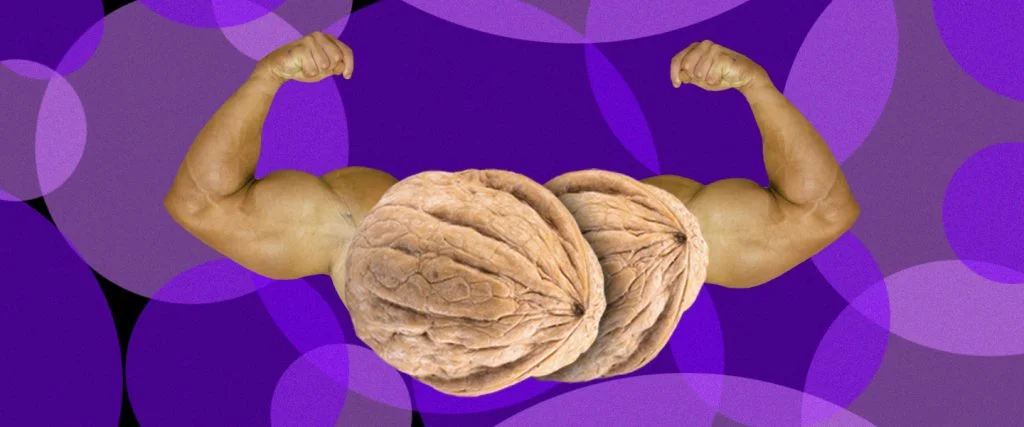
Having large testicles does not equate to high testosterone levels. Many men mistakenly believe that the larger their “twin jewels,” the more male hormones they produce, thereby affirming their masculinity. In reality, the testicular volume of an adult male fluctuates within a specific physiological limit. If the testicles become abnormally enlarged, it is usually not a sign of excess testosterone, but rather a warning of underlying andrological conditions such as infection, hydrocele, or even a tumor. Understanding body physiology correctly will help men avoid subjective assumptions and know how to protect their reproductive health safely and scientifically.

The True Relationship Between Testicle Size and Testosterone
To accurately answer whether testicle size is directly proportional to testosterone levels, we need to understand the structure and function of this organ.
The testicles have two main tasks: producing sperm and secreting male sex hormones (testosterone). However, the internal structure of the testicle is divided into parts that take on different roles:
- Seminiferous tubules: Accounting for about 80% of the testicular volume. This is where sperm is produced and nourished.
- Leydig cells: Located in the interstitial tissue between the seminiferous tubules, taking up a very small volume but acting as the main “factory” producing testosterone.
Because the seminiferous tubules make up the majority of the volume, testicle size within normal physiological limits reflects sperm production capacity much more than testosterone levels. A man with large testicles (within normal limits) may possess an abundant sperm count, but his testosterone levels could still be average, just like those of men with smaller testicle sizes. Therefore, there is no direct correlation asserting that large testicles result in outstandingly high male hormone levels.
Abnormally Enlarged Testicles: Warning Signs of Dangerous Diseases
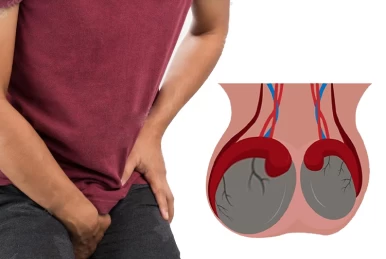
If a testicle suddenly swells, changes size, and is accompanied by an unusual sensation, it is not an increase in hormones but a sign of a medical condition requiring intervention. According to current medical guidelines, abnormally enlarged testicles can stem from the following causes:
1. Hydrocele
A hydrocele is a condition where fluid accumulates in the sac surrounding the testicle, causing the scrotum to swell noticeably. This pathology can occur at any age, usually due to trauma, infection, or congenital reasons. The scrotum may swell like a water balloon; it typically does not cause severe pain but creates a feeling of entanglement and heaviness in the groin area.
2. Epididymo-orchitis
An infection caused by bacteria (such as sexually transmitted bacteria like Chlamydia and Gonorrhea) or viruses (like the Mumps virus) can cause the testicles to become swollen, red, and intensely painful. If orchitis is not diagnosed and treated promptly, it can lead to abscesses, testicular atrophy, or the risk of infertility.
3. Varicocele
A varicocele is the abnormal enlargement of the veins located above the testicle. This condition usually occurs in the left testicle. Upon palpation, patients may feel a cluster of twisted veins resembling a “bag of worms.” The disease not only makes the scrotum look larger but also increases the local temperature, negatively affecting sperm quality and impairing the testosterone-producing function of Leydig cells.
4. Testicular Tumors or Cancer
A hard, developing tumor inside the testicle can completely change the size and shape of the organ. The most dangerous identifying feature of testicular cancer is that it often appears as a hard, swollen lump but causes no pain in the early stages.
When Should Men See a Doctor?
You should not self-diagnose the cause of an enlarged testicle at home. Visit an Andrologist immediately if your testicle size increases alongside the following signs:
- Aching or tightness in the scrotum, with pain radiating to the lower abdomen or groin.
- The scrotum is swollen, red, burning, and painful to the touch.
- An abnormal hard lump appears on the surface of the testicle.
- A prolonged feeling of heaviness or dragging in the scrotum.
- Fever, nausea, chills, painful urination, or pus discharge from the urethra.
Diagnostic Methods for Enlarged Testicles
To draw an accurate conclusion, doctors will not merely rely on visual observation but will conduct in-depth clinical and subclinical examinations:
- Physical Examination: The doctor will palpate the scrotum to check the size, firmness, venous structure, and locate the pain.
- Scrotal Ultrasound (Doppler): This is the safest and most effective imaging method to distinguish between a solid tumor, cyst, hydrocele, or varicocele.
- Blood and Urine Tests: These help detect infections. Specialized tests for cancer biomarkers (Tumor markers) or hormone quantification (Testosterone, FSH, LH) may also be prescribed when necessary.
Treatment Directions and Safe Medication Principles
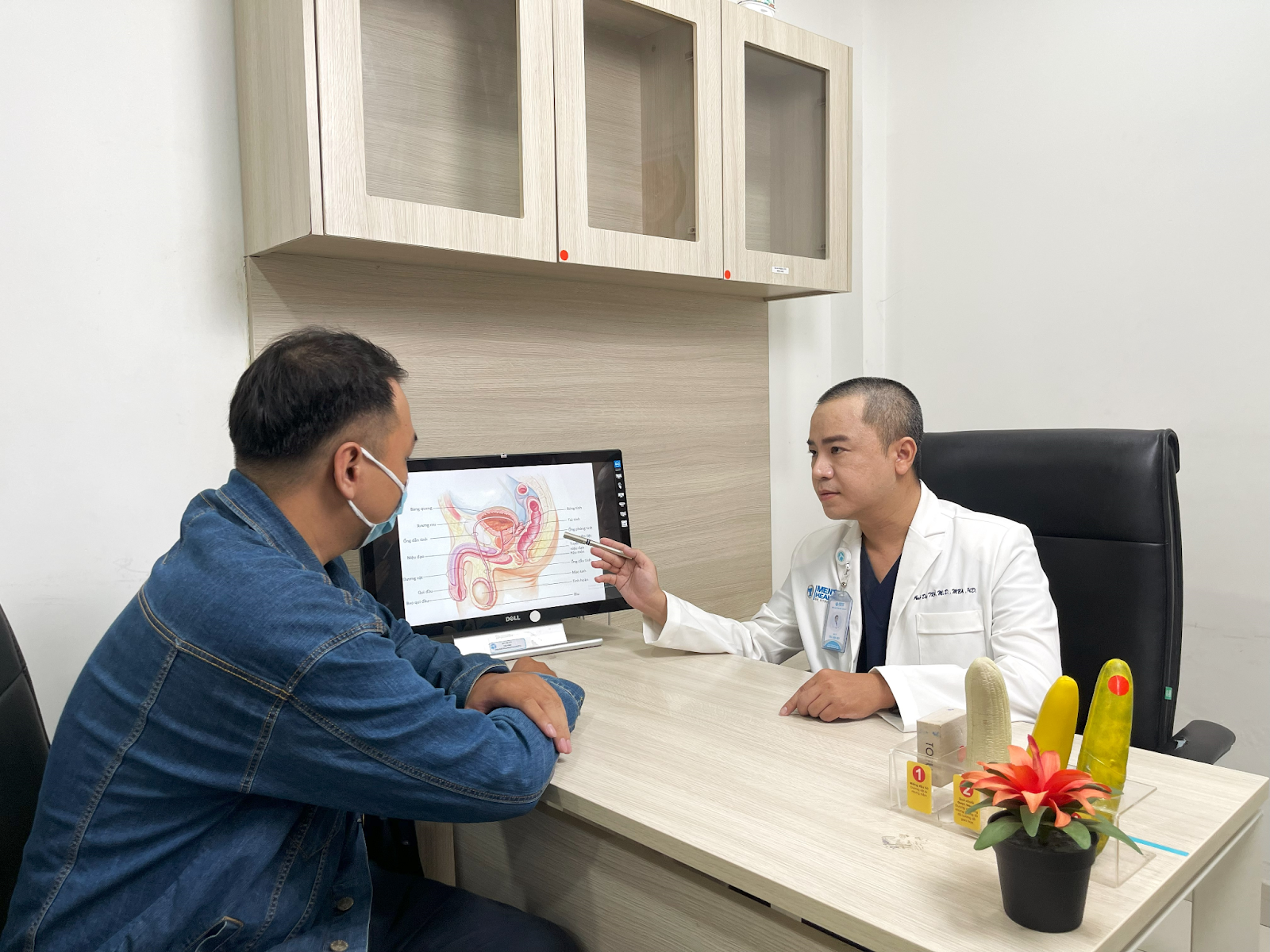
The treatment regimen for enlarged testicles depends entirely on the root cause. The use of medication must strictly comply with the specialist’s prescription; absolutely do not self-medicate based on word-of-mouth.
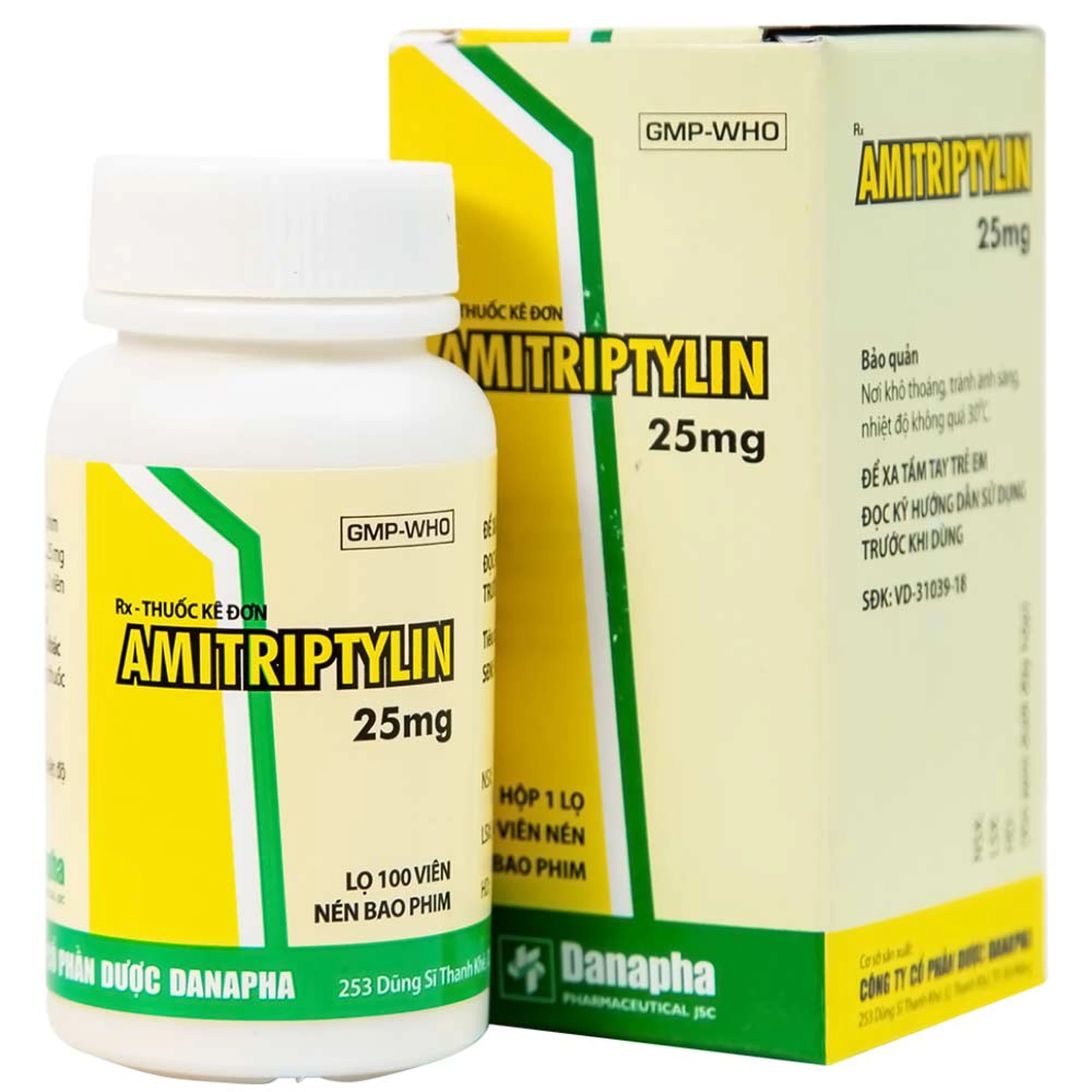
- Medical Treatment (Medications): In cases of bacterial orchitis or epididymitis, the doctor will prescribe antibiotics combined with anti-inflammatory and pain-relieving medications.
- Goal: To eradicate the disease-causing bacteria, reduce swelling, and prevent complications.
- Usage notes: Antibiotics are prescription drugs. Patients must take the full dose for the prescribed number of days, even if symptoms have subsided. Side effects may include digestive disorders, allergies, or fatigue. Do not share prescriptions with others.
- Surgical Treatment: Conditions such as severe varicocele, large hydroceles, or testicular cancer require surgical intervention to thoroughly resolve the damage.
During the treatment process, the companionship of highly specialized medical staff is a decisive factor. Men’s Health Andrology Pharmacy is a unit within the Men’s Health Center ecosystem founded by Dr. Tra Anh Duy (MD, PhD), providing comprehensive solutions for patients. Here, men are always thoroughly consulted by a team of doctors and pharmacists, receiving clear explanations about their medical conditions and support in choosing optimal healthcare solutions. Men’s Health emphasizes professionalism, safety, discretion, information confidentiality, and respect for personal needs throughout the examination, prescribing, and treatment monitoring process. The close coordination between diagnosing doctors and guiding pharmacists helps maximize efficacy and minimize unwanted risks.
Common Misconceptions About Testicle Size and Hormones
- Taking testosterone-boosting drugs will make testicles larger: This is an extremely harmful misconception. Physiologically, when you introduce exogenous testosterone into your body without a medical prescription, the brain receives a signal that the body already has enough hormones. Consequently, the pituitary gland stops secreting hormones that stimulate testicular activity. The result is that the testicles not only fail to grow but actually shrink (atrophy), leading to a permanent decline in sperm production.
- Larger testicles mean stronger sexual prowess: Sexual desire and capability depend on many factors: overall health, psychology, the nervous system, blood vessels, and the level of testosterone in the blood (not the size of the production factory).
Does a Large Testicle Size Mean High Testosterone and Frequently Asked Questions
What is the normal testicle size for Vietnamese men?
The normal testicular volume for adult men in Vietnam usually ranges from 12ml to 25ml per side. This size is equivalent to a large quail egg or a thick almond. A volume of less than 12ml may be considered testicular atrophy, while exceeding physiological levels could be a sign of an abnormality.
Is having one testicle larger than the other a sign of disease?
Anatomically, the two testicles are rarely perfectly equal in size. Normally, the right testicle may be slightly larger or sit higher than the left. This is a normal physiological phenomenon. However, if one side suddenly swells to one-and-a-half or twice the size of the other and is accompanied by pain, you need to see a doctor immediately.
Do testosterone-boosting medications increase testicle size?
Absolutely not. Contrary to popular belief, arbitrarily supplementing exogenous testosterone (via injection, oral pills, or gels) creates a “negative feedback” loop to the brain, causing the testicles to stop producing their own hormones and sperm, leading to gradual testicular atrophy over time. All endocrine therapies require strict medical supervision.
How can I tell if an enlarged testicle is physiological or pathological?
The best way is to perform a testicular self-exam at home once a month after a warm shower (when the scrotal muscles are relaxed). If you feel that the testicle is large but soft, has no hard lumps, is painless, and the size has been stable since puberty, it is usually physiological. If there are any sudden changes in size, density (becomes harder), or you experience pain, it is a sign of pathology.
Can swelling caused by orchitis be cured with antibiotics?
If the orchitis is caused by bacteria, using the correct type of antibiotic as prescribed by a doctor will yield a high cure rate, helping the testicle reduce in swelling and return to its normal size. Patients must absolutely not buy antibiotics arbitrarily to treat themselves to avoid the risk of antibiotic resistance or abscess complications.
Conclusion
“Does a large testicle size mean high testosterone?” – The medical answer is No. A large testicle size within physiological limits primarily reflects sperm production capability, not an absolute measure of abundant male hormones. Furthermore, a sudden or abnormal increase in size in the scrotal area is usually an alarm bell for andrological diseases such as hydrocele, varicocele, infections, or underlying tumors.
Men should not evaluate their masculinity based on the size of their reproductive organs and subsequently self-administer unsafe, unregulated drugs. Self-diagnosing or abusing heavily advertised hormone-boosting products can lead to testicular atrophy and irreversible infertility. When you notice any changes in structure, size, or sensation in the genital area, proactively seek out specialized medical facilities. The Men’s Health Center and Andrology Pharmacy ecosystem is always ready to accompany you with a professional examination process, transparent consultation, ensuring safety, privacy, and long-term effectiveness for men’s health.