
In the journey toward parenthood, most couples are familiar with the standard semen analysis-the diagnostic tool that checks sperm count, motility, and morphology. However, many couples face “unexplained infertility” despite having results within the normal range. Often, the missing piece of the puzzle lies within the sperm’s genetic blueprint: Sperm DNA Fragmentation (SDF).
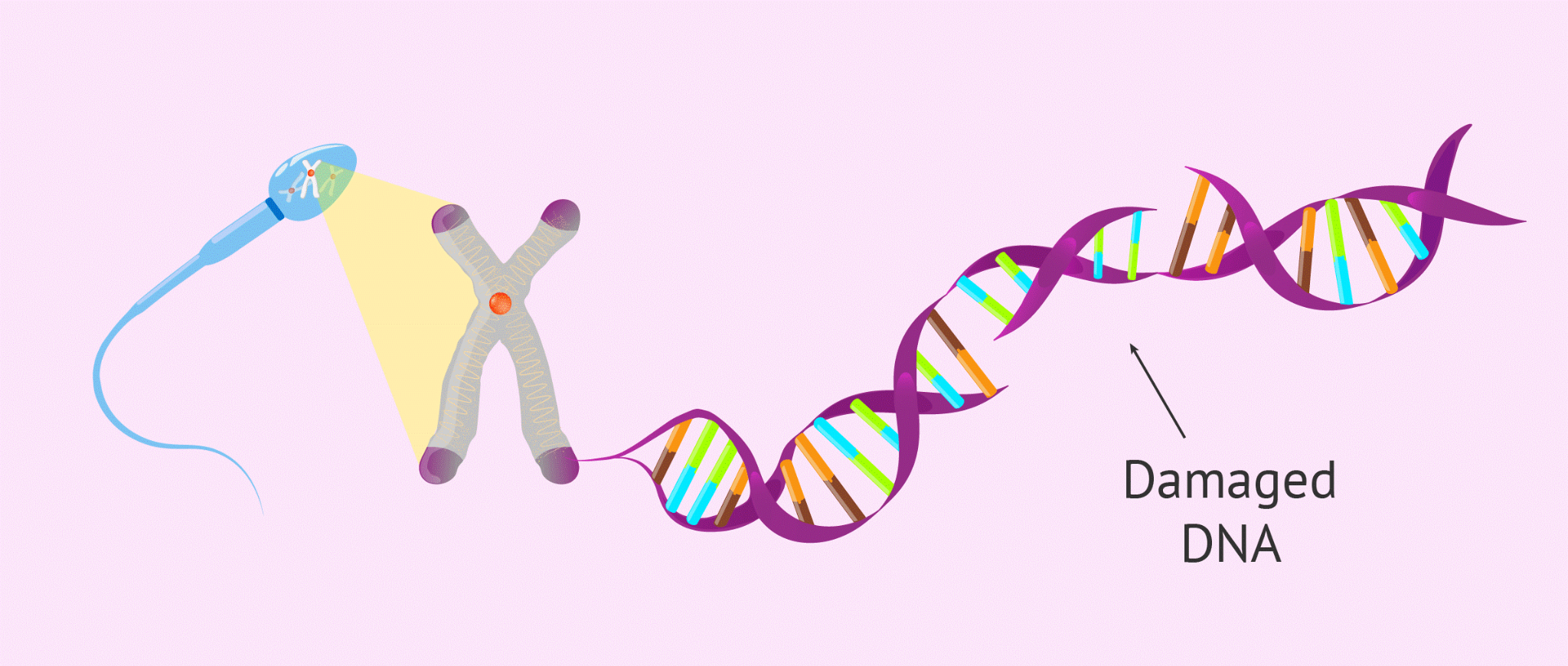
Even when a standard semen analysis looks healthy, high levels of DNA fragmentation can significantly impair natural conception, reduce the success rates of IVF/ICSI, and unfortunately, increase the risk of early miscarriage.
What is Sperm DNA Fragmentation?
At its core, SDF refers to the presence of breaks or lesions in the DNA strands within the sperm nucleus. Sperm cells are the carriers of a father’s genetic information; when this DNA is damaged, the sperm may still have the mechanical ability to fertilize an egg, but the resulting embryo often struggles to develop or fails to implant.
Why is Sperm DNA So Vulnerable?
Sperm cells are unique, highly specialized cells, but they are also fragile. Unlike other somatic cells in the body, sperm have:
- Minimal DNA repair mechanisms: Once the DNA is damaged, the sperm cell lacks the enzymatic machinery to fix it.
- High membrane sensitivity: The sperm membrane is rich in polyunsaturated fatty acids, making it highly susceptible to lipid peroxidation triggered by oxidative stress.
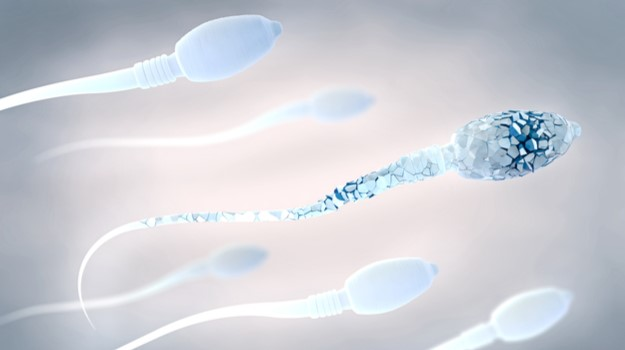
The Primary Drivers of DNA Damage
Understanding why fragmentation occurs is the first step toward management. The most significant factors include:
- Oxidative Stress (ROS): The “silent enemy.” An imbalance between reactive oxygen species (ROS) and the body’s antioxidant defenses is the leading cause of DNA breaks. This is often exacerbated by smoking, environmental pollutants, chronic inflammation, and poor diet.
- Testicular Hyperthermia: The testicles require a precise temperature to function. Factors like prolonged sitting, wearing tight-fitting clothing, or the presence of a varicocele (enlarged veins in the scrotum) can raise testicular temperature, disrupting spermatogenesis.
- Age-related decline: As men age, the integrity of sperm DNA naturally declines, and the body’s capacity to repair these damages diminishes.
- Andrological Conditions: Chronic issues such as orchitis, urogenital infections, and varicocele directly compromise sperm health.
- Lifestyle & External Factors: Chronic stress, sleep deprivation, alcohol consumption, tobacco use, and exposure to toxic chemicals or radiation (including chemotherapy) are all recognized contributors.
When Should You Consider Testing?
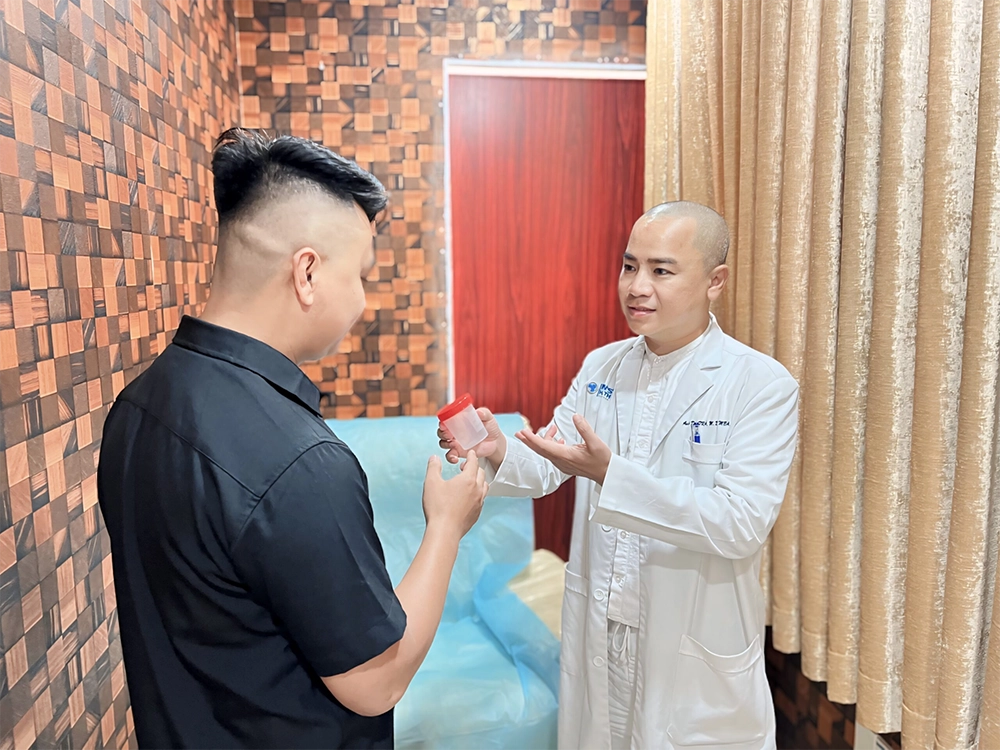
SDF testing is typically recommended for men who fall into the following categories:
- Couples with unexplained infertility.
- Those with a normal semen analysis but who have been unable to conceive for an extended period.
- Couples experiencing repeated IVF or ICSI failure.
- Couples who have suffered from recurrent pregnancy loss.
Common diagnostic techniques used by specialists include SCSA (Sperm Chromatin Structure Assay), TUNEL, and COMET assay.Strategies for Intervention
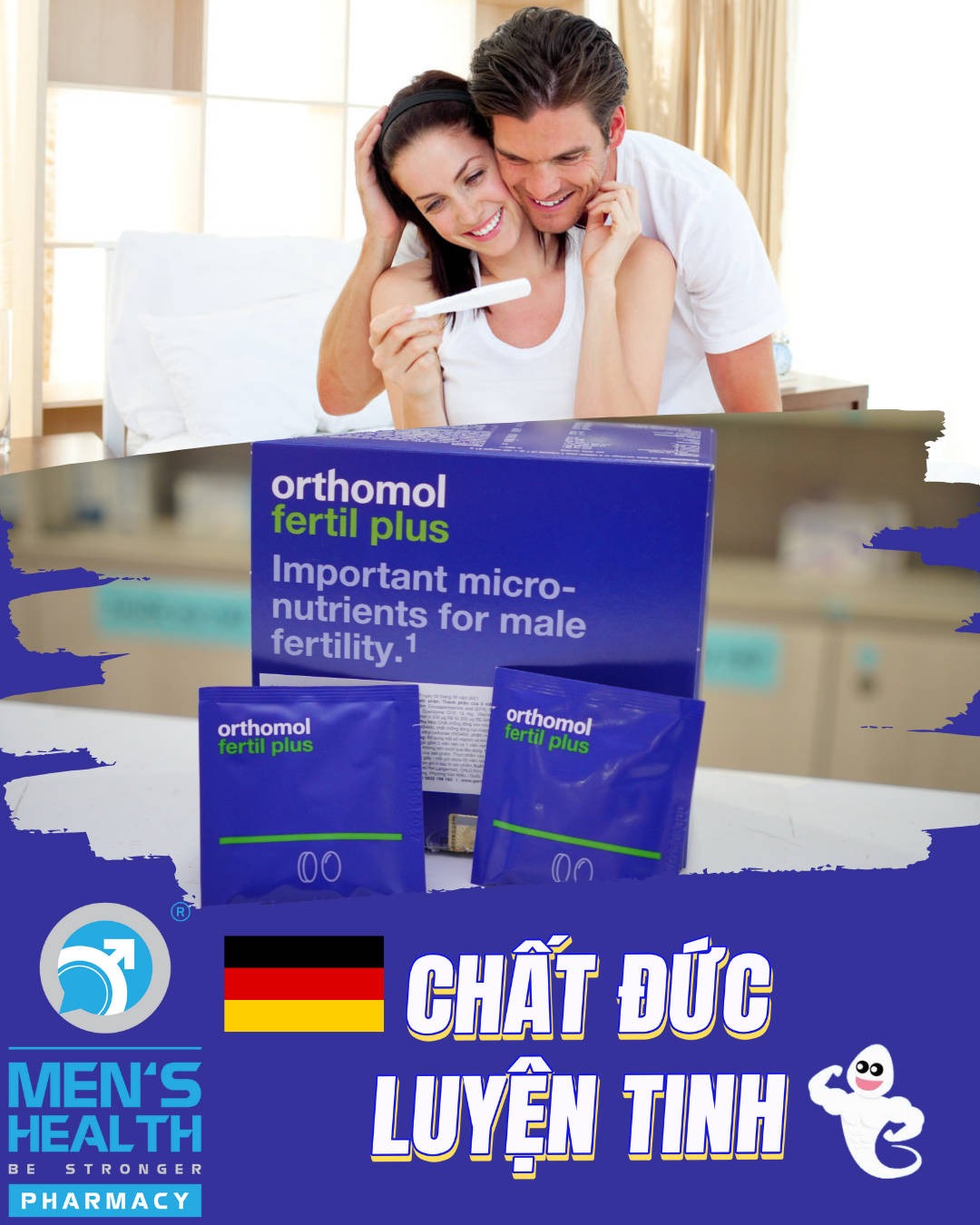
The good news is that sperm DNA fragmentation is often manageable. Because the cycle of spermatogenesis (the creation of new sperm) takes approximately 70–90 days, interventions require patience and consistency-usually 2 to 3 months of dedicated effort before re-testing.
- Combating Oxidative Stress (The Priority): The most effective intervention is the targeted use of antioxidants. Supplementation with CoQ10, Vitamin E, Vitamin C, Zinc, Selenium, and L-carnitine can help neutralize free radicals and safeguard DNA integrity.
- Lifestyle Optimization: Quitting tobacco, moderating alcohol intake, prioritizing sleep, and implementing stress-reduction techniques are non-negotiable pillars of recovery.
- Treating Underlying Pathology: Surgical repair of a varicocele or effective antibiotic treatment for genital infections can remove the primary stressors affecting DNA quality.
- Advanced ART: In severe cases, assisted reproductive technologies like IVF/ICSI, often combined with advanced sperm selection techniques, may be necessary to improve the chances of a successful pregnancy.
A Note on Professional Guidance
While lifestyle changes are beneficial, navigating male infertility requires a comprehensive approach. It is crucial to avoid self-medicating with hormones, as incorrect usage can have the opposite effect on fertility. Always consult with a specialized andrologist or reproductive specialist to assess your specific situation, determine the appropriate diagnostic tests, and create a tailored treatment plan.
If you are concerned about sperm health or want to learn more about fertility support, our team of pharmacists and medical specialists at Men’s Health Clinic is here to help. We provide personalized consultations to guide you through every step of your fertility journey.
Men’s Health Clinic
📍 7B/31 Thanh Thai, Dien Hong Ward, HCMC
📞 Hotline: 0911 161 161