
Male hypogonadism is a clinical condition characterized by insufficient testosterone production or testicular failure to respond to endocrine signals, resulting in sexual and reproductive dysfunction. This condition is a significant contributor to:
- Decreased libido
- Erectile dysfunction (ED)
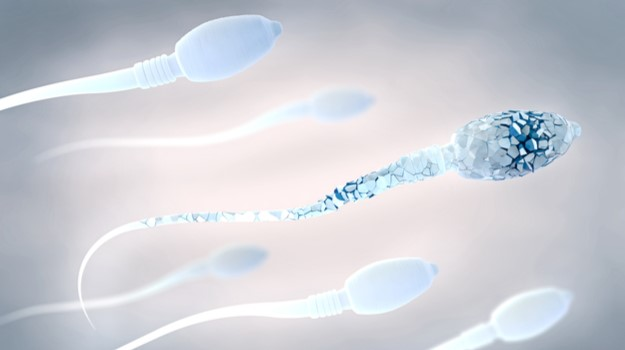
- Oligospermia or asthenozoospermia (poor sperm quality/count)
- Male infertility

What is Male Hypogonadism?
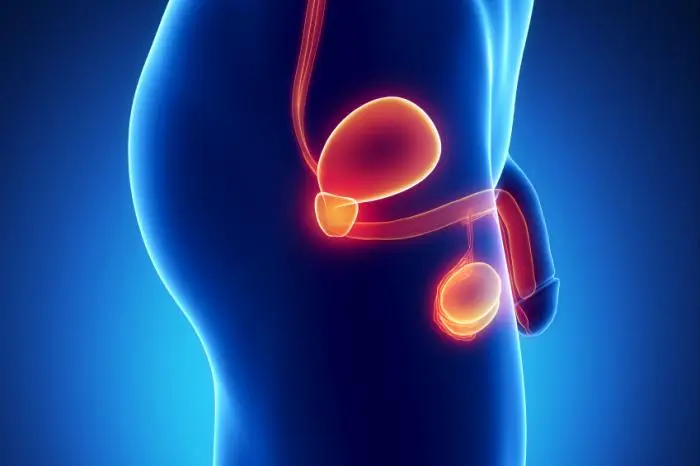
Male hypogonadism describes a state of reduced testosterone synthesis or impaired spermatogenesis resulting from dysfunction within the testes, the pituitary gland, or the hypothalamus. Testosterone is pivotal for the development of male secondary sexual characteristics, maintaining sexual physiology, and supporting the spermatogenic process.

Classification
1. Primary Hypogonadism (Testicular Failure)
This occurs when the testes are structurally or functionally damaged and fail to respond to hormonal stimuli.
- Diagnostic markers: Elevated LH and FSH, low testosterone.
- Etiologies: Klinefelter syndrome, orchitis (mumps or other infections), testicular trauma, gonadotoxic therapies (chemotherapy, radiation).
2. Secondary Hypogonadism (Hypothalamic-Pituitary Origin)
This occurs when the central nervous system fails to send appropriate hormonal signals to the testes.
- Diagnostic markers: Low or normal LH/FSH, low testosterone.
- Etiologies: Hypopituitarism, pituitary adenomas, chronic stress, exogenous anabolic-androgenic steroid use.
Clinical Manifestations
Symptoms vary depending on the age of onset and severity:
- Adults: Reduced libido, erectile dysfunction, oligospermia, fatigue/lethargy, loss of muscle mass, increased adiposity (body fat), and reduced secondary hair growth.
- Adolescents/Young Adults: Delayed puberty, underdeveloped genitalia, and microorchidism (small testes).
Common Etiologies
Male hypogonadism often results from multifactorial causes:
- Endocrine: Dysregulation of the Hypothalamic-Pituitary-Gonadal (HPG) axis, reduced GnRH secretion.
- Pathological: Orchitis, varicocele, chronic systemic diseases (hepatic or renal failure).
- Lifestyle: Chronic stress, sleep deprivation, tobacco use, and excessive alcohol consumption.
- Exogenous Factors: Use of exogenous testosterone, anabolic steroids, or other medications that interfere with endocrine function.
Diagnostic Approach
Specialists typically assess the condition through:
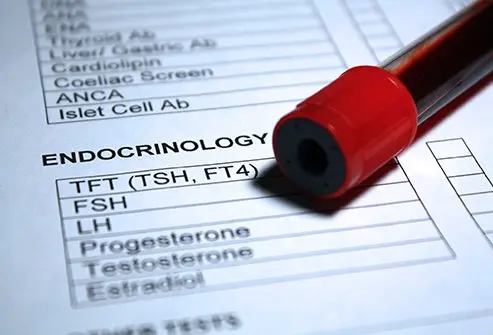
- Hormonal Profiling: Serum Testosterone, LH, FSH, and Prolactin.
- Seminal Analysis: Evaluation of sperm count, motility, and morphology.
- Adjunctive Imaging: Testicular ultrasound; Pituitary MRI (if neoplasm is suspected).
Treatment Strategies
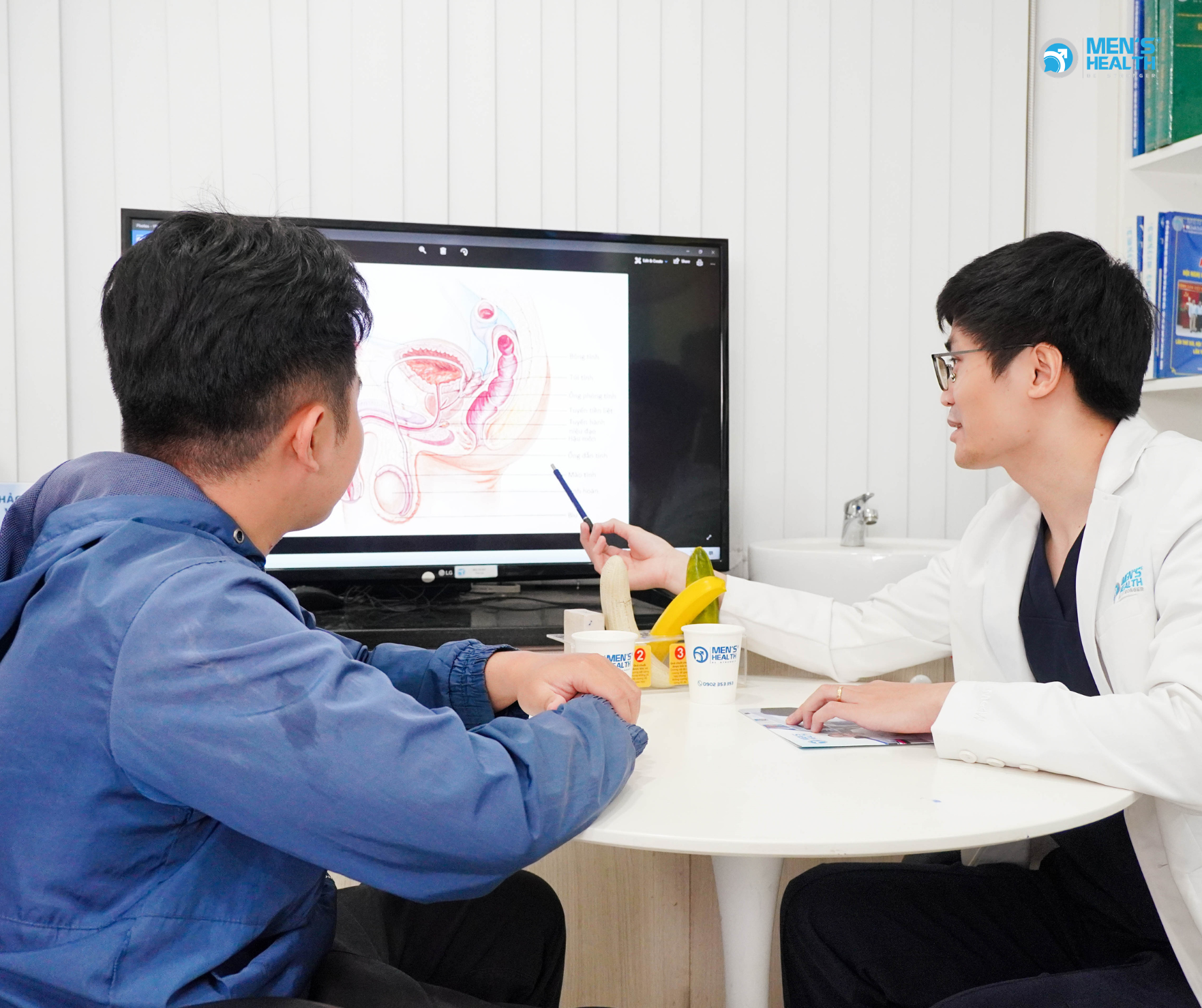
Treatment is highly dependent on the underlying etiology and patient goals (physiological restoration vs. fertility).
1. Hormonal Stimulation
- HCG (Human Chorionic Gonadotropin): Stimulates Leydig cells to increase endogenous testosterone production.
- HMG (Human Menopausal Gonadotropin) or FSH: Stimulates Sertoli cells to support spermatogenesis.
- Typically indicated for secondary hypogonadism.
2. Testosterone Replacement Therapy (TRT)
- Indicated for patients without current fertility desires who present with severe deficiency.
- Warning: TRT may suppress endogenous spermatogenesis and requires strict clinical monitoring.
3. Etiology-specific Management
- Treating pituitary adenomas, varicocelectomy, and discontinuation of exogenous steroids.
4. Micronutrient Support
- Supplementation with CoQ10, Zinc, L-carnitine, Vitamin E, and Selenium to optimize the testicular environment and improve spermatogenesis.
Lifestyle Interventions
Alongside medical therapy, patients are advised to:
- Maintain sleep hygiene.
- Implement stress-reduction strategies.
- Engage in regular physical activity.
- Moderate alcohol intake and practice smoking cessation.
Conclusion
Male hypogonadism is an endocrine disorder that directly impacts physiology and reproductive potential. Determining the correct etiology (primary vs. secondary) is paramount for effective treatment. Current therapeutic approaches—including hormonal stimulation (HCG, HMG), TRT, and lifestyle modifications—require specialist oversight to ensure safety and clinical efficacy.
Disclaimer: The above information is for educational purposes. If you require medical consultation regarding male endocrine health, infertility, or appropriate treatment protocols, please contact us.
Men’s Health Andrology Clinic
📍 Address: 7B/31 Thanh Thai, Ward Dien Hong, Ho Chi Minh City
📞 Hotline: 0911 161 161
Our specialized pharmacists and physicians are available to provide consultation tailored to your specific condition.