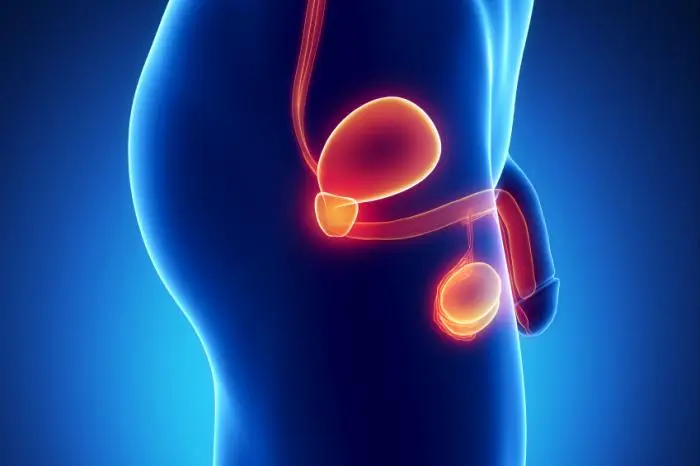

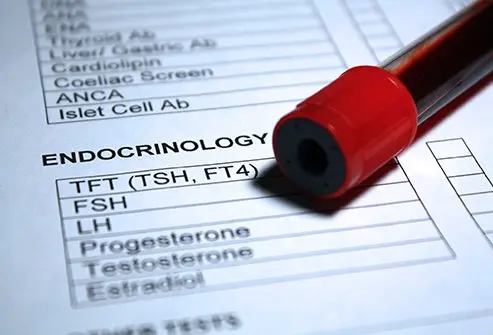
Spermatogenesis in males is not solely dependent on the testes but is tightly regulated by the endocrine system. The two most critical hormones in this process are LH (Luteinizing Hormone) and FSH (Follicle-Stimulating Hormone).
Understanding the roles of LH and FSH is essential for addressing andrological conditions such as:
- Oligospermia (low sperm count)
- Asthenozoospermia (poor sperm motility)
- Male hypogonadism
- Endocrine-related male infertility
What are LH and FSH?
LH (Luteinizing Hormone)
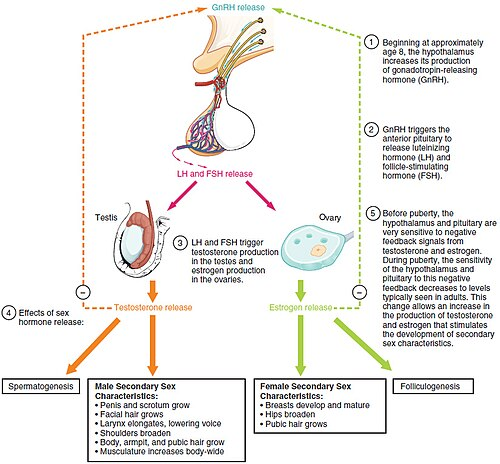
LH is secreted by the pituitary gland and plays a key role in stimulating Leydig cells in the testes to produce testosterone.
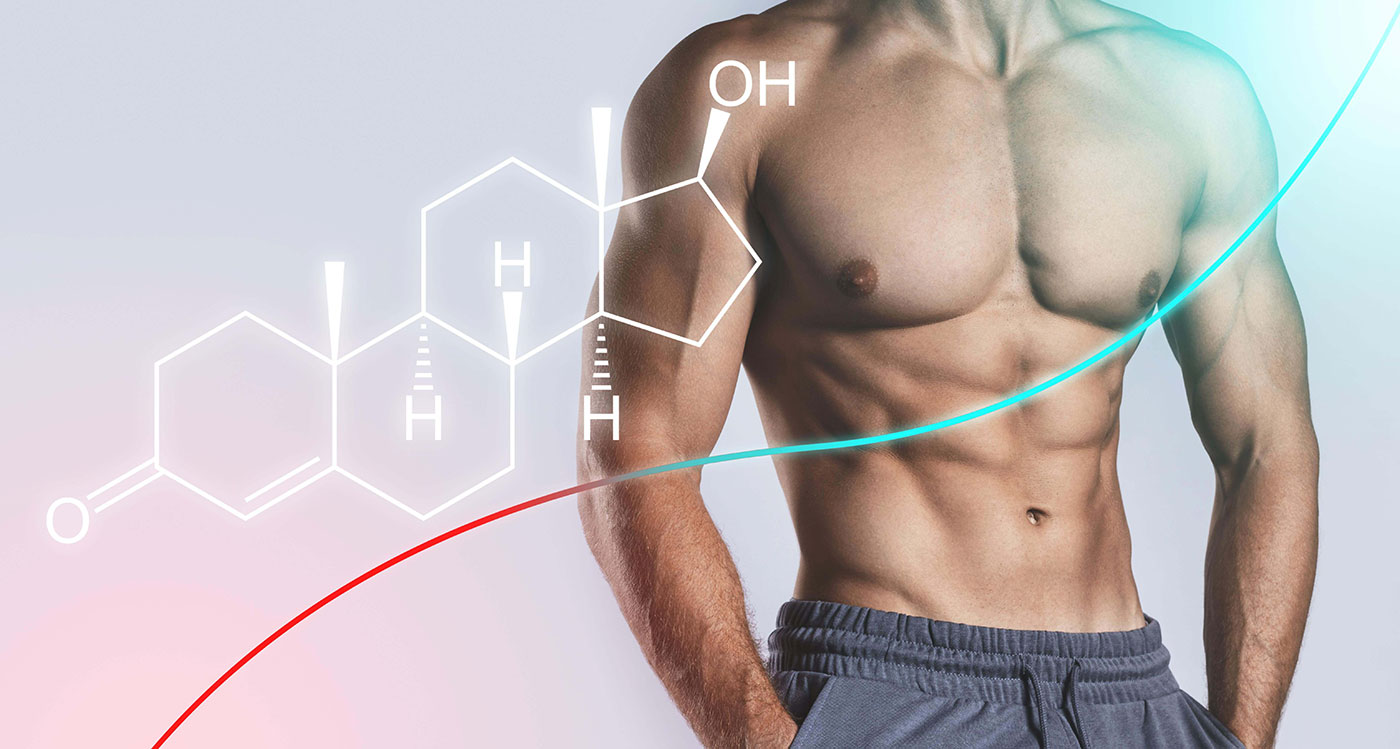
Testosterone is essential for:
- Developing male secondary sexual characteristics
- Maintaining libido
- Supporting spermatogenesis
FSH (Follicle-Stimulating Hormone)
FSH is also secreted by the pituitary gland but primarily acts on the Sertoli cells in the testes.
Sertoli cells are responsible for:
- Nourishing sperm
- Supporting sperm maturation
- Creating a favorable environment for spermatogenesis
The HPG Axis (Hypothalamus-Pituitary-Gonadal Axis)
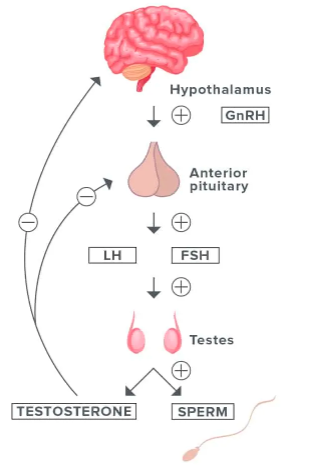
LH and FSH operate within a system known as the Hypothalamus-Pituitary-Gonadal (HPG) axis.
Mechanism:
- The hypothalamus secretes GnRH.
- The pituitary gland responds by secreting LH and FSH.
- LH and FSH stimulate the testes:
- LH → Leydig cells → Testosterone production.
- FSH → Sertoli cells → Spermatogenesis.
- Testosterone provides negative feedback to the brain to maintain hormonal balance.
The Role of LH and FSH in Spermatogenesis
1. LH – Establishing the hormonal foundation:
- Stimulates testosterone production.
- Maintains high intratesticular testosterone levels—a mandatory condition for normal spermatogenesis.
- Clinical note: LH deficiency → Low testosterone → Impaired spermatogenesis.
2. FSH – Directly participating in spermatogenesis:
- Stimulates Sertoli cell activity.
- Supports early-stage sperm development.
- Increases the count of mature sperm.
- Clinical note: FSH deficiency → Reduced sperm count and quality.
3. Synergy:
Spermatogenesis requires the coordination of both hormones: LH to create testosterone, and FSH to utilize it for sperm production. A deficiency in either disrupts the process.
Abnormal LH and FSH Levels
Low LH, FSH:
Often seen in pituitary failure, hypogonadotropic hypogonadism, chronic stress, or exogenous steroid use.
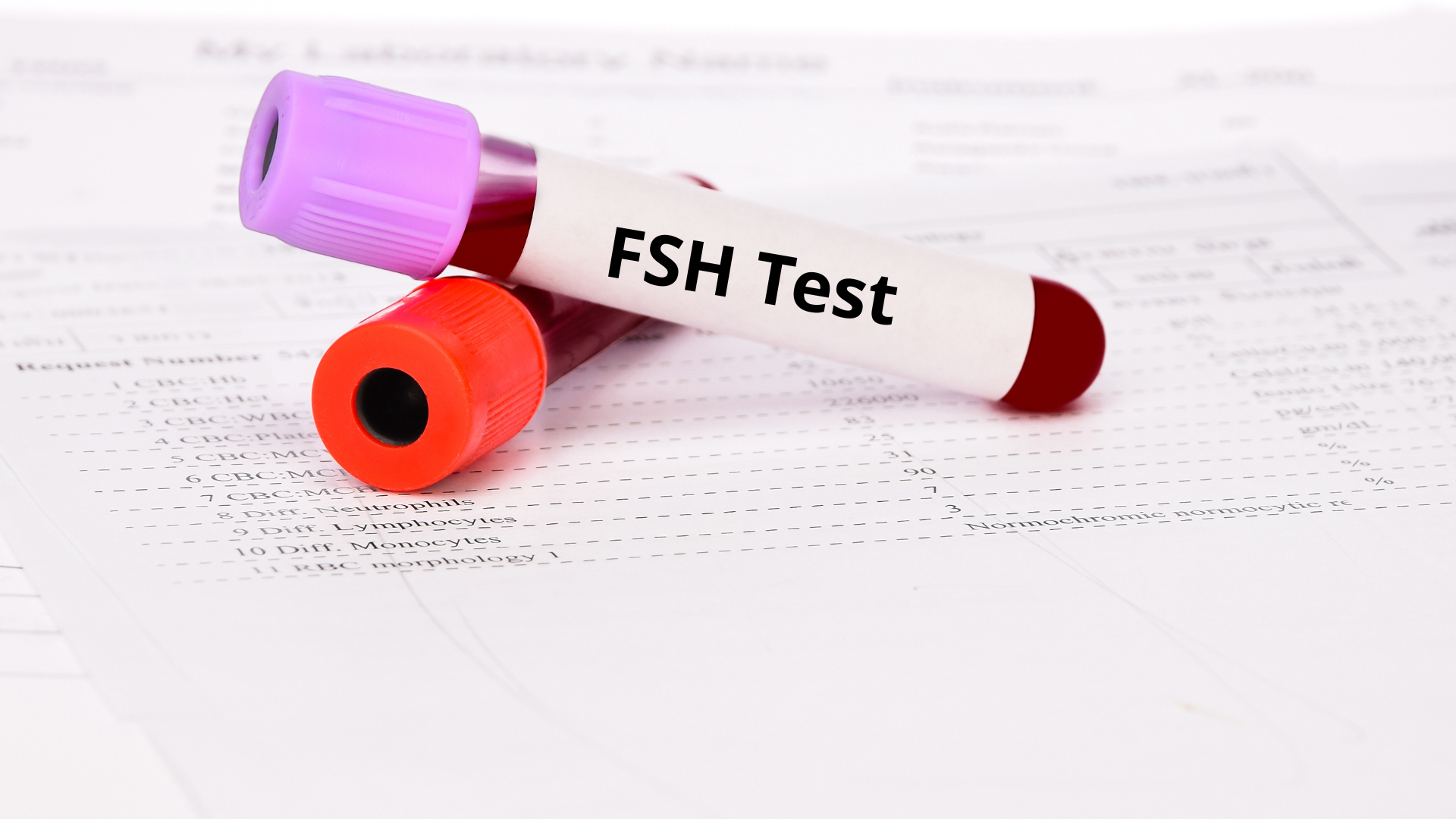
Consequence: Hypogonadism, impaired spermatogenesis, infertility.
High LH, FSH:
Typically indicates primary testicular failure or testicular damage.
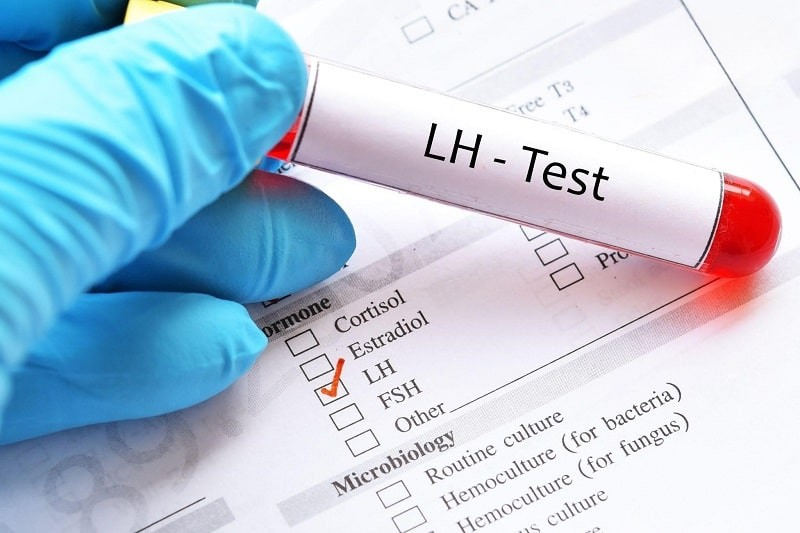
Mechanism: The brain increases LH/FSH secretion to compensate, but the testes do not respond.
Diagnostic Significance
Measuring LH and FSH is crucial for distinguishing causes of male infertility and guiding endocrine therapy (e.g., using HCG as an LH analog, or HMG/FSH to stimulate spermatogenesis).—–Male Hypogonadism: Causes and Treatment
Male hypogonadism is a condition where the body does not produce sufficient testosterone or the testes fail to respond to endocrine signals, leading to sexual and reproductive dysfunction.Classification
- Primary Hypogonadism (Testicular failure): Damage to the testes. Characterized by high LH/FSH and low testosterone. (e.g., Klinefelter syndrome, mumps orchitis, testicular trauma).
- Secondary Hypogonadism (Hypothalamic-Pituitary origin): Brain failure to signal the testes. Characterized by low or normal LH/FSH and low testosterone. (e.g., pituitary tumors, chronic stress, anabolic steroid use).
Clinical Manifestations
- Adults: Reduced libido, erectile dysfunction, low sperm count, fatigue, muscle mass loss, increased body fat.
- Young adults/adolescents: Delayed puberty, underdeveloped genitalia, small testes.
Treatment Strategies
- Hormone Therapy: Using HCG to stimulate Leydig cells; HMG or FSH to stimulate Sertoli cells (usually for secondary hypogonadism).
- Testosterone Replacement Therapy (TRT): Used when there is no current desire for fertility, as TRT can suppress endogenous spermatogenesis.
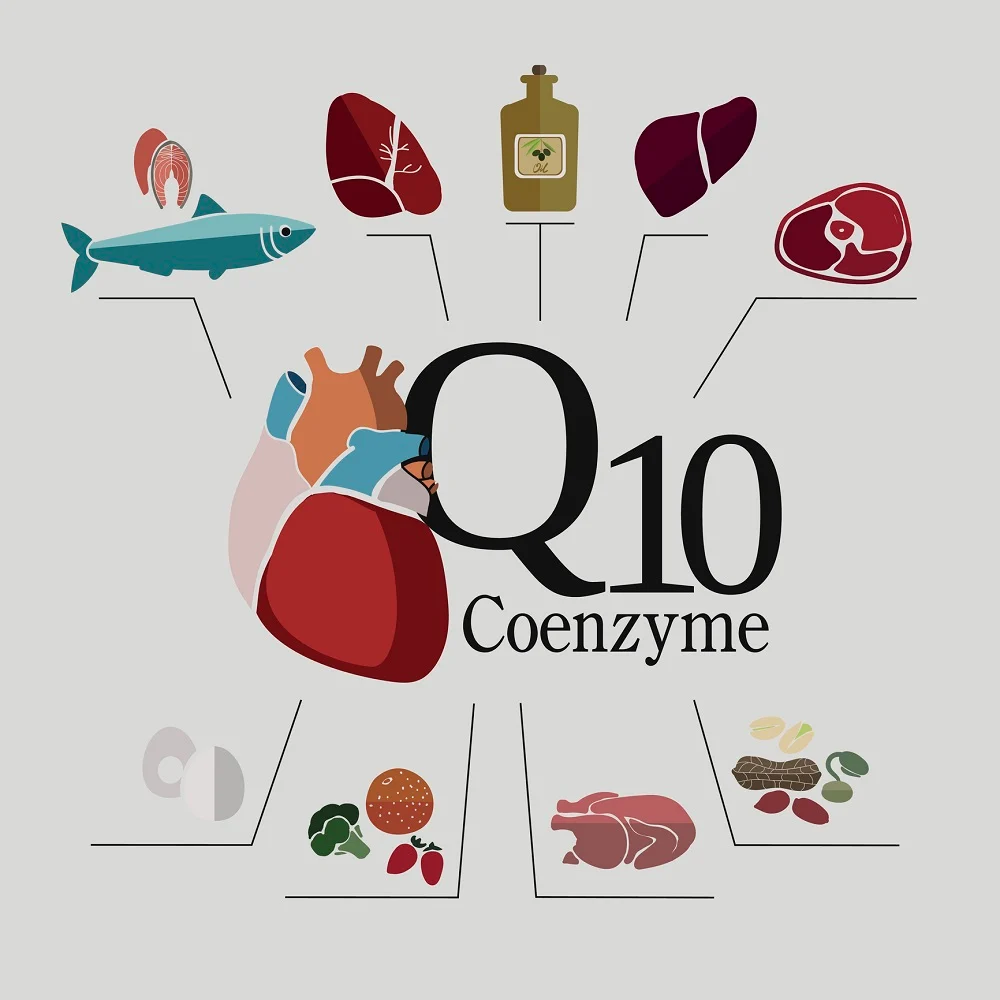
- Lifestyle Modifications & Micronutrients: CoQ10, Zinc, L-carnitine, Vitamin E, and Selenium to improve the testicular environment.
Contact Information:
Men’s Health Andrology Clinic
📍 Address: 7B/31 Thanh Thai, Ward Dien Hong, Ho Chi Minh City
📞 Hotline: 0911 161 161