
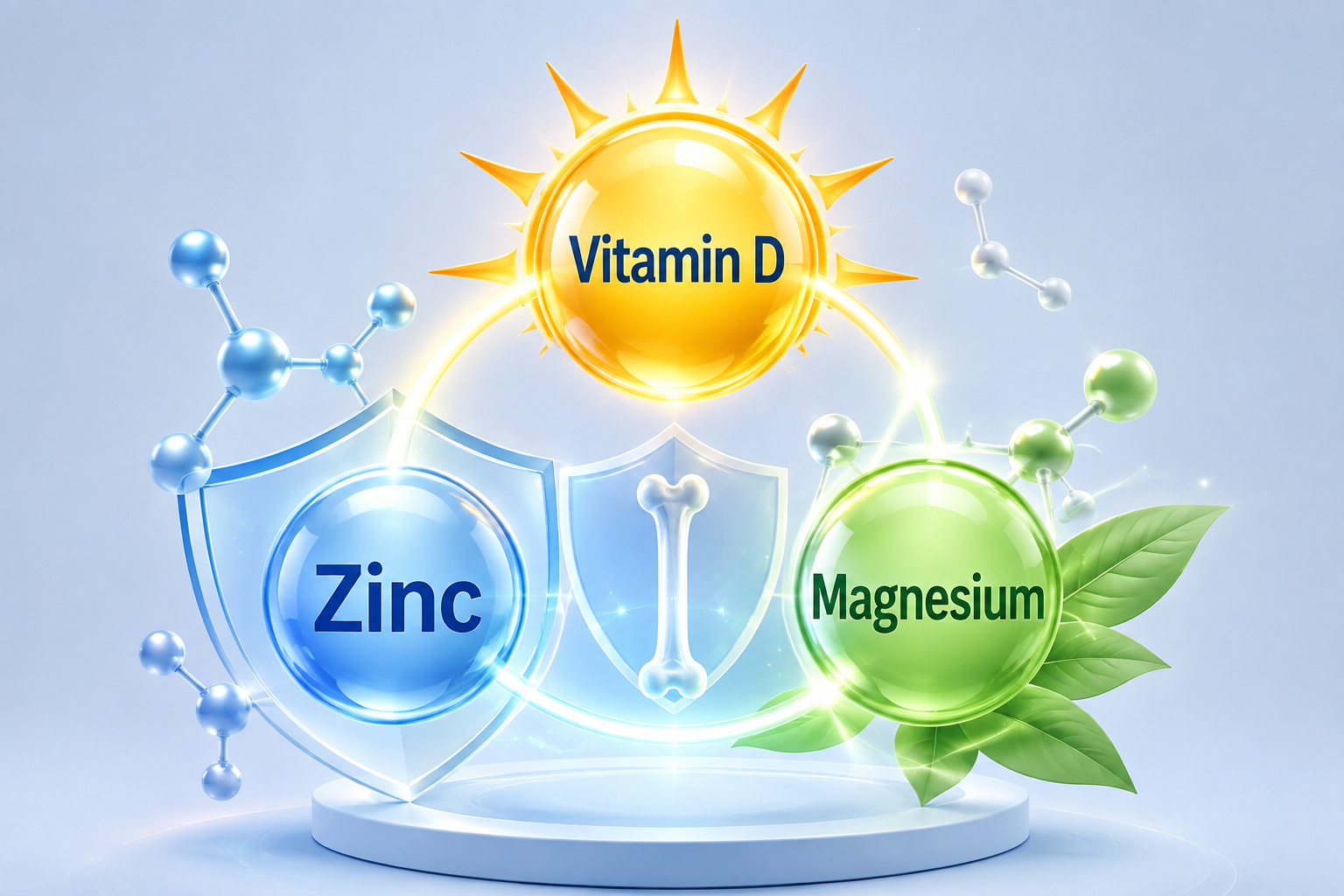
Supplementing with Zinc, Vitamin D, and Magnesium may help support natural Testosterone production in men, particularly when the body is deficient in these micronutrients. However, supplementation is not a complete substitute for specific medical treatment in men with hypogonadism. Taking micronutrient supplements without proper indication may not only be ineffective but can also increase the risk of toxicity and metabolic disturbances. Clinical evidence suggests that correcting micronutrient deficiencies should ideally be guided by blood test results and professional medical advice.
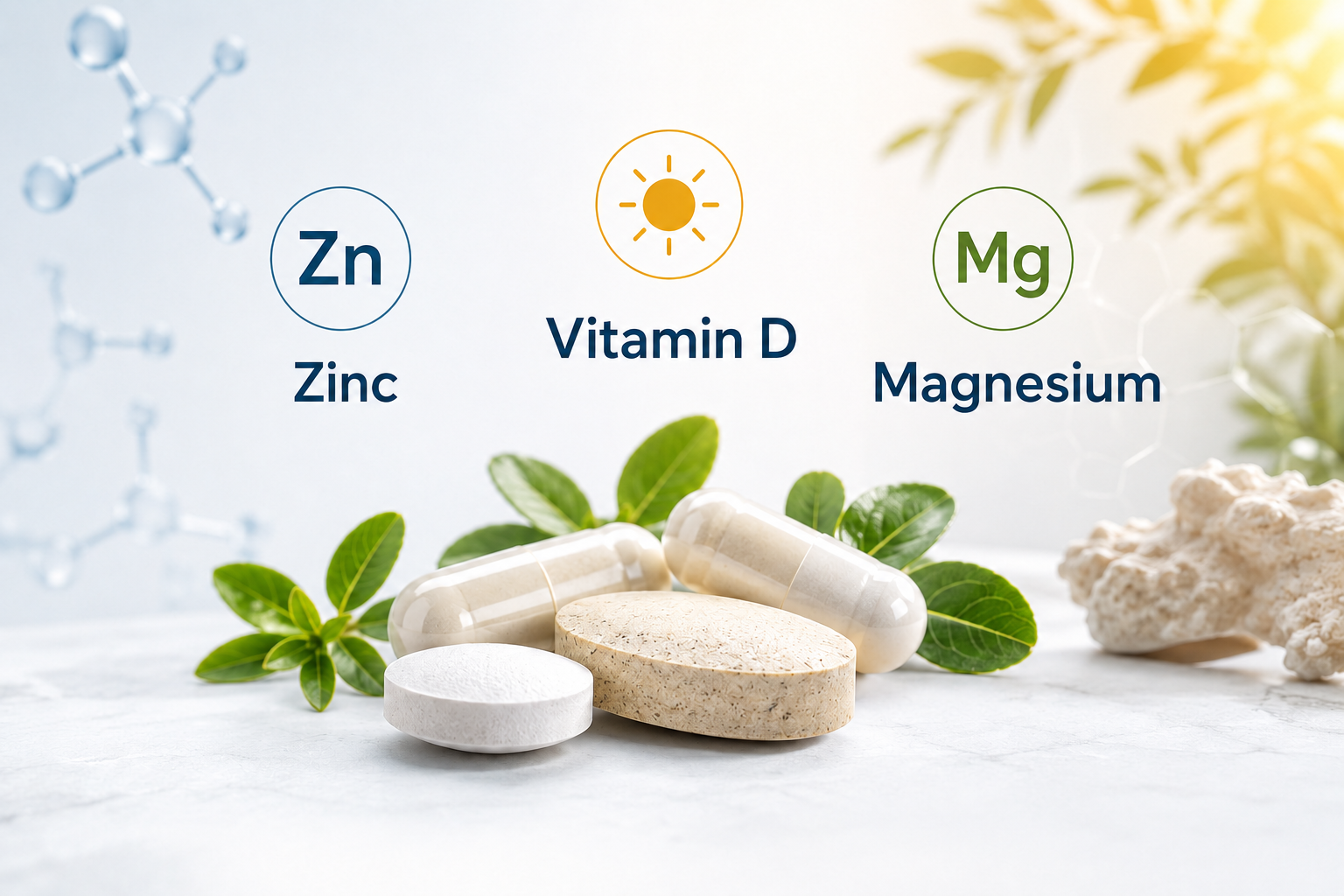
The Role of Zinc, Vitamin D, and Magnesium in Testosterone Production
Maintaining Testosterone within a healthy physiological range is important for male sexual health, muscle mass, energy levels, and overall well-being. These three micronutrients influence the male endocrine system through different mechanisms.
Zinc: An Essential Mineral for Male Reproductive Health
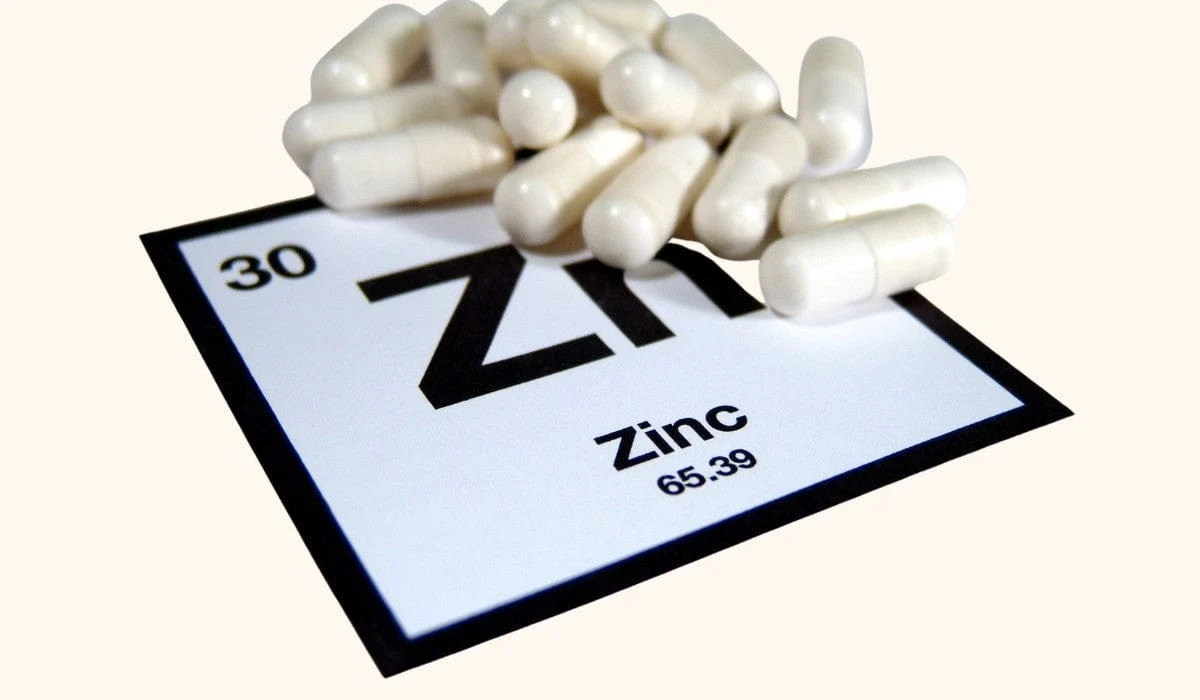
Zinc plays an important role in regulating pituitary function and supporting the release of Luteinizing Hormone (LH). LH then travels to the testes, where it stimulates Leydig cells to produce Testosterone.
- When Zinc is deficient: Pituitary LH secretion may decrease, which can contribute to lower natural Testosterone production.
- When Zinc deficiency is corrected: Medical studies suggest that restoring adequate Zinc levels in deficient individuals may help Testosterone return toward a normal physiological range. However, taking additional Zinc when the body already has sufficient levels is unlikely to raise Testosterone beyond its normal range.
Vitamin D: An Important Prohormone

Vitamin D is more than a conventional vitamin; it functions as a steroid-related prohormone in the body. Vitamin D receptors are found in many tissues, including the prostate and testes.
- Mechanism: Vitamin D is involved in reproductive function, including sperm production, and may influence Testosterone synthesis. Low Vitamin D levels in men are often associated with lower Testosterone levels.
- Potential effect: Correcting Vitamin D deficiency may support improvements in total and free Testosterone in some men, although the response varies depending on the underlying cause and baseline nutritional status.
Magnesium: A Mineral Involved in Testosterone Availability
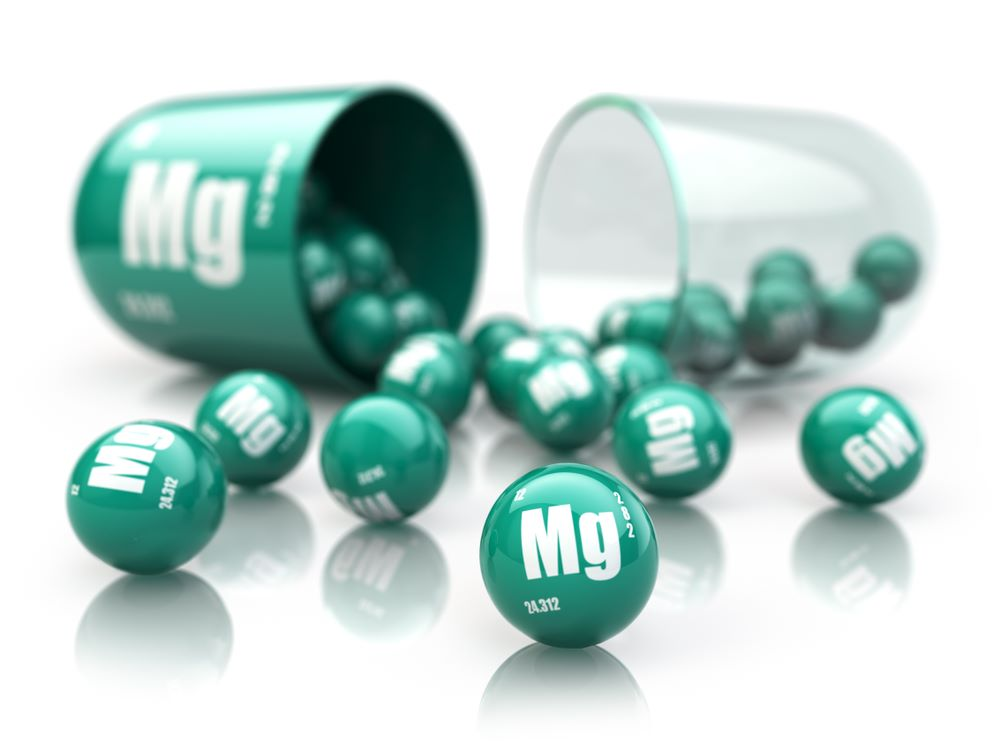
A large proportion of circulating Testosterone is bound to proteins, including Sex Hormone-Binding Globulin (SHBG), while only a small fraction circulates as free Testosterone and is biologically active.
- Mechanism: Magnesium may influence the interaction between Testosterone and binding proteins and may therefore affect the availability of free Testosterone. Maintaining adequate Magnesium levels also supports muscle, nerve, energy metabolism, and overall physical function.
Signs of Low Testosterone and Micronutrient Deficiency
Before deciding to take any supplement, men should understand that symptoms associated with low Testosterone can overlap with many other medical conditions.
Common symptoms may include:
- General symptoms: Persistent fatigue, poor sleep, reduced muscle mass, increased abdominal fat, decreased bone density, or hair changes.
- Sexual symptoms: Reduced sexual desire, erectile difficulties, or changes in ejaculate volume.
- Psychological symptoms: Irritability, low mood, difficulty concentrating, or reduced motivation.
Medical note: Low Testosterone cannot be diagnosed based on symptoms alone. Similar symptoms may occur with depression, thyroid disorders, diabetes, sleep disorders, chronic illness, or medication use. Men with persistent symptoms should undergo a medical evaluation, which may include morning blood Testosterone testing and other relevant investigations.
Can Micronutrient Supplements Replace Medical Treatment?

Many men wonder whether Zinc, Vitamin D, and Magnesium can naturally increase Testosterone enough to avoid medication. The answer depends largely on the underlying cause.
| Health status | Expected role of Zinc, Vitamin D, and Magnesium | Medical recommendation |
|---|---|---|
| Micronutrient deficiency | Correcting the deficiency may help restore normal physiological function and support Testosterone production. | Improve dietary intake and use supplements when appropriate under professional guidance. |
| Adequate micronutrient status but poor lifestyle | Additional supplementation may provide little or no meaningful increase in Testosterone. | Focus on sleep, exercise, weight management, stress reduction, and overall metabolic health. |
| Pathological hypogonadism | Supplements cannot replace indicated medical treatment. They may only support general nutritional health. | Proper assessment by a specialist is required. Testosterone Replacement Therapy (TRT), when appropriate, must be prescribed and monitored by a physician. |
Micronutrient supplementation should not be viewed as a way to artificially “boost” hormones beyond a healthy physiological range.
How to Supplement Safely
Although these micronutrients are essential, excessive intake can cause adverse effects. Supplementation should follow appropriate nutritional and medical principles rather than the assumption that “more is better.”
Natural Food Sources
- Zinc: Oysters, beef, chicken, pumpkin seeds, legumes.
- Vitamin D: Fatty fish such as salmon and tuna, egg yolks, Vitamin D-containing foods, and synthesis in the skin following appropriate sunlight exposure.
- Magnesium: Spinach and other leafy greens, almonds, cashews, avocado, legumes, whole grains, and dark chocolate.
A balanced diet should generally be the first approach whenever possible.
When Supplements May Be Needed
Supplements may be considered when dietary intake is inadequate, a deficiency has been identified, or a healthcare professional determines that supplementation is appropriate.
Potential risks include:
- Zinc: Nausea, diarrhea, altered taste, and impaired Copper absorption with excessive or prolonged intake, potentially contributing to Copper deficiency and anemia.
- Vitamin D: Excessive intake may cause hypercalcemia, which can affect the kidneys, cardiovascular system, and soft tissues.
- Magnesium: High supplemental doses may cause diarrhea. More serious Magnesium accumulation can occur particularly in people with impaired kidney function and may result in muscle weakness, low blood pressure, or other complications.
Important Drug Interactions
Zinc and Magnesium may interfere with the absorption of certain medications, including some antibiotics such as tetracyclines and quinolones. The appropriate interval between a mineral supplement and medication depends on the specific drug, so patients should follow the instructions of their doctor or pharmacist rather than applying the same timing rule to every medication.
People with chronic kidney disease, liver disease, endocrine disorders, cardiovascular conditions, or those taking multiple medications should seek professional advice before using supplements regularly.
Common Mistakes When Trying to Increase Testosterone Naturally
1. Taking Supplements Based on Word of Mouth
Products promoted as “Testosterone boosters” may contain unclear ingredients or may not have been adequately evaluated for safety and efficacy. Men should avoid purchasing products of unknown origin or taking supplements simply because they were recommended by friends or online sources.
2. Ignoring Sleep
Sleep is closely related to endocrine function. Chronic sleep deprivation or poor-quality sleep may adversely affect Testosterone production, metabolism, mood, and sexual function.
Micronutrient supplements cannot compensate for persistent sleep deprivation.
3. Taking Excessive Amounts of Micronutrients
The belief that higher doses produce better results is incorrect. Excessive supplementation can create nutrient imbalances and, depending on the substance and dose, may affect the gastrointestinal tract, kidneys, cardiovascular system, or other organs.
4. Neglecting Chronic Stress
Prolonged psychological or physical stress can disrupt endocrine regulation and may adversely affect sexual health, sleep, metabolism, and overall well-being.
Managing stress is therefore an important part of a comprehensive strategy to support hormonal health.
Professional Assessment and Guidance Within the Men’s Health Ecosystem

Determining whether a man truly has low Testosterone or a clinically significant micronutrient deficiency cannot be based on subjective symptoms alone. Appropriate medical assessment may require laboratory testing combined with evaluation of symptoms, medical history, medications, lifestyle factors, and underlying conditions.
Men’s Health Andrology Pharmacy is part of the Men’s Health Center ecosystem founded by Dr. Tra Anh Duy, MD, PhD, Specialist Level II. The healthcare team does not encourage men to independently purchase or use hormonal medications or nutritional supplements based solely on personal assumptions or advertising claims.
Within the Men’s Health ecosystem, doctors and pharmacists work together to explain treatment options, review medication safety, and support individualized healthcare decisions. Depending on the patient’s needs, management may involve lifestyle modification, correction of documented nutritional deficiencies, treatment of underlying conditions, or prescription medication when clinically indicated.
Men’s Health emphasizes professional care, safety, discretion, confidentiality, and respect for each patient’s individual needs. Prescription medicines, particularly Testosterone and other hormonal therapies, should only be used when prescribed and appropriately monitored by a qualified physician.
Zinc, Vitamin D, and Magnesium for Naturally Increasing Testosterone: Frequently Asked Questions
Can Zinc and Magnesium be taken on the same day?
Yes. Zinc and Magnesium can generally be taken on the same day. However, the best timing depends on the formulation, dose, diet, other supplements, and medications being used. Some people may prefer to separate them to improve gastrointestinal tolerance.
How long does it take for micronutrient supplementation to affect Testosterone?
There is no universal timeframe. The response depends on whether a true deficiency exists, how severe it is, the underlying cause of low Testosterone, nutritional status, sleep, body weight, physical activity, and other health factors.
Improvements in general well-being may occur as a deficiency is corrected, but Testosterone levels should be assessed objectively rather than judged solely by changes in energy or sexual desire.
Do young men need Zinc, Vitamin D, and Magnesium supplements to improve sexual performance?
Not necessarily. Young men who eat a balanced diet and do not have a documented deficiency or relevant medical condition may not benefit from additional supplementation.
Taking more micronutrients than the body needs does not necessarily improve sexual performance or raise Testosterone.
Can excessive Zinc and Vitamin D intake be harmful?
Yes. Excessive Zinc intake over a prolonged period may interfere with Copper absorption and contribute to nutritional imbalance. Excessive Vitamin D can cause dangerously high blood Calcium levels and may lead to kidney and cardiovascular complications.
Supplements should therefore be taken at appropriate doses and preferably with advice from a healthcare professional when used long term.
How can I tell whether I am deficient in Zinc, Vitamin D, or Magnesium?
Assessment depends on the nutrient and the clinical situation. Blood tests may be useful, particularly for Vitamin D, while interpretation of Zinc and Magnesium status may require consideration of symptoms, diet, medical history, and laboratory findings.
If low Testosterone is suspected, a doctor may also evaluate morning total Testosterone and, depending on the case, free Testosterone, LH, FSH, SHBG, prolactin, or other relevant markers.
Can Zinc supplements cure low Testosterone?
No. Zinc supplementation may be useful when Zinc deficiency contributes to impaired hormonal function, but it does not treat every cause of low Testosterone.
Persistent or recurrent symptoms require medical assessment to determine whether the underlying problem is nutritional, endocrine, metabolic, psychological, medication-related, or caused by another health condition.
Is Vitamin D a Testosterone booster?
Vitamin D should not be considered a conventional “Testosterone booster.” Correcting Vitamin D deficiency may support normal endocrine and reproductive function, but taking additional Vitamin D when levels are already adequate does not guarantee an increase in Testosterone.
Can Magnesium improve sexual function?
Magnesium contributes to normal muscle, nerve, cardiovascular, and metabolic function, and correcting deficiency may improve overall health. However, Magnesium is not a specific treatment for erectile dysfunction, low libido, or clinically diagnosed hypogonadism.
Men with persistent sexual symptoms should be assessed for the underlying cause.
Conclusion
Zinc, Vitamin D, and Magnesium play important roles in overall health and may support normal Testosterone production, particularly when a genuine nutritional deficiency is present. However, these micronutrients should not be regarded as “miracle Testosterone boosters” or substitutes for appropriate medical treatment in men with pathological hypogonadism.
Men should avoid diagnosing low Testosterone based only on fatigue, reduced libido, erectile difficulties, or other nonspecific symptoms, and they should not take high-dose supplements or hormonal products for prolonged periods without professional guidance.
A balanced diet, adequate sleep, regular physical activity, healthy weight management, stress control, and treatment of underlying medical conditions remain central to hormonal health. If symptoms persist, recur, or significantly affect quality of life, a medical evaluation is appropriate.
The Men’s Health Center and Men’s Health Andrology Pharmacy ecosystem can support patients through professional medical assessment, medication counseling, and health monitoring with an emphasis on safety, discretion, confidentiality, and individualized care. Prescription medicines, including Testosterone therapy, should only be used under the direction and follow-up of a qualified physician.