

Recurrent balanitis refers to repeated episodes of inflammation or infection affecting the glans penis, causing persistent itching, redness, swelling, and burning pain. Common reasons why balanitis frequently recurs include improper genital hygiene, a long or tight foreskin, poorly controlled underlying conditions such as diabetes, or reinfection from a sexual partner. In particular, the habit of self-medicating with topical creams to temporarily relieve symptoms without addressing the underlying cause may allow bacteria and fungi to persist, develop resistance, and return. A specialist evaluation and an appropriate treatment plan are therefore essential to breaking this cycle, protecting male sexual health, and improving quality of life.
Understanding Recurrent Balanitis
Balanitis is inflammation and swelling of the glans penis. When the inflammation also involves the foreskin, the condition is called balanoposthitis. Recurrent balanitis is generally characterized by symptoms that improve or disappear after treatment but then return again within a relatively short period.
Repeated episodes can cause more than everyday discomfort and reduced sexual desire. Over time, recurrent inflammation may contribute to complications such as scarring and fibrosis, narrowing of the urethral opening, or an increased risk of sexually transmitted infections (STIs).
Main Causes of Frequently Recurrent Balanitis

For effective treatment, accurately identifying the underlying cause is extremely important. The following are among the major factors that can contribute to repeated episodes.
Long or Tight Foreskin (Phimosis)
This is one of the most common mechanical causes. When the foreskin is excessively long or too tight, it may be difficult to retract it sufficiently to clean the groove around the glans. As a result, urine, sweat, semen, and dead skin cells can accumulate and form smegma.
Smegma provides a favorable environment for bacteria and fungi, particularly Candida yeast, to multiply and cause repeated inflammation. If the underlying anatomical problem is not addressed, recurrent inflammation may continue.
Improper Genital Hygiene
Both inadequate hygiene and excessive cleansing can contribute to the problem:
- Poor hygiene: Failure to clean the groove around the glans regularly can create conditions that allow microorganisms to proliferate.
- Improper cleansing: Excessive use of harsh soaps, strongly cleansing products, or highly fragranced shower gels may damage the skin’s natural protective barrier and alter the local pH. This can make the sensitive skin of the glans more susceptible to irritation and microorganisms.
Reinfection From a Sexual Partner (Ping-Pong Effect)
In some cases, balanitis improves after treatment but quickly returns following unprotected sexual activity. If a sexual partner has a vaginal infection, such as vaginal candidiasis, bacterial vaginosis, or a sexually transmitted infection, microorganisms may be transmitted during intercourse.
When only one partner is treated, infection may be passed back and forth between partners, creating a cycle of reinfection.
Poorly Controlled Underlying Disease (Diabetes)
Clinical studies have shown a close association between balanitis caused by Candida albicans and diabetes mellitus.
When blood glucose levels are elevated, glucose may also be present in the urine. Small amounts of urine remaining beneath the foreskin can create a warm and glucose-rich environment that favors rapid yeast growth.
People with diabetes may also have impaired immune defenses, making it more difficult for the body to control recurrent infections.
Self-Medication or Incorrect Use of Medication
Many men may feel embarrassed about seeking medical care and instead purchase topical creams on their own.
Using the wrong medication—for example, applying an antifungal treatment to a bacterial infection—using an inadequate dose, stopping treatment too early, or overusing topical corticosteroids for prolonged periods may disrupt the local microbiome, promote drug resistance, cause skin thinning, and make the glans more vulnerable to subsequent episodes of inflammation.
Signs and Warning Symptoms of Recurrent Balanitis
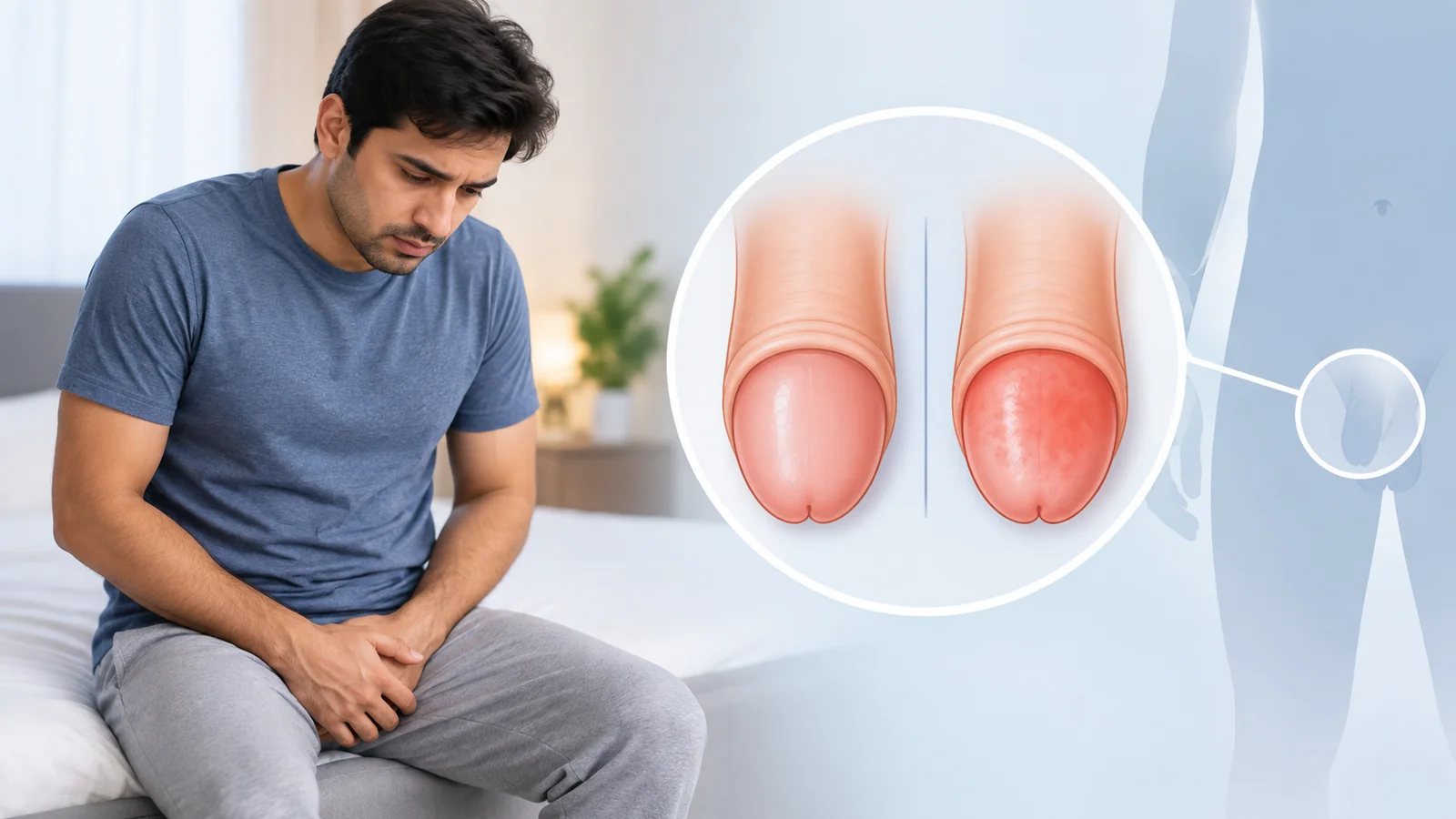
Symptoms during a recurrent episode are often similar to those experienced during the first episode. However, they may progress more rapidly or persist longer if the tissue has already been damaged by previous inflammation.
Typical Symptoms
- Changes in the skin surface: The glans and foreskin may become intensely red, swollen, and shiny.
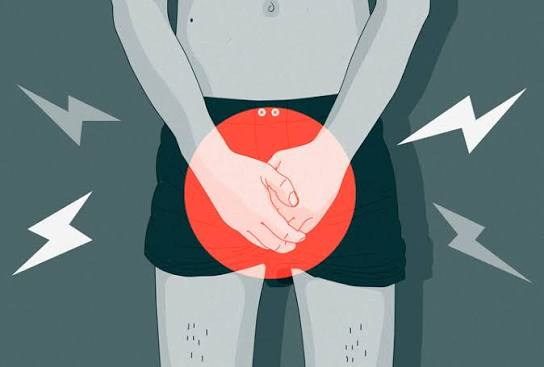
- Discomfort: Severe itching, stinging, or burning pain may occur, particularly when the area rubs against underwear.
- Discharge and unpleasant odor: White or yellowish material may accumulate around the groove of the glans and may be accompanied by an unpleasant smell.
- Difficulties with daily activities: Painful urination, urinary discomfort, pain during sexual intercourse, or pain during erection may occur.
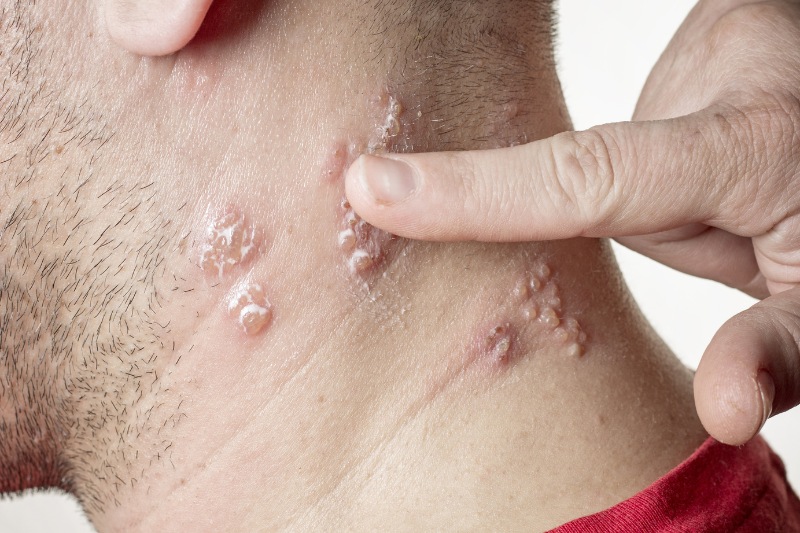
- Skin lesions: Red rashes, tiny blisters, or shallow ulcers may appear on the surface of the glans.
When Should You Seek Medical Attention Immediately?
Men should not delay seeking specialist medical care if any of the following warning signs occur:
- Severe swelling of the foreskin, particularly when it has been retracted and cannot be returned to its normal position. This condition, known as paraphimosis, can compromise blood circulation.
- Pus draining from the urethral opening or around the groove of the glans.
- Deep ulcers, bleeding, or discharge with a foul or necrotic odor.
- Severe inflammation accompanied by high fever, chills, swollen lymph nodes in the groin, or generalized fatigue.
Diagnosis and Treatment Principles for Recurrent Balanitis
To effectively manage recurrent balanitis, specialists should not rely solely on a few clinical symptoms. A comprehensive assessment is necessary in order to develop an individualized treatment plan.
Using medications recommended by other people or reusing an old prescription without medical evaluation can be dangerous.
The Importance of Thorough Diagnosis
When evaluating a patient with recurrent balanitis, a doctor may perform the following:
- A clinical examination to assess the foreskin for excessive length, tightness, or scar formation.
- Collection of discharge or swab samples from the glans for microscopy or culture to determine whether the cause is fungal, bacterial, or related to a sexually transmitted infection such as gonorrhea, chlamydia, or syphilis.
- Blood and urine tests to screen for diabetes, including fasting blood glucose and HbA1c testing, or for other conditions associated with impaired immunity.
Common Medication Groups and Important Medical Considerations
The goals of medication are to eliminate infectious organisms such as fungi or bacteria, control inflammation, and allow damaged skin to heal.
However, each medication group has specific indications and should be used under appropriate medical guidance.
1. Antifungal Medications (Topical or Oral):
- Indication: Balanitis caused by yeast, particularly Candida species.
- Treatment objective: To inhibit fungal cell membrane synthesis, thereby killing the fungus or preventing further fungal growth. Commonly used agents may include clotrimazole or miconazole as topical treatments, and fluconazole or itraconazole as oral treatments in selected severe or resistant cases.
- Precautions and adverse effects: These medications may require a prescription or professional advice from a doctor or pharmacist. Some patients may experience mild local burning or temporary redness after applying a topical medication. Treatment should not be stopped simply because symptoms have improved; the prescribed treatment course should be completed to reduce the risk of recurrence. Antifungal prescriptions should not be shared because the underlying organism may differ from one patient to another.
2. Antibiotics (Topical or Oral):
- Indication: Balanitis caused by bacteria such as staphylococci or streptococci, or by bacteria associated with sexually transmitted infections.
- Treatment objective: To eliminate the bacteria responsible for the infection.
- Precautions and adverse effects: Antibiotics are prescription medications. Using an inappropriate antibiotic may fail to treat the condition and may also disrupt beneficial bacteria, contributing to antimicrobial resistance. Adverse effects may include gastrointestinal problems with oral antibiotics or local skin irritation with topical agents. Patients should take antibiotics at the correct dose and for the full prescribed duration. If signs of an allergic reaction occur, such as widespread rash, facial swelling, or difficulty breathing, the medication should be stopped immediately and urgent medical advice should be sought.
3. Topical Corticosteroids:
- Indication: Non-infectious balanitis, such as inflammation caused by chemical irritation or eczema, or short-term combination treatment when rapid reduction of inflammation is needed.
- Treatment objective: To reduce inflammation, itching, and swelling. Common agents may include hydrocortisone or appropriately formulated betamethasone preparations.
- Precautions and adverse effects: Extra caution is required in individuals with a history of skin ulceration or uncontrolled viral infections. One of the major risks associated with prolonged misuse of topical corticosteroids is skin thinning or atrophy. Long-term overuse may also cause stretch marks and weaken local immune defenses, allowing fungal or bacterial infections to become more severe or persistent.
For this reason, topical corticosteroids should generally be used only for a limited period—often no longer than 7–14 days—under close medical supervision. Patients should avoid unregulated or unverified topical products, particularly so-called traditional or homemade creams, because some may contain undisclosed high-potency corticosteroids.
In all cases involving medication for male genital infections, these drugs should not be regarded as sexual performance-enhancing products or medications that can be used arbitrarily. Correctly identifying the underlying cause before prescribing treatment remains the fundamental principle of management.
Surgical Intervention (Circumcision)
If balanitis repeatedly recurs because a long or tight foreskin causes accumulation of debris and makes adequate hygiene difficult, a doctor may recommend circumcision.
Circumcision is a minor surgical procedure that removes excess foreskin and allows the glans to remain fully exposed. After the wound has healed, hygiene becomes much easier and the area can remain cleaner and drier, thereby reducing recurrence associated with mechanical factors.
The Role of the Men’s Health Ecosystem in Men’s Healthcare

During the management and treatment of recurrent balanitis, adherence to an appropriate medical treatment plan and correct medication use play an important role in achieving recovery.
Men’s Health Andrology Pharmacy is part of the Men’s Health Center ecosystem founded by Dr. Tra Anh Duy, PhD, Specialist Level II. Patients can receive guidance from doctors and pharmacists, including detailed explanations and assistance in selecting healthcare solutions appropriate to their actual clinical condition.
Close coordination between clinicians and pharmacists helps ensure that patients use the correct medication at the correct dose and understand potential drug interactions.
Men’s Health places strong emphasis on professionalism, safety, privacy, strict confidentiality, and respect for each individual’s needs throughout the processes of examination, treatment, and follow-up care.
Prescription medications used for the treatment of male reproductive and urological conditions must always be prescribed directly by an appropriate medical specialist.
Lifestyle Changes to Help Prevent Recurrent Balanitis
Medication may resolve an acute episode, but appropriate daily habits are an important part of reducing the risk of recurrence.
Preventive measures include:
- Maintain proper genital hygiene: Wash the genital area daily with warm water. Gently retract the foreskin to clean the entire groove around the glans, then carefully pat the area dry with a clean cotton towel before returning the foreskin to its normal position.
- Avoid irritating chemicals: Do not use harsh shower gels, heavily fragranced foaming soaps, or genital cleansing products of uncertain origin.
- Choose appropriate underwear: Wear soft, breathable cotton underwear that absorbs moisture well and fits comfortably. Change underwear daily and ensure it is thoroughly washed and dried.
- Practice safer sex: Use condoms during sexual activity. If a sexual partner develops signs of a genital or vaginal infection, sexual activity should be temporarily avoided and both partners should seek appropriate medical assessment and treatment when indicated to prevent reinfection.
- Control underlying medical conditions: For men with diabetes, maintaining a healthy diet, exercising regularly, and using glucose-lowering medication as prescribed by an endocrinologist or other treating physician are important measures for reducing the risk of recurrent Candida infection.
Frequently Asked Questions About Recurrent Balanitis
Can Recurrent Balanitis Go Away on Its Own?
Generally, recurrent balanitis should not simply be assumed to resolve on its own. Repeated episodes may be associated with persistent microorganisms such as fungi or bacteria, or with structural problems such as a long or tight foreskin.
If the underlying cause is not identified and managed appropriately, symptoms may continue to recur or become more severe.
What Should I Apply to Recurrent Balanitis to Relieve Itching Quickly?
There is no single topical medication that is suitable for everyone.
The choice between an antifungal medication, antibiotic, anti-inflammatory treatment, or another therapy depends on the underlying cause identified during medical evaluation.
Using over-the-counter creams without an appropriate diagnosis may mask symptoms, contribute to drug resistance, or cause skin thinning if corticosteroids are used excessively.
Can Recurrent Balanitis Cause Infertility?
Balanitis itself does not usually cause infertility directly. However, persistent infection may potentially spread to other parts of the reproductive or urinary tract and contribute to conditions such as urethritis, prostatitis, or orchitis.
These complications may affect sperm quality or sperm transport. In addition, pain and discomfort associated with recurrent inflammation may reduce sexual activity and indirectly affect the likelihood of conception.
Is Circumcision Mandatory for Treating Recurrent Balanitis?
Not every patient with recurrent balanitis requires circumcision.
However, if a doctor determines that recurrent inflammation is primarily caused by a long or tight foreskin that prevents adequate hygiene, circumcision may be recommended as a more definitive solution.
If a Man Has Recurrent Balanitis, Does His Wife or Girlfriend Also Need to Be Examined?
In some situations, yes.
Fungal infections or sexually transmitted bacterial infections may be transmitted between sexual partners. A partner may carry an infection without obvious symptoms and potentially transmit the microorganism back during subsequent sexual contact.
Therefore, when an infectious cause is suspected or confirmed, evaluation and treatment of both partners may be appropriate in order to prevent repeated reinfection.
Conclusion
Frequently recurrent balanitis can be a sign that an underlying problem has not yet been adequately addressed. Possible causes include anatomical factors, inappropriate hygiene practices, underlying medical conditions such as diabetes, or reinfection between sexual partners.
Self-diagnosis and prolonged misuse of non-prescription topical medications may delay appropriate treatment and potentially cause further damage to the sensitive skin of the genital area.
A practical medical recommendation for men is to overcome embarrassment and seek evaluation from a qualified healthcare provider when persistent or recurrent symptoms such as swelling, redness, itching, pain, or abnormal discharge occur.
Through its multidisciplinary healthcare ecosystem, the Men’s Health Center provides access to experienced doctors and pharmacists who can support patients with medical evaluation, medication counseling, and follow-up care in a safe, discreet, confidential, and individualized manner.
Nếu bạn muốn, tôi cũng có thể chỉnh bản tiếng Anh này theo phong cách medical website chuẩn quốc tế / SEO-AEO, tự nhiên hơn thay vì dịch sát từng câu.