
An undescended testicle is a condition in which one or both testicles are not located in their normal position within the scrotum at birth. It is a common congenital abnormality, particularly among premature infants, and may significantly affect fertility and increase the risk of cancer if not treated in a timely manner. Early recognition of an empty scrotum and access to accurate medical diagnosis and treatment are key to protecting reproductive function and long-term male health.
What Is an Undescended Testicle (Cryptorchidism)?
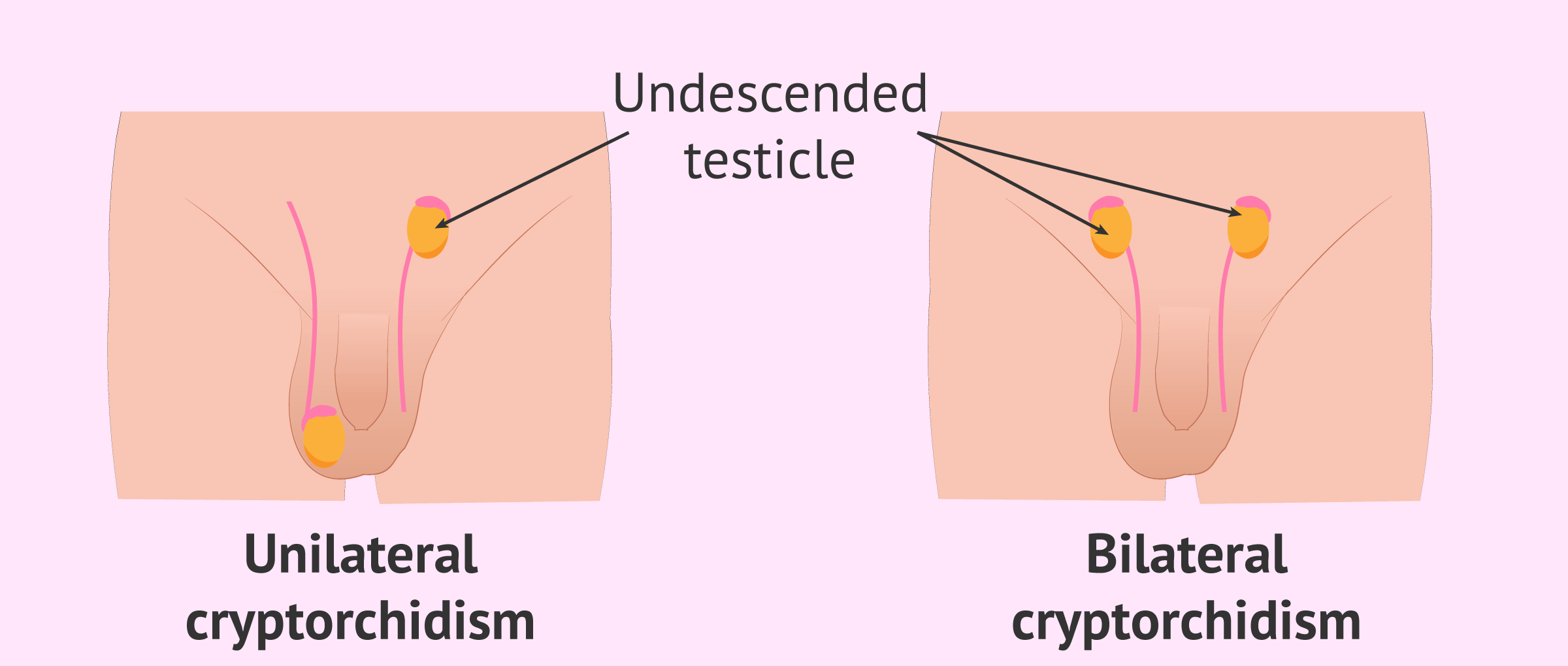
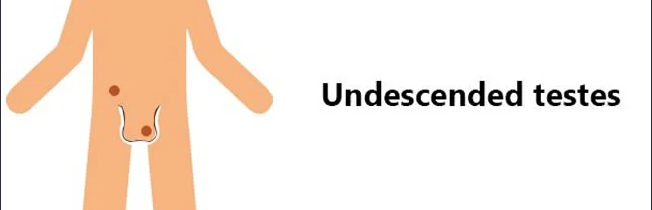
An undescended testicle, also known as cryptorchidism, is a condition in which the testicle does not descend into the bottom of the scrotum and instead remains somewhere along its normal pathway of descent during fetal development.
Under normal physiological development, the testicles form inside the fetal abdomen. During the final months of pregnancy, hormonal signals stimulate the testicles to gradually move through the inguinal canal and descend into the scrotum before birth. If this process is interrupted or stops at any point—such as within the abdomen, at the deep inguinal ring, within the inguinal canal, or at the superficial inguinal ring—the baby is diagnosed with an undescended testicle. The condition may affect one side, which is more common, or both testicles.
It is important to distinguish an undescended testicle from a retractile testicle, in which the testicle has already descended into the scrotum but is occasionally pulled upward by the cremasteric muscle reflex, particularly in response to cold temperatures or fear. Retractile testicles usually settle permanently in the scrotum by puberty and rarely require medical intervention.
Causes and Risk Factors
At present, the medical community has not identified a single definitive cause of cryptorchidism. However, clinical studies suggest that the condition results from a complex interaction between genetic factors, maternal health during pregnancy, and the hormonal environment.
Pregnancy-Related and Physiological Risk Factors
- Premature birth and low birth weight: These are among the most important risk factors. Approximately 30% of premature male infants experience this condition because there may not have been enough time for the testicles to complete their descent into the scrotum.
- Hormonal abnormalities: A deficiency or imbalance of hormones such as testosterone or gonadotropins in the mother or fetus may interfere with the physiological mechanisms responsible for testicular descent.
- Anatomical abnormalities: Abnormal development of the gubernaculum or narrowing and obstruction of the inguinal canal may prevent the testicle from completing its normal descent.
Environmental and Genetic Risk Factors
- Genetics: A family history of undescended testicles or other genital abnormalities in the father or male siblings may increase the risk.
- Maternal health during pregnancy: Maternal smoking, alcohol consumption, or exposure to toxic chemicals such as pesticides or endocrine-disrupting substances may increase the risk of congenital abnormalities in the fetus.
- Maternal underlying conditions: Gestational diabetes and obesity have also been reported as factors that may interfere with normal fetal development.
Signs of an Undescended Testicle
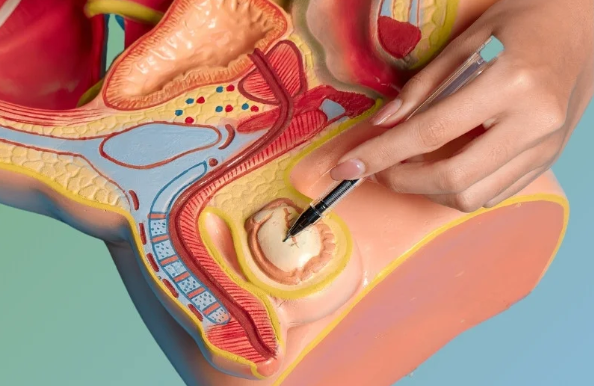
The most characteristic and visible sign of an undescended testicle is the absence of the testicle from the scrotal sac.
Signs in Newborns and Young Children
- An empty or flattened scrotum on one or both sides: When bathing or changing the baby’s diaper, parents may notice that they cannot feel the firm, rounded structure of the testicle inside the scrotum. The affected side of the scrotum may also appear underdeveloped, smaller, and have fewer skin folds than the normal side.
- A palpable lump in the groin: In many cases, the testicle becomes trapped in the inguinal canal, allowing parents to feel a small, firm, mobile lump under the skin in the groin area.
Signs in Adults
Adults with an undescended testicle typically have a condition that was not diagnosed or treated during childhood. Signs may include:
- Noticeable asymmetry of the scrotum, with one or both sides completely empty.
- Mild discomfort or aching in the groin or lower abdomen, particularly during strenuous physical activity, due to compression of the undescended testicle.
- Abnormal semen analysis detected during infertility evaluation, including a reduced sperm count or absence of sperm.
When Should You See a Doctor?
Parents should take their child to a pediatrician or andrologist as soon as they notice that a testicle cannot be felt in the scrotum after birth.
Adult men who notice an empty scrotum, an abnormal hard lump in the groin, or discomfort in the lower abdomen should seek specialist medical evaluation promptly. These findings may indicate degeneration of the testicle or an increased risk of malignant transformation.
Advanced Diagnostic Methods
Diagnosing an undescended testicle requires a combination of clinical examination and diagnostic imaging to accurately determine the location, size, and condition of the testicle.
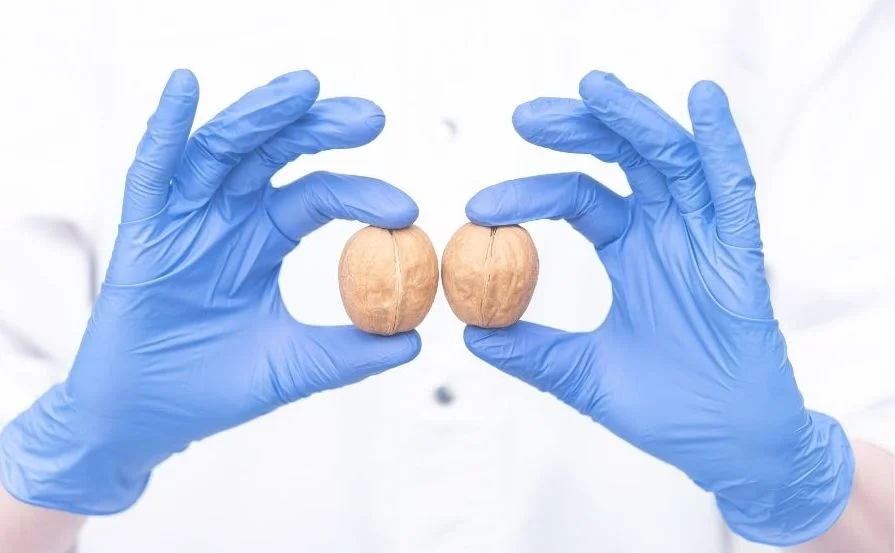
- Clinical examination: A specialist will gently examine and sweep the area from the groin toward the scrotum to determine the location of the testicle, assess its mobility, and distinguish an undescended testicle from a retractile testicle.
- Ultrasound of the groin, scrotum, and abdomen: This is a non-invasive first-line imaging method that can help locate the testicle when it is positioned within the inguinal canal. However, ultrasound may fail to detect a testicle located deep within the abdominal cavity.
- Magnetic resonance imaging (MRI): MRI may be used when ultrasound findings are inconclusive, providing detailed images of soft-tissue structures and helping identify deeply located undescended testicles.
- Laparoscopy: Laparoscopy is considered both a highly effective diagnostic method and a treatment approach. The surgeon inserts a laparoscope through a small incision near the navel to locate a testicle within the abdominal cavity.
Standard Medical Treatments for Undescended Testicles
The primary goal of treatment is to bring the testicle into its normal position within the scrotum as early as possible. The optimal treatment period is generally between 6 and 18 months of age. Early treatment helps reduce the risk of cancer, protects sperm-producing tissue, and helps prevent psychological complications.
The Role of Medical Treatment With Hormone Therapy
Hormonal treatment may occasionally be considered when the testicle is located near the superficial inguinal ring, with the aim of stimulating spontaneous descent into the scrotum.
- Medications used: Hormones such as injectable hCG (Human Chorionic Gonadotropin) or intranasal GnRH may be used.
- Treatment goal: These hormones stimulate the body to produce more testosterone, which may promote the physiological mechanisms that help the testicle descend into the scrotum without surgery.
- Precautions and side effects: These hormonal medications must be prescribed and closely monitored by an endocrinologist or andrologist. Potential adverse effects may include swelling, redness at the injection site, frequent erections, enlargement of the penis, or signs of early puberty such as pubic hair growth, increased aggression, or behavioral changes.
- Important note: Hormonal medication should never be purchased, used, or reused from another person’s prescription without medical supervision. Hormone therapy is not a performance-enhancing product. Incorrect dosing may not only fail to bring the testicle into the scrotum but may also disrupt the child’s reproductive endocrine system. If signs of precocious puberty or severe reactions develop, treatment should be stopped and a doctor should be contacted immediately.
Orchiopexy
Orchiopexy is the primary surgical treatment for undescended testicles and has a high success rate, reportedly reaching up to 98%.
- Procedure: The surgeon makes a small incision in the groin to free the testicle from surrounding tissues, followed by another small incision in the scrotum to bring the testicle down and secure it in place. If the testicle is located deep inside the abdominal cavity, laparoscopic surgery is usually preferred.
- Management of an atrophic testicle: If surgery reveals that the testicle has become severely atrophic, necrotic, or nonfunctional, it may need to be surgically removed to reduce the risk of future cancer-related complications.
Treatment in Adults
In adult men diagnosed with an undescended testicle, bringing the testicle down into the scrotum often provides limited benefit in terms of sperm production because the testicular tissue may already have been damaged after years of exposure to higher intra-abdominal temperatures.
Doctors may therefore recommend surgical removal of the undescended testicle (orchiectomy) to reduce the risk of testicular cancer. A testicular prosthesis may also be placed in the scrotum for cosmetic and psychological purposes.
Common Mistakes in Managing Undescended Testicles
- Adopting a “wait and see” approach: Many parents believe that the testicle will descend naturally as the child grows. In reality, after 6 months of age, spontaneous descent becomes extremely unlikely. Delaying surgery beyond 18 months of age may cause permanent damage to sperm-producing cells.
- Relying on traditional remedies: Attempting to massage or forcefully manipulate the groin area will not cause the testicle to descend and may instead result in injury, disruption of the blood supply to the testicle, or testicular torsion.
Serious Consequences of Delayed Treatment
The testicles require a cooler environment, generally around 1–2°C lower than core body temperature, to produce healthy sperm. Remaining in an abnormal location for an extended period may lead to serious complications:
- Infertility: Higher temperatures within the abdomen can damage germ cells, reducing sperm quantity and quality. The risk of infertility is particularly high in patients with bilateral undescended testicles.
- Testicular cancer: Clinical studies indicate that men with a history of cryptorchidism have approximately a 3–4 times higher risk of developing testicular cancer than the general male population, even after corrective surgery. Surgery makes the testicle easier to monitor but may not completely eliminate cancer risk, especially when performed later in life.
- Testicular torsion: An abnormally positioned testicle may have a more mobile spermatic cord, making it more susceptible to twisting. This can interrupt blood flow, cause tissue necrosis, and require removal of the testicle if emergency treatment is not provided within approximately 6 hours.
- Inguinal hernia: If the inguinal canal fails to close properly, part of the intestine may protrude into the groin, causing pain and potentially becoming life-threatening if the hernia becomes incarcerated or strangulated.
Health Consultation and Care at the Men’s Health Ecosystem

The treatment of undescended testicles, particularly hormonal monitoring and recovery of reproductive function after medical intervention, requires a carefully structured medical care plan. Men’s Health Andrology Pharmacy is part of the healthcare ecosystem of the Men’s Health Center, founded by Dr. Tra Anh Duy, PhD, MD, Specialist Level II, providing a comprehensive environment for men’s healthcare.
Patients receive counseling and guidance from doctors and pharmacists to help them select healthcare solutions appropriate for their clinical condition. Any use of hormonal medications, postoperative antibiotics, or reproductive health supplements is based on close professional coordination between physicians and pharmacists.
Men’s Health emphasizes professionalism, safety, privacy, confidentiality, and respect for individual needs throughout the examination, treatment, and follow-up process, helping patients feel more confident during their recovery and long-term male health management.
Frequently Asked Questions About Undescended Testicles
Can an undescended testicle descend into the scrotum on its own?
During the first 3 to 6 months of life, an undescended testicle may continue to descend naturally into the scrotum. However, if the scrotum remains empty after 6 months of age, spontaneous descent becomes extremely unlikely and medical intervention is generally required.
Can a man with one undescended testicle still have children?
Yes. If a unilateral undescended testicle is surgically corrected early, or if the opposite testicle is normally positioned, healthy, and capable of normal sperm production, natural conception may still be possible. However, a semen analysis should be performed to accurately assess fertility.
Is surgery for an undescended testicle dangerous?
Orchiopexy is a routine, generally safe, and minimally invasive surgical procedure with a relatively short recovery period. Patients can often be discharged on the same day or the following day. Complications such as infection or bleeding are uncommon when surgery is performed at an appropriate specialist medical facility.
Can an undescended testicle in an adult still be treated?
Yes. Adults with an undescended testicle still require medical assessment and, in many cases, surgery. However, the main goal may no longer be preservation of fertility because prolonged exposure to higher temperatures may already have damaged the testicular tissue.
In such cases, surgical removal of the undescended testicle may be recommended to reduce the risk of testicular cancer. A testicular prosthesis can subsequently be placed for cosmetic purposes if desired.
What are the side effects of medications used to treat undescended testicles?
Hormonal therapy such as hCG may cause adverse effects including redness or swelling at the injection site, fluid retention, frequent erections, or stimulation of early signs of puberty in children.
These medications must be administered under close supervision by a qualified medical specialist so that the treatment can be adjusted promptly if adverse effects occur.
Conclusion and Medical Advice
An undescended testicle is not merely an anatomical abnormality. If complications develop, it may directly affect male fertility, reproductive health, and potentially increase the risk of testicular cancer.
Screening from birth and adhering to the recommended treatment window, ideally before 18 months of age, are important principles in medical management. Parents should not rely on spontaneous resolution after 6 months of age or use unverified traditional remedies.
If you notice any abnormality in the scrotal or groin area, whether in a young child or an adult, seek evaluation at a reputable pediatric, urological, or andrology medical facility for proper examination and diagnosis. Hormonal medications should never be used without a physician’s prescription.
Professional, safe, and confidential medical care from specialized healthcare systems such as the Men’s Health Center can support patients in protecting reproductive function and maintaining long-term quality of life.