
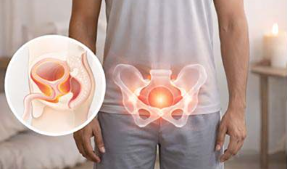

The male pelvic floor is a hammock-like group of muscles located at the base of the pelvis, playing a crucial role in supporting the bladder and bowel, as well as significantly aiding physiological functions. This muscle group helps men consciously control urination and defecation, while directly determining the ability to maintain an erection and control ejaculation. Understanding the structure and function of the pelvic floor muscles will help men be more proactive in preventing pelvic floor dysfunction, thereby improving their quality of life and sexual health.
What are the male pelvic floor muscles?
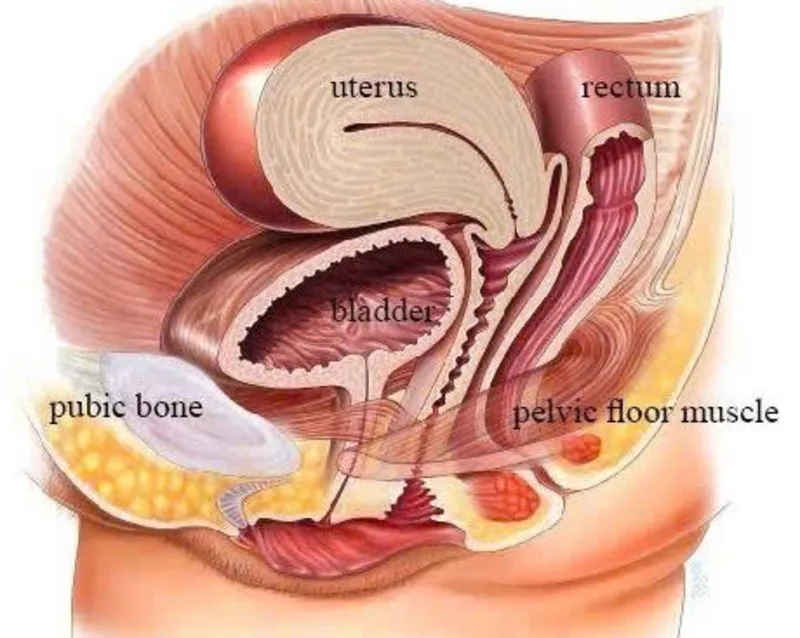
The pelvic floor muscles form a complex structure comprising layers of muscles, ligaments, and connective tissues stretching from the pubic bone at the front to the tailbone (coccyx) at the back. Unlike in women, the male pelvic floor muscles are specifically designed to surround the urethra (the tube that carries urine and semen) and the rectum.
This muscle group works continuously even when you are resting to keep the pelvic organs in their proper position. When you sneeze, cough, or lift heavy objects, the pelvic floor muscles automatically contract tighter to prevent urine or stool leakage.
The Role of Pelvic Floor Muscles in Men
Supporting Pelvic Organs The pelvic floor muscles form a solid foundation for the bladder and rectum. Thanks to this structure, the internal organs in the lower abdomen do not prolapse under the pressure of gravity and daily physical activities.
Controlling Urination and Defecation The pelvic floor muscle bundles wrap around the urethra and anus, acting like valves (sphincters). When you need to hold your urine or stool, this muscle group contracts to keep the waste inside. When you use the toilet, they actively relax to allow for easy, painless, and complete elimination.
Supporting Sexual and Reproductive Functions The role of the pelvic floor muscles in male sexual activity is extremely important:
- Supporting erections: Muscles such as the bulbocavernosus and ischiocavernosus help pump blood into the penis and keep it there, maintaining the necessary rigidity during sexual intercourse.
- Controlling ejaculation: The rhythmic contraction of the pelvic floor muscles creates a propulsive force to expel semen, while the flexibility of this muscle group helps men delay or better control the ejaculation reflex.
Signs of Male Pelvic Floor Dysfunction

Pelvic floor disorders are generally divided into two main types: muscle weakness (hypotonicity) or excessive contraction (hypertonicity). You can recognize them through the following symptoms:
- Urinary disorders: Urine leakage when coughing, laughing, sneezing, or exercising; urgency, frequent nighttime urination, or a feeling of incomplete bladder emptying.
- Bowel disorders: Fecal incontinence, chronic constipation, or difficulty straining.
- Sexual issues: Erectile dysfunction, difficulty maintaining an erection, premature ejaculation, or sharp pain during ejaculation.
- Pelvic pain: A persistent tight, dull, or sharp pain around the base of the penis, scrotum, anus, or lower abdomen.
Causes of Pelvic Floor Decline
There are many risk factors leading to weakness or tension in the male pelvic floor muscles:
- Aging: As you get older, connective tissues and muscles lose their natural elasticity.
- Pelvic surgery: Particularly prostate removal due to cancer or treatments for an enlarged prostate, which can easily damage nerves and sphincters.
- Improper physical activity: Frequently lifting heavy objects with incorrect posture, or high-intensity weightlifting without bracing the core.
- Chronic medical conditions: Chronic coughing (due to smoking, asthma) or chronic constipation continually increases intra-abdominal pressure.
- Overweight and obesity: High body weight puts constant pressure on the pelvic floor.
- Sedentary lifestyle: Sitting too much (office workers, drivers) leads to poor pelvic blood circulation and muscle stiffness.
When Should Men See a Doctor?
You should not endure or feel embarrassed when experiencing abnormal symptoms in your intimate areas. Promptly visit an Andrologist or Urologist if you notice the following signs:
- Uncontrolled urine leakage affecting daily life and work.
- Chronic pelvic pain lasting over 3 months.
- Sudden onset of erectile dysfunction or premature ejaculation with no clear cause.
- Severe pain during ejaculation or blood in the semen/urine.
Methods for Diagnosing Pelvic Floor Conditions
To accurately assess the condition of the male pelvic floor, doctors may prescribe:
- Clinical examination: The doctor will check muscle reflexes and evaluate muscle tone in the perineal area.
- Urodynamics: Testing the bladder’s and urethral sphincter’s ability to store and release urine.
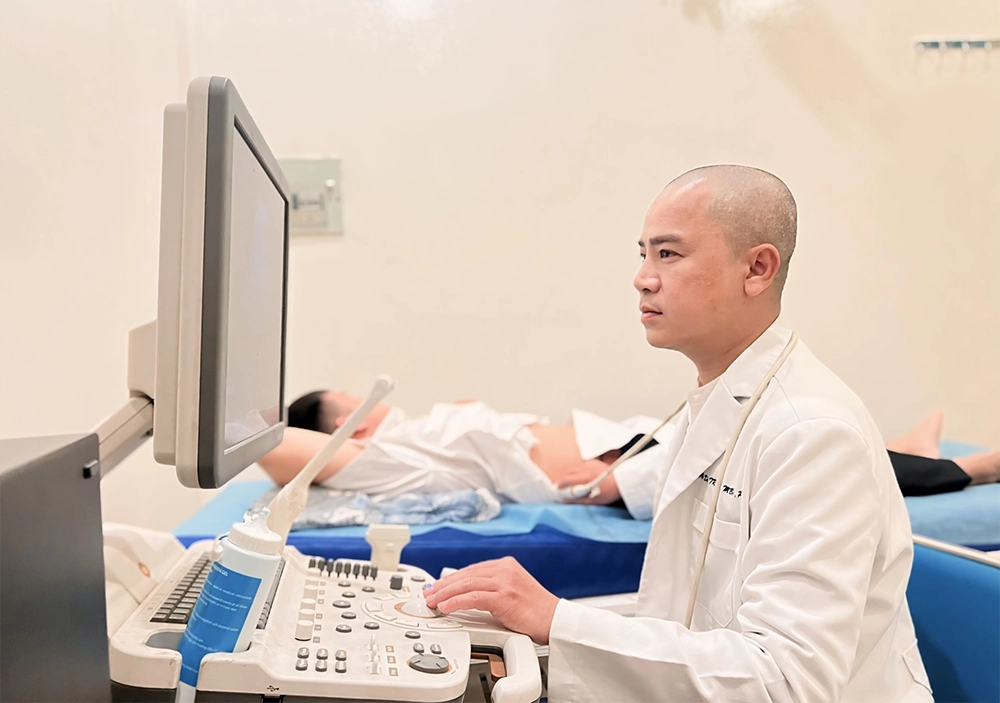
- Pelvic/Transrectal Ultrasound: Observing the structure of the prostate, bladder, and muscle bundles.
- Electromyography (EMG): Recording the electrical activity of the pelvic floor muscles to identify spasms or nerve paralysis.
Treatment and Rehabilitation of the Male Pelvic Floor

Kegel Exercises for Men This is the foundational method for strengthening the pelvic area. The goal of Kegel exercises is to actively contract and relax the muscles that control the urine flow.
- How to identify: Try stopping your urine flow mid-stream (only do this 1-2 times to locate the right muscle, do not make it a habit). The muscle group you just used is the pelvic floor muscle.
- How to practice: Contract the pelvic floor muscles, hold for 3-5 seconds, then relax completely for 3-5 seconds. Repeat 10-15 times per set, performing 3 sets a day in lying, sitting, and standing positions.
Physical Therapy and Biofeedback If you cannot feel your pelvic floor muscles yourself, physical therapists will use a biofeedback machine. Electrodes attached to the pelvic area will display the level of muscle contraction on a screen, helping you learn to control and exercise this muscle group accurately.
The Role of Medication in Treating Pelvic Floor Diseases Depending on the cause of the pelvic floor disorder (such as chronic prostatitis, chronic pelvic pain syndrome, or secondary erectile dysfunction), doctors may prescribe medication.
Men’s Health Andrology Pharmacy is an entity within the Men’s Health Center ecosystem founded by Dr. Tra Anh Duy, Specialist Level II. Here, patients are always advised, provided with explanations, and assisted by doctors and pharmacists in choosing appropriate healthcare solutions. Men’s Health focuses on professionalism, safety, discretion, information security, and respecting personal needs throughout the examination, treatment, and monitoring process.
Medication groups that may be prescribed include:
- Muscle relaxants and pain relievers: Used when the pelvic floor muscles are overly contracted, causing chronic pain. The goal is to soften the muscles and reduce pressure on the nerve roots.
- Alpha-blockers: Help relax smooth muscles in the prostate and bladder neck, making urination easier.
- Erectile dysfunction support (PDE5 inhibitors): Support pelvic blood flow when muscle weakness affects the ability to get an erection.
Important notes when using medication:
- Most medications affecting the pelvic muscular and nervous systems are prescription drugs. Patients must absolutely not self-purchase and use them without a definitive diagnosis from a doctor.
- Abusing unverified word-of-mouth “performance-enhancing” products can mask physical symptoms and cause dangerous drug interactions, especially in people with cardiovascular diseases or blood pressure issues.
- Medications can cause unwanted side effects such as dizziness, postural hypotension, or headaches. If these signs occur, patients must stop taking the medication and contact their doctor or pharmacist to adjust the dosage.
Common Mistakes When Protecting the Pelvic Floor
- Exercising the wrong muscles: Many men often tense their abdominal, thigh, or gluteal muscles instead of the pelvic floor muscles. This is ineffective and causes muscle fatigue.
- Frequently holding urine to do Kegels: Intentionally holding urine when the bladder is full can increase the risk of urinary tract infections and disrupt normal urination reflexes.
- Overtraining: Exercising too many times a day can lead to pelvic floor muscle fatigue, causing an adverse effect that weakens or makes the muscles ache.
Male Pelvic Floor Muscles: Frequently Asked Questions
Do pelvic floor exercises help prolong intercourse? Yes. The flexibility of the bulbocavernosus and ischiocavernosus muscles helps men better control the ejaculation reflex. When feeling the urge to ejaculate early, actively contracting the pelvic floor muscles can reduce local arousal, helping to prolong intercourse.
Can men do Kegel exercises at home? Absolutely. Once you have identified the correct muscle group, you can do Kegel exercises anywhere: while driving, working at the office, or before going to sleep without anyone noticing.
Is chronic pelvic pain always caused by prostatitis? Prostatitis is a common cause of pelvic pain, but not the only one. Chronic Pelvic Pain Syndrome (CPPS) can also be caused by overly contracted pelvic floor muscles (hypertonic pelvic floor) compressing nerves. You need a medical examination to clearly differentiate between inflammatory and musculoskeletal causes.
Can young people have weak pelvic floor muscles? Yes. Although age is a major risk factor, young people who are obese, sit for too long, have chronic coughs, or practice improper gym postures (lifting heavy weights without bracing the core) can experience early pelvic floor injury, weakness, or spasms.
How long does it take to see results from pelvic floor exercises? With proper technique and daily practice, men typically notice improvements in urinary control and erectile function after about 4 to 6 weeks. Severe cases of muscle weakness may take several months.
Conclusion
The male pelvic floor is not just a simple support structure but also a crucial key to maintaining a healthy urinary system and strong sexual performance. Maintaining an active lifestyle, controlling weight, and practicing pelvic floor exercises regularly will help men protect this essential muscle group.
Any signs such as urinary incontinence, chronic pelvic pain, or sexual dysfunction are warnings that your body needs specialized medical care. Men should not self-diagnose or use unregulated medications on the market. Be proactive in getting medical examinations to accurately identify the cause and receive timely intervention. You can visit the Men’s Health Center, which provides an ecosystem supporting professional, safe, and discreet examinations, medication counseling, and health monitoring, giving you peace of mind to reclaim your quality of life.