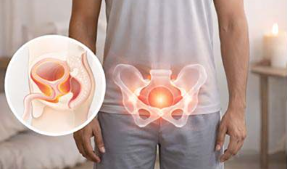


A testicular ultrasound is a safe, non-invasive imaging diagnostic method that helps doctors clearly observe the internal structure of a man’s scrotum and testicles. You should get a testicular ultrasound immediately when your genital area shows abnormal signs such as swelling, pain, a hard lump, or after experiencing an injury. This is a core medical examination step to promptly detect dangerous conditions such as testicular torsion, varicocele, infections, or cancer. Early examination not only protects physiological function but also preserves long-term reproductive capacity for men.
What is a testicular ultrasound?
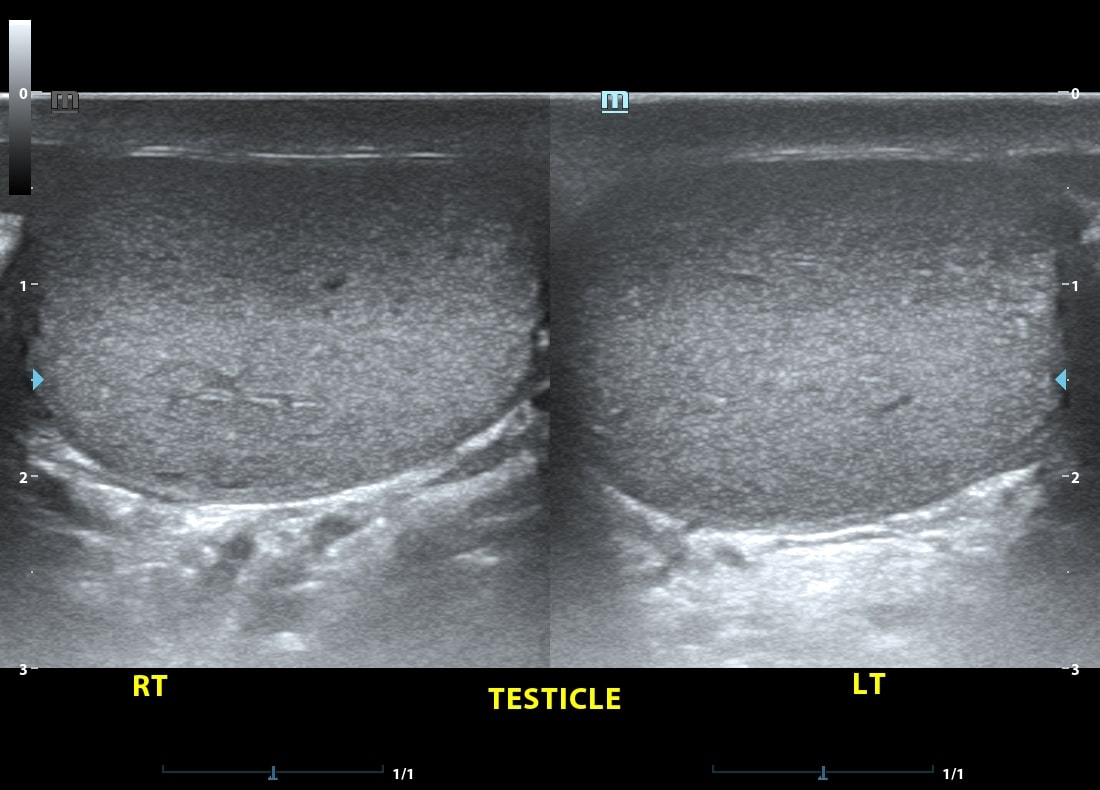
Testicular Ultrasound is a diagnostic imaging technique that uses high-frequency sound waves to create detailed images of the testicles, epididymis, and adjacent structures within the scrotum.
Unlike X-rays or CT scans, ultrasounds do not use ionizing radiation (X-rays), making this method completely safe for sensitive reproductive organs without affecting sperm quality or a man’s reproductive function. Through the images displayed on the screen, doctors can evaluate the size, structure, amount of fluid in the scrotum, and blood circulation to the testicles (via color Doppler ultrasound).
When should men get a testicular ultrasound?
The testicles are the organs that produce sperm and the hormone testosterone, playing a vital role in men’s physiological and reproductive health. Any abnormalities in this area require medical evaluation. Below are the warning signs indicating that men should promptly get a testicular ultrasound:
Pain or swelling in the scrotum
The pain can appear suddenly and severely, or as a dull ache lasting for many days. If you feel your scrotum is enlarged, tight, red, or sharply painful to the touch, this could be a sign of an acute infection or severe vascular issues. Especially if the pain is accompanied by nausea or vomiting, you need to visit a medical facility immediately.
Feeling a lump or hard nodule in the testicle
During bathing or self-examination, if you accidentally feel a small lump, a hard nodule, or notice that the surface of the testicle is no longer smooth but has become bumpy, go for an ultrasound right away. Although most cysts or lumps are benign, this is also the most typical early sign of testicular cancer.
Genital trauma
Accidents in daily life, playing sports (football, martial arts, cycling), or traffic accidents can cause strong impacts on the groin area. Even if there is no external open wound, the impact force can still crush testicular tissue, cause a hematoma in the scrotum, or rupture the testicle. An ultrasound helps assess the extent of internal damage for timely intervention.
Noticeable difference in testicular size
Normally, a man’s two testicles may not be perfectly equal in size (usually the right one is slightly larger). However, if you notice one testicle suddenly shrinking or enlarging abnormally, with a massive size difference accompanied by a heavy feeling in the scrotum, it is time to rely on ultrasound imaging for a diagnosis.
Infertility screening
When married couples have been having regular sex without contraception for over a year without conceiving, men are often prescribed a testicular ultrasound. The purpose is to look for causes hindering spermatogenesis, such as varicocele, blocked vas deferens, or testicular atrophy.
Other accompanying signs
Besides localized symptoms, men also need an ultrasound if they have systemic and urinary tract signs such as:
- High fever, chills.
- Painful urination, frequent urination, blood or pus in the urine.
- Pain in the lower abdomen, groin, or pelvic area.
What conditions can a testicular ultrasound help diagnose?
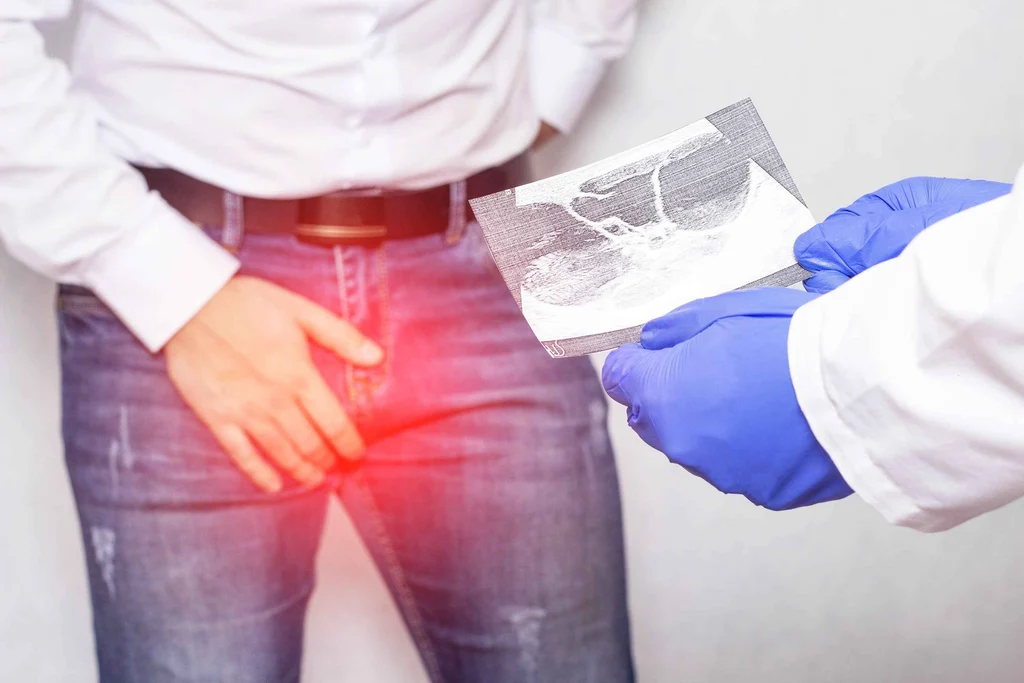
Ultrasound images provide doctors with a visual perspective, helping to identify and differentially diagnose many complex andrological conditions:
Testicular Torsion
This is an extremely dangerous andrological medical emergency. This condition occurs when the spermatic cord (the tube containing the blood vessels supplying the testicle) twists, cutting off the blood supply. Color Doppler ultrasound will show that blood flow to the testicle is reduced or completely lost. Men only have a “golden window” of about 6 hours from the onset of pain for detorsion surgery. If delayed, the testicle will become necrotic and must be removed.
Epididymo-orchitis (Inflammation of the testicle and epididymis)
This infection is usually caused by bacteria (such as Gonorrhea, Chlamydia) or viruses (such as the Mumps virus). Ultrasound images typically show the testicle and epididymis increased in size, changes in echogenicity, and increased blood flow in the inflamed area.
Varicocele
Varicocele is the leading cause of secondary infertility in men. The disease occurs when the pampiniform venous plexus around the testicle becomes dilated, raising the scrotal temperature and degrading sperm quality. An ultrasound helps accurately measure the vein diameter and assess venous reflux, thereby determining the degree of dilation.
Hydrocele
There is always a small amount of fluid between the two layers of the tunica vaginalis for lubrication. When too much of this fluid accumulates due to infection, trauma, or lymphatic blockage, it causes a hydrocele, making the scrotum swell and feel boggy. Ultrasound helps determine the fluid volume, its nature, and rules out compressive tumors.
Testicular Cancer
Testicular cancer is a malignant pathology commonly found in young men (aged 15 – 35). Ultrasound is the primary gold standard for detecting and evaluating tumor characteristics. Malignant tumors often appear as localized lesions, with hypoechoic or heterogeneous echotexture, and abnormally increased vascularity.
Testicular ultrasound procedure
The ultrasound process is quick, simple, and painless.
Preparation before the ultrasound:
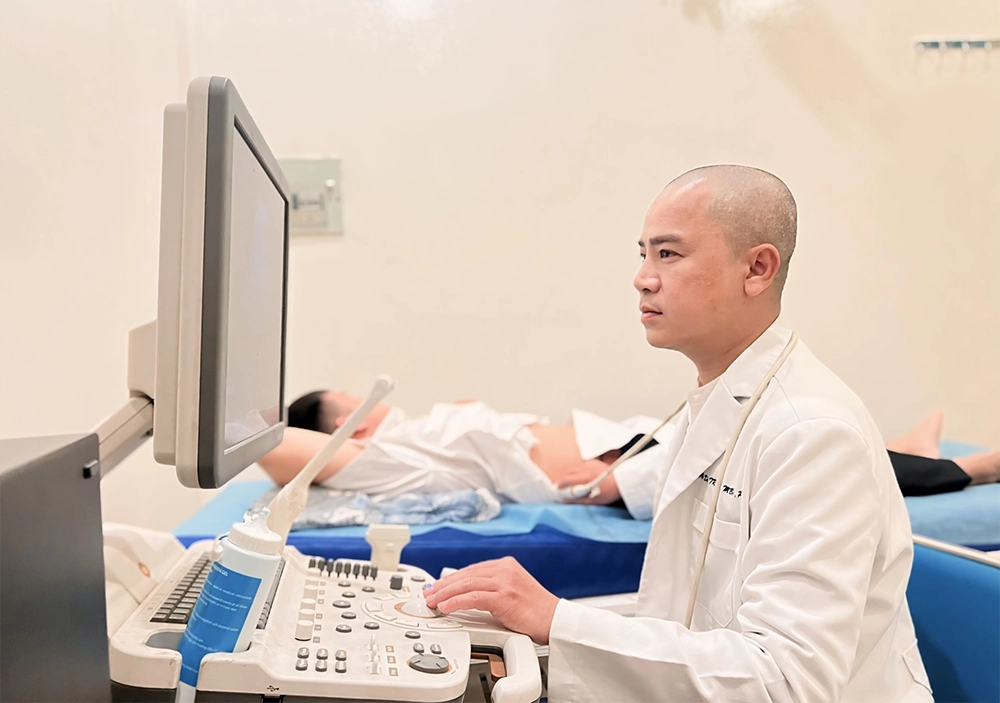
Men do not need to fast, abstain from drinking, or cleanse their bowels like an abdominal ultrasound. You just need to wear comfortable clothing and stay relaxed. Before the procedure, the doctor will ask you to remove your trousers and underwear, lie flat on your back on the examination bed, and expose the genital area.
The procedure:
- The ultrasound doctor will apply a layer of specialized medical gel to the scrotal area. This gel eliminates air bubbles between the transducer and the skin, helping sound waves travel better and providing clearer images.
- The doctor uses a small transducer to glide gently over the surface of the scrotum. You might feel a slight chill from the gel or some mild pressure, but it is completely painless.
- During the ultrasound, the doctor may ask you to hold your breath or bear down slightly (Valsalva maneuver) to assess changes in the spermatic veins.
- The entire process usually takes about 10 – 15 minutes. Once finished, you wipe off the gel and can resume normal activities immediately.
The role of medication in treating testicular conditions and safety principles
After obtaining the testicular ultrasound results and other subclinical tests, the doctor will diagnose the cause and provide an appropriate treatment regimen. Depending on the pathology, treatment may involve surgery (such as for testicular torsion or cancer) or internal medical treatment with drugs.
Commonly used drug groups
- Antibiotics: Used in cases of epididymitis and bacterial orchitis. The goal is to eradicate the pathogen and prevent the infection from spreading.
- Anti-inflammatory and pain relief medications: Support the reduction of swelling and acute pain in the scrotal area.
- Hormonal and spermatogenesis support medications: If the ultrasound detects testicular damage affecting testosterone and sperm production, the doctor may prescribe specialized recovery regimens.
Medication safety principles and the role of the pharmacist
Using medication to treat andrological diseases requires strict compliance with prescriptions. Antibiotics and hormonal medications are prescription drugs; absolutely do not self-medicate or use someone else’s prescription. Using the wrong dosage not only fails to be effective but also causes dangerous side effects, leads to antibiotic resistance, or masks disease symptoms, making later diagnosis difficult.
Men’s Health Pharmacy, a unit under the Men’s Health Center ecosystem founded by Dr. Tra Anh Duy, is a facility that provides specialized and safe pharmaceutical solutions for men. Here, the close coordination between clinical doctors and specialized pharmacists ensures that patients receive the right medication at the right dosage based on actual examination results.
The pharmacist team at Men’s Health always focuses on thorough counseling regarding unwanted side effects, contraindications, and potential drug interactions. If a patient experiences any abnormal signs while taking medication, they must stop using it and immediately contact a doctor for support. All procedures, from clinical examinations and diagnostic imaging to medication counseling at Men’s Health, are carried out with the criteria of professionalism, safety, discretion, absolute information security, and respect for men’s personal privacy.
Testicular ultrasound and frequently asked questions
Does a testicular ultrasound hurt?
A testicular ultrasound is completely painless. The doctor only glides the transducer lightly over the skin of the scrotum. You may only feel slight pressure if the testicular area was already swollen and inflamed beforehand.
Do I need to shave my pubic hair for a testicular ultrasound?
It is not mandatory. Leaving your pubic hair intact does not affect the transmission of sound waves or the quality of the ultrasound images. The doctor will use lubricating gel to ensure the procedure goes smoothly.
Can an ultrasound detect testicular cancer with 100% accuracy?
Testicular ultrasound has a very high sensitivity in detecting abnormal tumors inside the testicle, helping to clearly distinguish between a fluid-filled cyst (benign) and a solid mass (potentially malignant). However, for a definitive and accurate diagnosis of testicular cancer, the doctor needs to combine it with blood tumor marker tests and a tissue biopsy.
How often should I get a testicular ultrasound?
For healthy men, regular andrological check-ups and a testicular ultrasound once a year is reasonable. However, if you are in a high-risk group (such as having a history of undescended testicles, trauma, or a family history of testicular cancer), the doctor may request a more frequent screening schedule.
How long does a testicular ultrasound take?
The ultrasound process is very quick, usually taking only about 10 to 15 minutes. You will receive your diagnostic imaging results right after the procedure without having to wait long.
Conclusion
A testicular ultrasound is a crucial “key” to early and accurate detection of most underlying conditions in the male reproductive organs. Do not hesitate or feel shy when you notice signs of swelling, pain, size changes, or feel a strange lump in the scrotum. Self-diagnosing or self-medicating based on hearsay not only worsens the condition but also misses the “golden window” for medical intervention, directly threatening a man’s vitality and fatherhood capabilities.
When experiencing abnormal signs, proactively visit a reputable specialized medical facility for an examination. The Men’s Health Center ecosystem provides fast diagnostic ultrasound services and professional, safe, and discreet medication counseling. Doctors will accompany you to find the root cause and establish a comprehensive and highly effective andrological health protection regimen.