

Introduction
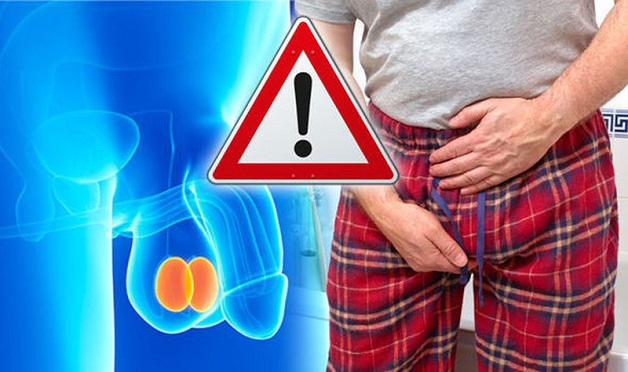
Fungal infections in men are relatively common but are often underestimated because many people believe they are simply skin conditions or hygiene-related issues. In reality, if left undiagnosed and untreated, fungal infections can cause persistent discomfort, negatively affect sexual activity, and in some cases indirectly impact male reproductive health.
So, can a fungal infection reduce sexual performance or affect male fertility? Let’s examine the scientific evidence to better understand this issue.
What Is a Male Genital Fungal Infection?
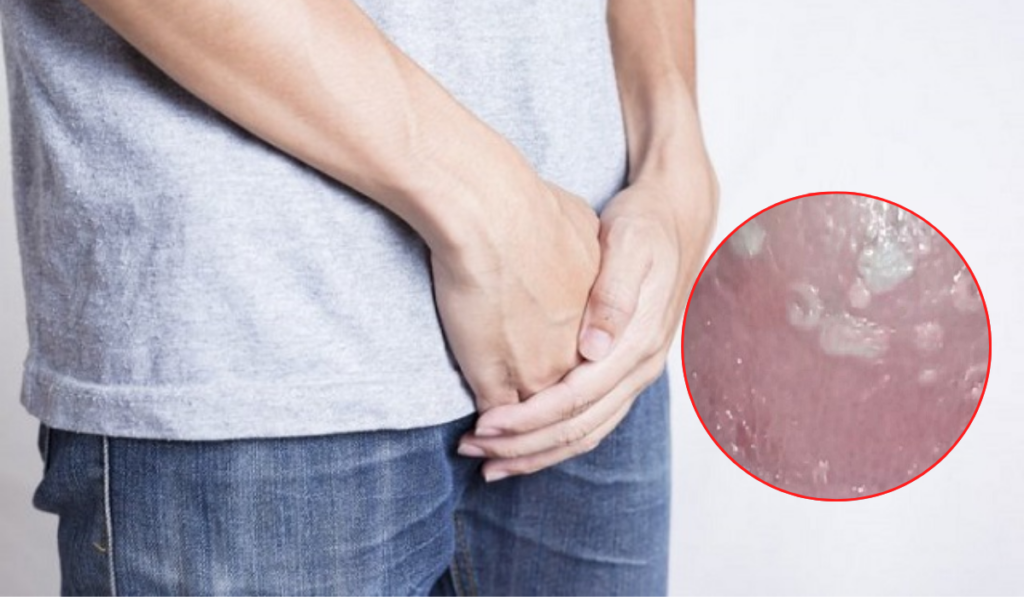
A male genital fungal infection occurs when fungi grow excessively in the genital area, with Candida being the most common cause. This fungus can normally exist on the skin and mucous membranes without causing disease, but under favorable conditions, it can multiply and lead to inflammation and infection.
Several factors may increase the risk of developing a fungal infection, including:
- Poor genital hygiene.
- Wearing tight or damp underwear.
- Diabetes, especially when blood sugar is poorly controlled.
- Long-term use of antibiotics.
- A weakened immune system.
- Sexual intercourse with a partner who has a fungal infection.
Common Symptoms of Male Genital Fungal Infections
Men with genital fungal infections may experience:
- Itching around the glans penis or foreskin.
- Redness, swelling, or skin irritation.
- White patches or white discharge-like residue.
- A burning sensation during urination or sexual intercourse.
- An unpleasant odor in the genital area.
- Difficulty retracting the foreskin or pain when doing so due to inflammation.
Some men may have only mild symptoms or no noticeable symptoms at all, making the condition easy to overlook.
Can Fungal Infections Affect Male Sexual Function?
1. Causing Pain and Reduced Sexual Desire
When the genital area becomes inflamed due to a fungal infection, men may experience:
- Pain during an erection.
- Pain or burning during sexual intercourse.
- Discomfort after ejaculation.
These symptoms may reduce sexual desire and negatively affect overall sexual satisfaction.

2. Psychological Effects
Persistent itching, unpleasant odor, or recurrent infections may cause men to experience:
- Reduced self-confidence.
- Anxiety about sexual activity.
- Ongoing psychological stress.
Psychological factors are among the contributors that may lead to erectile dysfunction or decreased libido in some individuals.
3. Increasing the Risk of Other Infections
If left untreated, prolonged inflammation may create conditions that allow bacteria or other disease-causing organisms to grow, increasing the risk of infections affecting the urinary and reproductive systems.
Can Fungal Infections Affect Fertility?
In most cases, fungal infections affecting the skin or the glans penis do not directly cause male infertility.
However, if inflammation becomes persistent or spreads, it may indirectly affect reproductive health through several mechanisms.
Reduced Semen Quality
Long-term inflammation may alter the environment of the reproductive tract, which could potentially affect semen quality in certain cases.
Reduced Frequency of Sexual Intercourse
Pain and discomfort may cause men to avoid sexual activity, reducing the chances of conception for couples trying to have children.
Risk of Transmitting the Infection to a Partner
Candida can be transmitted through sexual contact, potentially causing vaginal yeast infections in a partner. If both partners are not treated simultaneously, repeated reinfection may occur.

Who Is at Higher Risk of Fungal Infections?
Certain groups are more likely to develop fungal infections, including:
- Men who are uncircumcised and do not maintain proper genital hygiene.
- Individuals with diabetes.
- People with obesity.
- Those using antibiotics or corticosteroids for prolonged periods.
- Individuals with weakened immune systems.
- People who frequently wear damp or tight-fitting clothing.
How Can You Prevent Fungal Infections?
To reduce the risk of fungal infections and protect male sexual health, men should:
- Keep the genital area clean and dry.
- Change underwear daily and choose breathable cotton fabrics.
- Avoid wearing tight clothing for prolonged periods.
- Maintain good blood sugar control if they have diabetes.
- Avoid taking antibiotics without medical advice.
- Practice safe sex and ensure both partners receive treatment if necessary.
- Seek medical evaluation if persistent itching, pain, or inflammation develops.
When Should You See a Doctor?
You should seek medical attention if you experience:
- Persistent itching or redness of the genital area.
- Unusual discharge or unpleasant odor.
- Pain during urination or sexual intercourse.
- Recurrent infections.
- Symptoms that do not improve after treatment.
Medical evaluation helps determine the exact cause of inflammation and allows appropriate treatment to reduce the risk of complications and recurrence.
Conclusion
Male genital fungal infections are not a direct cause of infertility in most cases, but if they become persistent or recur frequently, they may negatively affect quality of life, sexual activity, and indirectly impact reproductive health.
Early diagnosis, appropriate treatment, and maintaining good personal hygiene are essential for controlling the infection and protecting male sexual health. If symptoms suggestive of a fungal infection develop, men should avoid prolonged self-treatment and instead seek professional medical evaluation for an accurate diagnosis and appropriate management.
If you are looking for solutions to support male reproductive health, visit Men’s Health Men’s Pharmacy at 7B/31 Thanh Thai Street, Dien Hong Ward, Ho Chi Minh City, where our pharmacists can recommend products that best suit your needs.
📞 Free Consultation Hotline: 0911 161 161
🌐 Website: nhathuocnamkhoa.com