

The diagnosis and management of medication-induced male sexual dysfunction require a comprehensive medical review process, encompassing antihypertensive drugs, antidepressants, benign prostatic hyperplasia (BPH) treatments, and endocrine therapies. Understanding pharmacological interactions, mechanisms of action, and reviewing the patient’s current medication list helps protect cardiovascular safety, prevent dangerous adverse events, and effectively restore physiological function. Patients must absolutely not discontinue medications abruptly without direct guidance and adjustment from a specialist.
1. What is Medication-Induced Male Sexual Dysfunction?
Medication-induced Sexual Dysfunction is the decline or loss of normal sexual response in men—including decreased libido, erectile dysfunction, ejaculatory disorders, or diminished orgasm (anhedonia)—occurring as an adverse effect during the pharmacological treatment of systemic diseases.
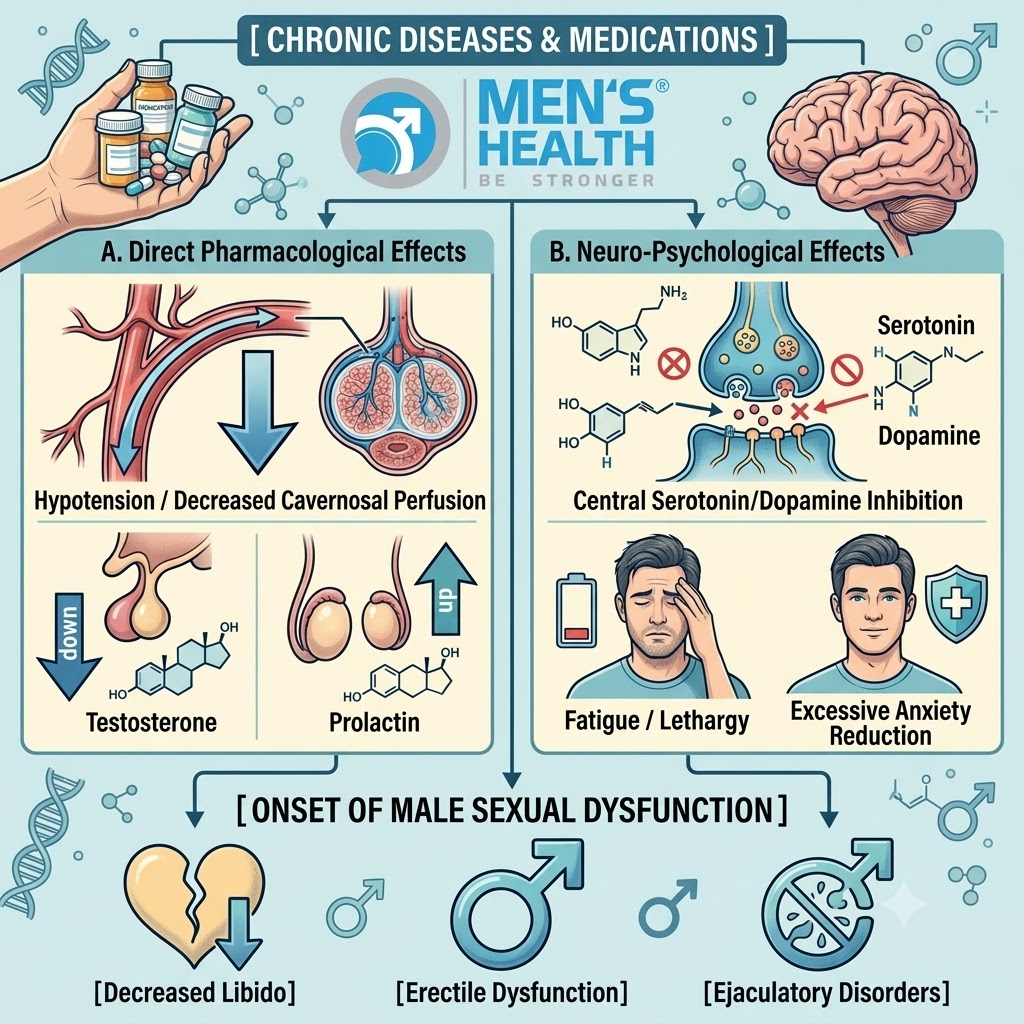
Many prescription drug classes directly affect the central nervous system, peripheral circulatory system, or the Hypothalamic-Pituitary-Gonadal axis. Clinical studies indicate that approximately 10−25% of cases involving erectile dysfunction and male physiological disorders are directly or indirectly related to the side effects of medical treatments.
2. Why is a Medication Checklist Necessary When Examining Male Sexual Dysfunction?
Male sexual dysfunction is not merely a psychological or age-related issue; it is often closely linked to medications used to treat chronic diseases. Establishing a medication review checklist plays a crucial role:
- Pinpoint the exact root cause: Differentiating whether the physiological disorder is due to organic lesions (atherosclerosis, diabetes), psychological factors, or medication side effects.
- Prevent the danger of unsafe medication discontinuation: Fearing a decline in performance, many patients secretly stop taking their antihypertensive or cardiovascular medications, leading to acute strokes or myocardial infarctions.
- Optimize the treatment regimen: Assisting Andrologists and treating physicians in coordinating a switch to alternative drug classes that have less impact on sexual function.
- Avoid dangerous drug interactions: Many sexual dysfunction treatments (such as PDE5 inhibitors) have absolute contraindications or require careful dose adjustments when taken with cardiovascular drugs, alpha-blockers, or ARVs for HIV treatment.
3. Checklist of Common Drug Classes That Cause Male Sexual Dysfunction
Below is a checklist of common chronic medication classes with a high risk of affecting male sexual function:
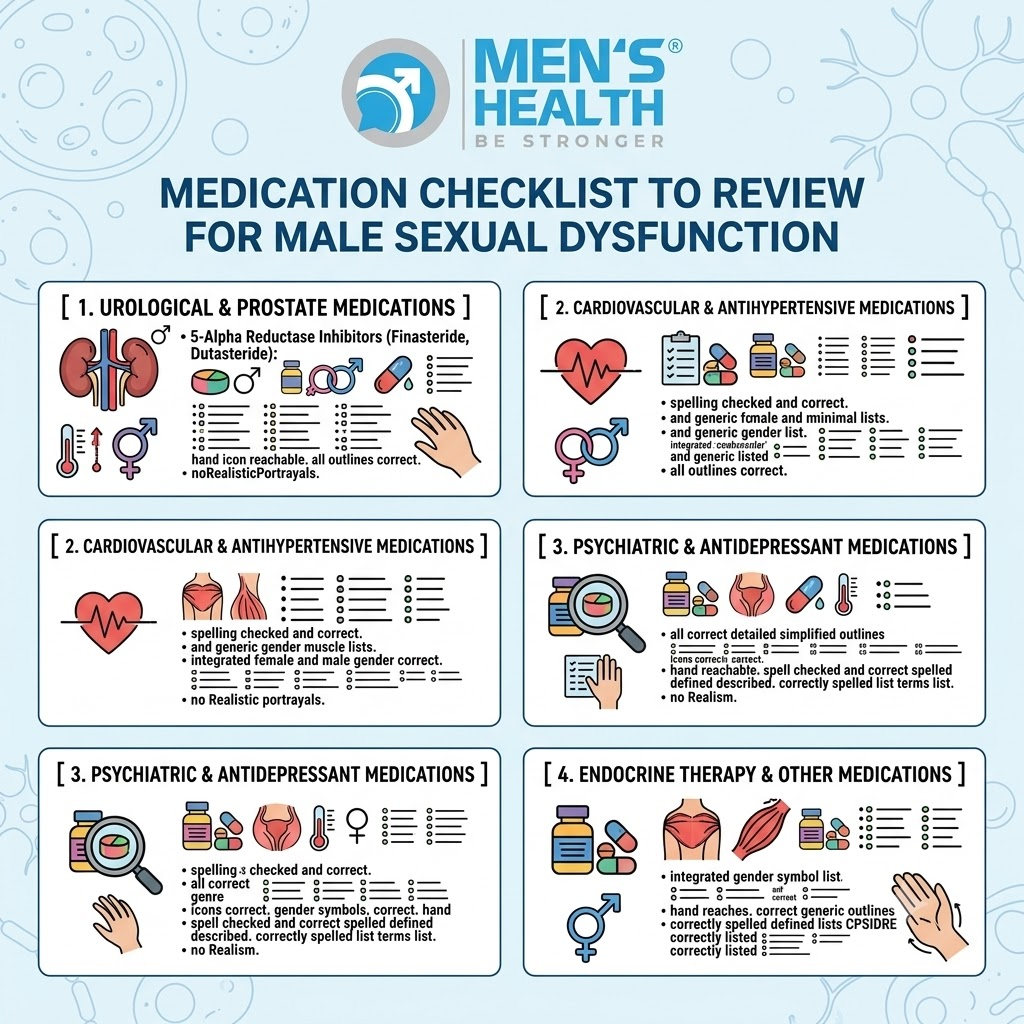
1. Prostate and Urological Medications
- 5-Alpha Reductase Inhibitors (Finasteride, Dutasteride): Used in the treatment of benign prostatic hyperplasia (BPH) and male pattern baldness. They block the conversion of Testosterone into Dihydrotestosterone (DHT). Side effects include decreased libido, erectile dysfunction, and reduced ejaculate volume.
- Alpha-1 Blockers (Tamsulosin, Alfuzosin, Silodosin): Help relax the smooth muscle of the bladder neck. Tamsulosin and Silodosin have a relatively high rate of causing retrograde ejaculation (semen flowing backward into the bladder instead of out of the penis).
2. Cardiovascular and Antihypertensive Medications
- Beta-adrenergic Blockers (Atenolol, Propranolol, Metoprolol): Reduce peripheral perfusion pressure and inhibit the sympathetic nervous system, making it difficult to achieve an erection.
- Thiazide Diuretics (Hydrochlorothiazide): Prolonged use reduces blood flow to the corpora cavernosa and affects the vascular smooth muscle tone of the penis.
3. Antidepressant and Neurological Medications
- Selective Serotonin Reuptake Inhibitors (SSRIs – Fluoxetine, Paroxetine, Sertraline): Elevated central Serotonin levels inhibit the ejaculatory reflex and diminish orgasmic response. The rate of patients experiencing delayed ejaculation, anorgasmia, or decreased libido due to SSRIs ranges from 30−70%.
- Antipsychotics and Sedatives: Increase blood Prolactin levels, which in turn inhibits the pituitary gland from secreting LH and FSH, leading to a severe decline in Testosterone.
4. Signs and Symptoms to Monitor Closely
Medication-induced sexual dysfunction can manifest in various clinical forms:
- Erectile Dysfunction (ED): Difficulty achieving an erection, incomplete rigidity, or easily losing the erection mid-intercourse.
- Hypoactive Sexual Desire Disorder (HSDD): Absence of sexual thoughts, desires, or interest in intimacy.
- Ejaculatory Disorders: Delayed ejaculation, inability to ejaculate (anorgasmia), retrograde ejaculation (no visible semen upon climax), or painful ejaculation.
- Orgasmic Disorders: Reaching climax but lacking feelings of pleasure (Anhedonia).
- Accompanying Systemic Manifestations: Chronic fatigue, brain fog, weight gain, hair loss, or male breast enlargement (Gynecomastia).
5. When Should Men with Sexual Dysfunction See a Doctor?
Men should absolutely not suffer in silence or abruptly stop treating their underlying conditions. Schedule a medical appointment immediately when:
- Clear signs of sexual dysfunction appear after starting a new medication or increasing the dosage.
- Symptoms persist for over 1 month, severely affecting psychology, self-confidence, and relationship happiness.
- Accompanying adverse events occur, such as painful ejaculation, prolonged painful erections (Priapism), or pelvic pain.
- Men using cardiovascular medications wish to add sexual enhancement drugs to their regimen.
6. Diagnostic Methods for Medication-Induced Sexual Dysfunction
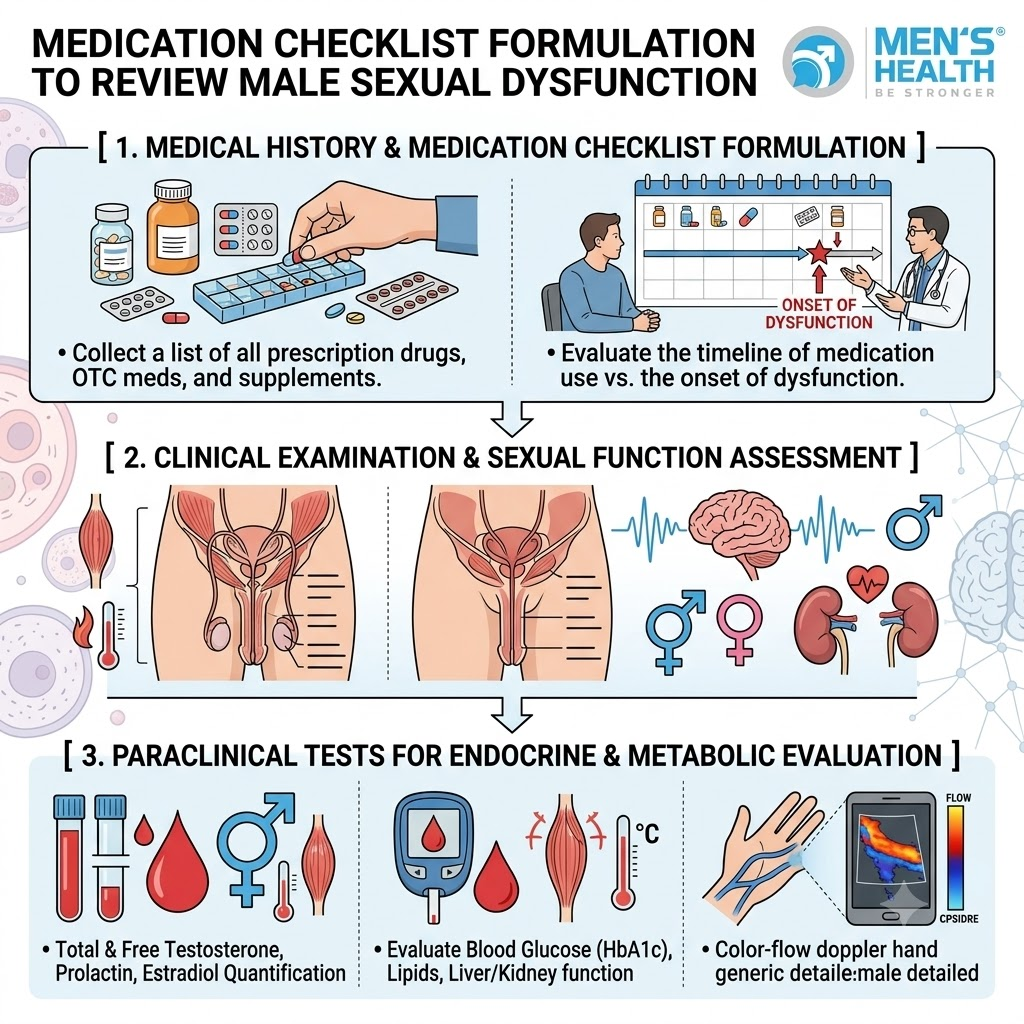
An accurate medical diagnostic process at a specialized Andrology facility helps establish the cause-and-effect relationship between medications and physiological symptoms.
7. Medical Management Solutions and the Role of Medications
Treating medication-induced sexual dysfunction requires close collaboration between the Andrologist and the physician managing the underlying disease.
1. Switching to Alternative Medications with Fewer Side Effects
- In Hypertension treatment: The doctor may consider switching from classic Beta-blockers or Diuretics to Angiotensin II Receptor Blockers (ARBs like Losartan, Valsartan) or vasodilatory newer-generation Beta-blockers (Nebivolol).
- In Depression treatment: Switching from SSRIs to Bupropion, Mirtazapine, or Trazodone—antidepressants with minimal impact on sexual function.
- In BPH treatment: Selecting Alpha-1 blockers that are less likely to cause retrograde ejaculation (like Alfuzosin) or considering surgical interventions if the prostate is excessively enlarged.
2. Use of Sexual Dysfunction Medications (Prescription)
- PDE5 Inhibitors (Sildenafil, Tadalafil, Vardenafil): The first-line choice for erectile dysfunction. These medications enhance the effects of Nitric Oxide, relaxing cavernosal smooth muscle and increasing blood flow to the penis.
- Mandatory Safety Requirements:
- Absolute Contraindication: Co-administration of PDE5is with Nitrate drugs (Nitroglycerin, Isosorbide mononitrate) used for angina pectoris, due to the risk of fatal severe hypotension.
- Caution and dose adjustment required when combined with Alpha-1 blockers or ARV medications (like Ritonavir).
3. Testosterone Replacement Therapy (TRT)
Indicated for men with confirmed severe low blood Testosterone (below 300 ng/dL) accompanied by clinical symptoms. PSA and Hematocrit levels must be checked before treatment to ensure prostate and vascular safety.
8. Side Effects, Safety Warnings, and Important Drug Interactions
The use of medications to treat sexual dysfunction must adhere to strict medical principles:
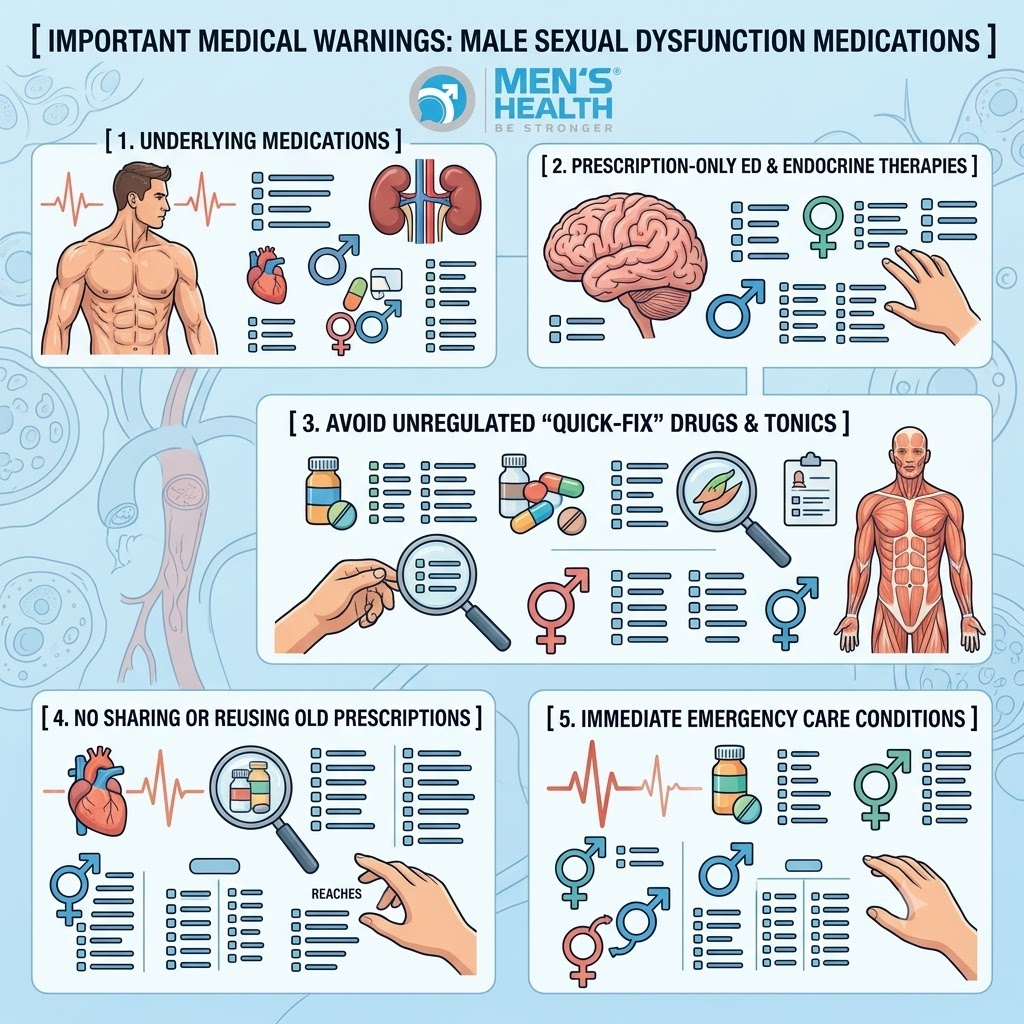
9. Lifestyle Modifications for Managing Male Sexual Dysfunction
Changes in daily habits contribute to the restoration of physiological function and overall health improvement:
- Mediterranean Diet: Increase intake of leafy greens, fruits, whole grains, and marine fish; limit saturated fats, processed foods, and salt.
- Regular Exercise: Cardio exercises (brisk walking, jogging, swimming) for 30−45 minutes/day help improve endothelial health. Male Kegel exercises strengthen the pelvic floor muscles.
- Limit Alcohol and Tobacco: Alcohol exacerbates the side effects of neurological drugs, while smoking causes vasoconstriction of the small blood vessels in the penis.
- Stress Management: Practicing meditation, deep breathing, and getting 7−8 hours of sleep per night helps balance cortisol and naturally boosts Testosterone.
10. Common Mistakes Men Make When Experiencing Sexual Dysfunction
- Silently quitting antihypertensives or antidepressants: Causes severe flare-ups of the underlying disease, posing a risk of stroke or psychiatric crisis.
- Hiding medications from the doctor: Failing to bring prescriptions or not disclosing the use of dietary supplements makes it impossible for the doctor to diagnose the true cause.
- Self-purchasing unregulated “enhancement” drugs online: Many herbal products marketed as “100% natural” are actually adulterated with uncontrolled doses of PDE5 inhibitors, posing a risk of sudden death when taken with cardiovascular drugs.
- Accepting sexual dysfunction as a natural rule of aging: Missing the opportunity for diagnosis and treatment to restore quality of life.
11. Healthcare Solutions at the Men’s Health Ecosystem
Controlling and treating male sexual dysfunction requires a comprehensive medical approach, meticulous analysis of drug interactions, and personalized treatment regimens for each patient. Men’s Health Andrology Pharmacy is a unit within the Men’s Health Center ecosystem founded by Dr. Tra Anh Duy, MD, PhD. Here, patients are consistently counseled, educated, and assisted by doctors and pharmacists in selecting the appropriate healthcare solutions.

Men’s Health prioritizes professionalism, safety, discretion, strict confidentiality, and respect for individual needs throughout the examination, treatment, and follow-up process. At the Men’s Health ecosystem, men undergo a systematic medication review process, in-depth hormonal testing, and vascular function assessment, leading to the formulation of a safe treatment regimen that harmonizes underlying disease control with the restoration of physiological prowess.
12. Comparison Table of Drug Class Impacts on Male Sexual Function
| Medication Class | Effect on Libido | Effect on Erection | Effect on Ejaculation | Medical Management Direction to Consider |
| Classic Beta-blockers (Atenolol) | Minimal effect | Significantly decreased | Minimal effect | Consider switching to Nebivolol or ARBs. |
| Thiazide Diuretics | Minimal effect | Mild to moderately decreased | Minimal effect | Monitor dosage or combine with other antihypertensives. |
| SSRI Antidepressants | Severely decreased | Mild to moderately decreased | Delayed ejaculation / Anorgasmia | Consider switching to Bupropion or Mirtazapine. |
| 5-AR Inhibitors (Finasteride) | Moderately decreased | Mild to moderately decreased | Reduced semen volume | Re-evaluate indication; consider stopping if side effects persist. |
| Alpha-1 Blockers (Tamsulosin) | No effect | No effect | Retrograde Ejaculation | Switch to Alfuzosin or reduce dose under medical supervision. |
Medication Checklist for Male Sexual Dysfunction and Frequently Asked Questions
What medication information should I prepare before visiting an Andrologist? You should make a complete list or bring all the packaging and prescriptions of the medications you are currently using (including prescription drugs, OTC meds, traditional medicines, dietary supplements, and herbs), along with information on when you started taking each one.
Does Finasteride for an enlarged prostate cause permanent erectile dysfunction? In the majority of men, the physiological side effects of Finasteride will diminish after discontinuing the drug. However, a small number of cases may experience Post-Finasteride Syndrome. Therefore, the use of the drug must be carefully weighed by a doctor regarding its benefits and risks.
I am taking Tamsulosin for blood pressure/BPH and experiencing retrograde ejaculation. Is it dangerous? Retrograde ejaculation caused by Tamsulosin does not pose a direct threat to life or cause tissue toxicity. However, this condition eliminates the normal sensation of ejaculation and affects fertility. Your doctor may switch you to a different alpha-blocker with fewer side effects, such as Alfuzosin.
Can I take Cialis (Tadalafil) together with SSRI antidepressants? They can be combined under the indication and prescription of a doctor. Tadalafil helps improve erectile dysfunction caused by the side effects of SSRIs. However, Tadalafil does not fully resolve the delayed ejaculation caused by SSRIs.
Does an Andrologist have the right to unilaterally change my cardiovascular or neurological medications? No. The Andrologist will initiate a consultation or provide medical advice for you to discuss with the Cardiologist or Neurologist managing your underlying condition to ensure that the medication change occurs as safely as possible.
Will self-administering traditional kidney tonic herbs cure my medication-induced sexual dysfunction? No. Many unregulated traditional medicines carry the risk of complex interactions with your Western medications, increasing the burden on your liver and kidneys and worsening your underlying disease.
Conclusion
Male sexual dysfunction related to medication side effects is a complex medical issue, but it is entirely manageable and reversible if the correct cause is diagnosed. Proactively reviewing your current medication list and having an open discussion with your doctor are crucial keys to protecting your comprehensive health. Men must absolutely not independently discontinue treatments for chronic diseases, self-diagnose, or use unregulated, word-of-mouth products. When experiencing signs of physiological decline, visit the Men’s Health Center to be consulted by a team of specialists and pharmacists on a safe, professional, discreet, and highly personalized medication review process.