

Overactive bladder (OAB) in men is a complex clinical syndrome characterized by urinary urgency, frequently accompanied by daytime frequency and nocturia, which requires a rigorous diagnostic evaluation to uncover underlying etiologies such as benign prostatic hyperplasia or neurogenic dysfunction.
1. Understanding Overactive Bladder and Diagnostic Rationale in Men
What is Overactive Bladder (OAB) in Men?
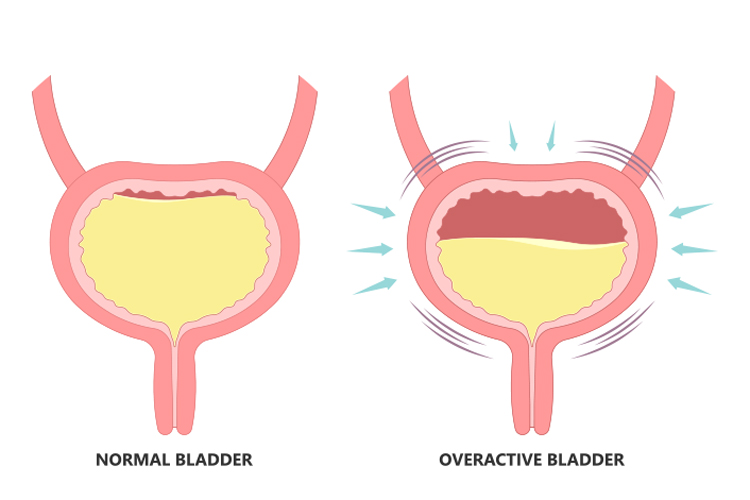
Overactive bladder in men is defined by the International Continence Society (ICS) as a symptom syndrome comprising urinary urgency, usually accompanied by frequency (voiding 8 or more times per 24 hours) and nocturia (waking 1 or more times per night to void), with or without urgency urinary incontinence, in the absence of urinary tract infection or other obvious pathology.
Why Diagnostic Testing is Crucial Before Treatment
Diagnostic testing is mandatory because OAB symptoms in men rarely occur in isolation and frequently overlap with lower urinary tract symptoms (LUTS) secondary to benign prostatic hyperplasia (BPH), bladder outlet obstruction (BOO), urinary tract infections, or neurological disorders. Identifying the precise root cause ensures that targeted medical therapy is administered safely, avoiding complications such as acute urinary retention.
2. Etiology and Risk Factors Driving Male Overactive Bladder
Primary Pathophysiological Causes
- Bladder Outlet Obstruction (BOO): Prostatic enlargement compresses the urethra, leading to secondary detrusor muscle remodeling, ischemia, and involuntary contractions.
- Neurological Disorders: Conditions such as stroke, Parkinson’s disease, multiple sclerosis, and diabetic neuropathy disrupt normal neural control over micturition pathways.
- Age-Related Detrusor Changes: Senescent alterations in smooth muscle structure, loss of compliance, and reduced functional bladder capacity.
- Metabolic Syndrome: Systemic inflammation and endothelial dysfunction affecting pelvic microcirculation and bladder wall health.
Key Risk Factors
- Advanced age (men aged 50 years and older).
- Metabolic comorbidities including hypertension, central obesity, and dysglycemia.
- Chronic constipation exerting mechanical pressure on the posterior bladder wall.
- High dietary consumption of bladder irritants like caffeine and alcohol.
3. Clinical Manifestations and Red Flag Symptoms
Core Clinical Symptoms
- Urinary Urgency: A sudden, compelling desire to pass urine that is difficult to defer.
- Urinary Frequency: Micturition frequency exceeding 8 times per 24-hour cycle.
- Nocturia: Disruption of sleep one or more times per night to void.
- Urgency Urinary Incontinence (UUI): Involuntary leakage preceded by sudden, uncontrollable urgency.
Red Flag Symptoms Requiring Immediate Specialist Workup
When storage symptoms are accompanied by any of the following clinical features, urgent urological evaluation is required:
- Gross hematuria (visible blood in the urine).
- Recurrent febrile urinary tract infections or acute prostatitis.
- Acute urinary retention (inability to void despite a full bladder).
- New-onset neurological deficits such as lower extremity weakness or saddle anesthesia.
- Unexplained pelvic pain or significant weight loss.
4. Essential Diagnostic Tests to Identify Underlying Causes
A comprehensive diagnostic workup moves systematically from non-invasive clinical assessments to specialized urodynamic evaluations.

1. Detailed Clinical History and Voiding Diary
A structured medical history evaluates symptom duration, fluid intake patterns, and medication use. A 3-to-7-day voiding diary quantifies daily voiding frequency, nocturnal episodes, leakage events, and functional bladder capacity.
2. Physical Examination and Digital Rectal Examination (DRE)
A focused physical examination includes a digital rectal examination to assess prostate size, consistency, symmetry, and nodularity. A basic neurological examination evaluates sacral reflex arcs (S2–S4) to rule out neurogenic bladder pathology.
3. Urinalysis and Urine Culture
Mandatory first-line laboratory tests to exclude urinary tract infection (UTI), pyuria, and microscopic hematuria, which can mimic or exacerbate overactive bladder symptoms.
4. Serum Prostate-Specific Antigen (PSA) and Renal Function
Serum PSA testing helps evaluate prostate volume and screen for prostatic malignancies in appropriate age groups, while serum creatinine measures baseline renal function.
5. Post-Void Residual (PVR) Ultrasound Measurement
A rapid, non-invasive transabdominal ultrasound measures residual urine volume after voluntary micturition. A high PVR volume (>150-200 mL) indicates impaired bladder emptying or significant bladder outlet obstruction, which alters therapeutic decision-making.
6. Uroflowmetry
Measures urine flow rate over time and total voided volume. A low maximum flow rate (Qmax) combined with a prolonged curve pattern strongly suggests bladder outlet obstruction secondary to benign prostatic hyperplasia.
7. Multi-Channel Urodynamic Studies (UDS)
Performed in complex cases, suspected neurogenic bladders, or prior to invasive interventions. UDS measures filling cystometry, detrusor pressure during storage and voiding, and confirms the presence of neurogenic or non-neurogenic detrusor overactivity (DO).
8. Cystoscopy
Indicated when anatomical abnormalities, urethral strictures, bladder calculi, or bladder carcinoma must be excluded, particularly in patients with persistent hematuria or refractory symptoms.
5. Summary of Diagnostic Tests for Male OAB
| Diagnostic Test | Primary Clinical Objective | Clinical Significance in Men |
| Voiding Diary (3-7 Days) | Quantify frequency, nocturia, and fluid intake | Establishes baseline severity and functional capacity |
| Urinalysis & Culture | Exclude UTI and microscopic hematuria | Rules out confounding infectious etiologies |
| Serum PSA & Creatinine | Evaluate prostate pathology and renal status | Screens for BPH, malignancy, and renal impairment |
| PVR Ultrasound | Measure post-void residual urine volume | Identifies incomplete emptying and urinary retention risk |
| Uroflowmetry | Assess urinary flow dynamics and obstruction | Detects mechanical obstruction or poor detrusor contractility |
| Urodynamic Studies | Evaluate pressure-flow dynamics during filling/voiding | Confirms detrusor overactivity versus outlet obstruction |
| Cystoscopy | Direct visualization of urethra and bladder mucosa | Rules out strictures, stones, and bladder tumors |
6. Treatment Framework and the Role of Prescription Pharmacotherapy
When diagnostic evaluation confirms male OAB, management integrates lifestyle modifications with evidence-based prescription medications tailored to the underlying pathophysiology.
Overview of Pharmacological Classes

- Alpha-1 Adrenoceptor Antagonists (e.g., Tamsulosin, Silodosin): Prescribed when OAB coexists with benign prostatic hyperplasia to relax prostatic smooth muscle and reduce outlet resistance. These are prescription-only medications that may cause orthostatic hypotension or retrograde ejaculation.
- Antimuscarinic Agents (e.g., Solifenacin, Tolterodine): Competitive muscarinic receptor antagonists that inhibit involuntary detrusor contractions during the storage phase. They require careful PVR monitoring to prevent acute urinary retention and are contraindicated in severe glaucoma or high residual volumes.
- Beta-3 Adrenoceptor Agonists (e.g., Mirabegron, Vibegron): Stimulate β3-receptors to relax the detrusor muscle during storage without impairing voiding contraction strength, offering a favorable side effect profile with minimal impact on cognition or PVR.
- Phosphodiesterase-5 Inhibitors (e.g., Tadalafil): Used when lower urinary tract symptoms coexist with erectile dysfunction by enhancing pelvic blood perfusion and reducing smooth muscle tone.
Professional Guidance at Men’s Health Pharmacy
Navigating pharmacological treatments for male lower urinary tract symptoms requires expert clinical oversight. The Men’s Health Pharmacy, operating within the specialized ecosystem of the Men’s Health Center founded by Dr. Tra Anh Duy (MD, PhD, Spec. II), provides dedicated pharmaceutical support for male urological health. At Men’s Health, patients receive comprehensive consultations from experienced physicians and clinical pharmacists to ensure that all prescribed regimens – including alpha-blockers, antimuscarinics, and beta-3 agonists – are tailored precisely to diagnostic findings. The facility maintains strict professional standards, ensuring absolute confidentiality, safety, and personalized patient care throughout every stage of treatment and follow-up.

7. Lifestyle Modifications and Preventive Strategies
Pharmacological and diagnostic interventions are most effective when supported by sustainable lifestyle modifications:
- Fluid Optimization: Maintain adequate daily hydration (1.5 to 2.0 liters) while avoiding excessive evening fluid intake to reduce nocturia.
- Dietary Adjustments: Limit bladder irritants such as caffeinated beverages, alcohol, artificial sweeteners, and highly spicy foods.
- Bladder Retraining: Scheduled voiding intervals combined with relaxation and urge suppression techniques to increase functional bladder capacity.
- Pelvic Floor Muscle Conditioning: Targeted exercises to strengthen sphincter control and inhibit premature micturition reflexes.
8. Common Clinical Pitfalls in Diagnosing and Managing Male OAB
- Failing to Measure PVR Prior to Initiating Antimuscarinics: Prescribing bladder-relaxing medications in the presence of unrecognised high residual volume can precipitate complete acute urinary retention.
- Assuming All Storage Symptoms Stem Solely from OAB: Overlooking benign prostatic hyperplasia or urinary tract infections leads to inappropriate monotherapy and treatment failure.
- Relying on Self-Medication or Borrowed Prescriptions: Using medications recommended by peers without formal diagnostic testing risks masking progressive urological conditions, including prostate or bladder malignancies.
- Neglecting Cognitive and Cardiovascular Evaluations: Administering non-selective antimuscarinics to elderly patients with cognitive impairment or prescribing beta-3 agonists without monitoring blood pressure can compromise patient safety.
9. Frequently Asked Questions About Diagnostic Testing for Male OAB
What is the most important initial test for a man with overactive bladder symptoms?
The initial evaluation relies on a detailed clinical history, a 3-to-7-day voiding diary, a physical examination including a digital rectal examination, and a urinalysis to exclude infection and establish baseline parameters.
Why is a post-void residual (PVR) ultrasound necessary before starting OAB medication?
A PVR ultrasound measures how completely the bladder empties. If a patient has a high residual volume due to prostate obstruction, administering antimuscarinic medications can stop bladder contraction entirely and cause acute urinary retention.
Can an enlarged prostate cause overactive bladder symptoms in men?
Yes. Benign prostatic hyperplasia creates mechanical outflow obstruction, forcing the detrusor muscle to work harder against resistance. This process leads to muscle hypertrophy, ischemia, and secondary detrusor overactivity, manifesting as urgency and frequency.
When should a man undergo advanced urodynamic testing?
Urodynamic studies are typically reserved for complex cases, patients with suspected neurological conditions (neurogenic bladder), men who fail initial medical therapy, or those being evaluated for surgical intervention where exact pressure-flow dynamics must be established.
Is it safe to buy over-the-counter or shared prescription drugs for urinary urgency?
No. Lower urinary tract symptoms can arise from multiple distinct pathologies ranging from simple infections to prostate enlargement or malignancy. Self-medication without professional diagnosis risks inappropriate treatment and serious urological complications.
Conclusion and Expert Clinical Advice
Accurately identifying the underlying causes of overactive bladder in men requires a structured diagnostic pathway that goes beyond surface symptoms. Through comprehensive evaluations – including voiding diaries, urinalysis, prostate assessment, post-void residual measurement, and targeted urodynamic testing – clinicians can differentiate between benign prostatic hyperplasia, neurogenic dysfunction, and primary detrusor overactivity. Patients experiencing persistent urinary urgency, frequency, or nocturia should avoid self-diagnosis and refrain from self-medicating with unverified drugs. Timely evaluation at an established specialty facility such as the Men’s Health Center ensures precise diagnostic accuracy, expert physician consultation, and professional pharmaceutical guidance, supporting safe, confidential, and effective long-term health outcomes.