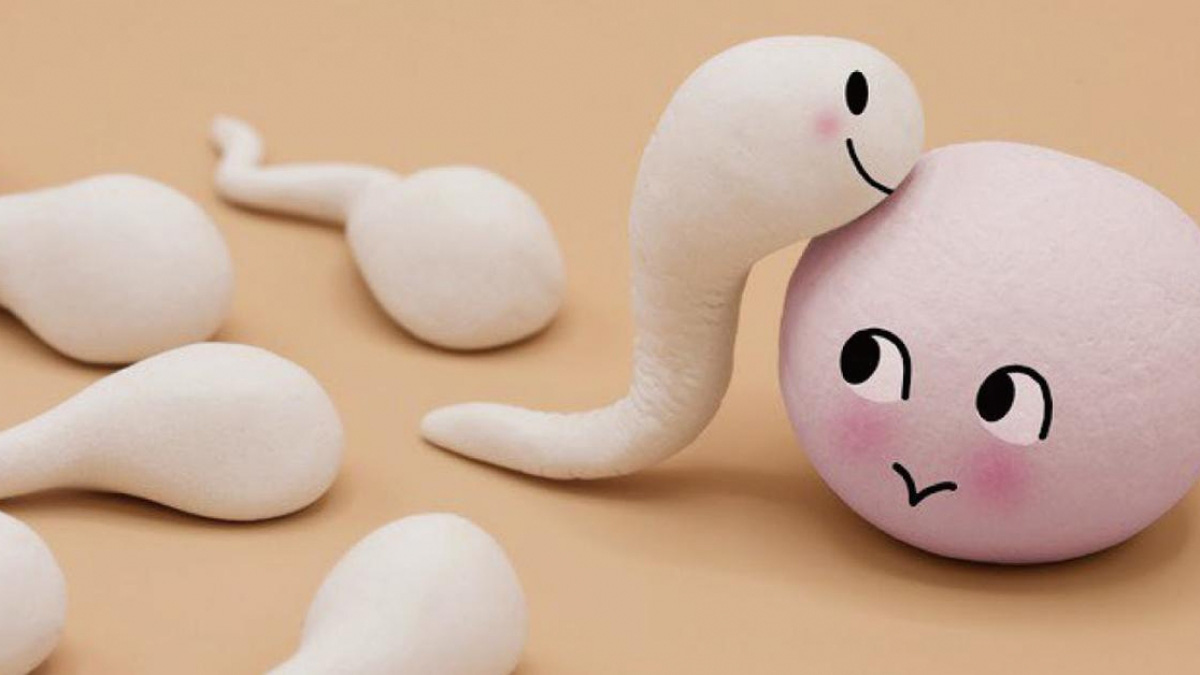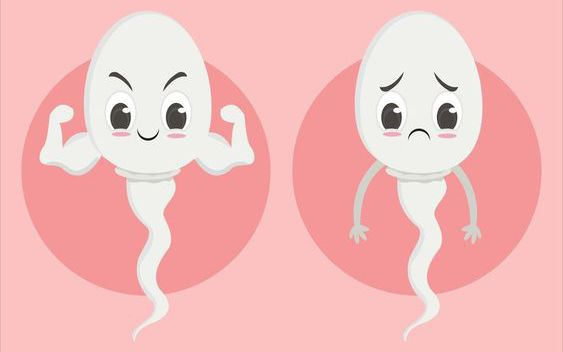

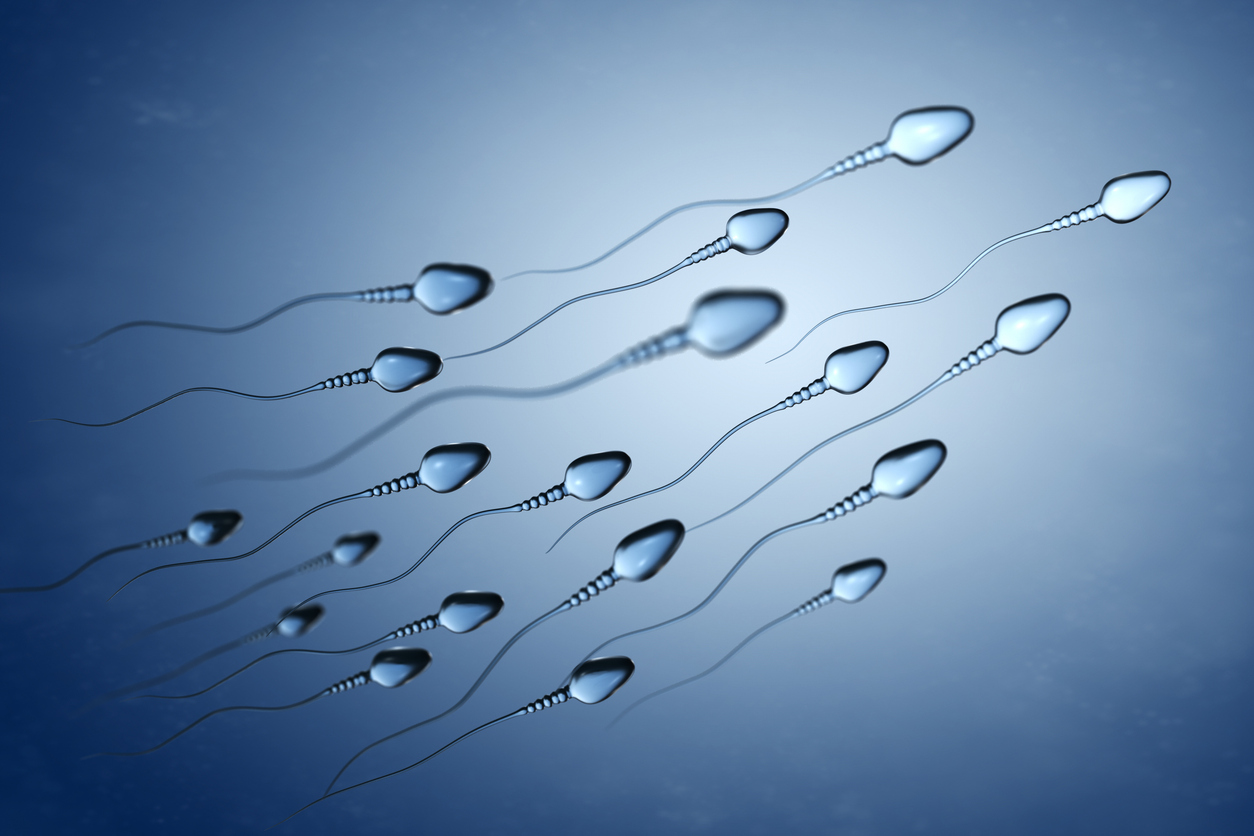
Sperm motility refers to the ability of sperm cells to move efficiently. This movement is essential because sperm must travel through the female reproductive tract to reach and fertilize the egg.
When sperm motility is reduced, the chances of natural conception may decrease. For this reason, improving sperm motility is often a focus in male fertility care.
Among the many factors that influence sperm motility, nutrition and antioxidant status have attracted increasing attention.
What Is Sperm Motility?
Sperm motility describes how well sperm cells move.
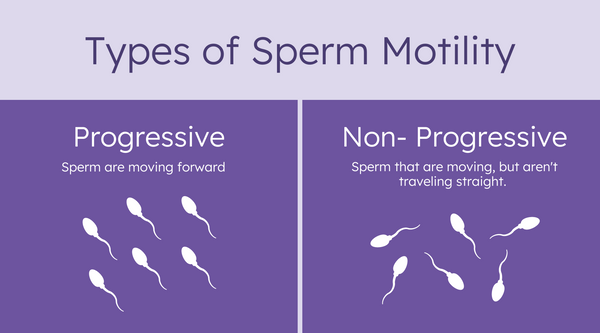
There are two main categories:
- progressive motility – sperm move forward in a straight or slightly curved path
- non-progressive motility – sperm move but do not effectively progress.
According to clinical guidelines, healthy semen typically contains a certain percentage of progressively motile sperm. Reduced motility, also known as asthenozoospermia, can affect fertility outcomes.
Why Sperm Motility May Be Reduced
Several factors can contribute to poor sperm motility.
Common causes include:
- oxidative stress
- nutritional deficiencies
- smoking
- excessive alcohol consumption
- chronic stress
- environmental toxins
- hormonal imbalance.
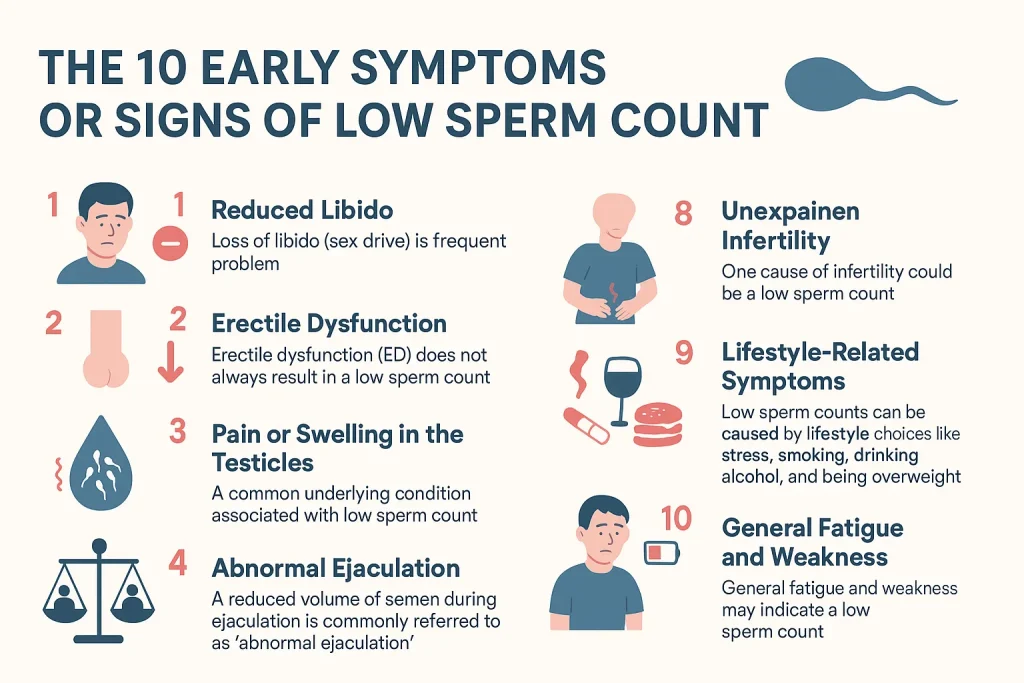
Among these factors, oxidative stress is one of the most widely studied contributors.
The Role of Oxidative Stress
Sperm cells are particularly vulnerable to oxidative damage because their membranes contain large amounts of polyunsaturated fatty acids.
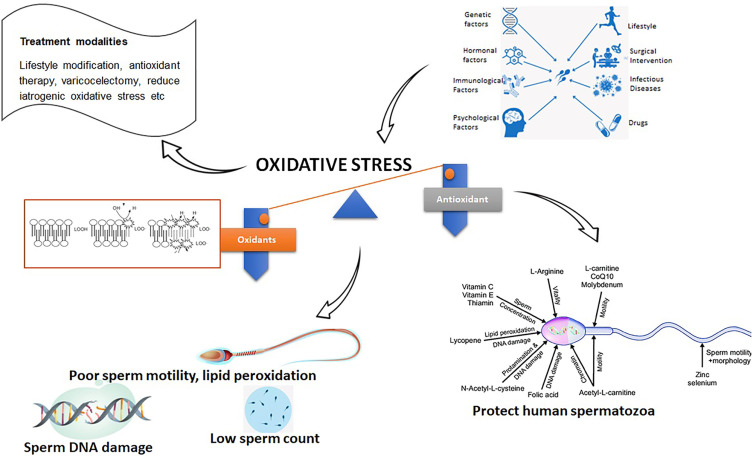
Excess free radicals can damage:
- sperm membranes
- mitochondrial function
- sperm DNA.
When mitochondrial function is impaired, sperm cells may not produce enough energy to move effectively.
This is why antioxidants and nutrients involved in energy metabolism have been studied in relation to sperm motility.
Nutrients That May Support Sperm Motility
Several micronutrients have been investigated for their potential role in supporting sperm movement.
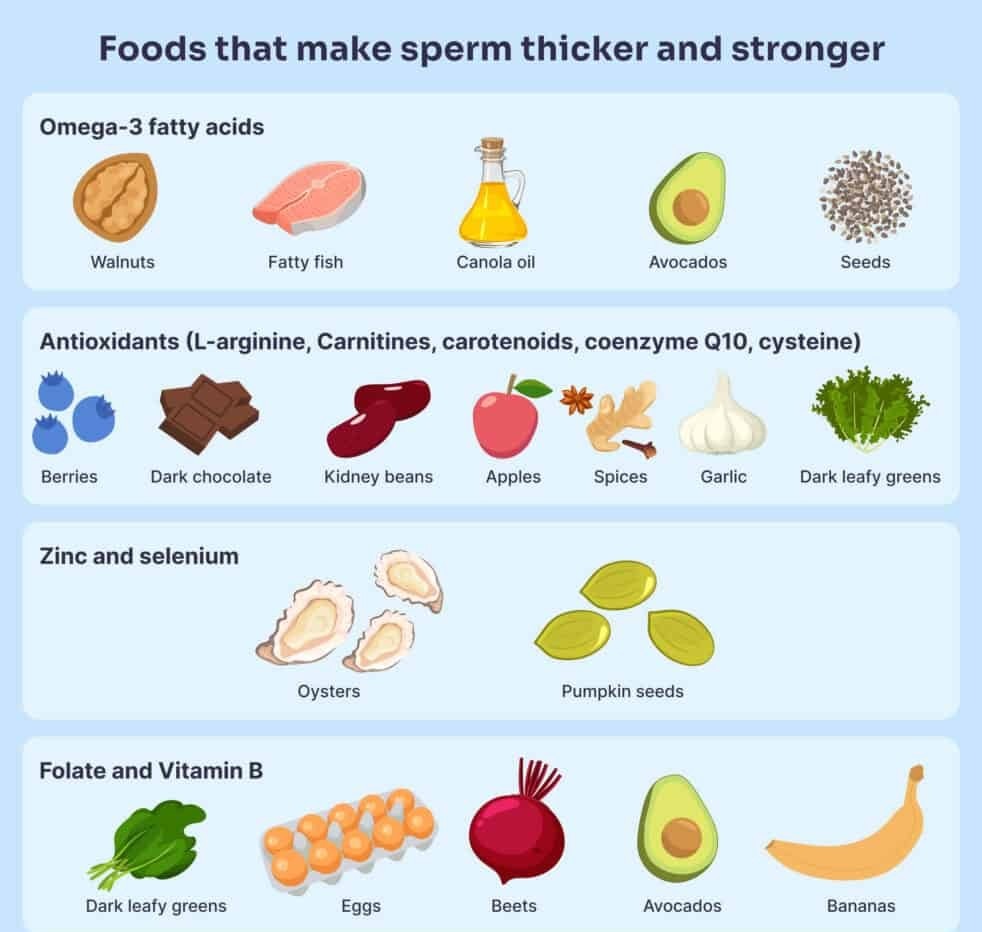
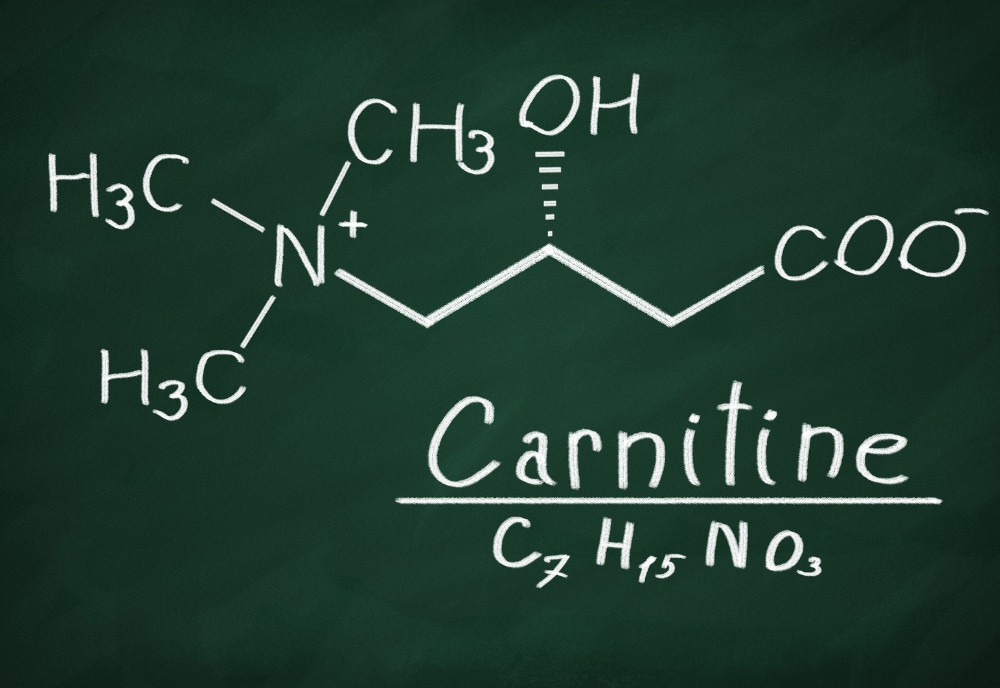
L-Carnitine
L-Carnitine plays an important role in mitochondrial energy production.
Studies suggest that carnitine may support sperm motility by helping sperm cells generate the energy needed for movement.
Coenzyme Q10
CoQ10 participates in cellular energy production and also acts as an antioxidant.
Research indicates that CoQ10 supplementation may improve certain sperm parameters, including motility.
Zinc
Zinc contributes to normal reproductive function and is involved in many enzymatic processes related to sperm development.
Selenium
Selenium supports antioxidant enzymes that help protect sperm cells from oxidative stress.
Vitamins C and E
These antioxidants help neutralize free radicals and protect sperm cells from oxidative damage.
Do Supplements Really Help?
Clinical research suggests that antioxidant and micronutrient supplementation may improve sperm parameters in some men, particularly when oxidative stress or nutritional deficiencies are present.
However, results can vary depending on individual health conditions and the underlying causes of fertility problems.
Supplements should therefore be viewed as supportive nutritional strategies rather than guaranteed treatments.
Comprehensive Fertility Formulas
Because multiple nutrients contribute to sperm health, some fertility supplements combine several micronutrients in one formulation.
One example is Orthomol Fertil Plus, a supplement that provides a combination of nutrients such as:
- L-carnitine
- Coenzyme Q10
- zinc
- selenium
- vitamins and antioxidants.
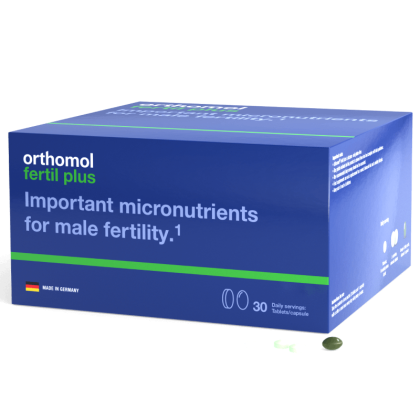
By combining these nutrients, such formulations aim to support different biological processes involved in sperm function, including energy production and protection from oxidative stress.
How Long Does It Take to Improve Sperm Motility?
Sperm production follows a biological cycle known as spermatogenesis, which takes approximately 70 to 90 days.
Because of this cycle, improvements in sperm parameters from nutritional interventions may take two to three months to become noticeable.
Consistency in supplementation and lifestyle habits is therefore important.
Lifestyle Habits That Support Sperm Health
Nutritional supplements work best when combined with healthy lifestyle habits.
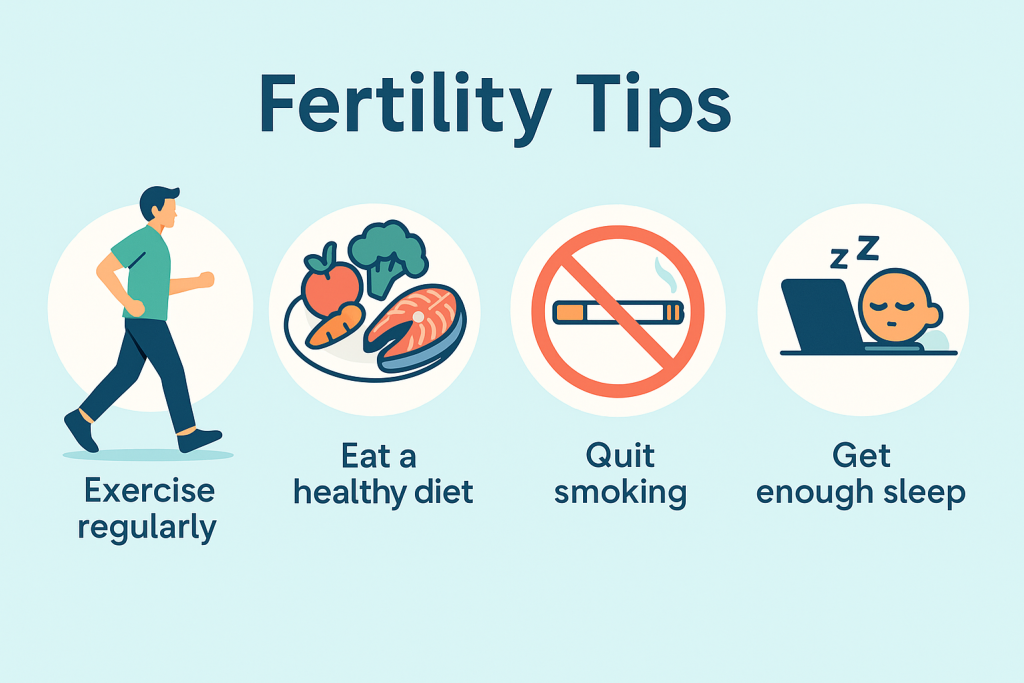
Men trying to support sperm motility may benefit from:
- maintaining a healthy weight
- avoiding smoking
- limiting alcohol intake
- exercising regularly
- managing stress
- getting adequate sleep.
These habits help create a healthier environment for sperm development.
Final Thoughts
Sperm motility is an important factor in male fertility. While many factors influence sperm movement, nutrition and antioxidant status appear to play a significant role.
Certain nutrients, including L-carnitine, CoQ10, zinc, and selenium, have been studied for their potential to support sperm function. Comprehensive fertility formulas such as Orthomol Fertil Plus combine these nutrients to provide nutritional support for male reproductive health.
However, supplements should always be combined with healthy lifestyle habits and professional medical advice when addressing fertility concerns.
If you would like professional advice on male fertility supplements or reproductive health support, you can consult healthcare professionals at:
Men’s Health Pharmacy – Male Fertility Support Center
📍 Address: 7B/31 Thanh Thai Street, Dien Hong Ward, Ho Chi Minh City
(Former address: Ward 14, District 10, Ho Chi Minh City)
📞 Hotline: 0911 161 161
Healthcare professionals can provide guidance on supplements, nutrition, and lifestyle strategies that support male reproductive health.