

Hematospermia – the macroscopic or microscopic presence of blood in the ejaculatory fluid – and male genital tract hemorrhage are clinically significant presentations that frequently cause profound patient anxiety. Beyond the immediate fear of malignant disease, male patients consistently raise critical concerns regarding whether hematospermia and associated genital bleeding directly impair erectile performance, ejaculatory function, and long-term reproductive capacity.
1. Clinical Definitions and Pathophysiological Mechanisms
What is Hematospermia and Male Genital Tract Bleeding?
Hematospermia (also termed hemospermia) is defined by the International Continence Society (ICS) and standard urological guidelines as the presence of blood in semen. It ranges visually from fresh, bright-red blood streaks to dark brown or rust-colored discoloration, reflecting oxidized intra-vesicular blood. Male genital tract bleeding encompasses any vascular disruption occurring within the anatomical pathways responsible for seminal production, maturation, storage, and transport – including the testes, epididymides, vasa deferentia, seminal vesicles, prostate gland, bulbourethral glands, and prostatic urethra.
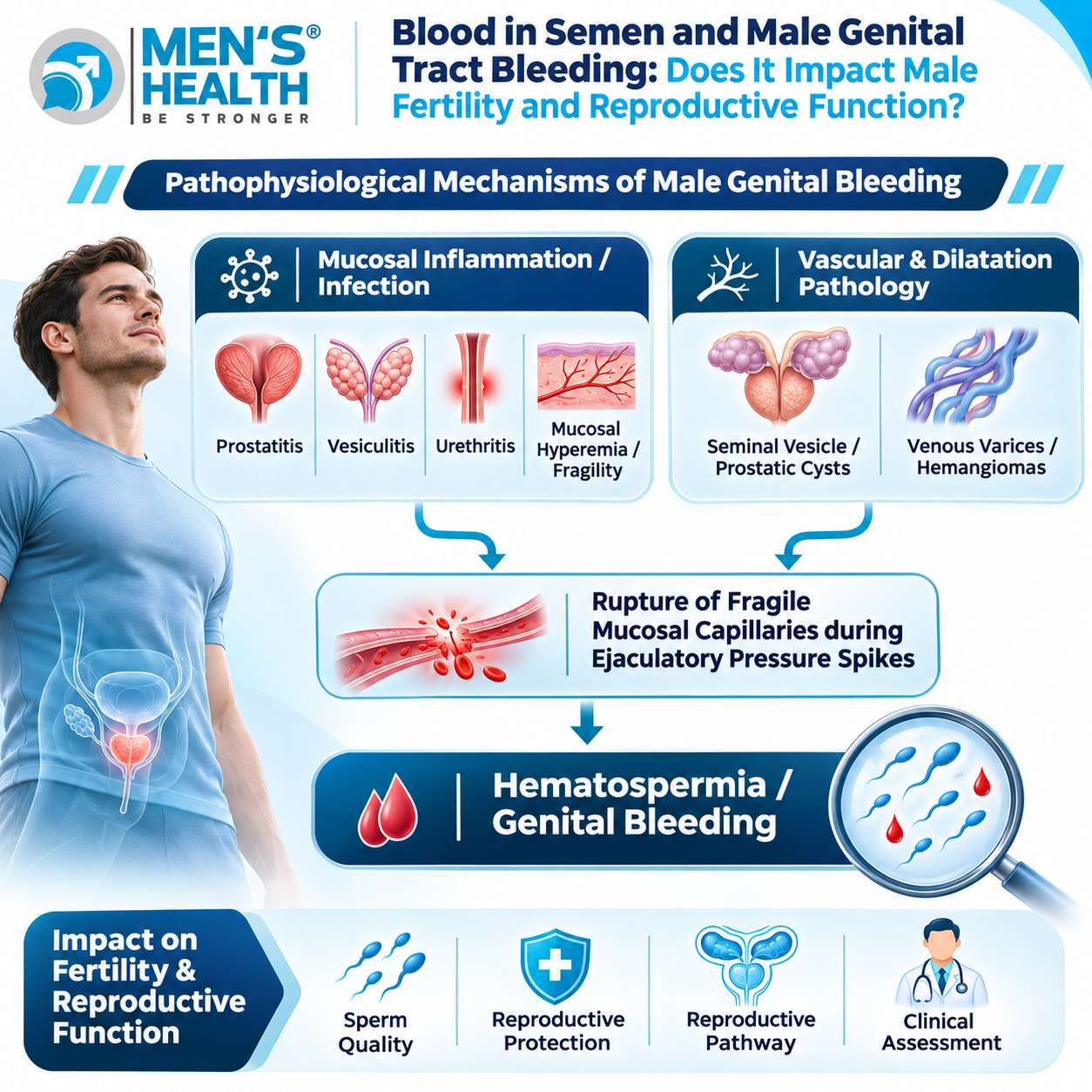
Pathophysiological Cascade
Ejaculatory fluid is composed of fractional secretions from the seminal vesicles (60-70%), prostate gland (20-30%), testes/epididymides (5%), and bulbourethral glands (5%). Vascular disruption across these structures develops through three primary pathophysiological mechanisms:
- Mucosal Hyperemia and Capillary Fragility: Acute or chronic inflammatory responses within the prostate or seminal vesicles induce micro-vascular engorgement, tissue edema, and subepithelial capillary fragility. The rapid, dynamic hydraulic pressure spike generated during ejaculatory smooth muscle contraction ruptures these fragile vessels.
- Ductal Obstruction and Cystic Distension: Intra-prostatic cysts, ejaculatory duct calcifications, or luminal strictures cause proximal glandular distension, ischemic mucosal thinning, and secondary micro-hemorrhage into stored seminal fluid.
- Neoplastic Neoangiogenesis: Malignant proliferation (e.g., prostatic or seminal vesicle adenocarcinoma) upregulates vascular endothelial growth factor (VEGF), generating irregular, thin-walled micro-vessels prone to spontaneous structural failure under normal pelvic physiological pressures.
2. Impact of Hematospermia and Genital Bleeding on Male Fertility and Sexual Function
While hematospermia does not directly destroy testicular germ cells, the underlying etiologies, associated pelvic inflammation, and therapeutic interventions can significantly impact male reproductive potential and sexual performance.
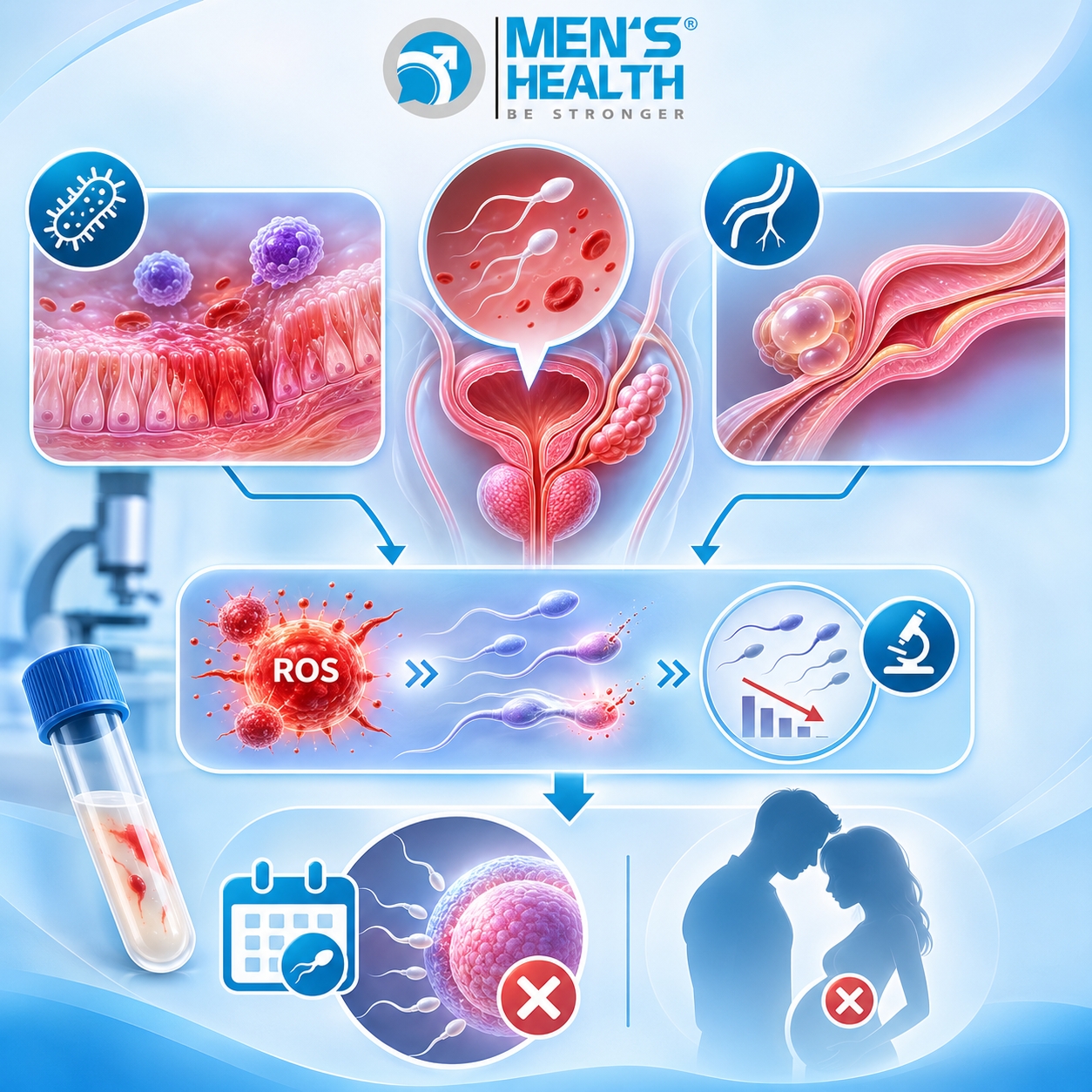
1. Effects on Sperm Quality and Seminal Parameters
- Oxidative Stress and Leukocytospermia: Infectious and inflammatory etiologies (e.g., chronic bacterial prostatitis or vesiculitis) triggering hematospermia recruit elevated numbers of polymorphonuclear leukocytes into seminal fluid (leukocytospermia). This generates high levels of reactive oxygen species (ROS), causing sperm membrane lipid peroxidation, impaired mitochondrial membrane potential, reduced progressive motility, and elevated sperm DNA fragmentation index (DFI).
- Altered Seminal Plasma Biochemistry: Chronic vesiculitis or prostatic dysfunction alters seminal plasma pH, zinc concentrations, fructose availability, and enzymatic activity (e.g., prostate-specific antigen involved in semen liquefaction), leading to hyper-viscous semen and delayed liquefaction times that hinder sperm migration.
2. Anatomical Obstructive Subfertility
- Ejaculatory Duct Obstruction (EDO): Intra-prostatic cysts, ejaculatory duct lithiasis, or post-inflammatory strictures that cause localized bleeding can also partially or completely occlude the ejaculatory ducts. This manifests clinically as low ejaculate volume (<1.5 mL), acidic seminal pH, fructose negativity, and oligozoospermia or azoospermia.
3. Influence on Erectile Function and Ejaculatory Performance
- Psychogenic Coital Dysfunction: The visual discovery of blood in ejaculate triggers profound psychological distress and performance anxiety. Patients frequently develop secondary psychogenic erectile dysfunction or voluntarily avoid sexual intimacy due to fear of malignant disease or coital pain.
- Painful Ejaculation (Dysorgasmia): Active mucosal inflammation in the prostatic urethra or seminal vesicles during ejaculatory smooth muscle contraction frequently causes burning or aching pain in the perineum, rectum, or penis during or immediately after ejaculation, suppressing sexual drive.
3. Etiology and Predisposing Risk Factors
The etiologies of male genital tract bleeding are categorized by anatomical localization and pathological mechanisms:
Infectious and Inflammatory Diseases (40%-50% of Cases)
- Prostatitis and Seminal Vesiculitis: Bacterial infections (Escherichia coli, Pseudomonas aeruginosa, Enterococcus faecalis) or chronic pelvic pain syndrome inducing diffuse parenchymal congestion.
- Sexually Transmitted Infections (STIs): Chlamydia trachomatis, Neisseria gonorrhoeae, Trichomonas vaginalis, and Ureaplasma species causing urethritis and epididymo-orchitis.
- Granulomatous Infections: Genitourinary tuberculosis (Mycobacterium tuberculosis) or schistosomiasis in endemic regions.
Structural, Cystic, and Obstructive Lesions (20%-25%)
- Congenital or Acquired Cysts: Müllerian duct cysts, prostatic utricle cysts, or seminal vesicle cysts resulting in fluid stasis and micro-hemorrhage.
- Prostatic Calculi: Calcifications within prostatic acini or ejaculatory ducts creating mechanical friction against mucosal linings during contraction.
Neoplastic and Premalignant Lesions (5%-10%)
- Prostate Adenocarcinoma: The primary malignant concern in men aged >50 years presenting with persistent or unprovoked hematospermia.
- Seminal Vesicle and Testicular Neoplasms: Primary carcinomas or germ cell tumors invading local vascular networks.
- Benign Tumors: Prostatic urethral hemangiomas, papillary adenomas, or condylomata acuminata.
Systemic and Iatrogenic Factors
- Urological Procedures: Transrectal Ultrasound-Guided (TRUS) prostate biopsy (inducing transient hematospermia in up to 80% of patients), prostate brachytherapy, shockwave lithotripsy, or urethral catheterization.
- Systemic Pathologies: Uncontrolled arterial hypertension, severe hepatic dysfunction, or ongoing therapeutic anticoagulation (e.g., warfarin, direct oral anticoagulants [DOACs], antiplatelet agents).
4. Differential Diagnosis Spectrum
Differentiating hematospermia from other lower urinary tract and genital bleeding manifestations is essential for establishing an accurate diagnosis.
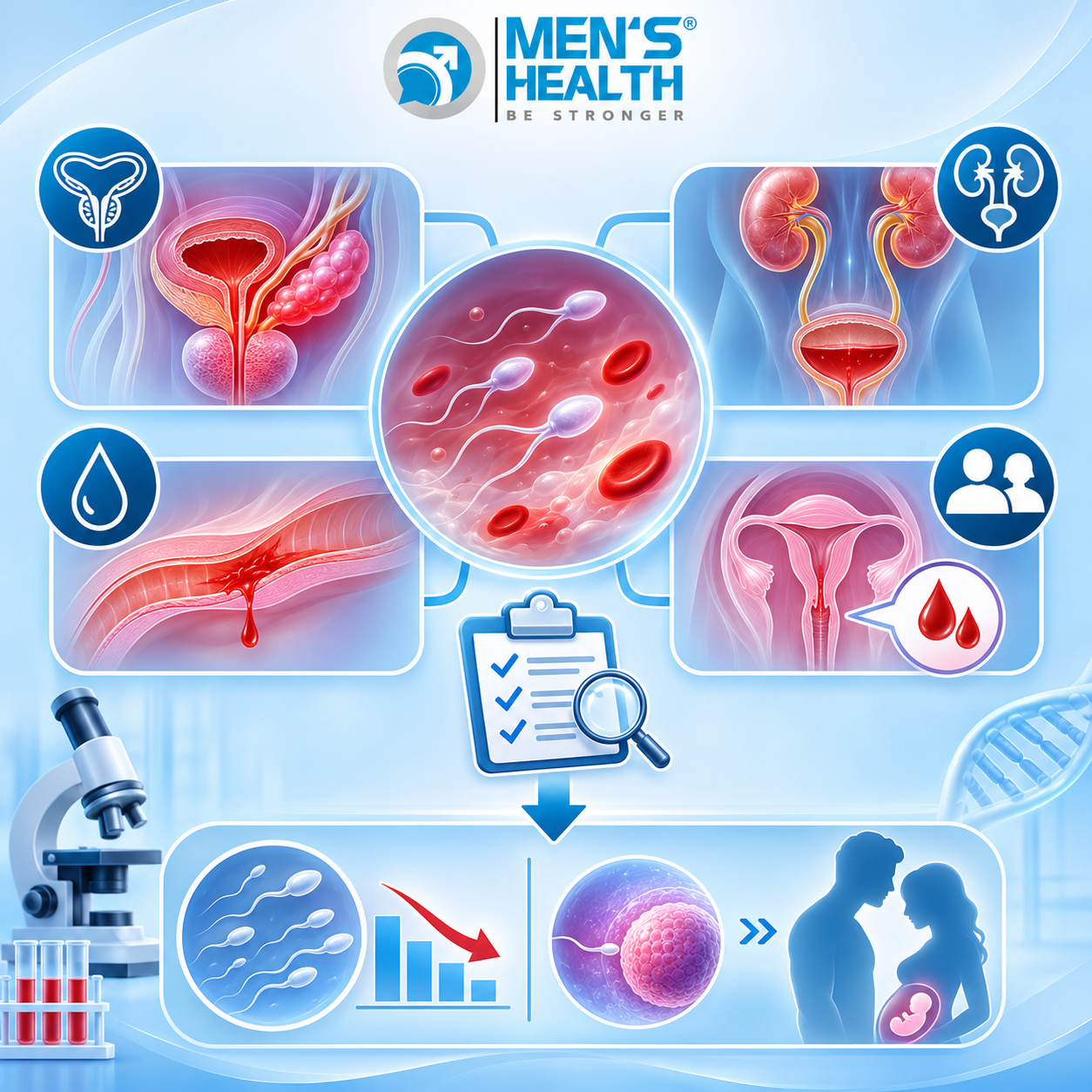
Symptom Comparison Matrix
| Clinical Condition | Primary Bleeding Source | Timing of Blood Appearance | Key Diagnostic Findings |
| True Hematospermia | Seminal vesicles, prostate, vasa | Admixed directly within semen | TRUS/mpMRI shows seminal vesicle/prostate pathology |
| Gross Hematuria | Kidneys, ureters, bladder | Present throughout voided urine stream | Microscopic pyuria/hematuria; cystoscopy shows mucosal lesions |
| Urethrorrhagia | Anterior or bulbar urethra | Spontaneous discharge between voids | Urethroscopy confirms anterior urethral lesion or stricture |
| Prostatic Abscess | Prostatic parenchyma | Present in both urine and semen | DRE shows tender, fluctuant prostate; pelvic US reveals cavity |
| Pseudo-Hematospermia | Female partner genital tract | Stained exteriorly post-coitus | Normal male urinalysis and sterile semen examination |
5. Comprehensive Clinical Diagnostic Pathways
To determine the etiology and evaluate reproductive impact, clinicians follow a structured diagnostic pathway:
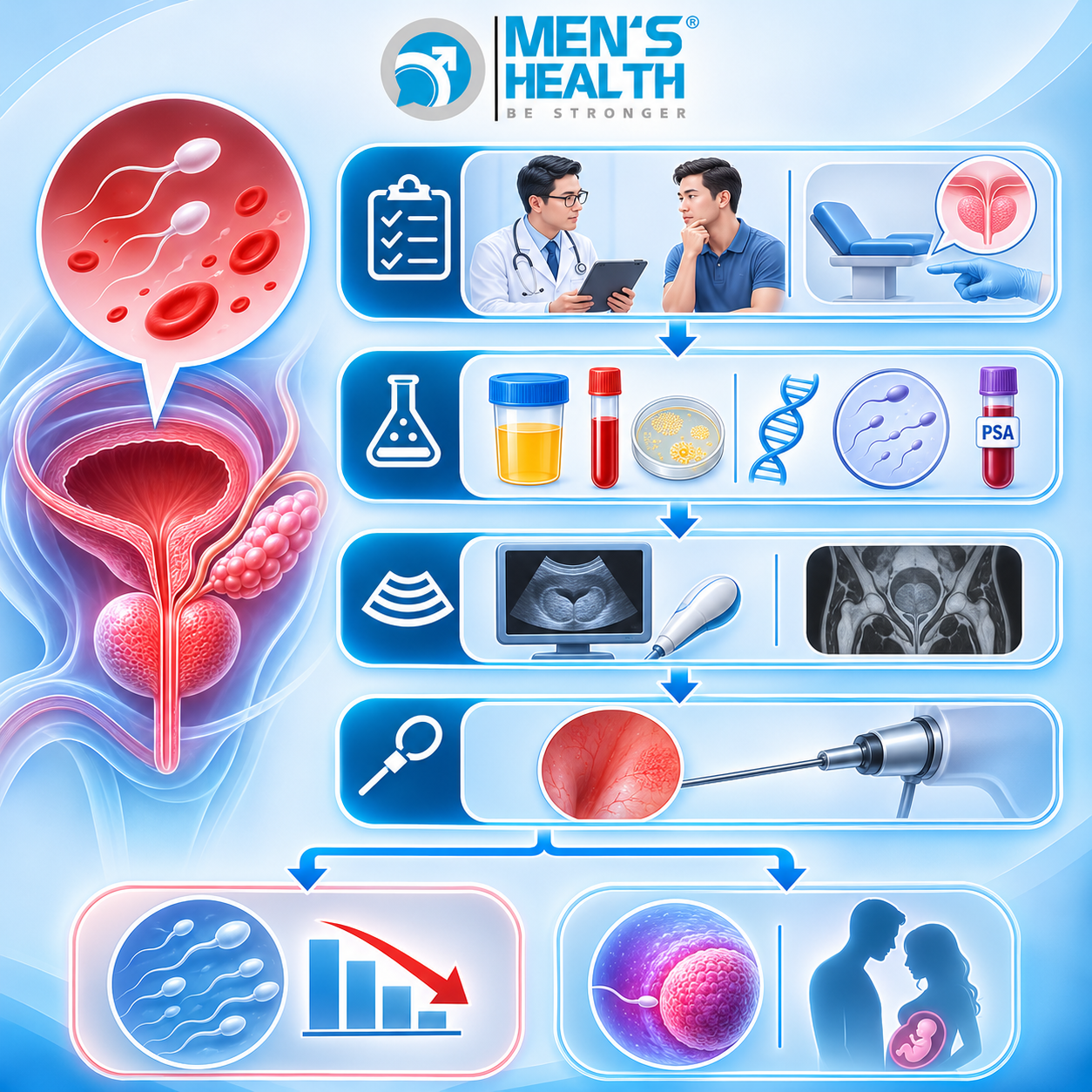
- Detailed History and Physical Assessment: Evaluates bleeding duration, color, relationship to voiding vs. ejaculation, recent procedures, and DRE assessment of prostate size, symmetry, and nodularity.
- Laboratory Diagnostics:
- Urinalysis and Urine Culture: Rules out urinary tract infections.
- NAAT Screening: Detects C. trachomatis, N. gonorrhoeae, and Mycoplasma species.
- Semen Analysis and Leukocyte Staining: Assesses sperm density, motility, morphology, viscosity, and peroxidase-positive leukocyte counts.
- Serum PSA: Screened in men aged >45-50 years to evaluate prostatic malignancy risk.
- High-Resolution Pelvic Imaging:
- Transrectal Ultrasound (TRUS): Identifies prostatic calcifications, ejaculatory duct dilation, and cysts.
- Multiparametric Pelvic MRI (mpMRI): The non-invasive gold standard for high-resolution evaluation of seminal vesicle hemorrhage, ductal anomalies, and focal prostate cancer (PIRADS grading).
- Endoscopic Evaluation: Flexible cystourethroscopy is indicated in persistent cases (>4-8 weeks), co-existing gross hematuria, or suspected urethral vascular lesions.
6. Pharmacological Management Strategies
Targeted medical therapy is dictated by the underlying etiology:
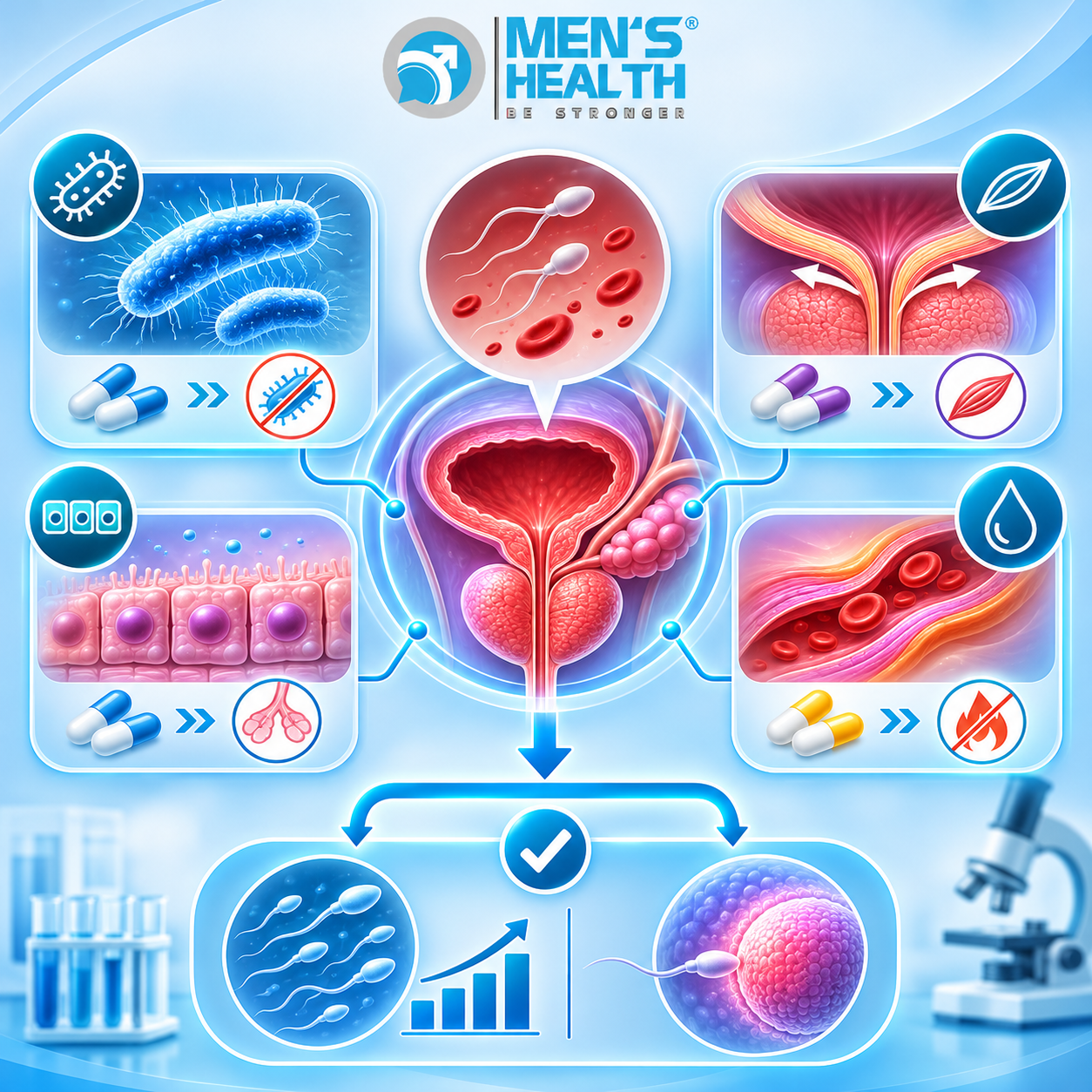
Core Pharmacological Classes
Targeted Lipid-Soluble Antibiotics
- Mechanism: Antimicrobial agents capable of crossing the blood-prostate barrier to achieve therapeutic concentrations within prostatic fluid and seminal vesicle tissue.
- Representative Agents: Fluoroquinolones (Ciprofloxacin, Levofloxacin), Doxycycline, Macrolides (Azithromycin).
- Indications: Confirmed bacterial prostatitis, vesiculitis, or STI-associated urethritis. Extended courses (2 to 4 weeks for acute cases; up to 4 to 6 weeks for chronic cases) are often required.
Non-Steroidal Anti-Inflammatory Drugs (NSAIDs)
- Mechanism: Inhibition of cyclooxygenase-2 (COX-2) enzymes, decreasing prostaglandin synthesis within congested pelvic tissues.
- Representative Agents: Celecoxib, Meloxicam, Ibuprofen.
- Indications: Non-bacterial inflammatory vesiculitis or chronic pelvic pain syndrome accompanying hematospermia. Reduces tissue edema, mucosal hyperemia, and ejaculatory discomfort.
Alpha-1 Adrenoceptor Antagonists (α1-Blockers)
- Mechanism: Selective blockade of α1A-adrenoceptors within the prostate stroma and bladder neck, decreasing intra-prostatic voiding pressure and reducing hydraulic reflux into ejaculatory ducts.
- Representative Agents: Tamsulosin, Silodosin, Alfuzosin.
- Indications: Co-existing lower urinary tract symptoms (LUTS), prostatic congestion, or ejaculatory duct hypertension.
5-Alpha Reductase Inhibitors (5-ARIs)
- Mechanism: Inhibits conversion of testosterone to dihydrotestosterone (DHT), inducing apoptosis of prostatic epithelium and suppressing subepithelial microvessel density.
- Representative Agents: Finasteride, Dutasteride.
- Indications: Refractory, persistent hematospermia associated with benign prostatic enlargement or friable prostatic urethral vascularity.
7. Professional Care at Men’s Health Center and Men’s Health Pharmacy
Navigating male genital tract bleeding and its potential impact on reproductive health requires precise urological diagnostics, risk stratification, and specialized clinical pharmacy care.
Men’s Health Pharmacy, an integral unit within the Men’s Health Center ecosystem founded by Dr. Tra Anh Duy (MD, PhD, Spec. II), delivers clinical pharmacy services tailored to male reproductive and urological health. At Men’s Health, patients receive consultations from experienced urologists and clinical pharmacists to ensure that prescribed therapeutic regimens – including lipid-soluble antimicrobials, anti-inflammatory agents, and α1-blockers – are calibrated precisely to diagnostic findings and fertility goals. The facility maintains strict clinical safety standards, individual privacy, absolute confidentiality, and evidence-based practice across all phases of patient evaluation and follow-up care.

8. Lifestyle Modifications and Preventive Strategies
- Adequate Hydration: Maintain a daily fluid intake of 1.5 – 2.0 L to ensure regular lower tract flushing and minimize urinary concentration.
- Consistent Ejaculatory Hygiene: Maintain regular, non-strenuous ejaculatory intervals to prevent seminal vesicle stasis and fluid hyper-concentration.
- Avoidance of Perineal Trauma: Limit prolonged, unpadded bicycle riding or straddle activities that exert mechanical pressure on pelvic structures.
- Barrier Protection: Utilize condoms during non-monogamous sexual contact to prevent sexually transmitted infection acquisition.
9. Common Clinical Pitfalls
- Assuming Hematospermia Causes Permanent Infertility: Over-reacting to an isolated, transient episode in a young male, leading to unneeded panic when the vast majority of cases resolve without long-term fertility impairment.
- Under-evaluating Older Men: Dismissing persistent hematospermia in a male aged >50 years as a simple infection without obtaining serum PSA levels or ordering pelvic mpMRI.
- Inadequate Antibiotic Duration: Prescribing short, 3-to-5-day courses of standard oral antibiotics for deep pelvic infections (prostatitis/vesiculitis), leading to incomplete bacterial clearance and early symptom recurrence.
- Confusing Hematospermia with Gross Hematuria: Failing to verify whether blood appears exclusively in ejaculate or throughout voided urine, leading to misdirected diagnostic testing.
10. Frequently Asked Questions
Does blood in semen cause permanent male infertility?
No. Isolated, transient hematospermia rarely causes permanent infertility. However, if caused by an untreated chronic bacterial infection or structural ejaculatory duct obstruction, it can temporarily impair sperm motility and count.
Can an untreated STI cause both hematospermia and subfertility?
Yes. Pathogens such as Chlamydia trachomatis and Neisseria gonorrhoeae cause urethritis, vesiculitis, and epididymitis, leading to mucosal bleeding (hematospermia) and oxidative sperm damage or ductal scarring (subfertility).
How does inflammation in the seminal vesicles affect semen quality?
Inflammation increases leukocytospermia and reactive oxygen species (ROS) in seminal fluid. This leads to sperm membrane oxidative damage, reduced progressive motility, delayed semen liquefaction, and increased sperm DNA fragmentation.
Is sexual activity safe during an episode of hematospermia?
A brief period of sexual rest (a few days) is helpful during acute inflammatory flares. Once an underlying infection is evaluated and managed under medical supervision, regular, non-strenuous ejaculation helps clear residual stasis from the seminal vesicles.
When should a man with hematospermia seek fertility testing?
Fertility testing (semen analysis and leukocyte staining) is recommended if hematospermia is persistent (>4-8 weeks), accompanied by low ejaculate volume, or if the couple is actively trying to conceive without success.
Conclusion and Expert Clinical Advice
Hematospermia and male genital tract bleeding are clinically significant symptoms that warrant structured medical evaluation. While most episodes stem from self-limiting infectious or inflammatory processes within the prostate and seminal vesicles that do not permanently destroy fertility, persistent or recurrent presentations – especially in older men – demand systematic investigation to rule out ductal obstruction, severe vascular abnormalities, or underlying pelvic malignancies.
Patients noticing blood in their ejaculatory fluid should avoid panic, refrain from self-medicating with unprescribed antibiotics, and seek clinical evaluation at a specialized urological facility such as the Men’s Health Center. Structured evaluation guarantees accurate etiological diagnosis, expert specialist oversight, and professional clinical pharmacy support for long-term reproductive and urological health.