
HIV testing is the only definitive way to determine whether a person is infected with HIV, as the infection can remain asymptomatic for long periods. The appropriate time for testing depends on the type of test used and the time elapsed since the most recent exposure. Testing too early can yield a false-negative result even if the body is infected because the test was performed during the “window period.” If a new exposure risk occurred within the past 72 hours, one should not simply wait to test; rather, they must visit a medical facility promptly to be evaluated for Post-Exposure Prophylaxis (PEP).
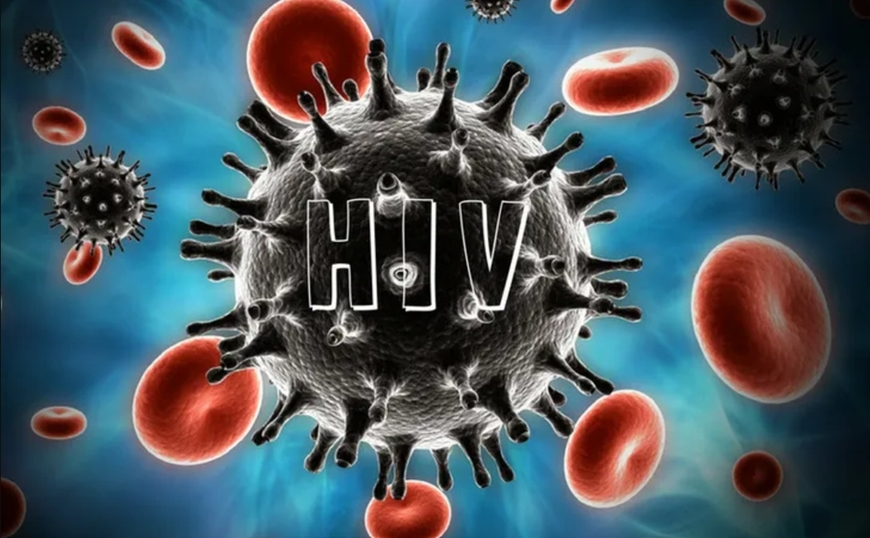
What is an HIV Test?
HIV tests are screenings designed to detect markers indicating that the Human Immunodeficiency Virus (HIV) is present in the body. Depending on the methodology, a test can detect HIV antibodies, the p24 antigen, or the genetic material of the virus.
HIV attacks the immune system, specifically targeting CD4 cells. If left untreated, an HIV infection can progress to severe immune suppression. However, HIV and AIDS are not synonymous: AIDS represents an advanced stage of HIV infection, not an inevitable outcome immediately upon receiving an HIV-positive diagnosis.
A person who looks completely healthy can still be infected with HIV. Therefore, one should never rely on symptoms, physical appearance, or the health status of oneself or a partner to determine HIV status.
When Should You Get Tested for HIV?
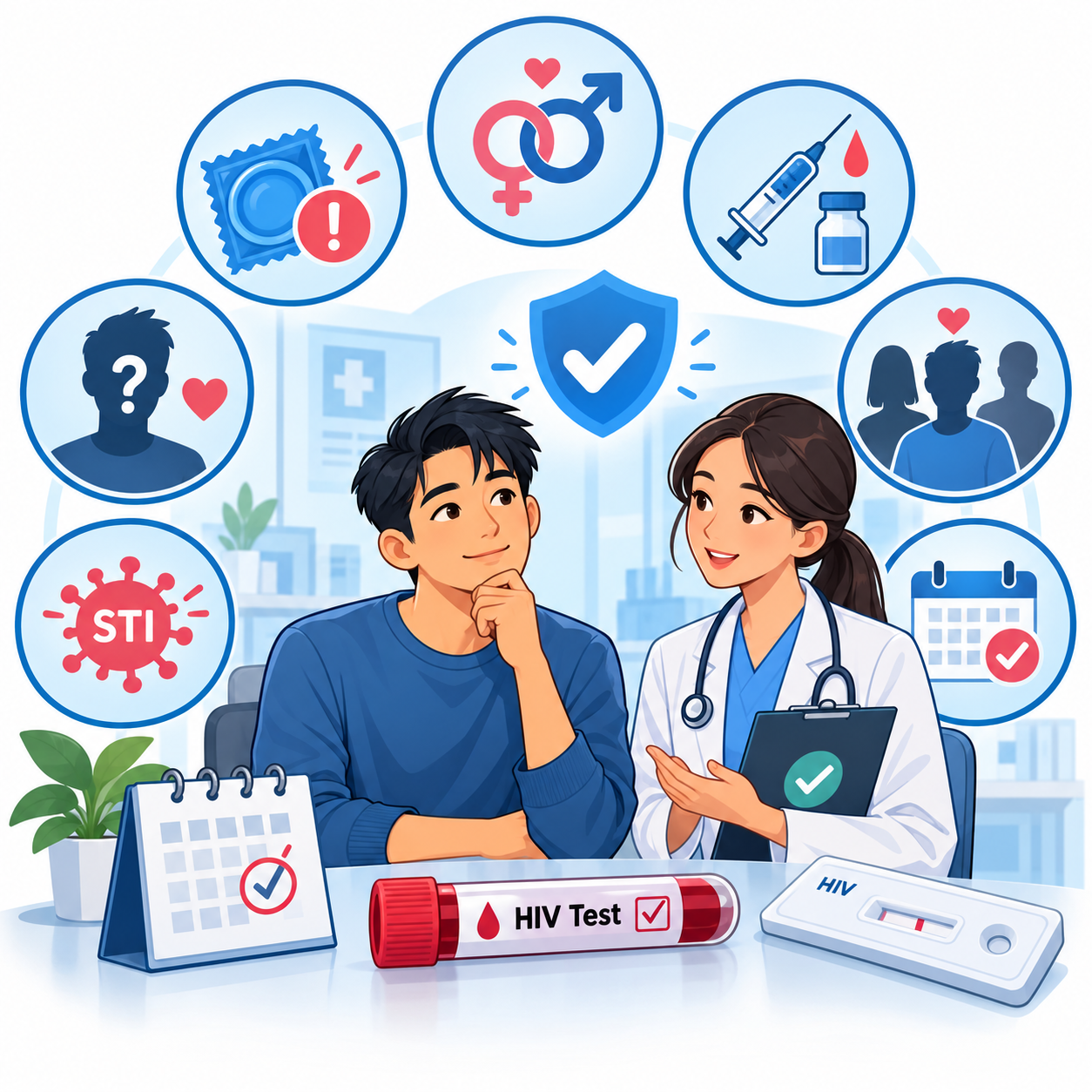
Testing is recommended whenever there is a possibility of exposure to HIV, when risk factors are present, or simply to know one’s HIV status to proactively protect health.
Common situations where testing is recommended include:
- Anal or vaginal sexual intercourse carrying an HIV exposure risk;
- A condom breaking, slipping, or being used incorrectly during an at-risk sexual encounter;
- Sharing needles or injection equipment;
- Having a sexual partner with HIV or whose HIV status is unknown;
- Having multiple sexual partners or encountering new risks since the last test;
- Being diagnosed with or treated for another sexually transmitted infection (STI);
- Having viral hepatitis or certain conditions associated with HIV risk;
- Being pregnant;
- Planning to use or currently monitoring the use of Pre-Exposure Prophylaxis (PrEP);
- Experiencing an occupational accident or blood exposure risk.
The CDC currently recommends that individuals aged 13–64 be tested for HIV at least once as a routine part of healthcare; those with risk factors should be tested more frequently. Pregnant women should also be tested during every pregnancy.
Specific testing frequencies should not be applied rigidly to everyone. Individuals with ongoing risks may require regular screening based on the evaluation of a physician or an HIV prevention program.
How Long After Intercourse Can You Take an HIV Test?
There is no single timeline that applies to all HIV tests. The window period depends entirely on the testing technology utilized.
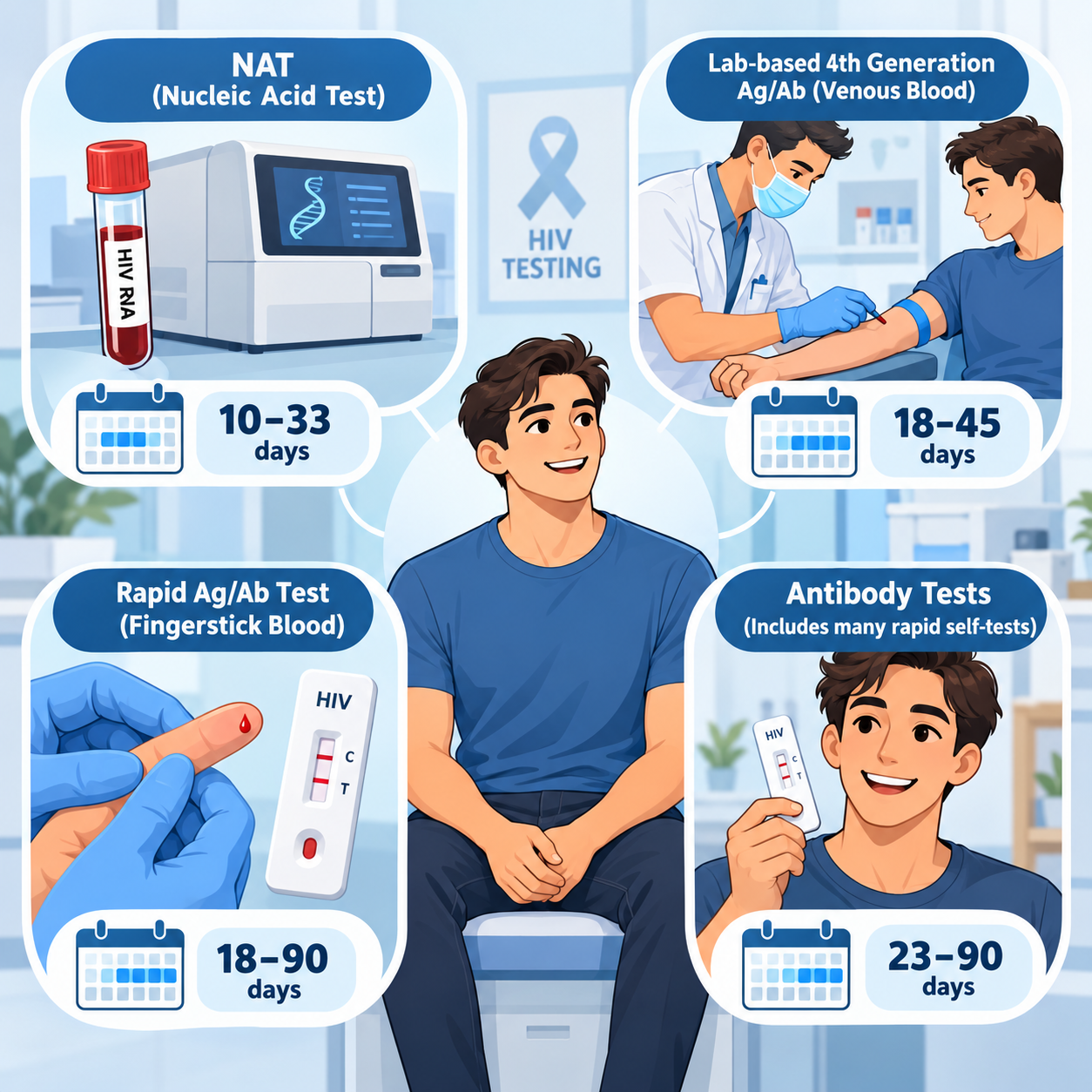
According to current CDC data, typical timeframes in which tests can detect HIV after exposure include:
| HIV Test Type | Typical Timeframe to Detect HIV |
| NAT (Nucleic Acid Test) | Approximately 10–33 days |
| Lab-based 4th Generation Ag/Ab (Venous Blood) | Approximately 18–45 days |
| Rapid Ag/Ab Test (Fingerstick Blood) | Approximately 18–90 days |
| Antibody Tests (Includes many rapid/self-tests) | Approximately 23–90 days |
These figures represent typical detection intervals and do not imply that a test will detect HIV in everyone on the very first day of that window range.
Is an HIV Test Accurate After 7 Days?
Generally, 7 days post-exposure is far too early for a negative HIV result to rule out an infection. Even NAT—the earliest detection method among standard tests—typically starts detecting HIV from about 10 days onward. If a new exposure occurred within 72 hours, obtaining a prompt clinical assessment for PEP is far more critical than early testing.
Can an HIV Test Detect Infection After 2 Weeks?
At two weeks post-exposure, some HIV cases can be detected via NAT. However, this remains an early stage for most antigen/antibody tests and especially for antibody-only tests. Thus, a negative result at 2 weeks cannot be interpreted uniformly across all test types.
Is an HIV Test Accurate After 4 Weeks?
Around 4 weeks post-exposure, lab-based 4th generation Ag/Ab venous blood tests can detect the vast majority of HIV infections. Nevertheless, the window period cited by the CDC for this test type is approximately 18–45 days. Consequently, a negative result at 4 weeks is valuable information but should not be treated as a definitive final conclusion in every case.
What About an HIV Test at 3 Months?
Three months marks a milestone that surpasses the standard window period for many antibody and rapid tests, which can extend up to approximately 90 days. If testing is performed after the window period of that specific test has passed, and no further HIV exposures occurred during this interim, a negative result can be used to rule out an infection from the exposure in question. However, individuals currently or recently using PEP/PrEP must follow a customized testing schedule, as antiretroviral medications can affect the timing of HIV detection.
What is the HIV Window Period?
The window period is the duration from when a person contracts HIV until the specific test being used can reliably detect the infection. During this window, an individual may already be infected with HIV, yet the test result remains negative. Therefore, statements such as “negative after X days” only hold meaning when the following parameters are fully verified:
- Which specific test was performed;
- When the final exposure occurred;
- Whether any new exposures occurred subsequently;
- Whether the individual used PEP, PrEP, or other antiretroviral medications.
The CDC recommends that if an HIV test following a single exposure yields a negative result while still inside the window period, a retest must be performed after the window period of the chosen test has completely elapsed.
What Types of HIV Tests Are Available?
Three main categories of tests are currently utilized: antibody tests, combination antigen/antibody tests, and NATs.
1. HIV Antibody Tests
These tests look for antibodies produced by the immune system in response to HIV. Many rapid tests and self-testing kits fall into this group. Because the body requires time to build up detectable antibody levels, the window period is typically longer than that of 4th generation tests or NATs. The CDC notes a typical detection window of 23–90 days post-exposure.
2. 4th Generation HIV Ag/Ab Tests
Fourth-generation tests simultaneously screen for:
- HIV p24 antigen;
- HIV antibodies.
The p24 antigen can appear before antibody levels rise sufficiently, enabling combination tests to detect HIV earlier than tests looking solely for antibodies. For laboratory venous blood tests, the CDC cites a detection window of approximately 18–45 days. Rapid fingerstick Ag/Ab tests feature a longer window of roughly 18–90 days.
3. NAT (Nucleic Acid Test)
A NAT searches for the actual genetic material of HIV in the blood and can detect infection earlier than antibody or Ag/Ab tests. The typical detection window cited by the CDC is 10–33 days post-exposure. NAT is typically considered when acute HIV infection is suspected—such as when an individual has recent exposure and suggestive symptoms, yet Ag/Ab or antibody testing has not yet flagged positive. NAT is not a mandatory baseline requirement for everyone following a single sexual exposure; indications depend on timing and clinical evaluation.
Are Rapid Tests and Self-Tests Reliable?
Rapid tests and HIV self-testing kits are valuable tools for expanding testing accessibility, particularly for individuals who prefer private monitoring. The WHO continues to recommend HIV self-testing as an integral component of comprehensive testing services.
However, users must keep the following in mind:
- Carefully read the instructions for each test kit;
- Check expiration dates and storage conditions;
- Do not read results too early or too late relative to the specified timeframe;
- A negative result must still be evaluated against the window period;
- A “reactive” result on a screening test is not the final step to self-diagnose an HIV-positive status.
If a self-test produces a reactive result, the user must visit a medical facility or specialized testing center to undergo a confirmatory diagnostic algorithm.
What Does a Negative HIV Test Result Mean?
A negative result indicates that no signs of HIV—for which the test was specifically designed to detect—were found at that moment. This does not automatically guarantee a lack of infection, especially if testing was performed too early.
A negative result provides strong exclusionary value when:
- The window period of the test has fully passed;
- No new HIV exposures occurred during that interval;
- No special factors altering interpretation are present, such as the use of PEP or PrEP.
If the test was performed within the window period, a repeat test must be scheduled at an appropriate interval.
What Should You Do If an HIV Test is Reactive or Positive?
A reactive HIV screening test must be validated through subsequent confirmatory tests following established professional protocols. One should never self-diagnose HIV based solely on a home rapid test strip.
The CDC explicitly states that individuals with a reactive antibody test or positive self-test must undergo follow-up testing at a medical facility. Once confirmatory testing establishes an HIV diagnosis, the patient must be connected to specialized care and early treatment.
An HIV diagnosis does not mean the patient is in the AIDS stage. Modern antiretroviral therapy (ART) can manage the virus with exceptional efficacy when individuals are diagnosed, treated, and monitored appropriately.
Is Fasting Required Before an HIV Test?
Generally, standalone HIV testing does not require fasting. Individuals can eat and drink normally unless simultaneous tests have been ordered that explicitly require fasting. If a clinic provides specific sample preparation guidelines, those instructions should be followed.
What Should You Do If an Exposure Occurred Within the Past 72 Hours?
If a significant exposure risk took place within the past 72 hours, an individual should visit a medical facility as soon as possible to receive a PEP evaluation, rather than waiting for the window period to elapse.
The WHO recommends that PEP be initiated as early as possible—ideally within 24 hours and no later than 72 hours post-exposure. Initial HIV testing plays a role in establishing baseline HIV status prior to the exposure event, but test results obtained immediately after the incident cannot rule out HIV stemming from that very exposure.
PEP is a prescription medication regimen requiring professional evaluation of risk, medical history, concurrent medications, and related factors. Patients must never self-purchase antiretrovirals, use another person’s prescription, or assemble drug regimens based on online information.
When Should You Test While Taking PEP?
Individuals currently taking or recently completing a course of PEP must adhere to the testing schedule prescribed by their care provider, as antiretroviral drugs can lower viral load, delay seroconversion, and impact the detectability of HIV.
The CDC’s 2025 nPEP guidelines recommend monitoring tests throughout the post-exposure timeline, typically featuring an evaluation around 4–6 weeks and a final test around 12 weeks post-exposure, using testing methodologies appropriate for a PEP context. One should never apply the standard window period of a non-medicated individual to someone currently taking PEP or PrEP.
What If You Have HIV-Like Symptoms But Test Negative?
Fever, sore throat, rash, swollen lymph nodes, muscle aches, or fatigue can manifest during acute HIV infection, but these symptoms are all highly non-specific. Numerous other medical conditions present similarly.
If a recent HIV exposure occurred and acute HIV infection is suspected, yet antibody or Ag/Ab tests remain negative, a physician may consider ordering an HIV RNA/NAT assay. Professional guidelines recommend utilizing NAT when acute HIV infection is suspected despite negative serology. Individuals must avoid self-diagnosing HIV based solely on symptoms.
Does an HIV Test Screen for Other Sexually Transmitted Infections (STIs)?
No. An HIV test solely provides information regarding HIV status according to the specific testing mechanism used. A negative HIV result does not mean an individual is free from:
- Syphilis;
- Gonorrhea;
- Chlamydia;
- Hepatitis B or C;
- Genital Herpes;
- HPV or other sexually transmitted infections.
Individuals engaging in at-risk sexual activity should receive a comprehensive clinical evaluation to determine if screening for other STIs is necessary. The CDC also recommends offering an HIV test whenever a patient presents for STI evaluation if their status is unknown.
Common Misconceptions Regarding HIV Testing
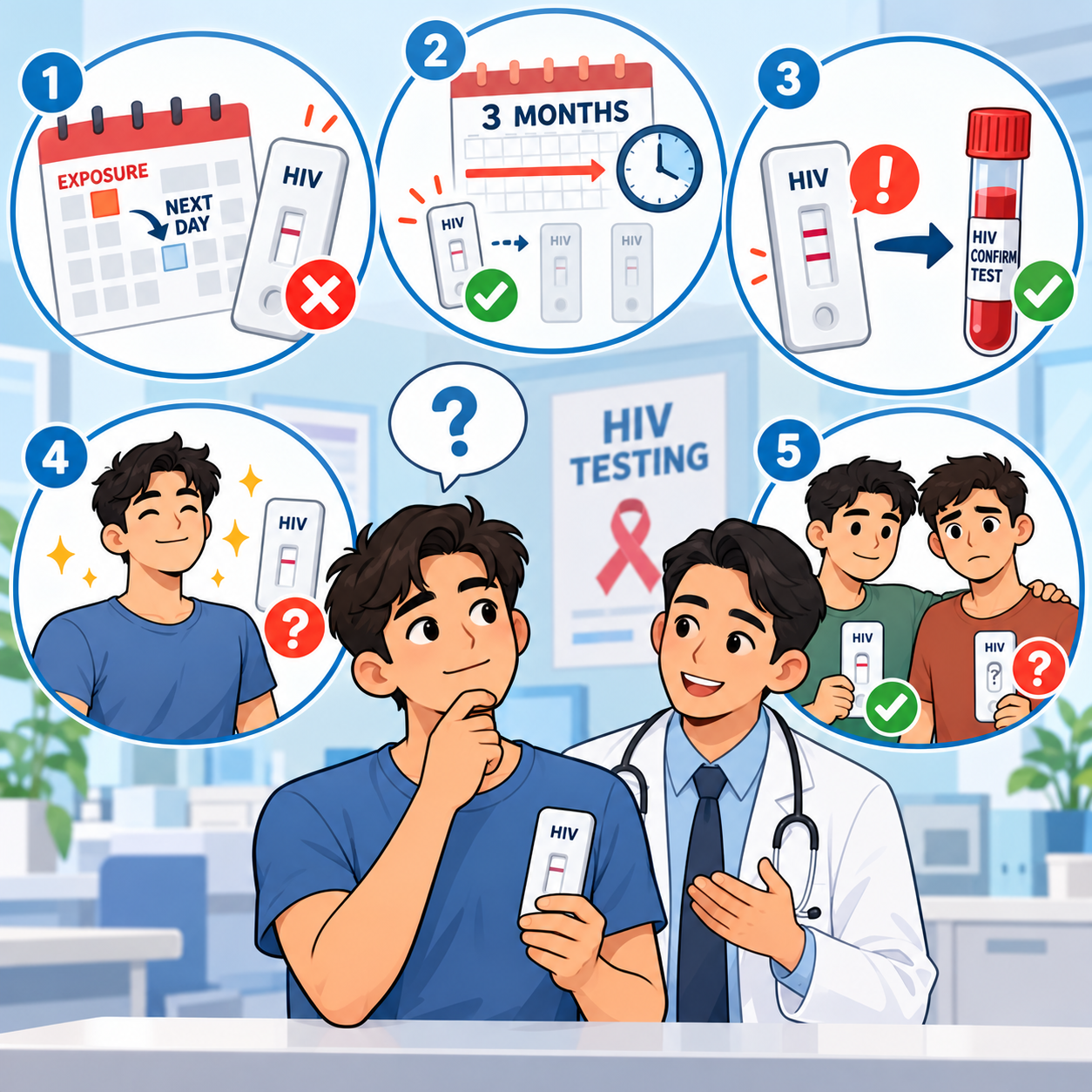
- “Testing negative the very next day means I am safe.”
- Incorrect. No standard HIV test can rule out HIV immediately after exposure because the virus requires time to reach detectable thresholds.
- “I must wait exactly 3 months before getting tested.”
- Incorrect. There is no need to wait 3 months for an initial test. Modern technologies—particularly NAT and 4th generation Ag/Ab tests—can detect HIV much earlier. However, follow-up testing schedules must be tailored to the assay type and individual circumstances.
- “A positive rapid test means I definitely have HIV.”
- Incorrect. A reactive screening result requires confirmatory diagnostic follow-up. One should never self-diagnose based strictly on a self-test kit.
- “No symptoms mean no need to test.”
- Incorrect. Many people infected with HIV show no obvious symptoms for long stretches. Testing, not symptom-checking, determines HIV status.
- “My partner’s negative test means I am negative too.”
- Incorrect. Test results reflect only the status of the specific individual tested. Two people in the same relationship do not necessarily share the same HIV status.
HIV Testing Consultation within the Men’s Health Ecosystem
When addressing HIV and sexual health concerns, the priority extends beyond simply performing a test; it involves choosing the correct test at the right time and accurately interpreting results based on the exposure scenario.
The Men’s Health Andrology Pharmacy operates as a specialized unit within the Men’s Health Center ecosystem, founded by Dr. Tra Anh Duy (MD, Specialist Level 2). Within this ecosystem, patients receive support from clinicians and pharmacists to assess sexual health risks, understand test implications, review concurrent medications, and map out appropriate ongoing care pathways.
For prescription regimens like PEP or PrEP, medical oversight and adherence monitoring are vital; individuals should never self-source drugs, use someone else’s prescription, or utilize unverified medications. Instances of reactive or confirmed positive HIV tests require immediate connection to appropriate facilities for confirmatory testing, specialized treatment, and clinical monitoring.
Men’s Health emphasizes professional excellence, safety, absolute confidentiality, and respect for individual privacy during every consultation.

Frequently Asked Questions (FAQs) About HIV Testing
1. How long does it take to get HIV test results? Rapid tests usually deliver results within a short timeframe, whereas laboratory-based tests like Ag/Ab assays or NATs may take longer depending on the facility. Turnaround time is entirely distinct from a test’s biological window period.
2. When is a 4th-generation HIV test accurate? Lab-based 4th-generation Ag/Ab venous blood tests can typically detect HIV approximately 18–45 days post-exposure. The timeline for re-testing must be anchored to the date of last exposure and the use of any PEP/PrEP protocols.
3. Can I feel reassured by a negative HIV test at 28 days? A negative result at 28 days using a 4th-generation test is a valuable indicator, but 28 days still falls within the 18–45 day window cited by the CDC for laboratory Ag/Ab testing. Subsequent testing milestones should be completed as recommended by a physician or clinical facility.
4. Do I need a retest following a negative HIV test at 6 weeks? This depends on the test type, the date of last exposure, and whether HIV prevention medications were utilized. A single universal milestone should not be applied to every test variety.
5. Is a negative home HIV test definitive? Not necessarily if the test was performed inside the window period. Many self-tests are antibody-based assays featuring typical detection windows extending up to 90 days post-exposure.
6. Does a two-line result on a home HIV test mean I am positive? A reactive screening outcome requires clinical confirmation at a medical facility using an appropriate diagnostic algorithm. One should never self-conclude an HIV-positive status based strictly on a home screening device.
7. Can I get tested for HIV immediately after intercourse? You can test to establish your status prior to that event, but a test right after intercourse cannot rule out transmission from that exact exposure. If the risk occurred within 72 hours, an immediate evaluation for PEP is mandatory.
8. What should I do if I feel anxious despite a negative HIV test? Verify the exact test type used and the exact time elapsed since your last exposure. If the test was performed within the window period, schedule a repeat test at the proper milestone rather than undergoing continuous testing over overly compressed intervals.
9. Does a positive HIV test mean I have AIDS? No. An HIV-positive result confirms the presence of HIV infection determined via proper testing protocols; AIDS is an advanced stage of HIV infection characterized by severe immune system decline or related opportunistic conditions.
Conclusion
HIV testing is a reliable method for determining HIV status, but the reliability of the outcome hinges heavily on test selection and timing. NAT detects HIV earliest, 4th-generation Ag/Ab tests feature shorter window periods than antibody-only assays, and many rapid/self-tests require up to 90 days to clear the window period.
A negative result obtained too early should never be used to self-exclude HIV; conversely, a reactive screening test should not be treated as a definitive final diagnosis prior to confirmatory testing. Individuals experiencing an exposure risk within the past 72 hours must seek medical attention promptly for a PEP evaluation instead of waiting for testing days.
For ongoing risks, active PEP/PrEP use, acute infection symptoms, or uncertainty regarding testing schedules, consulting directly with a physician ensures proper test selection and follow-up mapping. Never utilize unprescribed preventive or antiviral drugs belonging to others; proactive testing at the correct time remains a crucial step in safeguarding personal and partner health.