
Arginine, commonly used as L-arginine, is an amino acid involved in the production of nitric oxide (NO)—a molecule that induces vasodilation and plays a critical role in the erectile mechanism. Some studies indicate that L-arginine can moderately improve erectile function in men with mild erectile dysfunction (ED), though its efficacy is lower and evidence is more limited compared to PDE5 inhibitors like sildenafil or tadalafil. Regarding sperm, data remains contradictory and insufficient to confirm that L-arginine enhances pregnancy rates. Individuals taking cardiovascular medications, blood pressure drugs, or ED medications should not independently combine them with L-arginine without professional consultation.
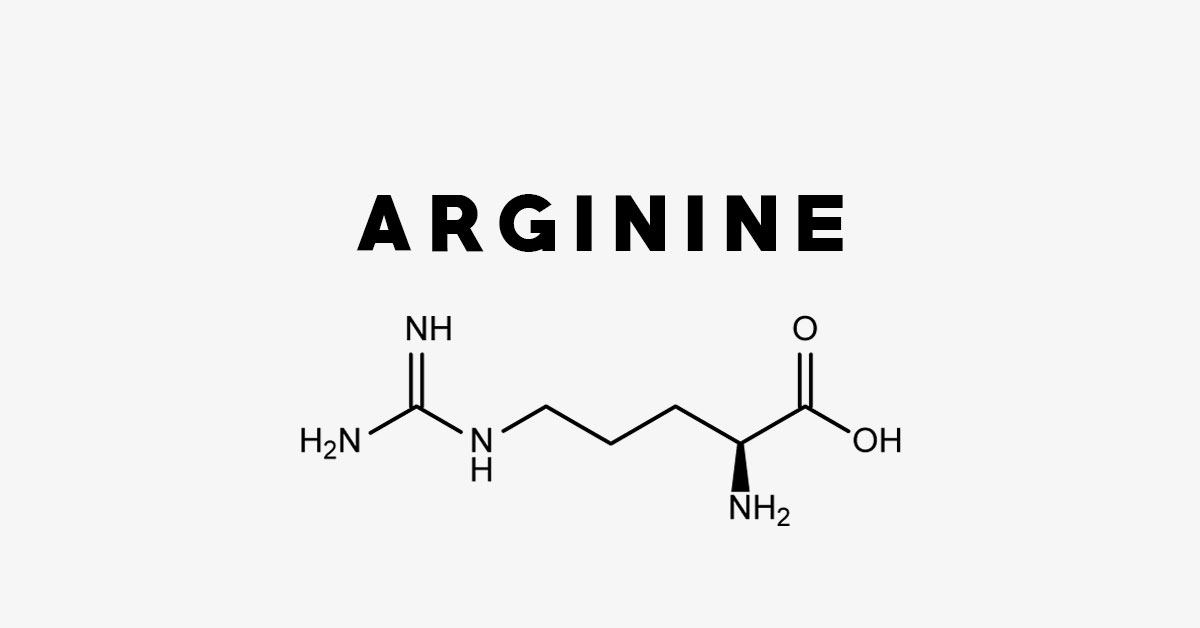
What is Arginine?
Arginine is an amino acid involved in numerous biological processes within the body, including protein synthesis, the urea cycle, creatine and polyamine production, and notably, nitric oxide (NO) synthesis.
In healthy adults, the body synthesizes a significant amount of arginine on its own. Therefore, L-arginine is generally classified as a conditionally essential amino acid: external dietary demand may increase during periods of growth, severe illness, trauma, or metabolic stress.
Common supplemental forms include:
- L-arginine
- L-arginine hydrochloride
- L-arginine combined with L-citrulline
- L-arginine combined with zinc, carnitine, CoQ10, or vitamins
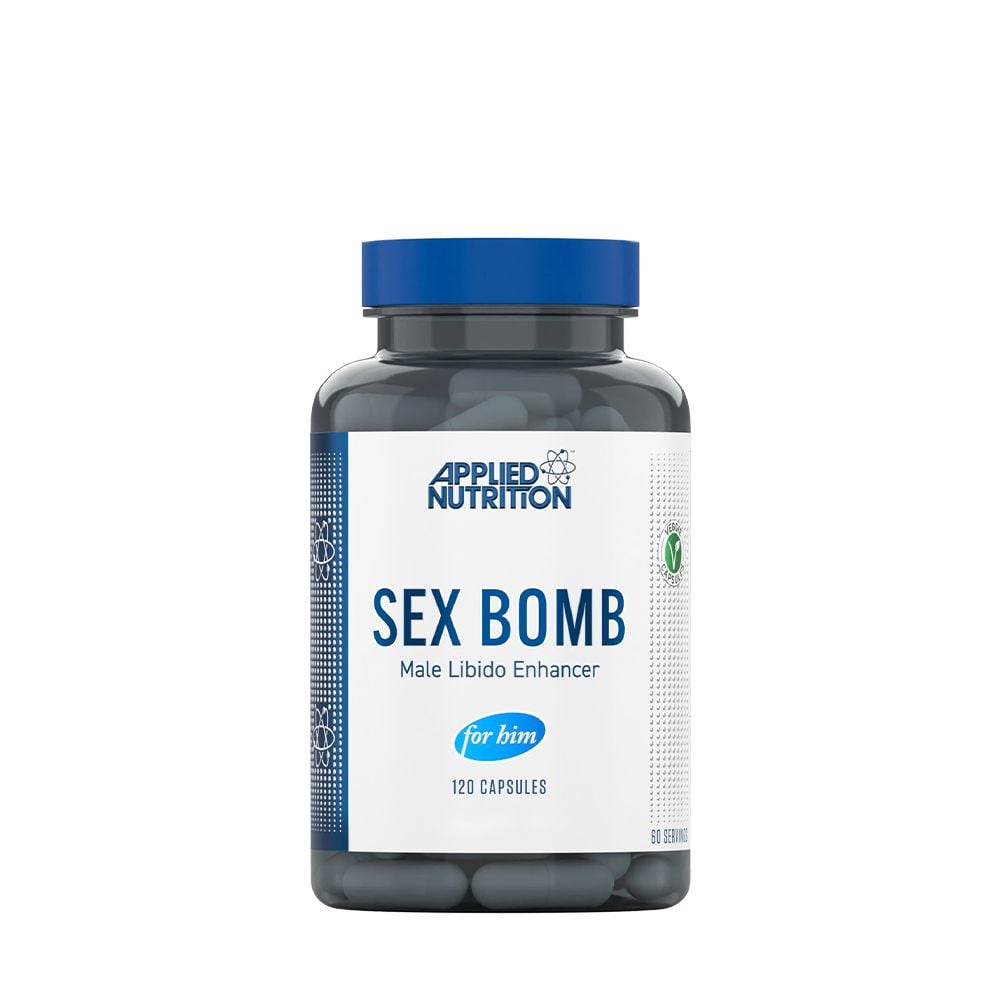
- L-arginine in “NO” booster, workout, or male enhancement products
In andrology practice, L-arginine is primarily of interest due to its relationship with NO and its ability to relax the smooth muscle of the corpora cavernosa.
How Does L-Arginine Affect Erectile Function?
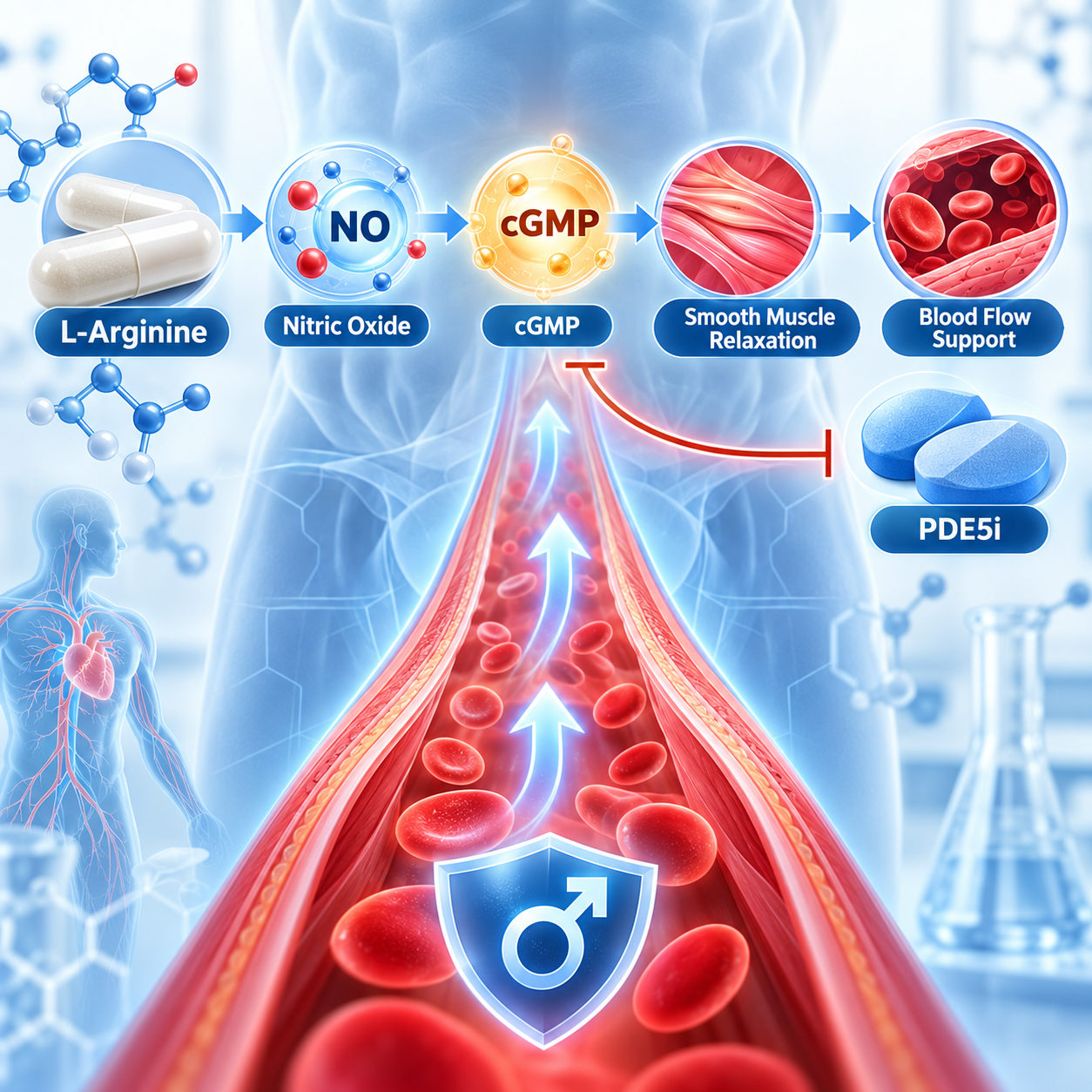
L-arginine serves as a substrate for the enzyme nitric oxide synthase (NOS) to produce nitric oxide. NO then triggers a signaling cascade that relaxes the smooth muscle in the penile corpora cavernosa, increasing blood flow and supporting erection.
The biological pathway can be summarized as: L-arginine → nitric oxide synthase → NO → guanylate cyclase → increased cGMP → relaxation of corpus cavernosum smooth muscle → increased penile blood flow → supports erection.
This is the exact biological pathway targeted by PDE5 inhibitors like sildenafil and tadalafil, albeit at a different regulatory step.
L-Arginine vs. Sildenafil and Tadalafil
L-arginine provides the raw material for the body to produce NO. Meanwhile, PDE5 inhibitors (such as sildenafil, tadalafil, vardenafil, and avanafil) inhibit the enzyme PDE5, which is responsible for breaking down cGMP. When PDE5 is inhibited, cGMP persists longer, enhancing corpus cavernosum smooth muscle relaxation.
- L-arginine supports the “input” of the NO pathway.
- PDE5 inhibitors help maintain cGMP signaling downstream.
While this creates a biological rationale for studying the combination of both, it does not mean patients should self-administer L-arginine alongside prescription ED medications to “double the effect”.
Can Arginine Cure Erectile Dysfunction?
Some studies show that L-arginine can moderately improve erectile function, particularly in men with mild-to-moderate ED. However, efficacy is uneven and generally lower than PDE5 inhibitors.
- A meta-analysis of 10 randomized trials involving 540 men with ED noted that arginine regimens used in the studies (approximately 1,500–5,000 mg/day) improved certain erectile function scores compared to placebo or no treatment. However, dosages and trial durations varied significantly across studies.
- Individual trials show mixed results; one trial using L-arginine at 1.5 g/day showed no superiority over placebo in mixed ED. Another higher-dose study reported subjective improvement in roughly 31% of users versus 12% in the control group, though objective parameters remained largely unchanged.
European Association of Urology (EAU) Guidelines on L-Arginine
Current EAU guidelines state that dietary supplements and herbal products generally produce only small improvements in ED.
An analysis cited by the EAU shows that L-arginine improves the mean IIEF-EF (International Index of Erectile Function) score by approximately 2.74 points compared to placebo. This magnitude of change may not be large enough for patients to notice a distinct clinical difference.
Consequently, the EAU issues a weak recommendation that L-arginine or ginseng supplements may be used in men with mild ED who decline pharmacological treatment, provided they are counseled that benefits may be minimal. Therefore, L-arginine should not be marketed as a “natural Viagra”.
Combining L-Arginine with Tadalafil or Sildenafil
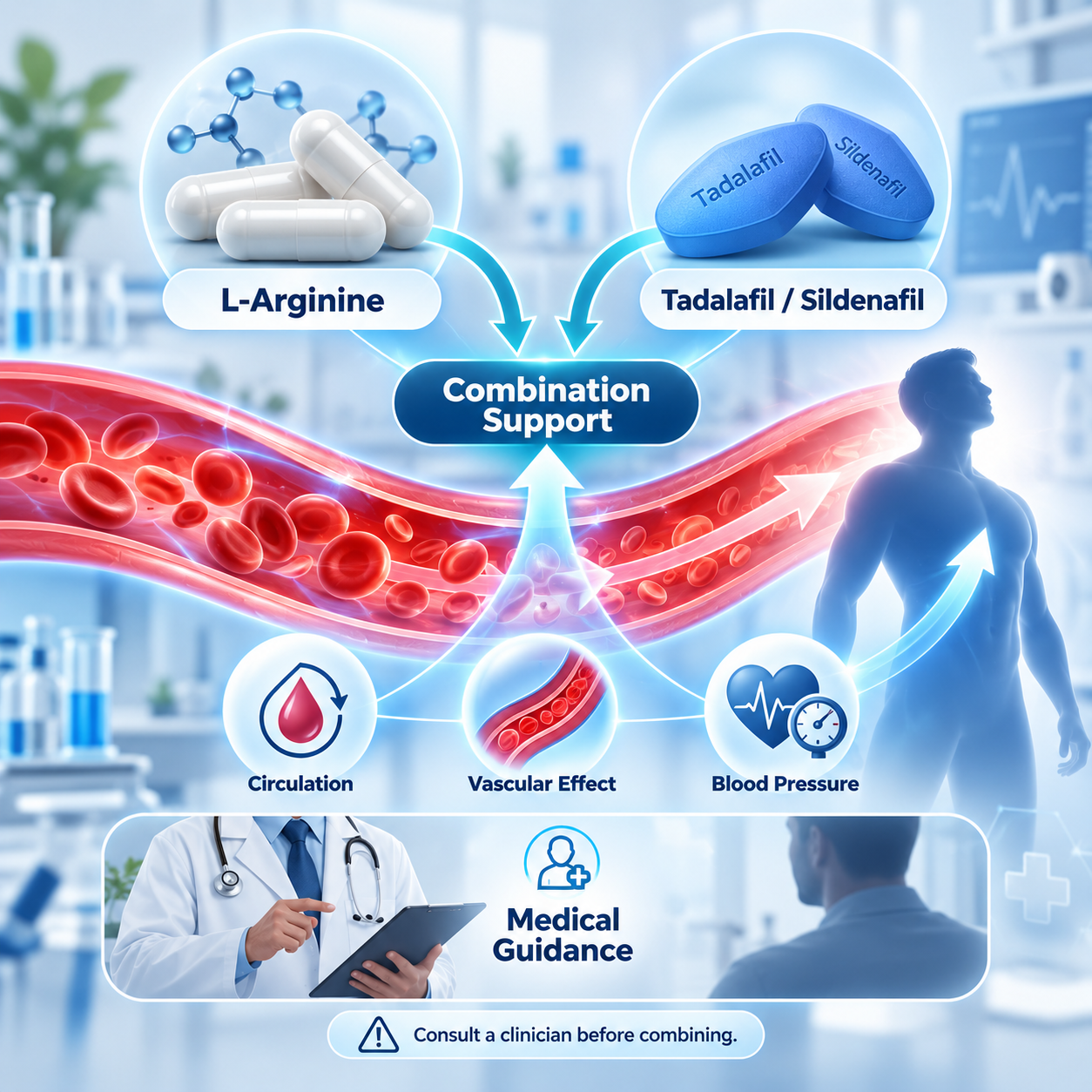
- With Tadalafil: A multicenter randomized trial comparing L-arginine, tadalafil, and their combination over 12 weeks found that the combination group achieved superior erectile function improvements across certain metrics. This study utilized tadalafil 5 mg and L-arginine 2.5 g daily under clinical monitoring. A 2024 network meta-analysis also ranked the L-arginine + tadalafil combination among regimens with relatively better efficacy signals than L-arginine alone, though trial size and scope remain limited. This does not mean every man taking tadalafil should automatically take L-arginine.
- With Sildenafil: A small randomized trial comparing sildenafil monotherapy to sildenafil combined with L-arginine in men with organic ED noted slightly higher IIEF-5 score improvements after 8 weeks in the combination group, but gastrointestinal discomfort was more frequent.
Because both agents impact the vascular system and blood pressure, individuals taking tadalafil, sildenafil, antihypertensives, alpha-blockers, nitrates, or other cardiovascular medications must consult a physician or pharmacist before supplementing with L-arginine.
Does Arginine Increase Testosterone or Libido?
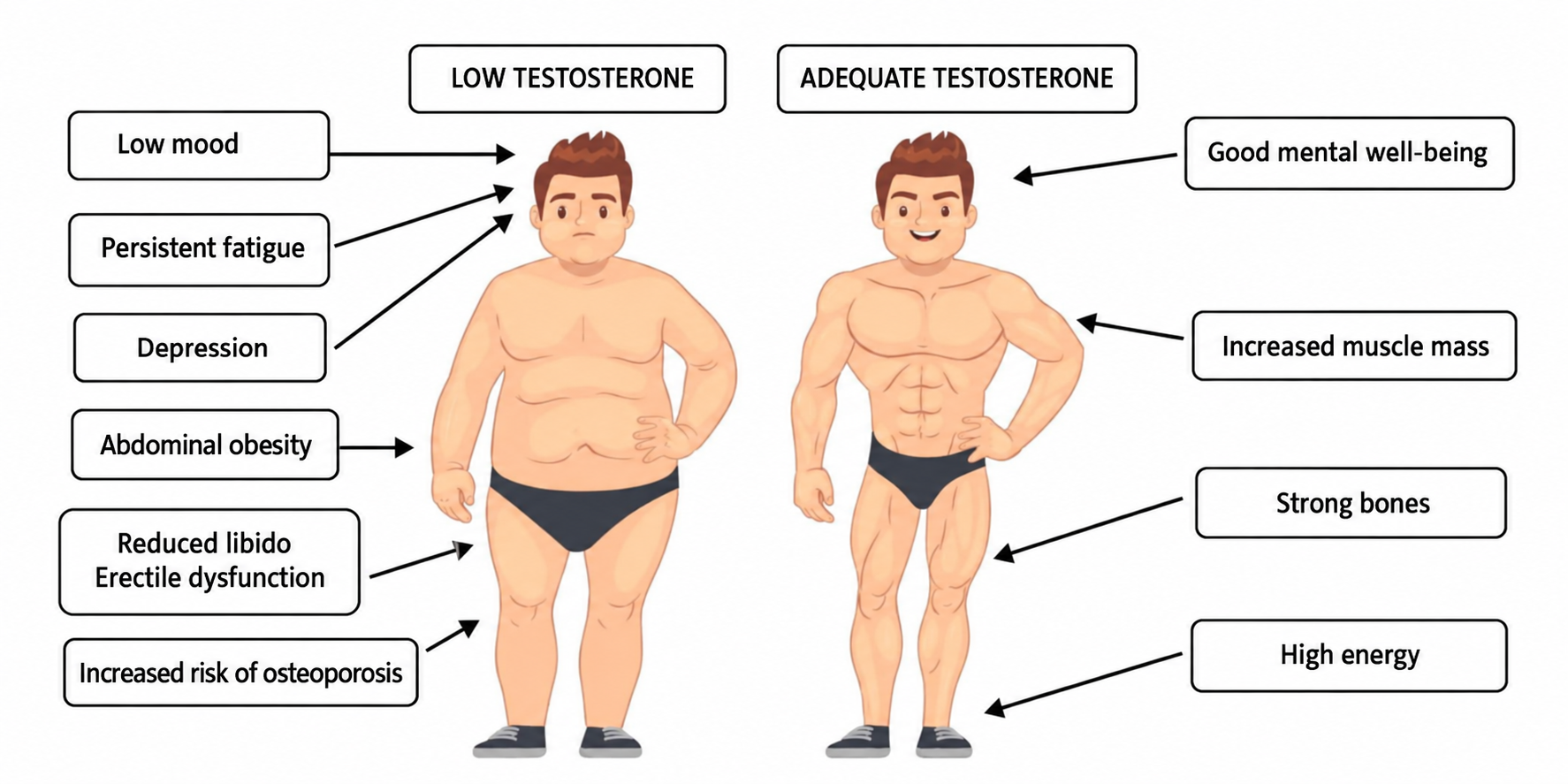
- Testosterone: There is no reliable clinical evidence supporting L-arginine as a treatment for low testosterone. While arginine is involved in metabolic pathways, the NO pathway is distinct from testosterone regulation. Erection capability and testosterone are related but separate systems.
- Libido: There is no clear evidence that L-arginine acts as a sexual desire stimulant. In meta-analyses on ED, L-arginine improved certain IIEF domains but failed to significantly improve sexual desire scores. Libido is heavily influenced by testosterone, dopamine, stress, sleep, relationship health, depression, and medications.
Is Arginine Good for Sperm?
L-arginine plays a biological role in sperm and has long been studied regarding sperm motility. However, current clinical evidence is insufficient to consider L-arginine a standard treatment for male infertility.
- Older studies (e.g., a 1994 trial on 40 infertile men with normal sperm count but reduced motility) noted improved motility following 6 months of L-arginine treatment.
- Conversely, a double-blind trial on 64 oligospermic men using arginine in 12-week intervals showed no improvement in semen parameters or pregnancy rates.
Current AUA/ASRM infertility guidelines emphasize that the clinical utility of supplements like antioxidants and vitamins remains uncertain, and data is currently insufficient to recommend any specific active ingredient for all patients. Men with abnormal semen parameters should seek an evaluation for underlying causes (such as varicocele, endocrine disorders, or genetics) rather than relying on amino acid supplements.
Side Effects and Safety Precautions
While generally well-tolerated in healthy individuals at studied doses, L-arginine can cause adverse effects, particularly at high amounts:
- Gastrointestinal: Bloating, abdominal pain, nausea, diarrhea, and GI discomfort.
- Neurological: Headaches and dizziness.
- Blood Pressure: L-arginine can lower blood pressure. A meta-analysis showed oral L-arginine reduces systolic blood pressure by ~5 mmHg and diastolic by 2–3 mmHg.
- Cardiovascular Risks: Caution in heart disease. The VINTAGE MI trial evaluating L-arginine in patients immediately following an acute myocardial infarction (heart attack) was stopped early due to increased mortality signals in the treatment group. L-arginine is strictly not recommended post-myocardial infarction.
- Drug Interactions: Particular caution is required for patients taking antihypertensives, nitrates, PDE5 inhibitors, or those with chronic kidney or liver disease.
Frequently Asked Questions (FAQs)
1. What does Arginine do for men? L-arginine is a precursor for nitric oxide, supporting vasodilation and moderately improving erectile function in some men. It is not an aphrodisiac and does not significantly raise testosterone.
2. Can Arginine cure sexual dysfunction (“yếu sinh lý”)? “Sexual dysfunction” encompasses many conditions. L-arginine primarily has evidence in mild ED with minor benefits; it cannot treat all causes of sexual impairment.
3. Does Arginine improve erections? It may in some men with mild-to-moderate ED, though efficacy is limited compared to prescription drugs.
4. Does Arginine increase testosterone? There is insufficient evidence to use L-arginine for low testosterone. Suspected hypogonadism requires proper hormone testing.
5. Is Arginine beneficial for sperm? Data is contradictory, and major infertility guidelines do not universally recommend supplements for sperm parameters.
6. Can I take Arginine with Tadalafil or Sildenafil? Clinical studies have evaluated combinations, but self-combining is discouraged due to risks of additive blood pressure-lowering effects. Consult a doctor first.
7. Does Arginine lower blood pressure? Yes, it can induce a modest reduction in blood pressure due to vasodilation.
8. Should heart patients take Arginine? Patients with recent heart attacks, coronary artery disease, or those on nitrates should avoid self-supplementing with L-arginine.
9. How long should Arginine be taken to support sperm? Spermatogenesis takes approximately 3 months, but taking supplements for this duration does not guarantee improved semen parameters.
Conclusion
L-arginine is an important amino acid in the nitric oxide pathway, contributing to vascular regulation and the erectile mechanism. Current evidence shows it can slightly improve erectile function in mild ED, earning a weak recommendation from the EAU for patients declining drug therapy. However, it does not replace PDE5 inhibitors or address underlying metabolic and vascular pathologies.
For sperm health, data remains inconclusive, and abnormal semen analyses require comprehensive diagnostic evaluations. Due to its vasodilatory and blood pressure-lowering properties—and critical safety warnings following myocardial infarction—individuals with cardiovascular conditions or those taking blood pressure medications, nitrates, or ED drugs must exercise caution and consult a healthcare professional before use.