
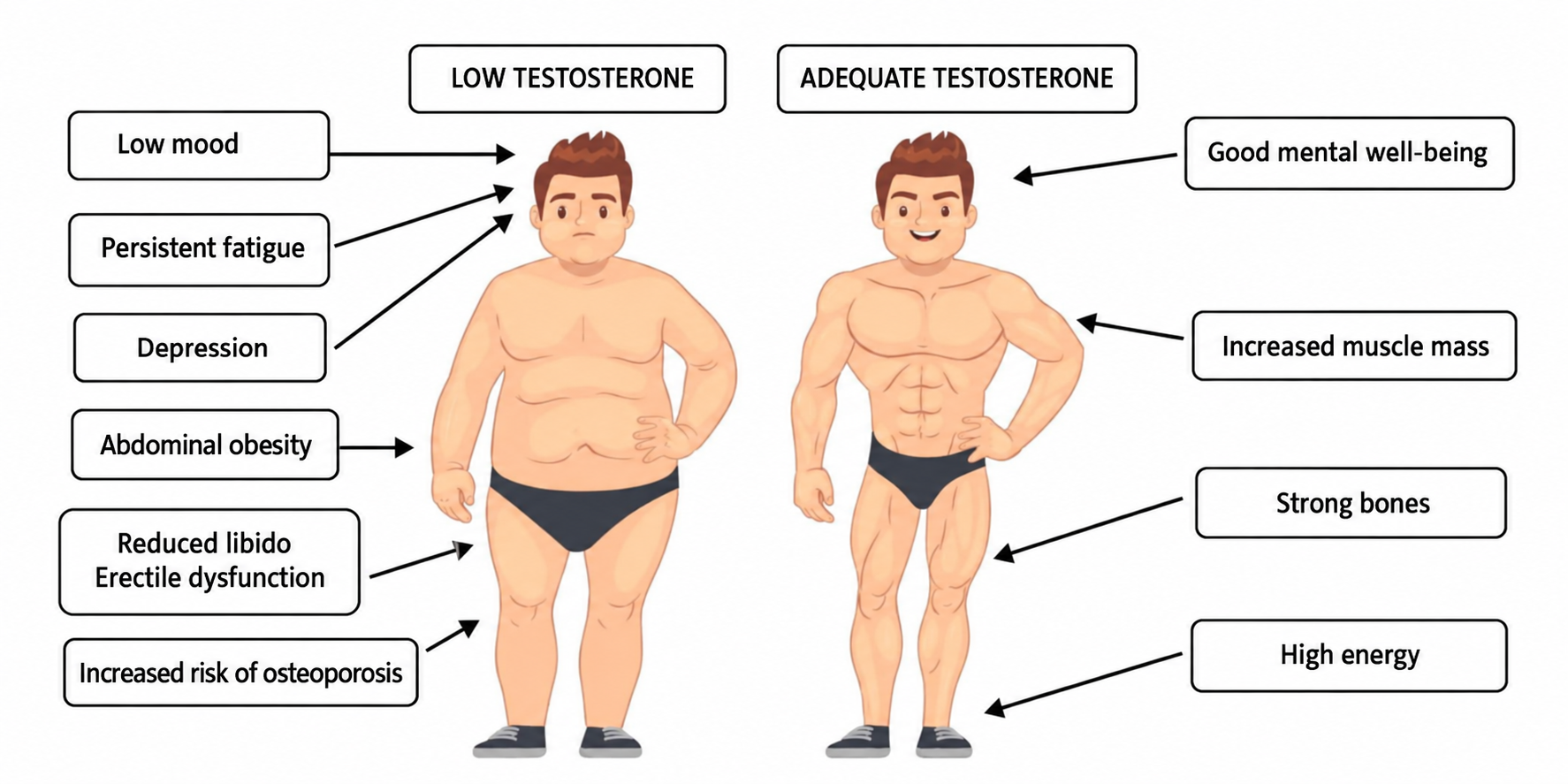
The most notable signs of testosterone deficiency typically include decreased libido, a reduction in spontaneous or morning erections, and potentially erectile dysfunction. Additionally, men may experience fatigue, decreased muscle strength, lack of motivation, difficulty concentrating, mood changes, or reduced fertility. However, these symptoms alone are not sufficient for a self-diagnosis. Testosterone deficiency should only be diagnosed when appropriate clinical symptoms are combined with low testosterone levels confirmed by laboratory testing, typically through at least two morning blood draws.
What is Testosterone Deficiency in Men?
Testosterone deficiency, or male hypogonadism, is a condition characterized by matching symptoms or signs of androgen deficiency accompanied by biochemical evidence of low testosterone. Therefore, a single low testosterone result is not enough to conclude that an individual suffers from hypogonadism.
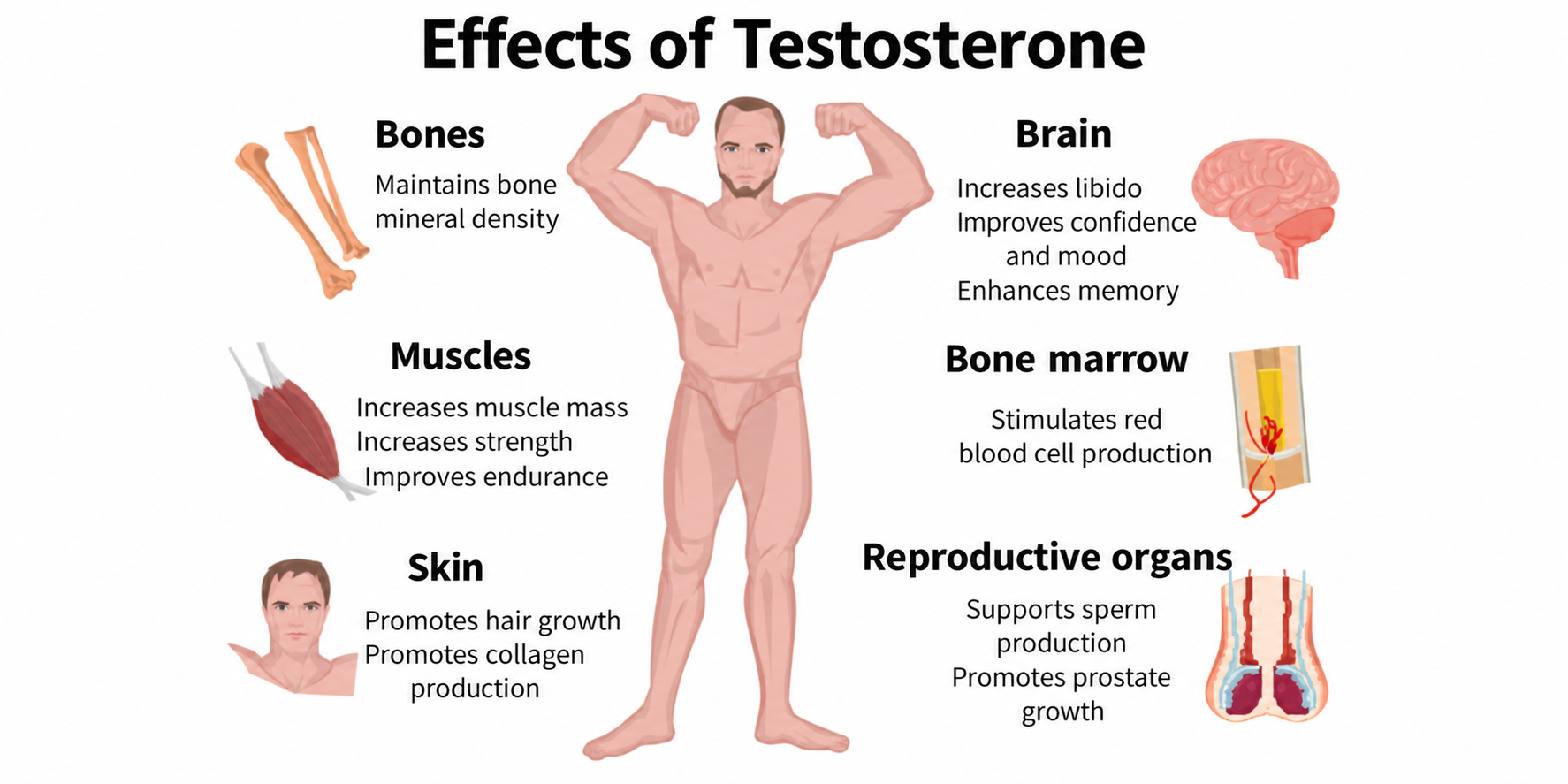
Testosterone is produced primarily in the testes under the regulation of the hypothalamus and the pituitary gland. This hormone participates in maintaining libido, sexual function, muscle mass, bone density, male secondary sexual characteristics, and reproduction.
According to the European Association of Urology (EAU) 2026 guidelines, male hypogonadism is diagnosed based on two key components:
- Presence of symptoms or signs consistent with androgen deficiency.
- Biochemical evidence of low testosterone confirmed by tests performed under proper conditions and repeated for confirmation.
This distinction is crucial because fatigue, low libido, and erectile dysfunction can all occur in individuals with completely normal testosterone levels.
Which Signs of Testosterone Deficiency Are More Specific?
Sexual symptoms are strong indicators of testosterone deficiency in adult men. The EAU 2026 guidelines classify decreased libido, erectile dysfunction, and reduced spontaneous or morning erections as the most notable symptoms.
1. Decreased Libido
Prolonged reduction in sexual desire is a key warning sign of testosterone deficiency that requires attention. Affected individuals may notice:
- Thinking about sex less often than before.
- A drop in sexual drive.
- Being less proactive in sexual activities.
- Reduced interest in sexual stimuli.
- Lower frequency of masturbation or intercourse.
However, libido is influenced by many other factors, such as stress, depression, sleep deprivation, relationship conflict, chronic illness, and certain medications. Therefore, low libido does not automatically equate to low testosterone. The EAU emphasizes that hypogonadism symptoms lack absolute specificity and must be evaluated within the broader clinical context.
2. Reduced Morning or Spontaneous Erections
A marked decrease in spontaneous erections or morning erections can serve as a suggestive sign of testosterone deficiency. Unlike erections during intercourse, spontaneous and morning erections are heavily regulated by neuroendocrine and physiological pathways. If a man who previously experienced frequent morning erections notices a clear decline alongside low libido, fatigue, or other symptoms, physicians may consider evaluating testosterone levels. The EAU classifies reduced spontaneous or morning erections among the more specific sexual symptoms of late-onset hypogonadism.
3. Erectile Dysfunction (ED)
Testosterone deficiency can contribute to erectile dysfunction, but it is neither the sole cause nor the most common cause in every scenario. ED can also be linked to:
- Diabetes.
- Hypertension (high blood pressure).
- Cardiovascular disease.
- Dyslipidemia (abnormal blood lipids).
- Obesity.
- Smoking.
- Medication side effects.
- Stress or anxiety.
- Neurological disorders.
- Sleep disorders.
Consequently, men should not self-administer testosterone simply because of poor erectile function. The EAU views erectile dysfunction as one of the sexual symptoms suggestive of hypogonadism, but still mandates biochemical proof of low testosterone for a diagnosis.
Physical Signs of Testosterone Deficiency
When testosterone remains low for an extended period, men may develop changes in muscle, fat, bone, and sexual characteristics. The severity of these manifestations depends on the underlying cause, the degree of hormone deficiency, and duration.
4. Reduced Muscle Strength and Mass
Testosterone plays an active role in maintaining muscle tissue. With prolonged testosterone deficiency, patients may experience:
- Decreased physical strength.
- Workouts yielding poor results compared to before.
- Reduction in muscle mass.
- Lower physical endurance or stamina.
The EAU notes that reduced physical activity, loss of strength, and decreased mobility can manifest in hypogonadal men. However, muscle loss can also stem from aging, physical inactivity, inadequate nutrition, or various chronic illnesses.
5. Increased Body Fat
Low testosterone can coincide with an increased body fat percentage and reduced lean mass. Conversely, obesity can suppress the activity of the hypothalamic-pituitary-testicular axis, thereby contributing to low testosterone. This creates a bidirectional relationship: obesity can induce low testosterone, while testosterone deficiency can worsen body composition. Relying solely on central obesity (belly fat) to diagnose testosterone deficiency is therefore inappropriate.
6. Reduced Body Hair or Altered Sexual Characteristics
In cases of pronounced or long-standing testosterone deficiency, men may encounter:
- Decreased facial or body hair growth.
- Loss of muscle mass.
- Smaller testicles (testicular atrophy).
- Alterations in breast tissue.
The Endocrine Society acknowledges that reduced body hair, loss of muscle mass, and smaller testicular size can emerge during chronic testosterone deficiency. These signs carry higher diagnostic value when evaluated by a physician alongside patient history, physical examination of the testes, and hormone testing.
7. Weak Bones or Reduced Bone Mineral Density
Prolonged low testosterone can negatively impact skeletal health and elevate the risk of decreased bone mineral density. Testosterone and its metabolites help preserve bone architecture. When androgen deficiency persists, patients face risks of bone loss or osteoporosis. Because osteoporosis progresses silently, patients may not experience symptoms until a severe skeletal event occurs.
Psychological and Energy-Related Signs
Fatigue, reduced motivation, low mood, and difficulty concentrating can accompany low testosterone, though these symptoms exhibit lower specificity.
8. Fatigue and Low Energy
Patients may feel:
- Easily fatigued compared to normal.
- Reduced stamina.
- A persistent lack of energy.
- A loss of interest in routine daily activities.
However, fatigue can also arise from sleep deprivation, sleep apnea, anemia, thyroid disorders, depression, stress, liver disease, kidney disease, or many other pathologies. Isolated fatigue does not provide proof of low testosterone.
9. Reduced Motivation and Mood Changes
Certain men may experience:
- Lower work motivation.
- Diminished interest in previously enjoyed activities.
- Low mood.
- Irritability.
- A subjective sense of reduced vitality.
The EAU lists low mood, reduced motivation, and fatigue among the symptoms associated with male hypogonadism. Clinicians must differentiate these from clinical depression, anxiety disorders, occupational stress, family issues, or sleep disturbances.
10. Difficulty Concentrating or Memory Impairment
Trouble focusing and subjective memory decline can accompany testosterone deficiency but are not specific markers. The EAU categorizes poor concentration and memory issues as less specific symptoms of hypogonadism. If poor concentration occurs without any accompanying sexual or endocrine signs, more prevalent etiologies must be investigated before attributing the issue to testosterone.
Does Testosterone Deficiency Affect Fertility?
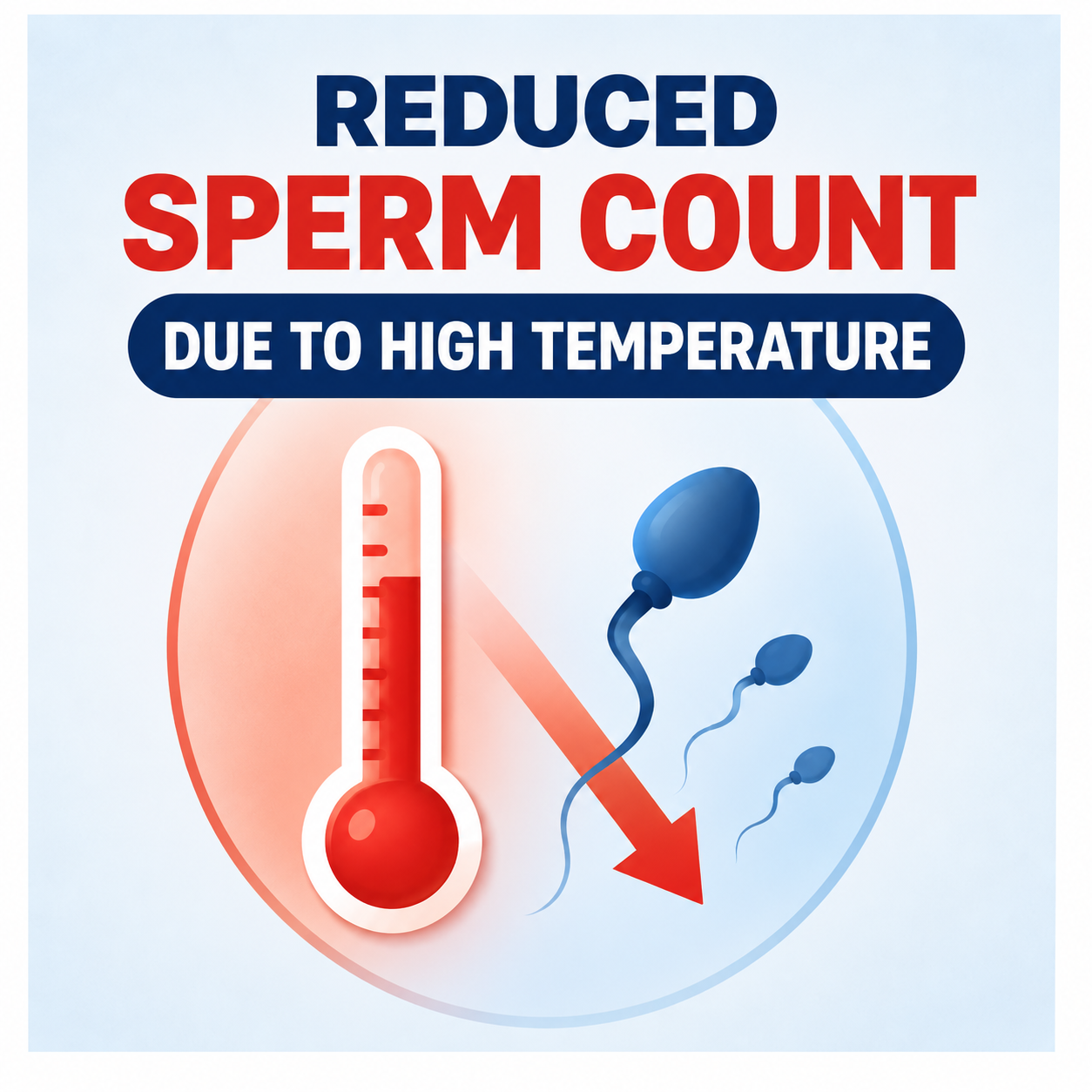
Yes. Certain etiologies of hypogonadism simultaneously impair sperm production and compromise reproductive capability.
The Endocrine Society recognizes that reduced sperm counts and male infertility can present in hypogonadal men. However, blood testosterone levels and spermatogenic capacity do not completely align. An individual with testosterone levels within the reference range can still present with abnormal semen parameters, and vice versa. When men desiring children experience conception delays, clinical evaluations typically integrate:
- Reproductive history.
- Andrological examination.
- Semen analysis.
- Testosterone levels.
- FSH, LH, and additional hormonal panels as indicated.
Crucially, exogenous testosterone is not a treatment for male infertility. Administered external testosterone suppresses gonadotropins and halts spermatogenesis; consequently, the EAU explicitly contraindicates testosterone therapy in men actively seeking to father children.
10 Commonly Noted Signs of Testosterone Deficiency
| Sign / Symptom | Suggestive Specificity Level |
| Decreased libido | Relatively specific suggestion |
| Reduced morning erections | Relatively specific suggestion |
| Erectile dysfunction | May be related; requires broader evaluation |
| Low energy / fatigue | Low specificity |
| Reduced muscle strength | Can occur |
| Loss of muscle mass | Can occur with prolonged deficiency |
| Increased body fat | May be linked |
| Low mood, low motivation | Low specificity |
| Difficulty concentrating | Low specificity |
| Reduced fertility | Requires specialized evaluation |
The EAU 2026 guidelines emphasize that sexual symptoms represent a more specific symptom cluster, whereas manifestations like fatigue, low energy, sleep disturbances, or poor concentration display lower diagnostic specificity.
What Causes Testosterone Deficiency?
Testosterone deficiency can originate from the testes (primary hypogonadism), the pituitary-hypothalamic axis (secondary hypogonadism), or result from systemic pathologies and functional factors that suppress the neuroendocrine reproductive axis.
Testicular Causes (Primary Hypogonadism)
Primary hypogonadism occurs when the testes fail to produce adequate testosterone despite intact stimulatory signals from the pituitary gland. Associated factors include:
- Genetic abnormalities, such as Klinefelter syndrome.
- Testicular trauma.
- Specific infections.
- Cancer therapies using chemotherapy or radiation.
- Pathologies directly damaging the testicular parenchyma.
Pituitary or Hypothalamic Causes (Secondary Hypogonadism)
Secondary hypogonadism occurs when hormonal signaling from the brain and pituitary gland to the testes is insufficient. Scenarios evaluated by physicians include pituitary tumors, hyperprolactinemia, or functional disorders of the hypothalamic-pituitary-testicular axis. When testosterone is low, measuring LH and FSH helps differentiate primary from secondary hypogonadism. New-onset headaches, visual disturbances, or elevated prolactin accompanying hypogonadism prompt clinicians to evaluate the pituitary gland via neuroimaging.
Obesity and Metabolic Disorders
Obesity represents a major factor linked to functional hypogonadism in adult men. The EAU 2026 states that obesity and comorbidities play a prominent role in functional hypogonadism; correcting underlying root causes, such as weight loss, can partially restore the endocrine axis. Type 2 diabetes mellitus, metabolic syndrome, and poor general health status frequently correlate with low testosterone.
Medications and Harmful Substances
Certain pharmaceuticals or substances alter reproductive axis activity. The Endocrine Society lists opioids, corticosteroids, and the misuse of anabolic steroids among factors linked to low testosterone. Specifically, individuals with a history of using testosterone or anabolic steroids for muscle hypertrophy must disclose this history, as exogenous androgen administration suppresses endogenous testosterone and sperm synthesis.
Do Signs of Testosterone Deficiency Occur Exclusively in Older Men?
Younger men can still experience testosterone deficiency if they harbor testicular pathologies, pituitary disorders, genetic abnormalities, medication exposures, or other precipitating factors.
In older adult men, testosterone fluctuates with age, but chronological aging alone is insufficient to diagnose hypogonadism. The EAU 2026 highlights that obesity and comorbidities exert a substantial impact on testosterone levels, whereas declines tied solely to healthy aging typically proceed gradually. Consequently, healthcare providers caution against dismissing fatigue, muscle loss, or sexual decline in middle age as mere “andropause” and resorting to self-administered testosterone.
What Level of Testosterone Is Considered Low?
No single threshold is universally adopted across all medical guidelines; diagnosis must integrate hormone concentrations alongside clinical symptoms.
- The American Urological Association (AUA) utilizes a total testosterone cutoff below 300 ng/dL (approximately 10.4 nmol/L) as a reasonable threshold supporting the diagnosis of testosterone deficiency.
- Conversely, the EAU 2026 guidelines utilize 12 nmol/L (approximately 350 ng/dL) as a reference threshold when evaluating symptomatic late-onset hypogonadism.
This discrepancy demonstrates why patients should not rely on random numbers found online to self-diagnose. Essential requirements include:
- Matching clinical symptoms.
- Blood tests performed at the correct time of day.
- Confirmation of low testosterone via repeated testing.
- Interpretation of results against the specific assay method and laboratory reference range.
- Thorough evaluation of underlying causes prior to treatment initiation.
When Are Testosterone Tests Most Accurate?
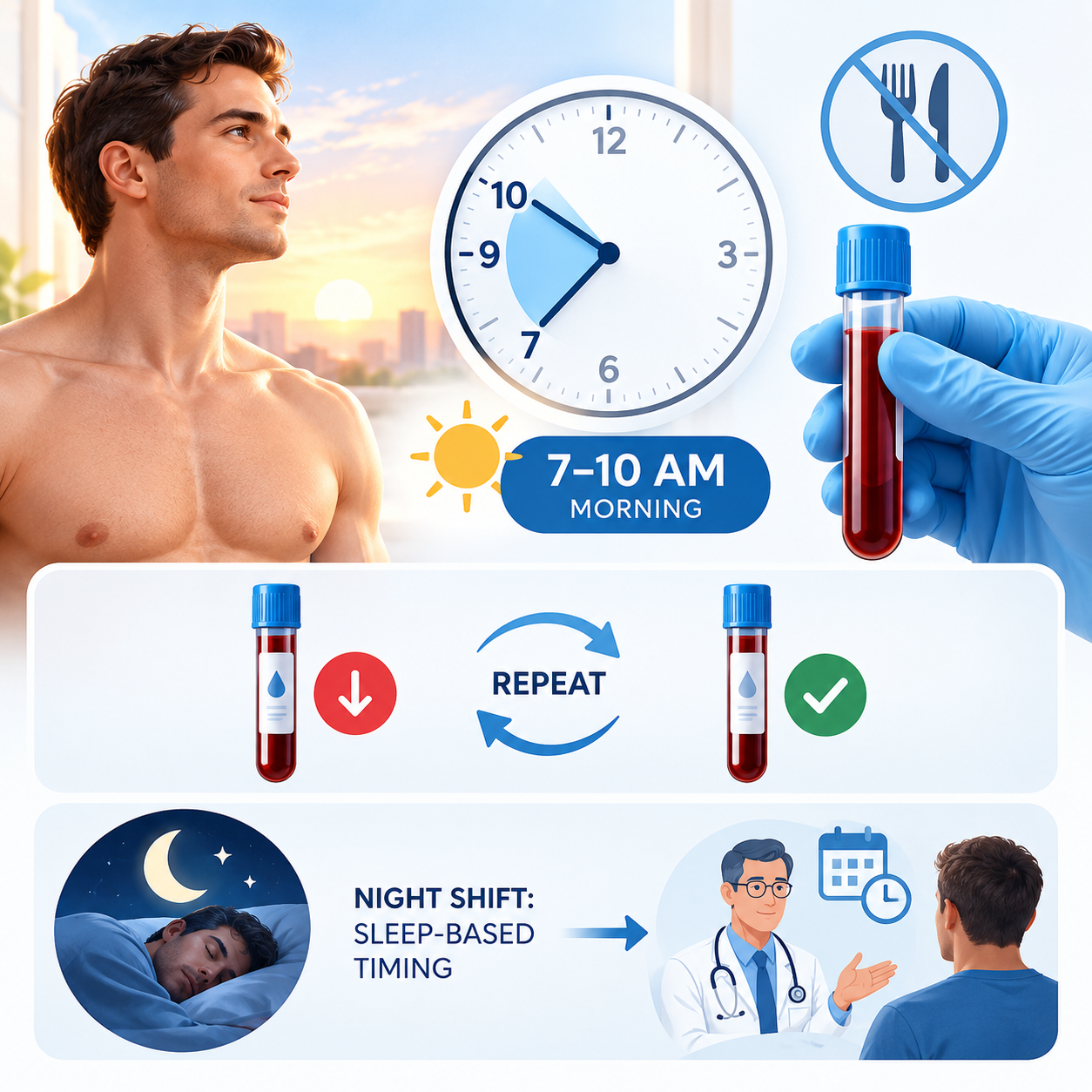
In men maintaining a standard circadian schedule, total testosterone blood samples should be drawn in the morning—typically between 7:00 AM and 10:00 AM—and an initial low result must be confirmed by a subsequent repeat test.
- The EAU 2026 recommends measuring total testosterone between 7:00 AM and 10:00 AM in a fasting state, repeating the test upon finding low levels before initiating testosterone therapy.
- The Endocrine Society similarly recommends confirming diagnoses by repeating fasting morning total testosterone draws.
For night-shift workers, blood draw timing must be customized by the physician around sleep cycles because testosterone rhythmicity relies heavily on sleep architecture.
What Additional Tests Are Needed When Testosterone Is Low?
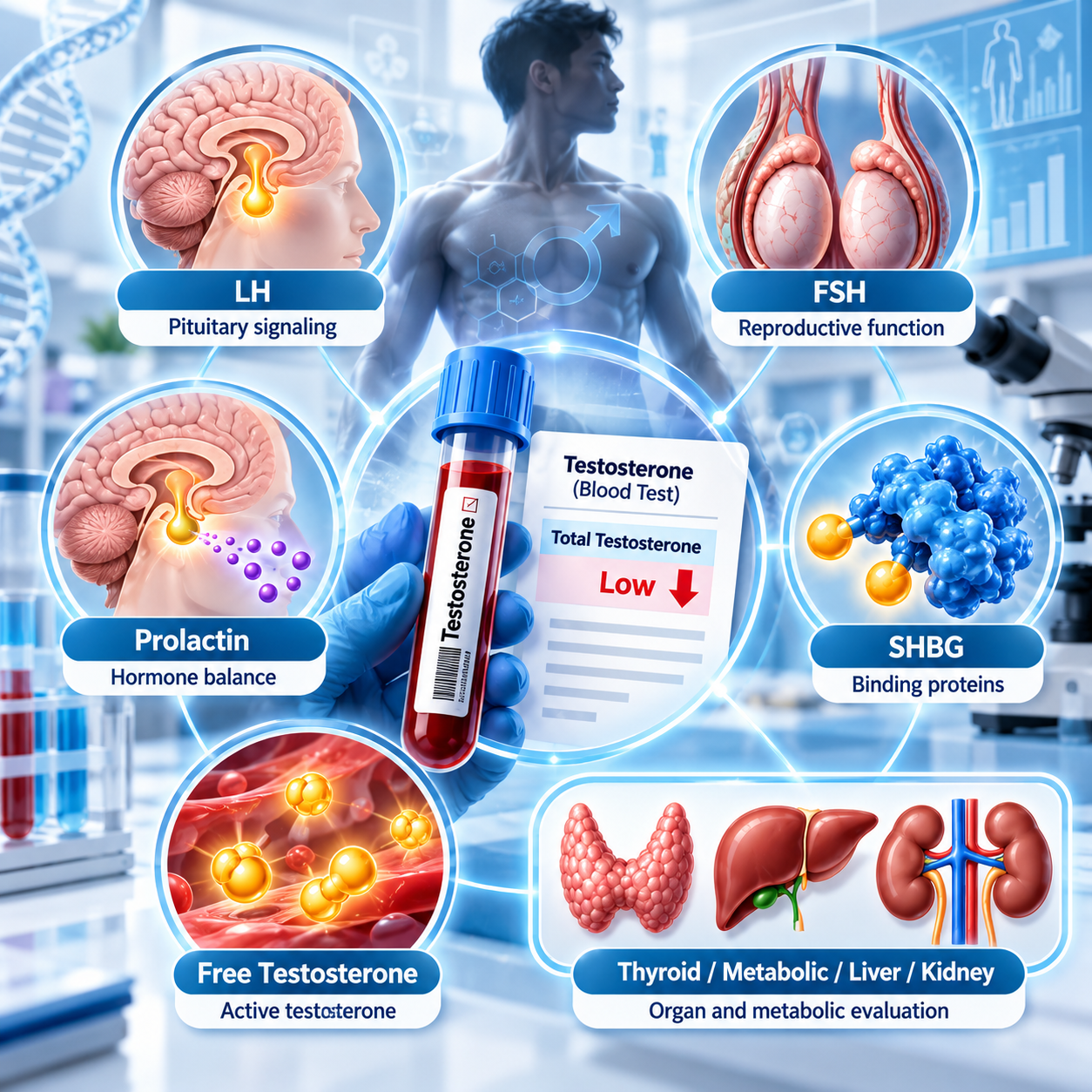
Once low testosterone is confirmed, the subsequent step focuses on identifying the etiology rather than immediately prescribing testosterone. Depending on the clinical picture, physicians may consider:
- LH (Luteinizing Hormone): Evaluates pituitary signaling intensity toward the testes.
- FSH (Follicle-Stimulating Hormone): Particularly useful when assessing reproductive function.
- Prolactin: Indicated during diminished libido or when secondary hypogonadism is suspected.
- SHBG (Sex Hormone-Binding Globulin): Evaluated when factors altering testosterone-binding proteins could distort total testosterone interpretation.
- Free Testosterone or Calculated Free Testosterone: Applied in appropriate clinical scenarios.
- Thyroid, metabolic, hepatic, or renal panels: Tailored to the presentation.
The EAU recommends checking LH and FSH to classify hypogonadism types, while considering SHBG, free testosterone, and prolactin based on individual clinical scenarios.
Should Testosterone Be Prescribed Immediately Upon Detecting Deficiency Signs?
No. Experiencing symptoms does not automatically establish an indication for testosterone therapy. The Endocrine Society recommends diagnosing hypogonadism solely when appropriate clinical symptoms or signs coincide with clear, consistently repeated low testosterone levels.
Prior to prescribing testosterone, physicians must evaluate:
- The underlying etiology of the low testosterone.
- Fertility desires.
- Complete blood count and hematocrit levels.
- Prostate health status, where appropriate.
- Cardiovascular health.
- Co-existing medical conditions.
- Current medications.
In particular, men planning to father children must avoid exogenous testosterone, as the agent suppresses spermatogenesis.
Common Pitfalls in Recognizing Testosterone Deficiency
- Attributing all fatigue to low testosterone: Fatigue is ubiquitous and stems from countless sources. Absent sexual symptoms or endocrine markers, testosterone rarely serves as the primary culprit.
- Treating erectile dysfunction with self-administered testosterone: ED features complex origins. Testosterone represents only one variable within a broader medical framework.
- Relying on a single testosterone test: Hormone concentrations fluctuate due to timing, nutritional status, sleep quality, and acute illnesses. Current guidelines mandate confirming low initial findings before establishing a diagnosis.
- Substituting “testosterone boosters” for a medical evaluation: Over-the-counter products marketed to raise testosterone cannot replace proper diagnosis of root causes. Utilizing unverified hormones or supplements complicates subsequent endocrine evaluations.
- Self-prescribing testosterone using someone else’s prescription: Testosterone is a regulated prescription medication requiring ongoing monitoring. Inappropriate use disrupts hematocrit, impairs fertility, and triggers systemic health risks.
When Should Men with Testosterone Deficiency Signs Seek Medical Care?
Consult an andrology or endocrinology specialist if symptoms persist, recur, or severely impair quality of life, particularly when multiple signs co-occur:
- Marked decrease in libido.
- Prolonged reduction or absence of morning erections.
- Recurrent erectile dysfunction.
- Unexplained loss of muscle strength.
- Changes in testicular size.
- Infertility.
- Decreased body hair accompanied by other endocrine red flags.
- New-onset headaches or visual field changes paired with hypogonadal signs.
- Prior treatment history involving testicular disease, chemotherapy, or radiation.
- Current or past use of testosterone or anabolic steroids.
Emergency Note: Severe headaches, visual disturbances, or unusual neurological deficits accompanying endocrine dysfunction warrant prompt medical evaluation to exclude pituitary pathology.
Can Lifestyle Modifications Improve Testosterone?
Functional low testosterone—particularly instances tied to obesity or metabolic syndrome—can improve when addressing root metabolic drivers. However, lifestyle changes do not replace medical treatment for structural testicular or pituitary pathologies. Measures benefiting general hormonal health include:
- Achieving weight loss if overweight or obese.
- Engaging in regular strength training combined with aerobic exercise.
- Securing adequate sleep and treating sleep disorders.
- Consuming balanced nutrition while avoiding extreme caloric restriction diets.
- Managing diabetes and metabolic disorders.
- Limiting excessive alcohol consumption.
- Avoiding unprescribed testosterone or anabolic steroids.
The EAU notes that functional hypogonadism links closely to obesity and comorbidities; resolving foundational drivers forms a core management step before considering testosterone therapy in eligible patients.
Expert Consultation at the Men’s Health Ecosystem
Signs of testosterone deficiency require holistic evaluation incorporating symptoms, physical examination, and targeted hormone assays rather than focusing on a single laboratory value.
Within the Men’s Health Center ecosystem, founded by Dr. Tra Anh Duy (MD, Specialist Level 2), male endocrine disorders, sexual dysfunctions, and reproductive health concerns receive individualized management pathways.
The Men’s Health Andrology Pharmacy, a specialized unit within this ecosystem, supports patients through prescribed medication counseling and protocol monitoring. Hormonal therapies demand strict clinical indications; patients must avoid self-purchasing, dose titration, or sharing prescriptions.
Collaboration between clinicians and pharmacists ensures professional, safe, discreet, confidential care tailored to personal needs while preventing unnecessary hormone exposure.
Frequently Asked Questions (FAQs)
1. What is the most easily recognizable sign of testosterone deficiency?
Decreased libido, reduced spontaneous or morning erections, and erectile dysfunction serve as highly suggestive sexual symptoms. However, biochemical testing remains necessary to confirm low testosterone.
2. Is fatigue a sign of testosterone deficiency?
It can be, but fatigue is a low-specificity symptom. Sleep deprivation, stress, anemia, thyroid disease, metabolic disorders, and many other conditions can similarly induce fatigue.
3. Does testosterone deficiency cause erectile dysfunction?
It can. Low testosterone contributes to sexual dysfunction, but ED stems from extensive cardiovascular, metabolic, neurological, and psychological origins.
4. Does testosterone deficiency reduce libido?
Yes. Diminished sexual desire is a hallmark specific indicator of hypogonadism in adult men. Persistent symptoms warrant evaluating testosterone alongside other drivers.
5. Does testosterone deficiency cause weight gain and belly fat?
Low testosterone correlates with unfavorable body composition shifts, yet obesity can simultaneously suppress testosterone production. The dynamic operates bidirectionally.
6. Is a testosterone level below 300 ng/dL definitively deficient?
Not automatically. The AUA applies levels below 300 ng/dL as a reasonable supporting threshold, but insists on correlating values with matching clinical symptoms and confirmatory testing. Other clinical guidelines apply distinct thresholds.
7. When is the optimal time to test testosterone?
In men on standard sleep schedules, the EAU recommends drawing blood between 7:00 AM and 10:00 AM in a fasting state. Low results require re-verification prior to diagnosis.
8. Does testosterone deficiency cause infertility?
Certain hypogonadal etiologies suppress spermatogenesis, triggering fertility issues. Evaluating reproductive potential, however, mandates a semen analysis and comprehensive diagnostics beyond testosterone alone.
9. Can I self-supplement testosterone upon noticing deficiency signs?
No. Testosterone is a prescription medication indicated only after confirming diagnoses, identifying root causes, ruling out contraindications, and defining treatment goals. Exogenous testosterone actively impairs sperm production.
10. Can younger men experience testosterone deficiency?
Yes. Testicular diseases, pituitary conditions, genetic anomalies, specific medications, anabolic steroids, and chronic illnesses can precipitate low testosterone in young adults.
Conclusion
The most prominent signs of testosterone deficiency in men include decreased libido, reduced spontaneous or morning erections, and potential erectile dysfunction. Fatigue, muscle loss, strength reduction, fat accumulation, low motivation, poor concentration, and mood changes can also manifest but carry lower diagnostic specificity.
Diagnosing testosterone deficiency requires avoiding reliance on symptoms or isolated blood draws alone. Current clinical guidelines dictate that diagnoses rely on matched clinical symptoms paired with biochemically confirmed low testosterone, verified through at least two morning blood draws under proper conditions.
When symptoms persist and impair sexual function, fertility, or quality of life, men should seek medical evaluation to uncover underlying etiologies. Refrain from self-administering testosterone, endocrine drugs, or unverified supplements; effective management targets both hormone restoration and root cause resolution to ensure long-term patient safety.