
Yes, Finasteride and Dutasteride can cause a temporary reduction in sperm count, sperm concentration, and semen volume in some men. These 5-alpha reductase inhibitors (5-ARIs) function by blocking the conversion of Testosterone into Dihydrotestosterone (DHT)—the primary cause of androgenetic alopecia (male pattern hair loss). However, because they directly alter androgenic activity, these medications can impact reproductive parameters, though these changes are typically fully reversible after treatment discontinuation.
Mechanism of Action: How 5-ARIs Affect Hair Follicles and the Male Reproductive System
To understand how Finasteride and Dutasteride alter semen parameters, it is essential to examine the physiological role of Dihydrotestosterone (DHT).
The 5-Alpha Reductase Enzyme and DHT
In the male body, the 5-alpha reductase (5-AR) enzyme metabolizes Testosterone into Dihydrotestosterone (DHT), a potent androgen with higher biological activity.
- Impact on Hair Follicles: In genetically susceptible individuals, DHT binds to androgen receptors in hair follicles, inducing follicular miniaturization, shortening the anagen (growth) phase, and leading to progressive thinning and balding (Androgenetic Alopecia).
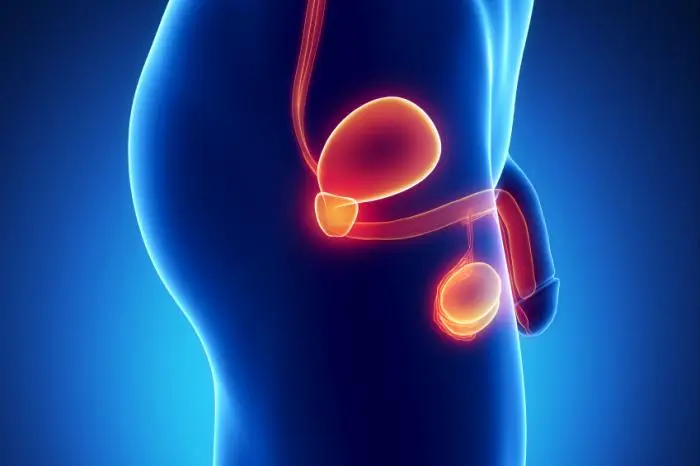
- Impact on Reproductive Organs: DHT plays a crucial role in maintaining prostate function, seminal vesicle secretions, and normal ejaculatory physiology.
Differences Between Finasteride and Dutasteride
While both agents belong to the 5-alpha reductase inhibitor (5-ARI) class, they differ in their enzymatic selectivity and pharmacokinetic half-lives:
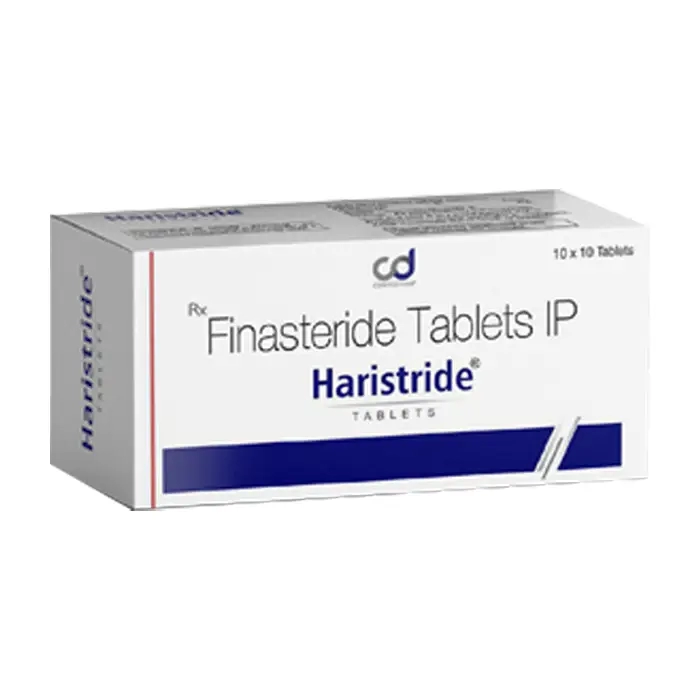
- Finasteride: Selectively inhibits the Type II 5-AR isoenzyme. The standard dosage for androgenetic alopecia is 1 mg daily (e.g., Propecia, Haristride). It features a short terminal elimination half-life of approximately 6 to 8 hours.
- Dutasteride: Inhibits both Type I and Type II 5-AR isoenzymes, reducing serum DHT concentrations more intensely (up to 90%). The standard dosage is 0.5 mg daily (e.g., Avodart). It possesses an extended terminal elimination half-life of 4 to 5 weeks.
Effects of Finasteride and Dutasteride on Sperm Count and Quality
Clinical studies show that 5-ARIs can directly alter key metrics measured in a standard semen analysis.
1. Reduction in Sperm Concentration and Total Sperm Count
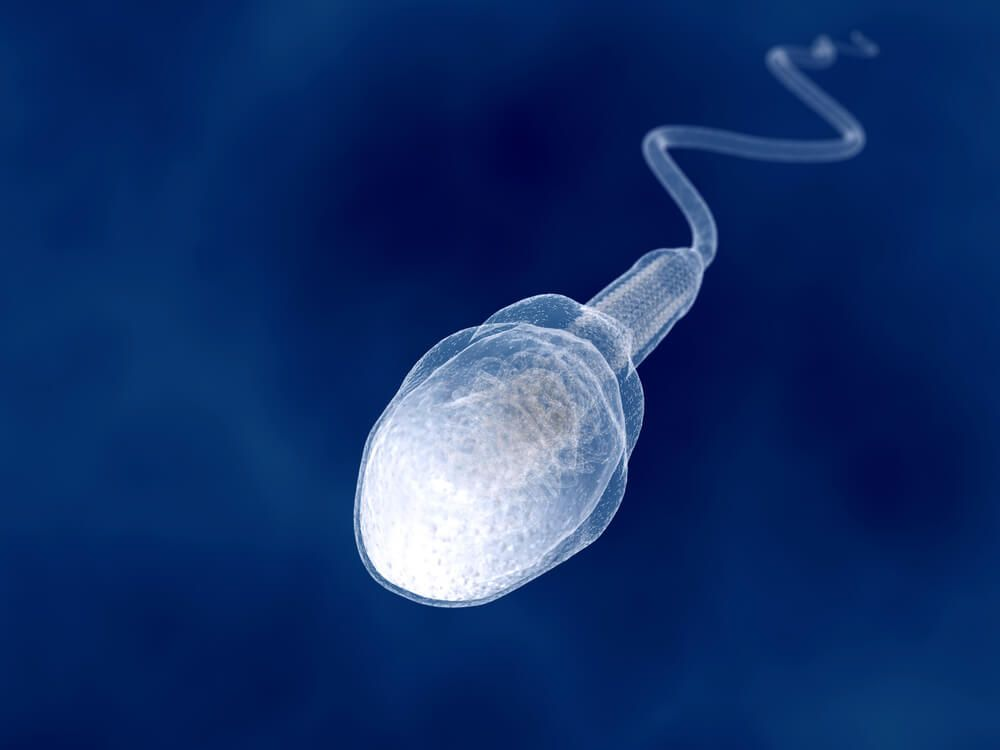
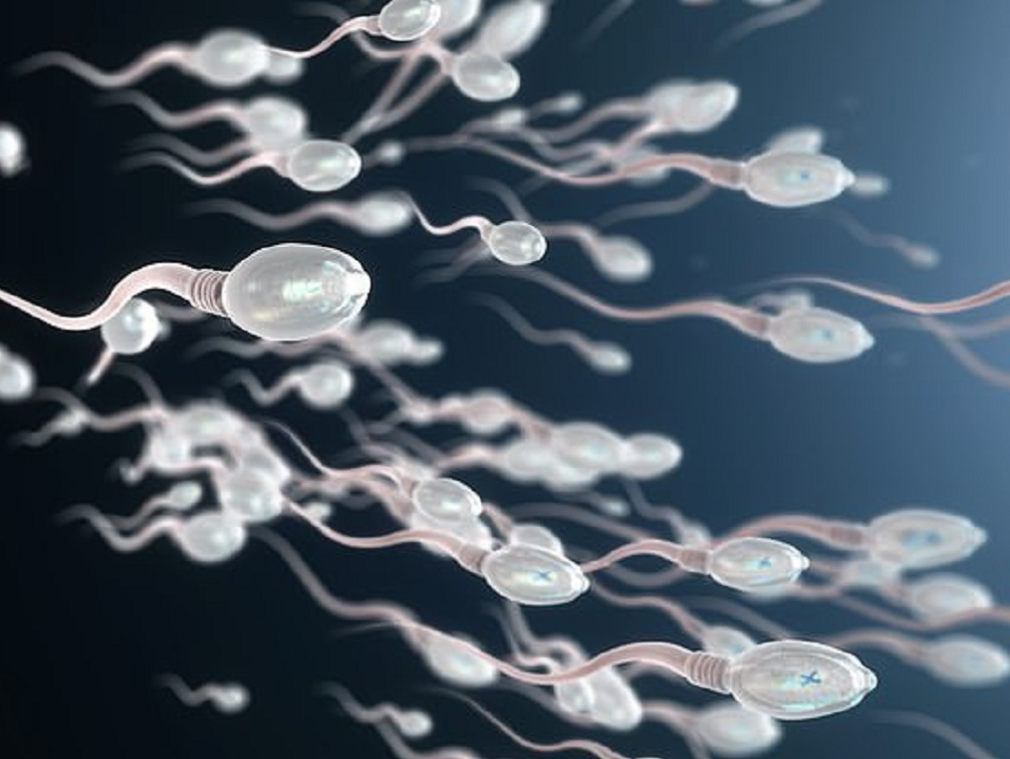
Medical literature published in international andrology journals indicates that Finasteride (even at a low dose of 1 mg daily) or Dutasteride (0.5 mg daily) can reduce total sperm count by 20% to 30% in healthy men. In men with pre-existing mild impairment (such as baseline oligozoospermia), 5-ARI therapy can suppress sperm density to extremely low levels or induce temporary azoospermia.
2. Decreased Semen Volume
Because DHT stimulates fluid secretion from the prostate gland and seminal vesicles, significant DHT suppression often leads to:
- A 20% to 30% reduction in total ejaculatory volume.
- A perception of watery semen or reduced ejaculatory force.
3. Impact on Sperm Motility and Morphology
While the primary impairment involves sperm count and semen volume, clinical trials note a mild decline in progressive motility. However, these medications rarely induce structural abnormalities in sperm morphology or cause sperm DNA fragmentation.
Semen Parameter Comparison Table
| Semen Parameter / Feature | Impact of Finasteride (1 mg) | Impact of Dutasteride (0.5 mg) |
| Sperm Concentration | Decreases by ~20% – 25% | Decreases by ~25% – 35% |
| Semen Volume | Decreases by ~20% | Decreases by ~25% – 30% |
| Sperm Motility | Mild decline | Mild to moderate decline |
| Elimination Half-Life | 6 – 8 hours | 4 – 5 weeks |
| Recovery Timeline | Rapid (1–3 months post-cessation) | Prolonged (3–6 months post-cessation) |
Recovery of Sperm Parameters Following Medication Discontinuation
Sperm count reduction induced by Finasteride and Dutasteride is predominantly reversible upon stopping treatment.
- Recovery After Finasteride: Due to its short half-life, systemic DHT levels begin restoring within days. As a complete spermatogenic cycle takes approximately 64 to 72 days, semen analysis parameters generally return to baseline within 1 to 3 months.
- Recovery After Dutasteride: Because Dutasteride accumulates extensively in tissue and has a 5-week half-life, spermatogenic recovery is slower, typically requiring 3 to 6 months after the final dose.
Medical Note: In rare cases involving underlying genetic abnormalities or pre-existing testicular tissue damage, recovery of sperm count may take longer. Obtaining a baseline semen analysis before starting and after discontinuing treatment is strongly recommended for men planning a pregnancy.
Other Sexual and Hormonal Side Effects
Beyond semen parameters, 5-ARIs can cause other adverse effects on male sexual function:
- Decreased Libido: Experienced by 1% to 2% of users due to altered androgen/estrogen balance.
- Erectile Dysfunction (ED): Difficulty achieving or maintaining penile rigidity during intercourse.
- Ejaculatory Dysfunction: Delayed ejaculation or markedly reduced ejaculatory volume.
- Post-Finasteride Syndrome (PFS): Although uncommon, some reports document persistent sexual and neuropsychiatric symptoms (such as depression and anxiety) that linger for months after stopping the medication.

When Should Men Trying to Conceive Stop Taking 5-ARIs?
Proper timing of medication cessation is vital to support natural conception and protect fetal development.
Recommended Discontinuation Schedule Before Conception
- For Finasteride (1 mg or 5 mg): Men should stop taking the drug at least 1 month (preferably 3 months, representing one complete spermatogenic cycle) before attempting to conceive.
- For Dutasteride (0.5 mg): Men must discontinue the medication at least 6 months prior to conception due to its prolonged systemic elimination.
Potential Risks to a Male Fetus
While the concentration of Finasteride or Dutasteride excreted in semen is extremely low and unlikely to cause harm via vaginal absorption, 5-ARIs are teratogenic to male fetuses. They disrupt normal male external genitalia development, potentially causing abnormalities such as hypospadias. Complete medication cessation prior to conception is a primary preventive measure advocated by healthcare authorities.
Safe Hair Loss Treatments for Men Planning to Conceive
For men who are actively trying to conceive but wish to maintain hair density, clinicians can recommend alternative options:
- Topical Minoxidil (2% or 5%): A localized vasodilator that stimulates hair growth without affecting systemic hormones or sperm quality.
- Platelet-Rich Plasma (PRP) Therapy: Uses autologous growth factors injected into the scalp to nourish hair follicles naturally, carrying zero reproductive toxicity.
- Autologous Hair Transplantation: A surgical approach that redistributes healthy hair follicles without systemic hormonal drugs.
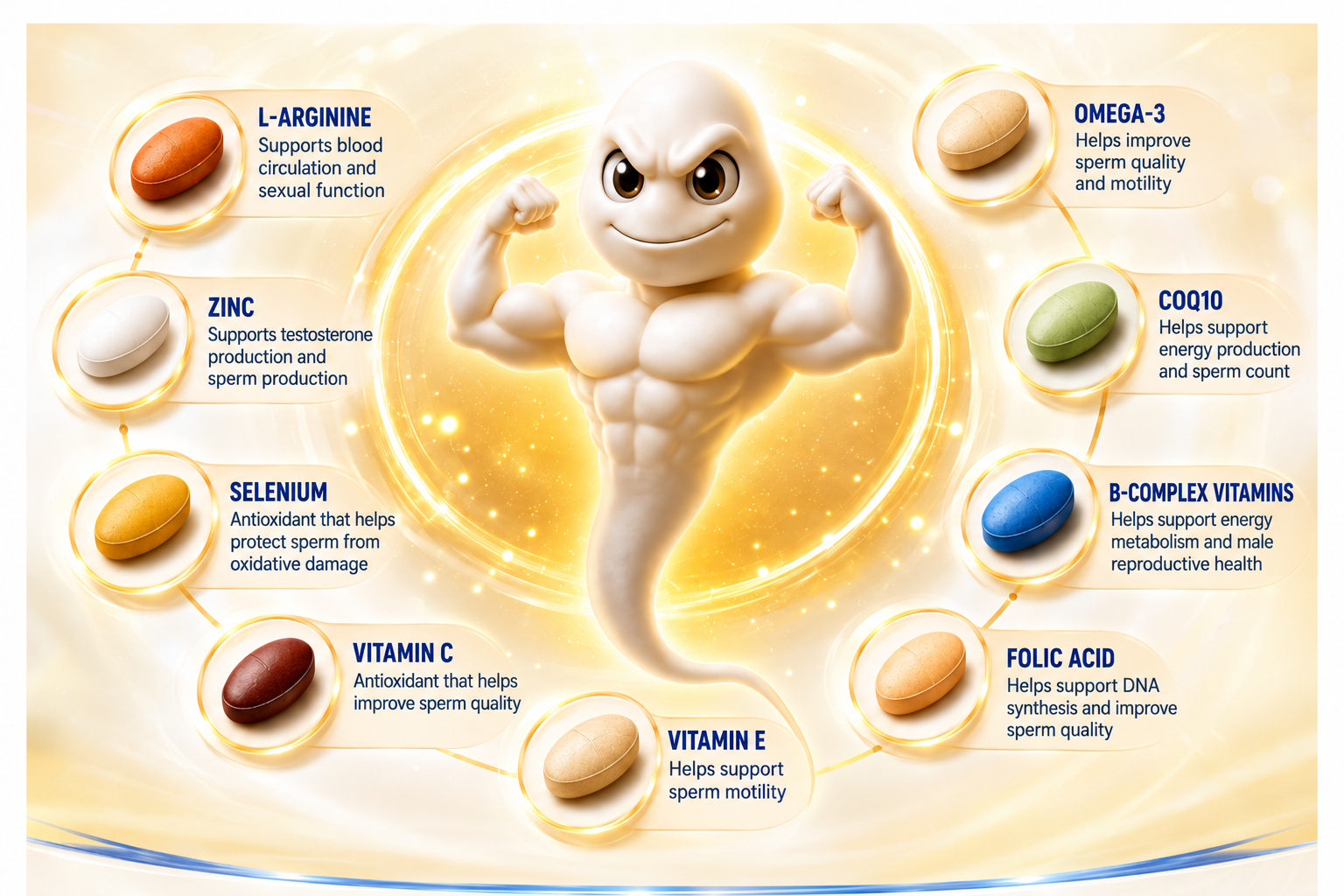
- Micronutrient Supplementation: Formulations containing Biotin, Zinc, L-Cysteine, and targeted antioxidants to strengthen hair roots.
Comprehensive Care at the Men’s Health Ecosystem
Balancing aesthetic goals (treating hair loss) with reproductive health (sperm quality) requires specialized input from expert andrologists.
The Men’s Health Center, founded by Dr. Tra Anh Duy (MD, Specialist Level 2), is a specialized medical facility in Vietnam for Andrology, Sexual Medicine, and Male Reproductive Support.
As an integral component of the ecosystem, the Men’s Health Andrology Pharmacy offers:
- Collaborative Physician-Pharmacist Consultations: Treatment plans for hair loss or sperm optimization are prescribed based on diagnostic testing and thoroughly explained by clinical pharmacists.
- Safety and Personalization: The pharmacy dispenses verified products and emphasizes critical instructions, such as exact drug-washout timelines prior to conception.
- Confidentiality and Discretion: Consultations and prescription fulfillments strictly adhere to privacy standards to safeguard patient data.
Frequently Asked Questions (FAQs)
1. Does Finasteride cause permanent male infertility?
No. Current clinical evidence indicates that sperm count suppression caused by Finasteride is temporary. Semen analysis parameters generally normalize within 1 to 3 months following drug cessation.
2. What if pregnancy occurs while the husband is actively taking Finasteride?
The amount of Finasteride present in semen is extremely minimal and unlikely to cause fetal harm via intercourse. However, if pregnancy is confirmed, the husband should stop taking the drug immediately, and the wife should undergo routine prenatal ultrasounds as directed by her obstetrician.
3. Does Topical Finasteride spray affect sperm count?
Topical Finasteride spray has significantly lower systemic absorption compared to oral tablets, making it far less likely to cause systemic side effects on sperm or libido. However, consulting a physician prior to use while attempting conception is still recommended.
4. Should I get a semen analysis before starting Finasteride?
Yes, it is highly recommended. A baseline semen analysis allows you to evaluate your initial fertility status. If baseline parameters indicate pre-existing oligozoospermia or asthenozoospermia, your doctor can select safer hair loss alternatives.
5. Is it dangerous for a pregnant woman to touch Finasteride tablets?
Yes. Women who are pregnant or planning to become pregnant must strictly avoid handling crushed or broken Finasteride or Dutasteride tablets. The active drug can absorb through the skin and pose a risk of genital malformations in a male fetus.
Clinical Conclusion and Medical Advice
Hair loss treatments such as Finasteride and Dutasteride can temporarily reduce sperm concentration, semen volume, and mildly affect sexual function. However, these adverse effects are non-permanent, and semen parameters typically recover after appropriate washout periods.
If you plan to conceive within the next 6 months, do not initiate or continue oral 5-ARI therapy without direct medical supervision. Schedule an evaluation at the Men’s Health Center to perform a semen analysis, assess your overall reproductive profile, and receive a safe, personalized hair restoration plan.