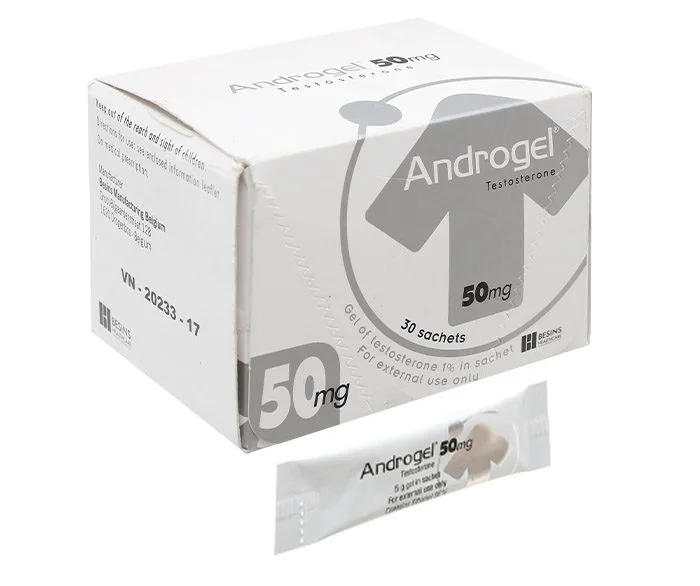

Testosterone Undecanoate (TU) is a long-acting ester of testosterone used in testosterone replacement therapy for men with an appropriately diagnosed testosterone deficiency. This active pharmaceutical ingredient is formulated as either a long-acting intramuscular injection or an oral capsule. The prominent advantage of the injectable form is its ability to maintain relatively stable testosterone levels while significantly reducing the frequency of administration. Conversely, the oral form offers convenience, requires no injections, and allows for faster dose adjustment or discontinuation if side effects occur. However, both forms are prescription medications that must be used strictly under a physician’s indication and supervision.
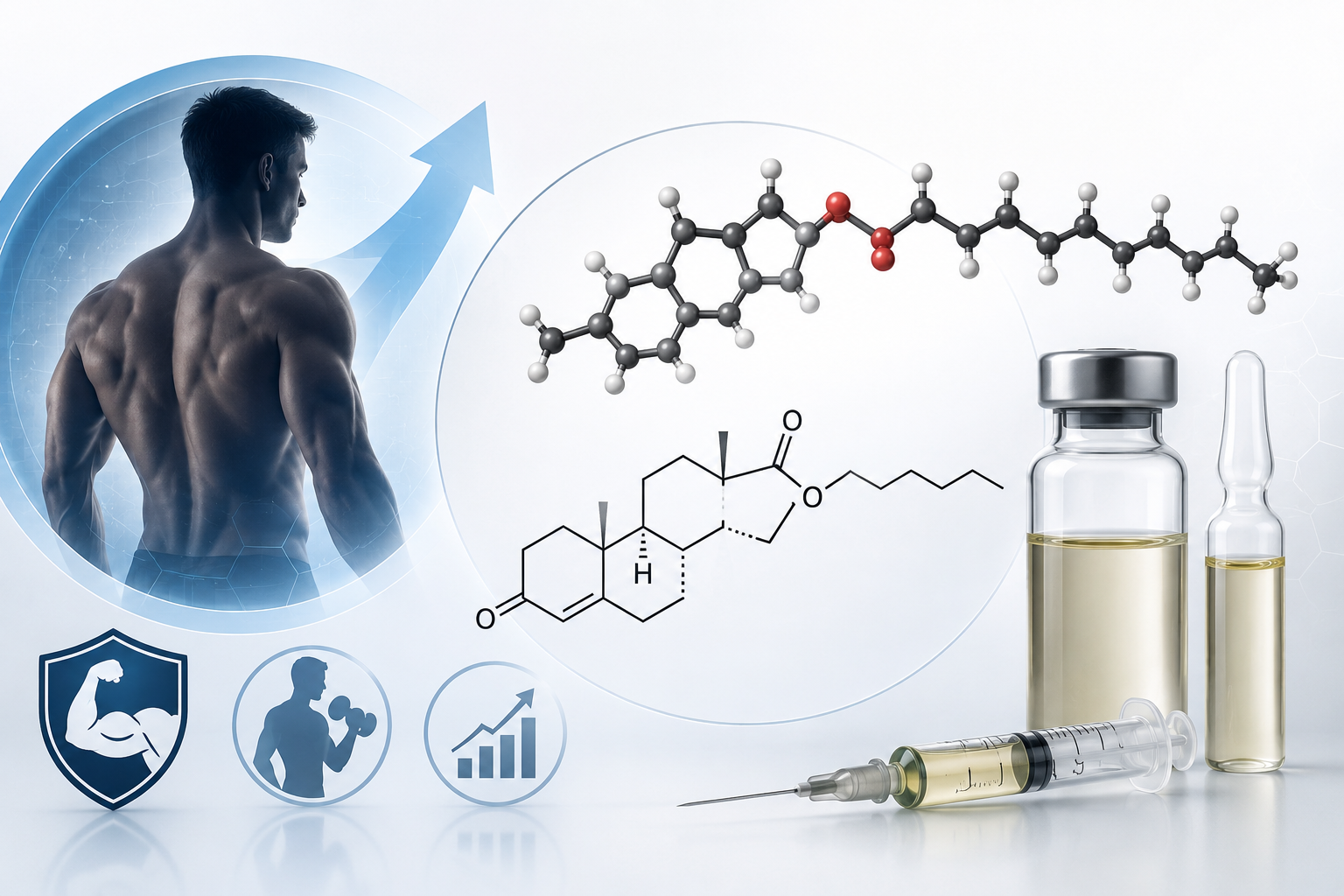
What is Testosterone Undecanoate?
Testosterone Undecanoate, often abbreviated as TU, is testosterone esterified with undecanoic acid at the 17β-hydroxyl position. The attachment of this long ester chain alters the solubility and pharmacokinetics of testosterone, allowing the drug to be developed into an oral form absorbed via the lymphatic system or an intramuscular injection with a prolonged duration of action.
Once absorbed into the body, Testosterone Undecanoate is hydrolyzed to release active testosterone. The testosterone then binds to androgen receptors in various tissues, helping to maintain physiological functions such as libido, male secondary sexual characteristics, muscle mass, bone density, erythropoiesis (red blood cell production), and multiple metabolic processes.
Importantly, Testosterone Undecanoate is not an aphrodisiac or a general “male enhancement” product. According to current clinical guidelines, testosterone therapy should only be considered when a patient presents with clinical signs of testosterone deficiency and laboratory tests consistently confirm low serum testosterone levels.
When is Testosterone Undecanoate Used?
Testosterone Undecanoate is primarily used in testosterone replacement therapy (TRT) for men suffering from male hypogonadism.
The goal of treatment is not to elevate testosterone to the highest possible level, but rather to restore hormone concentrations to an appropriate physiological range while alleviating symptoms associated with the deficiency.
Common symptoms of low testosterone include:
- Decreased libido (sex drive).
- Reduction in spontaneous or morning erections.
- Persistent fatigue and low energy.
- Loss of muscle mass or physical strength.
- Increased body fat.
- Decreased bone mineral density.
- Mood alterations or a diminished sense of well-being.
However, symptoms like fatigue, low libido, or erectile dysfunction can stem from numerous other causes. Therefore, a diagnosis of “testosterone deficiency” cannot be made based on symptoms alone. Physicians must evaluate clinical signs in conjunction with properly timed blood tests—often requiring multiple confirmations—while also investigating the underlying cause of the hypogonadism.
Why Does Testosterone Undecanoate Come in Both Injectable and Oral Forms?
The long-chain ester structure makes Testosterone Undecanoate highly lipophilic (fat-soluble). This characteristic facilitates the development of two administration routes with distinctly different pharmacokinetics.
- Oral Form: TU is partially absorbed through the intestinal lymphatic system, thereby bypassing extensive first-pass hepatic metabolism, which is a major limitation of standard oral testosterone.
- Injectable Form: TU is dissolved in an oil excipient and injected deep into the muscle. It forms a “depot” at the injection site, slowly releasing the active hormone into the bloodstream over many weeks.
These fundamental pharmacokinetic differences dictate the unique advantages and limitations of each formulation.
What Are the Advantages of Injectable Testosterone Undecanoate?
The standout benefits of long-acting intramuscular TU include extended intervals between doses and a more stable hormonal profile compared to shorter-acting injectable esters.
Reduced Injection Frequency
Intramuscular TU formulations are designed for sustained release. Following an initial loading phase, the interval between maintenance injections can span many weeks—often 10 to 14 weeks for some products, depending on the specific formulation, prescribing guidelines, and individual patient response. This drastically reduces the number of injections required compared to short-acting testosterone esters. The European Association of Urology (EAU) guidelines acknowledge this advantage, noting its infrequent administration and capacity to yield stable testosterone levels.
Less Fluctuation in Testosterone Levels
A common drawback of short-acting testosterone injections is the “roller-coaster” effect: levels spike abnormally high post-injection and crash just before the next dose. For some men, these fluctuations cause cyclical variations in energy, libido, and mood. The long-acting depot of TU provides a flatter pharmacokinetic profile, mitigating these extreme peaks and troughs. Pharmacokinetic studies demonstrate that long-acting injections can maintain testosterone within the physiological range for the vast majority of the dosing interval.
Convenience for Those Struggling with Daily Regimens
Patients using oral capsules or transdermal gels must remember to administer their medication daily. Conversely, long-acting injections are administered periodically at a healthcare facility according to a set schedule, which can vastly improve compliance for eligible patients.
No Risk of Transdermal Transfer
Unlike testosterone gels, which carry the risk of accidental secondary exposure to partners or children via skin-to-skin contact, injections pose absolutely no risk of transdermal transfer.
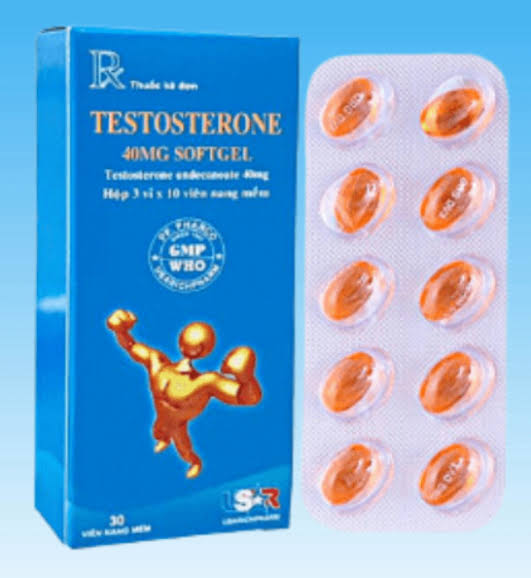
What Are the Disadvantages of Injectable Testosterone Undecanoate?
The prolonged duration of action is both a benefit and a potential drawback. Once injected, the medication cannot be rapidly removed from the body if adverse effects occur.
General side effects to monitor include injection site pain or discomfort, elevated hematocrit, fluid retention, blood pressure changes, acne, gynecomastia (enlarged male breasts), and suppression of spermatogenesis.
Specific Risk: Some oil-based TU injections carry a black box warning for Pulmonary Oil Microembolism (POME) and anaphylaxis. Patients may experience sudden coughing, dyspnea (shortness of breath), chest pain, dizziness, or a choking sensation during or immediately after the injection. Consequently, injectable TU must be administered by a healthcare professional in a clinical setting equipped to monitor and manage acute reactions. Some formulations specifically require post-injection clinical observation. Patients should never self-inject TU at home or use illicit products.
What Are the Advantages of Oral Testosterone Undecanoate?
The primary benefits of oral TU lie in its convenience, the avoidance of needles, and the ability to rapidly adjust therapy.
No Injections Required
This is the most apparent advantage, making oral TU ideal for men who are needle-phobic or find it difficult to visit a clinic regularly for intramuscular injections.
Bypasses First-Pass Hepatic Metabolism
Standard testosterone is rapidly metabolized and deactivated by the liver when taken orally. Because of its lipophilic nature, oral TU is absorbed into the intestinal lymphatic system, bypassing the liver before entering systemic circulation. This mechanism yields clinically significant therapeutic testosterone levels and is the reason TU remains a viable oral option in clinical practice.
Faster Dose Adjustment and Discontinuation
Oral TU has a significantly shorter half-life than the intramuscular depot form. If adverse effects arise or if the treatment plan changes, the physician can adjust or stop the medication, and the drug will clear the system much faster. This makes it highly useful for patients initiating TRT or those requiring close titration.
No Risk of Transdermal Transfer
Like the injection, oral capsules completely eliminate the risk of transferring testosterone to others via skin contact.
What Are the Disadvantages of Oral Testosterone Undecanoate?
While convenient, the oral route is not inherently simpler or universally safer.
A major limitation is that absorption can be heavily influenced by food intake and the specific pharmaceutical formulation. Older oral TU products were highly dependent on the fat content of meals. While newer Self-Emulsifying Drug Delivery Systems (SEDDS) have improved absorption stability, each medication still carries strict dietary instructions that cannot be used interchangeably between brands.
Potential adverse effects include:
- Dyspepsia, nausea, or gastrointestinal distress.
- Increased hematocrit.
- Edema or fluid retention.
- Lipid profile alterations.
- Hypertension (elevated blood pressure) in some individuals.
- Acne or increased sebum production.
- Suppression of sperm production.
- Potential worsening of lower urinary tract symptoms (LUTS) in men with prostate conditions.
Current prescribing information for several newer oral TU formulations specifically mandates rigorous blood pressure monitoring during treatment.
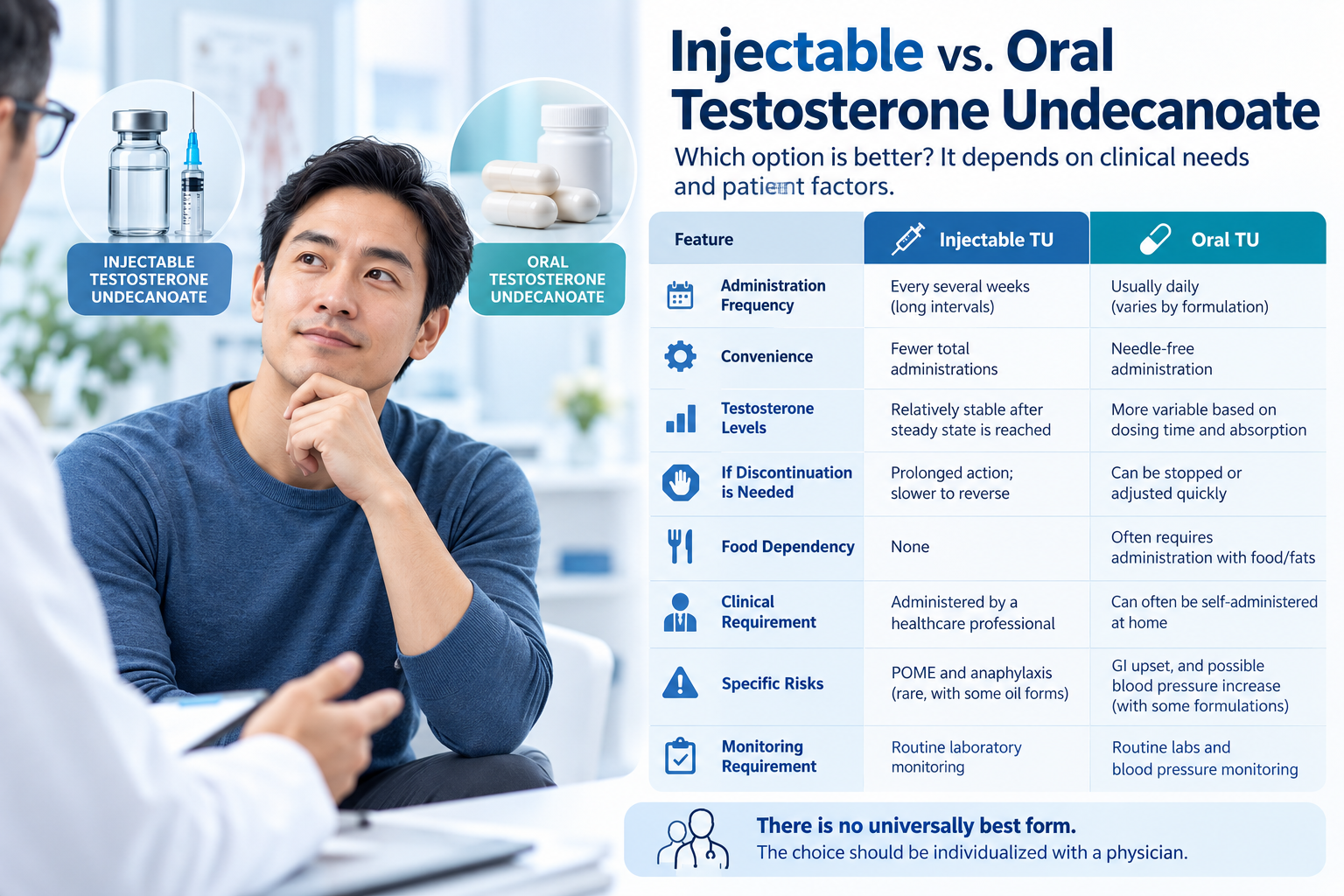
Injectable vs. Oral Testosterone Undecanoate: Which is Better?
There is no universally “best” form of TU. The optimal choice depends on the underlying etiology of the hypogonadism, comorbidities, patient adherence, fertility plans, and individual pharmacokinetic needs.
| Feature | Injectable Testosterone Undecanoate | Oral Testosterone Undecanoate |
| Administration Frequency | Long intervals, typically every several weeks | Frequent, usually daily (varies by formulation) |
| Convenience Factor | Requires fewer total administrations | Needle-free administration |
| Testosterone Levels | Relatively stable once steady-state is reached | Fluctuates based on dosing time and absorption |
| If Discontinuation is Needed | Prolonged action; difficult to reverse rapidly | Can be stopped or adjusted rapidly |
| Food Dependency | None | Often requires administration with food/fats |
| Clinical Requirement | Must be administered by a healthcare professional | Can typically be self-administered at home |
| Specific Risks | POME and anaphylaxis (rare, with some oil forms) | GI distress, hypertension (with some formulations) |
| Monitoring Requirement | Routine labs required | Routine labs and strict BP monitoring required |
The decision regarding the route of administration should be a shared choice between the physician and the patient after evaluating clinical benefits, risks, and personal lifestyle factors.
Does Testosterone Undecanoate Increase Fertility?
No. Testosterone Undecanoate is not a treatment for male infertility. In fact, exogenous testosterone heavily suppresses sperm production.
When external testosterone is introduced into the body, the hypothalamus and pituitary gland detect adequate androgen levels and subsequently reduce the secretion of Luteinizing Hormone (LH) and Follicle-Stimulating Hormone (FSH). This halts endogenous intratesticular testosterone production and significantly impairs spermatogenesis, leading to oligospermia (low sperm count) or azoospermia (zero sperm) in many cases.
Men who are actively trying to conceive must clearly communicate their fertility goals with their doctor before beginning any testosterone therapy. Current clinical guidelines do not recommend exogenous testosterone for men who wish to preserve their fertility.
Who Should Exercise Caution Before Using Testosterone Undecanoate?
Testosterone Undecanoate is a strictly regulated prescription medication requiring comprehensive evaluation prior to initiation.
Physicians exercise extreme caution or consider TRT contraindicated in patients with:
- Elevated baseline hematocrit or a history of polycythemia.
- Known or suspected prostate cancer or male breast cancer.
- Severe lower urinary tract symptoms (LUTS).
- Untreated or poorly controlled obstructive sleep apnea.
- Severe heart disease, congestive heart failure, or conditions causing edema.
- A history of venous thromboembolism (VTE) or significant clotting risk factors.
- Uncontrolled hypertension.
- Liver or kidney disease prone to fluid retention.
- A desire to father children in the near future.
Beyond total testosterone, baseline evaluations typically include LH, FSH, complete blood count (CBC/hematocrit), blood pressure, and specific screenings (like PSA) tailored to the patient’s age and risk profile.
Drug Interactions to Note
Testosterone can interact with several medication classes. Patients must disclose all prescription drugs, over-the-counter medications, and supplements to their healthcare provider. Notable interactions include:
- Vitamin K Antagonists (e.g., Warfarin) – increases bleeding risk.
- Insulin and oral hypoglycemic agents – may lower blood glucose, requiring dose adjustment.
- Corticosteroids – compounds the risk of severe fluid retention and edema.
- Medications that elevate blood pressure.
Do not independently adjust the dosage of TU or any concurrent medications without consulting a physician.
When to Contact a Doctor During Treatment
Patients on TRT must immediately contact their physician if they experience new or worsening symptoms, or if routine lab results are abnormal. Seek prompt medical evaluation if you develop:
- Shortness of breath or chest pain.
- Unilateral leg swelling, warmth, or pain (signs of a blood clot).
- Severe headaches accompanied by elevated blood pressure.
- Difficulty urinating or worsening prostate symptoms.
- Rapid onset of edema (swelling in the hands, feet, or ankles).
- Signs of an allergic reaction.
Note: For the injectable oil formulation, any sudden cough, dyspnea, dizziness, chest pain, or choking sensation occurring during or immediately after the injection requires acute medical intervention at the clinic.
The Role of Doctors and Pharmacists in TRT
Safe testosterone therapy demands a complete clinical cycle: accurate diagnosis, optimal formulation selection, continuous response monitoring, and early detection of adverse effects.
At the Men’s Health Center ecosystem, founded by Dr. Tra Anh Duy (MD, Specialist Level 2), physicians accurately diagnose the etiology of testosterone deficiency and prescribe appropriate treatment. Simultaneously, specialized pharmacists educate patients on proper administration, drug interactions, storage requirements, and adherence protocols.
The Men’s Health Andrology Pharmacy operates within this ecosystem to ensure multidisciplinary coordination, providing patients with professional, safe, discreet, and highly personalized care. Exogenous androgens should never be purchased via black markets, used based on anecdotal advice, or shared among peers. Prescription medications demand precise medical indication and rigorous clinical and laboratory monitoring.
Frequently Asked Questions (FAQs)
1. Is Testosterone Undecanoate actually testosterone?
Yes. It is a biological ester of testosterone. Once inside the body, the ester bond is cleaved, releasing bioidentical, active testosterone into the bloodstream.
2. Does oral Testosterone Undecanoate damage the liver?
TU utilizes a different absorption mechanism (lymphatic) compared to 17α-alkylated oral androgens, bypassing heavy first-pass metabolism. Therefore, it is generally not associated with the severe hepatotoxicity seen in older oral steroids. However, clinical monitoring is still required.
3. How often is the Testosterone Undecanoate injection given?
The depot injection is designed for long-lasting efficacy, with intervals typically spanning multiple weeks (e.g., 10-14 weeks). The exact schedule depends on the specific product, laboratory results, and the physician’s clinical assessment.
4. Will Testosterone Undecanoate help build muscle?
In men with a medically confirmed deficiency, restoring testosterone to a normal physiological range improves body composition and lean muscle mass. However, TU should not be used as an anabolic steroid for muscle building in men with normal hormonal profiles.
5. Does Testosterone Undecanoate cure erectile dysfunction (ED)?
Not in all cases. While TRT can improve libido and erectile function in hypogonadal men, ED is multifactorial and can be caused by vascular, neurological, or psychological issues, as well as concurrent medications. The root cause must be diagnosed first.
6. Do I need to take oral Testosterone Undecanoate with food?
Most oral TU formulations must be taken with meals to ensure adequate absorption, and the dependency on dietary fat varies by brand. Patients must strictly adhere to the specific instructions provided with their prescribed brand.
7. Will Testosterone Undecanoate lower my sperm count?
Yes. Exogenous testosterone suppresses pituitary hormones (LH and FSH), crashing intratesticular testosterone levels and inhibiting sperm production. Discuss fertility preservation with your doctor before starting treatment.
8. Is long-acting injectable TU better than short-acting injections?
The long-acting depot offers fewer injections and a flatter, more stable hormone profile. However, if a severe adverse reaction occurs, the drug cannot be cleared quickly. The choice depends entirely on individual patient factors.
9. Can I buy Testosterone Undecanoate just because I feel tired and have low libido?
No. Fatigue and low libido are non-specific symptoms and do not automatically indicate low testosterone. A proper diagnosis requires clinical evaluation and definitive laboratory testing before hormone therapy is considered.
Conclusion
Testosterone Undecanoate is an effective ester used in testosterone replacement therapy for appropriately diagnosed hypogonadal men. The injectable form provides long-lasting effects, minimal administration frequency, and a stable hormonal profile. The oral form offers needle-free convenience and rapid titratability.
There is no single “best” route; both carry risks, including elevated hematocrit, blood pressure changes, fluid retention, and fertility suppression. Oil-based injections carry specific acute risks requiring clinical monitoring. Men suspecting a hormone deficiency must avoid self-diagnosis and self-medication. Accurate evaluation, fertility preservation planning, and meticulous clinical monitoring should be executed by an experienced physician and pharmacist team, such as those within the Men’s Health ecosystem, to ensure therapeutic efficacy and maximum patient safety.