
Prolonged, heavy alcohol consumption can significantly lower testosterone and disrupt the testosterone-estrogen balance in men by impairing the hypothalamic-pituitary-testicular (HPT) axis, damaging Leydig cells, and altering the liver’s ability to metabolize hormones. The impact of tobacco is more complex: while some observational studies indicate slightly higher blood testosterone levels in smokers, this does not mean smoking boosts testosterone. Smoking still causes severe oxidative stress, damages sperm DNA, and negatively impacts overall vascular and reproductive health.

How Are Testosterone and Estrogen Metabolized in Men?
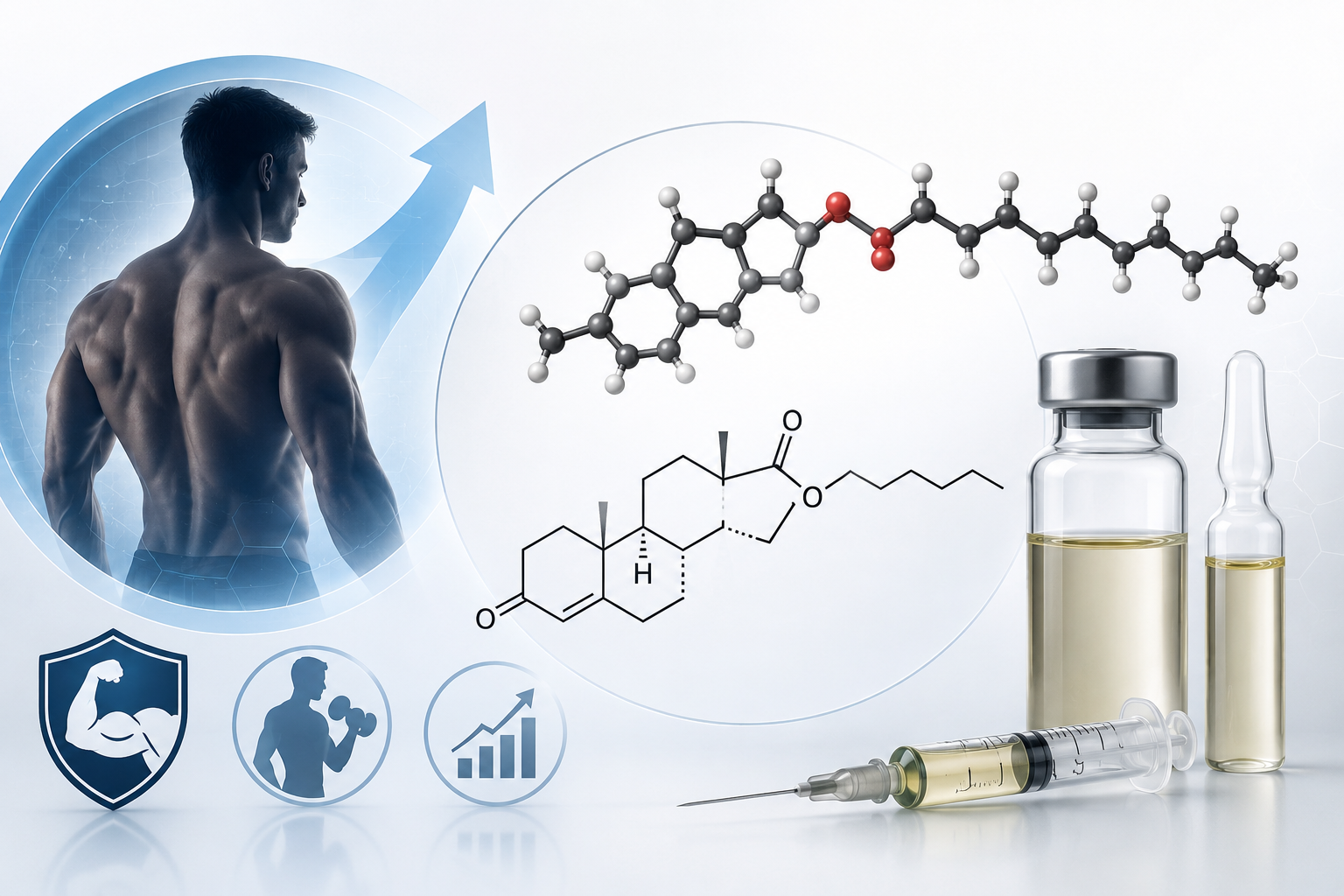
Testosterone and estrogen have a direct physiological relationship. A portion of the testosterone in the male body is converted into estradiol (E2) by the enzyme aromatase.
Testosterone is primarily produced in the Leydig cells of the testes under the control of the hypothalamic-pituitary-testicular (HPT) axis. The process can be simplified as follows:
Hypothalamus → GnRH → Pituitary Gland → LH → Testes → Testosterone
Once produced, testosterone can:
- Act directly on androgen receptors.
- Convert into dihydrotestosterone (DHT) via the 5-alpha reductase enzyme.
- Convert into estradiol via the aromatase enzyme.
- Be metabolized and excreted primarily through the liver.
Aromatase is present in various tissues, including adipose (fat) tissue, testes, brain, bones, and the prostate gland. Estradiol then participates in a feedback loop regulating the hypothalamus and pituitary gland. Therefore, when alcohol or tobacco affects the testes, liver, aromatase activity, SHBG (Sex Hormone-Binding Globulin), or the neuroendocrine system, both testosterone and estrogen levels can change.
How Does Alcohol Affect Testosterone?
The effect of alcohol on testosterone depends heavily on the amount consumed, the duration of use, and liver health. Heavy or chronic alcohol use tends to be detrimental to testosterone production.
A 2023 review on alcohol and testosterone indicated that low-to-moderate alcohol consumption in some acute trials can cause a transient spike in testosterone, whereas heavy or chronic use is linked to decreased testosterone. Thus, a temporary increase following a small amount of alcohol cannot be used to conclude that alcohol is “good for testosterone.”
- Inhibition of the HPT Axis: Chronic alcohol use can disrupt the signaling that controls testosterone production from the brain to the testes. Current data show that alcohol can affect multiple levels of this axis. A 2026 review on the endocrine system and alcohol also noted that alcohol can cause significant disruptions to the male reproductive axis.
- Direct Impact on Leydig Cells: Alcohol does not only act from the brain; it directly impairs the testes’ ability to synthesize testosterone. Ethanol and its metabolites, along with oxidative stress from chronic drinking, interfere with multiple steps of testicular steroidogenesis.
- Increased Oxidative Stress and Inflammation: Prolonged drinking creates an unfavorable environment for sperm and testosterone-producing cells. The European Association of Urology (EAU) notes that heavy drinking is associated with poor sperm quality and chronic high-level consumption can reduce testosterone.
How Does Alcohol Affect Estrogen in Men?
Chronic heavy drinking can increase relative estrogenic effects in men, especially when accompanied by a drop in testosterone or liver disease. Not every drinker has high estradiol, but heavy users or those with alcoholic liver disease may experience a significant shift in their androgen-estrogen balance.
- Increased Aromatization: Alcohol may promote aromatization, increasing the conversion of testosterone to estradiol (Testosterone → Aromatase → Estradiol). This results in a lowered testosterone-to-estradiol ratio.
- Altered Liver Metabolism: The liver plays a crucial role in metabolizing and clearing sex hormones. When liver function declines, the metabolism of steroids and hormone-binding proteins is disrupted, leading to signs of increased estrogenic impact.
- The Role of SHBG: Not all testosterone in the blood is biologically active. A significant portion binds to SHBG. Liver disease and metabolic changes alter SHBG levels, meaning total testosterone may not accurately reflect the bioavailable amount. Therefore, doctors often evaluate SHBG, calculated free testosterone, estradiol, LH, FSH, and liver function alongside total testosterone.
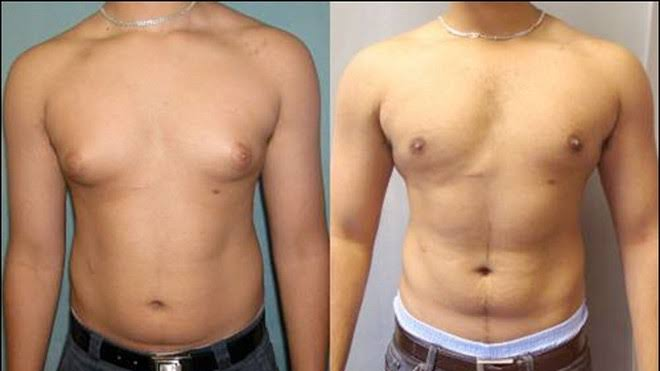
Why Can Heavy Drinking Cause Gynecomastia (Enlarged Breasts)?
Gynecomastia occurs when the balance between estrogenic and androgenic effects tips in favor of estrogen. In chronic heavy drinkers, multiple factors contribute:
- Decreased testosterone.
- Increased conversion of androgens to estrogens.
- Altered hormone metabolism in the liver.
- Changes in SHBG levels.
- Chronic liver disease complicating the hormonal environment.
A man with gynecomastia does not necessarily have estradiol levels far above the reference range; the issue often lies in the ratio between androgen and estrogen. (Note: If breasts enlarge rapidly, are painful, feature a hard unilateral lump, have nipple discharge, or show skin abnormalities, immediate clinical examination is required).

How Does Smoking Tobacco Affect Testosterone?
The impact of smoking on testosterone is complex and studies are not entirely uniform. Notably, many observational studies report that blood testosterone in smokers is slightly higher than in non-smokers. A meta-analysis of 22 studies involving over 13,000 men showed that smokers had an average testosterone level about 1.53 nmol/L higher than non-smokers.
However, this is easily misinterpreted.
Higher Testosterone Does Not Mean Smoking Boosts Testosterone
Tobacco should not be viewed as a “testosterone booster.” These are primarily observational studies showing a correlation, not proving that nicotine makes the endocrine system healthier. The measured testosterone levels can be influenced by:
- SHBG levels (often higher in smokers).
- Age, BMI, and body fat.
- Adrenal gland activity.
- Alcohol consumption (often correlated with smoking).
Because smoking is linked to higher SHBG, slightly higher total testosterone does not equate to better bioavailable testosterone, let alone better reproductive health.

Does Smoking Lower Estrogen in Men?
You cannot simply state that smoking lowers estrogen in men. Studies on estradiol in men yield inconsistent results. While some mechanisms of tobacco are described as “anti-estrogenic” in certain populations, this cannot be mechanically applied to men. In fact, some studies show higher estrone and estradiol in smokers, while others find no difference.
Currently, the most appropriate conclusion is: Tobacco can alter the hormonal metabolic environment, but there is no consistent evidence that smoking dictates a fixed increase or decrease in E2.
Why Does Smoking Harm Reproductive Health Even if Testosterone is Normal?
Blood hormones are only one aspect of reproductive health. Smoking damages sperm through oxidative stress and other mechanisms, even if testosterone remains within normal limits.
The EAU notes that smoking is adversely associated with sperm parameters and recommends that infertile men quit smoking. Tobacco smoke contains thousands of compounds that:
- Increase oxidative stress.
- Damage sperm cell membranes and DNA.
- Alter the testicular environment.
- Negatively impact blood vessels.
Therefore, thinking “my testosterone is high, so smoking doesn’t affect my fertility” is entirely incorrect.
Smoking and Erectile Dysfunction (ED)
Smoking affects sexual function primarily through vascular and endothelial damage, not necessarily via lowered testosterone. Erections rely heavily on vasodilation and blood flow to the corpora cavernosa; nicotine impairs endothelial function. Reviews indicate smokers have poorer sexual health, while those who quit show better erectile function and libido. ED in smokers cannot be fixed simply by taking testosterone.
How Do Alcohol and Tobacco Differ in Their Hormonal Effects?
| Factor | Testosterone | Estradiol / Estrogen | Notable Mechanisms |
| Acute, Low-Dose Alcohol | May fluctuate temporarily (sometimes rises in acute studies) | Inconsistent changes | Acute metabolic shifts |
| Acute, High-Dose Alcohol | May decrease | Can alter T/E balance | Inhibition of T synthesis |
| Chronic Heavy Alcohol | Tends to decrease | Relative estrogenic impact may increase | HPT axis, Leydig cells, aromatase, liver |
| Alcoholic Liver Disease | T drops / difficult to interpret | Estrogenic impact may increase | Reduced hormone clearance, altered SHBG |
| Tobacco Smoking | Observational studies often show slightly higher Total T | Inconsistent results | SHBG shifts, steroid metabolism, multiple confounders |
| Chronic Smoking | Does not necessarily cause low Total T | No fixed direction of change | Oxidative stress, vascular and sperm DNA damage |
Key Takeaway: Blood hormone levels do not reflect the total harm of alcohol or tobacco. A man with “perfect” testosterone labs can still suffer from poor semen parameters or ED due to smoking.
Treatment, Recovery, and Medical Intervention
Is Drinking and Smoking Together Worse?
Yes. These habits compound adverse mechanisms on male reproductive health. Simply taking vitamins, zinc, or “testosterone boosters” will not resolve the foundational damage caused by combining alcohol (which affects the HPT axis and liver) and tobacco (which causes oxidative stress and vascular damage).
Will Testosterone Return to Normal After Quitting?
Improvements are possible if the hormonal abnormality is functional and irreversible testicular or liver damage has not occurred. Recovery depends on the amount and duration of use, liver health, age, weight, and other metabolic diseases. The EAU strictly recommends lifestyle changes, including smoking cessation and reducing high alcohol intake, for infertile men.
When Should Drinkers/Smokers Get Tested?
Testing is not needed purely because you drink or smoke. It is meaningful when symptoms arise, such as:
- Prolonged low libido or loss of morning erections.
- Recurrent ED or infertility.
- Noticeable loss of muscle mass or strength.
- Gynecomastia or shrinking testicles.
- Signs of liver disease or chronic fatigue.
Should I Use Testosterone Boosters or Estrogen Blockers?
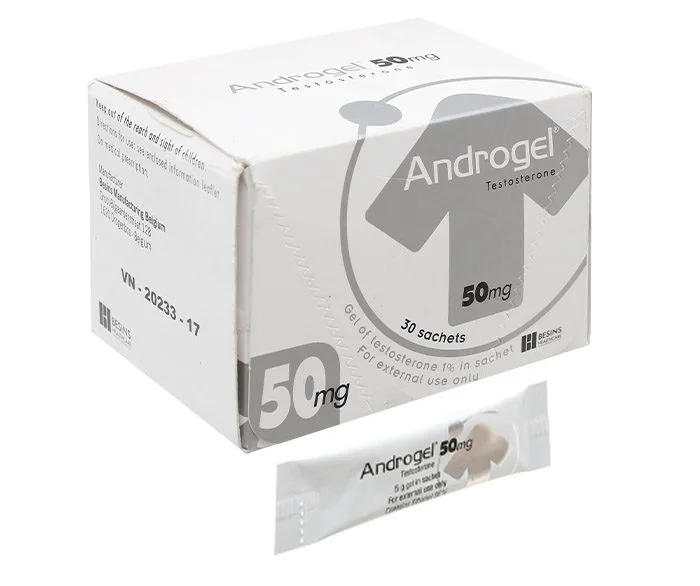
No. Do not self-prescribe exogenous testosterone or aromatase inhibitors (estrogen blockers). Exogenous testosterone actually suppresses natural sperm production, making it contraindicated for men trying to conceive. Taking an aromatase inhibitor just because your E2 looks “high” on a lab test can severely harm your bone health and physiological function. These are strictly prescription medications requiring comprehensive evaluation.
How to Support Hormone Balance Naturally:
- Quit smoking and limit/avoid heavy alcohol use.
- Lose weight if overweight (obesity is a major driver of functional hypogonadism).
- Exercise regularly and get adequate sleep.
- Manage underlying conditions like diabetes or metabolic syndrome.
The Role of Doctors and Pharmacists in Managing Hormonal Imbalance
Treating hormonal imbalances requires addressing the root cause, rather than simply trying to force testosterone up or estradiol down.
At the Men’s Health Center ecosystem, founded by Dr. Tra Anh Duy (MD, Specialist Level 2), men experiencing low libido, ED, abnormal T/E2 levels, or fertility issues are comprehensively evaluated based on symptoms, physical exams, and appropriate testing.
The Men’s Health Andrology Pharmacy is part of this ecosystem, where doctors and pharmacists collaborate to advise on prescribed medications, review current supplements, and ensure safety. Medications like testosterone or aromatase inhibitors require strict professional indication. The care process at Men’s Health prioritizes professionalism, safety, discretion, confidentiality, and personalization based on each patient’s specific health needs.
Frequently Asked Questions (FAQs)
1. Does drinking alcohol lower testosterone?
Yes, heavy or chronic alcohol use can lower testosterone by affecting the HPT axis, Leydig cells, and hormone metabolism.
2. Does drinking beer increase estrogen in men?
Drinking beer does not guarantee an increase in estrogen. However, chronic heavy alcohol use can increase relative estrogenic effects, especially if testosterone drops or liver function is impaired.
3. Beer contains estrogen, so will drinking it cause feminization?
It shouldn’t be explained that simply. The main endocrine issue with heavy drinking lies in ethanol’s impact on testosterone production, steroid metabolism, liver health, and the androgen-estrogen balance, rather than just the “estrogen in beer.”
4. Does smoking increase testosterone?
Some observational studies show slightly higher total testosterone in smokers, but this does not prove that tobacco boosts testosterone or improves male health.
5. Why is my sperm weak if smoking keeps my testosterone high?
Sperm quality depends on more than just testosterone. Oxidative stress, toxins in smoke, and sperm DNA damage can cause infertility even if testosterone is normal or slightly high.
6. Does smoking lower estrogen?
There is no consistent evidence to conclude this in men. Studies on estradiol and smoking show mixed results, so nicotine should not be considered an “estrogen-lowering” agent.
7. Will my testosterone drop if I quit smoking?
Some individuals may see shifts in testosterone or SHBG after quitting, but this is no reason to continue smoking. The overall health and vascular benefits of quitting far outweigh minor testosterone fluctuations.
8. If I get gynecomastia from drinking, does it mean my estrogen is high?
It is related to an androgen-estrogen imbalance, but it doesn’t always mean blood estradiol is absolutely high. Testosterone, estradiol, SHBG, liver health, and other causes must be evaluated.
9. Can drinking and smoking cause male infertility?
Yes. Both factors increase the risk of poor sperm quality, especially smoking and high-level alcohol intake. However, male infertility is usually multifactorial and requires a comprehensive evaluation.
10. Should I take testosterone pills after quitting alcohol and smoking?
Do not self-medicate. Testosterone therapy is only indicated when there are matching symptoms, confirmed low testosterone, and evaluated underlying causes. If you are trying to have a child, exogenous testosterone can actually halt sperm production.
Conclusion:
Both alcohol and tobacco affect male endocrine health, but through different mechanisms. Chronic heavy drinking suppresses the HPT axis, impairs Leydig cells, lowers testosterone, and alters the testosterone-estrogen balance (especially if the liver is damaged). Regarding tobacco, while observational studies show slightly higher testosterone in smokers, this is not a health benefit. Smoking is heavily linked to poor sperm quality, oxidative stress, DNA damage, and sexual dysfunction. If experiencing symptoms like low libido, ED, gynecomastia, or infertility, men should address risk factors, get properly tested, and seek professional medical treatment rather than self-medicating with hormone supplements.